Best Sunglasses for Sight Fishing Clear Water
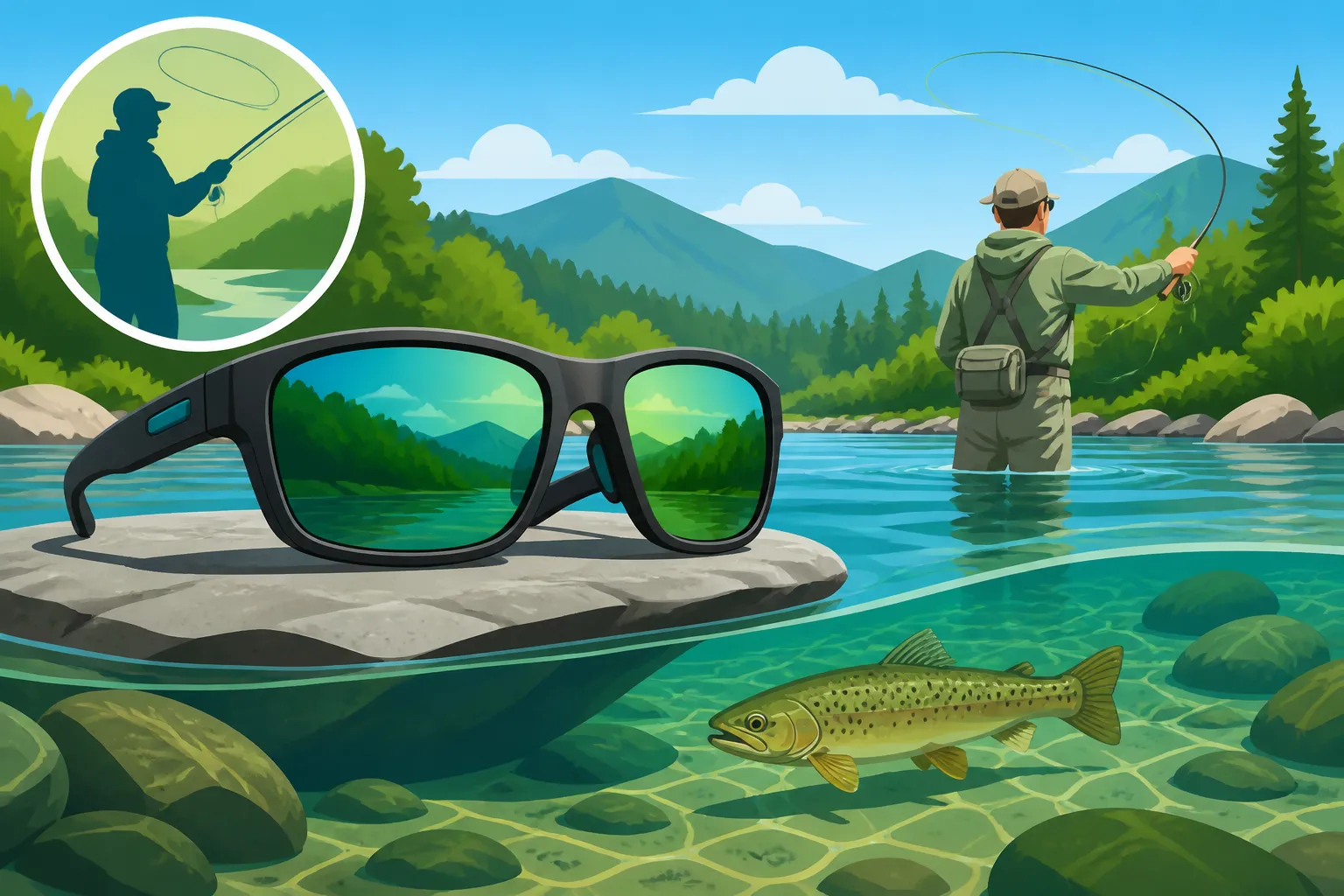
One of the most frustrating things for any angler, especially here in Vermont where our waters can be incredibly clear, is trying to spot fish only to be blinded by the sun's relentless glare. It's like looking through a shimmering curtain, totally obscuring the subtle flick of a trout's tail or the dark shape of a smallmouth bass holding near a rock. This guide is all about equipping you with the knowledge to choose the best sunglasses for cutting through that surface glare, enhancing your vision, and making every sight fishing opportunity count, whether you're stalking brook trout in a mountain stream or peering into the depths of Lake Champlain.
Why Quality Sunglasses are a Game-Changer for Sight Fishing in Vermont
Let's be honest, fishing is as much about observation as it is about technique. When you can literally see the fish, or at least the subtle clues that betray their presence, your chances of success skyrocket. This is where a truly good pair of fishing sunglasses becomes an indispensable tool, transforming a frustrating guessing game into a focused, targeted hunt.
Cutting Through the Glare: The Science of Polarization
Have you ever looked out over a beautiful Vermont lake, like Lake Willoughby or even a smaller pond after a fresh rain, and noticed how the sun just seems to bounce off the water's surface, creating a blinding sheet of light? That's glare, and it's the arch-nemesis of sight fishing. Glare is essentially horizontal light waves that reflect off flat surfaces like water, snow, or even a wet road. When these horizontal waves hit your eyes, they overwhelm your vision, making it impossible to see below the surface.
This is where polarization comes in. Polarized lenses have a special filter that blocks these horizontal light waves while allowing vertical light waves (the useful ones that let you see color and depth) to pass through. Think of it like a venetian blind for your eyes. Instead of being bombarded by uncontrolled light, your eyes receive a cleaner, more organized light signal. The effect is dramatic: suddenly, that shimmering curtain parts, and you can peer into the water, spotting submerged logs, rock structures, weed lines, and, most importantly, the fish themselves. For those clear mountain streams where you’re trying to spot a Vermont brook trout hiding under a cut bank, or when you're working the shallow flats of Lake Champlain for smallmouth, this ability to eliminate glare isn't just a luxury – it's a necessity.
Enhancing Vision and Reducing Eye Strain
Beyond just cutting glare, quality polarized sunglasses significantly enhance your overall vision on the water. Imagine spending hours on the Battenkill River, constantly scanning for rising trout, or trying to pinpoint a walleye in the deeper sections of Lake Champlain. Without proper eye protection, the constant squinting and exposure to UV rays will quickly lead to eye fatigue, headaches, and a general lack of focus. Your eyes will feel tired, blurry, and your enjoyment of the day will diminish.
Good sunglasses, with their superior optical clarity, allow your eyes to relax. They provide sharper contrast, making it easier to differentiate between a shadow and a fish, or to pick out the subtle movements of baitfish. This clarity, combined with UV protection, means you can spend more time on the water, focused and comfortable. You'll notice subtle details you might have missed before – the exact spot where a fish is holding, the direction it's facing, or even the type of structure it's relating to. This isn't just about seeing more fish; it's about seeing the environment better, understanding the subtle nuances of the water, and ultimately becoming a more effective angler. Plus, protecting your eyes from harmful UV rays is a long-term health benefit that shouldn't be overlooked.
Key Features to Look for in Sight Fishing Sunglasses
Choosing the right pair of sunglasses isn't just about grabbing the first polarized pair you see. There's a lot of science and design that goes into making a pair truly effective for sight fishing. Understanding these key features will help you make an informed decision that will serve you well on Vermont's diverse waters.
Lens Material: Durability vs. Clarity
The material your lenses are made from directly impacts both the optical clarity and the durability of your sunglasses. This is a critical consideration, especially when you're out on the water, potentially dropping them or having them bounce around in a boat or tackle box.
- Glass Lenses: These are often considered the gold standard for optical clarity. Glass offers the least distortion and is incredibly scratch-resistant, which is a huge plus when you're frequently cleaning off water spots or grit. Imagine you're Fly Fishing for Trout in Vermont on a clear, sunny day, and every detail matters. The crispness of glass lenses can give you an undeniable edge. However, glass lenses are heavier than other options, which can lead to fatigue during long fishing days, and they are more prone to shattering if dropped on a hard surface, like a rocky shore or a boat deck. This is a trade-off many serious anglers are willing to make for the unparalleled vision.
- Polycarbonate Lenses: Lighter and more impact-resistant than glass, polycarbonate lenses are a popular choice for active anglers. They are less likely to shatter if dropped, making them a safer option, especially if you're fishing from a kayak or in an environment where drops are common. While they don't quite match the optical purity of glass, modern polycarbonate lenses have come a long way and offer excellent clarity for most fishing situations. They're often more affordable too. For someone who might be a bit rougher on their gear or prefers a lighter feel for all-day wear while exploring Best Kayak Fishing Spots in Vermont, polycarbonate is a fantastic choice.
- Trivex/NXT Lenses: These are a newer generation of lens materials that aim to bridge the gap between glass and polycarbonate. Trivex lenses offer optical clarity very close to glass but with the superior impact resistance and lightweight properties of polycarbonate. They tend to be at the higher end of the price spectrum but offer an excellent balance of performance and durability. If you want the best of both worlds and aren't afraid to invest, these are certainly worth considering.
Lens Color: Matching the Environment
The color, or tint, of your lenses is another crucial factor, as different colors are designed to perform optimally in specific light conditions and environments. There's no single "best" lens color for all Vermont fishing scenarios, so many experienced anglers will even have a couple of pairs with different tints.
- Grey/Blue Mirror Lenses: These are generally best for bright, sunny conditions and open water. They provide a true-to-color view, meaning they don't distort colors, and are excellent at reducing overall brightness. If you're out on a boat on Lake Champlain on a brilliant summer day, a grey lens or a grey lens with a blue mirror finish will be ideal for cutting through the intense surface glare and seeing into the depths without eye fatigue.
- Brown/Amber/Copper Lenses: These tints excel at increasing contrast, especially in moderate to low light conditions, or when fishing in environments with varied light, such as partly cloudy days or shaded rivers. They enhance depth perception and make it easier to spot fish against varying backgrounds like rocks, weeds, or muddy bottoms. Many anglers find copper lenses particularly effective for Best Trout Streams in Vermont where you're looking for subtle outlines in moving water, or for Smallmouth Bass Fishing in Vermont where you need to pick out structure.
- Green Mirror Lenses: Often built on a copper or amber base, green mirror lenses are popular for shallow water sight fishing. The green mirror amplifies contrast and color definition, making it easier to distinguish fish or structure in murky or stained water, or when fishing over sandy or grassy flats.
- Yellow/Rose Lenses: While not typically used for bright clear water sight fishing, these tints are excellent for very low light conditions, such as dawn, dusk, or heavily overcast days, or fishing deep shade. They brighten the environment and enhance contrast. If you're trying to spot fish in really poor light, these can be a surprisingly useful tool, though they may not be your primary choice for typical sight fishing conditions.
We'll dive deeper into specific lens colors later, but understanding this basic principle – matching your lens color to the light and water conditions – is key to maximizing your sight fishing success.
Frame Style and Fit: Comfort and Coverage
You can have the best lenses in the world, but if the frames are uncomfortable or don't provide adequate coverage, you'll still be struggling. A good fit is paramount for both comfort and performance.
- Wrap-Around Style: This is almost a non-negotiable for fishing sunglasses. Wrap-around frames minimize light leakage from the sides, top, and bottom, ensuring that all the light reaching your eyes is filtered through the polarized lenses. This is crucial for glare reduction, as stray light can negate the effect of even the best lenses. Plus, they offer superior protection from wind, spray, and accidental flying hooks – a practical benefit on any Vermont waterway.
- Comfort: You'll be wearing these glasses for hours, sometimes all day. Look for lightweight frames, comfortable nose pads (adjustable ones are a bonus), and temple arms that don't pinch behind your ears or slip when you sweat. Many quality brands use rubberized grip sections on the nose and temples to ensure they stay put, even when you're leaning over to land a fish or battling through rough water.
- Coverage: Larger lenses and frames offer more protection and block more light. This is especially important for broad-spectrum UV protection and reducing overall eye strain. While tiny fashion sunglasses might look cool, they won't cut it for serious sight fishing. You want frames that essentially create a protective bubble around your eyes. Consider trying on various styles at a local sporting goods store or even a Bass Pro Shops if one is nearby to see what feels best on your face.
Understanding Polarization: More Than Just a Marketing Buzzword
You hear the term "polarized" thrown around a lot when it comes to sunglasses, especially fishing sunglasses. But what does it really mean, beyond just cutting glare? It's not just a fancy marketing term; it's a critical optical technology that genuinely changes how you interact with reflective surfaces.
How Polarized Lenses Work Their Magic
To truly appreciate polarized lenses, it helps to understand a little about light itself. Light travels in waves, and these waves typically oscillate in all directions – horizontally, vertically, and everywhere in between. When light strikes a flat, reflective surface like water, it often becomes "horizontally polarized." This means a large portion of the light waves start vibrating primarily on a horizontal plane. This horizontally polarized light is what we perceive as glare. It's intense, scattered, and obscures details.
Polarized lenses contain a very special chemical filter, typically a thin film embedded within the lens material, that is designed to absorb horizontal light waves. Think of this filter as a microscopic grid or a series of vertical slats. Only the vertical light waves can pass through these "slats," while the horizontal, glare-producing waves are blocked.
The result is truly transformative for an angler. Instead of seeing a blinding white sheen on the surface of Lake Memphremagog or a river pool, you see into the water. You can distinguish the subtle changes in depth, the dark outline of a rock, or the tell-tale shimmer of a schooling baitfish. This makes all the difference when you're trying to sight fish for specific species, allowing you to present your lure or fly with precision. It's the difference between casting blindly and making an educated, targeted presentation.
Distinguishing True Polarization from Tinted Lenses
Here's a crucial point that can save you frustration and wasted money: not all tinted sunglasses are polarized. Many cheap sunglasses are simply tinted to reduce brightness, but they do nothing to filter out the glare. You might feel like your eyes are less strained because everything is darker, but you won't gain the crucial ability to see through the water.
So, how can you tell if sunglasses are genuinely polarized? There are a couple of easy tests:
- The Screen Test: Hold the sunglasses up to an LCD screen (like your phone, a computer monitor, or a car's infotainment system). Rotate the sunglasses 90 degrees. If the lenses are polarized, you'll notice the screen appears to darken significantly or even black out at a certain angle. This is because the polarized filter on the sunglasses is aligning with and blocking the polarized light coming from the LCD screen. Non-polarized sunglasses will only make the screen appear slightly darker, but won't black it out.
- The Reflection Test: Find a reflective surface, like a countertop, a car hood, or a still puddle of water. Look at the reflection without the sunglasses, noting the intensity of the glare. Then put on the sunglasses. If they are truly polarized, the glare from that surface will be dramatically reduced, allowing you to see objects more clearly behind the reflection. If the reflection just looks darker but still shiny and obscuring, they are likely just tinted.
Investing in genuinely polarized sunglasses is non-negotiable for sight fishing. Don't be fooled by cheap imitations. While some high-quality brands might be an investment, they are worth every penny for the enhanced vision and reduced eye strain they provide. You can often find reputable brands on platforms like Amazon or in stores like Bass Pro Shops, but always do your due diligence and check for that polarization feature.
Top Lens Colors for Diverse Vermont Fishing Conditions
As we touched on earlier, different lens colors excel in different light conditions and environments. Vermont's fishing landscape is incredibly varied, from bright, expansive lakes to shaded, winding rivers and dense backcountry ponds. Having the right lens color for the situation can significantly impact your ability to spot fish and structure.
Grey Lenses: The All-Around Performer
Grey lenses are often considered the most versatile "all-around" option for fishing. They are designed to provide the most natural color rendition, meaning they don't distort colors. Everything you see through grey lenses will look much like it does to the naked eye, just with reduced brightness and, crucially, eliminated glare.
- Ideal Conditions: Bright, sunny days on open water. Think of those gorgeous, bluebird days on Lake Champlain when the sun is high and intense. A grey lens (or a grey lens with a blue mirror coating, which enhances its performance in very bright conditions by reflecting even more light away) will cut through the blinding surface glare, allowing you to clearly see down into the water column. They reduce eye strain significantly in these intense light situations.
- Vermont Specifics: Perfect for targeting Lake Champlain Walleye Fishing or Lake Champlain Lake Trout Fishing when you're out in the broad expanse of the lake. Also great for sunny days on larger, clear bodies of water like Lake Bomoseen or Lake Dunmore, where the light penetration is deep and the glare can be overwhelming. If you're only going to own one pair of fishing sunglasses, a quality grey polarized lens is often the safest bet for covering a wide range of bright-light scenarios.
Brown/Amber/Copper Lenses: Enhancing Contrast in Variable Light
Brown, amber, and copper lenses are highly favored by many anglers for their ability to enhance contrast and depth perception. While grey lenses offer true color, these warmer tints actually amplify certain colors, making it easier to distinguish shapes and details, especially in environments where light isn't consistently brilliant.
- Ideal Conditions: Overcast days, partly cloudy conditions, moderate to low light, or fishing in environments with significant shade and structure. These lenses perform exceptionally well when the light is variable or subdued. They make it easier to pick out subtle differences in the water, such as a log against a darker bottom, or the flash of a fish moving through cover.
- Vermont Specifics: These are fantastic for Battenkill River Trout Fishing or exploring other Best Trout Streams in Vermont where you're often moving between sun-dappled pools and heavily shaded stretches. They help illuminate the underwater world, making it easier to spot fish holding in current seams or under overhanging branches. For Smallmouth Bass Fishing in Vermont on rivers like the Winooski or Lamoille, where bass often relate to rocky bottoms and submerged timber, the enhanced contrast of a copper or amber lens can be a huge advantage in differentiating between rock and fish. They also excel on slightly stained or tannin-rich waters often found in some of Vermont's smaller ponds and rivers.
Green Mirror Lenses: Specialized for Inshore and Shallow Water
Green mirror lenses are typically built upon a copper or amber base lens, giving them the inherent contrast-enhancing properties of those tints, but with an added reflective green coating on the exterior. This mirror coating serves to reflect even more glare, making them particularly effective in bright, shallow water conditions.
- Ideal Conditions: Bright sun in shallow water, coastal flats (if you were fishing saltwater, but applicable here), or clear, shallow river sections. The green mirror amplifies the ability to see into the water, cutting glare and enhancing contrast to make out subtle details on the bottom.
- Vermont Specifics: While Vermont isn't known for "flats" fishing in the traditional sense, these lenses are incredibly useful when you're sight fishing for bass in the shallow coves of Lake Champlain or Lake Bomoseen, or when wading clear, rocky rivers looking for trout. They help you pinpoint fish against the bottom structure with remarkable clarity. If you spend a lot of time stalking fish in less than five feet of water on sunny days, a green mirror lens can be a phenomenal asset, giving you an edge in seeing those elusive shadows or subtle movements.
Yellow/Rose Lenses: Low Light and Overcast Mastery
Yellow and rose (or vermillion) lenses are quite specific in their application and are primarily designed to brighten the view and enhance contrast in very low light conditions. They are not typically the first choice for "sight fishing clear water" if that implies bright, sunny conditions. However, clear water can still be found in low light.
- Ideal Conditions: Dawn, dusk, heavily overcast days, fog, or fishing in extremely shaded areas where light penetration is minimal. These lenses literally make everything brighter and sharper, cutting through haze and gloom. They are often favored by ice anglers for detecting subtle line movements in low light inside an ice shanty, or by those fishing deep into the twilight hours.
- Vermont Specifics: While perhaps not your go-to for typical sight fishing, they can be valuable during Vermont Trout Opening Day Traditions early in the morning before the sun is fully up, or when you're fishing a deep, heavily wooded gorge on a perpetually cloudy day. If you're targeting fish in the dimmest conditions and still need maximum visibility, these tints can significantly improve your ability to see what's happening. Just be aware they can be too bright or distort colors in full sun.
Here’s a quick summary to help you decide:
| Lens Color/Type | Primary Use Case | Key Benefit | Best for Vermont Scenarios |
|---|---|---|---|
| Grey / Blue Mirror | Bright, sunny conditions, open water | Natural color rendition, maximum glare reduction | Lake Champlain, large lakes (Bomoseen, Dunmore) on sunny days; offshore trolling; open water bass fishing. |
| Brown / Amber / Copper | Moderate to low light, overcast, varied light | Enhanced contrast, improved depth perception | Trout streams (Battenkill, White River); partly cloudy lake fishing; bass fishing in rivers or around structure. |
| Green Mirror | Bright sun, shallow water, inshore | Superior contrast & glare reduction in shallow depths | Sight fishing for bass in clear lake coves; wading clear river flats; stalking trout in shallower stream sections. |
| Yellow / Rose | Very low light, overcast, dawn/dusk, heavy shade | Brightens view, enhances contrast in dim conditions | Early morning trout fishing, late evening bass fishing, heavily shaded backcountry ponds; ice fishing in dim conditions. |
Care and Maintenance of Your Prized Fishing Sunglasses
You've invested in a fantastic pair of polarized sunglasses, perhaps from a brand you found highly recommended, or after browsing reviews on Amazon, or even trying them on at a Bass Pro Shops. Now, how do you keep them performing at their best for years to come? Proper care and maintenance are absolutely critical. These aren't just fashion accessories; they're precision optical instruments designed to help you catch fish.
Cleaning Techniques for Longevity
It’s inevitable: your sunglasses will get dirty out on the water. Water spots, sunscreen, fish slime, dust, and pollen are all part of the game. How you clean them makes a huge difference in preventing scratches and maintaining optical clarity.
- Rinse First, Always: Before wiping, always rinse your lenses thoroughly with clean water, ideally fresh water. This is the single most important step. Grit, sand, and dried salt or dust particles can act like sandpaper if you rub them across a dry lens. A quick rinse will flush away most of these abrasive culprits. If you're out on the lake, a little boat water or even a splash from your water bottle is better than nothing.
- Use a Microfiber Cloth (and Only a Microfiber Cloth): Once rinsed, gently dry and polish your lenses with a clean, lint-free microfiber cloth specifically designed for optics. These cloths are engineered to pick up oils and residues without scratching. Do not use your shirt tail, a paper towel, or any abrasive fabric. These can leave micro-scratches that accumulate over time, degrading your vision.
- Avoid Harsh Chemicals: Steer clear of window cleaners, ammonia-based sprays, or solvents. These can damage lens coatings, especially anti-reflective or hydrophobic layers, and even some frame materials. If you need a deeper clean for greasy smudges (like sunscreen or fish oil), use a lens cleaning solution specifically formulated for eyeglasses, or a tiny drop of mild dish soap diluted in water, followed by a thorough rinse.
- Be Gentle: When wiping, use a light touch. You don't need to scrub vigorously. Let the cloth and the cleaning solution (if used) do the work.
Following these simple cleaning steps will ensure your lenses remain crystal clear, giving you that competitive edge when How to Catch Smallmouth Bass in Vermont Lakes by sight.
Storage and Protection Strategies
The moment you take your sunglasses off, they are vulnerable. Leaving them loose in a tackle box, on a boat seat, or tossing them onto a rocky bank is a recipe for disaster.
- Hard Cases are Your Best Friend: The best protection for your sunglasses is a sturdy, hard-sided case. This prevents them from being crushed, bent, or scratched when they're not on your face. Always put them in their case when you're not wearing them, whether you're driving to your next fishing spot, packing up your gear, or just taking a break. Many quality sunglasses come with a good case, but if yours didn't, it's a worthwhile accessory to purchase.
- Soft Pouches for Quick Access/Extra Layer: Many sunglasses also come with a soft microfiber pouch. This can serve a dual purpose: it's a convenient way to clean your lenses, and it provides a light layer of protection if you need to quickly slip your glasses into a pocket or a dedicated compartment in your fishing vest. However, a soft pouch alone isn't enough to protect against crushing, so use it in conjunction with a hard case when greater protection is needed.
- Use a Retainer Strap: Ever had your sunglasses fly off your head during a sudden boat maneuver or when bending over to release a fish? A simple, inexpensive retainer strap (like those from Chums or Croakies) can save your expensive eyewear from a watery grave. It keeps them securely around your neck when not on your face, or prevents them from sinking if they do happen to fall off. This is especially useful when Kayak Fishing Techniques for Vermont Lakes where losing gear overboard is a common concern.
- Avoid Extreme Temperatures: Don't leave your sunglasses on the dashboard of your car on a scorching summer day or out in freezing winter conditions. Extreme heat can warp frames and damage lens coatings, while extreme cold can make some materials brittle. Store them in a cool, dry place when not in use.
Treat your fishing sunglasses like the essential fishing tool they are, and they will serve you well for many seasons on Vermont's beautiful, clear waters.
Disclaimer
This article is for general informational purposes only and does not constitute professional advice. Laws, prices and regulations vary by location and change over time. Consult a qualified professional for guidance on your specific situation.