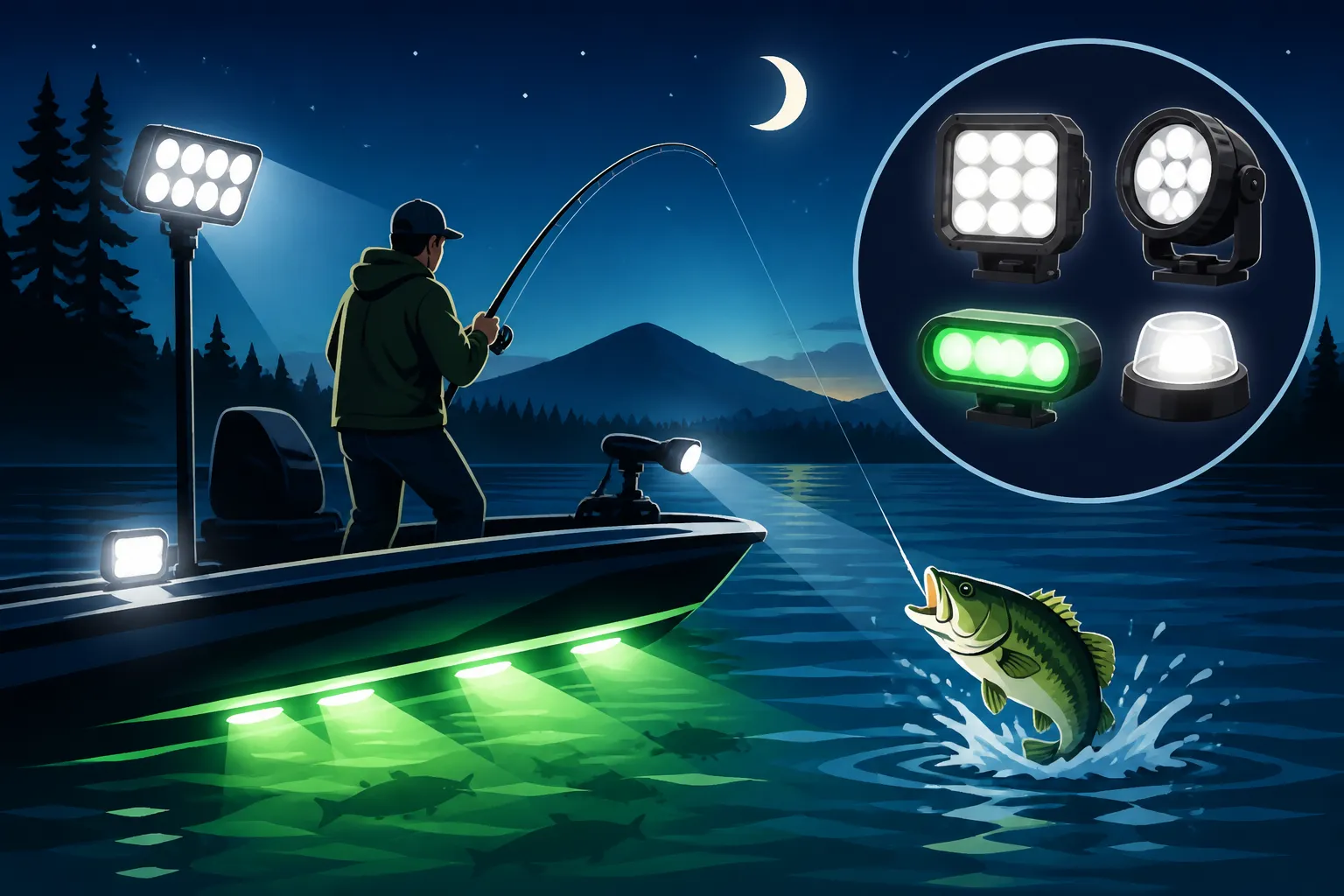
Best boat lights for night fishing
There's nothing quite like the serene quiet of a Vermont lake or river as dusk settles, giving way to the inky blackness of night. Many of us chase that unique thrill of night fishing, hoping to land that elusive walleye on Lake Champlain or a trophy bass from a smaller pond. But let's be honest, fishing in the dark without proper illumination isn't just inefficient, it's downright dangerous. The fear of unseen obstacles, the struggle to tie a knot, or the anxiety of navigating back to shore in pitch blackness can quickly ruin a peaceful outing. This comprehensive guide is all about shedding light on that problem, literally, by detailing the best boat lights for night fishing in Vermont, ensuring your nocturnal angling adventures are both safe and successful.
The Non-Negotiable Need for Boat Lights When Night Fishing in Vermont
Forget about just trying to "get by" with a flashlight duct-taped to your console. Night fishing in Vermont's diverse waterways, from the vast expanse of Lake Champlain to the winding, rocky rivers, demands a thoughtful approach to boat lighting. It's not just about seeing; it's about being seen, adhering to regulations, and making your entire fishing experience smoother and more enjoyable.
Navigating Vermont's Waters After Dark: Safety First
When you're out on the water after the sun dips below the Green Mountains, visibility plummets to near zero. Submerged logs, rock formations, unexpected sandbars, or even other boats can become invisible hazards. Even familiar waters can betray you when shrouded in darkness. Proper navigation lights aren't just a suggestion; they are your frontline defense against collisions and accidents. They tell other boaters where you are, which way you're headed, and what kind of vessel you're operating.
Beyond navigation, a well-lit deck can prevent slips, falls, and dropped gear—all common frustrations when fumbling around in the dark. Imagine the sheer panic of hooking into a monster fish, only to trip over a tackle box because you couldn't see your feet. A good lighting setup mitigates these risks, making sure you, your crew, and your precious gear stay safe. It's about confidence and peace of mind, knowing that you can move around your boat without fear of an unexpected dunking or a nasty bump.
Understanding Vermont's Boating Light Regulations
This isn't just about personal safety; it's the law. Vermont, like all states, has specific regulations governing boat lighting, especially when operating from sunset to sunrise. Ignoring these rules can lead to hefty fines, or worse, put you in a perilous situation with other vessels. Generally, powerboats under a certain length (typically under 65.6 feet or 20 meters) are required to display a masthead light (white, showing an unbroken light over an arc of 225 degrees, visible from ahead to just abaft the beam on both sides), side lights (red on port, green on starboard, each showing an unbroken light over an arc of 112.5 degrees), and a stern light (white, showing an unbroken light over an arc of 135 degrees, visible from behind). Alternatively, many smaller recreational boats can get by with combination bow lights (red and green) and an all-around white light.
These regulations are in place for a reason: to ensure everyone on the water can clearly identify and understand the movements of other boats. Before you head out, make sure you're crystal clear on the specific requirements for your vessel type and size. You can dive deeper into these specifics in our guide on Vermont Boating Laws for Anglers. It’s easy to get caught up in the excitement of a night bite, but neglecting these legal necessities is a rookie mistake you don't want to make.
Enhanced Fishing Experience and Efficiency
Beyond safety and legality, good boat lighting dramatically improves your actual fishing experience. Think about it: trying to re-tie a lure with cold, numb fingers in the dark is an exercise in frustration. With adequate deck lighting, you can see your tackle, bait your hook, measure your catch, and properly release fish without fumbling. Spotlights can help you navigate tricky shorelines or identify subtle changes in structure as you approach a new fishing spot.
Consider also the psychological aspect. Being able to see what you're doing and where you're going reduces stress and allows you to focus purely on the fishing. No more guessing if that's a branch or a potential snag. No more shining a headlamp in your buddy's face every time you need to grab something. A well-designed lighting system allows for seamless operations, letting you maximize your time on the water and making those memorable Night Fishing for Walleye on Lake Champlain excursions truly productive.
Essential Boat Light Categories for Your Vermont Night Fishing Adventures
When we talk about "boat lights," we're not just referring to one type of bulb. A comprehensive night fishing setup involves several categories of lights, each serving a distinct and crucial purpose. Understanding these different types will help you assemble the most effective and safest lighting system for your Vermont fishing boat.
Navigation Lights: The Bare Minimum Requirement
As discussed, these are non-negotiable. Navigation lights include red (port) and green (starboard) sidelights, a white stern light, and sometimes a white masthead or all-around white light, depending on your boat's size and configuration. These lights are designed to be visible from a distance, allowing other vessels to determine your position and course, especially vital on busy waterways like Lake Champlain. They consume relatively low power and are generally mandated to be on from sunset to sunrise, and during periods of restricted visibility like fog or heavy rain.
Modern navigation lights are almost exclusively LED, which is fantastic for anglers. LEDs draw very little power from your battery, meaning you can leave them on all night without worrying about draining your starting battery. They're also incredibly durable, resistant to vibration and impact, and have an impressively long lifespan. You can find excellent quality LED navigation light kits at marine retailers, whether you're browsing online or walking the aisles of a Bass Pro Shops. Make sure they are USCG (U.S. Coast Guard) approved for the visibility range required for your boat length.
Deck and Courtesy Lights: Illumination for Operations
These are the unsung heroes of night fishing. Deck lights illuminate your main working areas, such as the bow, stern, and casting platforms, allowing you to move safely, rig tackle, and handle your catch. Courtesy lights are typically smaller, lower-intensity lights placed strategically in walkways, storage compartments, or near the console, providing just enough soft glow to see your footing without ruining your night vision or spooking fish.
The key with deck and courtesy lights is to provide ample light without being overly bright or creating glare. Many anglers opt for red or green LED lights for courtesy lighting, as these colors are less disruptive to human night vision and can also be less visible to fish under the surface. Imagine trying to land a feisty smallmouth bass at night – having a gentle glow to see your net and line without blinding yourself is a game-changer. These lights greatly enhance safety and comfort, turning a frustrating fumble into a smooth operation. Many versatile, waterproof LED strips and puck lights are available, often found on Amazon, making installation quite flexible for various boat layouts.
Underwater Lights and Attractor Lights: Lures for the Catch
Now we're getting into the fun stuff! While not legally required for navigation, underwater lights can be a powerful tool for attracting baitfish, which in turn attract predatory fish like walleye, bass, and pike. These lights, typically green or white, are submerged just below the surface and emit a glow that draws in plankton, then baitfish, creating a vibrant feeding zone right next to your boat. This can be especially effective for species that feed on schools of baitfish, making your boat a beacon of opportunity.
Choosing underwater lights requires a bit more consideration. You'll want bright, durable, and highly waterproof units. Some are designed to be permanently mounted to the transom, while others are portable and can be lowered into the water on a cable. For anglers targeting specific species, matching the light color to local forage or conditions might even be a consideration. While they are a luxury, many serious night anglers swear by their effectiveness, especially on larger, darker bodies of water like Lake Champlain Walleye Fishing.
Utility and Spotlights: Seeing Beyond the Boat
Beyond the fixed lights, portable utility lights and powerful spotlights are indispensable for night fishing. A waterproof headlamp, for example, is perfect for hands-free tasks like tying knots, unhooking fish, or digging through your tackle box. Always have at least one on board, and keep spare batteries handy!
Spotlights, on the other hand, are for projecting light over longer distances. These can be handheld or mounted to your boat. They're invaluable for scanning the shoreline for landmarks, checking channel markers, or identifying potential hazards that navigation lights alone might not illuminate. For example, if you're navigating a winding river section at night, a powerful spotlight can help you pick out shallow areas or submerged rocks before you get too close. Be mindful when using spotlights, though; never shine them directly at other boats or into someone's face, as it can temporarily blind them and create a dangerous situation.
Choosing the Right Lighting Setup for Your Vermont Fishing Vessel
Selecting the perfect boat lighting system isn't a one-size-fits-all endeavor. It depends on your boat type, your fishing style, and the specific challenges of Vermont's waterways. Thinking through these factors will help you make informed decisions and get the most bang for your buck.
Powering Your Lights: Battery Life and Consumption
One of the most critical considerations is power. Most boat lights run on your boat's 12-volt battery system. LED lights are incredibly efficient, drawing minimal current, which is a huge advantage for prolonged night fishing trips. If you're running multiple navigation lights, deck lights, and perhaps an underwater attractor light for several hours, you want to be sure your battery can handle the load without leaving you stranded with a dead engine battery.
For serious night anglers, investing in a dedicated deep-cycle marine battery for your electronics and auxiliary lights is often a smart move. This way, your starting battery is reserved solely for cranking the engine. Additionally, consider portable, rechargeable LED lanterns or headlamps for tasks that don't require connection to the boat's main power, giving you flexibility and redundancy. When shopping for lights, always check their amperage draw; lower numbers mean longer run times on your battery.
Durability and Weather Resistance for Vermont Conditions
Vermont weather can be unpredictable, even in the summer. From sudden downpours to chilly, damp nights, your boat lights need to withstand the elements. Look for lights rated for marine use, specifically those with an IP (Ingress Protection) rating of at least IP67 or IP68, indicating they are fully waterproof and dustproof. This means they can handle splashes, rain, and even temporary submersion without failing.
Corrosion resistance is another key factor, especially if you're fishing Lake Champlain, which has varying water conditions. Stainless steel hardware and housings made from marine-grade plastics or anodized aluminum will stand up much better to the damp, sometimes salty, environment than cheaper alternatives. Investing in higher-quality, weather-resistant lights upfront will save you headaches and replacement costs down the line.
Installation Considerations: Wired vs. Portable Solutions
How you power and mount your lights will significantly impact their effectiveness and your overall convenience.
Wired Systems:
Permanent, wired installations are generally preferred for navigation and main deck lights. These systems are usually hardwired into your boat's electrical system, often controlled by switches on your console. While installation might be a bit more involved, requiring some basic electrical knowledge or professional help, the reliability and seamless operation are worth it. You'll want to use marine-grade wiring, crimp connectors, and heat shrink tubing to ensure secure, waterproof connections that won't corrode. For smaller boats or specific lighting needs, many pre-wired kits are available.
Portable and Auxiliary Solutions:
For courtesy lights, utility lights, and sometimes even smaller navigation lights (especially for kayaks or canoes), portable, battery-powered options are incredibly convenient. Stick-on LED strips, magnetic work lights, and powerful headlamps fall into this category. They offer flexibility, can be moved as needed, and provide backup illumination. For instance, if you're kayak fishing, a single, all-around white LED light on a pole might be sufficient for legal navigation, supplemented by a headlamp for tasks. Best Kayak for Lake Champlain anglers often rely on these compact, versatile lighting solutions.
Budgeting for Your Night Fishing Illumination
Like any piece of marine equipment, boat lights come in a wide range of prices. You can find basic navigation light sets for a reasonable cost, but a comprehensive setup with high-end deck lighting, powerful spotlights, and underwater attractors can certainly add up. It's important to balance your needs with your budget.
Here’s a rough breakdown of what to expect:
| Light Type | Typical Features | Cost Considerations |
|---|---|---|
| Navigation Lights | USCG-approved, LED, durable, low power draw | Essential, non-negotiable. Mid-range cost, high value. |
| Deck/Courtesy Lights | LED strips, puck lights, ambient, low glare | Affordable, highly customizable, enhances comfort. |
| Underwater Lights | High lumen output, waterproof, often green/white | Optional, higher cost, can be a game-changer for fishing. |
| Spotlights/Utility | Handheld, mounted, powerful beam, rechargeable | Essential for safety and visibility, wide price range. |
Always prioritize safety and legal compliance first. Navigation lights are a must. After that, consider your personal fishing style and where you plan to fish most often. If you frequently fish large, open waters at night, a powerful spotlight and good deck lights are crucial. If you're sticking to smaller, quieter ponds, you might get by with a more minimalist setup. Many popular marine brands offer robust lighting solutions, often found at retailers like Bass Pro Shops or on online platforms like Amazon, allowing you to compare features and prices.
Practical Tips and Vermont-Specific Advice for Night Boat Lighting
Having the right lights is one thing; using them effectively and responsibly is another. Here are some practical tips to make your night fishing trips in Vermont as safe and successful as possible.
Pre-Trip Checks and Maintenance for Reliability
Before every night fishing trip, make it a habit to perform a quick but thorough check of all your boat lights. It’s far better to discover a faulty bulb or a loose connection at the dock than halfway across a dark lake. Turn on all your lights – navigation, deck, and any auxiliary lights – and visually inspect them. Are they all working? Is the brightness consistent? Are there any signs of water intrusion or corrosion?
Carry spare bulbs (if applicable) and basic tools for minor repairs. Keep electrical connections clean and protected with dielectric grease. Regularly inspect wiring for fraying or damage, especially in areas exposed to weather or abrasion. A little preventative maintenance goes a long way in ensuring your lights work when you need them most, helping you avoid frustrating issues that can cut a trip short or, worse, create a hazard. You'd be surprised how often a seemingly small issue can leave you in the dark.
Optimizing Light Placement for Safety and Fishing Success
Strategic placement of your lights is crucial. For navigation lights, adhere strictly to manufacturer instructions and USCG guidelines to ensure proper visibility. For deck and courtesy lights, aim for even, indirect illumination. You want to light up your workspace without creating harsh shadows or glare that can impair your night vision or make it difficult to see into the water. Avoid placing bright lights directly in your line of sight when you're trying to watch your line or scan the water.
When it comes to underwater attractor lights, experiment with depth and placement. Sometimes a slight change in depth can make a big difference in how effectively baitfish are drawn in. For spotlighting, consider mounting options that allow for easy aiming and articulation, or choose a handheld model that offers versatility. Think about how you operate your boat and where you need light most for both safety and fishing tasks.
Respecting Other Anglers and Wildlife with Your Lights
This is where common courtesy truly comes into play. While your powerful lights might be great for your own operations, they can be a nuisance or even a danger to others. When you encounter another boat at night, dim your deck lights if they're excessively bright and avoid shining spotlights directly at them. The blinding flash can temporarily impair their vision and orientation, leading to dangerous situations. Be particularly mindful of small boats like kayaks and canoes, which might have minimal lighting and be easily disoriented. Our guide on Life Jacket Requirements for Vermont Boaters also emphasizes shared responsibility on the water.
Furthermore, excessive or improperly aimed lighting can disturb wildlife, including nocturnal birds and animals near shore, and potentially spook fish that are sensitive to light. While attractor lights are designed to draw fish, a bright spotlight constantly sweeping the water can have the opposite effect on wary game fish. Use your lights purposefully and considerately. The goal is to enhance your experience without detracting from anyone else's or negatively impacting Vermont's natural environment. Fishing is a shared passion, and respecting others is key to a harmonious experience for everyone on the water.
Disclaimer
This article is for general informational purposes only and does not constitute professional advice. Laws, prices and regulations vary by location and change over time. Consult a qualified professional for guidance on your specific situation.