Best technique for late ice fishing before ice-out
The late ice fishing season in Vermont can feel like a tricky balance between a last hurrah on the hard water and a cautious dance with Mother Nature. Anglers often struggle with the rapidly changing conditions, wondering where the fish have gone as the ice thins and the waters begin to stir. This guide is designed to help you navigate those challenging late-season conditions, equipping you with the techniques and safety know-how to make your final ice fishing trips both productive and safe before the ice finally gives way.
Understanding Late Ice Conditions and Fish Behavior
As winter reluctantly gives way to spring in Vermont, the ice on our beloved lakes and ponds undergoes a dramatic transformation. This period, often called "late ice," presents both unique challenges and incredible opportunities for anglers. The key to success is understanding how these environmental shifts influence fish behavior.
The Shifting Landscape of Late Ice
The most critical factor in late ice fishing is, of course, the ice itself. What was once a solid, predictable platform becomes increasingly dynamic and often treacherous. Warmer air temperatures, stronger sunlight, and melting snow introduce more water into the ice pack, creating a honeycombed structure that can deteriorate rapidly, sometimes within hours. Visually, you might notice the ice changing from a solid, opaque white to a darker, more translucent appearance, or even "candled" ice that looks like vertical crystals. How thick ice needs to be to fish safely in Vermont is a critical piece of information to always have in mind during this time.
These changes aren't just about safety; they profoundly impact the aquatic environment below. Melting snow and ice introduce fresh, oxygenated water into the system, particularly around inlets and shorelines. This influx can stimulate baitfish activity, drawing them into these areas. As ice cover shrinks, more sunlight penetrates the water, which can kickstart early algae growth and warm the upper water column. This subtle warming, even a few degrees, can wake up the metabolism of cold-blooded fish, making them more active and hungry. Fish that were lethargic in the deep, cold mid-winter often start to move into shallower zones or along structure where these changes are most pronounced.
Fish Metabolism and Feeding Patterns
Think of it like this: for most of the deep winter, fish are in a state of energy conservation. Their metabolism slows down significantly, and they aren't expending a lot of energy chasing down meals. They're still feeding, certainly, but often more subtly and less frequently. As late ice sets in and water temperatures slowly creep up, even by a degree or two, it’s like a biological alarm clock goes off. Their metabolic rate increases, and with that comes a greater need for food. This often translates into more aggressive feeding binges.
Different species react to this awakening in unique ways. Panfish like yellow perch and black crappie, which might have been schooling in deeper basins, often move towards shallower weed beds or submerged timber as they anticipate spawning. Northern pike and chain pickerel become incredibly aggressive, stalking the shallow edges for baitfish that are also becoming more active. Even walleye, known for their light-sensitive eyes, might venture into shallower, stained water during daylight hours as ice cover diminishes. This increased activity means fish are more willing to chase down a lure or strike a lively minnow, often leading to some of the most exciting fishing of the hardwater season. Understanding these shifts is paramount to locating and enticing them.
Essential Gear and Safety Considerations for Late Ice
Late ice fishing in Vermont offers some fantastic action, but it comes with a non-negotiable caveat: safety. The thrill of catching a big walleye or a stringer of perch can never outweigh the risks associated with rapidly deteriorating ice. Adapting your gear and approach is crucial for a successful and safe outing.
Prioritizing Safety on Deteriorating Ice
First and foremost, never assume the ice is safe, especially in late winter. The strength of ice can vary dramatically, even on the same body of water, due to currents, springs, inlets, and sun exposure. Always carry a spud bar or an ice chisel to check ice thickness as you go. A solid "thunk" indicates safe ice; a "thud" means caution is needed. Visual cues are also vital: avoid dark, slushy, or honeycombed ice. If you see water on top of the ice, proceed with extreme caution, as it often signals weak spots.
Furthermore, always fish with a buddy. This isn't just a suggestion; it's a vital safety rule for late ice. If one person goes through, the other can provide assistance. Essential safety gear includes ice picks worn around your neck, a length of rope (at least 50 feet), and a personal floatation device (PFD) or, even better, a specialized float suit designed for ice fishing. These suits offer both warmth and buoyancy, which can be life-saving. Before heading out, make sure to check local conditions and advisories from the Vermont Fish and Wildlife Department. Remember, no fish is worth the risk of serious injury or worse.
Adapting Your Tackle for Active Fish
While mid-winter might call for subtle presentations, late ice often demands a more dynamic approach. However, there's a paradox: while fish are more active, the water can also be clearer due to melting snow, and decreasing ice cover means more light penetration. This combination can make fish more wary. Therefore, you might want to consider switching to lighter fluorocarbon leaders, which are less visible in clear water, especially if you're targeting species like trout or finicky walleye.
For lures, this is the time to experiment with more aggressive options. Instead of tiny jigs, reach for larger spoons, blade baits, or even small crankbaits designed for ice fishing. These lures create more flash and vibration, mimicking active baitfish and grabbing the attention of hungry predators. However, don't dismiss the power of live bait; a lively shiner or worm under a bobber or tip-up can often be the most effective presentation for a sluggish or highly selective fish. You can find a fantastic selection of these specialized late ice lures and a wide array of live bait options at many local bait shops or through online retailers like Amazon, ensuring you have the right tools for the job.
Top Techniques for Success Before Ice-Out
Late ice fishing is all about adapting and often being more aggressive in your approach. The fish are waking up, moving, and looking to feed, and your techniques need to reflect that energy.
Targeting the Edges: Shoreline and Inflow Areas
As the ice begins to recede and meltwater flows into lakes and ponds, the "edges" become prime real estate for fish. These areas include shorelines, points, and especially stream inlets. Why are these spots so attractive? For several reasons. First, the inflowing water is often warmer and more oxygenated, creating a more comfortable environment. Second, these currents can bring in nutrients and small invertebrates, attracting baitfish, which in turn attract larger predators. Third, shallow areas near shorelines are often where early vegetation begins to sprout, offering cover and food sources.
When targeting these areas, look for transitions. A point that extends into deeper water, a drop-off near an inlet, or a patch of early green weeds are all excellent starting points. You might find panfish in just a few feet of water, while a large northern pike or bass could be lurking nearby, waiting to ambush. Techniques here can include sight fishing in very clear, shallow water, where you can literally watch fish approach your bait. Deadsticking a live minnow on a plain hook or a small jig can be incredibly effective, allowing the minnow's natural movements to do the work. Remember to approach these areas quietly and cautiously; late-season fish in shallow water can be easily spooked by heavy footfalls or shadows on the ice.
Aggressive Jigging and Presentation
Gone are the days of subtle, barely-there jigging often favored in the dead of winter. Late ice often calls for a more assertive presentation. Fish, with their metabolism increasing, are more willing to chase and strike. This is the time to really work your baits. Start with aggressive rips and lifts, then let your lure flutter back down. Experiment with the length of your pauses; sometimes a quick pause after a strong rip is all it takes to trigger a strike. Other times, a longer, more subtle quiver is needed.
Larger baits often come into their own during late ice. Rattle spoons, like a Rattle Snaker or VMC Tingler Spoon, create a lot of noise and flash, which can be irresistible to active fish. Blade baits, such as Chainsaws or Cicadas, provide an erratic, vibrating action on the drop that mimics a struggling baitfish. Color choices can vary; bright, contrasting colors like chartreuse, orange, or firetiger can be great for aggressive fish or in stained water, while more natural patterns like silver or perch can be deadly in clearer conditions. Don't be afraid to experiment! Many anglers stock up on a variety of colors and sizes through online retailers like Amazon before the late ice season, ensuring they have options for any situation.
Leveraging Live Bait for Finicky Biters
While aggressive jigging is often the name of the game, there will always be those days, or those particular fish, that prefer a more natural, subtle approach. This is where live bait shines during late ice. A lively shiner, fathead minnow, or even a simple wax worm or grub can be the ultimate convincer for finicky biters. The natural movement and scent of live bait are hard for any fish to resist, especially as they're gearing up for spawning or a major feeding period.
For larger predators like walleye or pike, a good-sized shiner or even a dead smelt rigged on a quick-strike rig under a tip-up is incredibly effective. The minnow's struggles send out vibrations that predators pick up on from a distance. For panfish, a small jig tipped with a wax worm or a few maggots fished on a sensitive rod can lead to non-stop action. Deadsticking, where you simply suspend a live minnow just off the bottom or at a key depth under a second rod (where regulations allow), can be surprisingly effective. The key with live bait is often presentation: keep your terminal tackle light and allow the bait to move as naturally as possible. Sometimes, a slow, deliberate lift and drop of your deadstick can make all the difference, making that live bait appear even more enticing.
Species-Specific Late Ice Tactics in Vermont
Vermont's diverse waterways offer a fantastic array of fish species for late ice anglers. Knowing how different fish behave and what they're looking for as the ice thins can dramatically improve your catch rates.
Walleye and Northern Pike Tactics
For many Vermont anglers, late ice is prime time for bigger walleye and northern pike. These predatory fish become incredibly active, often moving into shallower feeding flats, points, and structural elements that were less productive during mid-winter. On vast waters like Lake Champlain, walleye will often patrol the edges of deeper channels that lead to shallow spawning grounds, or they'll be found near weed lines and rocky points where baitfish are congregating. Walleye Fishing on Lake Champlain is a popular pursuit as ice-out approaches. Northern pike, on the other hand, are often found lurking in shallow bays with submerged vegetation, waiting to ambush any unsuspecting prey. They are incredibly aggressive at this time of year.
For walleye, a combination of aggressive jigging with larger spoons or blade baits and deadsticking live minnows on tip-ups can be deadly. Position your tip-ups along drop-offs or near submerged structure, and actively jig nearby. For northern pike, large, brightly colored spoons, big jigging raps, or even dead smelt or large shiners on quick-strike rigs under tip-ups are often the most productive. Don't be afraid to fish shallow for pike – sometimes they're in less than five feet of water right up against the ice edge. Remember to bring a good pair of pliers for unhooking these toothy critters.
Panfish and Perch Strategies
Late ice can be fantastic for panfish, including yellow perch, black crappie, and bluegill. As spring approaches, these fish start to school up and become very active, often in anticipation of their spawning periods. Yellow perch are notorious for schooling, and if you find one, you've likely found a whole pile. They'll often move from deeper basins into shallower humps, weed flats, or softer bottom areas where insects and larvae are becoming more available. Crappie will suspend over submerged timber or brush piles in slightly deeper water during the day, moving shallower at dusk.
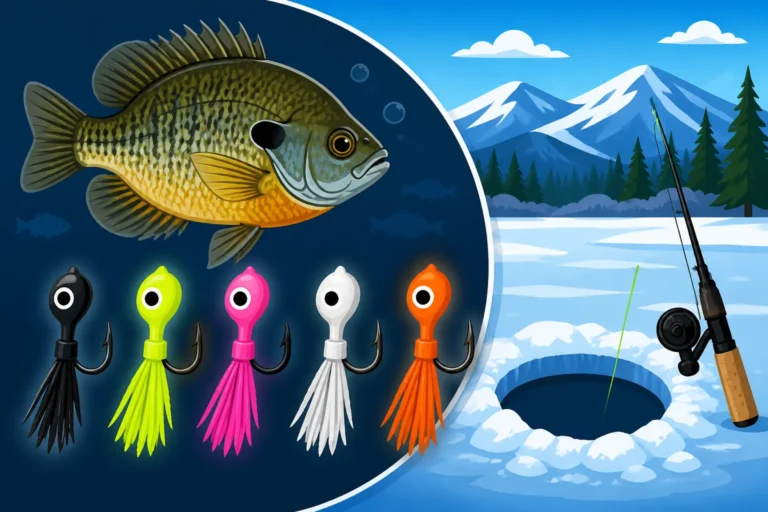
For perch, small jigs tipped with wax worms, maggots, or small plastics are highly effective. A technique called "pounding" – aggressively tapping the jig on the bottom to stir up sediment – can often attract their attention. For crappie, tiny tungsten jigs tipped with small plastics or a minnow head, fished very subtly, often suspended a few feet off the bottom, works wonders. Jigging for Perch Through the Ice is an excellent technique to master for this time of year. Don't be afraid to move around until you find their schools, and once you do, you can often catch them in rapid succession.
Late Ice Trout and Salmon
For trout and landlocked salmon enthusiasts, late ice offers a unique opportunity to target these cold-water species before they become harder to reach in open water. Lake trout in particular become more active and can be found cruising structure or moving into shallower depths than they would in mid-winter. Landlocked salmon might be found near river inlets or areas with good current where baitfish are abundant.
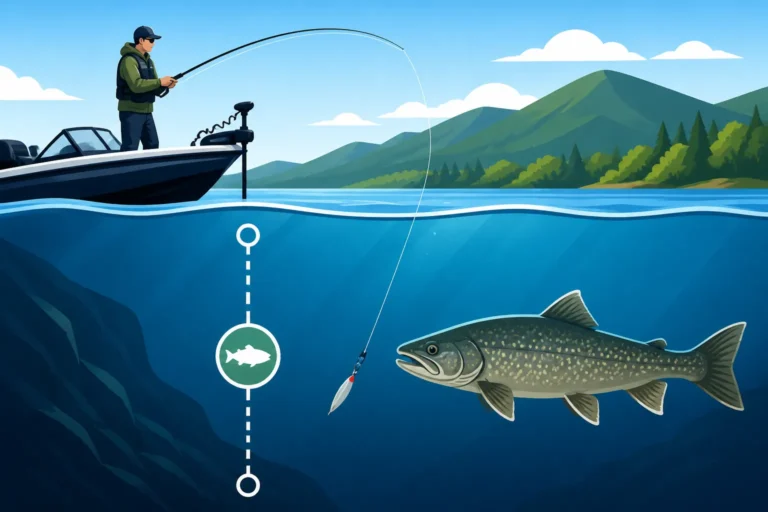
For lake trout, aggressive jigging with heavy spoons or tube jigs, often tipped with a piece of bait, is a popular method. You'll want to target deep structure, humps, and points. Look for them suspending off the bottom or cruising near ledges. For landlocked salmon, small spoons or jigging raps fished on light line, often mimicking smelt, can be effective. If your lake allows, a small underwater camera can be invaluable for locating these fish and observing their reactions to your presentations. Ice fishing for Lake Trout Fishing in Vermont can be incredibly rewarding. Patience and careful depth management are key for these species, as they can be quite finicky even when active.
Late Ice Species and Technique Summary
| Species | Typical Late Ice Location | Recommended Techniques | Preferred Baits/Lures | Key Considerations |
|---|---|---|---|---|
| Walleye | Channel edges, rocky points, spawning flats | Aggressive jigging, deadsticking tip-ups | Large shiners, blade baits, rattle spoons | Fish active periods (dawn/dusk, overcast) |
| Northern Pike | Shallow weed beds, current areas, inlets | Tip-ups, aggressive jigging | Large shiners, dead smelt, large spoons | Bring heavy leader and pliers; check shallow water often |
| Yellow Perch | Weed lines, humps, soft bottom flats | Small jigging, "pounding" the bottom | Wax worms, maggots, small jigs, tiny plastics | Find the school, use sensitive rod, subtle presentations |
| Black Crappie | Suspended over timber/brush, shallow bays | Subtle jigging, deadsticking | Tiny jigs, small plastics, minnow heads | Focus on dawn/dusk, suspend bait at varying depths |
| Lake Trout | Deep structure, humps, ledges | Heavy jigging, active jigging | Heavy spoons, tube jigs (tipped with bait) | Use electronics; target transitions, good oxygen areas |
| Landlocked Salmon | River inlets, current areas, suspended baitfish | Small spoons, jigging raps | Smelt imitations, small shiners | Light line, sensitive rod, match baitfish patterns |
Disclaimer
This article is for general informational purposes only and does not constitute professional advice. Laws, prices and regulations vary by location and change over time. Consult a qualified professional for guidance on your specific situation.