How to catch trophy walleye in the fall
If you've ever spent countless hours on the water, battling the crisp autumn air and coming up empty-handed in your quest for a truly massive walleye, you know the frustration. Fall walleye fishing in Vermont, especially for those elusive trophy-sized giants, can feel like chasing a phantom. This comprehensive guide is here to unravel the mysteries of autumn walleye behavior and arm you with the strategies, gear, and location insights you need to finally land that personal best.
Understanding Fall Walleye Behavior for Trophy Success
The transition from summer's warmth to autumn's chill completely changes the game for walleye. Forget what you knew about their summer haunts and feeding patterns; fall is a whole new ballgame, and understanding these shifts is crucial if you want to target the biggest fish. Trophy walleye become incredibly active in the fall, packing on calories for the long winter ahead and in preparation for the upcoming spawn.
The Autumn Shift: From Summer Patterns to Deep Water Feeds
As the surface waters cool down, usually starting in late September and continuing through October and November, walleye begin to abandon their shallower summer hangouts. This isn't just a gradual retreat; it's a pronounced migration. They'll start pushing towards deeper, more stable water where their primary forage fish are congregating. This means those shallow weed beds that were so productive in August might now be barren, while offshore humps, deep points, and major drop-offs become prime real estate. The thermocline, which defined their summer comfort zone, starts to break down, allowing them to roam more freely vertically, but they often still prefer the cooler, oxygen-rich depths where baitfish are abundant. It's about finding that intersection of cool water and a buffet.
Another key aspect of this autumn shift is their increased aggression. Unlike the sometimes finicky bites of summer, fall walleye, particularly the larger ones, are often more willing to strike a larger bait or lure. They’re calorie-loading, and big meals mean less energy expended for more reward. This is where your strategy needs to adapt: thinking bigger, deeper, and more aggressively. Don't be afraid to throw larger crankbaits or present bigger live bait; a trophy walleye isn't looking for a snack, it's looking for a feast.
The Importance of Forage Fish in Fall Walleye Diet
Walleye are opportunistic predators, but in the fall, their diet becomes heavily centered around schooling baitfish that are themselves preparing for winter. In many Vermont lakes, particularly on Lake Champlain, this means focusing on smelt, alewives, and cisco. These baitfish often move from deeper water in the summer to congregating closer to structure or even moving into shallower bays and river mouths in the fall, depending on water temperatures and specific species. The walleye will follow.
Successfully finding fall walleye often boils down to finding these crucial forage schools. If you can locate dense schools of baitfish on your sonar, especially near deep water access, you're likely sitting on a walleye hotspot. Big walleye won't stray far from their food source. Pay attention to sudden changes in your electronics; marks that look like "clouds" of bait are exactly what you're after. These baitfish schools can be found suspended over open water, tucked tight to contour lines, or even staging in river channels where they might enter lakes. Knowing their movements and habits is akin to having a secret map to where the walleye are lurking. Understanding What walleye eat on Lake Champlain is a big part of the puzzle.
Essential Gear and Tackle for Vermont Fall Walleye
Tackling trophy walleye in the fall requires specific gear. You're often dealing with deeper water, larger fish, and potentially harsher weather conditions. Having the right tools won't just increase your chances of success; it'll make the entire experience more enjoyable and efficient.
Rods, Reels, and Line for Big Fall Walleye
For fall walleye, especially when targeting trophies, you'll want a medium-heavy to heavy power spinning or casting rod, typically in the 7 to 8.5-foot range. This length gives you better casting distance, hook-setting power in deep water, and the leverage needed to control a large fish. A fast action tip is ideal for detecting subtle bites in deep water while providing enough backbone to drive hooks home. Consider specific rods designed for trolling or jigging if those are your primary techniques. Brands like St. Croix or Fenwick offer excellent options that can stand up to the challenge.
Matching that rod with a quality reel is just as important. For spinning setups, a 3000 to 4000 series reel offers good line capacity and a smooth drag system, which is critical when a big walleye makes a strong run. For casting setups, a low-profile baitcaster with a strong drag and a high gear ratio (7.1:1 or higher) is excellent for quickly retrieving line and gaining control over a fish. Spool your reels with a high-quality braided line, typically 15-20 lb test, for its sensitivity and strength. Tie on a fluorocarbon leader (10-15 lb test) for abrasion resistance and invisibility in clear Vermont waters. The sensitivity of braid helps you feel those faint bites in deep water, which can be the difference between a missed fish and a trophy.
Lures and Baits That Entice Hungry Walleye
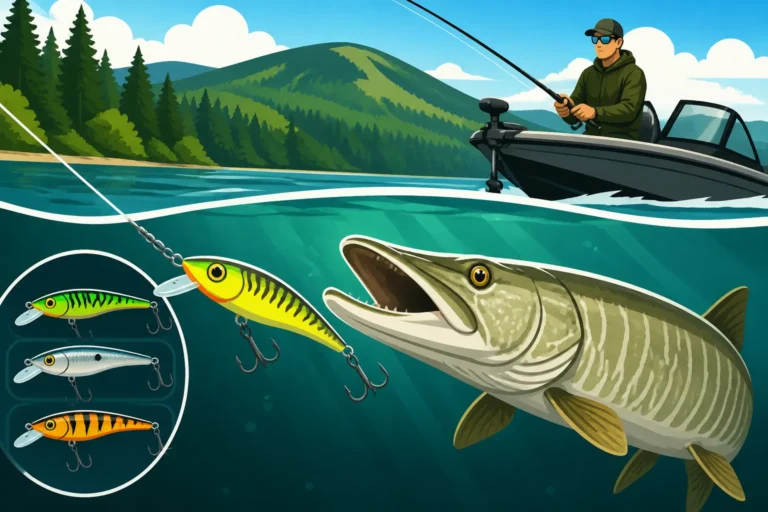
When it comes to lures, fall walleye are often hitting larger profiles. Deep-diving crankbaits are absolutely essential for trolling. Look for models that can reach depths of 15-30 feet or more, mimicking the larger baitfish like smelt and alewives. Popular colors include natural baitfish patterns (silver, blue, perch) and brighter colors like chartreuse or firetiger, especially on overcast days or in stained water. Some anglers even prefer bigger, muskie-sized crankbaits if they're specifically hunting for true giants. You can find a huge selection of these on Amazon, often with various diving lips and color patterns.
For jigging, heavier jigs (1/2 to 1 ounce or more) are necessary to reach deep structure and maintain contact in current or windy conditions. Pair these with soft plastic swimbaits, grubs, or paddle tails that imitate baitfish. Blade baits and lipless crankbaits can also be highly effective when vertically jigged. Live bait, particularly large shiners or suckers, fished on a lead-head jig or a Lindy Rig, can be incredibly potent for lethargic or wary trophy walleye. The slow, natural presentation of live bait can be irresistible to a big fish that might ignore an artificial offering. For specific choices, dive into Best Lures for Walleye Trolling on Lake Champlain.
Electronics for Finding Fall Structure
Modern marine electronics are practically a requirement for consistent fall walleye success. A good fish finder with down imaging and side imaging capabilities can be a game-changer. These technologies allow you to scan vast areas quickly, identify subtle changes in bottom contour, locate schools of baitfish, and spot individual walleye holding tight to structure. You're not just looking for fish; you're looking for the right fish in the right places.
GPS mapping is equally important. Pre-mapping your chosen lake or river section to identify likely structure, such as humps, rock piles, submerged points, and channel edges, before you even launch, saves valuable time. Once you find a productive area, use your GPS to mark waypoints precisely. This allows you to return to the exact spot on subsequent passes or trips. Investing in a quality unit from brands like Humminbird or Lowrance will pay dividends. Many anglers purchase their initial setup, or additional transducers and mapping cards, through retailers like Amazon, offering a wide range of options to fit different budgets and needs. Learning how to use Best Fish Finders for Vermont Lakes effectively can drastically improve your catch rate.
| Fall Walleye Gear Component | Recommended Features for Trophy Walleye | Common Applications |
|---|---|---|
| Rod | 7'-8.5' Medium-Heavy to Heavy Power, Fast Action | Trolling, Jigging, Casting |
| Reel | 3000-4000 Series Spinning or High Gear Ratio Baitcaster | Line Capacity, Smooth Drag, Quick Retrieve |
| Main Line | 15-20 lb Braided Line | Sensitivity, Strength |
| Leader | 10-15 lb Fluorocarbon Line | Abrasion Resistance, Invisibility |
| Crankbaits | Deep-diving (15-30'+), Natural/Bright Colors, Larger Profile | Trolling, Covering Water |
| Jigs | 1/2 oz – 1 oz+, Paired with Soft Plastics | Vertical Jigging, Drifting Live Bait |
| Live Bait | Large Shiners, Suckers, Alewives | Slow Presentations, Finicky Fish |
| Fish Finder | Down Imaging, Side Imaging, GPS Chart Plotting | Locating Structure, Baitfish, Walleye |
Top Techniques for Targeting Trophy Walleye in Autumn
Once you've got the gear dialed in and an understanding of fall walleye behavior, it's time to put those pieces together with proven techniques. Fall trophy walleye fishing often involves covering water, presenting tempting baits, and being patient.
Trolling for Deepwater Giants
Trolling is arguably the most effective way to cover vast amounts of water and present lures at precise depths when targeting fall walleye, especially the bigger ones. As walleye spread out across deeper basins or hold tight to specific contours, trolling allows you to systematically search for active fish. Use deep-diving crankbaits that reach the depth where you're seeing baitfish or where you suspect walleye are holding. Experiment with different speeds (typically 1.5-3 mph) until you find what triggers bites. The key is to match your lure depth to the fish and bait. For the deep waters of Lake Champlain, you might need to employ Best Downriggers for Walleye Trolling to get your baits down to those true giants lurking far below.
The art of trolling isn't just about driving in a straight line. Pay close attention to your electronics, and when you see a school of bait or a promising piece of structure, make a wide turn to sweep the area. Sometimes, the change in speed or direction during a turn is what provokes a strike. Use planer boards to spread out multiple lines and cover a wider swath of water, especially in open areas. Keep your rod tips sensitive enough to feel the subtle vibrations of your lure and to detect a light bite, as even a big walleye can peck at a bait before fully committing.
Jigging and Live Bait Presentations
While trolling covers water, jigging and live bait presentations excel when you've pinpointed a specific piece of structure or a concentrated school of fish. Vertical jigging directly over a submerged humps, rock piles, or deep channel edges can be deadly. Use heavy jigs tipped with soft plastics or live minnows. Drop the jig to the bottom, reel up a foot or two, and use a lift-and-drop retrieve, paying close attention to any resistance on the fall or lift. Often, a trophy walleye will just feel like extra weight on the line, so be prepared to set the hook firmly.
For incredibly wary fish, a slow, methodical live bait presentation can be the ticket. Rig large shiners or suckers on a simple lead-head jig or a bottom-bouncing rig (like a Lindy Rig or Carolina Rig) and slowly drift or motor along contours. Let the bait do the work, naturally swimming and attracting attention. This is particularly effective during colder periods in the fall when walleye might be less aggressive. The goal is to keep that bait in the strike zone as long as possible. Remember to use a circle hook with live bait to ensure a good hookset in the corner of the mouth, which is better for the fish's survival if you plan to release it.
Night Fishing for Fall Walleye
Don't let the setting sun signal the end of your fishing day; for many trophy walleye anglers, the night is when the real action begins in the fall. Walleye are highly light-sensitive, and under the cover of darkness, they often move shallower to feed more aggressively. This can be especially true on large, clear lakes like Champlain, where they feel more secure feeding closer to shore at night. Night Fishing for Walleye on Lake Champlain can be an entirely different, and often more productive, experience.
During these low-light periods, shallower running crankbaits (though still substantial in size), large stickbaits, and even topwater lures can become incredibly effective in bays, points, and along flats adjacent to deep water. Trolling slowly along these areas or casting from shore or boat can yield impressive results. Use darker colored lures or those with glow-in-the-dark features, as these offer a better silhouette against the moonlit sky or attract attention with their luminescence. Remember safety first when night fishing: always have proper boat lights, a reliable headlamp, and a fishing buddy. The biggest walleye often save their true hunting for the cloak of night.
Locating Prime Fall Walleye Habitat in Vermont
Knowing where to focus your efforts in Vermont's diverse waters is paramount for catching trophy walleye. The key is to think big, deep, and where baitfish congregate.
Lake Champlain's Productive Fall Zones
Lake Champlain is, without a doubt, Vermont's premier walleye fishery, and it holds some true giants. In the fall, the vastness of the lake can be intimidating, but focusing on specific areas will narrow your search. The northern sections of the lake, particularly around the Inland Sea and the Alburgh/Isle La Motte area, are renowned for their walleye populations. Here, you'll find extensive deep flats, sudden drop-offs, and numerous humps that act as walleye magnets. Best walleye spots on Lake Champlain often include these areas.
Another prime fall zone on Champlain is around the mouth of the Winooski River or other major tributaries where baitfish might be schooling up before winter or staging to enter the river. The main lake basin, with its deep water structure like ledges, rock piles, and submerged islands, becomes critical. Walleye will follow the schools of smelt and alewives into these deeper areas. Don't overlook the expansive sand flats and gravel bars that transition into deep water, as these can be feeding grounds under low light. Lake Champlain Walleye Fishing truly shines in the fall.
River Mouths and Tributary Inflows
As fall progresses and water temperatures drop, many baitfish will begin to stage near or actually move into the lower sections of rivers and larger tributaries that flow into major lakes. This is a natural instinct for them, seeking refuge or preparing for their own spawning runs in some cases. Walleye, being the opportunistic predators they are, will stack up at these river mouths and inflow areas to ambush the congregating bait. This creates fantastic fishing opportunities.
Areas where a river drops quickly into deeper lake water, or where current creates natural eddies and seams, are particularly productive. Walleye will position themselves in these current breaks, waiting for an easy meal to be swept by. Trolling stickbaits around these areas, or casting jigs with soft plastics, can be incredibly effective. Pay attention to changes in bottom composition and depth contours right where the river meets the lake. This migration is a consistent fall pattern, making these confluence zones perennial hotspots.
Deep Water Structure and Drop-offs
Trophy walleye in the fall love structure, especially deep structure. This includes sunken islands, offshore humps, deep rock piles, ledges, and pronounced drop-offs that transition from shallower flats to deeper basins. These areas provide ambush points and thermal refuge, but most importantly, they act as congregation points for baitfish. Walleye will relate tightly to the deep side of these structures, often suspended just above the bottom or tucked into depressions.
Using your sonar to identify these subtle underwater features is critical. Look for "hard" returns on your fish finder, indicating rocks or solid bottom, and pay attention to how the depth changes rapidly. Walleye will often be found along the "lip" of a drop-off or on the top edges of a sunken humps. Focus your efforts on these zones, either by slowly trolling deep-diving crankbaits along the contours or by precisely jigging with live bait directly over the structure. Remember that How deep walleye go in summer on Lake Champlain can inform their fall patterns, as they often just shift slightly deeper from their summer comfort zones.
Disclaimer
This article is for general informational purposes only and does not constitute professional advice. Laws, prices and regulations vary by location and change over time. Consult a qualified professional for guidance on your specific situation.