Best smallmouth bass lures for Lake Champlain in summer
Trying to dial in the perfect lure for Lake Champlain smallmouth bass during the heat of summer can feel like an endless puzzle, with fish sometimes seeming to vanish into the vastness of the lake. It's frustrating when you know those bronzebacks are there, but getting them to bite a traditional presentation just isn't working. This comprehensive guide will cut through the confusion, detailing the most effective lures and techniques to consistently connect with smallmouth bass on Lake Champlain when the summer sun is high and the water temperatures are peaking.
Understanding Lake Champlain Smallmouth Behavior in Summer
Summer on Lake Champlain brings a beautiful landscape, but it also means changes for our beloved smallmouth bass. They're not always shallow and aggressive like they are in spring. Adapting to their summer habits is key to successful fishing.
The Summer Challenge: Deep Water and Thermoclines
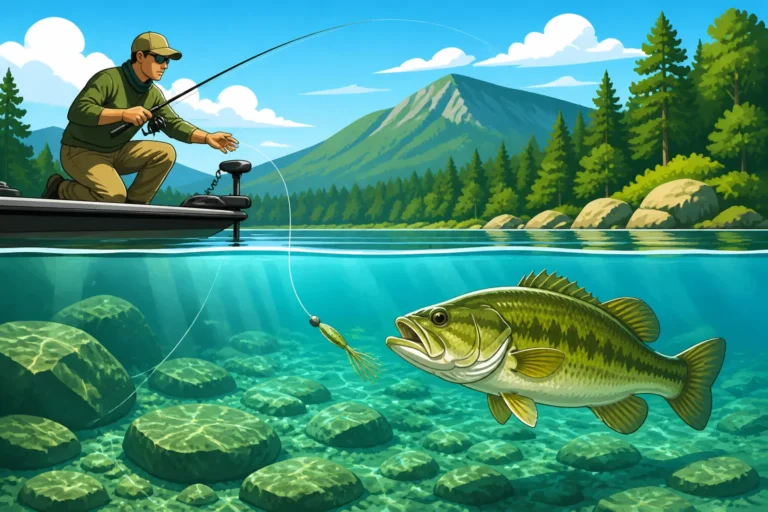
When the long, hot days of summer really kick in, the shallower waters of Lake Champlain can become quite warm, often pushing smallmouth bass into deeper, cooler zones. This often means they'll orient themselves around the thermocline – that invisible layer where the warmer surface water meets the colder, deeper water. Finding this zone is crucial because it's where the water temperature is most comfortable for them, and often where their preferred forage will congregate.
It’s not uncommon to find these fish suspending off humps or drop-offs, sometimes 20-40 feet deep, rather than tight to the bottom. They might be chasing schools of baitfish that are themselves holding at a specific depth, making them a little harder to pin down. The challenge isn't just depth, but also pinpointing their preferred temperature and dissolved oxygen levels, which can vary across the lake's diverse structure. They might roam more, following bait, or hold tight to isolated pieces of structure that offer both cover and a food source. Understanding these nuances is critical for locating summer smallmouth hotspots.
Key Forage and Feeding Habits
Lake Champlain smallmouth bass are opportunistic predators, and their diet heavily influences what lures they'll strike. In summer, their primary diet often shifts to focus on crayfish and various baitfish, with alewives and rainbow smelt being particularly important. Crayfish are a constant food source, found scurrying among the rocks, and smallmouth will readily pick them off. This makes crayfish-imitating lures incredibly effective.
However, baitfish like alewives and smelt often form large schools in open water, moving through various depths. When smallmouth key in on these baitfish, they become pelagic, often suspending in the water column to ambush passing schools. This explains why sometimes you find them deep over open water with no visible structure below them. Pay attention to any bird activity or surface commotion, as these can be indicators of baitfish schools being driven to the surface, and hungry smallmouth won't be far behind. Matching the size and color of these primary forage items is a major step in enticing a strike. Understanding their feeding habits and preferences will directly inform your lure selection and presentation, helping you select the Best Baits for Smallmouth Bass on Lake Champlain.
Locating Summer Smallmouth Hotspots
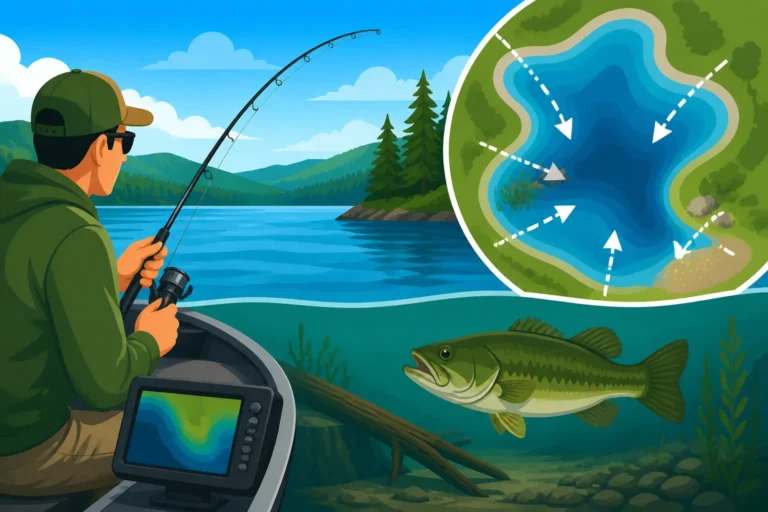
Finding smallmouth bass on Lake Champlain in summer is all about understanding their migration to deeper, cooler, and oxygen-rich areas, often near structure that provides ambush points. Start by targeting rocky points, humps, ledges, and drop-offs that transition from shallow to deep water. These areas act as highways for bass moving up and down the water column, and they offer prime ambush locations for feeding.
When using your electronics, look for sharp breaks in depth, submerged rock piles, and even old submerged timber or cribs. These features concentrate baitfish, which in turn attract smallmouth. In areas with current, such as river mouths or channels, smallmouth will often hold on the current seams, waiting for food to drift by. Spots like the "Gut" between North and South Hero or the areas around Valcour Island can be phenomenal due to natural current flows. Don't be afraid to explore offshore humps that rise out of deep water; these isolated structures can hold massive schools of bass that rarely see fishing pressure. Your sonar settings for finding structure on Lake Champlain will be your best friend in these situations.
Top Lure Categories for Summer Lake Champlain Smallmouth
Once you've zeroed in on potential smallmouth hideouts, it's time to present them with something irresistible. Summer smallmouth can be picky, so having a diverse tackle box is key.
Deep-Diving Crankbaits and Jerkbaits
When smallmouth are holding deep, whether on offshore humps or along steep breaks, deep-diving crankbaits and jerkbaits are absolute game-changers. These lures are designed to get down into the strike zone quickly and stay there, covering vast amounts of water efficiently.
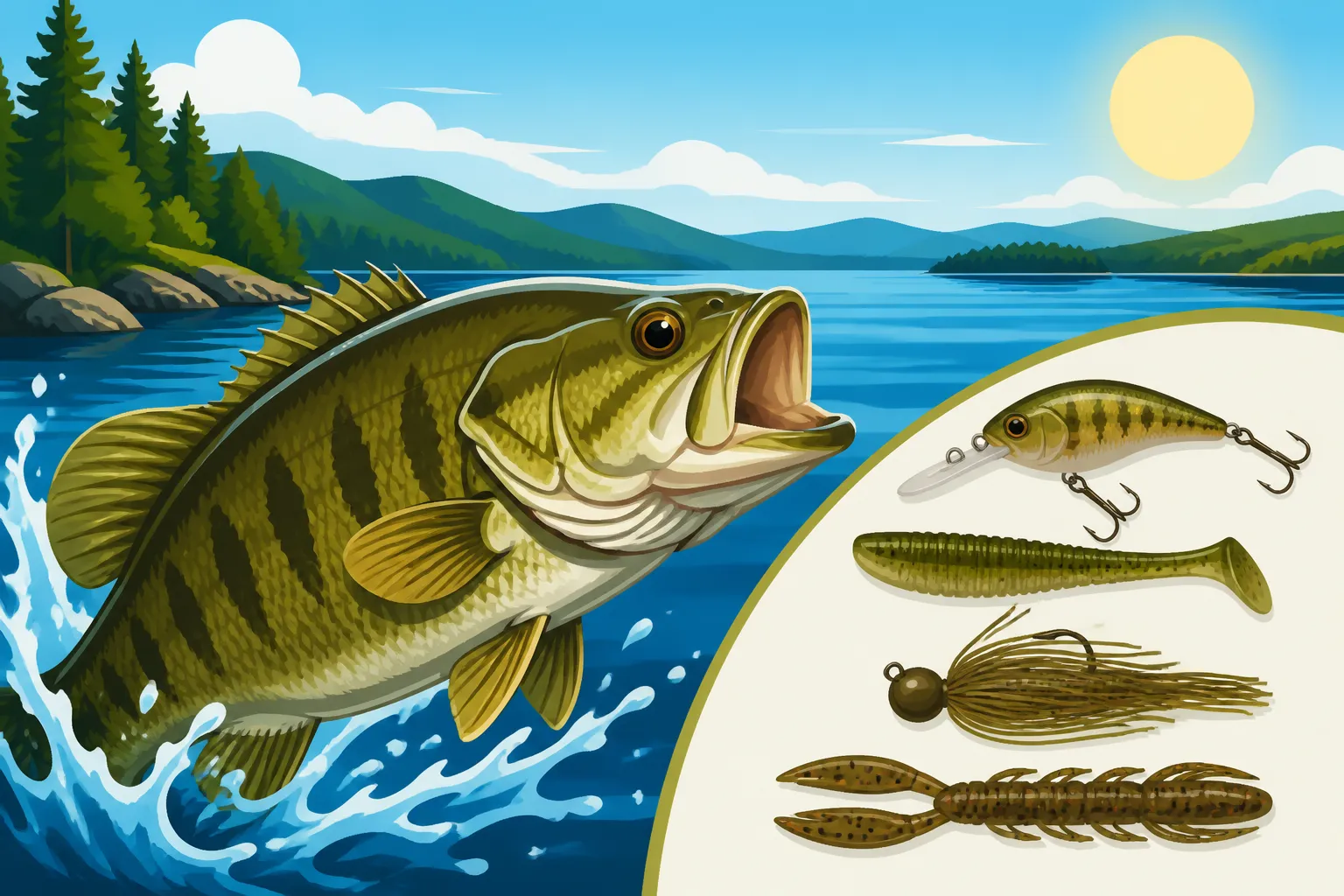
Deep-Diving Crankbaits: These lipped lures dive aggressively and create a lot of vibration, mimicking fleeing baitfish. Look for models that can reach depths of 15 to 25 feet, or even deeper depending on the specific structure you're targeting. Brands like Strike King, Rapala, and Berkley offer excellent deep divers. Colors that imitate alewives, smelt, or crayfish—like chrome/blue, natural shad, or browns/oranges—are typically very effective. The key is to "crash" these lures into cover, deflecting off rocks and making erratic movements that trigger reaction strikes. A fast retrieve with occasional pauses can often be the ticket. Many anglers stock up on a variety of these essential lures on Amazon for their Lake Champlain adventures.
Jerkbaits: While often associated with colder water, deeper-diving jerkbaits can be incredibly effective in summer when fish are suspended. These lures are designed to be retrieved with a "twitch, twitch, pause" action, imitating a struggling baitfish. The pause is often when the strike occurs, as the lure hangs tantalizingly in the water column. Look for jerkbaits that can dive to 8-15 feet. Colors like clear, chrome, or natural baitfish patterns work well. The Spro McStick or Megabass Vision Oneten are popular choices. This method allows you to call fish up from a few feet below the lure, making it a versatile option for scattered fish.
Soft Plastics: Tubes, Senkos, and Drop Shots
Soft plastics are perhaps the most versatile lure category for summer smallmouth on Lake Champlain, excelling in a variety of presentations from subtle finesse to aggressive jigging. Their natural feel and appearance can often coax bites from even the most lethargic fish.
Tube Jigs: These hollow, cylindrical soft plastics are arguably the most classic and consistent smallmouth lure. Rigged with an internal jig head, they mimic crayfish scurrying along the bottom or injured baitfish. Colors like green pumpkin, brown, or smoke with glitter are perennial favorites. The key is to drag, hop, or twitch them along the bottom, allowing them to fall slowly and enticingly. Tube jigs are excellent for targeting rocky bottoms, ledges, and areas where crayfish are abundant. You can rig them Texas-style for weedless presentations or with an exposed hook for maximum hook-up ratio in open water.
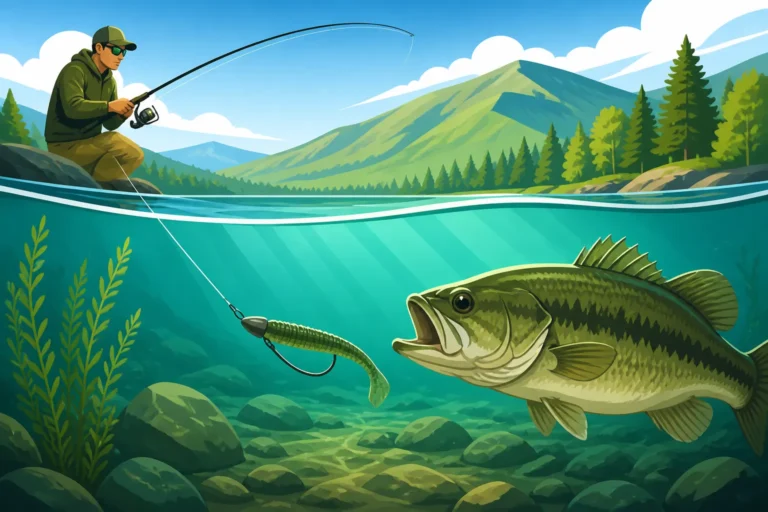
Senkos and Stick Baits: While often associated with largemouth, soft stick baits like the Yamamoto Senko are deadly for smallmouth, especially when they're finicky or holding tight to cover. Their subtle shimmy on the fall is incredibly appealing. Wacky rigged or Texas rigged, these baits offer a slow, natural presentation. Cast them near structure, let them sink on a slack line, and watch for your line to twitch. Green pumpkin, black with blue flake, or natural shad colors are great starting points.
Drop Shot Rigs: When smallmouth are suspended or tightly schooled on deep structure, a drop shot rig is unparalleled. This finesse technique involves tying a hook directly to your main line with a tag end extending below, where you attach a weight. This allows your soft plastic bait (often a small worm, minnow imitation, or creature bait) to hover enticingly at a specific depth, independent of the bottom. You can present it vertically over schools you mark on your fish finder or cast it to deep points and ledges. The beauty of the drop shot is its ability to keep the bait in the strike zone for extended periods with minimal movement. This is an essential technique for those who want to master the Best drop shot rig for Vermont smallmouth.
Jigs: Football and Hair Jigs
Jigs provide a direct connection to the bottom, making them ideal for imitating crayfish and bottom-dwelling baitfish. They offer a more tactile feel, allowing you to "read" the bottom composition as you retrieve.
Football Jigs: Named for their football-shaped heads, these jigs are designed to resist snagging in rocky terrain and provide excellent bottom contact. They feature a skirt, usually rubber or silicone, that flares and pulsates, giving the impression of a living creature. Pair them with a soft plastic trailer—a craw imitation or grub—for added bulk and action. Dragging football jigs slowly over rocky humps, ledges, and deep gravel beds is a fantastic way to trigger strikes from smallmouth looking for a meal. Colors like brown, green pumpkin, and black/blue are highly effective. These are great for feeling subtle bottom changes, a key aspect when fishing for Smallmouth Bass Habits on Lake Champlain.
Hair Jigs: Often overlooked in favor of flashier baits, hair jigs are incredibly effective for summer smallmouth, especially in clear water. Made from natural materials like deer hair or marabou, they offer a subtle, lifelike action that's hard to replicate with other lures. They excel when fish are pressured or when you need a very realistic presentation. Cast them out and retrieve them with a slow, steady swim, or short hops, letting the hair breathe and pulsate. Smallmouth often inhale these baits, so a keen eye on your line for any twitch or jump is crucial. White, black, brown, and olive are classic colors.
Topwater Lures for Early Mornings and Evenings
While summer smallmouth often hold deep, there are magical windows when they'll absolutely crush a topwater bait. These are typically during low-light conditions: early morning, late evening, or on overcast days when fish feel more comfortable moving into shallower feeding grounds. The explosive strikes on topwater are some of the most exciting in bass fishing.
Poppers: These lures have a cupped face that "pops" or "chugs" water when twitched, creating a disturbance that mimics a struggling baitfish or a bug landing on the surface. They’re fantastic for targeting shoreline cover, shallow rock piles, and calm pockets. Cast them out, let the ripples dissipate, and then twitch them with varying pauses. The Heddon Super Spook Jr. or the Rebel Pop-R are classic poppers that consistently produce.
Walk-the-Dog Baits: Lures like the Zara Spook or Sammy are designed to be retrieved with a rhythmic "walk-the-dog" action, zigzagging across the surface. This unique action can drive smallmouth wild, imitating a fleeing baitfish. It takes a bit of practice to master the retrieve, but once you do, it's incredibly rewarding. Focus on areas where baitfish might be congregating near the surface or along defined breaks.
Prop Baits: These lures feature small propellers on the front and/or back that churn water during the retrieve, creating a buzzing sound and visual commotion. They can be excellent when smallmouth are aggressive and looking for a noisy meal. Retrieve them steadily or with a stop-and-go action. Again, low-light conditions are prime for these surface smashers.
Strategies for Presenting Lures Effectively
Having the right lure is only half the battle; knowing how to present it effectively for Lake Champlain smallmouth in summer is what truly separates successful anglers from the rest. It's about combining knowledge of fish behavior with precise execution.
Matching the Hatch (and the Depth)
"Matching the hatch" is a term often heard in fly fishing, but it applies equally to bass fishing. It means selecting a lure that closely imitates the size, shape, and color of the natural forage the smallmouth are currently feeding on. On Lake Champlain, this often means mimicking crayfish, alewives, or rainbow smelt. If you see baitfish jumping, try a chrome or natural shad-colored jerkbait or crankbait. If you're fishing rocky bottoms, a brown or green pumpkin tube jig or football jig is a smart choice.
Beyond appearance, matching the depth is paramount. Smallmouth bass are often very particular about the depth they feed at in summer. If they are suspended 25 feet down over 60 feet of water, a crankbait that only dives to 10 feet won't cut it. Use your electronics to identify the depth where fish are holding or where the thermocline is most prominent. Then, choose a lure that is designed to run at or just above that depth. This precision is vital, as sometimes even a few feet can make all the difference between a barren retrieve and a hard strike. You might find some useful tips in our guide on How to Catch Smallmouth Bass in Vermont Lakes that emphasize this point.
Retrieve Techniques for Different Lures
Each lure type has an optimal retrieve that unlocks its full potential. Understanding these nuances can significantly boost your success rate.
Crankbaits: For deep-diving crankbaits, a consistent retrieve speed is often effective. However, don't be afraid to vary it. Try a fast retrieve to get it down quickly, then slow down, or even pause briefly. "Crashing" the crankbait into rocks or stumps and allowing it to deflect erratically can trigger aggressive reaction strikes. The sudden change in direction often mimics a struggling or disoriented baitfish, which is irresistible to a hungry smallmouth.
Jerkbaits: The classic retrieve for jerkbaits is a "twitch, twitch, pause." The twitches impart an erratic, darting motion, while the pause allows the lure to suspend, often triggering a strike on the hang. Experiment with the length of your pauses; sometimes a short pause is best, other times a longer, more agonizing wait will be rewarded. In summer, try slightly shorter pauses than you might in colder water, as fish can be more active.
Soft Plastics (Tubes, Senkos, Drop Shots): For tubes and football jigs, a slow, methodical drag-and-hop retrieve is usually best. Imagine a crayfish scuttling along the bottom. Let the lure settle, drag it a few feet, then hop it gently. For Senkos, the key is the fall; cast, let it sink on a slack line, and watch for line movement. Drop shots are often fished vertically or with a very subtle shake of the rod tip, keeping the bait hovering in the strike zone. You'll find that experimenting with these retrieve techniques is crucial, especially when conditions are changing, a common occurrence during the Best time to fish Lake Champlain in summer.
Gear Considerations for Summer Smallmouth
Having the right gear makes a huge difference in effectively presenting lures and successfully landing feisty smallmouth.
Rods: For crankbaits and jerkbaits, a medium-heavy rod with a moderate action is ideal. The softer tip allows the fish to inhale the lure without pulling it away too quickly, while the backbone helps with powerful hooksets and fighting bigger fish. For jigs and soft plastics, especially finesse techniques like drop shot, a medium-light or medium spinning rod with a fast action is preferred. This allows for increased sensitivity to detect subtle bites and precise lure manipulation. For a comprehensive look at what works, consider reading about the Best Fishing Rods for Vermont Lakes.
Reels: A high-speed baitcasting reel (7.0:1 gear ratio or higher) is excellent for crankbaits and jerkbaits, allowing you to cover water quickly and reel in slack line after a long cast or during a pause. For soft plastics and jigs, especially on spinning gear, a smooth, reliable spinning reel in the 2500-3000 size range provides the right balance of retrieve speed and line capacity.
Line: Fluorocarbon line is a popular choice for all smallmouth applications in clear Lake Champlain waters. Its low visibility and excellent sensitivity make it ideal for detecting light bites. For crankbaits and jerkbaits, 10-15 lb test fluorocarbon is common. For jigs and soft plastics, especially drop shot, 6-10 lb test fluorocarbon or a combination of braided mainline with a fluorocarbon leader (6-8 lb test) offers a great balance of strength, castability, and sensitivity. Don't forget that using the right line, such as a quality fluorocarbon, is crucial for those who are serious about Best Smallmouth Bass Lures for Lake Champlain in Summer.
Table of Top Summer Smallmouth Lures for Lake Champlain
| Lure Type | Ideal Depth Range | Primary Forage Imitation | Key Retrieve Action | Best Conditions | Notes |
|---|---|---|---|---|---|
| Deep-Diving Crankbait | 15-30+ feet | Alewife, Smelt, Perch | Fast retrieve, deflection | Deep structure, humps, ledges | Cover water quickly, trigger reaction strikes |
| Deep-Diving Jerkbait | 8-18 feet | Alewife, Smelt | Twitch, twitch, pause | Suspended fish, clear water, subtle presentation | Excellent for finicky fish, long pauses often trigger strikes |
| Tube Jig | 5-40 feet | Crayfish, Goby | Drag, hop, twitch along bottom | Rocky bottoms, ledges, tight to structure | Versatile, great for vertical jigging or casting |
| Drop Shot Rig | 10-50+ feet | Minnow, Worm, Fry | Subtle shake, vertical presentation | Suspended fish, deep humps, precise depth targeting | Finesse technique, keeps bait in strike zone longer |
| Football Jig | 10-40+ feet | Crayfish | Drag, hop, slow crawl | Rocky points, gravel flats, hard bottom | Excellent bottom feel, paired with craw trailers |
| Hair Jig | 5-30 feet | Smelt, Shiner | Slow swim, subtle hops | Clear water, pressured fish, finesse situations | Natural action, often deadly when other lures fail |
| Topwater (Popper/Walk) | Surface (0-5 feet) | Fleeing baitfish, Insects | Pop, chug, walk-the-dog | Low light (dawn/dusk), overcast, calm water | Exciting strikes, best when fish are shallow and active |
The Final Cast: Adapting and Experimenting
Fishing for smallmouth bass on Lake Champlain in the summer is a dynamic challenge that demands adaptability and a willingness to experiment. The lake is vast and ever-changing, and what works one day might not work the next. Don't be afraid to cycle through different lures and presentations until you crack the code. Pay close attention to what the fish are telling you – whether it's through the subtle tap of a jig, the aggressive strike on a crankbait, or the heart-stopping explosion on a topwater lure.
Remember to consider factors like the time of day, current weather patterns, and boat traffic. Early mornings and late evenings often bring fish shallower for topwater action, while the bright midday sun usually pushes them deeper to seek cooler refuge. By understanding their summer habits, mastering these top lure categories, and refining your presentation, you'll be well on your way to consistent success catching those hard-fighting Lake Champlain smallmouth bass all summer long. And remember, sometimes the key is simply putting in the time on the water, learning the lake, and adapting your approach. You can find many of these lures and gear options readily available on Amazon.
Disclaimer
Fishing regulations and conditions can change rapidly. Always consult the latest Vermont Fish & Wildlife Department regulations before heading out on the water. This guide is for informational purposes only and should not replace official sources or personal judgment regarding safety and legality.