Best Kayak Fishing Spots in Vermont
Finding the perfect spot to launch your kayak and cast a line in Vermont can feel like solving a puzzle, especially when you're looking for those quieter, less-pressured waters that truly shine. You want the serenity of being on the water, the thrill of the catch, and the convenience of a nimble craft, but figuring out where to go, what to bring, and how to stay safe can be daunting. This comprehensive guide will navigate you through Vermont's best kayak fishing spots, offering insider tips on locations, species, and essential preparations to make your next outing a memorable one.
Why Kayak Fishing in Vermont is Uniquely Rewarding
There's something incredibly intimate about kayak fishing in Vermont. Unlike a large motorboat, your kayak lets you become one with the water, silently gliding over glassy surfaces or maneuvering through narrow channels where bigger vessels simply can't go. This isn't just a different way to fish; it's a completely different experience, connecting you more deeply with the stunning natural beauty that Vermont is famous for. The Green Mountain State's diverse waterways, from vast lakes to meandering rivers and hidden ponds, offer a kayak angler a world of possibilities that often go untouched by conventional boaters.
The Freedom and Stealth of Kayaks
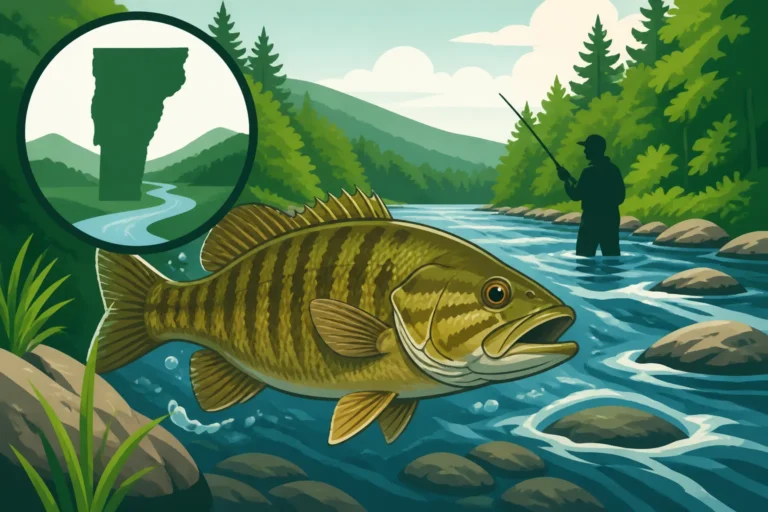
The inherent stealth of a kayak is perhaps its greatest superpower for anglers. Imagine paddling silently along a reedy shoreline on Lake Champlain, your paddle barely breaking the surface, allowing you to approach wary smallmouth bass without a sound. There's no noisy outboard motor to spook fish, no loud wake to disturb the peace. This quiet approach often translates directly into more bites and more successful outings, as you can get much closer to the action without alerting your quarry. It's an advantage that cannot be overstated, especially when targeting sensitive species like trout in clear rivers or predatory bass lurking in shallow cover.
Beyond the stealth, kayaks offer an unparalleled sense of freedom. You're not tied to boat ramps or deep water; you can easily launch from sandy beaches, grassy banks, or even roadside pull-offs. This accessibility opens up countless miles of shoreline and smaller bodies of water that are otherwise unreachable. The ability to explore tight coves, intricate weed lines, and shallow flats means you're constantly discovering new fishing grounds, often holding untouched populations of fish. This freedom allows you to tailor your fishing adventure precisely to your mood and the conditions of the day.
Accessing Undiscovered Waters
One of the biggest frustrations for many anglers is crowded fishing spots. Kayak fishing dramatically reduces this problem by allowing you to access areas that traditional powerboats can't reach. Think about those hidden bays on larger lakes, the winding oxbows of a slow-moving river, or the remote ponds tucked away in state forests. These "undiscovered" waters often harbor healthier fish populations that see less pressure, making for truly exceptional fishing.
For example, on the larger Vermont lakes, there are numerous shallow flats and dense weed beds that are challenging, if not impossible, for motorboats to navigate without getting tangled or running aground. A kayak, however, can slip right through, offering prime opportunities for largemouth bass, northern pike, and even panfish. This ability to seek out quieter, less disturbed ecosystems is a game-changer, giving you a distinct advantage and a sense of peaceful solitude that's hard to find elsewhere. If you're looking to literally get off the beaten path, a kayak is your ticket.
Prime Lake Champlain Kayak Fishing Zones
Lake Champlain, Vermont's undisputed fishing jewel, offers an almost overwhelming array of opportunities for kayak anglers. Its sheer size and diverse habitats mean you could spend a lifetime exploring its waters and still find new honey holes. From the rocky reefs and deep drop-offs to expansive shallow bays and intricate weed beds, Lake Champlain is a smallmouth bass angler's dream, a walleye hunter's challenge, and a lake trout enthusiast's deep-water pursuit, all accessible from a kayak.
Northern Lake Champlain – Bays and Islands
The northern stretches of Lake Champlain, particularly around the Champlain Islands (North Hero, Grand Isle, Isle La Motte) and into Missisquoi Bay, are legendary for their productivity and kayak-friendly waters. These areas are characterized by numerous bays, islands, and protected coves that offer both shelter from the wind and incredible fishing structure. Missisquoi Bay, for instance, is a vast, relatively shallow expanse perfect for targeting largemouth bass, northern pike, and panfish in its abundant weed beds. Its calmer waters are ideal for those just getting comfortable with kayak fishing on larger bodies of water.
The countless islands and rocky shoals also create fantastic habitat for smallmouth bass. You can spend hours paddling around structures, casting towards submerged rocks and current breaks. Places like Butler Island, Knight Island, and the numerous smaller rocky outcroppings provide excellent staging areas for various species. The sheer complexity of the shoreline here, with its numerous points, cuts, and sheltered areas, means you're constantly presented with new fishing scenarios. Consider starting your adventure from a public access point like the one at Sand Bar State Park, which provides easy kayak launching into relatively protected waters. When you're planning your trip, online resources like FishingBooker can help you find local guides who specialize in these northern waters, offering insights into current hot spots and effective techniques.
Central and Southern Lake Champlain – Structure and Sheltered Coves
As you move south on Lake Champlain, the landscape changes, offering a different set of kayak fishing opportunities. The central basin, from Burlington down to Westport, NY (though we're focusing on the Vermont side!), features deeper waters, more pronounced drop-offs, and rocky points that hold lake trout, salmon, and larger smallmouth bass. Mallets Bay and Shelburne Bay offer sheltered waters closer to Burlington, with excellent opportunities for smallmouth and largemouth bass in their coves and along their rocky points. The fishing here can be fantastic, especially during early morning or late evening when boat traffic is minimal.
Further south, toward the narrower sections of the lake near Fort Ticonderoga, the fishing gets even more diverse. Here, you'll find extensive weed lines, submerged timber, and shallower channels that are prime habitat for largemouth bass, northern pike, and even some impressive walleye. Places like Otter Creek's delta on Lake Champlain are renowned for bass. The shallower, more intricate nature of these southern waters makes them incredibly inviting for kayak anglers, who can navigate the tight spaces and target fish holding in dense cover. Always remember to check the Vermont Lake Champlain Fishing Rules for specific regulations, as some areas may have unique catch limits or seasonal restrictions. The sheer variety of structure and habitat from the central to southern regions makes them ideal for exploring via kayak.
Exploring Vermont's Inland Lakes for Kayak Anglers
While Lake Champlain often steals the spotlight, Vermont's inland lakes are true hidden gems for kayak fishing. These smaller, often clearer bodies of water offer a more tranquil experience, with less boat traffic and equally rewarding fishing for a variety of species. From the pristine deep waters of the Northeast Kingdom to the productive bass lakes of Southern Vermont, there's an inland lake perfectly suited for every kayak angler's preference.
Northeast Kingdom Gems (e.g., Lake Willoughby, Seymour Lake)
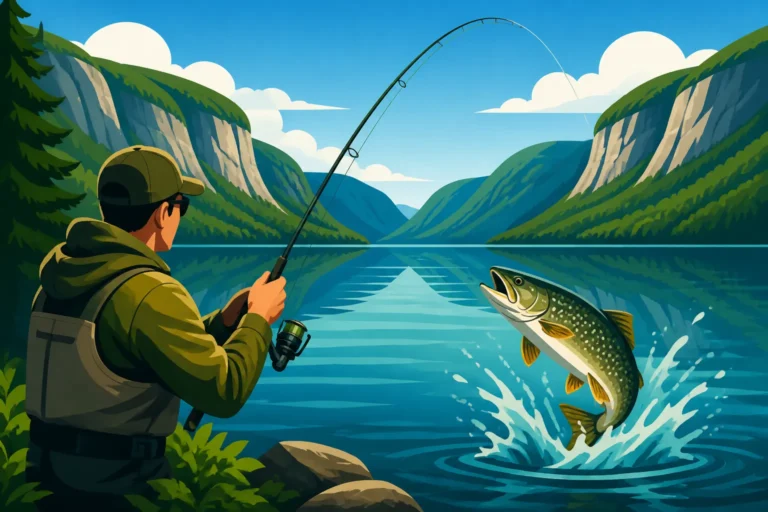
The Northeast Kingdom (NEK) of Vermont is famous for its rugged beauty and pristine, deep lakes, many of which are absolutely phenomenal for kayak fishing. Lake Willoughby, with its stunning cliffs and crystal-clear, glacier-carved waters, is a prime example. While it's a deep lake, kayak anglers can focus on the shoreline structure, points, and coves for landlocked salmon and lake trout, especially during the spring and fall. The unparalleled clarity of the water means sight fishing can be an option on calmer days, and the lack of heavy powerboat traffic makes it incredibly peaceful to paddle. If you're looking for landlocked salmon, focusing on areas where streams enter the lake, or trolling along drop-offs from your kayak, can be very effective.
Another NEK treasure is Seymour Lake. Known for its excellent lake trout and landlocked salmon populations, Seymour offers a similar deep-water challenge, but with ample shoreline to explore by kayak. The eastern shore, near the state park, provides good access, and you can spend hours paddling along the varied bottom structure. The quiet nature of these lakes means you can really immerse yourself in the fishing, listening to the loons call as you cast. Before heading out, it's always wise to check the Lake Willoughby Fishing Guide or specific local regulations for these unique waters, as they may have special rules.
Southern Vermont's Productive Waters (e.g., Lake Bomoseen, Lake St. Catherine)
Venturing south, lakes like Bomoseen and St. Catherine offer a different but equally rewarding kayak fishing experience. These lakes are generally shallower and warmer than their NEK counterparts, making them prime territory for largemouth and smallmouth bass, northern pike, and a plethora of panfish. Lake Bomoseen, Vermont's third-largest lake, has diverse habitats ranging from rocky points to extensive weed beds and shallow flats. Kayak anglers can target largemouth bass in the lily pads and dense cover, or search for smallmouth bass along the rocky shorelines and submerged humps. There are plenty of public access points, including Bomoseen State Park, making launching a breeze.
Lake St. Catherine, located just a bit further south, is another fantastic option. It's renowned for its robust bass population, particularly largemouth, and offers numerous coves and shallow areas that are perfect for kayak exploration. The intricate shorelines and abundant submerged vegetation make it a perfect place to pitch jigs, worms, or topwater lures from your kayak. These southern lakes tend to have a bit more recreational boat traffic, especially on summer weekends, so planning your kayak fishing trips for early mornings or weekdays can significantly enhance your experience. Consider reviewing guides like the Lake Bomoseen Fishing Guide for detailed species information and local tips.
River and Stream Kayak Fishing Opportunities
Kayak fishing isn't just for lakes in Vermont; the state's extensive network of rivers and streams offers incredibly diverse and often overlooked opportunities. While some rivers require more advanced paddling skills due to currents or rapids, many offer gentle floats perfect for leisurely fishing trips. The ability to drift silently downstream, covering miles of water that shore anglers can't reach, makes river kayak fishing a truly unique and productive experience.
Gentle Floats for Bass and Panfish (e.g., Otter Creek, Winooski River)
For those looking for a relaxed paddle with plenty of fish, Vermont's slower-moving rivers like Otter Creek and the lower Winooski River are ideal. Otter Creek, Vermont's longest river, meanders through much of the state, offering fantastic opportunities for smallmouth bass, largemouth bass, northern pike, and various panfish. Its generally calm currents make it beginner-friendly for kayak fishing. You can put in at various access points and drift downstream, casting to submerged logs, undercut banks, and current seams. The abundance of natural forage here keeps the fish active and healthy.
The lower sections of the Winooski River, particularly downstream from Montpelier as it widens before emptying into Lake Champlain, also provide excellent kayak fishing. Here, you'll find robust populations of smallmouth bass, especially around rocky structures and bridge abutments. The river's flow is usually manageable, allowing for easy paddling and drift fishing. For those unfamiliar with river navigation, an outfitter or a quick check on a platform like FishingBooker might reveal local guides who can offer escorted trips or valuable insight into safe put-in and take-out points, ensuring a smooth and enjoyable day on the water. These gentle floats are perfect for a relaxed day on the water, soaking in the scenery while targeting aggressive river fish.
Trout Streams and Smaller Tributaries (e.g., White River, Lamoille River)
While many trout streams are best fished by wading, some of Vermont's larger, wider trout rivers, or specific sections of them, can be incredibly productive for kayak anglers, especially those in smaller, more maneuverable fishing kayaks. The White River, known for its excellent wild and stocked trout populations, has sections where a kayak allows you to cover more water efficiently, reaching pools and riffles that are difficult to access from the bank. Focusing on slower runs and deeper pools where trout might congregate is often key.
Similarly, the Lamoille River offers fantastic trout fishing in its upper and middle reaches. While some sections are too shallow or swift for comfortable kayaking, others provide ample opportunity to drift and target brown and rainbow trout. When kayaking for trout, stealth is paramount. Keep your profile low, paddle smoothly, and make accurate casts. Remember that trout can be incredibly spooky, so a quiet approach is crucial. Always check the Vermont Trout Season and Stocking Rules and specific regulations for particular stretches of these rivers, as catch-and-release rules or gear restrictions may apply. Kayak fishing these rivers can be a rewarding challenge for the dedicated trout angler seeking to explore beyond conventional wading spots.
Essential Gear and Safety for Vermont Kayak Fishing
Getting out on the water in your kayak for a fishing adventure is exhilarating, but it's crucial to be properly equipped and prepared. Vermont's weather can change quickly, and safety should always be your top priority. Beyond your fishing tackle, certain kayak-specific gear will greatly enhance your comfort, efficiency, and safety on the water.
Must-Have Kayak Accessories
First and foremost, a comfortable and stable fishing kayak is key. Whether it's a sit-on-top or a sit-in, ensure it's designed for stability and has sufficient storage for your gear. Many modern fishing kayaks come with integrated rod holders, gear tracks, and comfortable seats, which make a world of difference during a long day on the water. Beyond the kayak itself, a good quality paddle, appropriate for your height and paddling style, is essential. Look for lightweight options that won't fatigue you over hours of paddling.
Next, a personal flotation device (PFD) is not just recommended, it's a legal requirement in Vermont. Choose one that's comfortable to wear all day and allows for a full range of motion for casting and paddling. Beyond the PFD, a safety whistle, a bailing device (sponge or small pump), and a bright flag for visibility (especially on larger lakes like Champlain) are highly advisable. A kayak anchor system, often consisting of a small anchor (grapple or mushroom type) with a trolley system, is invaluable for holding your position in current or wind. Lastly, waterproof bags or dry boxes are crucial for protecting your phone, keys, and other valuables from splashes or an unexpected capsize. You'll find many excellent options at local outdoor shops like Vermont Outdoor Guide or online retailers. For specific kayak recommendations, you might find the Best Kayak for Lake Champlain or Best Kayak for River Fishing in Vermont articles helpful.
| Gear Item | Purpose | Vermont Requirement/Recommendation |
|---|---|---|
| Fishing Kayak | Stable platform for fishing | Recommended (stability crucial) |
| Paddle | Propulsion | Essential |
| Personal Flotation Device (PFD) | Safety, buoyancy | Required for all on board |
| Whistle/Sound Device | Signaling in emergencies | Required |
| Bailing Device | Removing water from kayak | Required |
| Visual Distress Signal | Signaling (flag, flashlight for night) | Recommended, especially on large lakes |
| Kayak Anchor System | Holding position against current/wind | Highly Recommended |
| Waterproof Bags/Dry Box | Protecting electronics, valuables | Highly Recommended |
| First-Aid Kit | Minor injuries | Highly Recommended |
| Sun Protection | Sunscreen, hat, sunglasses | Essential |
| Fishing Tackle | Rods, reels, lures, bait | Essential |
| Navigational Aid | Map, GPS, Fish Finder | Recommended (for safety & success) |
Navigating Vermont's Boating Regulations
Vermont has specific boating laws and regulations that apply to kayaks, just like any other vessel. Being aware of these rules isn't just about avoiding fines; it's about ensuring your safety and the safety of others on the water. As mentioned, wearing a PFD is mandatory for all individuals on kayaks, canoes, and stand-up paddleboards. While kayaks often don't require registration in Vermont if they are solely human-powered, it's always good to double-check the latest regulations, especially if you add any electric motors.
Beyond PFDs, kayaks 16 feet or longer are generally required to carry a sound-producing device (like a whistle or horn) and a visual distress signal (like a flag for day use or a flashlight for night use). When operating after sunset or before sunrise, proper navigation lights are also required. Additionally, adhering to common sense boating rules, such as maintaining a safe speed, yielding to larger vessels, and avoiding swimming areas, is crucial. Familiarize yourself with the Vermont Boating Laws for Anglers to ensure you're fully compliant. Understanding and respecting these rules will make your kayak fishing experience much smoother and safer for everyone.
Planning Your Kayak Fishing Expedition
A successful kayak fishing trip isn't just about having the right gear and knowing the regulations; it's also about smart planning. Knowing the best times to go, how to find access, and respecting local etiquette will elevate your experience from a simple outing to a truly productive and enjoyable adventure.
Best Times and Conditions
Timing is everything in fishing, and kayak fishing is no exception. Generally, the best times for kayak fishing in Vermont are during the spring, early summer, and fall. Spring (April-May) is fantastic for pre-spawn bass and active trout as waters warm up. Early summer (June) offers some of the most consistent fishing, with stable weather and active fish across most species. As summer progresses into July and August, consider fishing during the cooler parts of the day – early mornings or late evenings – when fish are more active and recreational boat traffic is lower. Fall (September-October) brings another burst of activity as fish feed heavily before winter, and the scenery is simply spectacular.
Weather conditions also play a huge role. Calm days with minimal wind are ideal for kayak fishing, especially on larger lakes like Champlain, where even a moderate breeze can make paddling and fishing challenging. Always check the local weather forecast before you go, paying close attention to wind speed and direction. Light rain can sometimes improve fishing, as it darkens the water and can put fish on the bite, but avoid thunderstorms and heavy downpours. High, muddy water in rivers after heavy rains can make fishing tough and create dangerous currents. Conversely, low, clear water conditions might require a stealthier approach with lighter lines and smaller baits.
Locating Access Points and Understanding Local Etiquette
Finding good public access points for kayaks is crucial for a stress-free outing. Vermont's Fish & Wildlife Department maintains numerous public fishing access areas around the state, many of which are perfect for kayak launching. These often have designated parking and gradual slopes suitable for carrying a kayak to the water. Apps and websites like the Vermont Fish & Wildlife's interactive map or services like FishingBooker can help you pinpoint these locations. Marinas and state parks often have launch points, sometimes for a small fee. For Lake Champlain, consider exploring options listed in guides like Best Kayak Launch Points on Lake Champlain. Don't forget that many river access points are less formal, often just roadside pull-offs, so scout them out ahead of time if possible.
When using any access point, be mindful of local etiquette. Always park in designated areas, leave no trash behind (pack it in, pack it out!), and be considerate of other users, whether they're launching boats, swimming, or simply enjoying the scenery. Respect private property; if you're unsure whether a piece of shoreline is public or private, assume it's private and move on. When fishing, practice responsible angling: use proper catch-and-release techniques when appropriate, know the Vermont Bag and Possession Limits by Species, and never keep more fish than you're legally allowed or truly intend to eat. By being a respectful and prepared angler, you help ensure that Vermont's beautiful waters remain productive and enjoyable for everyone for years to come.
Disclaimer
Please note that fishing regulations, access points, and conditions in Vermont can change. Always consult the most current Vermont Fish & Wildlife Department regulations guide before heading out on any fishing trip. Be aware of local conditions, weather forecasts, and exercise caution while on the water. Safety should always be your top priority.