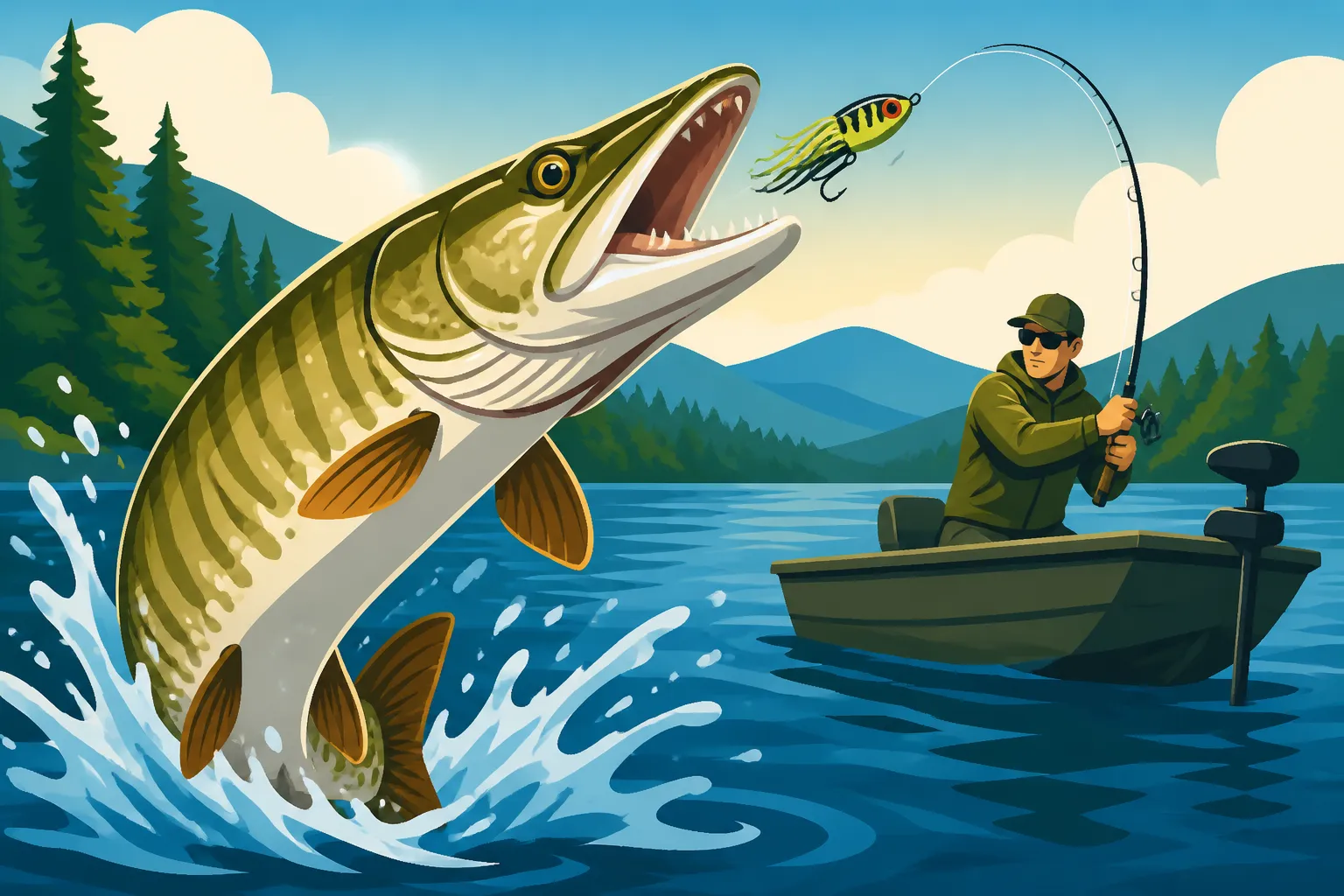
Lake Memphremagog Muskellunge Fishing
Chasing the elusive muskellunge is a dream for many anglers, but let's be honest, it can feel like trying to find a needle in a haystack – especially on a massive, complex lake like Memphremagog. The sheer size of the water, the reputation of these apex predators for being "the fish of 10,000 casts," and the specialized gear involved can be incredibly intimidating. If you're ready to tackle the challenge and unlock the secrets to landing a trophy musky in the Northeast Kingdom, this comprehensive guide will equip you with everything you need to know to make your Lake Memphremagog musky dreams a reality.
The Allure of Lake Memphremagog's Muskellunge Fishery
Lake Memphremagog, straddling the Vermont-Quebec border, is more than just a beautiful body of water; it's a legendary battleground for muskellunge anglers. This vast, deep lake holds a special place in the hearts of those who seek the thrill of a lifetime catch.
Why Memphremagog is a Musky Hotspot
What makes Lake Memphremagog so special for muskies? Well, for starters, it boasts a truly unique, self-sustaining population of these magnificent fish. Unlike some fisheries that rely heavily on stocking, Memphremagog’s muskies are wild, born and bred in these waters. This means they are incredibly strong, wily, and have adapted perfectly to their environment. The lake's deep, cold waters, combined with its abundant forage base of suckers, ciscoes, and yellow perch, create an ideal environment for muskies to grow to impressive sizes, often exceeding 50 inches. There’s a rich history here of anglers pursuing these giants, and every cast feels like a connection to that legacy.
The challenge of musky fishing on Memphremagog isn't just about the fight; it's about the entire experience. It's the anticipation, the hours spent meticulously dissecting structure with your sonar, the sudden heart-stopping strike, and the sheer power of a fish that can easily weigh over 30 pounds. This isn't your everyday panfish outing; it's a dedication, a quest that rewards patience and persistence with an unparalleled angling story. The lake’s large size also means there's always a new spot to explore, a new pattern to decipher, making every trip a fresh adventure.
Understanding Musky Habits and Habitat in Memphremagog
To consistently find muskies, you need to think like one. These predators are highly dependent on structure and forage. In Lake Memphremagog, this often means keying in on specific depth contours, weed lines, rock piles, and points that offer ambush opportunities. During certain times of the year, they might be shallower, relating to the lush weed beds that provide cover and attract baitfish. As water temperatures fluctuate, especially in the heat of summer or the chill of fall, they'll often move to deeper offshore structures, suspended over depths where schools of baitfish congregate.
On the Vermont side of the lake, understanding the contours and features can make all the difference. Areas like Newport Bay, especially around the mouth of the Clyde River delta, are known musky hangouts, offering both shallow weed-rich areas and access to deeper water. Other productive zones include the various points and rocky reefs that jut into the lake, creating current breaks and feeding lanes. Submerged humps and sudden drop-offs where the lake bottom plunges from 20 feet to 80 feet or more are classic musky lies, as these areas concentrate baitfish and provide thermal refuge. Don't overlook the expansive flats adjacent to deeper channels either, as muskies will patrol these areas looking for an easy meal.
Muskies are also creatures of routine, so paying attention to even subtle changes in water temperature, sunlight, and even boat traffic can give you an edge. They often patrol the edges of their chosen habitat, rather than sitting directly in the thick of it. This means you need to present your lures right on the seam where structure meets open water or where shallow water transitions into a drop-off. Mastering this understanding of their movements and preferred haunts is paramount for success on Memphremagog.
Essential Gear for Chasing Memphremagog Muskies
Muskellunge fishing isn't for the faint of heart, and neither is the gear required. These are serious fish, and they demand serious tackle. Trying to land a 40-pound musky on inadequate equipment is not only frustrating but can also be detrimental to the fish's survival.
Rods, Reels, and Line Built for Battle
When it comes to musky rods, think heavy-duty. You'll want a rod that's typically 8'6" to 9'6" long with a heavy power rating and a fast action. The extra length helps with casting those massive lures and provides leverage when battling a powerful fish boatside. Brands like St. Croix, G. Loomis, and Okuma offer excellent musky-specific rods designed to handle the abuse. Many anglers opt for telescoping or two-piece rods for easier transport, but always prioritize a robust backbone for setting hooks and fighting fish. You need a rod that can cast a 6-ounce bucktail all day without feeling like you’re trying to hurl a brick.
Matching that heavy rod requires a high-capacity baitcasting reel. Look for models known for their robust drag systems and high gear ratios, which are essential for quickly reeling in slack and controlling a musky once it's hooked. Popular choices include the Shimano Tranx, Daiwa Lexa, and Abu Garcia Revo Toro Beast. A solid reel will ensure smooth casting and the power needed to crank large baits, but more importantly, it will withstand the incredible strain a musky puts on your gear during a fight. A good drag system is paramount, allowing the fish to take line when it makes powerful runs, preventing snapped lines or pulled hooks.
Finally, the line. Braided line is the standard for musky fishing due to its incredible strength and lack of stretch, which aids in hook sets. Most Memphremagog musky anglers will opt for 80- to 100-pound test braided line. This main line needs to be coupled with a heavy-duty leader, typically 100- to 150-pound test fluorocarbon or even a multi-strand wire leader. The leader is crucial for protecting against those razor-sharp teeth and providing abrasion resistance against heavy cover. Always check your leader for nicks and abrasions after every fish and regularly throughout the day.
Lures to Trigger a Strike
Muskies are visual predators, and their lures are often as impressive as the fish themselves. You'll need a variety of large, noisy, and attention-grabbing baits in your tackle box. Bucktails are arguably the most popular musky lure, with models like the Musky Mayhem Cowgirl or Thorne Bros. Marabou bucktails being perennial favorites. These lures create a lot of flash and vibration, mimicking a fleeing baitfish, and are excellent for casting and trolling. Experiment with different blade sizes and colors, from natural baitfish patterns to bright, contrasting combinations.
Jerkbaits and glide baits are also critical. Large jerkbaits, such as the Rapala Super Shad Rap, Grandma Lure, or Bucher ShallowRaider, can be cast and retrieved with an erratic stop-and-go motion, making them irresistible to lurking muskies. Glide baits like those from Phantom Lures or Hellhound offer a side-to-side darting action that can infuriate a musky into striking. For trolling, massive crankbaits (think 10-14 inches long) that dive to various depths are essential for covering water and triggering strikes from suspended fish.
Don't forget topwater lures, especially during low light conditions or when muskies are active near the surface. Whopper Ploppers, Drifter Tackle's Believer, or even large prop baits can create explosive, heart-stopping strikes that you'll never forget. When it comes to color selection, it’s always a good idea to have a mix: natural baitfish colors for clear water and sunny days, brighter colors like chartreuse or firetiger for stained water or overcast conditions, and dark patterns for low light or night fishing. The size of your lure is also a factor; often, bigger is better when targeting these giants, as they are looking for a substantial meal.
Crucial Accessories for Musky Success and Safety
Beyond your rod, reel, and lures, a few crucial accessories are absolutely non-negotiable for musky fishing on Lake Memphremagog. First and foremost, a truly massive landing net is essential. This isn't your average trout net; we're talking about a net with a hoop at least 40 inches wide and a deep, rubberized mesh to protect the fish. Trying to boat flip or hand-land a thrashing musky is a recipe for disaster for both you and the fish. Investing in a Best Landing Net for Muskellunge ensures a quick and safe landing, making the release process much smoother.
You'll also need a set of robust hook cutters to quickly snip hooks if they're deeply embedded, along with long-nose pliers or specialized musky pliers and jaw spreaders to safely remove hooks. These tools minimize handling time and reduce stress on the fish. Many experienced musky anglers prefer barbless hooks or crimp down the barbs on their lures to facilitate easier removal. A digital scale and a measuring board are invaluable for documenting your catch without unnecessary handling, allowing you to quickly get a weight and length before releasing the fish.
Finally, always consider your personal safety and comfort on the water. A well-stocked first-aid kit, extra layers of clothing, and plenty of water are a must, especially on a large lake where weather can change quickly. If you're on a boat, ensure all required safety equipment, such as life jackets (always worn!), throwable devices, and signaling devices, are on board and easily accessible. Being prepared for everything from a sudden storm to a challenging fish unhooking will make your musky adventure much safer and more enjoyable.
Mastering Muskellunge Fishing Techniques on Lake Memphremagog
Musky fishing isn't just about casting big lures; it's about strategy, patience, and adapting your approach to the conditions and the fish's behavior. On Lake Memphremagog, both trolling and casting play significant roles.
Trolling the Expansive Waters
Trolling is a highly effective method for covering large areas of Lake Memphremagog and locating actively feeding muskies. Given the lake's vastness and depth, trolling allows you to present large lures at precise depths for extended periods, enticing strikes from fish that might be suspended over deep water or cruising along extensive structures. It's particularly useful for searching out those elusive big fish in open water.
When trolling, pay close attention to your speed and the diving depth of your lures. Most musky anglers troll between 3 to 6 miles per hour, but sometimes subtle changes can make a huge difference. Large crankbaits, swimbaits, and even oversized bucktails can be trolled. Using a GPS-enabled fish finder to monitor your speed over ground and mapping out productive depth contours is key. Planer boards can be invaluable for spreading out multiple lines, covering a wider swath of water, and presenting lures away from the boat's prop wash. Understanding how to create the Best trolling pattern for muskellunge on Lake Memphremagog will significantly increase your odds.
Prime trolling runs often coincide with points, submerged humps, deep-water ledges, and areas where large schools of baitfish are marked on your sonar. Think about transition zones: where hard bottom meets soft bottom, where a deep channel runs close to a shallower flat, or where a river delta introduces new nutrients and structure. These are all magnets for baitfish, and where the baitfish are, the muskies will follow. Always keep an eye on your rod tips for any subtle changes in action, as a musky might just "load up" on the lure without a dramatic strike.
Casting to Structure and Cover
While trolling covers water efficiently, casting allows for a more targeted approach, especially when muskies are holding tight to specific structures or cover. This technique is fantastic for dissecting weed lines, rock reefs, submerged timber, and the mouths of feeder creeks like the Clyde River, especially in areas like Newport Bay where diverse habitats are present.
When casting, your retrieve is everything. Muskies are often triggered by erratic, aggressive movements. For bucktails, a fast, steady retrieve with occasional pauses can mimic a fleeing baitfish. Jerkbaits and glide baits demand an angler to impart action, creating a walk-the-dog or side-to-side glide that is irresistible. Don't be afraid to experiment with retrieve speed, pauses, and twitches until you find what the fish want. The goal is to make your lure look like an injured or panicked baitfish.
A critical part of musky casting is the "figure-eight" maneuver at the boat. As your lure approaches the boat at the end of a retrieve, instead of pulling it out of the water, plunge your rod tip into the water and trace a large figure-eight pattern. Muskies are notorious for following a lure right to the boat, often striking at the last second. This boatside maneuver gives them that extra opportunity to commit. Learning How to catch muskellunge on a figure-eight boatside can literally double your hookup ratio. Keep your eyes peeled and be ready for an explosive strike inches from your rod tip.
Seasonal Strategies for Consistent Action
Musky behavior on Lake Memphremagog changes significantly with the seasons, and understanding these patterns is crucial for consistent success.
In spring and early summer, after ice-out and as water temperatures begin to rise, muskies often move into shallower bays and warmer flats. This is a prime time for casting bucktails and jerkbaits around weed beds and emergent vegetation as they become active following the spawn. The area around the Clyde River delta can be particularly productive as warmer water attracts both baitfish and muskies. During this period, the fish are often looking to recuperate and feed aggressively.
Mid-summer on Memphremagog sees muskies moving to deeper weed edges, submerged humps, and the thermocline as the surface water warms. Trolling becomes highly effective during this period, targeting fish suspended in deeper water or relating to offshore structure. Night fishing can also be productive during the hottest months, as muskies become more active under the cover of darkness. Focus on deep points and drop-offs where baitfish can find cooler water.
Fall is often considered "musky mania" season on Lake Memphremagog. As water temperatures cool, muskies enter a pre-winter feeding frenzy, bulking up for the lean months ahead. This is when some of the biggest fish are caught. Both trolling and casting can be incredibly effective, often targeting large schools of baitfish like ciscoes. Muskies will often move shallower again in the mornings and evenings, holding on rock reefs and points, while retreating to deeper water during the midday sun. This is the time to throw your biggest, most aggressive lures and put in long hours, as the reward can be truly monumental.
Navigating Regulations and Ethical Angling
Fishing for muskies on Lake Memphremagog means you're operating on a unique, international body of water. Understanding the specific rules and practicing responsible angling are not just good ideas; they're vital for the health of the fishery and avoiding legal issues.
Understanding Vermont's Musky Rules
Before you even think about dropping a line, it's absolutely crucial to consult the most current Vermont fishing regulations. These rules can change annually, and ignorance is no excuse. A great starting point is the official Vermont Fishing Regulations Explained guide provided by the Vermont Fish & Wildlife Department. For muskellunge specifically, Lake Memphremagog has its own set of guidelines regarding minimum length, daily bag limits, and possession limits. You'll definitely want to familiarize yourself with the Vermont Muskellunge Regulations on Lake Memphremagog before your trip. These regulations are designed to protect this incredible, self-sustaining population, ensuring these fish continue to thrive for future generations of anglers.
It's also essential to remember that Lake Memphremagog straddles the U.S. and Canadian border. This means if you plan to fish the Quebec side of the lake, you will need a separate Quebec fishing license and must adhere to their regulations, which may differ significantly from Vermont's. Your Vermont fishing license is only valid on the U.S. side of the lake. Similarly, if you're a non-resident of Vermont, you'll need to understand the nuances of obtaining a license. You can typically purchase one online or from authorized vendors. For detailed information on where and how to get your license, check out the Vermont Fishing License Guide for 2026. Don't risk a hefty fine or confiscation of your gear by crossing lines without the proper permits.
Practicing Responsible Catch and Release
Muskellunge are resilient fish, but they are also highly susceptible to stress, especially during warm water periods or after a prolonged fight. Practicing responsible catch and release is paramount to ensure the survival of these magnificent creatures. This is particularly important because Lake Memphremagog's musky population is wild and self-sustaining, making every fish precious. There are specific guidelines and recommendations for handling and releasing these fish safely. In fact, if you’re wondering about the legalities and best practices, articles like Is It Legal to Release a Muskellunge You Catch in Vermont? and Muskellunge catch and release survival tips provide invaluable information.
When you do hook into a musky, try to land it as quickly as possible to minimize its fight time and reduce lactic acid buildup. Once boatside, avoid lifting the fish vertically by the jaw or gills. Instead, use that large, rubberized landing net to scoop the fish completely. Keep the musky in the water as much as possible while you work to remove the hooks. This means minimizing air exposure, especially if you plan to take a quick photo. Have your camera ready, snap a few quick shots, and then get the fish back in the water.
When releasing the musky, hold it gently upright in the water by the tail and under the belly, allowing it to regain its strength. Don't let it go until it kicks strongly and swims off on its own. If it rolls over, continue to revive it. Many experienced anglers crimp the barbs on their lures or switch to single, barbless hooks to make hook removal quicker and easier, further reducing stress on the fish. Stronger gear also plays a role here; it helps to shorten the fight, which is always better for the fish. By taking these precautions, you're doing your part to preserve Lake Memphremagog's incredible musky fishery.
Planning Your Memphremagog Musky Adventure
Embarking on a musky fishing trip to Lake Memphremagog is more than just packing your gear; it's about planning a comprehensive adventure. From where you'll stay to how you'll navigate the waters, a little foresight goes a long way.
Finding Lodging and Local Services
Newport, Vermont, is the primary hub for accessing the U.S. side of Lake Memphremagog and offers a range of lodging options. You'll find everything from comfortable hotels and motels to charming Airbnb rentals and even campgrounds if you prefer a more rustic experience. Towns like Derby, Irasburg, and Troy are also nearby and can offer additional choices, often with a more quiet, rural feel. Booking your accommodations well in advance, especially during peak fishing seasons in spring and fall, is always a good idea to ensure you have a comfortable base for your adventure.
Beyond lodging, Newport provides essential services for anglers. There are local bait and tackle shops where you can pick up any last-minute lures, fresh bait (if allowed and applicable for musky), or even get advice on current hot spots. The Newport City Dock and Prouty Beach offer excellent public boat launches with ample parking, making it easy to get your vessel on the water. You'll also find a variety of restaurants, from casual diners to more upscale options, where you can refuel after a long day of casting. Having these amenities close at hand ensures a smoother, more enjoyable trip, allowing you to focus on the fishing.
For any specific needs or emergencies, remember that Newport also has essential services like gas stations, grocery stores, and medical facilities, providing peace of mind during your stay in the Northeast Kingdom. Checking local business hours before your trip can also save you time and hassle, especially if you plan to fish early or late.
Hiring a Guide or Exploring Independently
For many anglers, especially those new to musky fishing or Lake Memphremagog, hiring a local guide is an invaluable investment. A seasoned guide brings years of experience, intimate knowledge of the lake's contours, seasonal patterns, and musky behavior. They can put you on fish faster, teach you effective techniques, and ensure you're using the right gear for the conditions. Services like FishingBooker can help you find reputable local musky guides who specialize in Lake Memphremagog, connecting you with experts who can make your first trip a resounding success. They’ll also often provide all the necessary specialized gear, saving you a huge upfront investment.
If you decide to explore independently, make sure your boat is adequately equipped for a large body of water. A reliable boat with a good motor, a quality fish finder, and GPS mapping are essential for navigating Memphremagog safely and effectively. You’ll need to understand the lake’s depths, hazards, and where the best structure lies. Familiarizing yourself with the Lake Memphremagog Fishing Guide can provide a great overview for independent exploration.
Whether guided or independent, safety on large water should always be your top priority. Lake Memphremagog can get rough quickly, especially with strong winds. Always check the marine forecast before heading out, and be prepared for changing conditions. Inform someone of your float plan, and ensure all necessary boating safety equipment is aboard and in good working order.
Best Times to Visit for Musky Fishing
While muskies can be caught throughout the open water season, there are definitely peak times when your chances of landing a trophy on Lake Memphremagog are highest. Late spring (May-June), after ice-out and as the water begins to warm, can be excellent. Muskies are often found in shallower areas, actively feeding after the long winter and post-spawn. This period can offer some aggressive shallow-water action.
However, the undisputed champion for musky fishing on Memphremagog is typically fall (September-November). As water temperatures drop, muskies enter their pre-winter feeding frenzy, often referred to as the "fall bite" or "musky mania." During this time, they are actively looking to bulk up for the winter, chasing baitfish relentlessly. This is when the largest fish of the year are often caught, and dedicated anglers will put in long, cold hours hoping for that once-in-a-lifetime strike.
Mid-summer can still produce fish, but they often move to deeper, cooler water, making them harder to locate. Regardless of the season, try to plan your trips for weekdays if possible to avoid larger crowds at boat launches and on the water, especially during the busy summer months. If you're planning to hire a guide, book your trip months in advance, particularly for prime fall dates, as their calendars fill up quickly.
Lake Memphremagog Musky Gear Checklist
| Category | Item | Notes |
|---|---|---|
| Rods & Reels | Musky Rod (Heavy Power, Fast Action) | 8'6" – 9'6" length, e.g., St. Croix, G. Loomis |
| Baitcasting Reel | High capacity, robust drag, high gear ratio, e.g., Shimano Tranx | |
| Line & Leader | Braided Line | 80-100 lb test |
| Fluorocarbon/Wire Leader | 100-150 lb test, 12-18 inches long | |
| Lures | Bucktails | Musky Mayhem Cowgirl, Marabou, various blade sizes & colors |
| Jerkbaits | Rapala Super Shad Rap, Grandma Lure, Bucher ShallowRaider | |
| Glide Baits | Phantom Lures, Hellhound | |
| Trolling Crankbaits | Large, deep-diving models (10-14 inches) | |
| Topwater Lures | Whopper Plopper, prop baits, surface walkers | |
| Accessories | Large Landing Net | Rubberized mesh, 40"+ hoop, long handle |
| Hook Cutters | Heavy-duty bolt cutters for treble hooks | |
| Long-nose Pliers / Musky Pliers | For hook removal | |
| Jaw Spreader | For safe handling and hook removal | |
| Digital Scale & Measuring Board | For quick, accurate catch documentation | |
| First-Aid Kit | Essential for personal safety | |
| Polarized Sunglasses | Reduces glare, helps spot fish & structure | |
| Wading Staff (if shore fishing) | For stability on uneven terrain | |
| Water & Snacks | Stay hydrated and energized | |
| Boat Safety | Life Jackets | Required for all on board, always wear! |
| Throwable Device | Required for boats 16ft and over | |
| Fire Extinguisher | Required on motorized boats | |
| Sound-Producing Device | Whistle, horn, etc. | |
| Navigation Lights | If operating between sunset and sunrise | |
| Anchor & Rope | For holding position and emergencies | |
| First-Aid Kit | For any boating-related incidents | |
| Marine Radio / Cell Phone | For communication in emergencies |
Disclaimer
Please remember that fishing regulations, conditions, and best practices can change. Always consult the latest Vermont Fish & Wildlife Department regulations before heading out. The information provided here is for general guidance and educational purposes only. Always prioritize safety and responsible angling practices.