Vermont fishing license reciprocity on the Connecticut River with New Hampshire
Navigating fishing regulations can feel like trying to untangle a bird's nest of monofilament, especially when you're dealing with a boundary water like the Connecticut River. Many anglers get genuinely confused about whether their Vermont fishing license is valid on the New Hampshire side, or if they need a second license just to cast a line a few feet away. This comprehensive guide is here to clear up that confusion, explaining the reciprocity agreement and ensuring you can enjoy your time on the water without worrying about legal technicalities.
Understanding the Connecticut River's Unique Status for Anglers
The Connecticut River isn't just another waterway; it's a natural border, and that distinction brings with it a fascinating blend of shared resources and distinct regulations. It can feel a bit like two neighbors sharing a fence – sometimes you can borrow a cup of sugar, and other times, you need to stay strictly on your own property. For anglers, this means understanding a specific agreement between Vermont and New Hampshire that aims to simplify things, but can still feel a little complex if you don't know the ins and outs.
Why Reciprocity is Even a Thing Here
Imagine you're out on the river, casting your line from a boat, and the current slowly drifts you towards what you think is the other state's side. Should you reel in? Do you need a separate license? This is precisely why reciprocity agreements exist. Without them, fishing boundary waters would be a nightmare of constantly checking GPS coordinates and worrying about accidental crossings. The Connecticut River, flowing between Vermont and New Hampshire, presents a classic case where such agreements are absolutely essential to allow anglers to fish without undue burden. The river isn't just a line on a map; it's a living ecosystem, and the fish don't exactly respect state boundaries. So, to ensure anglers can pursue their passion freely, the states have worked out a mutual understanding that allows for some crossover.
The Core Reciprocity Agreement
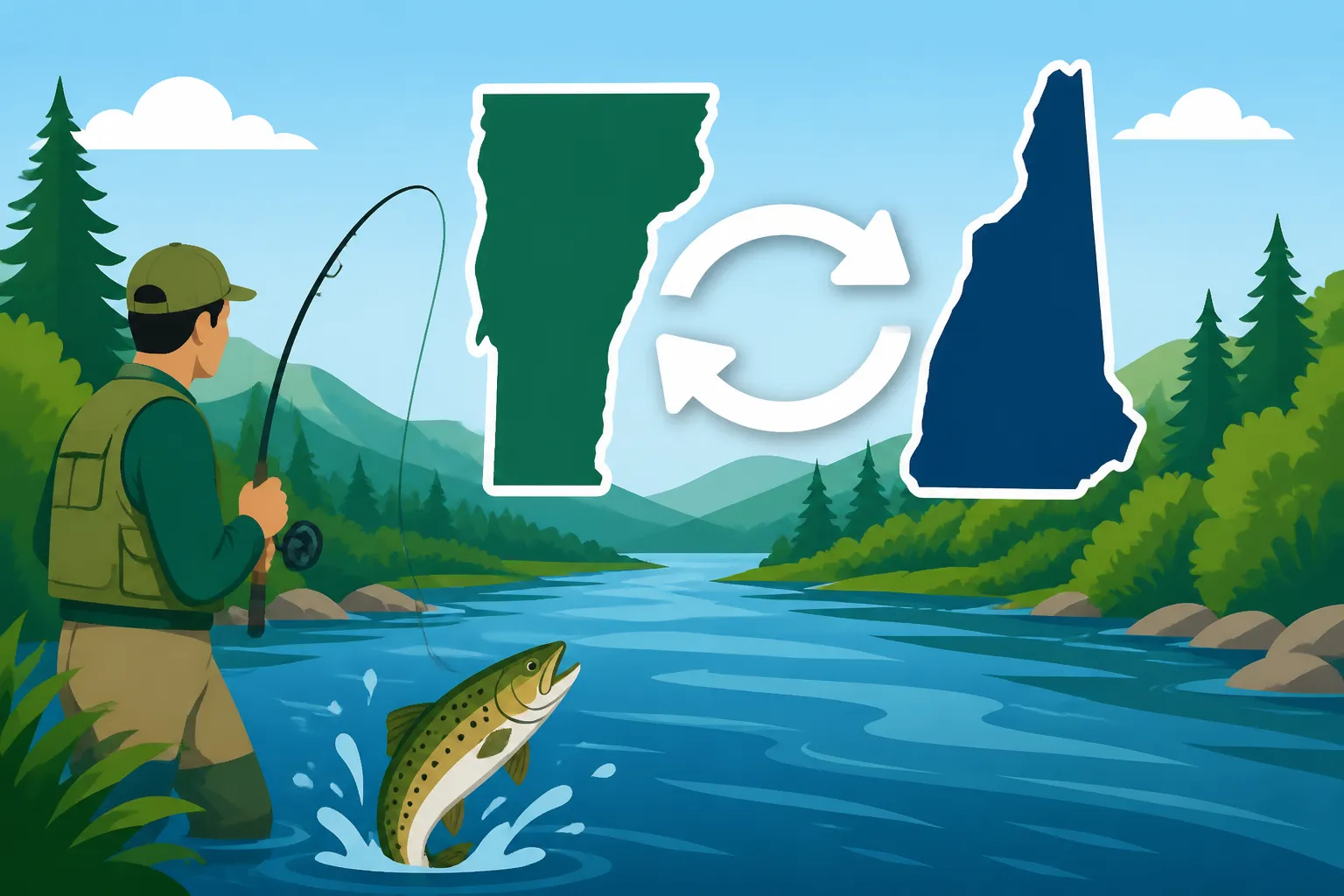
Here's the good news: Vermont and New Hampshire have an agreement that allows properly licensed anglers from either state to fish the main stem of the Connecticut River. This means if you have a valid Vermont fishing license, you are generally good to go for fishing the main channel of the Connecticut River, regardless of whether you're technically on the Vermont side or the New Hampshire side. The same applies to New Hampshire residents with their state's license. This agreement covers the entirety of the river that forms the border between the two states, from the uppermost border with Canada down to the Massachusetts line. It’s a huge relief for many, as it prevents the need to purchase two separate licenses just to fish one body of water. However, it's crucial to understand that this reciprocity typically applies to the main stem of the river itself, not necessarily its tributaries or adjacent lands.
What "Reciprocity" Really Means for You
In practical terms, if you're standing on the Vermont bank of the Connecticut River, your Vermont fishing license covers you. If you're in a boat floating in the middle of the river, your Vermont license covers you. If you drift over closer to the New Hampshire bank, your Vermont license still covers you, as long as you remain within the main stem of the Connecticut River. This simplifies things immensely, allowing you to focus on the fishing rather than constantly checking your location. You don't have to worry about whether your lure landed across an invisible state line. This freedom is a major benefit for anglers who love to explore different sections of the river, from the tranquil stretches near Brattleboro to the more robust waters further north. Just remember, this specific agreement is for the Connecticut River only; it doesn't extend to other border waters or to other lakes and rivers within New Hampshire itself.
Navigating the Rules: When Your Vermont License Works (and When It Doesn't)
While the reciprocity agreement on the Connecticut River is a wonderful convenience, it’s not a blanket pass for all situations. There are specific nuances that every angler needs to be aware of to avoid accidental violations. Understanding these finer points will keep you compliant and ensure your fishing trips remain stress-free.
Fishing from the Vermont Shore or a Boat Launched in Vermont
If you're initiating your fishing trip from the Vermont side, whether you're standing on the bank or launching a boat from a Vermont public access point, your Vermont Fishing License Guide for 2026 is your golden ticket. With this license, you are legally entitled to fish the main stem of the Connecticut River. This includes fishing from the Vermont shore, wading into the river from Vermont access points, or fishing from a boat that you launched within Vermont waters. For example, if you launch your boat at the fishing access area in Putney, Vermont, your Vermont license is all you need to fish anywhere in the main river channel. This is the most straightforward scenario for Vermont anglers and aligns perfectly with the spirit of the reciprocity agreement. Before you head out, make sure you know How Much Does a Vermont Fishing License Cost and grab yours. You can even learn How to Buy a Fishing License Online in Vermont for ultimate convenience.
When a New Hampshire License Might Still Be Required
Here's where it gets a little trickier, and it’s a point that often trips up even seasoned anglers. The reciprocity agreement covers fishing in the main stem of the Connecticut River. It generally does not extend to fishing from the actual bank or shore on the New Hampshire side, or to fishing in New Hampshire tributaries that flow into the Connecticut River. If you decide to pull your boat onto the New Hampshire shore and fish from there, or if you cast your line into a small stream on the New Hampshire side, you would technically need a New Hampshire fishing license. Think of it this way: the water is shared, but the land is not. Similarly, if you were to launch your boat from a New Hampshire public access point, even if you only fish the main river, some interpretations might suggest you should hold a New Hampshire license if you primarily use their infrastructure. It's always best to err on the side of caution or confirm with the New Hampshire Fish and Game Department directly in such cases. This is especially important if you're considering visiting popular spots on the New Hampshire side, as the rules for those specific areas might differ slightly or require a New Hampshire permit.
Common Misconceptions and Gray Areas
One common misconception is that a Vermont license allows you to fish anywhere along the Connecticut River's entire watershed, including the small feeder streams on the New Hampshire side. This is incorrect. The agreement is specifically for the main stem of the river that forms the boundary. Another gray area arises with ice fishing. While the reciprocity generally extends to ice fishing on the main stem, always be mindful of where you access the ice and any specific local regulations that might apply to ice shanties or access points. You should also be aware of Vermont Boating Laws for Anglers if you're using a boat, as these laws still apply while on the river. It's easy to assume everything is covered, but boundary waters always have these little quirks. A quick check of the official state regulations, perhaps downloaded as a PDF to your phone, can save a lot of headaches later. You can often find this information readily on government websites or even purchase comprehensive guides on platforms like Amazon.
Practical Tips for Anglers on the Connecticut River
Fishing the Connecticut River is a fantastic experience, offering diverse opportunities for catching everything from trout to bass. To make sure your trip is not only successful but also hassle-free, a little preparation goes a long way. Being informed and prepared for potential scenarios will elevate your angling adventure.
Checking the Latest Regulations
Fishing regulations, even for reciprocity agreements, are not set in stone forever. They can, and sometimes do, change. Before any trip, especially if it's been a while since your last visit, it is absolutely paramount to check the most current regulations from both the Vermont Fish and Wildlife Department and the New Hampshire Fish and Game Department. This includes checking for Vermont Fishing Season Dates and Closures and any specific rules for the Connecticut River itself. These departments typically publish their annual regulation guides online, and sometimes physical copies are available at license vendors. Don't rely on old information from last year's trip or what a buddy told you. A quick search on your phone or a call to the local game warden's office can confirm you're operating under the most up-to-date rules. This vigilance helps ensure you adhere to Vermont Fishing Regulations Explained, which are designed to protect the fishery and ensure fair access for everyone.
| Scenario | Vermont Fishing License Required | New Hampshire Fishing License Required | Notes |
|---|---|---|---|
| Fishing from Vermont Shore | Yes | No | For the main stem of the Connecticut River only. |
| Fishing from New Hampshire Shore | No | Yes | Reciprocity does not cover fishing from the opposing state's bank. |
| Fishing in main river from a boat launched in VT | Yes | No | Covers entire main stem of the river. |
| Fishing in main river from a boat launched in NH | No (often) | Yes (recommended) | While VT license may be technically valid in the river, launching from NH suggests NH license. |
| Fishing in a Vermont Tributary | Yes | No | Reciprocity does not extend to tributaries. |
| Fishing in a New Hampshire Tributary | No | Yes | Reciprocity does not extend to tributaries. |
| Ice Fishing on Main River (from VT access) | Yes | No | Always check specific ice fishing rules and access points. |
Essential Gear and Preparedness
Beyond your rod, reel, and tackle, there are a few other items that are absolutely essential when fishing a boundary water like the Connecticut River. First and foremost, always carry your physical fishing license and a valid form of identification. Even if you've purchased a Vermont resident fishing license cost 2026 online and have a digital copy, having a printed version is often a good backup, especially in areas with spotty cell service. A detailed map of the river, marking common access points and any specific regulated areas, can also be incredibly useful. Many anglers find waterproof cases for their phones or physical copies of maps invaluable. Don't forget safety gear too; if you're boating, review the Life Jacket Requirements for Vermont Boaters and ensure you have all necessary safety equipment on board. It’s also wise to have a basic first-aid kit, plenty of water, and appropriate clothing for Vermont’s often unpredictable weather. Having a small, lightweight tackle bag, perhaps one you found on Amazon, can keep your essentials organized and easily accessible.
Where to Get More Information
When in doubt, always go to the source. The official websites of the Vermont Fish and Wildlife Department and the New Hampshire Fish and Game Department are your best resources for accurate and up-to-date information. They provide detailed regulation guides, contact numbers for local wardens, and often interactive maps showing fishing access points. For specific questions about unique situations, don't hesitate to call their customer service lines. It's far better to ask a question than to inadvertently break a regulation and face a Vermont fishing without a license penalty, or worse, a penalty for violating other regulations. Local bait and tackle shops near the Connecticut River are also fantastic resources, as the owners and staff are usually highly knowledgeable about current conditions and local nuances. They might even have a printed copy of the Vermont Fishing Regulations Guide. Don't just rely on hearsay; verify information to ensure a safe, legal, and enjoyable fishing trip on the magnificent Connecticut River.
Disclaimer
Please note that fishing regulations can change. While every effort has been made to provide accurate and up-to-date information, it is the angler's responsibility to consult the official Vermont Fish and Wildlife Department and New Hampshire Fish and Game Department websites or publications for the most current rules and regulations before fishing.