Vermont chain pickerel limit
It can feel overwhelming sometimes, trying to keep track of all the different fishing regulations here in Vermont, especially when you're just looking forward to a relaxing day on the water. Each species seems to have its own set of rules, and misunderstandings can quickly turn a fun outing into a stressful one. This comprehensive guide is here to clear up any confusion you might have about the specific limits for chain pickerel in Vermont, helping you fish confidently and responsibly.
Understanding the Vermont Chain Pickerel Limit
When you're out chasing those toothy, aggressive chain pickerel in Vermont, one of the most important things to know before you even cast a line is what the daily creel limit and minimum length requirements are. These aren't just arbitrary numbers; they're carefully set by the Vermont Fish & Wildlife Department to ensure a healthy, sustainable fishery for everyone, now and in the future.
Current Daily Bag Limit for Chain Pickerel
As of the current regulations, anglers targeting chain pickerel in Vermont are allowed to keep a generous number of these exciting fish. The statewide daily bag limit for chain pickerel is 25 fish per day. This means that in a single 24-hour period, from midnight to midnight, you can legally harvest up to twenty-five chain pickerel. It's a pretty substantial limit, reflecting the generally abundant population of pickerel in many of our Vermont waters. For those looking to fill a cooler for a fish fry, it certainly offers ample opportunity. Always double-check the latest official Vermont Fishing Regulations Explained guide, as rules can occasionally be updated, though the pickerel limit has been fairly consistent.
Minimum Length Requirements for Chain Pickerel
Beyond the daily bag limit, there's also a minimum length requirement to consider for chain pickerel. Any pickerel you catch must be at least 12 inches in length from the tip of its snout to the end of its tail in order to be legally kept. This regulation is crucial for allowing younger fish to grow to a mature size and reproduce at least once, contributing to the species' overall population health. If you catch a pickerel that's shorter than 12 inches, it must be immediately and carefully released back into the water where it was caught. Getting familiar with proper fish handling and measurement techniques is vital to ensure these smaller fish have the best chance of survival.
Why These Limits Matter for Vermont's Fishery
These regulations aren't designed to make fishing more complicated; quite the opposite, they're in place to safeguard the very resource we all enjoy. Chain pickerel are voracious predators, and while they can be abundant, unregulated harvesting could quickly deplete their numbers, especially larger breeding-age fish. The 12-inch minimum length ensures that most fish have at least one spawning cycle, allowing them to contribute to the next generation of pickerel. The 25-fish daily limit, while high, is set at a level that historically hasn't threatened pickerel populations in Vermont, given their reproductive capacity and the vastness of their habitat. By adhering to these rules, every angler plays a direct role in maintaining the ecological balance and ensuring that Vermont continues to offer fantastic fishing opportunities for years to come. It’s all about sustainable enjoyment, isn't it?
Where Chain Pickerel Thrive in Vermont and Regulation Application
Chain pickerel are truly iconic fish in many of Vermont's waters, known for their distinctive chain-like markings and aggressive strikes. Understanding where they typically live can help you target them effectively, and it's also important to know how the general statewide limits apply, or if specific bodies of water have their own unique rules.
Common Pickerel Hotspots in Vermont
If you're looking to tangle with some chain pickerel, you're in luck! Vermont has an abundance of waters where these fish flourish. They prefer shallower, weedy areas with plenty of cover, making many of our lakes, ponds, and slower-moving river sections prime habitat. You'll find them lurking in the lily pads, submerged timber, and weed beds, waiting to ambush unsuspecting prey. Some fantastic places to target chain pickerel include Lake Champlain, especially its shallower bays and deltas like Missisquoi Bay Lake Champlain fishing access or the South Bay Lake Champlain fishing access. Beyond the big lake, waters like Lake Bomoseen, Lake St Catherine, and Lake Carmi are also renowned for their healthy pickerel populations. Even smaller, unnamed farm ponds across the state often hold a surprising number of these feisty predators. Anywhere you find ample aquatic vegetation, you're likely to find pickerel.
Statewide vs. Special Regulations for Pickerel
The good news for pickerel enthusiasts is that the 25-fish daily bag limit and 12-inch minimum length are largely statewide regulations. This means that for the vast majority of Vermont's public waters, these are the rules you'll follow. However, it's always, always a good idea to consult the official Reading the Vermont Fishing Regulations Guide from the Vermont Fish & Wildlife Department before you head out. Occasionally, a specific water body might have special regulations that supersede the general statewide rules. These special regulations are usually put in place for specific conservation efforts or to manage a particular unique fishery. For instance, some waters might be designated "catch and release only" or have different size or bag limits for certain species. While it's less common for pickerel, a quick check ensures you're always in compliance. A good practice is to look for signs at popular access points or on the VT Fish & Wildlife website for any specific warnings or details regarding the water you plan to fish.
The Pickerel's Role in the Aquatic Ecosystem
Chain pickerel are apex predators in the habitats they occupy, playing a crucial role in maintaining the health and balance of the aquatic ecosystem. They feed on a variety of prey, including smaller fish, amphibians, and even insects. By preying on smaller, often overabundant species like yellow perch or minnows, they help to prevent overpopulation and ensure that the food chain remains in check. Their presence often indicates a healthy, diverse aquatic environment. However, their aggressive nature also means they can exert significant predatory pressure, and that's precisely why regulations like the daily bag and length limits are so important. They help manage the pickerel population itself, preventing them from becoming too dominant or depleting their own food sources, which could destabilize the entire ecosystem. It's a delicate balance, and thoughtful management through these regulations ensures these cool fish continue to thrive.
Practical Tips for Adhering to Pickerel Regulations
Knowing the rules is one thing, but actually implementing them while you're out on the water is another. Sometimes, the excitement of a bite or the challenge of a busy fishing day can make it tricky to stay on top of the regulations. But with a few simple practices and the right gear, it becomes second nature.
Measuring and Counting Your Catch Accurately
The most fundamental part of adhering to the chain pickerel limits is accurately measuring and counting your fish. For length, always measure from the tip of the snout (mouth closed) to the very end of the tail, pinching the tail fins together to get the maximum length. A sturdy measuring tape or a dedicated fish measuring board is incredibly helpful for this. You can find many reliable, waterproof options on Amazon that are perfect for boat or bank fishing. Keep a clear mental count, or even better, use a simple clicker counter or a small tally sheet to keep track of the fish you've decided to keep. This is especially important if you're approaching the 25-fish daily limit. If you're fishing with friends or family, make sure everyone understands the rules and who is keeping what, to avoid accidentally exceeding the collective limit. When it comes to releasing undersized fish, do so quickly and gently. Minimize their time out of water, handle them with wet hands, and support their body properly.
Essential Gear for Compliance
Having the right tools can make compliance much easier and more efficient. Here's a rundown of what's helpful:
- Measuring Device: A flexible, waterproof tape measure (at least 20 inches long) or a rigid fish measuring board. A quick search on Amazon will show you a variety of options specifically designed for anglers.
- Cooler or Livewell: If you plan on keeping your limit, a quality cooler with ice will keep your catch fresh. If you prefer to keep fish alive until you decide which ones to keep, a functioning livewell or a sturdy stringer is a must. Remember, stringers should only be used where legal and where they don't harm the fish unnecessarily.
- Release Tool: A good pair of long-nosed pliers or a de-hooking tool can make releasing deeply hooked pickerel much easier and safer for both you and the fish, especially given their sharp teeth!
- Weight Scale (Optional): While not required for regulations, many anglers like to weigh their catch. Some digital scales even have memory functions to help you keep track.
Equipping yourself with these items ensures you're ready to measure, keep, or release fish responsibly, aligning perfectly with the goal of a sustainable fishery. This way, you can focus on the fun of fishing, knowing you're doing everything by the book.
Catch-and-Release Best Practices for Pickerel
Even with a generous daily limit, responsible angling often involves catch-and-release, either for fish you don't intend to keep or for those that don't meet the minimum length. Pickerel are tough fish, but proper handling increases their survival rate dramatically. Here are some best practices:
- Minimize Air Exposure: Keep the fish in the water as much as possible, especially when unhooking or measuring. If you must remove it, do so quickly.
- Handle with Wet Hands: Dry hands can remove the fish's protective slime coat, making it vulnerable to disease.
- Support the Fish: When holding a pickerel, especially a larger one, support its body horizontally to avoid damaging its spine or internal organs. Avoid holding them vertically by the jaw if they are large.
- Use Barbless Hooks: If you're primarily fishing for sport or know you'll be releasing many fish, crimping down barbs on your hooks can make unhooking much faster and less damaging.
- De-hook Carefully: Those teeth are no joke! Use pliers or a de-hooking tool to remove the hook quickly. If the fish is deeply hooked and the hook can't be removed easily, cut the line as close to the hook as possible. The hook will often rust out or dislodge naturally.
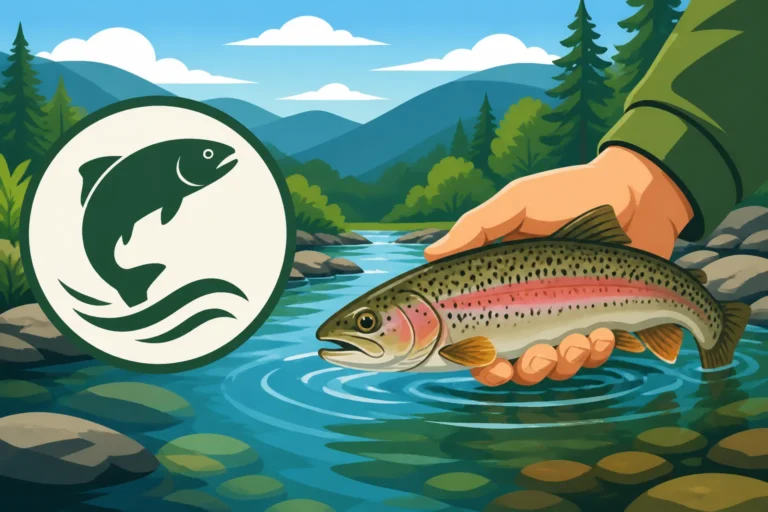
- Revive If Necessary: If a fish seems sluggish before release, hold it gently in the water, facing into a mild current, and move it back and forth slightly to push water over its gills until it swims away under its own power.
By following these simple steps, you contribute to the health of the pickerel population, ensuring that those fish you release can grow bigger and be caught another day.
| Regulation Aspect | Statewide Chain Pickerel Limit | Details |
|---|---|---|
| Daily Bag Limit | 25 Fish | Total number of chain pickerel that can be harvested in one 24-hour period. |
| Minimum Length | 12 Inches | Fish must be at least 12 inches long from snout to tail to be legally kept. |
| Gear for Compliance | Measuring tape, cooler, pliers | Essential tools for accurate measurement, proper storage, and safe release. |
| Habitats | Shallow, weedy areas | Lakes, ponds, slow rivers with aquatic vegetation (e.g., Lake Champlain bays). |
| Purpose | Conservation & Sustainability | Ensures healthy populations, reproductive success, and quality fishing for all. |
Common Misconceptions and Troubleshooting
Even with clear rules, sometimes questions or tricky situations arise. It's totally normal to have concerns, and addressing them head-on helps everyone stay on the right side of the regulations and enjoy their fishing experience to the fullest.
What Happens if You Exceed the Pickerel Limit?
Accidentally or intentionally exceeding the chain pickerel limit in Vermont can lead to serious consequences. Vermont's Fish & Wildlife wardens are dedicated professionals who patrol our waters to ensure compliance with fishing regulations. If you're caught with more fish than the daily bag limit allows, or with undersized fish, you could face fines, forfeiture of your catch and gear, and potentially even the suspension of your fishing privileges. The penalties vary depending on the severity of the violation, but it's never worth the risk. For a deeper dive into the repercussions, you can check out the guide on Fishing Without a License in Vermont: Penalties. It's a clear reminder that these rules are in place for a reason and are enforced seriously. The best approach is to be diligent, count your fish accurately, and if you're ever in doubt, err on the side of caution and release the fish.
Distinguishing Chain Pickerel from Northern Pike
This is a really common point of confusion for many anglers, and for good reason! Chain pickerel and northern pike are both members of the Esox (pike) family, and they share many physical characteristics and behaviors. Both are long, cylindrical, toothy predators. However, there are key differences that can help you tell them apart, especially since northern pike often have different size and bag limits.
Here’s a quick guide:
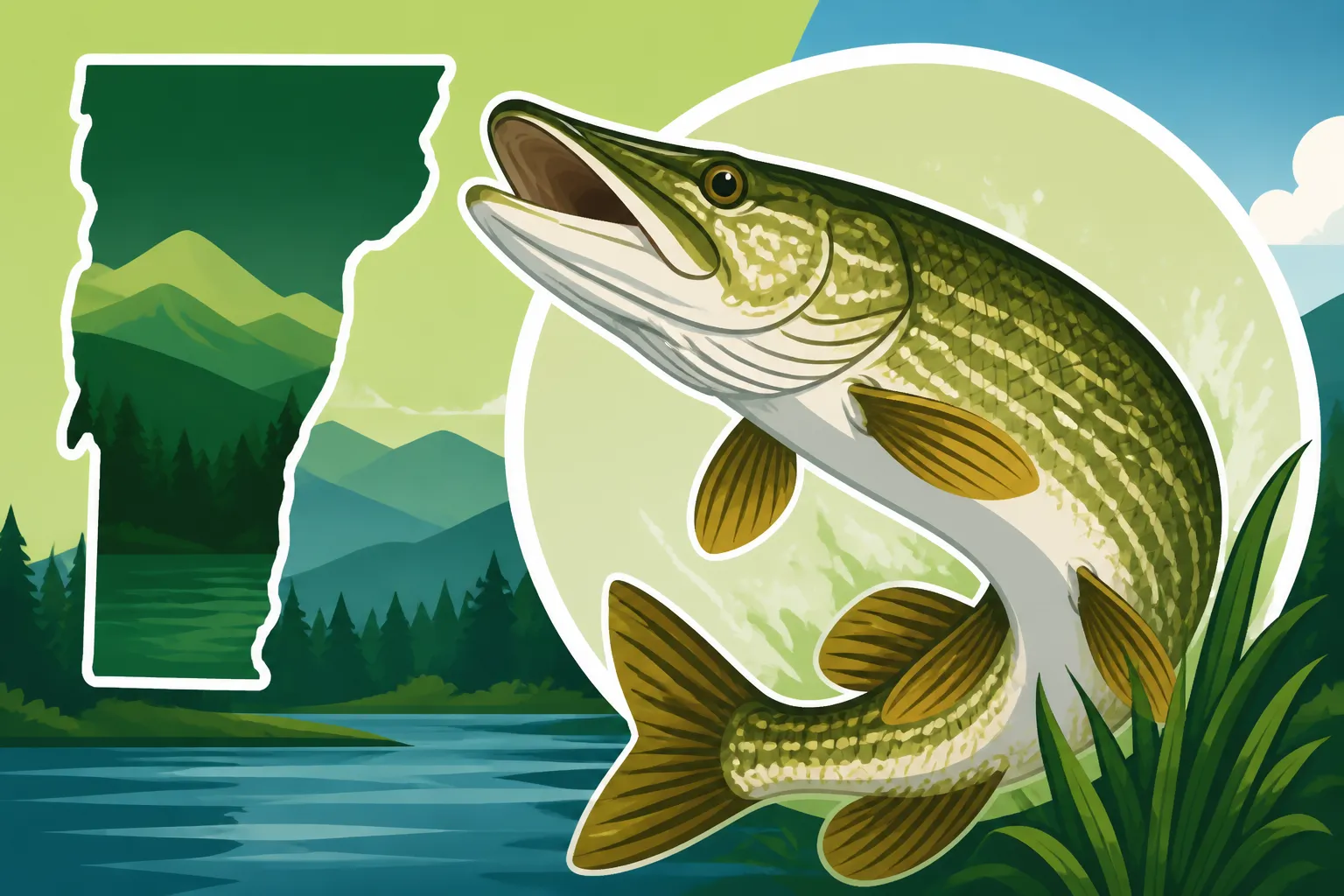
- Markings: Chain pickerel have distinct, interlocking chain-like markings along their sides, which gives them their name. Northern pike typically have lighter, irregular, bean-shaped spots on a darker background.
- Cheek and Gill Cover Scales: This is the most reliable way to tell them apart. Chain pickerel have fully scaled cheeks and gill covers. Northern pike have fully scaled cheeks but only the upper half of their gill covers are scaled; the lower half is bare.
- Size: While there's overlap, northern pike generally grow much larger than chain pickerel. A "trophy" pickerel might be 24-28 inches, while pike regularly exceed 30 inches and can reach much larger sizes in places like Lake Champlain.
- Dark Bar Under Eye: Chain pickerel almost always have a distinct, dark, vertical bar directly beneath their eye, extending down onto their jaw. This feature is typically absent or much less pronounced on northern pike.
If you're ever uncertain, a quick photo with your phone and a check against an identification guide (easily found online or in fishing apps) can help. When in doubt, it’s always safest to assume it’s the species with the more restrictive regulation, especially if you’re considering keeping it.
Resources for Up-to-Date Information
Regulations can, on occasion, change, though the chain pickerel limits have been fairly stable. The absolute best and most reliable source for the most current Vermont fishing regulations is always the official Vermont Fish & Wildlife Department website. They publish an annual fishing guide that details all statewide and special regulations, season dates, and license requirements. You can usually find a downloadable PDF version online, or pick up a physical copy wherever fishing licenses are sold, such as through the How to Buy a Fishing License Online in Vermont portal or local sporting goods stores. Regularly checking this resource, perhaps at the beginning of each fishing season or before visiting a new body of water, will ensure you're always fishing within the legal framework. Staying informed is a crucial part of being a responsible and successful angler in our beautiful Green Mountain State.
Disclaimer
Please remember that while this guide provides comprehensive information, fishing regulations can change. It is always the angler's responsibility to consult the most current Vermont Fish & Wildlife Department official regulations guide before heading out on the water. This article is for informational purposes only and does not constitute legal advice.