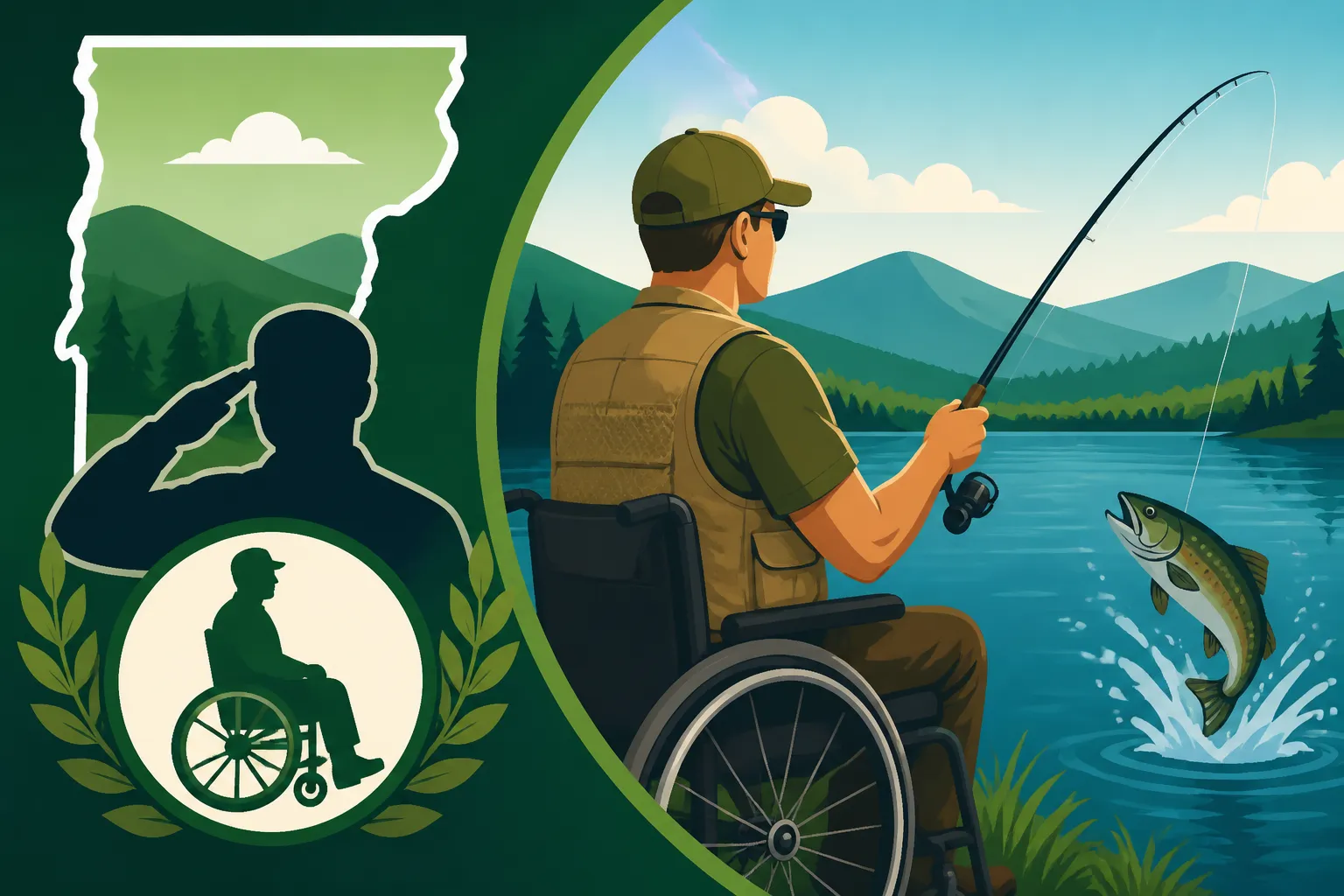
Vermont fishing license for disabled veterans
It can be incredibly frustrating to navigate state programs and figure out if you qualify for benefits, especially after serving our country. Many disabled veterans feel a bit lost in the paperwork maze when trying to access the privileges they've earned. This guide is here to cut through the confusion and provide a clear, empathetic roadmap to understanding and obtaining your Vermont fishing license as a disabled veteran.
Understanding Vermont's Commitment to Disabled Veterans
Vermont has a deep appreciation for its veterans, and that sentiment extends to making outdoor recreational activities like fishing more accessible. It’s not just about a discount; it's about acknowledging your service and the sacrifices you've made, ensuring that healing and enjoyment are within reach. For many, fishing isn't just a hobby; it's a vital part of mental and physical well-being, a peaceful respite from the demands of everyday life, and a chance to connect with nature.
Special Privileges for Those Who Served
The Green Mountain State takes pride in offering specific benefits to its disabled veterans. These aren't handouts; they are hard-earned entitlements that help ease the financial burden and logistical hurdles that can sometimes prevent veterans from enjoying the beautiful lakes and rivers Vermont has to offer. The Vermont Fish & Wildlife Department works to ensure that these special licenses are not just available but are also clearly communicated, so you don't have to jump through endless hoops. It’s part of a broader commitment to those who have protected our freedoms, providing a small token of gratitude for immense contributions. Imagine spending a quiet morning on Lake Champlain, casting for smallmouth bass, knowing that the state has made it a little easier for you to be there. These programs aim to foster that connection and provide avenues for outdoor therapy.
Who Qualifies as a Disabled Veteran in Vermont?
To be eligible for a disabled veteran fishing license in Vermont, there are specific criteria you need to meet. It’s not a one-size-fits-all situation, and understanding the nuances is key. First and foremost, you must be a resident of Vermont. Residency typically means you've established a permanent home here, which usually involves living in the state for at least six months and demonstrating intent to remain, such as having a Vermont driver's license and registering to vote.
Beyond residency, the critical component is your VA disability rating. The Vermont Fish & Wildlife Department specifies that veterans must have a disability incurred during their service and be rated as 60% or more disabled by the U.S. Department of Veterans Affairs. This isn't just any disability; it must be service-connected. If your disability rating is below 60%, or if your disability isn't deemed service-connected by the VA, you might not qualify for this particular discount, though other discounted fishing license options in Vermont might still apply. This distinction is important and often where confusion arises, so it's always best to have your official VA documentation ready to clarify your status.
Navigating the Application Process for Your Discounted License
Getting your discounted fishing license as a disabled veteran in Vermont doesn't have to be a bewildering experience. While there's always some paperwork involved, knowing exactly what to prepare and where to go can make the process smooth and stress-free. You’ve already done the hard work by serving our country; this part should be straightforward.
Required Documentation and Proof of Disability
This is arguably the most critical step: gathering the correct paperwork. Without it, your application will likely hit a snag. The Vermont Fish & Wildlife Department needs concrete proof of your veteran status, residency, and disability rating. Here’s a breakdown of what you’ll typically need:
- Proof of Vermont Residency:
- A valid Vermont driver's license or state ID card is usually the easiest way.
- Utility bills, property tax statements, or voter registration can also serve as supporting evidence if your primary ID isn't Vermont-issued, though usually, a Vermont ID simplifies things considerably.
- Proof of Veteran Status:
- Your DD214 (Certificate of Release or Discharge from Active Duty) is the primary document here. It verifies your service and discharge status.
- Proof of Service-Connected Disability and Rating:
- This is the most specific requirement. You'll need an official letter or document from the U.S. Department of Veterans Affairs (VA) that clearly states your service-connected disability rating and confirms it is 60% or more. This letter should be current and easy to read. Sometimes veterans have older letters; it's always a good idea to ensure you have the most recent official VA correspondence.
Make sure you have original documents or certified copies, as some locations may not accept photocopies without verification. It's always a smart move to create a digital backup of all your important documents on a secure cloud service, and maybe even keep a portable scanner at home – you can find some great, affordable options on Amazon if you don't already have one!
Where to Apply: Online, In-Person, or Mail?
Vermont offers several convenient ways to apply for your fishing license, giving you flexibility based on your preference and accessibility needs.
- Applying In-Person:
- This is often the quickest way to get your license, especially if you have all your documents in order. You can visit the main office of the Vermont Fish & Wildlife Department in Montpelier or one of its regional offices. Many town clerks across Vermont are also authorized license agents. They can process your application, verify your documents on the spot, and issue your license right then and there. It's a great option if you prefer human interaction and want to avoid potential mailing delays. Just remember to call ahead to confirm their hours and if they handle veteran-specific licenses, as not all agents may be equipped for all license types.
- Applying Online:
- The Vermont Fish & Wildlife Department's official website offers an online licensing portal. While convenient for many standard licenses, disabled veteran licenses often require document verification that can't be fully automated online. You might be able to start the application online, but still need to submit your VA documentation via mail or email, or show it in person. Always check the specific instructions on the website for disabled veteran applications, as these can sometimes change.
- For general information on digital licenses, you can also check out our guide on Printing or Carrying a Digital Fishing License in Vermont.
- Applying by Mail:
- If you're unable to apply in person or online, you can submit your application and required documents via mail. You'll need to download the appropriate application form from the Vermont Fish & Wildlife Department website, fill it out completely, and enclose copies (never originals, unless specifically requested and you're comfortable) of your VA disability letter, DD214, and proof of residency. Mail it to the address provided on the application form. This method takes the longest due to mailing and processing times, so plan well in advance of your fishing trip.
No matter which method you choose, make sure to keep copies of everything you submit for your records. Consider a dedicated folder for all your fishing and hunting license documents – it makes renewals much easier!
What to Expect: Processing Times and Common Pitfalls
Once you've submitted your application, the waiting game begins. Processing times can vary depending on the time of year and the method of application.
- In-Person Applications: If all your documentation is correct and complete, you can often walk out with your license the same day when applying at a Fish & Wildlife office or authorized town clerk.
- Online/Mail Applications: These typically take longer. Expect anywhere from 2 to 4 weeks for your application to be processed and your license mailed back to you. During peak seasons, like right before trout opening day or spring bass season, these times can be even longer due to high volume. Our article on Vermont Trout Opening Day Traditions will give you an idea of when those peak times might be!
Common Pitfalls to Avoid:
- Incomplete Documentation: The number one reason for delays is missing paperwork. Double-check that you have included every required document, especially the VA disability letter showing the 60%+ rating.
- Outdated Information: Ensure your proof of residency is current. An expired ID or a utility bill from months ago might cause issues.
- Illegible Copies: If mailing, make sure your copies are clear and easy to read. Faint or blurry documents can slow things down.
- Not Meeting Residency Requirements: Even with a high disability rating, if you don't meet Vermont's residency rules, you won't qualify for the resident disabled veteran license. This might lead you to explore Nonresident Annual Fishing License Cost in Vermont instead, which still offers various options.
- Incorrect Disability Rating: Remember, it needs to be 60% or more, service-connected. Any less, and you'll likely be denied the specific disabled veteran benefit.
By being meticulous with your documents and choosing your application method wisely, you can significantly reduce the chances of delays and get out on the water faster.
Unpacking the Costs and Benefits of a Disabled Veteran Fishing License
The financial aspect is a huge part of why these programs exist. A fishing license should be an accessible pleasure, not another financial burden, especially for those who've already given so much. Vermont recognizes this, offering substantial relief to qualifying disabled veterans.
The Significant Savings: Resident vs. Non-Resident Breakdown
For eligible disabled veterans who are Vermont residents, the fishing license fee is significantly reduced, often to a nominal processing fee or even free. This is a substantial saving compared to the standard resident annual fishing license. For example, a regular resident annual fishing license can cost around $26.00, while a qualifying disabled veteran might pay nothing or just a small administrative fee.
Unfortunately, these highly discounted or free licenses are typically reserved for Vermont residents. If you're a disabled veteran but not a Vermont resident, you generally won't qualify for the same extreme discount. However, this doesn't mean you're out of luck. Vermont offers various non-resident license options, including 1-day, 3-day, and 7-day permits, which can be more cost-effective for shorter trips. Our guide on Vermont 1-Day Nonresident Fishing License Cost or Vermont 3-Day and 7-Day Nonresident Fishing Permits can provide more details on those.
Here's a quick comparison of general costs (always check the current Vermont Fish & Wildlife website for the most up-to-date figures):
| License Type | Vermont Resident | Vermont Non-Resident | Vermont Disabled Resident Veteran (60%+ service-connected) |
|---|---|---|---|
| Annual Fishing License | ~$26.00 | ~$52.00 | Free or Nominal Fee |
| Annual Combination Hunt/Fish | ~$47.00 | ~$90.00 | Free or Nominal Fee (if applicable for hunting as well) |
| 1-Day Fishing (Non-Resident) | N/A | ~$21.00 | N/A |
Note: These are approximate costs and can change. Always verify current fees with the Vermont Fish & Wildlife Department.
This table really highlights the incredible value and recognition provided to disabled veterans who call Vermont home. It's a tangible way the state supports those who have served.
Beyond the Discount: Other Fishing Benefits and Resources
The discounted license is just one piece of the puzzle. For many disabled veterans, the fishing experience itself offers profound benefits that extend far beyond the catch.
- Therapeutic Value: Spending time outdoors, especially by serene waters, has well-documented mental health benefits. It reduces stress, fosters mindfulness, and can be a powerful tool in managing PTSD and other service-related conditions. The quiet solitude, the focus on the cast, the patience required – these elements combine to create a deeply therapeutic experience.
- Community and Camaraderie: Fishing can also be a social activity. There are numerous veteran-focused fishing organizations, both national and local, that host events and provide resources. These groups offer a chance to connect with fellow veterans who understand your experiences, fostering a sense of community and shared purpose.
- Accessibility Initiatives: The Vermont Fish & Wildlife Department, along with various non-profits, continually works to improve accessibility at fishing access areas. This includes accessible docks, paved paths, and special events designed to accommodate anglers with diverse physical needs. These efforts ensure that getting to the water isn't an added challenge.
- Educational Opportunities: Many organizations offer free fishing clinics and guided trips specifically for veterans, providing instruction, gear, and a supportive environment to learn new skills or rediscover old passions. You might even find opportunities to try different techniques, like fly fishing, which is particularly popular in Vermont's numerous trout streams. Our guide to Fly Fishing for Trout in Vermont is a great resource if you're interested in learning more.
These benefits combine to create a holistic support system, making fishing not just a pastime, but a pathway to well-being and connection for disabled veterans.
Annual Renewal and Maintaining Eligibility
Like all fishing licenses, your disabled veteran license in Vermont will need to be renewed annually. This process is generally simpler than the initial application, but it's crucial to stay on top of it.
- Renewal Process: In many cases, if your VA disability status hasn't changed, renewing can be done more easily through the online portal or by mail. You might not need to resubmit all your VA documentation every year, as your information may be on file, but always be prepared to do so if requested. It’s a good habit to keep all your VA documentation in an easily accessible place.
- Maintaining Eligibility:
- Residency: You must continue to meet Vermont's residency requirements. If you move out of state, your resident disabled veteran license will no longer be valid, and you would then need to look into non-resident options.
- Disability Rating: Your service-connected disability rating must remain at 60% or more. If your VA rating changes and falls below this threshold, you will no longer qualify for the special disabled veteran license. In such a scenario, you would need to purchase a standard resident annual fishing license. It's always a good idea to inform the Vermont Fish & Wildlife Department of any changes to your eligibility to avoid any issues.
- Expiration Date: Be mindful of the license's expiration date. Vermont fishing licenses typically run from January 1st to December 31st each year. Don't wait until the last minute to renew, especially if you plan on fishing early in the new year. Renewing proactively ensures you're always legally covered when you head out to your favorite fishing spot. You can always set a reminder on your phone or check the Vermont Fish & Wildlife Department's website for upcoming dates.
- And speaking of being prepared, don't forget essential gear for your trips. You can find everything from tackle boxes to fishing rods on Amazon, often with quick delivery!
Frequently Asked Questions for Disabled Veteran Anglers
It's natural to have questions, especially when dealing with specific benefits and regulations. Here are some common queries that disabled veteran anglers often have about their Vermont fishing licenses.
What if My Disability Rating Changes?
This is a very practical concern. The U.S. Department of Veterans Affairs periodically reviews disability ratings, and they can change over time. If your service-connected disability rating drops below the 60% threshold, you would no longer be eligible for the special disabled veteran fishing license.
In this situation, you would need to purchase a standard resident fishing license for the remainder of the year or for future seasons. It’s important to be proactive and contact the Vermont Fish & Wildlife Department if your status changes. They can guide you on how to proceed. Attempting to use a license you no longer qualify for could lead to penalties for fishing without a valid license, which is something no one wants. For more information on general license costs, you might find our guide on How Much Does a Vermont Fishing License Cost helpful.
Can I Get a Combination Hunting and Fishing License?
Yes, absolutely! If you are a disabled veteran who qualifies for the discounted fishing license, you are also eligible for a similarly discounted or free combination hunting and fishing license, provided you meet the relevant hunting eligibility requirements (such as hunter safety course completion, if applicable). This is a fantastic benefit for those who enjoy both angling and hunting the diverse wildlife Vermont offers.
The process for applying for a combination license as a disabled veteran is similar to applying for a fishing-only license. You'll still need to provide proof of Vermont residency, veteran status, and your 60%+ service-connected VA disability rating. Always double-check the specific requirements for hunting licenses, as they can sometimes have additional stipulations beyond fishing. For details on various license classes, you can refer to our article on Vermont Combination Hunting and Fishing License Options.
Are There Any Restrictions with this License?
Generally, no, there are no special restrictions imposed on a disabled veteran fishing license that differ from a standard resident annual fishing license. Once you have your valid license, you are subject to the same statewide fishing regulations that apply to all anglers in Vermont. This includes:
- Bag and Possession Limits: You must adhere to the daily bag and possession limits for all species, whether you're targeting brook trout in a mountain stream or walleye on Lake Champlain.
- Season Dates and Closures: All general season dates and closures apply. For instance, if the bass season is catch-and-release only during a certain period, that rule applies to you. Likewise, you must respect the opening and closing dates for trout season in various waters. Keep an eye on our Vermont Fishing Season Dates and Closures article for the latest information.
- Special Regulation Waters: Vermont has certain waters with specific rules, such as catch-and-release only sections or special lure restrictions. These rules apply universally to all anglers, regardless of license type. Always consult the official Vermont Fishing Regulations Guide for the specific waters you plan to fish. Understanding the rules is part of being a responsible angler. We've got a comprehensive guide to Reading the Vermont Fishing Regulations Guide to help you decipher all the details.
The primary difference with the disabled veteran license is the significant reduction in cost, a well-deserved recognition of your service, not a limitation on your fishing experience. So, once you have that license in hand, the beautiful waters of Vermont are yours to explore, just like any other angler. Enjoy your time on the water, whether it's exploring the Best Fishing Lakes in Vermont or casting a line in one of the state's many scenic rivers.
Disclaimer
Please note that fishing regulations and license requirements can change. Always consult the official Vermont Fish & Wildlife Department website or the current year's Vermont Fishing Guide for the most accurate and up-to-date information before planning your trip. This guide is for informational purposes only and should not be considered legal advice.