Vermont bass daily bag limit
One of the most common headaches for any angler, especially when you're visiting new waters or targeting a different species, is trying to figure out the daily limits. Vermont's fishing regulations can feel like a labyrinth sometimes, leaving you scratching your head instead of casting your line. This guide is here to clear up all the confusion specifically around the daily bag limit for bass in Vermont, making sure you know exactly what you can keep and why these rules are so important.
Understanding Vermont's Daily Bass Bag Limit
Let's cut right to the chase because nobody wants to accidentally run afoul of the law while enjoying a peaceful day on the water. When it comes to both largemouth and smallmouth bass in Vermont, the statewide daily creel limit is usually 5 fish in aggregate. What does "aggregate" mean? It means the total number of bass, regardless of species, that you can keep in a single day is five. So, you could keep three largemouth and two smallmouth, or five largemouth, or five smallmouth—just as long as the total doesn't exceed five. This limit is designed to help maintain healthy fish populations across Vermont's diverse waterways, from the vast expanse of Lake Champlain to smaller, more intimate ponds.
It’s crucial to understand that "daily bag limit" refers to the number of fish you can possess on your person or in your immediate control (like in your livewell or cooler on your boat) at any given time during a single calendar day. This isn't just about what you take home; it's about what you've caught and chosen to keep from midnight to midnight. Many a well-meaning angler has gotten confused about this, thinking it only applies to what's at the end of their trip. But if you catch five bass, put them in your cooler, and then keep fishing, any additional bass you catch and keep will put you over the limit. Of course, catching and releasing additional fish is generally fine, provided you handle them with care. You can always double-check the specifics of these rules in the official Vermont Fishing Regulations Explained document.
The reason for such limits isn't to make your life harder; it's pure conservation. Bass are incredibly popular sport fish, and without proper management, their populations could easily be overfished, leading to fewer and smaller fish for everyone in the future. By limiting the daily take, the Vermont Fish & Wildlife Department helps ensure that enough bass remain in the water to reproduce and grow, sustaining the fishery for generations to come. This careful balancing act is essential for healthy ecosystems and continued recreational opportunities.
Specifics of Largemouth and Smallmouth Bass Minimum Length Limits
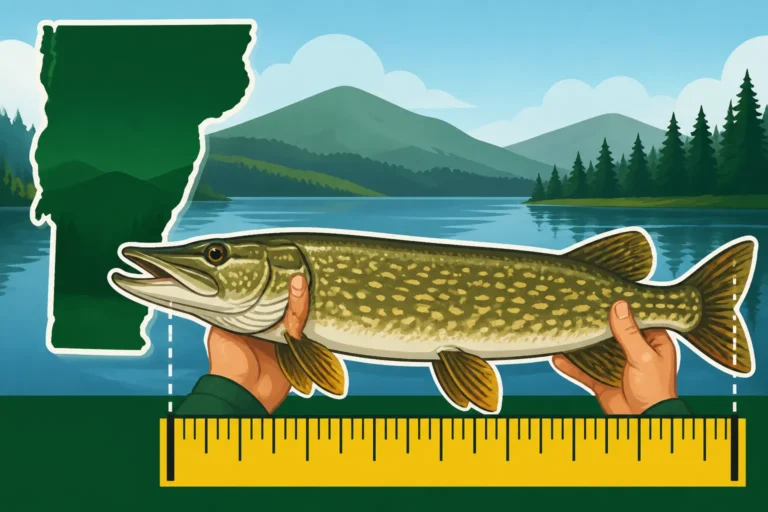
Beyond the number of fish you can keep, there's another crucial regulation: the minimum length limit. This rule specifies that any bass you intend to keep must be at least a certain length. For both largemouth and smallmouth bass in Vermont, the statewide minimum length limit is 10 inches. This means if you catch a bass that's shorter than 10 inches, even if you haven't reached your daily bag limit of five, you must release it immediately.
Why do we have these length limits? It’s all about allowing bass to reach maturity and, importantly, to spawn at least once, and often multiple times, before they're harvested. A bass under 10 inches is typically still quite young and might not have had the chance to contribute to the next generation of fish. By protecting these smaller fish, we ensure a strong breeding stock, which is vital for the long-term health of the bass fishery. Imagine catching a beautiful 9-inch smallmouth – it's a blast on light tackle! But for the sake of future fishing, that fish needs to go back into the water to grow up and make more bass. Knowing the exact Vermont largemouth bass minimum length limit and Vermont smallmouth bass minimum length limit is paramount before heading out.
To make sure you're compliant, carrying a reliable measuring device is non-negotiable. A simple, flexible measuring tape or a rigid bump board is perfect. You can find excellent, durable options on platforms like Amazon that are designed for anglers. When you catch a bass, quickly and gently lay it on your measuring device, making sure its mouth is closed and resting against the 'zero' end. If its tail doesn't reach the 10-inch mark, it goes back into the water. If it measures 10 inches or more, and you're within your daily bag limit, you have the option to keep it. Always prioritize the fish's health during this process, minimizing its time out of the water.
Here’s a quick overview of the main bass regulations:
| Bass Species | Daily Bag Limit (Aggregate) | Minimum Length Limit | Catch-and-Release Season (if applicable) |
|---|---|---|---|
| Largemouth Bass | 5 fish | 10 inches | Check current year's digest |
| Smallmouth Bass | 5 fish | 10 inches | Check current year's digest |
Navigating Special Regulations and Catch-and-Release Seasons
While the statewide regulations for bass are a good starting point, Vermont, like many states, has special regulations that can supersede the general rules on specific bodies of water or during certain times of the year. This is where it can get a little tricky, and it's why having the most current Vermont Fish & Wildlife Digest (or a digital copy on your phone) is truly your best friend. For example, some ponds might have even stricter length limits or different bag limits to protect unique fisheries or address specific conservation needs. Other waters might be managed as "trophy" fisheries, encouraging catch and release for larger specimens.
One very important special regulation to be aware of for bass is the specific "catch-and-release only" period. Historically, Vermont has a dedicated catch-and-release bass season, typically running from the second Saturday in April up to the Friday before the second Saturday in June. During this time, you can fish for bass, but any bass you catch, regardless of size, must be immediately released back into the water. This period is strategically set to protect bass during their critical spawning phase. Bass are particularly vulnerable during spawning, as they are often concentrated in shallow water and aggressively guarding their nests. You can learn more about this by reading our guide on the Vermont Bass Catch-and-Release Season, Explained.
Fishing during a catch-and-release season requires extra care. If you're targeting other species and accidentally hook a bass, it's essential to release it quickly and gently. Proper fish handling techniques are key: wet your hands before touching the fish, use a rubberized net to minimize scale damage, and if possible, use a de-hooking tool to remove the hook while the fish is still in the water. Avoid holding the fish vertically by its jaw if it's a large one, as this can damage its internal organs. Always refer to the official digest for any Special Regulation Waters in Vermont before you cast your line, especially if you're fishing a popular spot like Lake Champlain Fishing Guide, where bass are abundant and heavily targeted.
The Importance of Adhering to Bass Limits and What Happens If You Don't
Adhering to these bass limits isn't just about avoiding a ticket; it's about being a responsible steward of Vermont's natural resources. Every angler has a role to play in conservation. When we follow the rules, we contribute to the health and abundance of the fish populations, ensuring that future generations can enjoy the same fantastic fishing opportunities we do today. Imagine a future where bass fishing isn't what it used to be because too many anglers decided to bend the rules. No one wants that, and it's a real consequence of overharvesting.
Failing to adhere to Vermont's fishing regulations, including daily bag and length limits, can lead to some pretty serious repercussions. Getting caught with too many fish, or fish that are too small, can result in significant fines. These fines can vary depending on the specific violation and how many fish you're over the limit, but they're often substantial enough to make you wish you'd just stuck to the rules. Beyond the monetary penalty, you could also face the suspension or even revocation of your fishing license. This means you might not be allowed to fish in Vermont for a period of time, which for passionate anglers, is a truly painful consequence. If you're curious about other potential violations, our article on Fishing Without a License in Vermont: Penalties covers similar ground regarding enforcement.
It can be frustrating when you're out there, the fish are biting, and you’re faced with the decision to release a beautiful bass because it’s a hair under the legal length. Or perhaps you've had an incredible day, caught your five keepers, and suddenly you have to stop targeting bass. It’s tough, we know. But these regulations are designed with the long game in mind. It's always best to be overly cautious, measure every fish, and release anything that's questionable. If you need a new, clear measuring tape, checking out options on Amazon can help you stay compliant. Remember, responsible angling starts with understanding and respecting the rules. And, of course, ensure you have your current Vermont Fishing License Guide for 2026 readily available!
Disclaimer
Please remember that fishing regulations can change. While this guide provides the most up-to-date information at the time of writing, it is always your responsibility to consult the official Vermont Fish & Wildlife Department regulations before heading out to fish.