How the Vermont mentored fishing weekend works
It can feel a little overwhelming, can't it? You're itching to get out on the water, maybe introduce a friend or a child to the magic of fishing, but then the questions start piling up: Do I need a license for them? What about all those complicated rules? The good news is, Vermont genuinely wants to make it easier for new anglers to experience the sport. That's exactly where the Vermont mentored fishing weekend comes in, designed to gently guide newcomers into the world of angling without the immediate hurdle of purchasing a license.
Understanding the Vermont Mentored Fishing Weekend
The Vermont Fish and Wildlife Department understands that getting into fishing can be a little daunting. There's the gear, the knowledge, and of course, the regulations to navigate. That's why they created the Mentored Fishing Weekend – a fantastic opportunity that removes one of the biggest barriers to entry: the fishing license. It's truly a welcoming gesture, designed to foster new passion for the outdoors and ensure our fishing traditions continue for generations.
What is the Mentored Fishing Weekend?
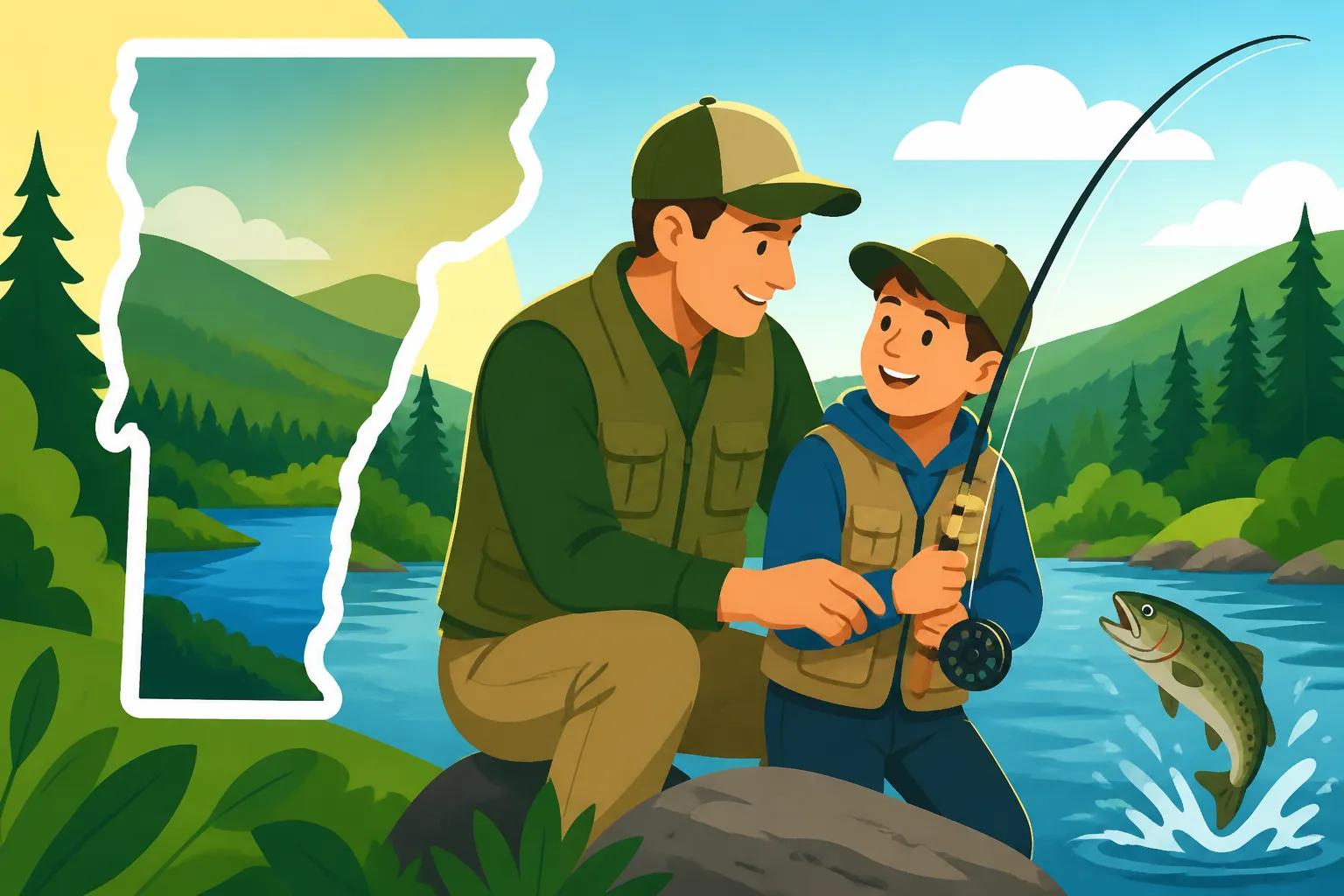
At its heart, the Mentored Fishing Weekend is a designated period each year when a licensed angler can take someone who doesn't have a Vermont fishing license out on the water, and that unlicensed person can fish completely legally. Think of it as a try-before-you-buy program for angling, without any pressure. The core purpose is to encourage experienced anglers to share their knowledge and love of fishing with newcomers, especially kids and those who might be hesitant to commit to a license right away. It's a chance to learn the ropes, feel the tug of a fish on the line, and truly understand what makes Vermont fishing so special. This isn't just a loophole; it's a structured program aimed at education and recruitment.
This special weekend typically coincides with Vermont's annual Free Fishing Day, which is usually held on the second Saturday in June. This alignment makes it an even bigger celebration of fishing, giving everyone – whether mentored or not – a chance to cast a line without a license for a single day. The mentored weekend expands on this, often covering a full Saturday and Sunday, providing more time for that crucial hands-on learning experience. It’s an invaluable stepping stone for anyone considering becoming a regular angler.
Who Can Participate?
This is where the specifics really matter. For an unlicensed individual to legally fish during the Mentored Fishing Weekend, they must be directly accompanied and supervised by a licensed angler, who acts as their "mentor." There are a few key points here to remember.
First, the unlicensed participant can be of any age. Whether it's a curious five-year-old or an adult who's never held a rod before, this opportunity is open to all. The beauty of this inclusivity is that it creates multi-generational opportunities for families and friends to connect through fishing. If you're wondering about Vermont youth fishing license rules by age, this weekend offers a temporary exemption, allowing kids under the age of 15 to fish without a license even if they aren't usually required to have one for some species. For those aged 15-17, who would normally need a junior license, this weekend is a fantastic way to try it out.
Second, the mentor themselves must possess a valid, current Vermont fishing license. This isn't a free-for-all for everyone. The licensed mentor is responsible for ensuring that all regulations are followed, from bag limits to legal fishing methods. They are the knowledgeable guide, and their license is essentially the "key" that unlocks the opportunity for their mentee. This ensures that even though the mentee is fishing without a license, there's still an experienced, licensed individual overseeing the activity and upholding conservation principles.
Key Dates and Annual Schedule
The Vermont Mentored Fishing Weekend, as mentioned, is usually tied into the state's Free Fishing Day. While the exact dates can shift slightly from year to year, it almost always lands on the second Saturday and Sunday of June. This timing is intentional, often coinciding with generally pleasant weather and active fish behavior, making for a more enjoyable and successful introduction to fishing. It's usually a time when bass are active in the shallow waters, and trout are still plentiful in streams and ponds after their spring stocking.
To find the precise dates for the upcoming year, the best resource is always the official Vermont Fish and Wildlife Department website. They'll post the confirmed dates well in advance, along with any specific guidelines or events happening during that period. You can usually find this information under their "Licenses and Permits" or "Fishing" sections. It's always a good idea to double-check these dates close to June, just in case there are any unforeseen changes. Mark your calendars once the dates are announced, because this weekend is a prime opportunity to introduce someone to a lifelong hobby.
Rules and Guidelines for a Successful Mentored Outing
While the Mentored Fishing Weekend offers a wonderful relaxation of the licensing requirement for mentees, it's absolutely crucial to remember that all other Vermont fishing regulations still apply. This isn't a free pass to ignore the rules; it's an educational opportunity. The success and continuation of this program rely on participants respecting the state's conservation efforts.
Mentor Responsibilities and Requirements
As the licensed angler, the mentor carries the primary responsibility for the outing. This isn't just about showing someone how to cast; it's about instilling a respect for the resource and ensuring legal compliance. Here's what a mentor needs to do:
- Valid License: First and foremost, the mentor must have a valid, current Vermont fishing license. Without it, the entire premise of the mentored weekend falls apart. This could be an annual resident license, a non-resident annual license, or even a short-term nonresident permit. The key is that the mentor is legally permitted to fish in Vermont waters themselves. You can learn more about where and how to buy a Vermont fishing license if you need to renew yours.
- Direct Supervision: The mentor must be actively supervising the unlicensed angler. This means being within a reasonable distance, able to communicate, and capable of intervening if necessary. It’s not enough to just be on the same body of water; you need to be engaged in the act of teaching and overseeing. Imagine you're teaching a child to ride a bike – you're right there, ready to steady them. It's the same principle for fishing.
- Regulation Compliance: This is paramount. The mentor is responsible for ensuring that the unlicensed angler adheres to all Vermont fishing regulations. This includes:
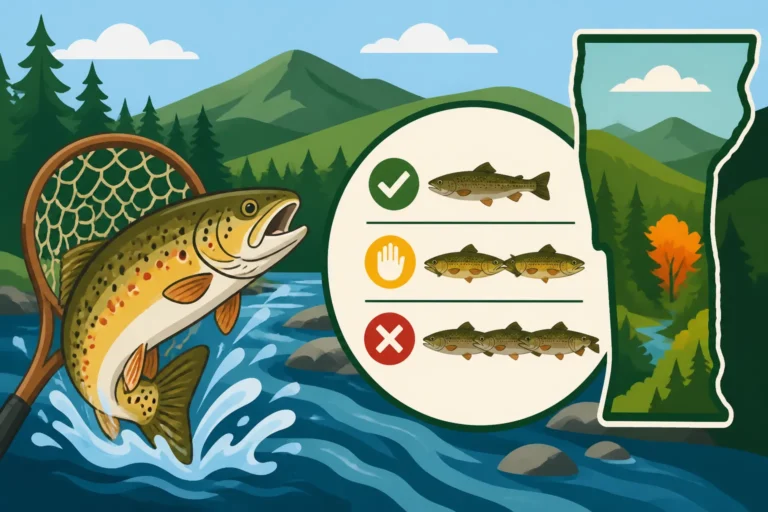
- Bag and Possession Limits: If the mentee catches fish, those fish count towards the mentor's daily bag and possession limits. For example, if the mentor has a daily limit of 3 trout, and the mentee catches 2 keeper trout, the mentor can only keep 1 more trout themselves for that day. This prevents a single licensed angler from enabling multiple unlicensed individuals to exceed limits.
- Minimum Length Limits: All minimum length limits for specific species, like bass or walleye, must be observed. A mentee can't keep an undersized fish just because they don't have a license.
- Season Dates and Closures: Fishing must occur within legal season dates for the target species, and in waters that are open to fishing. Vermont fishing season dates and closures are important to review.
- Legal Methods: Only legal fishing methods (e.g., specific bait restrictions, no more than two lines per angler) are permitted.
- Special Regulations: Be aware of any special regulation waters that might have unique rules regarding tackle, bait, or catch-and-release only sections.
Essentially, the mentor acts as the licensed proxy for the unlicensed angler, taking on full legal responsibility for their fishing activities.
Unlicensed Angler Privileges and Limitations
For the unlicensed angler, the privileges are clear: you get to fish! This includes using a rod and reel, learning to cast, reeling in fish, and experiencing the thrill of a catch. However, it's equally important to understand the limitations:
- No Independent Fishing: The unlicensed angler cannot fish alone. They must always be in the direct company and under the supervision of their licensed mentor. If the mentor leaves for any reason, the unlicensed angler must stop fishing.
- Mentor's Limits Apply: As mentioned, any fish caught by the unlicensed angler contribute to the mentor's daily bag and possession limits. This is a critical point to avoid over-harvesting. Imagine your child catches a beautiful brook trout. That fish counts against your personal limit for the day.
- No Commercial Activities: This weekend is strictly for recreational, educational purposes. The unlicensed angler cannot sell any fish caught, nor can they claim to be guiding others.
- Specific Waters: While generally applicable statewide, it's always wise to check if any specific waters have unique rules that might impact even mentored fishing. However, for most common fishing spots, the rules are consistent.
The idea is to give a taste of fishing, not to grant full, unrestricted angling privileges. It’s an immersion experience under expert guidance.
Essential Gear and Preparations
You don't need a boatload of expensive gear to enjoy the Mentored Fishing Weekend, which is part of its appeal! The focus is on the experience, not the equipment. However, having some basic essentials will make the outing much more enjoyable and productive for both mentor and mentee.
- Rod and Reel Combo: A simple spinning rod and reel combo is perfect for beginners. Look for something light to medium action, around 5-7 feet long. These are versatile enough for panfish, bass, and even smaller trout. You can find very affordable starter kits online on platforms like Amazon, or at local sporting goods stores. These beginner setups often come pre-spooled with line, making them ready to go right out of the box.
- Basic Tackle: A small tackle box with essential items is all you need. Consider:
- Hooks: A variety of small to medium-sized hooks (#6 to #10) for bait fishing.
- Sinkers/Weights: Split shot or small bullet weights to get your bait down.
- Bobbers: Essential for visual bite detection, especially with kids.
- Lures: A few simple lures like small spinners (e.g., Mepps, Panther Martin) or plastic worms can be very effective and teach casting techniques. Again, simple kits on Amazon can be a great place to start building a collection.
- Bait: Live bait like worms or minnows (check regulations for bait restrictions in specific waters!) are often the easiest and most effective for beginners to get bites. PowerBait or corn can also work for stocked trout.
- Necessary Accessories:
- Pliers/Forceps: Crucial for safely removing hooks from fish (and avoiding fingers!).
- Small Cooler with Ice: To keep any legal fish you decide to harvest fresh, and for drinks and snacks.
- Sunscreen, Hat, Sunglasses: Protect yourselves from the Vermont sun.
- Bug Spray: Especially important in June when insects can be active.
- Life Jackets: If fishing from a boat or near deep water, ensure everyone has a properly fitting life jacket. This is a Vermont boating law for anglers requirement, especially for children under 12.
- Measurement Device: A ruler or tape measure to ensure fish meet minimum length limits.
- Water Bottle and Snacks: Keep hydrated and fueled!
Before heading out, a quick review of the Vermont Fishing Regulations Explained is always a good idea, particularly regarding the specific body of water you plan to visit. Preparation makes for a smoother, more enjoyable experience for everyone involved.
Making the Most of Your Mentored Fishing Experience
The Mentored Fishing Weekend isn't just about catching fish; it's about building memories, teaching respect for nature, and fostering a new passion. A little planning can go a long way in making it a truly rewarding experience for your mentee.
Choosing the Right Fishing Spot
Selecting the right location is key, especially when fishing with new anglers or children. You want a spot that offers a good chance of success, is safe, and relatively easy to access. Here are some factors to consider:
- Stocked Ponds and Lakes: Vermont's Fish and Wildlife Department regularly stocks many ponds and lakes with trout, particularly in the spring. These waters often have higher concentrations of fish, increasing the likelihood of a bite. You can often use the Vermont Fish Stocking Search Tool, Explained to find recently stocked waters near you. Many Vermont State Park Fishing Guide locations offer excellent, accessible opportunities.
- Accessible Shorelines: Look for areas with stable, easy-to-reach shorelines, piers, or docks. Avoid steep banks, thick brush, or areas with strong currents that could be challenging or dangerous for beginners. For example, many state parks, like Bomoseen State Park, have accessible fishing access.
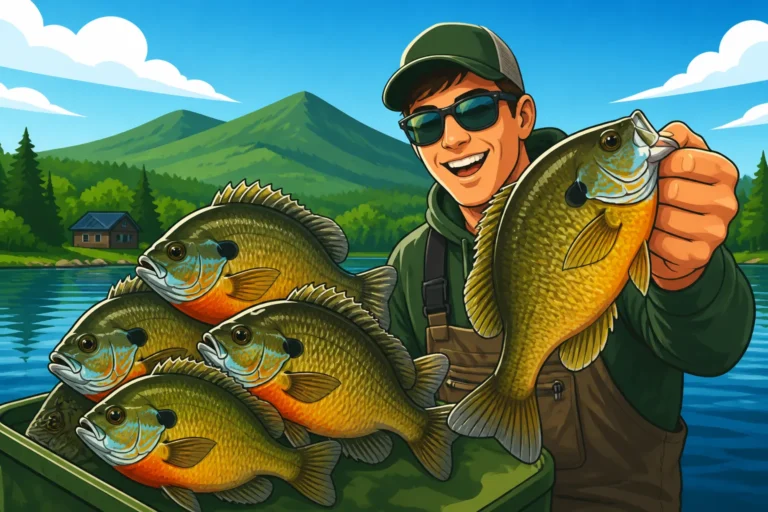
- Variety of Species: Sometimes, picking a lake or pond known for panfish (like bluegill or perch) can be a great strategy. Panfish are often eager biters, which provides quick action and keeps enthusiasm high for new anglers. While Lake Champlain offers fantastic fishing, its vastness can be intimidating for a first-timer; smaller lakes like Lake Bomoseen or Lake Dunmore might be less overwhelming.
- Wind and Weather Protection: On a breezy day, a sheltered cove or a smaller, less exposed pond will make casting and detecting bites much easier.
Remember, the goal is a positive experience. A few small panfish caught with excitement can be far more memorable than hours spent trying for a trophy fish that never bites.
Teaching Basic Fishing Techniques
This is your moment to shine as a mentor! Break down the fundamentals into simple, digestible steps. Patience is your most valuable tool here.
- Safety First: Before anything else, emphasize safety. How to handle hooks, what to do if a line gets tangled, and how to safely approach the water.
- Basic Rod Holding and Casting: Start with a simple overhead cast, or even a sidearm cast if it's easier. Practice in an open area away from water first, using a casting plug or just a bobber, to get the feel of it. Show them how to hold the rod, when to release the line, and how to reel in smoothly. Focus on consistency over distance.
- Baiting the Hook: Demonstrate how to properly bait a hook, whether with a worm, PowerBait, or a small lure. Emphasize not to use too much bait, and how to secure it.
- Detecting a Bite: This is often the trickiest part for beginners! Explain what a "bite" feels like or looks like (a bobber dipping, a tap on the rod tip). Practice setting the hook with a gentle, upward sweep.
- Reeling in a Fish: Teach them to keep the rod tip up, maintain tension on the line, and reel steadily. If you're fortunate enough to hook a fish, walk them through the process, providing encouragement and guidance.
- Catch and Release (or Harvest): Discuss the ethical treatment of fish. If you're releasing fish, show them how to handle the fish gently, minimize its time out of water, and safely remove the hook. If harvesting, explain the process respectfully. This is an excellent opportunity to teach about conservation and the importance of healthy fish populations, linking back to the broader Vermont Fishing Regulations Explained.
Keep it fun and positive. Celebrate every cast, every nibble, and especially every catch, no matter how small.
Beyond the Weekend: Next Steps for New Anglers
The Mentored Fishing Weekend is just the beginning! If your mentee catches the fishing bug, there are clear paths for them to continue their journey.
- Getting a License: The most crucial next step is to purchase their own Vermont fishing license. This process is straightforward and can often be done online through the Vermont Fish and Wildlife website, or at local license vendors. You can find comprehensive details in the guide on How to Buy a Fishing License Online in Vermont. If they're a youth, they'll want to check out the Vermont Youth Fishing License Rules by Age.
- Exploring More Spots: With a license in hand, they can explore all the fantastic fishing opportunities Vermont has to offer, from the best trout streams in Vermont to the best bass fishing lakes in Vermont.
- Joining a Club: Encourage them to look into local fishing clubs or conservation groups. These organizations often offer educational programs, fishing events, and a chance to connect with other anglers, building a community around their new hobby.
- Continued Learning: Fishing is a lifelong learning endeavor. Encourage them to read fishing articles, watch videos, and continue to experiment with different techniques and lures. The journey of discovery is part of the fun!
The goal is to turn that initial spark of interest ignited during the mentored weekend into a lasting passion for fishing and outdoor stewardship. It’s an incredibly rewarding experience for both the mentor and the mentee.
Vermont Mentored Fishing Weekend Summary
To help you quickly grasp the key details of the Vermont Mentored Fishing Weekend, here's a handy summary:
| Feature | Details | Important Notes |
|---|---|---|
| Purpose | Introduce new anglers to fishing without requiring a license for the mentee. | Fosters new participation and appreciation for Vermont's fisheries. |
| Dates (Typical) | Second Saturday & Sunday of June | Always confirm exact dates on the Vermont Fish and Wildlife Department website annually. |
| Mentee Eligibility | Any age, does not hold a current VT fishing license. | Can be a child or adult. |
| Mentor Eligibility | Must possess a valid, current Vermont fishing license. | Responsible for supervision and regulation compliance. |
| License Requirement | Mentee does NOT need a license. Mentor MUST have a license. | All other fishing regulations (limits, seasons, methods) apply to the mentor's license. |
| Bag & Possession Limits | Fish caught by mentee count towards the MENTOR'S limits. | Prevents over-harvesting; mentor is legally accountable for all fish kept. |
| Supervision | Mentor must be in direct attendance and supervision of the mentee. | Not a "drop-off" program; active teaching and oversight are required. |
| Recommended Gear | Simple spinning combo, basic tackle (hooks, sinkers, bobbers, bait/lures). | Affordable options available at local shops and online (e.g., Amazon); focus on accessibility for beginners. |
| Next Steps | Purchase a Vermont fishing license to continue fishing legally. | Guides like "Vermont Fishing License Guide for 2026" can help with this transition. |
Disclaimer
The information provided in this guide is intended for general informational purposes only and is subject to change. While we strive to provide accurate and up-to-date content, fishing regulations, season dates, and license requirements in Vermont can be modified by the Vermont Fish and Wildlife Department. It is the responsibility of every angler to consult the most current official Vermont Fishing Guide and regulations prior to fishing. Failure to comply with regulations can result in penalties. We are not responsible for any inaccuracies or omissions in this content, or for any actions taken based on the information provided.