Vermont Fishing License for Disabled Residents
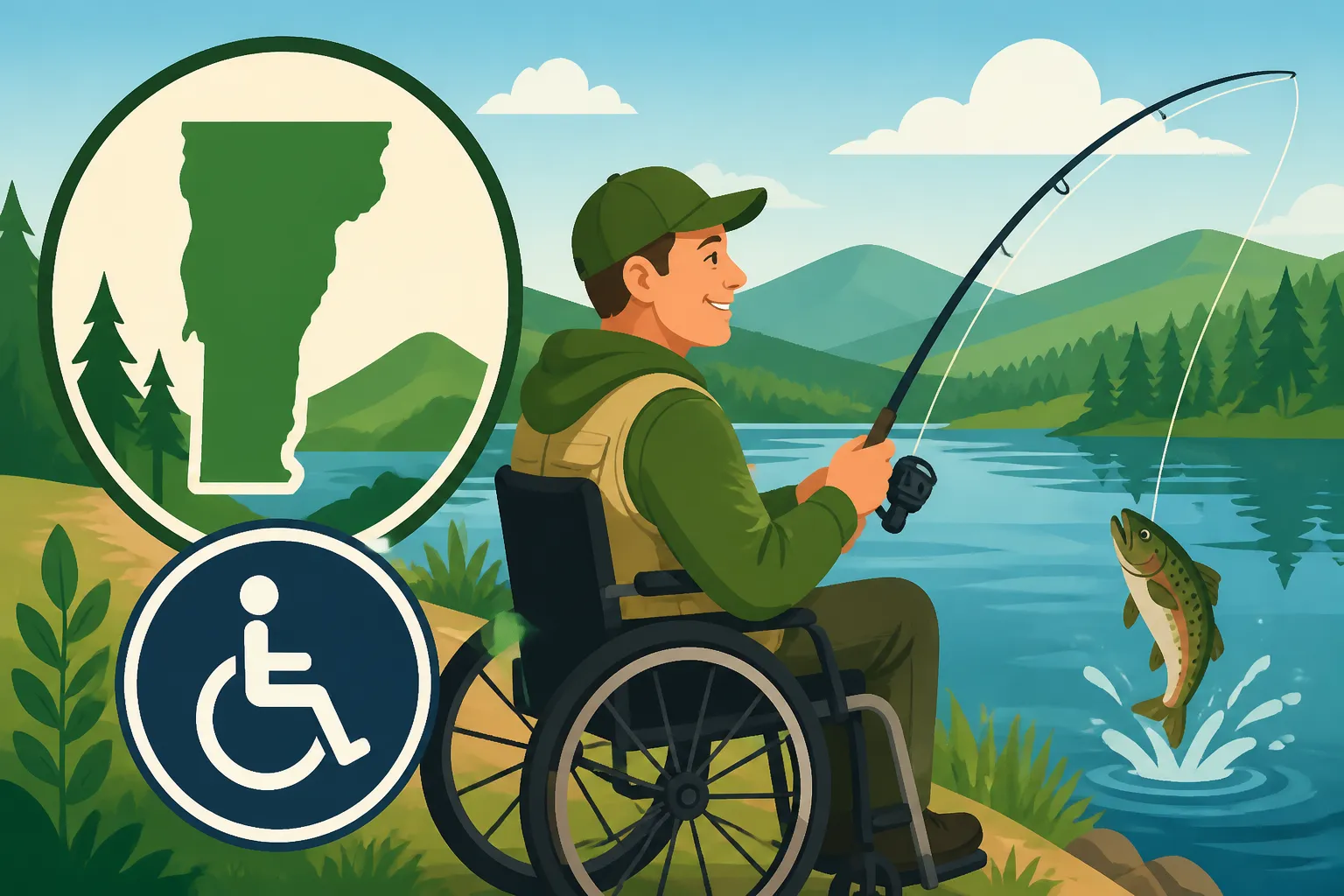
It can feel incredibly frustrating when you're passionate about getting out on the water and enjoying the peace of fishing, but the bureaucracy of licenses and specific requirements throws up unexpected hurdles, especially when you're living with a disability. Vermont is a state that truly values its natural beauty and the outdoor experiences it offers, and thankfully, they've put provisions in place to make fishing more accessible. This guide will walk you through everything you need to know about obtaining a Vermont fishing license specifically for disabled residents, simplifying the process so you can focus on casting your line.
Understanding Vermont's Commitment to Accessible Fishing
Vermont's Fish and Wildlife Department truly understands that fishing isn't just a pastime; for many, it's a vital connection to nature, a source of peace, and an important part of well-being. They've made genuine efforts to ensure that residents with disabilities aren't left on the sidelines but can participate fully in the state's rich angling opportunities. This commitment isn't just lip service; it's reflected in policies that aim to reduce barriers and offer practical support.
Why Special Provisions Exist
The existence of special fishing license provisions for disabled residents isn't about giving anyone an unfair advantage. Rather, it's about leveling the playing field. Many individuals with disabilities face additional costs, logistical challenges, and physical limitations that can make participation in outdoor activities more difficult than for the general population. For example, simply traveling to a fishing access area might require specialized transportation, or the act of holding a rod and reeling in a fish might demand adaptive equipment. These provisions recognize those unique circumstances and aim to mitigate them, ensuring that the therapeutic and recreational benefits of fishing are available to everyone.
It's a recognition that outdoor recreation is a fundamental right, and state agencies have a responsibility to foster an inclusive environment. Vermont's approach acknowledges the resilience and determination of disabled anglers and seeks to support their ability to connect with the environment. This means not only making licenses more attainable but also considering accessibility in broader planning, like developing Best handicap-accessible fishing piers in Vermont.
General Benefits and Philosophy
The philosophy behind these special licenses extends beyond mere cost savings, though that's certainly a welcome benefit. It's about fostering independence, dignity, and active participation. For many, fishing is more than just catching fish; it's about the entire experience: the quiet moments by the water, the challenge of the chase, and the camaraderie of fellow anglers. A reduced-cost or free license can remove one more financial hurdle, allowing individuals to dedicate resources to other necessary adaptive equipment or specialized transportation.
Moreover, these licenses send a clear message: "You belong here." They integrate disabled residents into the broader fishing community, promoting a sense of inclusion. Imagine planning a trip to one of the Best Fishing Lakes in Vermont or a quiet afternoon along the Best Fishing Rivers in Vermont, knowing that the state supports your ability to do so without undue burden. This inclusive mindset encourages more people to discover or rediscover the joys of fishing, enhancing mental and physical well-being across the disabled community in Vermont. It contributes to the overall vibrant outdoor culture that makes Vermont such a special place to live and visit.
Eligibility for Disabled Fishing Licenses in Vermont
Understanding who qualifies for a disabled fishing license in Vermont is absolutely crucial. It's not a one-size-fits-all scenario, and the state has specific criteria that you'll need to meet. The intent is to genuinely assist those whose lives are significantly impacted by a permanent disability, not just minor ailments.
Defining "Permanent Disability" for Anglers
In Vermont, "permanent disability" for the purpose of a fishing license generally refers to a physical or mental impairment that substantially limits one or more major life activities and is expected to continue indefinitely or for an extended period. This isn't just about a temporary injury; it's about long-term conditions. The Vermont Fish and Wildlife Department typically looks for clear, verifiable medical documentation. They want to see that your condition is stable, profound, and not something that will simply heal in a few months.
For example, a person recovering from a broken leg would not typically qualify for a permanent disability license, as that condition is expected to improve. However, someone with a severe, chronic spinal cord injury, a significant visual impairment, or a debilitating neurological disorder that permanently impacts mobility or cognitive function would likely meet the definition. The key is "permanent" and "substantially limiting," focusing on how the disability affects your daily life and your ability to perform activities like fishing.
Specific Disability Categories and Proof Requirements
Vermont's regulations specifically outline certain categories of disability that qualify for special fishing licenses. These often include:
- Blind Residents: Individuals who are legally blind, as certified by an ophthalmologist or a recognized agency serving the visually impaired. Proof usually involves a doctor's statement or a certification from an organization like the Vermont Division for the Blind and Visually Impaired.
- Paraplegic Residents: Those with paralysis of the lower half of the body. Medical documentation from a physician detailing the nature and permanence of the condition is required.
- Disabled Veterans: This is a particularly important category. Veterans with a service-connected disability rating of 60% or more, as certified by the U.S. Department of Veterans Affairs, are often eligible for special considerations. This specific provision aims to honor their service and sacrifice. More details can be found in a guide on Vermont fishing license for disabled veterans.
- Other Permanent Disabilities: This broader category covers a range of conditions that result in a permanent and significant impairment, making it difficult to participate in standard fishing activities. This could include severe mobility impairments requiring the use of a wheelchair, significant cognitive impairments, or other conditions that severely limit physical function. For these cases, comprehensive medical reports from a licensed physician detailing the diagnosis, prognosis, and functional limitations are essential. The more thoroughly documented your condition, the smoother the application process tends to be.
It's important to remember that the Vermont Fish and Wildlife Department reviews each application individually. They need concrete proof that your disability meets their established criteria. Don't be afraid to gather as much supporting documentation as possible to make your case clear and undeniable.
Residency Requirements for Vermont Disabled Licenses
Just like with standard fishing licenses, there are specific Vermont fishing license residency requirements for those seeking a disabled resident license. To qualify as a "resident" in Vermont, you generally need to have lived in the state for at least six consecutive months immediately preceding your application, and you must intend to make Vermont your permanent home. This means having things like a Vermont driver's license, registering your vehicles in Vermont, paying Vermont income taxes, and maintaining a primary domicile in the state.
Proof of residency is typically established through documents such as:
- A valid Vermont driver's license or non-driver ID card.
- Vermont voter registration.
- Vermont income tax returns from the previous year.
- Utility bills or lease agreements in your name at a Vermont address.
If you're a student attending an out-of-state college but still consider Vermont your permanent home, there might be specific nuances to your residency status, so it's always best to clarify directly with the Vermont Fish and Wildlife Department. Conversely, non-residents with disabilities will generally need to purchase a standard non-resident license, as the special disabled resident licenses are primarily for those who call Vermont home. This distinction is vital for ensuring that the benefits are targeted to the state's own community members.
How to Apply for Your Disabled Fishing License
Applying for a special fishing license might seem like a daunting task, but breaking it down into manageable steps makes it much easier. The key is preparation and understanding the process, whether you prefer to do things online or in person.
Gathering Your Documentation
This is arguably the most critical step. Before you even think about filling out a form, you need to assemble all the necessary paperwork. Think of it as building your case; the more complete and accurate your documentation, the smoother your application will be.
Here’s a checklist of what you'll typically need:
- Proof of Vermont Residency: As discussed, this could be your Vermont driver's license, a utility bill, or a lease agreement. Make sure any documents are current and clearly show your Vermont address.
- Proof of Disability:
- For Blind Residents: A certified statement from an ophthalmologist or a letter from a recognized agency like the Vermont Division for the Blind and Visually Impaired, explicitly stating your legal blindness.
- For Paraplegic Residents: A detailed medical statement from your licensed physician, clearly outlining the nature of your paraplegia, its permanence, and how it impacts your mobility.
- For Disabled Veterans: Your official disability rating letter from the U.S. Department of Veterans Affairs, indicating a service-connected disability of 60% or more. This letter is non-negotiable for this category.
- For Other Permanent Disabilities: A comprehensive medical report from a licensed physician. This report should include your diagnosis, a prognosis indicating the permanence of the condition, and a clear description of the functional limitations you experience as a result of the disability. The more specific the doctor can be about how your disability affects daily activities, the better.
- Basic Personal Identification: Your full legal name, date of birth, and contact information.
It's a good idea to make copies of everything you plan to submit and keep them for your records. This way, if there are any questions, you have your own set of documents to reference. Remember, the Fish and Wildlife Department isn't trying to be difficult; they just need to ensure that the special provisions are correctly applied to those who genuinely qualify.
Online and In-Person Application Steps
Once you have your documents in hand, you're ready to apply. Vermont offers a couple of convenient options:
Online Application:
The Vermont Fish and Wildlife Department's official website is often the easiest starting point for many residents. You can usually access their online licensing portal, where you'll find options for various license types.
- Navigate to the Licensing Portal: Visit the Vermont Fish and Wildlife Department's official website and look for the "Licenses & Permits" section.
- Create an Account or Log In: If you're a new user, you'll need to create an account with your personal details. If you've purchased a Vermont license before, you can log in with your existing credentials.
- Select License Type: Carefully select the appropriate disabled resident fishing license option. There might be different categories, so ensure you pick the one that matches your specific disability (e.g., "Resident Permanent Disabled Fishing License" or "Resident Disabled Veteran Fishing License").
- Upload Documentation: This is where those scanned copies of your medical proof and residency documents come in handy. The system will likely have a secure upload feature. Ensure your scans are clear and legible.
- Complete Personal Information: Fill out all required fields with your personal information, making sure everything matches your submitted documents.
- Payment: If there is a fee, you'll pay it securely online using a credit or debit card. Some disabled resident licenses may be free, so pay close attention to the cost during this step.
- Confirmation: Once submitted, you should receive a confirmation email. Keep this for your records.
In-Person Application:
For those who prefer face-to-face interaction or need assistance, applying in person is a great option.
- Locate a Vendor: You can visit a Vermont Fish and Wildlife Department office or one of the many authorized license vendors across the state. These often include sporting goods stores, bait shops, and some town clerks. You can often find a list of vendors on the Fish and Wildlife Department's website or by searching for Vermont fishing license vendors near me.
- Bring All Original Documents: When applying in person, it's best to bring your original documents (or certified copies) as the vendor may need to verify them visually. They will likely make copies for their records.
- Fill Out Forms: The vendor will provide you with the necessary application forms. Fill them out carefully and completely.
- Assistance: Don't hesitate to ask the vendor for help if you have questions about any part of the form or the required documentation. They are usually very knowledgeable.
- Payment: Pay any applicable fees. Some licenses, like those for disabled veterans, might be offered free of charge.
- Receive Your License: If approved on the spot, you'll typically receive a temporary or permanent printed license immediately. Remember, even if you apply online, you may need to print your license at home or ensure you have a digital copy accessible, as detailed in Printing or Carrying a Digital Fishing License in Vermont.
What to Expect After Application
The waiting period and follow-up can vary depending on your specific disability category and the thoroughness of your documentation.
If you apply in person at a vendor and all your documentation is clear and verifiable, you might walk out with your license right away. This is often the case for straightforward renewals or for conditions that are immediately recognizable, like certain veteran disability statuses.
However, if your application requires a more in-depth review, especially for "other permanent disabilities," there might be a processing period. The Vermont Fish and Wildlife Department will need time to review your medical documentation and verify everything. During this time, they might contact you for additional information or clarification. It's important to respond promptly to any such requests to avoid delays.
It's not uncommon for the Department to communicate approval or denial via mail or email. If approved, your permanent license (if not issued on the spot) will be mailed to you. If your application is denied, you should receive a letter explaining the reason for the denial and, often, information on how to appeal the decision if you believe there's been a misunderstanding or you have further documentation to provide. Always keep copies of all correspondence and maintain a friendly, cooperative attitude throughout the process.
Maintaining and Renewing Your Special Fishing License
Once you've successfully obtained your Vermont fishing license for disabled residents, the next step is understanding how to keep it current and what to do if circumstances change. These licenses, while special, still follow an annual cycle, and staying informed will save you a lot of hassle down the road.
Annual Renewal Process
Even though your disability is permanent, your fishing license is typically not. Most Vermont fishing licenses, including those for disabled residents, are issued on an annual basis and expire on December 31st of the year they were issued. This means you'll need to renew it each year to continue fishing legally. The good news is that the renewal process is usually much simpler than the initial application.
Here's what to generally expect:
- Reminder Notices: The Vermont Fish and Wildlife Department often sends out reminder notices (via email or mail) as the renewal period approaches, usually in the late fall or early winter. Keep an eye out for these.
- Online Renewal: The easiest way to renew is often through the online licensing portal. Once you've qualified and received your initial special license, your status should be in the system. You'll log in, select the renewal option for your specific disabled resident license, verify your information, and pay any applicable (and often reduced or free) fee.
- In-Person Renewal: You can also renew at any authorized license vendor. Simply bring your expiring license and any updated identification or residency proof, and the vendor can process the renewal for you.
The key is not to let your license lapse! Fishing without a valid license, even inadvertently, can lead to Fishing Without a License in Vermont: Penalties, which no one wants. Make a note in your calendar or set a digital reminder for renewal each year.
Reporting Changes in Disability Status
While the term "permanent disability" implies a long-lasting condition, circumstances can sometimes change. If there's any significant change in your disability status that might affect your eligibility for the special license (e.g., a condition significantly improves to the point where it no longer meets the criteria), it's your responsibility to report this to the Vermont Fish and Wildlife Department.
Transparency is crucial here. The department relies on accurate information to ensure fair access and proper administration of its programs. If you were receiving a license based on a condition that is no longer present or is no longer considered significantly limiting, you would then be expected to obtain a standard fishing license. While it might seem counterintuitive to report an improvement, it maintains the integrity of the system for everyone who genuinely needs these provisions. If you're ever unsure whether a change is significant enough to report, it's always best to contact the department directly for guidance.
Replacing a Lost or Damaged License
We've all been there: fumbling through our wallet or tackle box only to find that crucial piece of paper has gone missing or is now a soggy mess. Losing your fishing license, especially a special one, can be a moment of panic. Fortunately, replacing a lost or damaged Vermont fishing license is a straightforward process.
You have a couple of options:
- Online Reprint: If you purchased your license online, you can often log back into the Vermont Fish and Wildlife Department's licensing portal and print a duplicate copy yourself. This is usually the quickest and most convenient method. Many anglers find it helpful to keep a digital copy on their phone or tablet as a backup, though a physical copy is often preferred or required by wardens.
- Vendor Replacement: You can also visit any authorized license agent. They can access your licensing record, verify your identity, and print a replacement license for a small fee. This is a good option if you don't have access to a printer or prefer to handle it in person.
- Department Office: Visiting a Vermont Fish and Wildlife Department office is another reliable way to get a replacement, especially if there are any complexities with your record.
The cost for a replacement license is typically minimal, often just a dollar or two. It's a small price to pay for peace of mind and to avoid potential fines for not having your license on you while fishing. For more detailed information, you can always refer to the guide on Replacing a lost Vermont fishing license.
Beyond the License: Accessible Fishing Resources in Vermont
Getting your special fishing license is a fantastic first step, but it's just the beginning of your accessible fishing journey in Vermont. The state and various organizations are working hard to ensure that once you have that license, you also have places to use it and the right tools to make your experience enjoyable and successful.
Accessible Fishing Access Areas and Piers
Vermont is increasingly investing in creating and maintaining accessible fishing infrastructure. These are designated spots designed with features like paved pathways, gentle slopes, accessible parking, and specialized fishing piers that accommodate wheelchairs and provide safe, stable platforms for anglers with mobility challenges.
Some fantastic examples include accessible piers on popular lakes and ponds that provide direct access to productive waters. For instance, specific spots on Lake Champlain, like the Burlington Waterfront or Colchester's Airport Park, offer great accessible fishing opportunities. You might also find renovated access points on smaller, stocked ponds that are perfect for a relaxed afternoon. These areas are not only about physical access but also about providing a safe and dignified fishing experience. Many of these locations are listed in resources like the Best handicap-accessible fishing piers in Vermont.
Before heading out, it's always a good idea to check the Vermont Fish and Wildlife Department's website or contact them directly for the most up-to-date information on accessible fishing locations. Conditions can change, and new sites are occasionally developed or improved, ensuring more Best Fishing Lakes in Vermont and Best Fishing Rivers in Vermont become viable options for everyone.
Organizations Supporting Disabled Anglers
You are absolutely not alone on this journey. Several organizations, both locally in Vermont and nationally, are dedicated to supporting disabled anglers. These groups often provide valuable resources, host adaptive fishing events, and build communities where members can share experiences and advice.
Examples of such organizations include:
- Vermont Adaptive Ski and Sports: While their name suggests winter sports, Vermont Adaptive has expanded to offer a wide range of outdoor recreation programs, including fishing. They often have specialized adaptive equipment and trained volunteers to help individuals with disabilities get out on the water.
- Casting for Recovery: This national non-profit offers fly-fishing retreats specifically for women with breast cancer, providing a supportive environment and the therapeutic benefits of fly fishing.
- Project Healing Waters Fly Fishing: Another national organization, Project Healing Waters, is dedicated to the physical and emotional rehabilitation of disabled active military service personnel and veterans through fly fishing and fly tying education. They have local chapters across the country, often including in Vermont or nearby states.
Connecting with these organizations can open up a world of support, camaraderie, and opportunities for adaptive fishing adventures. They understand the unique challenges and can often provide equipment, guidance, and a supportive community.
Recommended Gear for Enhanced Accessibility
Adaptive fishing gear has come a long way, making the sport more accessible and enjoyable for a wider range of physical abilities. From simple modifications to specialized equipment, there's likely a solution out there for almost any challenge.
Consider these types of gear:
- Adaptive Rod Holders: These can be mounted on wheelchairs, chairs, or boat railings, allowing anglers to fish hands-free or providing support for those with limited grip strength. You can find a variety of styles on platforms like Amazon, from clamp-on models to freestanding units.
- Modified Reels: Some reels are designed with larger handles for easier gripping, or even motorized options for those who can't manually retrieve line. Again, online retailers such as Amazon offer a growing selection of specialized fishing equipment.
- Casting Aids: Devices that assist with casting, allowing anglers with limited arm mobility to get their lure out onto the water effectively.
- Specialized Seating: Comfortable, stable fishing chairs or portable seats with backrests can make long periods of fishing more comfortable for those who have difficulty standing. Search for "fishing chairs for limited mobility" on Amazon to see options.
- Life Jackets: Ensuring you have a comfortable and properly fitting life jacket is paramount for safety, especially if mobility is a concern. There are many designs available that offer excellent buoyancy without restricting movement. Look for PFDs (Personal Flotation Devices) on Amazon with features like mesh backs for better airflow or front-zip designs for easy donning.
Investing in the right gear can significantly enhance your fishing experience, turning potential frustrations into moments of triumph and relaxation. Don't be afraid to research, read reviews, and explore the options available to make your time on Vermont's waters as comfortable and productive as possible.
Disclaimer
The information provided in this guide is for general informational purposes only and does not constitute legal advice. While we strive to ensure accuracy, fishing regulations and licensing requirements in Vermont can change. It is always the angler's responsibility to consult the most current Vermont Fish and Wildlife Department regulations and directly verify eligibility requirements before purchasing any license or engaging in fishing activities.