Best nymph pattern for high water conditions
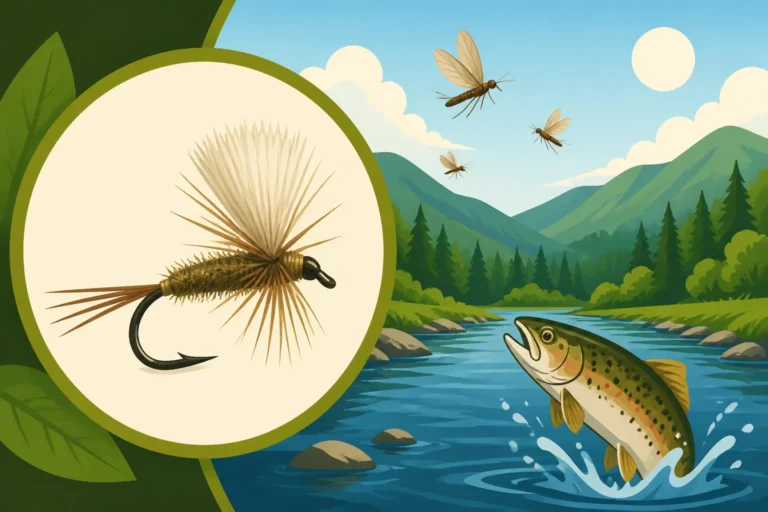
There’s nothing quite as disheartening as looking at your favorite Vermont trout stream after a heavy rain or spring thaw and seeing it raging, brown, and swollen. The high, fast, often turbid water can feel like an impossible challenge, making many anglers pack up their gear before even making a cast. But don't despair! With the right approach and, crucially, the right nymph patterns, you can absolutely find success in these tough conditions. This guide is all about equipping you with the knowledge of which nymphs excel when Vermont's rivers and streams are running high, and how to fish them effectively to entice those hungry trout.
Understanding High Water Conditions and Their Impact on Nymphing
When a Vermont river or stream is "high," it's not just about the water level being elevated. It brings a whole host of other factors into play that significantly impact where trout hold and how they feed. Understanding these changes is the first step to choosing the right nymph patterns.
Increased Current Speed and Depth
The most obvious change is the increase in current speed and overall depth. This means fish are expending more energy to hold their position. They'll naturally seek out slower pockets of water, often tucked behind larger rocks, log jams, in deeper pools, or along soft seams close to the bank. When the current is ripping, getting your fly down to these fish-holding zones can be incredibly difficult with a standard rig. Your nymph needs to sink quickly and maintain depth, resisting the pull of the faster surface currents. Fish also have less time to react to a fly hurtling past, so the presentation needs to be right in their face.
Reduced Water Clarity
High water in Vermont almost always means reduced visibility. Runoff from surrounding land carries sediment, leaves, and other debris, turning crystal-clear streams into murky torrents. This drastically impacts a trout's ability to see your fly. While trout possess a lateral line system to detect vibrations, visual cues are still important. Your nymph needs to stand out and present a strong silhouette or color contrast that can be seen even in stained water. This is where darker, bolder patterns, or those with a flash of color, can really shine.
Abundant Drifting Food Sources
Paradoxically, high water can also mean a buffet for trout. The strong currents dislodge insects, worms, and other aquatic organisms from the streambed and banks, sending them tumbling downstream. Trout know this and will often position themselves strategically in those slower water pockets, waiting for easy meals to drift by. Your job is to present a nymph that looks like one of these dislodged, struggling morsels. Consider what kinds of things would be washed out – caddis larvae, stonefly nymphs, and even terrestrial worms are all on the menu. This shift in available food influences pattern choice as well.
Key Characteristics of Effective Nymphs for High Water
Not all nymphs are created equal when the river is roaring. The best patterns for high water conditions share several critical characteristics that help them overcome the challenges and get into the strike zone.
Weight: Getting Down Fast and Staying There
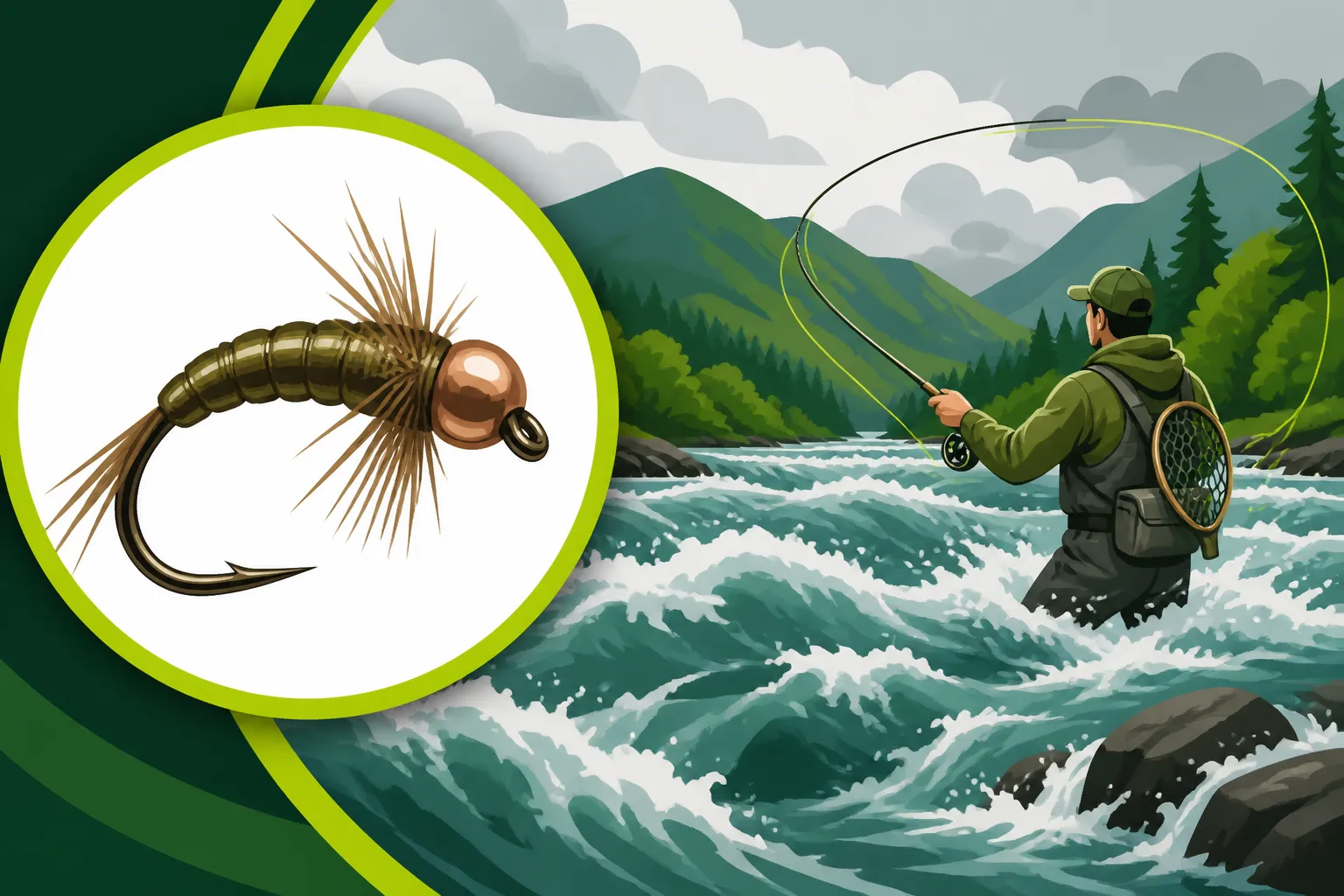
This is perhaps the most important factor. You need nymphs that are either inherently heavy or can be easily weighted. Tungsten beads are your best friend here. They're significantly denser than lead or brass, meaning a smaller bead provides more weight. Look for nymphs tied with oversized tungsten beads, often labeled as "jig nymphs" or "heavy beadheads." Sometimes, even a heavily weighted fly isn't enough, and you'll need to add extra split shot or lead putty to your leader, strategically placed a short distance above your flies. For more on getting your flies deep, check out Euro Nymphing Vermont Trout Streams.
Profile: Slim vs. Bulky
In fast water, a slim profile cuts through the current more efficiently than a bulky one. Think about how a torpedo moves through water versus a large, flat object. While a big, buggy stonefly might be appealing, if it's too wide, it will "hydroplane" on the current and won't sink to the bottom where the fish are holding. Many effective high-water nymphs are tied with minimal hackle or dubbing to keep them sleek. However, there's a caveat: a slightly bulkier profile can sometimes create a stronger "push" in the water, making it more noticeable to trout. It's a balance.
Visibility: Standing Out in Murky Water
When water clarity is poor, your nymph needs to be seen. This means considering color and contrast.
- Darker Colors: Black, dark brown, olive, and even purple can create a strong silhouette against a lighter, murky background. This makes the fly more visible to a trout looking up from below.
- Hot Spots: Many effective high-water nymphs incorporate "hot spots" – small, bright tags of color (like orange, pink, chartreuse, or red) on the collar, tail, or bead. These provide a visual trigger that can grab a trout's attention even in low visibility, suggesting an injured insect or a vital part of its anatomy.
- Flash: A touch of flash material, like Krystal Flash, in the tail or wing case can also provide that extra bit of attraction, mimicking the shimmer of a struggling insect or air bubbles.
Top Nymph Patterns for Vermont's High Water
Now let's dive into some specific patterns that reliably produce fish when Vermont's streams are angry. These are tried-and-true choices that should always have a spot in your high-water fly box.
Tungsten Jig Nymphs: The Sinking Powerhouses
Jig nymphs are incredibly effective in high water because of their inverted hook and heavy tungsten bead, which is often positioned at the front. This design helps them sink faster and ride hook-point-up, reducing snags on the bottom—a common frustration in deeper, faster currents. You can find these in various patterns and colors.
- Pat's Rubber Leg: This is an absolute workhorse. It's basically a large, heavy stonefly imitation with rubber legs that provide a lot of natural movement. In high, dark water, a black or dark brown Pat's Rubber Leg in sizes 6-12 is fantastic. Its bulky profile creates a good push, and the rubber legs are highly visible to fish. Many anglers swear by a heavily weighted version for punching through strong currents.
- Frenchie (or Pheasant Tail Jig): A slim, heavy pheasant tail variant, often with a hot spot collar (usually orange or pink). Its slim profile allows it to sink quickly, and the hot spot provides that crucial visual trigger. Sizes 12-16 are excellent, and the natural pheasant tail fibers offer a subtle, realistic look. The tungsten bead ensures it plummets to the desired depth.
- Perdigon Nymphs: These are incredibly sleek, heavily weighted nymphs designed for competition-style nymphing. They have a very slim, often resin-coated body and a tungsten bead. Their lack of bulk means they cut through the water column with minimal resistance, getting to the bottom extremely fast. While they might not look "buggy," their speed and sometimes vibrant hot spots are deadly. Common colors include olive, brown, black, and purple, often with a fluorescent hot spot.
Classic Heavy Patterns with a Twist
Sometimes, you need a familiar pattern, but with added weight or visual appeal to perform in high water.
- Heavy Beadhead Prince Nymph: The Prince Nymph is a classic attractor pattern, but in high water, you'll want one tied with an extra-large tungsten bead, or even a double-bead version if you can find it. Its white biots for "wings" provide a nice contrast, and the peacock herl body has a subtle shimmer. Darker body colors (black or olive) combined with the white biots are excellent in murkier conditions.
- Copper John (Heavily Weighted): Another classic attractor, the Copper John gets its weight from its copper wire body. For high water, look for patterns tied with thicker wire or an extra-large tungsten bead. The metallic flash of the copper body can be a strong attractant in stained water, and it sinks like a rock. Sizes 12-16 are versatile. You might also consider a variant with a red or black wire body for different contrast.
Attractor Nymphs for Challenging Visibility
When the water is particularly off-color, sometimes realism takes a backseat to sheer attraction.
- Worm Patterns (San Juan Worm, Squirmy Wormy): While not technically a nymph, these worm imitations are irresistible in high, muddy water. Rain and runoff wash actual earthworms into the stream, making these highly natural and effective. Their bright colors (red, pink, purple, cerise) and squishy, wriggling action are hard for trout to ignore, even when visibility is minimal. Fish them heavily weighted or with split shot.
- Egg Patterns: Similar to worm patterns, egg imitations (like the Glo-Bug or Otter's Egg) can be deadly in high, off-color water, particularly during spawning seasons when trout are opportunistic. Their bright, often fluorescent colors (orange, chartreuse, pink) make them highly visible. They don't offer much in the way of profile but their strong visual trigger can make them a go-to.
- Stonefly Nymphs (Dark and Heavy): Larger, darker stonefly nymphs, especially those with heavy lead or tungsten wraps, are fantastic. Their size alone represents a substantial meal, and their robust construction holds up well to heavy current. Black and dark brown are key colors. Many anglers consider a large stonefly nymph, like a Montana Nymph or a heavily weighted Girdle Bug, a primary choice for a lead fly in a multi-nymph rig. They push a lot of water and attract attention.
Here's a quick comparison of some top high-water nymph patterns:
| Nymph Pattern | Primary Characteristic | Best Colors (High Water) | Key Feature for High Water | Typical Sizes |
|---|---|---|---|---|
| Pat's Rubber Leg | Bulky Stonefly | Black, Dark Brown | Rubber legs for movement, heavy weight | #6 – #12 |
| Frenchie | Slim Pheasant Tail | Natural, Olive, Black | Hot spot, slim profile, tungsten bead | #12 – #16 |
| Perdigon Nymph | Super Slim, Heavy | Olive, Brown, Black, Purple | Extremely fast sinking, hot spots | #14 – #18 |
| Heavy Beadhead Prince Nymph | Attractor Nymph | Black, Olive (biots) | Contrast of white biots, heavy bead | #10 – #14 |
| Copper John | Attractor Nymph | Copper, Red, Black | Metallic flash, wire body for weight | #12 – #16 |
| San Juan Worm | Worm Imitation | Red, Pink, Cerise | Bright color, natural movement, no weight | #10 – #16 |
You can often find a great selection of these patterns, along with tungsten beads and extra lead for weighting, at reputable fly shops or online retailers like Bass Pro Shops or Amazon.
Techniques and Rigging for High Water Nymphing
Having the right nymphs is only half the battle; knowing how to present them effectively in high water is crucial. Your rigging and technique need to adapt to the challenging conditions.
Going Heavy and Getting Deep
The primary goal is to get your flies down to the fish as quickly as possible and keep them there throughout the drift. This means:
- Heavy Tippet/Leader: In high, murky water, trout are far less line-shy. Don't be afraid to use heavier tippet (like 3x or 4x) which is more abrasion-resistant and allows you to put more pressure on fish without breaking off. A stout leader can also help turn over heavier rigs.
- Adding Split Shot: Even with heavily weighted nymphs, you'll often need extra weight. Place one or more pieces of split shot about 6-12 inches above your lead fly. Experiment with different amounts until your flies are ticking the bottom, but not constantly snagging. Sometimes, a larger piece of shot is better than several small ones for cutting through current.
- Indicator Choice: While strike indicators are often used, in very fast or deep water, a traditional bobber-style indicator might be dragged under too easily or hinder your ability to detect subtle takes. Consider a larger, more buoyant indicator, or even a tight-line nymphing (Euro Nymphing) setup where your leader itself acts as the indicator. For more on this, check out Wading Techniques for Vermont Trout Streams.
Strategic Casting and Drifting
Your casting and mending techniques become even more critical in high water.
- Upstream Angle: Cast upstream at a slight angle, allowing your flies maximum time to sink before they reach the suspected fish-holding lie.
- Aggressive Mending: As your flies drift downstream, continuously mend your line to remove drag. Drag is the enemy, pulling your flies off course and preventing them from sinking naturally. Throw large, aggressive upstream mends to keep your indicator (or leader) floating freely above your flies, which should be tumbling naturally along the bottom.
- Short Drifts: In fast water, fish-holding pockets are often small. Focus on making shorter, more targeted drifts through these specific lies rather than trying to cover long stretches of water. You might only get a few feet of "perfect drift," so make it count. Don't forget to check out Best Techniques for High Water Spring Conditions for more insights on these conditions.
Targeting High Water Lies
Trout don't randomly hang out in the main current during high water. They conserve energy. Look for:
- Seams: The boundary where fast water meets slow water. Fish often hold in the slower water, darting into the fast lane to grab food as it drifts by.
- Eddies and Backwater: Swirling pockets of slower water behind large rocks, fallen trees, or along steep banks.
- Deep Pools: The deeper parts of pools often have slower currents near the bottom, providing refuge and a constant supply of food.
- Bank Structure: Overhanging banks, undercut banks, and submerged logs provide cover and current breaks. Fish will be tucked tight to these features.
- Confluence of Tributaries: Where a smaller, clearer stream meets a larger, murky river can create a distinct seam and often brings in more food.
Don't forget to stock up on various sizes of split shot and tippet, readily available from local outfitters or online via Amazon for quick delivery before your next high-water adventure. Being prepared with a variety of nymphs, weights, and knowing these techniques will significantly increase your odds when facing challenging high-water conditions in Vermont.
Essential Gear for High Water Nymphing
Beyond the flies themselves, having the right supporting gear can make your high-water nymphing experience much safer and more successful.
Waders and Boots: Staying Safe and Comfortable
Wading in high, fast water is inherently more dangerous. Investing in good quality, breathable chest waders is paramount. You need to stay dry and warm, especially if the water is cold from snowmelt.
- Wading Boots with Good Traction: Felt soles used to be the gold standard, but modern rubber soles with aggressive studs or cleats offer fantastic grip on slippery, rock-strewn riverbeds. Choose what works best for your specific river conditions, but prioritize maximum traction. Best Waders for Vermont Trout Streams and Best Wading Boots for Rocky Streams offer more insights on choosing the right footwear.
- Wading Staff: This is non-negotiable for safety in high currents. A sturdy wading staff provides a third point of contact, helping you maintain balance and test depth before stepping. It can literally save you from a nasty fall. See Best Wading Staff for Fast Current for more details.
Rod and Reel Setup: Power and Control
While you can technically fish with any fly rod, certain setups are more advantageous for high-water nymphing.
- Rod Length and Weight: A longer rod (10 to 11 feet) in a 3- to 5-weight can offer better line control, easier mending, and increased reach, which is beneficial for managing line in turbulent currents. It allows you to keep more line off the water, reducing drag.
- Weight-Forward Line: A weight-forward floating fly line will help turn over your heavy nymph rigs more effectively.
- Leader Setup: A stout, knotless tapered leader (often 7.5 to 9 feet) is a good starting point. You'll then attach your tippet and flies. For very heavy rigs, some anglers prefer a shorter, stronger leader to minimize hinge points.
Other Useful Accessories
- Fly Box with Dedicated Nymph Section: Organize your heavy nymphs in a separate box or a dedicated section of your main box for quick access.
- Tippet Spools: Carry a range of tippet sizes (from 2x to 5x) to adapt to different water conditions and fly sizes. As mentioned, don't be afraid to go heavier in murky, fast water.
- Forceps or Hemostats: Essential for safely removing hooks, especially when fish are often swallowing flies in aggressive takes.
- Net: A good landing net with a rubberized mesh is crucial for safely landing fish, especially in strong currents. The rubber mesh protects the fish's slime coat.
High water might look intimidating, but with the right fly patterns that get deep, grab attention, and are presented with careful technique, you can turn a challenging day into a rewarding one on Vermont's beautiful waters. Don't let a swollen river deter you; embrace the challenge, adapt your approach, and you might just find some of the biggest fish of the season.
Disclaimer
This article is for general informational purposes only and does not constitute professional advice. Laws, prices and regulations vary by location and change over time. Consult a qualified professional for guidance on your specific situation.