Best spinnerbait blade color for stained water
There's nothing quite as frustrating as showing up at your favorite Vermont fishing spot, excited for a day on the water, only to find the usually clear water has turned murky, stained, or outright muddy after a heavy rain or a period of high runoff. It can feel like the fish have vanished, and suddenly, all your go-to lures just aren't cutting it. Don't pack up your gear just yet! This comprehensive guide is going to dive deep into how to pick the absolute best spinnerbait blade colors specifically for those challenging stained water conditions in Vermont, helping you turn a potentially slow day into a successful one.
Understanding Stained Water in Vermont
Before we can pick the right spinnerbait, we first need to truly understand what "stained water" means and how it impacts the fish we're trying to catch here in Vermont. It's more than just "not clear"; there's a whole spectrum of stained water, each presenting its own unique challenges and opportunities.
What Makes Water "Stained"?
When we talk about stained water in Vermont, we're referring to water that has reduced clarity due to suspended particles or dissolved organic matter. This isn't just one phenomenon; it comes in various forms, each with its own characteristics:
- Tannin Stained: Picture those beautiful, dark, tea-colored rivers and ponds, especially common in areas with cedar swamps or heavy leaf decomposition. This rich, dark hue comes from tannins, which are natural organic compounds released by decaying vegetation. Think of places like the slow-moving sections of the Otter Creek or some of the smaller, boggy ponds in the Northeast Kingdom. The water here might still be relatively clear, but its dark color significantly reduces light penetration, giving it an amber or even black appearance.
- Glacial Till & Clay Runoff: Vermont's geological history means many of our lakes and rivers have beds and banks rich in clay and fine silts, remnants of glacial activity. When heavy rains hit, especially in areas with exposed agricultural fields or construction sites, these fine particles get washed into the waterways. This creates a milky, often yellowish-brown cloudiness that can persist for days, sometimes even weeks. The Lamoille River after a spring thaw or many of the smaller tributary streams emptying into Lake Champlain can exhibit this kind of stained water.
- Agricultural and Urban Runoff: Beyond natural silts, runoff from farms carrying topsoil or urban areas carrying sediment from storm drains can also contribute to stained conditions. This often brings not just cloudiness but also nutrients that can sometimes lead to algal blooms, further reducing clarity. While not always "stained" in the traditional sense, dense algal blooms can create their own form of green or brownish murkiness.
Understanding the type of stained water you're facing is crucial because it influences how light behaves and, consequently, how fish perceive your lure. A dark, tannin-stained pond might still have good visibility up close, while a clay-heavy river could be almost opaque even a foot below the surface.
How Stained Water Affects Fish Behavior
Fish are creatures of habit, and their behavior is heavily influenced by their environment, especially water clarity. When the water turns stained, their world changes dramatically, and so must our approach as anglers.
- Reduced Visibility: This is the most obvious impact. Fish, particularly sight-feeders like bass and pike, suddenly can't see as far. Their strike zone, the area where they can detect and react to a lure, shrinks considerably. This means your lure needs to get closer to them, and it needs to announce its presence more emphatically.
- Reliance on Other Senses: With sight diminished, fish start to rely much more heavily on their other senses. Their lateral line, a sensory organ running along their sides, detects vibrations and pressure changes in the water. Their sense of smell and taste also become more critical, though perhaps less so for spinnerbaits. This is why spinnerbaits, with their inherent vibration and flash, become such effective tools in these conditions. They literally "call" to the fish through the murk.
- Ambush Predators Thrive: Many predatory fish, like largemouth bass, are natural ambush predators. Stained water provides them with excellent cover, allowing them to hide more effectively and surprise their prey. They become less visible to their prey (and to you!), making them more confident in their hideouts. This means fishing slower and hitting cover harder is often a good strategy.
- Changes in Foraging: Baitfish also react to stained water. Some might school tighter for protection, while others might seek out slightly clearer pockets of water. Your spinnerbait needs to stand out as an easy target in this confusing environment.
When faced with stained water in Vermont, remember that fish are still there, they're still hungry, but their perception of the world has shifted. Your job is to adapt your presentation to match their altered reality. For example, if you're targeting smallmouth in a river that's usually clear, and it suddenly turns turbid, they'll likely move to current breaks or submerged cover where they feel more secure and can ambush prey with less effort. Knowing this helps you pinpoint where they might be hiding. If you're looking for more general bass tips, check out How to Catch Smallmouth Bass in Vermont Lakes or How to Catch Largemouth Bass in Vermont.
The Science Behind Spinnerbait Blade Colors in Stained Water
Choosing the right spinnerbait blade color for stained water isn't just guesswork; there's a bit of science involved. It's all about how light penetrates the water and how different colors are perceived (or not perceived) by fish in varying conditions.
Light Penetration and Color Perception
Think about it: when you dive into a swimming pool, red light is the first to disappear, followed by orange, yellow, green, and then blue. The deeper you go, the more colors are filtered out. Stained water acts like a shallow, murky filter, absorbing and scattering light much more rapidly.
- Warm Colors vs. Cool Colors: In heavily stained or muddy water, the available light is drastically reduced. Warm colors like red and orange tend to get absorbed quickly. While some anglers swear by red in muddy water, often it's the contrast it creates rather than the true color itself that triggers strikes. Cool colors like blue and green vanish even faster.
- The Power of Contrast and Silhouette: What truly matters in stained water isn't necessarily the exact color, but rather how much it contrasts with its surroundings. A blade that provides a strong silhouette against the dim backdrop will be more easily detected by a fish's lateral line and what limited vision it has. This is why lighter, brighter, or highly reflective colors often excel. They either reflect what little light is available or create a stark visual pop.
- Ultraviolet (UV) Reflection: Some colors, particularly chartreuse and certain whites, have the ability to reflect UV light. While human eyes can't see UV, many fish can. This means that a lure that appears dull to us might be glowing like a beacon to a bass in low-light, stained conditions. This hidden advantage can make a significant difference.
So, while you might see a beautiful red blade on the surface, a bass 5 feet down in muddy water might only perceive it as a dark blob or a shadowy form. The goal is to choose colors that either retain their visibility longer or create enough contrast and "glow" to be noticed.
Flash and Vibration as Key Attractors
In stained water, your spinnerbait isn't just a visual lure; it's an auditory and tactile one too. The flash and vibration generated by the blades are often more important than the color itself.
- Vibration is King: The thumping and pulsing of spinnerbait blades displace water, sending out pressure waves that fish detect with their lateral line. In stained water, this vibration acts as a radar, allowing fish to pinpoint your lure's location long before they can see it. Larger blades, like Colorado blades, create more thumping vibration and are often preferred in the murkiest conditions. You can feel this vibration through your rod, a subtle confirmation that your lure is working its magic.
- Metallic Flash: Metallic blades like gold and silver rely on reflecting ambient light. In stained water, there's less light to reflect, but even a subtle glint can be enough to catch a fish's eye as it moves past. Gold is often thought to perform better in waters with a brownish or tannic stain, mimicking natural baitfish scales under those conditions. Silver, on the other hand, might be better in gray, overcast, or slightly greener stained waters, reflecting the cooler light available.
- Painted vs. Metallic Blades: While metallic blades are about reflection, painted blades (like solid white or chartreuse) are about contrast and often, that UV reflection we discussed. They don't rely on ambient light as much; instead, they provide a consistent, bold profile. Some anglers will even combine the two, using a metallic main blade with a smaller, painted secondary blade to get the best of both worlds. The key is to make your lure scream "eat me!" even when the fish can barely see.
Understanding the interplay between light, color, flash, and vibration is what empowers you to make informed decisions at the tackle shop, whether you're at your local independent store or browsing options from Bass Pro Shops or on Amazon.
Top Spinnerbait Blade Colors for Vermont's Stained Waters
Alright, let's get down to brass tacks: what specific blade colors should you be tying on when Vermont's waters get murky? We'll break down the most effective options and why they work.
Gold, Silver, and Copper: The Classic Metallics
These aren't just pretty; they're workhorses in a variety of stained water scenarios, relying on their ability to reflect light and create a visible flash.
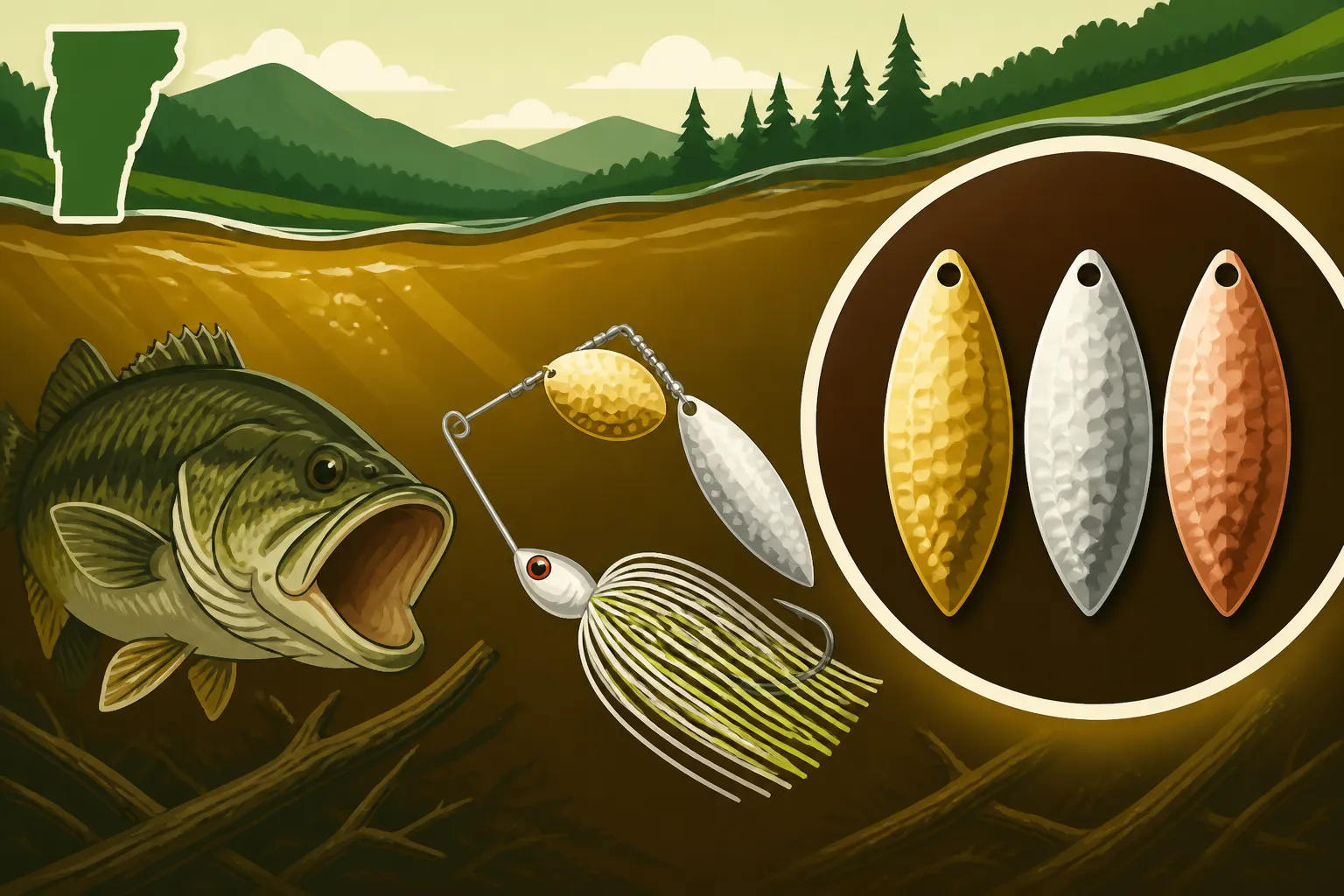
- Gold Blades: When the water has that brownish, tea-stained, or even slightly muddy look, gold is often your best friend. This color is fantastic in tannin-rich waters, common in many of Vermont's slower rivers and ponds, particularly those with a lot of swampy areas or decaying leaves nearby. Gold blades mimic the natural, warmer light tones that might penetrate these waters, and they often give off a more subdued, natural flash that can entice fish without spooking them. Many anglers find gold particularly effective for largemouth bass lurking in woody cover in these conditions. Consider a gold Colorado blade for maximum thumping vibration combined with that warm flash.
- Silver Blades: While gold shines in brownish stains, silver can be more effective in waters that are cloudy with silt, or after a heavy rain when the water has a grayish, off-white murkiness. It's also a great choice on overcast days, even if the water isn't heavily stained, as it reflects ambient light well. Silver creates a bright, sharp flash that can cut through lighter stains and grab a fish's attention. Think of it for smallmouth bass in slightly turbid river sections or for pike in cloudy lake bays.
- Copper Blades: Copper is a bit of a middle-ground, offering a slightly warmer, redder flash than gold. It can be a fantastic, subtle alternative when gold isn't quite cutting it, or when the stained water has a distinct reddish or brownish tint that gold just seems to blend into. Copper can sometimes perform well in cooler water temperatures or on days with lower light where you want a flash that's not as bright as silver but distinct from gold. It’s a good one to experiment with when the conditions are a bit ambiguous.
Bright & Fluorescent: Chartreuse, Orange, White
When the water gets really soupy, or you need maximum visibility, you turn to the power hitters of the color world. These colors stand out like a neon sign in the murky depths.
- Chartreuse Blades: This vibrant, almost glowing green-yellow is arguably the most famous stained water color for a reason. Chartreuse has an incredible ability to reflect UV light, making it highly visible to fish even when the water is extremely turbid or muddy. It creates a bold, unmistakable silhouette and flash. If the water is chocolate milk, or even a deep, dark tannin stain, chartreuse is often the first blade color many seasoned Vermont anglers reach for. It's a fantastic option for both largemouth and smallmouth bass, especially when paired with a contrasting skirt color.
- Orange Blades: Much like chartreuse, bright orange is excellent for contrast and visibility in stained water. It stands out well against dark backgrounds and can be particularly effective in those brownish or tannic stained waters where gold also excels, but you need an even more aggressive visual presence. Orange is also a great color during the fall, perhaps subconsciously mimicking the changing foliage, but more likely because its strong contrast continues to be effective.
- White Blades: A crisp, bright white blade creates a powerful, stark contrast in dark or muddy water. It reflects what little light is present and provides a clean, clear silhouette that fish can easily spot. White can be an extremely versatile option, especially on cloudy days where you want a brighter profile without the overwhelming glow of chartreuse. Many anglers find white to be a consistent producer in various levels of stained water, from slightly off-color to very murky. It’s a great search bait color, helping fish locate your offering quickly.
Combination and Painted Blades: When to Mix It Up
Sometimes, one color isn't enough. Modern spinnerbaits often come with combinations of blades, or blades that are entirely painted for maximum effect.
- Tandem Blade Combos: Don't be afraid to mix and match! A common and effective combination is a gold main blade with a smaller chartreuse or orange secondary blade. This gives you the warmth and natural reflection of gold, plus the eye-popping visibility of chartreuse. Or, a silver blade paired with white. Experimentation is key here, and many manufacturers, including popular options found at Bass Pro Shops, offer a huge variety of these combinations. The idea is to combine the best properties of different colors to create an irresistible visual and vibrational signature.
- Solid Painted Blades: Some spinnerbaits feature blades that are completely painted in a solid, non-metallic color, such as all-white, all-chartreuse, or even black. These are fantastic for creating a consistent silhouette and profile, especially the lighter colors in very dark water. A black blade, for instance, might seem counterintuitive, but in extremely dark or black water, it can create a very strong, distinct silhouette against the slightly lighter background of the water column. However, for most stained conditions, the brighter painted blades (chartreuse, white) will be more effective.
Matching Blade Color to Specific Vermont Stained Water Scenarios
Knowing the colors is one thing, but knowing when to use them in Vermont's diverse fishing environments is the real trick. Let's look at some common scenarios.
Post-Rain Runoff and Muddy Conditions
After a good soaking rain, especially a prolonged one, Vermont's rivers and even the shallower bays of its lakes can turn into a chocolate milk shake. This is where high-contrast and high-vibration are absolutely essential.
- Go Big and Bright: Your first instinct should be large Colorado blades (for maximum thumping vibration) in bright, fluorescent colors. Think chartreuse or white blades, either singly or in combination. These colors will stand out the most in extremely poor visibility.
- Slow it Down: Fish in muddy water are often disoriented and less willing to chase. Fish your spinnerbait slower, allowing the blades more time to generate vibration and flash in the fish's immediate vicinity. Target current breaks, eddies, and any submerged cover where bass might be hunkering down out of the main current.
- Consider a Tandem with Gold: If the muddy water has a brownish tint rather than a gray one, a chartreuse main blade with a smaller gold or copper secondary blade can be a deadly combination, offering both high visibility and a touch of natural warmth. This is a great time to check out something like a Strike King spinnerbait with a chartreuse/white or chartreuse/gold tandem blade configuration. If you're encountering these muddy conditions, you might also find our guide on Best Technique for Fishing Muddy Runoff Conditions helpful.
Tannin-Stained Rivers and Ponds
Vermont has many beautiful, slow-moving rivers and secluded ponds that are naturally stained with tannins, giving them a dark, tea-colored appearance. Think of some of the backwaters off the Missisquoi River or small, undisturbed ponds deep in the Green Mountains.
- Warm Metallics are Key: In these conditions, gold and copper blades often excel. They offer a natural-looking flash that can be very appealing to fish accustomed to these darker waters. The subtle warmth of these metallics can mimic baitfish scales in the dim light.
- Orange for Added Pop: If the gold isn't getting enough attention, try adding a splash of orange. An orange blade, or a gold blade paired with an orange skirt, can provide just enough extra visibility without being too aggressive.
- Focus on Edges and Structure: Fish in tannin-stained water might still have decent visibility in their immediate surroundings, but they'll often hold tight to cover like downed trees, lily pads, or undercut banks. Present your spinnerbait right up against these structures to maximize your chances.
Overcast Skies and Low Light
Even if the water isn't heavily stained, overcast conditions or fishing at dawn and dusk can effectively mimic stained water by reducing ambient light.
- Bright Metallics or Fluorescents: On heavily overcast days, silver blades can be fantastic, as they catch and reflect any available light, creating a bright flash. If the water has any stain at all, chartreuse or white blades will provide maximum visibility.
- Size Up Your Blades: In low light, regardless of water clarity, increasing the size of your spinnerbait blades can increase both vibration and flash, making your lure easier for fish to detect.
- Experiment with Tandems: This is a perfect scenario for trying tandem blades. A silver blade with a white or chartreuse secondary can offer the best of both worlds – reflective flash and high contrast.
Here’s a quick reference table for choosing your spinnerbait blade colors:
| Water Condition | Primary Blade Color Recommendations | Secondary Blade / Skirt Color | Why It Works |
|---|---|---|---|
| Heavy Mud/Chocolate Milk | Chartreuse, White, Bright Orange | White, Orange, Black | Max contrast, UV reflection, strong silhouette |
| Brownish/Tannin Stained | Gold, Copper | Orange, Chartreuse | Natural warmth, subtle flash, mimics forage in dim light |
| Cloudy/Silty (Grayish) | Silver, White, Chartreuse | White, Chartreuse | Bright reflection, high contrast in cool-toned murk |
| Slightly Off-Color/Greenish | Silver, White | Chartreuse, Green Pumpkin | Clean reflection, good contrast in lighter stain |
| Overcast/Low Light | Silver, Gold, White, Chartreuse | Any high-contrast color | Maximizes available light reflection or bold profile |
Remember, the goal is to make your spinnerbait impossible to ignore. Whether you're casting into a murky cove on Lake Champlain or a stained stretch of the White River, the right blade color, combined with proper presentation, can make all the difference. Don't be afraid to carry a variety of options in your tackle box; you can easily find diverse selections on Amazon or at local outfitters. If you're looking for more general tackle advice, be sure to check out Best Tackle for Vermont Smallmouth Bass. And for more gear suggestions, you might find articles like Best Rods for Vermont Lakes or Best Kayaks for Vermont Fishing useful.
Ultimately, confidence in your lure choice is a huge part of fishing success. When you understand why a particular blade color works in stained water, you'll cast it with more conviction, and that often translates to more fish in the net. So next time the water's murky in Vermont, grab those bright or metallic blades, tie one on, and get ready to hook some fish!
Disclaimer
This article is for general informational purposes only and does not constitute professional advice. Laws, prices and regulations vary by location and change over time. Consult a qualified professional for guidance on your specific situation.