Best circle hook size for bait fishing
There's nothing quite as disheartening as reeling in a fish only to find it deeply hooked, especially when you're committed to catch-and-release or if you're trying to abide by Vermont's conservation-minded fishing regulations. It's a common frustration, and many anglers, myself included, have spent years trying to minimize harm while still successfully landing fish. This guide is all about demystifying circle hooks—those seemingly simple but incredibly effective tools—and helping you choose the best sizes for the diverse array of fish you'll encounter in Vermont's beautiful lakes and rivers. We'll dive deep into why they work, how to size them correctly, and how to use them to become a more responsible and successful angler.
The Circle Hook Revolution: Why Anglers in Vermont Are Making the Switch
For generations, the J-hook was the undisputed king of fishing hooks. We all learned to set the hook with a mighty yank, and while it worked, it often resulted in fish being gut-hooked or taking the hook deep into their throats. This isn't just unpleasant; it's a real problem for fish survival, especially if you're practicing catch-and-release or targeting species with specific Vermont Bag and Possession Limits by Species where you might need to release smaller fish. Enter the circle hook: a game-changer for fish welfare and, surprisingly, for improving your hook-up ratio.
The Ethical Edge: Protecting Vermont's Fisheries
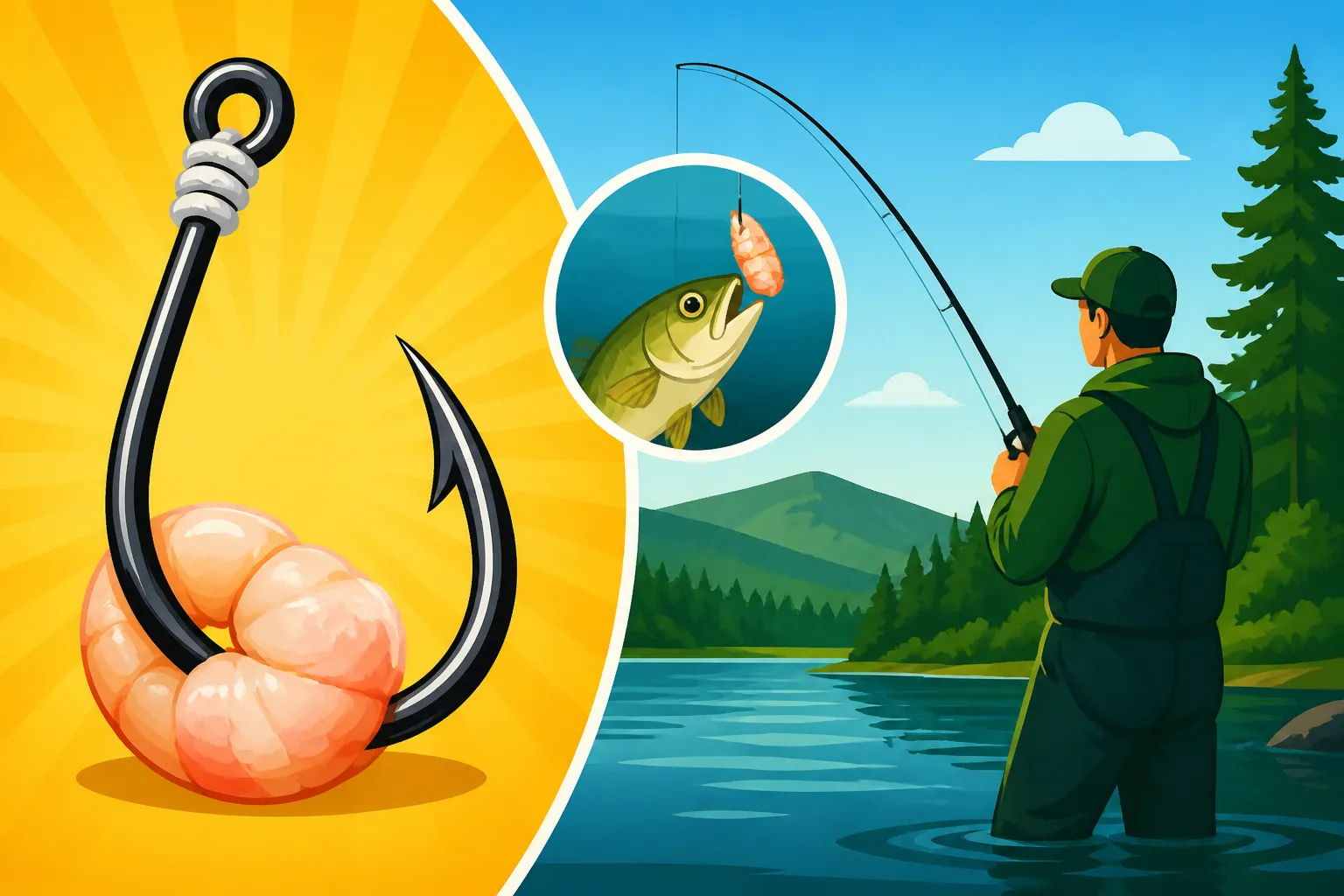
In Vermont, we pride ourselves on our pristine waters and healthy fish populations. Many of our rivers and lakes are managed for specific species, and maintaining their health is paramount. Circle hooks dramatically reduce the incidence of deep hooking because of their unique design. Unlike a J-hook that can easily get lodged in a fish's gullet when swallowed, a circle hook is designed to slide out of the esophagus and firmly lodge in the corner of the fish's mouth as the line tightens. This not only increases the chance of a healthy release but also helps maintain the vitality of our cherished fisheries for future generations. For anyone who's ever worried about a fish's chances after release, switching to circle hooks provides immense peace of mind. It’s a simple change that has a profound impact on conservation efforts, especially in sensitive waters or when targeting species like trout, where selective harvest might be encouraged.
The "Self-Setting" Advantage: How They Work Their Magic
The biggest paradigm shift for anglers moving to circle hooks is understanding the "no hookset" rule. This can feel incredibly counterintuitive if you've spent years practicing that sharp, wrist-snapping hookset. With a circle hook, you don't need to—and shouldn't—do that. The magic lies in the hook's shape. When a fish takes the bait and swims away, the line tightens. As the tension increases, the hook rotates in the fish's mouth until the point catches firmly in the corner of its jaw. Your job is simply to let the rod load up, reeling smoothly until you feel the weight of the fish.
Think of it this way: imagine you're fishing for wary trout in a clear Vermont stream. You've cast a perfectly presented worm, and you see a subtle take. Instead of yanking, you slowly lift the rod tip and start reeling. The circle hook does the work, ensuring a solid, lip-hooked catch. This gentle approach translates to fewer missed bites due to premature hooksets and more fish landed. It's a fantastic advantage for beginners who might struggle with timing a traditional hookset, and for seasoned pros, it means more consistent, cleaner hookups. This "self-setting" nature is particularly beneficial when using dead or still baits, where a fish often has time to swallow the bait before you detect the bite.
Decoding Circle Hook Sizes: What the Numbers Actually Mean
One of the most confusing aspects of buying fishing hooks, especially for newcomers, is the sizing system. It feels like it was designed to trip you up, and circle hooks are no exception! Understanding this system is crucial for selecting the right hook to maximize your chances of a successful catch and a healthy release in Vermont's waters.
The Inverted Logic of Sizing: From Tiny to Titanic
Alright, let's tackle the hook sizing conundrum head-on. It's truly a tale of two systems. For smaller hooks, typically used for panfish, smaller trout, or light freshwater applications, the sizing goes in reverse. A #10 hook is smaller than a #8, which is smaller than a #6, and so on, all the way down to a #1 hook. These are often referred to as "numbered" hooks. For instance, if you're targeting small yellow perch with a tiny piece of worm, you'd be looking at a #8 or #10 circle hook.
Then, once you get past the #1 hook, the system flips. For larger hooks, typically used for bigger bass, walleye, or even substantial lake trout and landlocked salmon, we use the "aught" system, denoted with a slash-zero (0) after the number. Here, the sizing increases with the number: a 1/0 (one-aught) hook is smaller than a 2/0, which is smaller than a 3/0, and so on. So, a 5/0 circle hook is significantly larger than a 1/0. This dual system can be a bit of a headache at first glance, but once you get the hang of it, it becomes second nature. Many popular brands available at Bass Pro Shops or found on Amazon will clearly label their hooks, making it easier to select.
Key Dimensions: Gap, Shank, and Wire Gauge
Beyond the general size number, there are a few other critical dimensions of a circle hook that influence its performance and your success on the water.
- Gap (or Gape): This is the distance between the hook point and the shank. A wider gap allows for larger baits and is crucial for the hook to rotate and catch the fish's jaw cleanly. If the gap is too narrow for your bait, the bait itself can obstruct the hook point, preventing a good hookset.
- Shank Length: The shank is the straight part of the hook that extends from the bend to the eye. Shorter shanks are generally preferred for live bait presentations as they allow the bait to swim more naturally. Longer shanks can sometimes provide a little more leverage for removing the hook, but for circle hooks, it's often about minimizing the overall footprint.
- Wire Gauge: This refers to the thickness of the metal wire used to make the hook. Light wire hooks (#10 to #4) are excellent for smaller, more delicate baits and species like panfish or smaller stocked trout, as they are less obtrusive. Medium wire hooks (#2 to 2/0) are versatile for a range of species like bass and walleye, offering a good balance of strength and finesse. Heavy wire hooks (3/0 and up) are designed for larger, stronger fish that can bend or break lighter hooks, such as big lake trout or powerful landlocked salmon. Choosing the right wire gauge ensures your hook holds up to the fight and matches the strength of your line and rod.
Pairing Circle Hooks with Vermont's Favorite Fish and Baits
Now that we understand the mechanics and sizing, let's get down to brass tacks: what circle hook sizes should you be using for the different fish you'll encounter in Vermont? Matching the hook size to the species' mouth size and your chosen bait is the cornerstone of successful circle hook fishing.
Trout and Panfish: Delicate Presentations for Smaller Mouths
Vermont is a haven for trout anglers, whether you're targeting brookies in a high mountain stream or chasing rainbow and brown trout in our rivers and stocked ponds. We also have an abundance of fantastic panfish like yellow perch and bluegill, perfect for a relaxed family outing. For these smaller-mouthed species, you'll want to lean towards the smaller, numbered circle hooks.
For trout (brook, brown, rainbow) and yellow perch, especially when using smaller baits like a piece of nightcrawler, garden worms, or even corn and PowerBait, hooks in the #10 to #6 range are generally ideal. A #8 circle hook is often a sweet spot for general trout and perch fishing. These smaller hooks allow the bait to be presented naturally and are perfectly sized to catch the corner of their relatively small mouths. Imagine fishing one of Vermont's many stocked ponds; a #8 circle hook with a worm threaded on is often all you need to get those trout to bite and ensure a clean release if they're undersized or if you've already met your Vermont Daily Trout Limit. You can find a wide selection of these smaller hooks readily available at any well-stocked tackle shop or by browsing options on Amazon.
For bluegill and other smaller sunfish, which have even tinier mouths, you might even drop down to a #12 or #10 circle hook if you're using very small bait like a grub or a tiny piece of worm. The goal is to ensure the hook point is exposed enough to do its job without being so large that the fish can't get it fully in its mouth.
Bass and Walleye: Versatility for Larger Predators
When you move up to species like smallmouth bass, largemouth bass, and walleye—which are prevalent in larger water bodies like Lake Champlain or Lake Bomoseen—you'll step into the "aught" sizes. These fish have larger mouths and are often targeted with bigger baits.
For smallmouth bass, a beloved sport fish in Vermont's lakes and rivers, and largemouth bass, a versatile 1/0 to 3/0 circle hook will cover most situations. If you're using smaller minnows or crawfish, a 1/0 or 2/0 is often perfect. If you're fishing with larger shiners or chunk baits, moving up to a 3/0 gives you more confidence. When targeting Smallmouth Bass Fishing in Vermont on Lake Champlain, for example, a 2/0 circle hook with a lively shiner fished near rocky points can be incredibly effective. The self-setting nature of the circle hook means you don't have to worry about a powerful bass swallowing the bait before you can react with a traditional hookset. You'll find a good array of these sizes at most outdoor retailers like Bass Pro Shops.
For walleye, especially those elusive giants on Lake Champlain, a 2/0 to 4/0 circle hook is generally recommended. Walleye can be quite particular, and their bite can be subtle. Using live bait like a large shiner or a piece of cut bait on a 3/0 circle hook increases your chances of a clean hookup in the corner of their mouth, which is especially important if you're practicing selective harvest on Lake Champlain's healthy walleye population. Anglers often fish these on a bottom rig or a slip-sinker rig, letting the fish take the bait naturally. The "no-hookset" rule is particularly important for walleye, as their paper-thin mouths can tear easily with a violent jerk.
Lake Trout and Salmon: Targeting Vermont's Deepwater Giants
For the true titans of Vermont's deep lakes, like the majestic lake trout found in Lake Champlain and Lake Willoughby, or the powerful landlocked salmon in Lake Willoughby and Seymour Lake, you need hooks that are robust and appropriately sized for larger baits and larger mouths.
For lake trout and landlocked salmon, you'll typically be looking at 4/0 to 6/0 circle hooks. These larger sizes are necessary when you're presenting substantial live baits like large smelt, suckers, or substantial chunks of cut bait, which are often irresistible to these apex predators. Trolling a large shiner on a 5/0 circle hook deep for Lake Trout Fishing in Vermont can yield incredible results. Similarly, when targeting landlocked salmon, a 4/0 circle hook with a full smelt presentation ensures the hook can rotate properly and find purchase in their tough jaws.
It's vital to use heavy-duty wire gauge hooks in these larger sizes, as these fish are incredibly strong and can easily straighten out a lighter hook. Many anglers find durable, quality circle hooks from brands like Gamakatsu or Owner, often available through online retailers like Amazon, to be reliable for these species. When you're spending hours on the water, potentially waiting for that one trophy fish, having the right hook is non-negotiable.
Here’s a quick reference table to help visualize these recommendations for Vermont’s common species:
| Species Category | Common Examples | Preferred Baits | Recommended Circle Hook Size Range | Notes |
|---|---|---|---|---|
| Small Panfish | Bluegill, Sunfish | Tiny worms, grubs, corn | #12 to #10 | Delicate presentation, tiny mouths. |
| Trout & Medium Panfish | Brook Trout, Rainbow Trout, Yellow Perch | Worms, small minnows, PowerBait | #10 to #6 | Versatile for many stocked and wild trout, general perch fishing. |
| Bass & Walleye | Smallmouth Bass, Largemouth Bass, Walleye | Shiners, crawfish, leeches, cut bait | 1/0 to 3/0 | Good all-rounder for larger freshwater game fish. |
| Large Game Fish | Lake Trout, Landlocked Salmon | Large shiners, smelt, suckers, chunk bait | 4/0 to 6/0 | Heavy-duty wire recommended for powerful fish and large baits. |
Mastering the Art of Fishing with Circle Hooks in Vermont
Making the switch to circle hooks isn't just about picking the right size; it's also about adjusting your technique. It’s a subtle change that makes a huge difference, particularly in how you handle a bite and fight a fish.
The Gentle Approach: Resisting the Hard Hookset
This is arguably the most crucial adjustment for any angler transitioning to circle hooks. Forget everything you know about aggressively setting the hook. With a circle hook, a hard, snapping hookset will almost always pull the hook right out of the fish's mouth without ever achieving a proper catch.
Instead, when you feel a bite, resist the urge to jerk. The process should be smooth and deliberate. Let the fish take the bait, and as it begins to move away or the line tightens, simply begin to reel steadily. As you reel, the tension in the line, combined with the fish's movement, will cause the circle hook to pivot and slide perfectly into the corner of the fish's jaw. You'll feel the rod tip load up, signaling a solid hookup. It's almost like you're simply retrieving your line, and the fish just happens to be on the other end. This "let the rod do the work" approach is incredibly effective for How to Catch Walleye on Lake Champlain where bites can be light, or for Fly Fishing for Trout in Vermont using bait where a delicate touch is paramount. This gentle method not only ensures a better hookset but also reduces the risk of breaking lighter lines or tearing a fish's mouth.
Bait Presentation and Rigging: Keeping it Natural
Proper bait presentation is always important, but with circle hooks, it takes on a slightly different nuance. The key is to ensure the hook point remains unobstructed so it can rotate freely and catch the fish's mouth.
When using live bait like minnows or worms, try to lightly hook the bait through a non-vital area, such as just behind the dorsal fin of a minnow, or once or twice through a worm to allow it to wiggle naturally. Avoid threading the entire worm up the shank if it covers the hook point. For cut bait, ensure the piece isn't so large that it completely smothers the hook point and gap. The goal is always to leave the business end of the hook exposed enough to grab hold. You can experiment with different baiting methods, but generally, less is more to keep that hook free. This natural presentation is especially useful when fishing for wary species, as they are less likely to detect the hook and drop the bait prematurely.
Hook Removal and Fish Care: Ensuring a Clean Release
One of the greatest benefits of circle hooks is how consistently they result in lip or jaw hookups. This makes hook removal much easier and far less traumatic for the fish, which is excellent for conservation, particularly if you're targeting species during sensitive times or in Vermont Catch and Release Fly Fishing Only Waters.
Once you've landed your fish, a good pair of long-nose pliers or a dedicated de-hooking tool will be your best friend. Because the hook is usually in the corner of the mouth, it's often visible and accessible. Simply grasp the hook firmly with your tool, twist gently if needed, and the hook should slide right out. Avoid tearing or ripping. If you need to handle the fish, wet your hands first to protect its delicate slime coat. For larger fish, like a hefty lake trout or a muskie (if you're on Lake Memphremagog targeting them with specialized gear), having a good rubberized landing net or a Boga Grip can help control the fish without touching its body, further minimizing stress before a safe release. Always minimize the time the fish is out of the water, especially in warmer conditions.
Ultimately, circle hooks are a fantastic tool for any angler in Vermont. They promote responsible fishing, reduce fish mortality, and with a slight adjustment in technique, can actually increase your success rate. By understanding how to properly size and use them, you're not just improving your fishing; you're contributing to the health and sustainability of Vermont's incredible aquatic ecosystems.
Disclaimer
This article is for general informational purposes only and does not constitute professional advice. Laws, prices and regulations vary by location and change over time. Consult a qualified professional for guidance on your specific situation.