Best fluorocarbon leader for clear lake bass
There’s nothing quite as frustrating as seeing a trophy smallmouth bass follow your lure all the way to the boat in a crystal-clear Vermont lake, only to turn its nose at the last second. Often, the culprit isn't your technique or your lure, but your fishing line – specifically, its visibility. For those challenging clear water conditions common in many of Vermont's stunning lakes, a fluorocarbon leader can be the game-changer you need to entice those wary bass.
Why Fluorocarbon is Your Secret Weapon for Clear Lake Bass
When you’re fishing for bass in waters as pristine as those found in Lake Champlain or Lake Dunmore, visibility becomes paramount. Bass, especially larger, older fish, can be incredibly line-shy. They’ve seen it all, and if something looks unnatural, they’ll ignore it. This is where fluorocarbon leaders truly shine, offering a distinct advantage over other line types.
The Invisibility Factor: Why Bass Can't See It
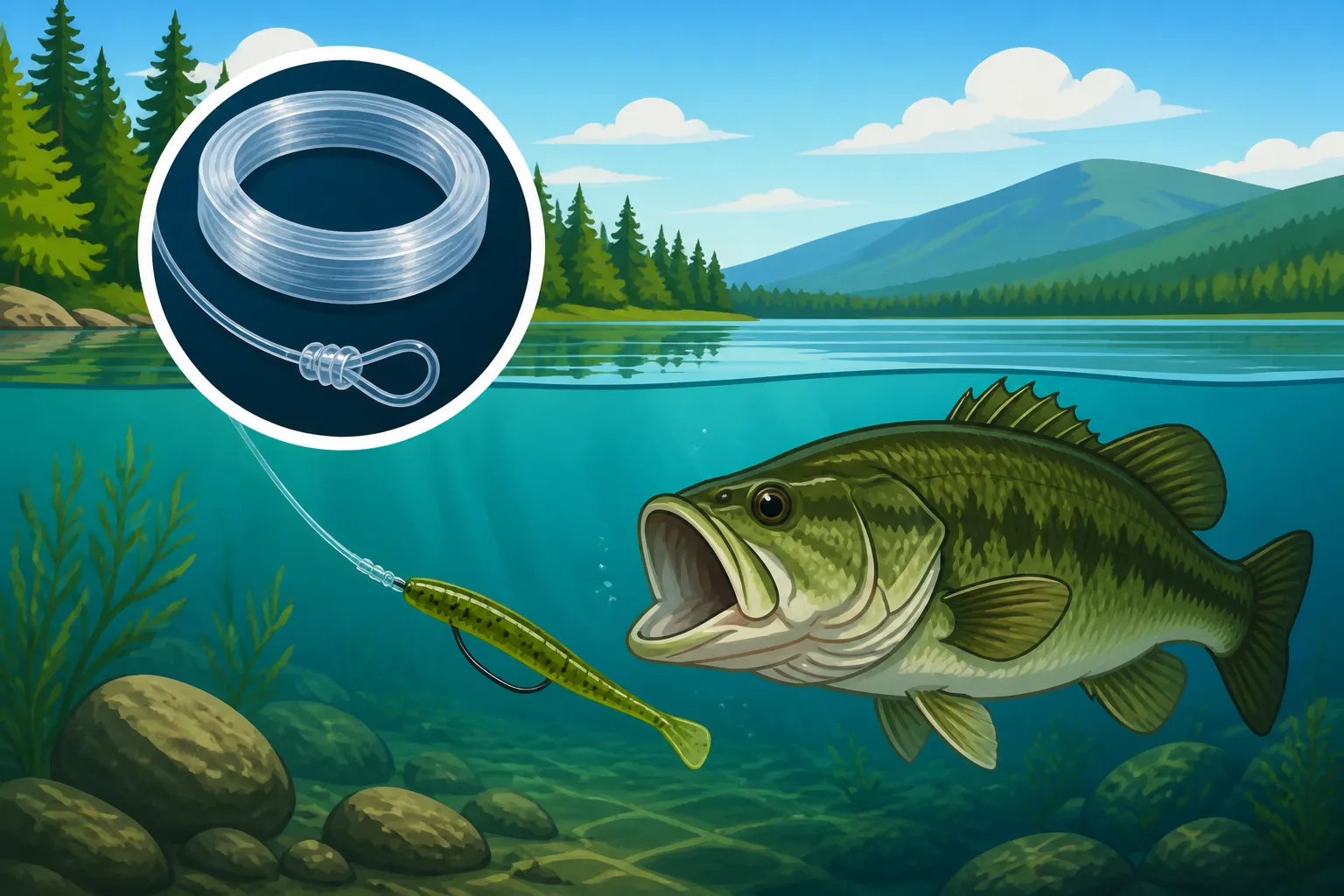
The magic of fluorocarbon lies in its unique light refractive index. In simple terms, this means that light passes through fluorocarbon line at nearly the same rate it passes through water. Think of it like a piece of glass submerged in water – it almost disappears. Traditional monofilament lines have a higher refractive index, making them more visible in the water, often appearing as a thin strand to the keen eyes of a bass. Braided line, while incredibly strong and sensitive, is even more visible due to its opaque nature and often brighter colors, which is why a fluorocarbon leader is almost always paired with braid in clear water.
This near-invisibility is critical in situations where bass have ample time to inspect your lure, such as when fishing slow-moving baits, drop-shots, or weightless wacky rigs in shallow, clear flats. Imagine pitching a finesse worm to a smallmouth lurking around a rock pile in Lake Bomoseen on a bright, sunny day. If that fish sees a thick, visible line attached to your bait, it's highly likely to spook or simply refuse to bite. With a fluorocarbon leader, your lure appears to move naturally, unencumbered by a visible tether, increasing your chances of a strike dramatically. This is a common tactic discussed in How to Catch Smallmouth Bass in Vermont Lakes.
Enhanced Sensitivity: Feeling Every Nibble
Beyond its low visibility, fluorocarbon offers superior sensitivity compared to monofilament. It’s a denser material, which means it transmits vibrations more efficiently. When a bass subtly picks up your bait, or your lure taps a piece of underwater structure, you'll feel it more distinctly through fluorocarbon. This can be the difference between missing a soft bite and setting the hook on a lunker.
For anglers using finesse techniques like drop-shotting or shaky head jigs, where detecting the lightest "tick" is crucial, the sensitivity of fluorocarbon is invaluable. Picture yourself working a jig along a deep contour on Lake Willoughby, hoping for a landlocked salmon or a big smallmouth. That subtle shift in pressure or faint tap could be a fish inhaling your bait. Fluorocarbon allows you to interpret these signals more clearly, giving you a better understanding of what’s happening at the business end of your line.
Superior Abrasion Resistance: Protecting Against Rough Terrain
Vermont's lakes and rivers can be tough on fishing line. Submerged timber, rocky shorelines, zebra mussels (yes, even in some Vermont waters like Lake Champlain!), and dock pilings can quickly fray and compromise standard lines. Fluorocarbon, being a tougher, denser material, boasts excellent abrasion resistance. This means it can withstand more abuse from underwater obstacles, significantly reducing the chances of break-offs when fighting a strong bass around cover.
While no line is completely immune to sharp edges, fluorocarbon offers a robust defense. This is especially important when targeting big smallmouth that often relate to rocky points, ledges, or rip-rap. Imagine a powerful smallmouth diving into a submerged brush pile on Waterbury Reservoir after taking your crankbait. With a sturdy fluorocarbon leader, you have a much better chance of muscling that fish out of the snags without snapping your line. It adds a crucial layer of confidence, allowing you to fish more aggressively around prime bass habitat.
Choosing the Right Fluorocarbon Leader for Vermont's Bass
Selecting the perfect fluorocarbon leader isn't a one-size-fits-all situation. It depends on several factors, including the size of the bass you're targeting, the type of cover you're fishing, and the specific technique you're employing.
Understanding Pound Test and Its Importance
The "pound test" of your fluorocarbon leader refers to its breaking strength. For bass fishing in clear Vermont lakes, you'll generally want to carry a range of leader strengths.
- Lighter Leaders (6-10 lb test): These are ideal for highly pressured, clear waters and finesse techniques where invisibility is absolutely critical. Think about drop-shotting a small bait in the open water of Lake Champlain when the bass are finicky, or fishing a light shaky head in a clear pond for wary largemouth. The lighter line allows for more natural bait presentation and is less visible. However, you'll need to be extra careful when fighting fish, especially around any kind of cover.
- Medium Leaders (12-17 lb test): This is your versatile workhorse range. It's a great choice for most applications, offering a good balance of invisibility, strength, and abrasion resistance. Use this for general crankbait fishing, Texas rigging soft plastics around lighter cover, or throwing spinnerbaits. If you're fishing for Smallmouth Bass Habits on Lake Champlain, this range will cover a lot of your needs.
- Heavy Leaders (20-25 lb test): When you're fishing heavy cover – thick weeds, dense laydowns, or rocky outcroppings where big bass lurk – a heavier leader is a must. This extra strength provides the backbone needed to pull big fish out of snags and resist abrasion. While more visible than lighter lines, the benefit of not breaking off in heavy cover usually outweighs the slight decrease in stealth for these scenarios. This might be appropriate when you're looking for Best trophy bass lakes in Vermont where big fish are likely to bury you in structure.
Table: Fluorocarbon Leader Strength & Application
| Pound Test (lb) | Ideal Applications | Typical Lures | Cover Type | Key Benefit |
|---|---|---|---|---|
| 6-10 | Finesse fishing, ultra-clear water, highly pressured | Drop shot, small shaky head, Ned rig, weightless | Sparse, open water | Max invisibility |
| 12-17 | General bass fishing, crankbaits, soft plastics | Crankbaits, spinnerbaits, Texas rig, jig | Moderate cover, docks | Versatility, balance |
| 20-25 | Heavy cover, big swimbaits, punching, frogging | Jigs, heavy Texas rig, big swimbaits, topwater | Dense weeds, timber, rocks | Max abrasion resistance |
Determining the Optimal Leader Length
The length of your fluorocarbon leader is also a critical factor. There’s no hard and fast rule, but here are some guidelines:
- Short Leaders (1-3 feet): Best for situations where you're fishing extremely heavy cover and need to quickly pull a fish out. The shorter length also reduces the chance of the leader knot hanging up in your rod guides during casting. This is common when flipping jigs or pitching into dense vegetation.
- Medium Leaders (4-8 feet): A good all-around length that offers increased stealth without being overly cumbersome to cast. This length keeps a significant portion of the invisible fluorocarbon in the water, away from your main line, which is often braid. It's excellent for most applications where a braid-to-fluoro connection is desired, such as casting jigs or soft plastics.
- Long Leaders (10-20+ feet): Reserved for ultra-clear, open water conditions where bass are exceptionally spooky. A long leader ensures that your main line (usually braid) is never near the lure, maximizing the illusion of a free-swimming bait. The downside is that casting can be more challenging, as the leader knot will need to pass through the rod guides multiple times. Many anglers using Best Bass Fishing Techniques for Lake Champlain will opt for longer leaders due to the clarity of the lake.
100% Fluorocarbon vs. Fluorocarbon Coated Line
It’s important to distinguish between 100% fluorocarbon line and fluorocarbon-coated monofilament.
- 100% Fluorocarbon: This is the real deal, offering all the benefits we've discussed: low visibility, high sensitivity, and excellent abrasion resistance. It's what you want for your leaders. Brands like Seaguar, Sunline, and Berkley offer excellent 100% fluorocarbon leader material. You can often find great deals on spools of these at local tackle shops or through online retailers like Amazon and Bass Pro Shops.
- Fluorocarbon Coated Monofilament: This is a monofilament line with a fluorocarbon coating. While it's generally less visible than pure monofilament, it doesn't offer the same level of invisibility, sensitivity, or abrasion resistance as 100% fluorocarbon. It's typically less expensive and can be a decent option for main line where a little stretch is desired, but it's not ideal for a leader when true invisibility is your goal in clear water.
Rigging Your Fluorocarbon Leader: Knots and Best Practices
Having the right leader is only half the battle; knowing how to tie it correctly and maintain it is just as important. A poorly tied knot or a neglected leader can lead to lost fish and endless frustration.
Essential Knots for Connecting Leader to Main Line
When connecting a fluorocarbon leader to a braided main line, you need a strong, low-profile knot that can handle the different properties of these two line types. Here are the most popular and reliable options:
- FG Knot: Considered by many to be the strongest and most streamlined braid-to-fluoro knot. It creates a very thin profile that slides through rod guides with minimal friction, making long casts easier. However, it can be intimidating to tie for beginners and requires practice. Once mastered, it offers unmatched strength and reliability. If you’re serious about finesse fishing in clear waters like Lake Champlain Fishing Guide, learning the FG knot is a game-changer.
- Double Uni Knot: A popular choice due to its relative ease of tying and good strength. While not as slim as the FG knot, it’s a dependable knot that many anglers use successfully. It involves tying two uni knots, one with your braid around the fluorocarbon, and one with the fluorocarbon around the braid, then pulling them tight together. It's a solid choice for a range of leader applications.
- Blood Knot: Traditionally used for connecting two lines of similar diameter, it can be adapted for braid-to-fluoro connections, especially if the line size difference isn't extreme. It's a strong knot but can be bulkier than the FG or Double Uni, which might cause issues casting through small rod guides.
No matter which knot you choose, moisten the knot with saliva before tightening it. This lubrication helps the line cinch down smoothly without friction that can weaken the line. Always test your knot by pulling firmly to ensure it's properly seated and strong.
Caring for Your Fluorocarbon Leader
Fluorocarbon, while durable, benefits from proper care:
- Check for Nicks and Abrasion: After every few casts, especially if you’ve fished near rocks, docks, or timber, run your fingers along the leader. Feel for any nicks, scrapes, or rough spots. Even a small imperfection can compromise the line's strength.
- Re-tie Frequently: If you detect any damage, or after catching a few fish, re-tie your leader. It's a small investment of time that can prevent losing a trophy. When fishing for Vermont Lake Champlain Fishing Rules, you don't want to risk a lost fish due to a worn leader.
- Manage Line Memory: Fluorocarbon can develop "memory," meaning it retains the shape of the spool. This can lead to coils in your leader. To reduce this, you can gently stretch a new length of leader material before tying it on, or lightly run it between your fingers to warm and straighten it. Some anglers prefer specific fluorocarbon leader materials that are designed to have less memory.
- Proper Storage: Keep your fluorocarbon spools out of direct sunlight and extreme heat, as this can degrade the line over time. Many high-quality fluorocarbon leader spools are available at sporting goods stores like Bass Pro Shops or online platforms like Amazon, so make sure to get the good stuff and protect it.
When to Ditch the Fluorocarbon (Or Use It Differently)
While fluorocarbon leaders are phenomenal for clear lake bass, they're not always the absolute best choice for every single situation. Understanding when to adjust your setup can make you a more versatile and successful angler.
Topwater and Surface Presentations
When you're throwing topwater baits like poppers, walking baits, or buzzing frogs, you generally want your lure to sit high on the water and move freely. Fluorocarbon, being denser than water, sinks. This can actually pull your topwater lure down slightly, hindering its action and making it less effective.
For topwater, many anglers prefer a monofilament leader (which floats) or even tying braid directly to the lure (though this can be more visible). The splash and commotion of a topwater bite often override the line visibility issue in these specific scenarios. If you're fishing for aggressive bass during early morning or late evening in areas like Best kayak fishing on Lake Willoughby, a straight braid-to-mono leader might be better for your surface lures.
Dirty or Murky Water Conditions
If you find yourself fishing in stained or muddy water – perhaps after heavy rain runoff in a river system or in a naturally turbid pond – the invisibility factor of fluorocarbon becomes less critical. In these conditions, bass rely more on vibration and scent to locate prey, rather than sight.
In dirty water, you might opt for a heavier monofilament leader for its shock absorption and knot strength, or even tie braid directly to your lure for maximum sensitivity and strength without worrying about line visibility. Sometimes, a brightly colored braid tied directly can even act as a strike indicator in extremely murky conditions.
The "All Mono" or "All Braid" Approach
Some anglers prefer to simplify their setup and stick with either all monofilament or all braid, depending on their technique.
- All Monofilament: For certain presentations, particularly those where stretch is beneficial (like fishing crankbaits on treble hooks, where the stretch can prevent tearing hooks out of a fish's mouth), or for light, simple setups, monofilament might be preferred. It's also easier to tie knots with and is generally more forgiving.
- All Braid: For techniques demanding extreme sensitivity or when fishing extremely heavy cover where line strength is paramount, some anglers will use straight braid. However, for bass, this is usually reserved for punching mats or frogging, where a short, heavy fluorocarbon leader is still often added to prevent line fraying on abrasive cover.
Ultimately, while fluorocarbon leaders are incredibly effective for clear water bass in Vermont, being mindful of the specific fishing conditions and adapting your line choice is key to consistent success. Experiment with different setups, pay attention to how the bass react, and don't be afraid to adjust.
Disclaimer
This article is for general informational purposes only and does not constitute professional advice. Laws, prices and regulations vary by location and change over time. Consult a qualified professional for guidance on your specific situation.