Which Vermont lake holds the state’s biggest muskellunge catch
For many anglers, the thought of landing a true behemoth fish is the ultimate dream, and in Vermont, few species inspire that kind of awe quite like the muskellunge. These legendary predators are the stuff of fishing lore, often requiring immense patience and specialized tactics. If you're wondering which specific body of water in Vermont holds the undisputed title for producing the biggest musky ever recorded, you've come to the right place. This guide will dive deep into the unique fishery that yields these giants and what makes it so special.
The Undisputed Home of Vermont's Biggest Muskellunge: Lake Memphremagog
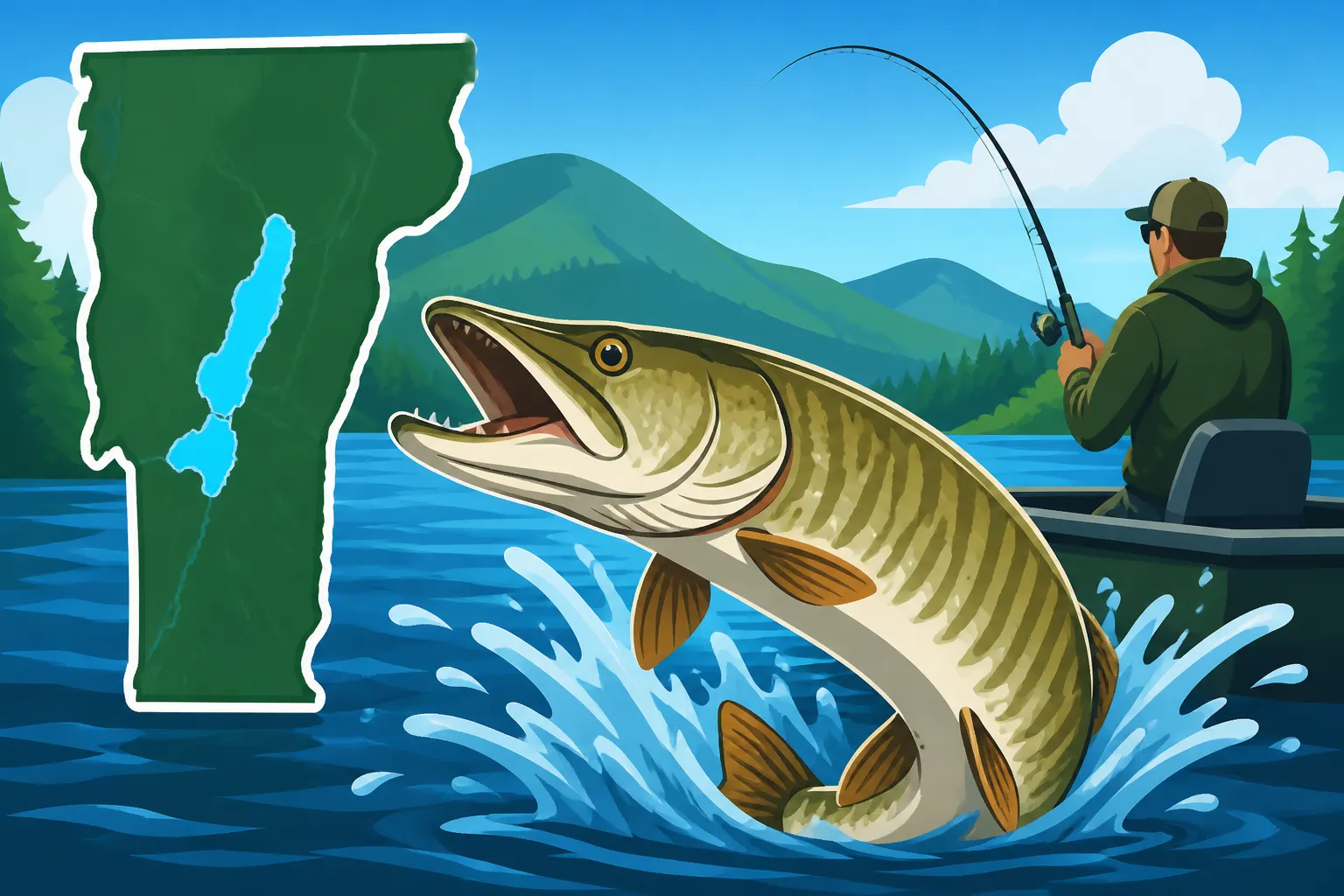
When it comes to muskellunge in Vermont, there's one name that rises above all others: Lake Memphremagog. This sprawling, deep, and often enigmatic lake is not just home to musky; it is, quite literally, the home of the state's record-breaking catches for this particular species. While other waters in Vermont might hold northern pike or even stocked tiger muskies (a hybrid), true, purebred muskellunge are primarily associated with the unique ecosystem of Memphremagog. If you're dreaming of a state-record musky, this is where you need to focus your attention.
The Current State Record Muskellunge and Its Significance
While I can't give you the exact date or the precise weight of the current state record muskellunge from Lake Memphremagog—those figures can shift over time as new giants are caught and certified—it's widely known that this impressive fish came from these waters. The state record stands as a testament to the lake's capacity to produce truly enormous musky. What makes this record particularly special is that it represents a self-sustaining, naturally reproducing population of these magnificent fish, unlike some other species that rely heavily on stocking programs. Catching a musky, let alone a record-setter, is an incredible feat that often takes thousands of casts and a lifetime of dedication. It speaks volumes about the health and vitality of Lake Memphremagog's musky population that it consistently yields such immense specimens. Anglers often spend years, even decades, pursuing this apex predator, making every successful catch, especially a trophy, a deeply memorable experience.
Why Lake Memphremagog is the Ideal Musky Habitat
Lake Memphremagog isn't just a big lake; it's a precisely tuned ecosystem for muskellunge. Straddling the international border with Quebec, Canada, this glacial lake boasts incredible depth, cold, clear waters, and an abundant forage base that allows musky to grow to staggering sizes.
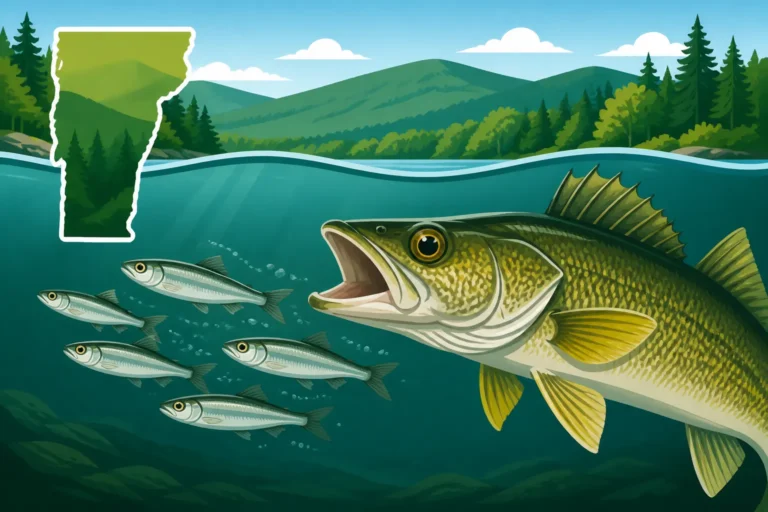
First, its sheer size—over 30 miles long with depths plunging hundreds of feet—provides ample room for these nomadic predators to roam and find their preferred habitat. Musky are not community pond fish; they need vast expanses of water. The lake's deep basins offer refuge during warmer months, while extensive weed lines, rocky points, and submerged structures provide ambush points for hunting. This complex underwater topography is critical. Second, the forage base is absolutely paramount. Lake Memphremagog is teeming with robust prey species like rainbow smelt, ciscoes (lake herring), suckers, and various panfish. These are high-protein, energy-rich meals that fuel the rapid growth of musky. A healthy forage base means the musky don't have to work as hard to find food, allowing them to conserve energy and put it towards growth. When a musky reaches trophy size, it's often because it has consistently had access to a rich diet. Finally, the cold, oxygen-rich water throughout the year is crucial for a cold-water species like the musky. Unlike some warmer, shallower lakes, Memphremagog maintains stable conditions that are ideal for their long-term health and development. These combined factors create a perfect storm for musky to thrive and reach the truly gargantuan sizes that capture state records. You can learn more about this incredible fishery in our Lake Memphremagog Fishing Guide.
Understanding Vermont's Muskellunge Fishery Beyond the Record
The allure of the state record often leads to questions about the broader muskellunge fishery in Vermont. It's important to understand that while Lake Memphremagog is the shining star for musky, the presence of these fish across the state is quite specific. This helps put the significance of the Memphremagog record into perspective.
Musky vs. Pike: A Common Confusion Among Anglers
One of the most frequent misconceptions among anglers, especially those new to Vermont's waters, is distinguishing between a northern pike and a true muskellunge. While both are long, toothy, ambush predators, they are distinct species, and the state record for musky refers specifically to Esox masquinongy, the purebred muskellunge.
Here's a quick rundown of their key differences:
| Feature | Northern Pike (Esox lucius) | Muskellunge (Esox masquinongy) |
|---|---|---|
| Body Markings | Light spots on a dark body; sometimes horizontal bars. | Dark spots or bars on a lighter body; can be more mottled. |
| Tail Fin | More rounded or slightly concave. | More deeply forked, often with pointed tips. |
| Scales on Cheek | Fully scaled. | Upper half scaled, lower half bare. |
| Scales on Operculum | Fully scaled. | Upper half scaled, lower half bare. |
| Pores Under Jaw | Typically 5 or fewer on each side. | Typically 6-9 or more on each side. |
| Size Potential | Generally smaller, though large pike exist. | Can grow significantly larger, reaching true "trophy" status. |
It's those gill plate and jaw pore counts that are the definitive identifiers, though tail shape and patterning are usually good indicators for a quick visual ID. The confusion is understandable, as they share similar habitats and hunting styles. However, the true muskellunge of Lake Memphremagog are a different beast entirely, known for their massive size and incredible fighting power. There are also "tiger muskies," which are a sterile hybrid of a musky and a northern pike, sometimes stocked in other waters, but these are not the purebred musky that holds the state record. For a deeper dive, check out our Muskellunge Habits on Lake Memphremagog article.
The Rarity and Challenge: Why Musky are "The Fish of 10,000 Casts"
The old adage "the fish of 10,000 casts" exists for a reason, and it holds particularly true for muskellunge in Vermont. These fish are not only rare in terms of their geographic distribution within the state, but they are also notoriously difficult to catch. This rarity contributes to why only one lake truly stands out for producing record-breakers.
Musky are apex predators, incredibly intelligent, and possess an almost supernatural ability to avoid being caught. They're often referred to as "moody" or "finicky." An angler might spend an entire day, or even several days, casting large, heavy lures into prime musky territory without a single strike, only for a fish to suddenly appear boatside and follow the lure before disappearing into the depths. This requires extreme patience, persistence, and a high level of mental fortitude. Furthermore, they grow very slowly. A truly massive musky that approaches state record size will have survived for many years, evading countless dangers and anglers, making its capture all the more special. It's not uncommon for dedicated musky anglers to go years between successful catches, which only amplifies the excitement when that monster finally commits. This incredible challenge is part of their mystique, attracting a devoted community of anglers willing to put in the time and effort.
Strategies for Targeting Memphremagog Muskellunge
Pursuing musky on Lake Memphremagog is an undertaking that requires specialized gear and specific techniques. You can't just show up with your bass rod and expect to land one of these giants. The lake's vastness and the fish's elusive nature demand preparation and persistence.
Essential Gear for Trophy Musky Fishing
Muskellunge fishing isn't for the faint of heart, nor for light tackle. These fish are powerful, aggressive, and their teeth can wreak havoc on inadequate gear. To stand a chance at landing one of Memphremagog's giants, you need heavy-duty equipment built for the task.
Rods and Reels: Think robust and sturdy. Musky rods are typically 8 to 10 feet long, with a heavy power and a fast action. This length provides leverage for casting large baits and fighting strong fish. Reels are usually baitcasting models with a high line capacity and a powerful drag system. You need to be able to cast big baits all day long without fatiguing, and then handle a fish that can peel line off your reel in an instant.
Line and Leaders: Braided line, in the 80 to 100-pound test range, is standard. Its no-stretch properties are crucial for setting hooks on tough-mouthed musky and feeling subtle bites. A heavy fluorocarbon or wire leader is absolutely essential, typically 80 to 130-pound test, to prevent bite-offs from their razor-sharp teeth. Don't skimp on leaders; losing a trophy fish because of a cheap leader is heartbreaking.
Lures: Musky baits are notoriously large and often expensive. Common choices include:
- Bucktails: Large spinners with deer hair skirts, designed to imitate baitfish. These are often the workhorses of musky fishing.
- Jerkbaits and Glide Baits: Hard-bodied lures that are worked with sharp rod twitches, imitating an injured baitfish.
- Crankbaits: Large, deep-diving plugs for trolling or casting over structure.
- Soft Plastics and Swimbaits: Increasingly popular for their realistic action and versatility.
When you're outfitting yourself, think about durability and quality. Brands like Amazon offer a wide selection of specialized musky gear, from rods to reels to various baits, making it a convenient place to find the heavy-duty equipment you'll need. Always ensure your hooks are sharp and your split rings are strong enough to withstand the incredible force of a thrashing musky. Investing in quality gear isn't just about catching fish; it's about being prepared for the fight of a lifetime and ensuring the fish can be landed and released safely. For more detailed insights, read our guide on Best Line Weight for Muskellunge Fishing.
Key Techniques and Seasons for Memphremagog Musky
Successfully targeting muskellunge on Lake Memphremagog involves a combination of understanding their behavior, knowing the lake's structure, and employing the right techniques at the right time.
Trolling: Given Memphremagog's vastness and depth, trolling is a highly effective method, especially for covering large amounts of water and targeting deeper-holding fish. Anglers often use large crankbaits, swimbaits, or even live bait (where legal and appropriate) behind planer boards or with downriggers to present lures at specific depths. Paying close attention to depth contours, sudden drop-offs, and humps revealed by your fish finder is key. Trolling allows you to explore different zones and find where the musky are actively feeding.
Casting: When musky are shallower or holding tight to structure like weed edges, rocky points, or submerged timber, casting large bucktails, jerkbaits, or glide baits can be incredibly productive. This is a very active and physically demanding technique, often involving hundreds, if not thousands, of casts in a day. Focus your efforts on known musky haunts and areas with good forage concentrations. The "figure-eight" maneuver at the side of the boat—where you sweep your rod in a figure-eight pattern as the lure approaches the boat—is a classic musky tactic that can trigger strikes from following fish.
Best Seasons: While musky can be caught throughout the open water season, late spring after the spawn and into early summer, and then again in the fall as water temperatures cool, are generally considered the prime times. In the spring, musky are recovering from spawning and feeding aggressively. In the fall, they are putting on weight before winter, making them very active feeders. Always consult the Vermont Muskellunge Regulations on Lake Memphremagog for specific season dates and any special rules. Understanding the seasonal movements of musky and their primary forage species will give you a significant advantage.
Responsible Angling and Conservation for Lake Memphremagog Muskellunge
Catching a muskellunge, especially a record-class fish, is a privilege, and it comes with a significant responsibility to the fishery. These are not only challenging fish to catch, but they are also a vital part of Lake Memphremagog's ecosystem. Proper handling and conservation practices are paramount to ensuring the continued health of this unique population.
Catch and Release Best Practices
Due to their slow growth rates, relative rarity, and the incredible effort it takes to land them, muskellunge are almost universally a catch-and-release fishery. Practicing proper catch-and-release techniques is not just good sportsmanship; it's critical for the survival of these magnificent fish and the future of the fishery.
Here’s what you need to prioritize:
- Minimize Fight Time: Use heavy tackle appropriate for the fish size to bring the musky to the boat as quickly as possible, reducing stress and exhaustion.
- Stay in the Water: Whenever possible, keep the fish in the water. If you must bring it aboard for a quick photo, ensure you have a large, knotless rubberized net.
- Use Proper Tools: Long-nosed pliers or jaw spreaders are essential for hook removal. Never put your fingers near a musky's mouth. Bolt cutters can be useful for clipping hooks on deeply hooked fish rather than trying to dig them out. Many dedicated musky anglers also carry a large, soft measuring board that can be wet down. You can find these essential tools on Amazon or at specialty tackle shops.
- Support the Fish: If lifting for a photo, support the fish horizontally with one hand under the gill plate (not in the gills) and the other supporting the tail. Never hold a musky vertically by the head or jaw, as this can severely damage its internal organs and spine.
- Revive Thoughtfully: After a quick photo and hook removal, cradle the fish in the water, facing into any current or gently moving it back and forth to help oxygenate its gills. Wait until it shows strong signs of recovery and can swim off under its own power before releasing it.
These practices give the musky the best chance of survival, ensuring that these incredible fish can continue to grow and reproduce, potentially becoming the next state record. Learn more by reading Muskellunge catch and release survival tips.
Navigating Regulations for International Waters
Lake Memphremagog presents a unique challenge for anglers due to its international status. While the lake holds Vermont's largest musky, roughly two-thirds of its surface area lies within Quebec, Canada. This means that anglers must be acutely aware of and adhere to the regulations of whichever jurisdiction they are fishing in.
For the Vermont portion of the lake, you must possess a valid Vermont fishing license and follow all Vermont fishing regulations, including specific rules for muskellunge. These rules cover everything from season dates and minimum length limits to daily possession limits and allowed gear. Crossing into Canadian waters, even inadvertently, without a valid Quebec fishing license and understanding their regulations can lead to serious penalties.
It is absolutely crucial to consult the Vermont Fish & Wildlife Department's official fishing regulations guide before heading out, and if you plan to fish the Canadian side, ensure you have the appropriate Canadian licenses and understand their distinct rules. Boundaries can sometimes be subtle on the water, so having reliable navigation equipment that shows the international border is highly advisable. Always err on the side of caution. Being knowledgeable about these regulations ensures a legal and enjoyable fishing experience while also contributing to the responsible management of this extraordinary musky fishery. For specific details, make sure to read Vermont Muskellunge Regulations on Lake Memphremagog.
Disclaimer
This article is for general informational purposes only and does not constitute professional advice. Laws, prices and regulations vary by location and change over time. Consult a qualified professional for guidance on your specific situation.