Is It Legal to Release a Muskellunge You Catch in Vermont?
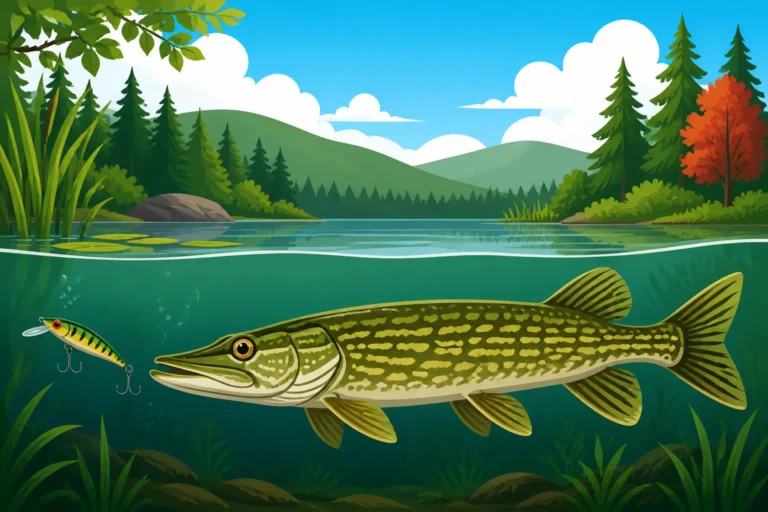
There’s nothing quite like the thrill of hooking into a powerful muskellunge in Vermont, especially when you consider their incredible comeback story in our waters. But with such a magnificent, often large, and somewhat rare fish, it’s natural to wonder about the etiquette and legalities of handling them once they’re boat-side. This guide will clarify everything you need to know about legally and responsibly releasing a muskellunge in Vermont, ensuring these impressive predators continue to thrive for years to come.
Understanding Vermont's Muskellunge Management Philosophy
Vermont's approach to muskellunge isn't just about catching them; it's deeply rooted in conservation and the successful re-establishment of a truly majestic native species. Unlike some fish where harvesting is encouraged, the focus with muskellunge is very much on letting them go to fight another day, contributing to a robust, self-sustaining population. This philosophy guides many of the regulations and best practices anglers are asked to follow.
The Revival of a Native Species
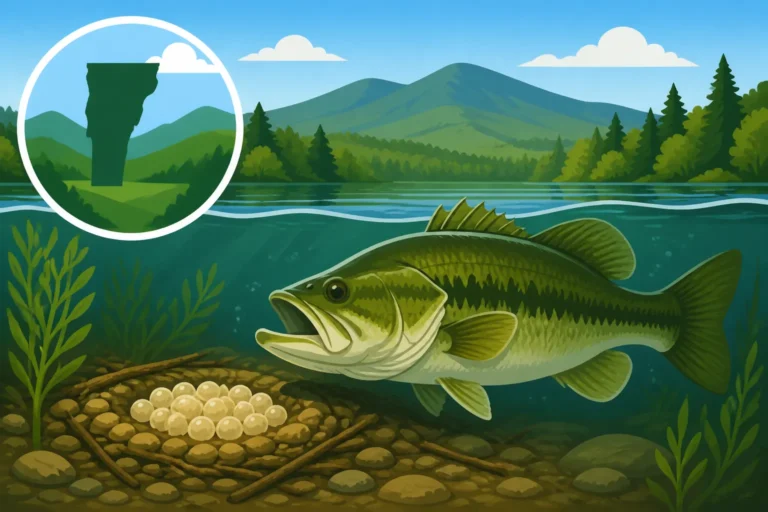
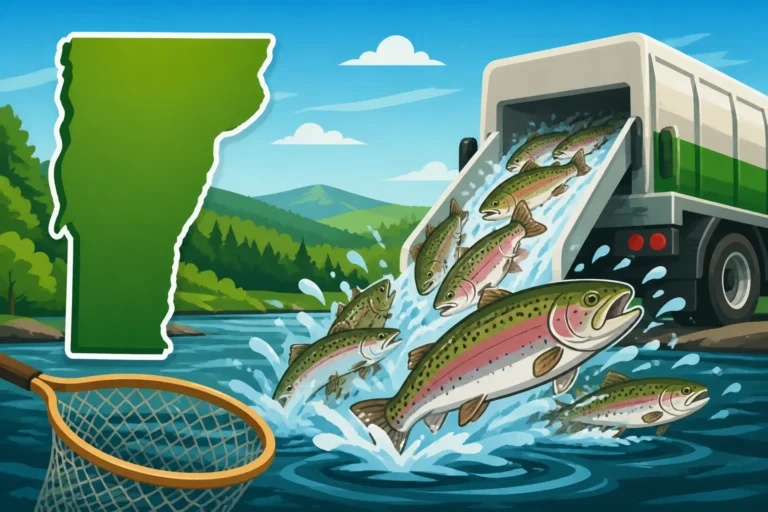
For many years, muskellunge were considered extirpated from Vermont waters. Habitat loss, pollution, and overfishing in previous centuries led to their disappearance. However, thanks to dedicated efforts by the Vermont Fish & Wildlife Department, particularly through stocking programs and habitat restoration, these incredible fish have made a remarkable return, primarily in Lake Memphremagog. This success story is a testament to what focused conservation can achieve. Because of this fragile but growing population, every angler plays a crucial role in its continued prosperity. Releasing a healthy musky isn't just a suggestion; it's a vital part of supporting this ongoing restoration. Every fish released, especially a large, mature one, is a future breeder, contributing to the next generation of giants that call Vermont home.
The Role of Anglers in Conservation
Anglers are often the first line of defense in conservation. When you’re out on the water, you're not just fishing; you're observing, learning, and impacting the ecosystem. For muskellunge, this impact can be significant. By choosing to practice careful catch and release, you're actively participating in the management strategy that allows these fish to reach impressive sizes and reproduce. This isn't just about adhering to a rule; it’s about a shared responsibility to protect a truly special fishery. The success of the muskellunge population directly correlates with how well anglers understand and implement responsible handling techniques, ensuring that future generations of Vermont anglers can experience the same thrill you do. It's a long-term investment, and your actions on the water make a real difference.
Best Practices for Catch and Release Muskellunge Fishing in Vermont
Catch and release for muskellunge isn't like handling a small panfish; it requires specific gear and techniques to ensure the fish's survival. These are powerful, toothy predators that can be easily injured or exhausted if not handled properly. Your goal should always be to minimize stress and get them back into the water quickly and safely. Learning and preparing for these techniques beforehand will make all the difference.
Essential Gear for Safe Handling
To ensure a successful and safe release for both you and the fish, having the right tools on hand is non-negotiable. Firstly, a large, rubberized landing net is paramount. The rubber coating protects the fish's delicate slime coat and fins from damage, which traditional knotted nylon nets often cause. You want a net with a wide hoop and deep basket to fully contain the fish. You can find excellent options for a Best Landing Net for Muskellunge on platforms like Amazon, ensuring you get one large enough for these substantial fish.
Next, a good pair of long-nosed pliers and jaw spreaders are crucial for safely removing hooks. Muskellunge have a mouthful of sharp teeth, and reaching in with bare hands is a recipe for injury. The pliers allow you to grasp the hook securely, while jaw spreaders can keep the mouth open, giving you access without putting your fingers at risk. Consider a robust hook remover for deeply set hooks. Finally, a bump board or measuring tape is essential for quickly measuring the fish while it's in the net or partially submerged, allowing you to gauge its size for reporting or personal records without unnecessarily stressing it. Having all these items easily accessible in your boat or kayak before you even cast a line will save valuable time during the actual catch.
The Act of Releasing a Muskellunge
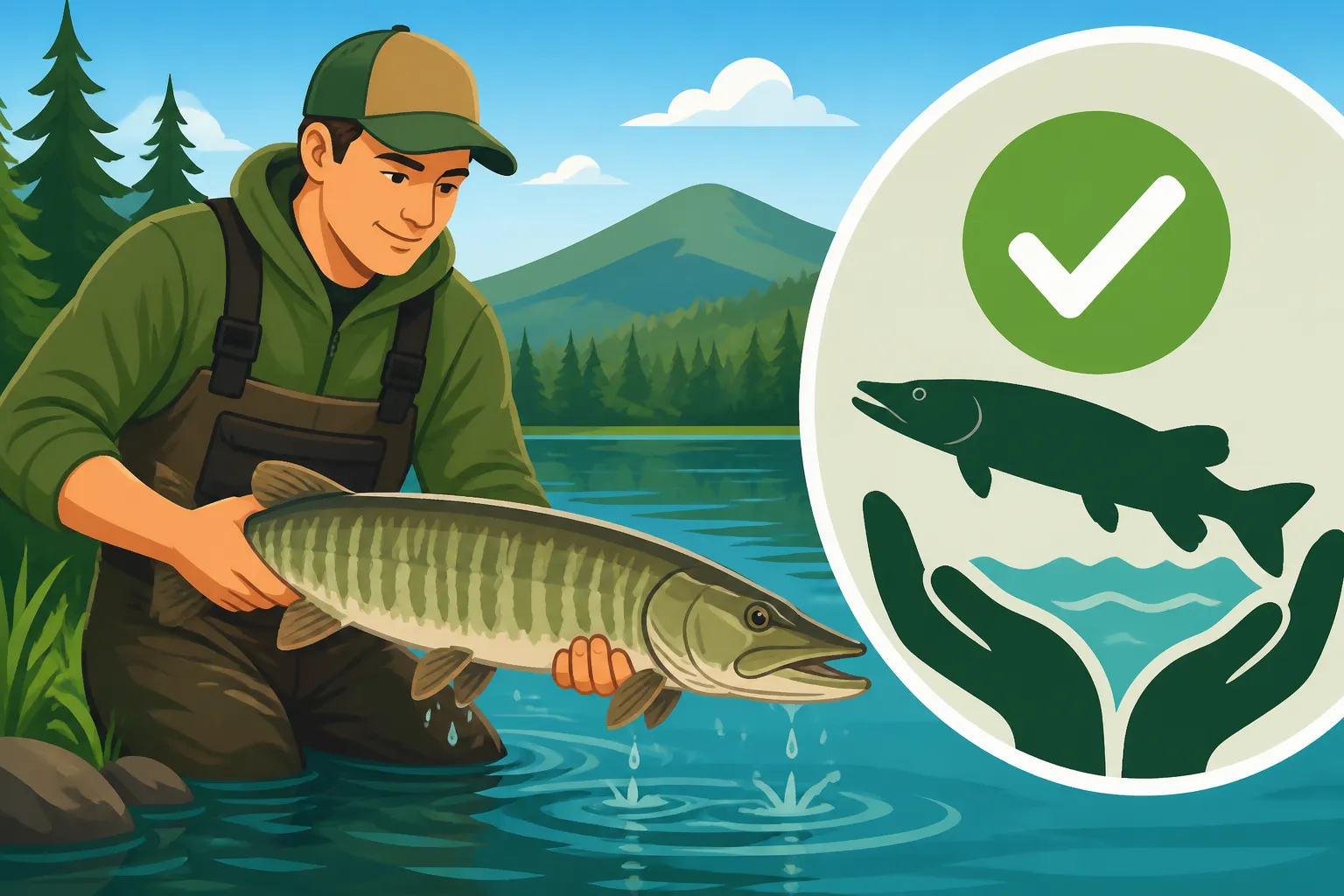
When you finally bring that musky to the boat, the clock starts ticking. The goal is a quick, efficient, and gentle release. First, keep the fish in the water as much as possible. If netting, leave the net partially submerged by the boat. If you need to bring it aboard for a quick photo, keep it horizontal, supporting its full body weight, especially its belly. Never hold a musky vertically by its jaw or gill plate, as this can cause severe internal damage.
With the fish still in the net and partially submerged, use your long-nosed pliers or hook remover to carefully extract the hook. If the hook is deeply set and cannot be removed quickly without causing further damage, it's often better to cut the line as close to the hook as possible; barbless hooks make this process much easier. Quickly take your measurement with the bump board and snap a photo if desired, all while keeping the fish as wet as possible. Avoid excessive squeezing or handling. When ready for release, gently guide the fish by its tail, or with one hand under its belly and the other on its tail, into the water. Hold it upright in the water, facing into any current, until it regains its strength and swims away on its own power. Sometimes a gentle back-and-forth motion can help circulate water over its gills. For more details on this, check out Muskellunge catch and release survival tips.
Minimizing Stress and Injury
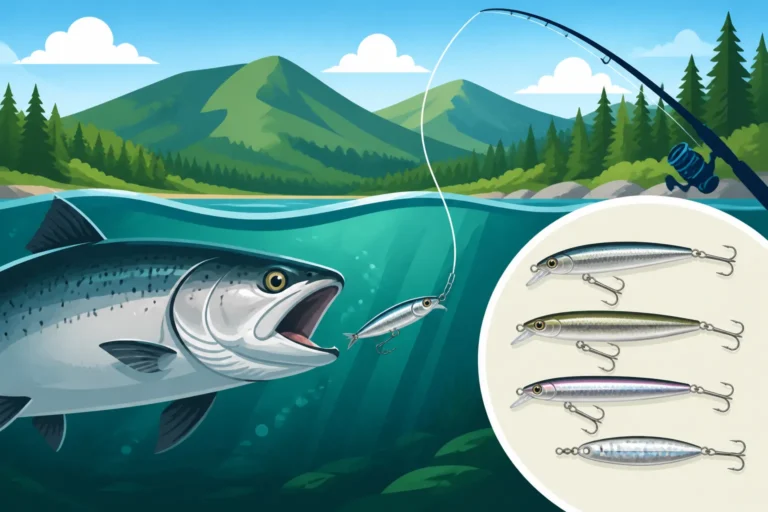
The entire process, from the fight to the release, should be focused on minimizing stress and physical injury to the fish. When a musky fights, it expends a lot of energy, accumulating lactic acid in its muscles, which can be fatal. Landing the fish as quickly as possible without "playing" it to exhaustion is important. This often means using heavier tackle than you might for other species; a strong rod, reel, and Best Line Weight for Muskellunge Fishing will help you subdue the fish efficiently.
During unhooking, if you find multiple treble hooks, consider cutting all but one to help with removal. If using lures with multiple treble hooks, you might even consider replacing them with single, barbless hooks to begin with. When the fish is out of the water for photos, limit this time to just a few seconds. A good practice is to have your camera ready, your partner ready, and the measuring board in position before you even lift the fish. Get the shot, get the measurement, and get the fish back in the water. Remember, a quick release dramatically increases the chances of survival for these incredible fish, allowing them to continue their growth and contribute to the population in Lake Memphremagog.
Here’s a quick checklist for responsible muskellunge handling:
| Action | Best Practice | Why it matters |
|---|---|---|
| Landing | Use a large, rubberized net, keep fish in water. | Protects slime coat, reduces stress, prevents injury. |
| Unhooking | Long-nosed pliers, jaw spreaders; cut line if needed. | Protects angler, minimizes damage to fish's mouth. |
| Measuring/Photo | Use a bump board, keep fish horizontal & wet, quick. | Supports organs, reduces air exposure, minimizes stress. |
| Releasing | Support fish upright in water until it swims away. | Allows gills to recover oxygen, ensures strength for survival. |
| Tackle | Heavy rod/line, consider single or barbless hooks. | Lands fish faster (less exhaustion), easier hook removal. |
Specific Regulations Affecting Muskellunge in Vermont
Vermont's fishing regulations are designed to protect and manage fish populations, and muskellunge are no exception. While catch and release is highly encouraged, there are still specific legal frameworks you need to be aware of, particularly concerning where and how you can target them. These rules are in place to support the continued recovery and health of the species. You can always check the official Vermont Fishing Regulations Guide for the most up-to-date details.
Lake Memphremagog: A Muskellunge Hotspot
When we talk about muskellunge in Vermont, we're almost exclusively talking about Lake Memphremagog. This large, deep lake, shared with Quebec, Canada, is the primary success story for muskellunge reintroduction. The Vermont Fish & Wildlife Department has invested considerable effort into stocking and monitoring this particular fishery. Because of its unique status, there are specific regulations that apply to Lake Memphremagog that might not apply statewide. For instance, there are specific length limits and daily creel limits (possession limits) for muskellunge on this lake. While it is entirely legal to release a muskellunge you catch here, it's also crucial to know the minimum length if you were to consider harvesting one (though again, release is strongly recommended). Familiarize yourself with Vermont Muskellunge Regulations on Lake Memphremagog before planning your trip to ensure compliance. This lake truly is a jewel for anglers seeking Muskellunge Fishing on Lake Memphremagog.
General Statewide Rules
Beyond Lake Memphremagog, the presence of muskellunge in other Vermont waters is far less common, though they can occasionally turn up elsewhere, often as strays or through unauthorized introductions. For these other waters, general statewide fishing regulations would apply. However, for muskellunge specifically, the focus of management and regulation is concentrated on Memphremagog. It's always a good idea to consult the latest Vermont fishing regulations guide for any body of water you plan to fish, as rules can vary by location and species. Even if you're targeting other species, an unexpected musky catch needs to be handled according to the regulations.
Understanding Length Limits and Creel Limits
Even with the strong emphasis on catch and release for muskellunge, regulations typically include minimum length limits and daily creel (possession) limits. A minimum length limit means that any fish caught below that specified size must be immediately released. This protects younger, immature fish, giving them a chance to grow and reproduce. Creel limits, on the other hand, dictate how many fish of a particular species you can keep in a single day. For muskellunge, these limits are usually very conservative, often a single fish, reflecting their status as a recovering population and the department's desire to promote their growth to trophy size.
While these limits exist, the overarching message from Vermont Fish & Wildlife is clear: responsible anglers practicing careful catch and release are the best way to support the long-term health and growth of the muskellunge fishery. So, while it's important to know the Vermont Muskellunge Regulations on Lake Memphremagog, your best bet for preserving these incredible fish is to handle them with care and send them back to grow even larger.
The Broader Impact of Responsible Angling on Vermont's Muskellunge Fishery
The decision to properly release a muskellunge goes far beyond a single fish; it has profound ripple effects throughout the entire aquatic ecosystem and impacts the future of fishing in Vermont. When anglers embrace careful catch and release practices, they become active partners in ecological health and recreational opportunity. This collective effort is what ensures the vitality of these fisheries for generations to come.
Ensuring Future Generations of Trophy Fish
Muskellunge are slow-growing fish, taking many years to reach the impressive sizes that make them such sought-after trophies. A 40-inch musky could be 10-15 years old, and a true giant even older. Every musky released safely has the chance to continue growing, mature, and contribute to spawning. This is particularly critical for large females, which produce more eggs and are vital for population health. By releasing these fish, you're not just letting one fish go; you're investing in the genetic potential of the entire population, allowing for bigger, stronger, and more abundant muskellunge in the future.
This commitment to releasing muskellunge is why Vermont's fishery for these giants, primarily in Lake Memphremagog, has seen such a significant resurgence. Without anglers actively returning these fish to the water, the stocking programs alone wouldn't be enough to build the robust, self-sustaining population that exists today. It’s a powerful example of how conservation-minded angling can directly lead to a thriving, high-quality fishery, offering incredible opportunities to catch How big muskellunge get on Lake Memphremagog.
Supporting the Ecosystem
Muskellunge sit at the top of the food chain in their aquatic environments. As apex predators, they play a critical role in maintaining the balance of fish populations below them. They help control numbers of various forage fish, ensuring that no single species overpopulates and strains resources. A healthy muskellunge population indicates a healthy overall ecosystem.
When you release a musky, you're not just releasing a fish; you're releasing a vital component of the lake's ecological balance. This contribution extends beyond just fish management; it influences everything from water quality to the health of other species in the food web. The return of these magnificent fish to Vermont waters is a conservation success story that highlights the importance of every angler's choices. By practicing responsible catch and release, you are supporting not only the future of muskellunge fishing but also the health and biodiversity of Vermont's stunning aquatic environments. It’s a win-win for both anglers and nature.
Disclaimer
This article is for general informational purposes only and does not constitute professional advice. Laws, prices and regulations vary by location and change over time. Consult a qualified professional for guidance on your specific situation.