Best technique for late fall smallmouth bass
As the vibrant foliage fades and the crisp air signals winter's approach, many anglers reluctantly tuck away their bass gear, convinced that the smallmouth bite has vanished until spring. But for those of us who embrace the chill, late fall in Vermont offers a unique, incredibly rewarding opportunity to target some of the biggest and most aggressive smallmouth bass of the year. This comprehensive guide is dedicated to revealing the best techniques to consistently hook into these bronze beauties when the water temperatures plummet and other anglers are safely indoors.
The Unique Challenge and Reward of Late Fall Smallmouth Fishing
Chasing smallmouth bass in late fall isn't for the faint of heart. The conditions can be challenging, with colder temperatures, fickle weather, and fish that seem to have vanished from their summer haunts. However, the anglers who understand this transitional period often find themselves handsomely rewarded with fewer crowds and some truly remarkable catches.
Defining "Late Fall" in Vermont Bass Fishing
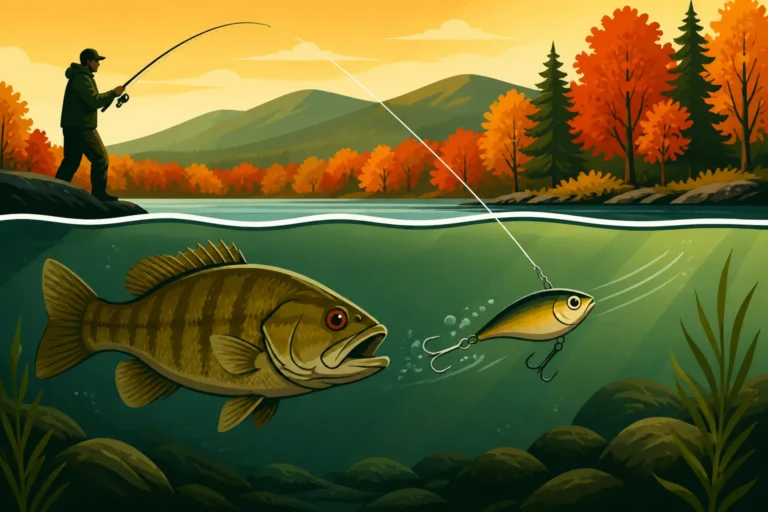
"Late fall" for smallmouth bass isn't a fixed calendar date; it's more about water temperature and fish behavior. In Vermont, this typically means water temperatures dropping into the 50s and then into the 40s. Once the surface temperature consistently dips below 55 degrees Fahrenheit, you're entering the late fall zone. This period usually runs from late October through November, right up until ice forms on our larger lakes like Lake Champlain or Lake Memphremagog. During this time, smallmouth will undergo significant changes in their location, metabolism, and feeding habits, moving from shallower summer structures to deeper wintering grounds. Understanding this shift is the first step to unlocking their secrets.
The Allure of Cold-Water Bass
Why bother with the added layers and numb fingers? Because the smallmouth bass you encounter in late fall are often the biggest and healthiest of the year. They've spent all summer gorging themselves, building up reserves for the lean winter months. While their metabolism slows, they still need to feed, and when they do, they're often looking for a substantial meal. Furthermore, as the water cools, these fish tend to congregate in specific areas, meaning if you find one, you're likely to find many more. The solitude on the water is also a huge bonus, allowing for a peaceful and focused fishing experience without the summertime boat traffic.
Understanding Smallmouth Behavior in Freezing Waters
To consistently catch smallmouth bass in late fall, you need to think like a smallmouth. Their entire world changes as the water cools, and their survival instincts kick in, driving them to specific locations and behaviors.
Seasonal Migration Patterns
As temperatures fall, smallmouth bass begin a slow, deliberate migration from their shallow, rocky summer feeding grounds to deeper, more stable environments. They're looking for areas that offer thermal refuge and a consistent food source throughout the winter. This often means moving to deep main lake basins, steep breaks, humps, or points that drop into significant depths. On a large body of water like Lake Champlain, they might move from shallow bays to offshore rock piles or deep humps adjacent to the main channel. The key here is looking for structure that provides access to both deep water (for stability) and shallower shelves (for foraging). These transition zones are where you'll find them congregating before they settle into their deepest winter haunts.
Forage and Feeding Habits
In late fall, smallmouth bass are primarily focused on high-protein, readily available forage. Crayfish, which were a summer staple, become less active as the water cools. Instead, smallmouth key in on baitfish like alewives, shiners, or the abundant rainbow smelt in many Vermont lakes. These baitfish often school up in deeper water, providing an attractive, concentrated food source. Because the smallmouth's metabolism has slowed, they aren't chasing down fast-moving prey as aggressively as they would in summer. They prefer an easy meal, often ambushing baitfish that swim by slowly or are stunned by the cold. This means your lure presentation needs to mimic a wounded or slow-moving baitfish, making it an irresistible, low-effort target.
Cold-Water Metabolism and Strike Zones
A smallmouth bass in 45-degree water is a far cry from one in 70-degree water. Their metabolism slows dramatically, meaning they digest food much slower and don't need to feed as often. This impacts their activity level and how they react to lures. Instead of wide-ranging hunts, they tend to hold tight to cover or structure, waiting for prey to come to them. Their strike zone shrinks considerably; they aren't going to chase a lure across 20 feet of water. Your presentation needs to be right in front of their face, often literally bumping them, to elicit a strike. This requires extreme precision, patience, and a willingness to work a small area thoroughly.
Key Techniques for Success in Late Fall
Successfully targeting late fall smallmouth requires a shift in tactics from your warmer weather approaches. Slow, subtle, and precise are the keywords here.
Vertical Jigging
When smallmouth congregate in deep water, often 20 to 50 feet down, vertical jigging becomes incredibly effective. This technique allows you to stay directly over the fish, presenting a lure right in their limited strike zone.
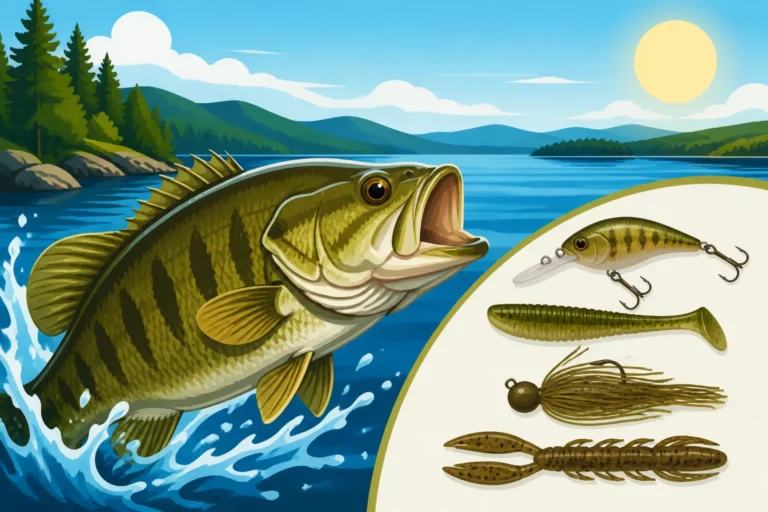
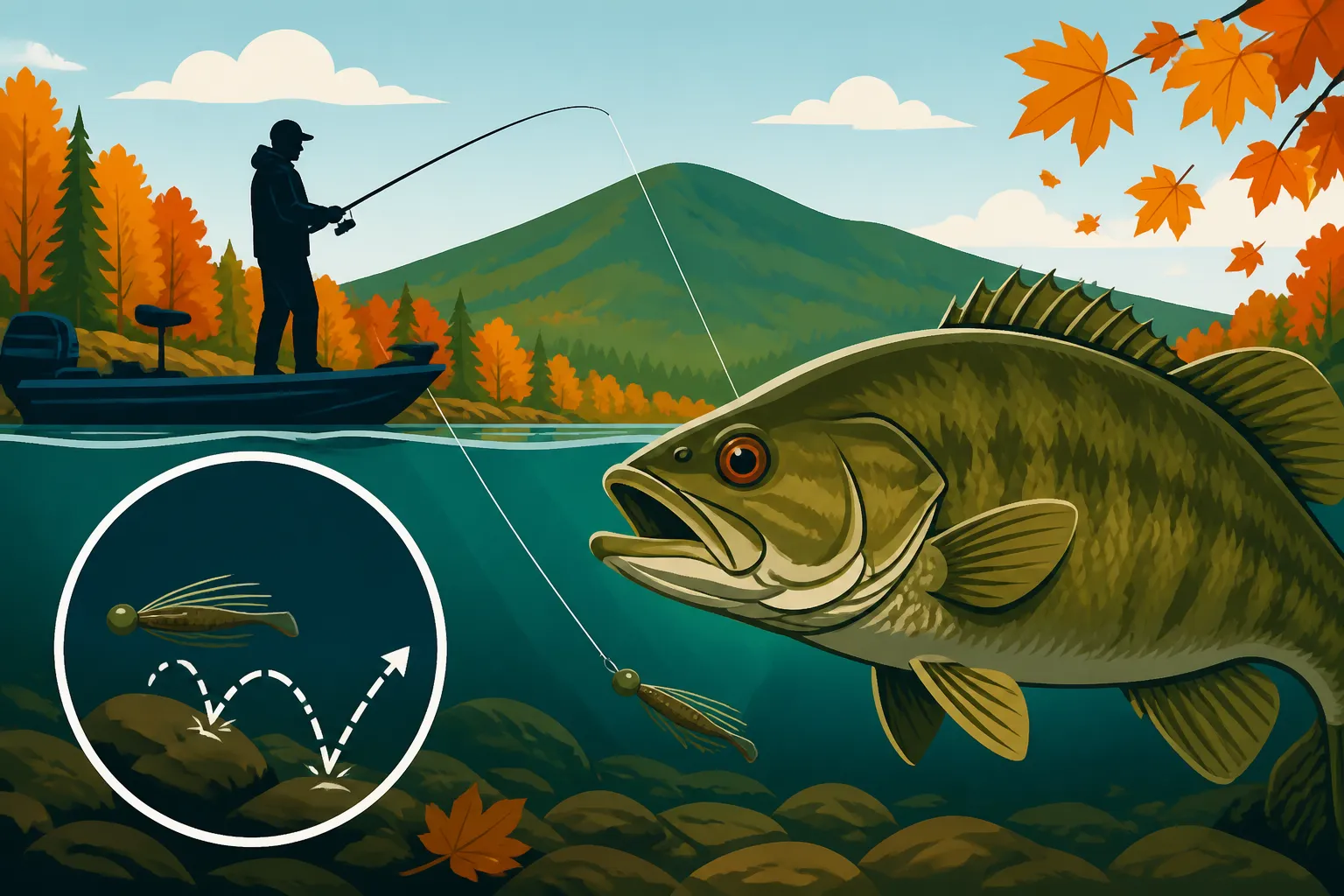
- Marabou Jigs and Hair Jigs: These are perhaps the quintessential cold-water smallmouth lures. Their natural hair or feather fibers breathe and undulate in the water with minimal movement, perfectly mimicking a dying baitfish or crayfish. Use jigs in the 3/8 to 3/4 ounce range, depending on depth and current. Colors like brown, black, olive, or white are excellent choices. Drop the jig to the bottom, then use a subtle lift-fall motion, often just inches, letting the jig flutter. The bites can be extremely subtle—a slight tap, a feeling of "weightlessness," or just a spongy sensation.
- Blade Baits: Lures like the Heddon Sonar or something similar, which you can easily find on Amazon, are fantastic for vertical jigging. Their compact, metal body creates a lot of vibration on the lift, then flutters enticingly on the fall. They are particularly good for "ripping" – a slightly more aggressive jigging motion that can draw reaction strikes from lethargic fish. A 1/2 to 3/4 ounce blade bait is a good starting point. Experiment with different lift heights and fall speeds.
- Drop Shot Rigs: While not strictly vertical jigging, a drop shot rig is another excellent way to present a soft plastic bait precisely in the strike zone of deep-holding fish. The weight keeps your bait at a fixed depth above the bottom, perfect for fish suspended just off structure. Small, finesse worms or minnow imitations on a drop shot hook are deadly. This technique truly excels when smallmouth are finicky, providing an incredibly natural, subtle presentation.
Dragging and Stroking Jigs
Another highly effective deep-water technique involves dragging or stroking jigs along the bottom, mimicking a slow-moving crayfish or a bottom-dwelling baitfish. This is particularly good for covering broader areas of deep flats or long points.
- Football Jigs with Trailers: A football-head jig, typically 1/2 to 1 ounce, paired with a small plastic crawfish or grub trailer, is perfect for dragging. The football head resists snagging and maintains bottom contact over rocky terrain. Cast it out, let it sink, then slowly drag it back with your rod tip, pausing frequently. The key is maintaining constant bottom contact. The retrieve should be agonizingly slow.
- Stroking Jigs: This is a more aggressive take on dragging. Cast out a heavier jig (3/4 to 1 ounce), let it sink, then "stroke" it quickly off the bottom with a sharp upward snap of the rod. Let it fall back on a semi-slack line, watching for any hesitation or line jump. The idea is to trigger a reaction strike from fish that might not respond to a purely subtle presentation. This can be physically demanding but incredibly rewarding when you hit the right cadence. Remember to check out the "Best Jigs for Ice Fishing Perch" article for ideas on cold-water jig types that might cross over well here, as perch often share similar deep-water haunts.
Slow Rolling Crankbaits and Swimbaits
While jigs dominate the deep, there are times when crankbaits and swimbaits can still shine, especially if smallmouth are feeding on baitfish slightly shallower or higher in the water column.
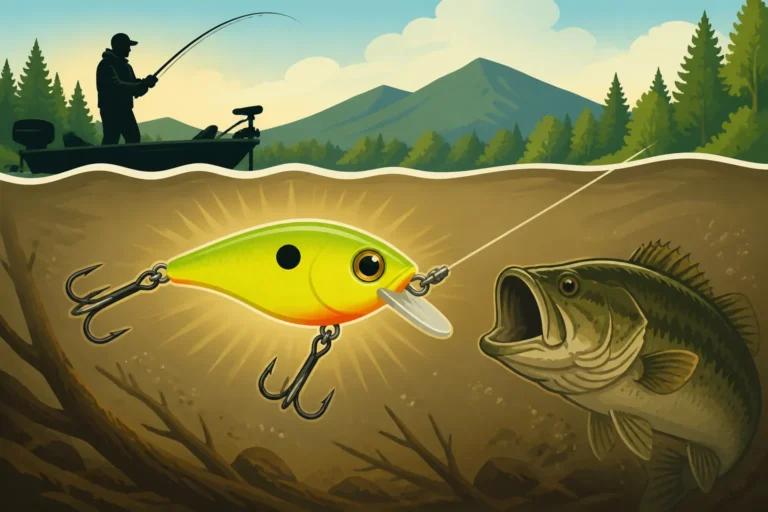
- Deep-Diving Crankbaits: Look for crankbaits that dive to the specific depth where you're finding fish. The key is to "slow roll" them. Instead of a fast, erratic retrieve, use a steady, slow retrieve, barely ticking the bottom or structure. The wider wobbles of some crankbaits can still attract attention, even in cold water. Colors mimicking baitfish (silver, bluegill patterns) are usually best.
- Soft Plastic Swimbaits: Rigged on a jig head (1/2 to 3/4 ounce), a soft plastic swimbait can be incredibly lifelike and effective. The tail action is subtle, and you can control the retrieve speed precisely. Cast it out, let it sink to the desired depth, and retrieve it just fast enough for the tail to kick. This is excellent for covering water and targeting suspended fish or those relating to open water bait schools. Often, finding good soft plastic swimbait options, especially specific brands and sizes, is easiest through online retailers like Amazon, where you can read reviews on their cold-water effectiveness.
Blade Baits and Underspins
These lures offer a combination of flash, vibration, and subtle action that can be irresistible to late fall smallmouth.
- Horizontal Blade Bait Retrieves: Besides vertical jigging, blade baits can be cast out and retrieved horizontally. Let them sink to the bottom, then use a "sweep and fall" retrieve. Sweep your rod sideways to move the bait a few feet, then let it fall back on a slack line. The flash and vibration on the sweep, followed by the seductive flutter on the fall, can trigger aggressive strikes.
- Underspins: An underspin jig head, which features a small spinner blade beneath the head, combined with a soft plastic swimbait, offers a unique presentation. The blade provides flash and vibration even at very slow retrieve speeds, while the swimbait provides the profile and action. This is a fantastic choice for mimicking baitfish that are just barely moving near the bottom or suspended over deep structure. A slow, steady retrieve is usually all it takes.
Essential Gear and Presentation for Cold-Water Success
Your equipment choice and how you present your lure are equally as important as the lure itself when temperatures drop.
Rod and Reel Choices
Sensitivity is paramount in late fall. You'll often be feeling for extremely subtle bites, sometimes just a faint "mushy" feeling on the line.
- Rods: Opt for sensitive, medium-light to medium power spinning rods or casting rods with a fast action. The fast tip allows for good lure control and detection of subtle bites, while the backbone provides enough power to handle larger fish. A rod in the 6'8" to 7'4" range is versatile for most jigging and casting applications. Consider specialized drop shot rods for ultimate finesse. Finding the Best Spinning Rods for Smallmouth Bass that balance sensitivity and power is crucial for this time of year.
- Reels: Smooth, reliable spinning reels in sizes 2000-3000 are excellent for lighter line and finesse presentations. For casting setups, a low-profile baitcasting reel with a smooth drag is preferred for heavier jigs and crankbaits. The smoothness of the retrieve and drag will be appreciated, especially when battling a cold-water smallmouth that may make fewer, but more powerful, runs.
Line Selection and Sensitivity
The right line can make all the difference in detecting those faint late fall bites.
- Fluorocarbon: This is often the top choice for late fall smallmouth. Its low stretch offers superior sensitivity, and its near-invisibility underwater is a huge advantage in the clearer, colder water. Use 8-12 pound test for most applications, going down to 6-8 pound for extreme finesse. Fluorocarbon's sinking properties also help your lures get down faster and stay deeper. For clear water lakes in Vermont, you'll want to review the Best Fluorocarbon Line for Clear Lake Water for specific recommendations.
- Braided Line with Fluorocarbon Leader: For maximum sensitivity and casting distance, some anglers prefer to use 10-20 pound braided line as their main line, tied to a 6-12 foot fluorocarbon leader with a strong knot like an FG knot. The braid provides unmatched sensitivity to detect even the slightest tap, and the fluorocarbon leader maintains stealth near the lure.
- Line Color: While less critical with a leader, a low-visibility main line (like green or clear braid) is always a good choice.
Electronics and Boat Positioning
In late fall, your fish finder becomes your best friend. Smallmouth are often in deeper water, making visual identification nearly impossible.
- High-Quality Fish Finder: A good sonar unit with down imaging and side imaging capabilities is invaluable. You'll use it to locate baitfish schools, identify deep structure (like rock piles, humps, or steep breaks), and most importantly, mark individual fish or schools of smallmouth. Look for suspended fish around bait or those clinging tight to the bottom. Investing in one of the Best Fish Finders for Vermont Lakes can truly elevate your cold-water game.
- Precise Boat Positioning: Once you've marked fish or promising structure, precise boat positioning is crucial. Use your trolling motor, ideally one with GPS spot-lock capabilities, to hold your boat directly over or near the fish. This allows for accurate vertical presentations and repeated casts to the target zone. Whether you're in a traditional bass boat or using a specialized Best Kayak for Lake Champlain, maintaining position is key.
Cold Weather Comfort and Safety
Don't let discomfort cut your fishing trip short. Late fall in Vermont can be bitterly cold, especially on the water.
- Layer Up: Wear multiple layers of warm, moisture-wicking clothing. A good waterproof and windproof outer shell is essential.
- Head, Hand, and Foot Protection: A warm hat, insulated gloves, and waterproof, insulated boots are non-negotiable. Cold hands make it impossible to feel subtle bites.
- Safety Gear: Always have a PFD (personal flotation device) easily accessible, and consider wearing an inflatable one. Cold water immersion is a serious danger. A thermos of hot coffee or soup can also make a huge difference in staying comfortable and alert.
Late Fall Smallmouth Lure and Technique Chart
To help you visualize and choose the right approach, here's a quick reference chart for late fall smallmouth techniques:
| Lure Type | Best Depth Range (feet) | Primary Target | Retrieve Style | Key Benefit |
|---|---|---|---|---|
| Marabou/Hair Jig | 15-50+ | Deep, sluggish smallmouth | Vertical lift & fall (subtle) | Extreme subtlety, natural movement |
| Blade Bait | 10-40 | Reactionary, deeper fish | Vertical rip & fall, horizontal sweep | Vibration, flash, triggers reaction |
| Drop Shot | 15-50+ | Finicky, suspended smallmouth | Subtle shakes, hold in place | Precise depth control, natural presentation |
| Football Jig/Craw | 15-40 | Bottom-dwelling, rock-related | Slow drag, hop, pause | Bottom contact, crayfish imitation |
| Soft Swimbait (jighead) | 10-30 | Suspended baitfish followers | Slow, steady retrieve | Realistic baitfish imitation, subtle kick |
| Deep Crankbait | 8-20 | Actively feeding, shallower | Slow roll, occasional pause | Covers water, wide wobble attraction |
Timing and Patience
Even with the best techniques, late fall smallmouth fishing requires patience. The fish don't feed continuously. Pay attention to weather patterns; stable, overcast days, especially those following a cold snap, can be productive. The best time of day can often be around midday when water temperatures are at their warmest, even if only by a degree or two. Look for smallmouth in areas where they can quickly access both deep water for security and shallower feeding zones. Remember that these fish are often concentrated, so once you find them, work the area thoroughly. Don't be afraid to make dozens of casts to the same spot with a slow, deliberate presentation.
Catching smallmouth bass in the dying days of fall is an art form, a testament to dedication and understanding. By adapting your mindset, techniques, and gear to the unique challenges of cold water, you'll discover that some of the year's most memorable catches are waiting for you, out there in the crisp Vermont air. Good luck, stay warm, and enjoy the bronze beauty!
Disclaimer
This article is for general informational purposes only and does not constitute professional advice. Laws, prices and regulations vary by location and change over time. Consult a qualified professional for guidance on your specific situation.