Best time to fish after a cold front
We’ve all been there: the weather forecast looks perfect, you’ve planned your Vermont fishing trip meticulously, and then a sudden cold front sweeps through, dropping temperatures, bringing rain, and generally making conditions miserable. The immediate aftermath can feel like hitting a brick wall when you get to the water. Fish suddenly disappear or refuse to bite, leaving you wondering if it's even worth casting a line. This guide is all about navigating those frustrating post-cold front conditions, helping you understand when to fish and how to adjust your strategy to still find success on Vermont's lakes and streams.
Understanding the Post-Cold Front Slump in Vermont
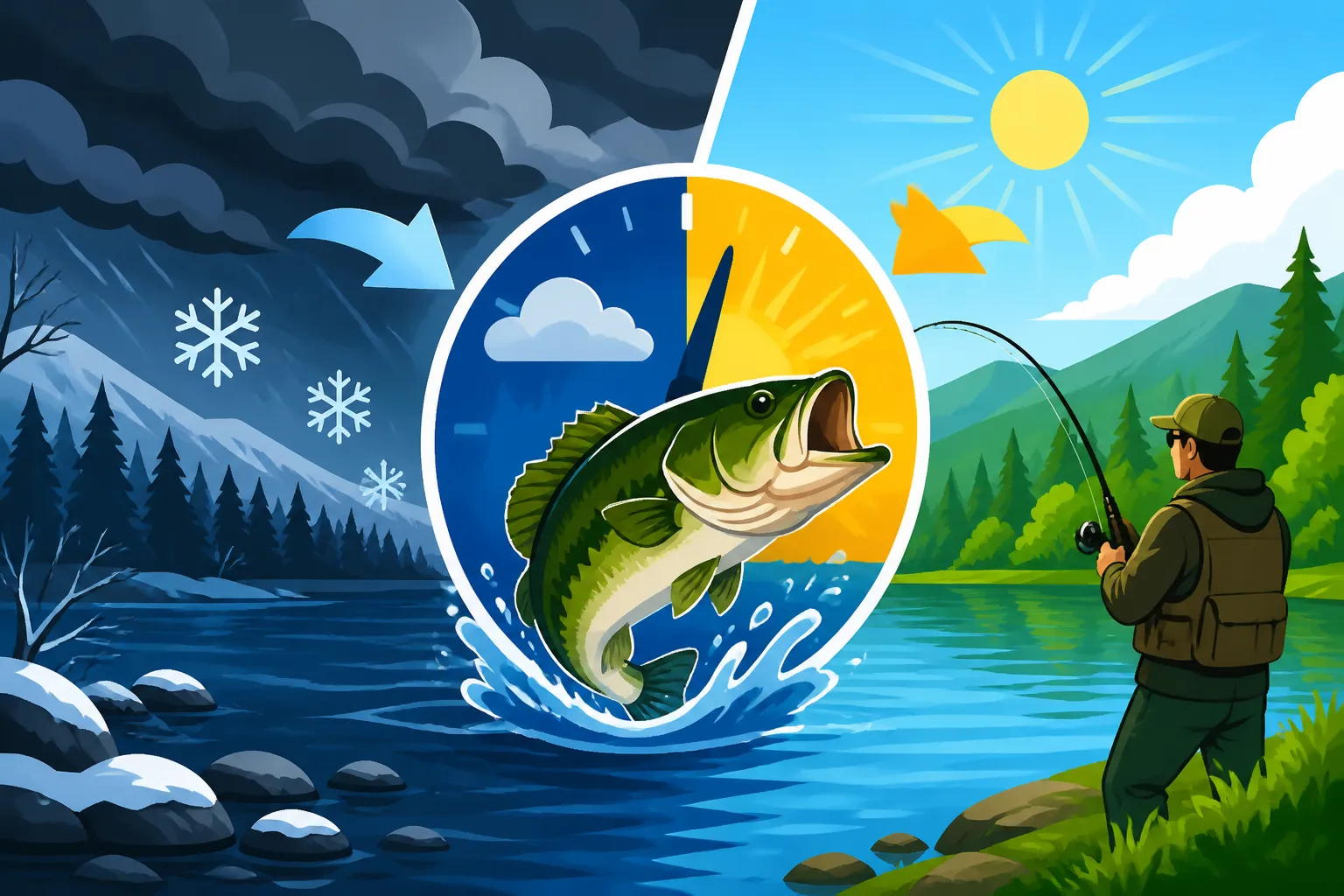
A cold front isn't just a drop in air temperature; it's a profound shift in the entire aquatic environment that sends fish into a temporary funk. It's not personal, it's just physics and biology at play, making our finned friends extra sensitive and often unwilling to cooperate.
The Barometric Pressure Rollercoaster and Fish Behavior
One of the biggest, yet often unseen, culprits behind the post-cold front slowdown is the dramatic change in barometric pressure. Before a cold front hits, the pressure often drops steadily, making fish feel more comfortable and active – sometimes even leading to a feeding frenzy. But once the front passes, the barometric pressure typically rises sharply and then stabilizes at a higher level. This sudden increase can be disorienting for fish, especially those with swim bladders, which are sensitive to pressure changes. It's like going from a relaxed, low-pressure environment to a tightly compressed one in a short amount of time.
This rapid shift usually makes fish retreat. They'll often move deeper, seeking more stable water conditions, or they'll hunker down tight to cover like submerged logs, rock piles, or weed beds, waiting for their internal systems to re-regulate. Their metabolism slows, their appetite diminishes, and they become much less inclined to chase fast-moving baits. Understanding how barometric pressure affects Vermont bass fishing, for instance, is crucial for adjusting your expectations and tactics. They simply won't be in a chasing mood, preferring to conserve energy until conditions stabilize.
Water Temperature Swings and Metabolic Slowdown
Along with pressure changes, a cold front brings plummeting air temperatures, which quickly translate to colder water. While deeper, larger bodies of water like Lake Champlain or Lake Memphremagog might not see an immediate, drastic change throughout their entire column, shallower areas, coves, and smaller streams can cool down remarkably fast. This rapid cooling can shock fish.
Fish are cold-blooded, meaning their body temperature is regulated by their environment. When the water temperature drops suddenly, their metabolic rate slows significantly. Think of it like a human trying to function at peak performance while shivering uncontrollably; it's just not going to happen. This metabolic slowdown means fish need less food, digest slower, and are generally less active. They'll become sluggish, move slower, and be less willing to expend energy chasing down a meal. This is particularly true for species like largemouth and smallmouth bass, which are highly sensitive to temperature fluctuations. Even trout, which prefer cooler water, can get a case of the "cold front blues" and become less aggressive. You might find them sulking in deep pools or undercuts in streams, rather than actively feeding in riffles.
Timing is Everything: When to Hit the Water After a Cold Front
The common wisdom of "don't bother fishing after a cold front" isn't entirely accurate, but the timing of your trip is absolutely critical. You can definitely still catch fish, but you need to pick your windows carefully.
The Immediate Aftermath: Patience is a Virtue
Resist the urge to rush out to the water the moment the sun breaks through after a cold front has passed. While the air might feel crisp and clean, the fish are still reeling from the shock. The barometric pressure is likely still high and perhaps hasn't fully stabilized, and the water temperatures are at their coolest point. Fishing immediately after a significant front has cleared can be one of the most challenging times, often leading to frustration and empty nets.
Instead, practice a little patience. The "best time to fish after a cold front" often means waiting until conditions have begun to stabilize and, ideally, improve. Give it at least 24 to 48 hours, if possible, especially after a particularly harsh front. This waiting period allows the barometric pressure to normalize, fish to acclimate to the new conditions, and crucial water temperatures to start their slow climb back up. Sometimes, just one full day of sunshine can make a world of difference in shallow coves or dark-bottomed areas.
Capitalizing on the Warm-Up Window
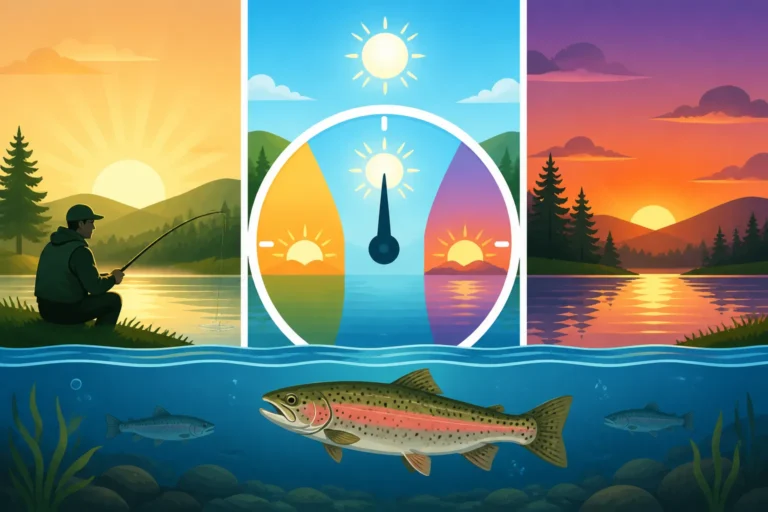
Once the immediate shock of the cold front has passed and the weather begins to stabilize, look for what I call the "warm-up window." This is typically during the brightest, warmest part of the day, often mid-morning to late afternoon. During this time, the sun has had a chance to penetrate the water, even if only by a few degrees. These subtle temperature increases can be enough to kickstart fish metabolism just enough to trigger a feeding response.
Focus your efforts on areas that will warm up the fastest. Think shallow, dark-bottomed flats, rocky shorelines, or protected coves that get direct sunlight for several hours. These spots act like solar collectors, absorbing heat and offering fish a comfortable zone where their metabolism can pick up slightly, making them more receptive to a meal. Even a one or two-degree increase can feel like a significant change to a cold, lethargic fish. This is often the prime time to fish, as fish will momentarily move into these slightly warmer zones to feed before retreating to deeper, more stable water as the day cools again. For more general advice on seasonal timing, check out our guide on the Vermont Fishing Seasons by Month.
Adapting Your Tactics: Lures, Baits, and Presentation
When fish are in a post-cold front funk, your usual aggressive tactics and flashy lures are often met with indifference. This is the time to embrace subtlety and slow things down significantly.
The Art of Slow and Subtle Presentation
Forget the fast retrieves and high-energy presentations you might use on a typical summer day. After a cold front, fish are lethargic and easily spooked. They're not going to chase anything aggressively, so your presentation needs to be slow, subtle, and practically put the meal right in front of their nose.
- Slower Retrieves: Whether you're using artificial lures or natural bait, slow down your retrieve to a crawl. For bass, think about dragging a jig or a soft plastic creature bait along the bottom, making long pauses. For trout, a dead-drifted nymph or a slowly retrieved small streamer can be deadly.
- Smaller Baits: Downsizing your lure is often key. A big, gaudy lure might overwhelm a finicky fish. Instead, opt for smaller profile baits that mimic natural forage without requiring a huge commitment from the fish. Think about a 2-3 inch grub or a Ned rig for bass, or micro jigs for panfish. On Amazon, you can find a huge variety of these smaller, more subtle baits that are often hard to find in local shops. For instance, for smallmouth bass on Lake Champlain, you might try tiny tube jigs or grubs, which are discussed further in our article on the Best Baits for Smallmouth Bass on Lake Champlain.
- Finesse Techniques: This is where finesse fishing shines. Drop shot rigs, shaky head jigs, and weightless wacky-rigged worms are excellent choices for bass. They offer a natural presentation with minimal movement, allowing you to suspend a bait right in the strike zone for an extended period. For trout, focus on precise fly casting with small nymph patterns or indicator fishing, keeping your flies in the slowest currents where trout might be holding. Check out our guide on Fly Fishing for Trout in Vermont for more inspiration.
- Natural Baits: Sometimes, nothing beats the real thing. Live bait, presented naturally and slowly, can be incredibly effective when artificials fail. Worms, minnows, or even a small piece of corn for stocked trout, fished under a bobber or on a slow drift, can entice even the most reluctant fish.
Going Deeper or Finding Warmer Pockets
Fish will seek comfort after a cold front, and "comfort" usually means stable temperatures and protection. Your job is to find those spots.
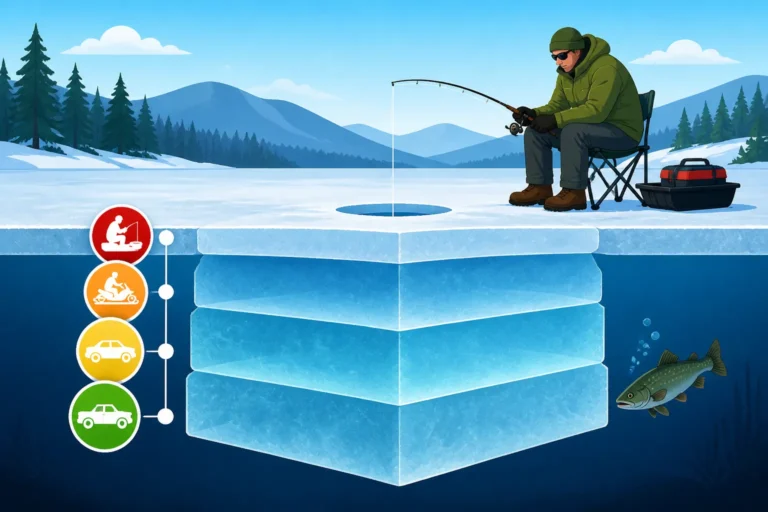
- Deeper Water Sanctuaries: In larger lakes and even some wider rivers, fish will often move to deeper water where temperature fluctuations are less severe. This could mean drop-offs, humps, ledges, or deep channels. For species like walleye on Lake Champlain, this retreat to deeper structure is almost a given. When ice fishing in Vermont, anglers often target deep basins after a severe cold snap, and the principle is similar even in open water. Focus your efforts with sensitive electronics to locate these deeper concentrations of fish and present your slow, subtle baits right to them.
- Sun-Drenched Shallower Refuges: Counter-intuitively, while many fish go deep, some will seek out shallow areas that warm up quickly with direct sunlight. These are typically protected coves, shallow flats with dark bottom compositions (mud or rocks), or areas with emergent vegetation that absorbs heat. These spots can offer a crucial thermal advantage, especially during the peak warming hours of the day. A few degrees difference can make a world of difference to a fish trying to warm its metabolism.
- Heavy Cover: Regardless of depth, fish will often gravitate towards the heaviest available cover. This could be thick weed beds, submerged timber, rock piles, or docks. They use this cover for protection from predators and as a thermal refuge. Pitching or flipping small jigs and soft plastics into these areas, with a slow, painstaking presentation, can often elicit a strike from a fish unwilling to move far for a meal.
Species-Specific Strategies for Cold Front Recovery
Different fish species react to cold fronts in various ways, so tailoring your approach to your target is essential.
Tricky Trout: From Streams to Lakes
Trout, especially wild brook trout and brown trout, can become incredibly skittish after a cold front in Vermont's streams and rivers. They'll often move from their active feeding lies in riffles and runs to deeper, slower pools, undercut banks, or beneath heavy cover.
- Stream Tactics: When targeting stream trout, focus on the deepest, slowest sections of pools. Dead-drift small nymphs (like a Copper John or Pheasant Tail) or micro-jigs very slowly, with minimal weight to allow for a natural descent. Stealth is paramount; approach carefully and make accurate casts to avoid spooking them. The Best Techniques for Early Spring Trout often overlap significantly with post-cold front strategies, emphasizing slow and subtle.
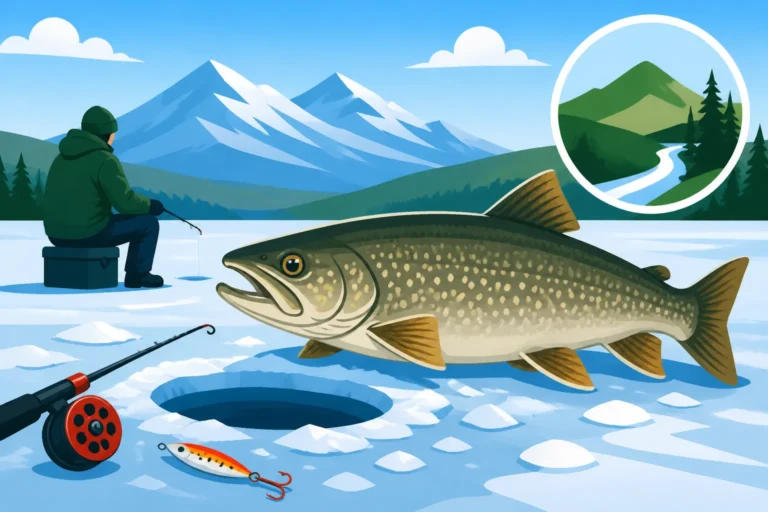
- Lake Tactics: In lakes, trout (including stocked rainbow trout and lake trout) will often suspend deeper or move closer to the bottom, especially near cold-water inlets or oxygen-rich depths. Trolling small spoons or stickbaits very slowly at targeted depths, or vertical jigging with small spoons or soft plastics, can be effective. Remember, they're not chasing, so a bait that lingers in their face is often best.
Lethargic Bass: Smallmouth and Largemouth
Both largemouth and smallmouth bass in Vermont are notoriously tough to catch after a cold front. They'll typically move off shallow flats and shoreline cover into deeper water or bury themselves in the thickest available structure. This is where those Cold Front Fishing Tactics for Vermont Bass really come into play.
- Smallmouth Bass: On bigger bodies of water like Lake Champlain, smallmouth bass will often pull out to deeper rock piles, humps, or main lake points. Look for them on your electronics. Focus on presenting a drop shot rig, a tube jig, or a Ned rig directly on these deep structures. The retrieve should be agonizingly slow – think small twitches, long pauses, and letting the current or subtle rod movements do most of the work. Our guide on How to Catch Smallmouth Bass in Vermont Lakes offers more deep-water insights.
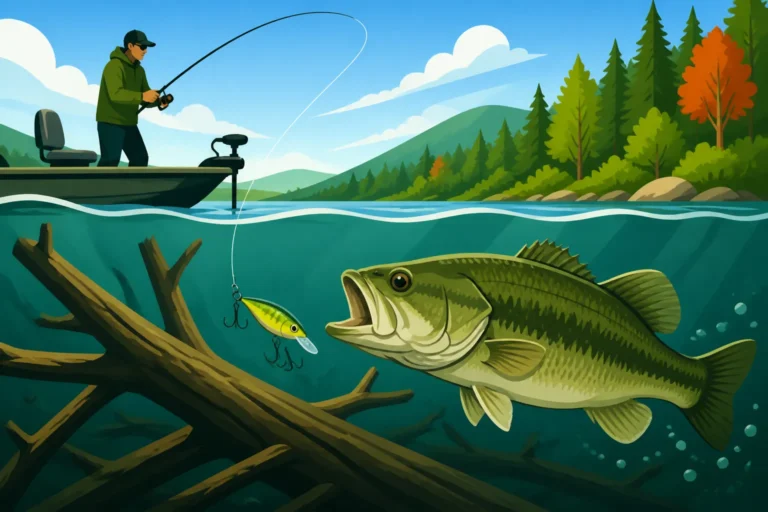
- Largemouth Bass: Largemouth often retreat into the thickest cover they can find: dense weed mats, submerged timber, lily pad fields, or boat docks. Punching jigs or weighted Texas-rigged soft plastics through thick vegetation can be effective, but again, the presentation must be slow once the bait reaches the bottom. A shaky head worm fished slowly around dock pilings or submerged brush can also draw strikes. For more specific tactics, refer to our article on How to Catch Largemouth Bass in Vermont.
Deepwater Dwellers: Walleye and Panfish
Walleye and panfish (like yellow perch and black crappie) are often slightly more tolerant of cold fronts than bass, but they still become less aggressive and often move deeper.
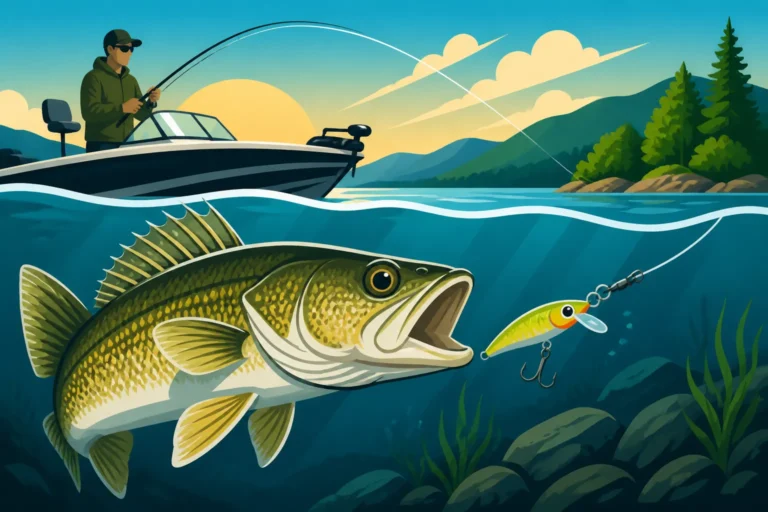
- Walleye: On Lake Champlain, walleye will often move to deeper flats, humps, or channel edges, particularly near points. Trolling deep-diving crankbaits very slowly can work, but vertical jigging with spoons or blade baits is often more productive. Experiment with different colors, but natural tones are usually a safe bet. Smallmouth bass and walleye share some deep-water haunts, so these tactics can sometimes produce both.
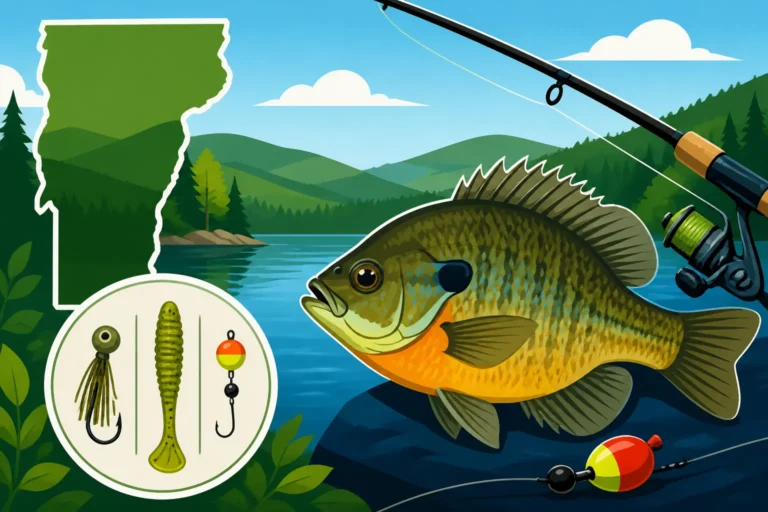
- Panfish: Yellow perch, black crappie, and bluegill will typically school up tightly in deeper water, often near submerged brush, timber, or weed lines. Look for them on your fish finder. Small jigs (1/32 to 1/16 ounce), tipped with a tiny piece of plastic, a grub, or even a small worm, fished vertically directly into the school, can be very effective. The key is to barely move the jig, letting it sit in the strike zone for extended periods. Sometimes, simply holding it still is enough to trigger a bite.
| Species | Typical Post-Cold Front Behavior | Recommended Tactics | Key Gear Adjustments |
|---|---|---|---|
| Trout | Retreat to deep, slow pools (streams); deeper in lakes | Slow dead-drifts, subtle retrieves, micro jigs | Lighter line, smaller flies/jigs, stealthy approach |
| Smallmouth Bass | Move to deep rock piles, humps, main lake points | Drop shot, tube jigs, Ned rigs, very slow retrieves | Finesse rods, fluorocarbon line, small soft plastics |
| Largemouth Bass | Bury in thick cover, deep weed lines, timber | Punching jigs, shaky heads, weightless plastics | Heavy cover rods, braided line (for punching), subtle colors |
| Walleye | Move to deep flats, channels, structured areas | Vertical jigging spoons/blade baits, slow deep trolling | Sensitive rods, electronics, deep-diving crankbaits |
| Panfish | School up tightly in deep water near cover | Micro jigs, tiny grubs, live bait, vertical fishing | Ultralight gear, very small baits, light line |
Navigating the post-cold front bite in Vermont demands patience, adaptability, and a willingness to slow down and go subtle. It might not be the easy fishing you dreamed of, but by understanding fish behavior and adjusting your tactics, you can turn a potentially frustrating day into a rewarding angling adventure.
Disclaimer
This article is for general informational purposes only and does not constitute professional advice. Laws, prices and regulations vary by location and change over time. Consult a qualified professional for guidance on your specific situation.