Best Techniques for Largemouth Bass in Vermont Ponds
There’s nothing quite like the frustration of staring at a seemingly perfect Vermont pond, knowing it holds some fat largemouth bass, yet struggling to get a single bite. Many anglers feel like these smaller, self-contained waters should be easier than vast lakes, but bass in ponds can be incredibly finicky, especially with fluctuating weather or fishing pressure. This guide is here to break down the most effective techniques for targeting largemouth bass in Vermont's diverse pond environments, helping you unlock their secrets and fill your day with exhilarating catches.
Understanding the Unique Ecosystem of Vermont Ponds
Ponds, unlike large lakes or rivers, are often microcosms of their own. They have distinct characteristics that greatly influence where and how largemouth bass live, feed, and react to angling pressure. To consistently catch these impressive fish, it's crucial to first understand the environment they inhabit.
Key Pond Features and Habitat for Largemouth Bass
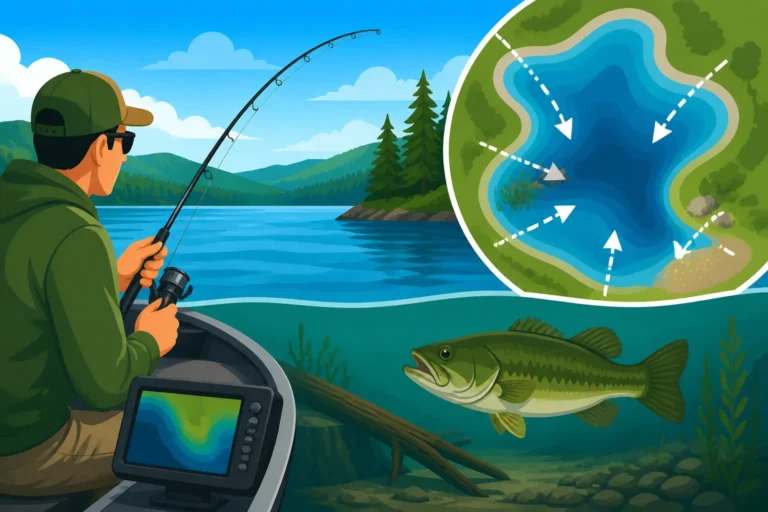
Vermont ponds come in all shapes and sizes, from small, secluded farm ponds to larger, publicly accessible bodies of water, often tucked away in a state park or recreation area. What they all share, however, are predictable features that largemouth bass absolutely love. You'll typically find bass holding tight to some form of cover or structure, using it for ambush points, protection from predators, and even thermal regulation.
Think about dense lily pad fields that stretch for yards, creating a shady canopy where bass can lurk, hidden from overhead predators like ospreys and waiting to ambush frogs or smaller fish. Submerged timber – fallen trees, old stumps, or even sunken brush piles – offers fantastic vertical structure, drawing bass from various depths. Weed lines, especially those distinct edges where deep weeds meet open water, are prime real estate for bass to cruise and hunt. And don't forget docks and other man-made structures; these provide shade and cover, making them irresistible to bass looking for an easy meal or a comfortable place to hide. Understanding these habitats is the first step in unlocking success.
Forage and Feeding Habits in Pond Environments
What largemouth bass eat in Vermont ponds largely dictates the lures and techniques you should employ. Unlike massive lakes where baitfish might be the primary food source, pond bass often have a more varied diet. Sure, minnows and smaller sunfish are on the menu, but frogs are an absolutely crucial food source, especially in weed-choked or lily pad-covered ponds. Crayfish, abundant in many Vermont ponds, are another protein-rich meal that bass won't pass up.
Largemouth bass are opportunistic predators, meaning they'll eat whatever is readily available and easy to catch. This makes them highly responsive to presentations that mimic their natural prey. If you notice a lot of frogs jumping around the edges, a topwater frog imitation is probably going to be a winner. If you see crayfish shells on the bank or flip over a few rocks, a soft plastic creature bait or jig might be the ticket. Paying attention to these details can make a huge difference.
Essential Gear for Vermont Pond Largemouth Bass
Having the right tools for the job is non-negotiable when targeting pond largemouth. While you don't necessarily need a massive boat or a dozen rod setups, a thoughtful selection of gear will dramatically increase your success rate and make your fishing experience much more enjoyable.
Rods, Reels, and Line for Pond Bass
For pond largemouth, versatility is key. A good medium-heavy to heavy power casting rod, around 6'6" to 7'3" in length, will cover most of your needs. This allows you to effectively cast heavier baits, penetrate dense cover, and muscle big bass out of weeds. Pair this with a reliable baitcasting reel with a decent gear ratio (around 7.1:1 is a good all-rounder) for quick retrieves and taking up slack. If you're more comfortable with spinning gear or prefer lighter presentations, a medium-power spinning rod with a 2500-3000 series reel can be a great option for smaller ponds or open-water techniques.
Line choice is critical, especially when dealing with heavy cover. For baitcasting, 15-20 lb fluorocarbon or 30-50 lb braided line is highly recommended. Braided line, with its zero stretch and incredible strength, is fantastic for punching through mats or ripping weeds, and you can always add a fluorocarbon leader if you need more stealth. For spinning gear, 8-12 lb fluorocarbon or monofilament will work well for finesse applications.
Must-Have Lures and Baits for Pond Largemouth
When it comes to lures for Vermont pond largemouth, you want to focus on presentations that excel in heavy cover and imitate their natural prey. You won't typically be making long casts into vast open water; instead, you'll be dissecting specific pieces of cover.
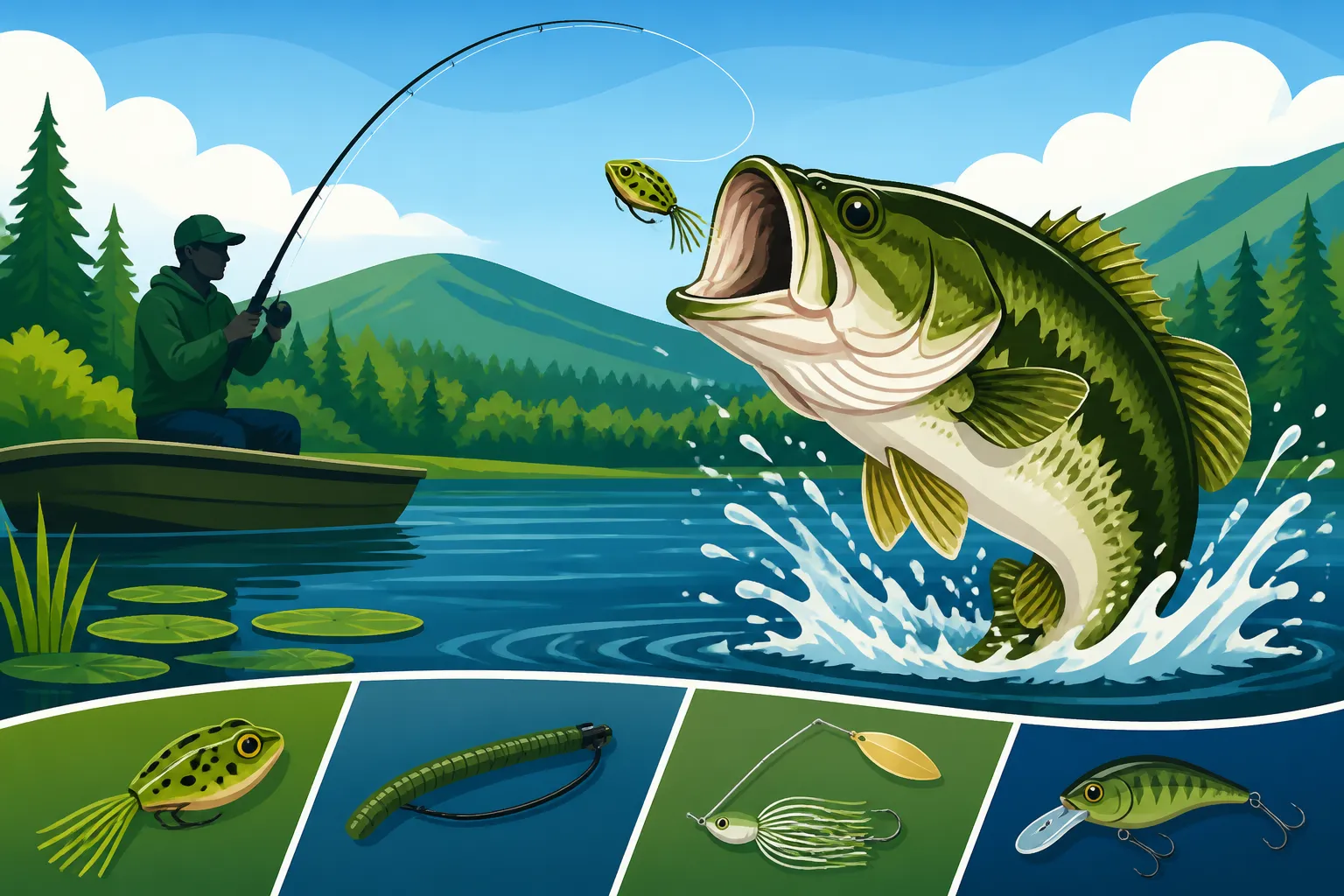
Topwater Lures: These are thrilling, especially during low light conditions or over matted vegetation. Frogs (like the ones you can find on Amazon from brands like Spro or Booyah) are absolutely deadly when fished over lily pads or thick slop. Poppers and walking baits can also be effective in more open, calm water near cover, mimicking injured baitfish.
Soft Plastics: This category is vast and incredibly effective. Texas-rigged worms and creature baits are weedless wonders that can be pitched into the densest cover. Consider baits like a Yamamoto Senko for a subtle, natural fall, or a Berkley PowerBait creature bait for added scent attraction. For vertical presentations into holes in weeds, a jig with a soft plastic trailer can be devastating. Flukes are also excellent for mimicking baitfish just under the surface.
Spinnerbaits and Chatterbaits: These are superb for covering water and fishing around sparse to medium cover. The flash and vibration can draw bass out of hiding, especially on cloudy days or in stained water. Look for models with tandem blades and a good weed guard.
Crankbaits and Jerkbaits: While less common for the densest pond cover, shallow-diving crankbaits can be incredibly effective when retrieved along weed edges, rocky banks, or over submerged timber in slightly deeper sections. Jerkbaits are fantastic for mimicking dying baitfish, especially in cooler water or during the early spring.
Here's a quick comparison of essential lure types:
| Lure Type | Best Application | When to Use | Key Characteristics |
|---|---|---|---|
| Topwater Frog | Dense lily pads, thick matted vegetation | Low light (dawn/dusk), overcast, warm water | Weedless, mimics frogs, causes aggressive strikes |
| Texas Rig (Worm/Creature) | Heavy weeds, submerged wood, brush piles | Any time, especially when bass are buried in cover | Weedless, versatile, natural presentation, subtle fall |
| Jig (with trailer) | Punching heavy cover, deeper weed edges, wood | Any time, especially for bigger, lethargic bass | Heavy, compact, mimics crayfish/bluegill, good hookset |
| Spinnerbait | Scattered cover, weed lines, open water scanning | Wind, cloudy days, stained water | Flash & vibration, covers water quickly, deflects off cover |
| Shallow Crankbait | Hard bottoms, open edges, moderate depth cover | Active fish, clear to stained water | Dives to specific depth, deflects, strong vibration |
Top Techniques for Targeting Largemouth Bass in Ponds
Once you have your gear sorted, it's time to talk about how to present those lures effectively. Unlike larger, more complex bodies of water, pond fishing often boils down to a few core techniques executed precisely around key pieces of cover.
Flipping and Pitching Heavy Cover
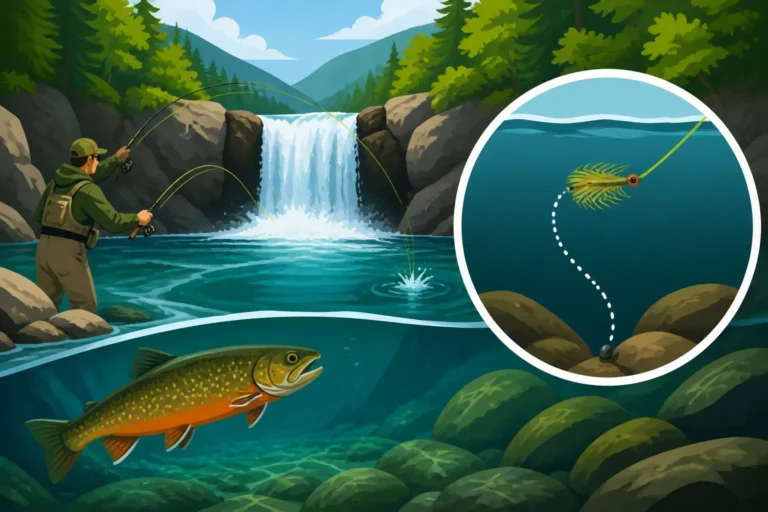
This is arguably the most essential technique for pond largemouth, especially in Vermont where many ponds are choked with vegetation or strewn with fallen trees. Flipping and pitching allow for quiet, accurate presentations into tight spots where bass love to hide. Instead of casting, you're using a pendulum motion (flipping) or a short, underhand cast (pitching) to drop your lure softly into a small opening in the weeds, next to a log, or under a dock.
When you're flipping a Texas-rigged creature bait or a heavy jig, the goal is to get it to fall vertically through the cover, landing right on a bass's nose. Use a heavy tungsten weight (3/4 to 1.5 oz) to ensure it punches through dense mats of weeds. The key is to keep your line tight as the bait falls, feeling for any subtle "tick" or unnatural movement. Bass often bite on the fall, and with heavy cover, you need to set the hook hard and immediately try to pull the fish out before it can wrap you up. This technique shines in the heat of summer when bass bury themselves deep in the shade, but it's effective whenever bass are relating to dense cover.
Working Topwater Baits Over and Around Vegetation
There's nothing quite as heart-stopping as a largemouth bass exploding on a topwater lure. This technique is incredibly effective in Vermont ponds, especially when you're fishing over matted vegetation, lily pads, or other surface cover. Frogs are the king here. You want to cast your weedless frog imitation directly onto the pads or mat, then retrieve it with short twitches and pauses, making it walk and gurgle like a real frog. The key is patience; let it sit for a few seconds after it lands, then move it, pause, move it again.
The strikes are often violent, but don't set the hook immediately! Wait until you feel the weight of the fish, or even see your line start to move, before delivering a powerful hookset. This ensures the bass has fully engulfed the bait. Topwater action is best during low light conditions – early mornings, late evenings – or on overcast days when bass feel more comfortable cruising near the surface. It's a fantastic way to target aggressive fish and survey new areas.
Slow Rolling Spinnerbaits and Chatterbaits Along Edges
While flipping and topwater target specific pieces of cover, slow rolling spinnerbaits and chatterbaits are excellent for covering water and drawing reaction strikes along broader areas like weed lines, sparse hydrilla patches, or rocky banks. The flash and vibration of these lures can call bass out of cover they might otherwise ignore.
The technique is fairly straightforward: cast your spinnerbait or chatterbait out, let it sink to your desired depth (usually just above the weeds or structure), and then retrieve it slowly, just fast enough to keep the blades turning or the ChatterBait blading. Pay attention to how the lure feels; if you hit a piece of cover, give your rod tip a sharp twitch to rip it free – this often triggers a strike! This is a great choice when the bass are a bit more scattered or when you're trying to locate concentrations of fish. It's especially effective in slightly stained water or on windy days, as the added commotion helps bass find your lure.
Seasonal Strategies for Vermont Largemouth Bass Ponds
Largemouth bass behavior changes dramatically with the seasons in Vermont, largely driven by water temperature and their spawning cycle. Understanding these shifts is crucial for success, ensuring you're using the right techniques at the right time.
Spring: Pre-Spawn and Spawn Aggression
Spring in Vermont ponds is a time of awakening, and it can offer some of the most explosive largemouth bass fishing of the year. As the ice melts and water temperatures begin to rise (typically into the 50s Fahrenheit), bass move from their deeper winter haunts towards shallower, sun-warmed areas. This is the pre-spawn period, and fish are hungry and aggressive, packing on calories before the rigors of spawning.
Focus your efforts on transition areas: points leading into coves, rocky banks, or the outside edges of early-season weed growth that are exposed to direct sunlight. Spinnerbaits, chatterbaits, and lipless crankbaits are excellent for covering water and locating these active fish. As water temperatures climb into the 60s, bass will move onto their beds to spawn. You'll often see them fanning out circular depressions in shallow, protected coves. While catching spawning bass can be effective, many anglers practice catch and release during this sensitive period to protect future generations. Check the Vermont Bass Catch-and-Release Season, Explained for specific dates. During this phase, soft plastics like wacky-rigged Senkos or finesse jigs can be deadly if you choose to target them. Remember to always prioritize the fish's health and release them quickly and gently.
Summer: Heat, Hydrilla, and Heavy Cover
When summer hits Vermont, water temperatures in ponds can soar, often pushing bass into dense cover or deeper, cooler water. This is when the heavy vegetation really comes alive, offering essential shade and ambush points. Largemouth will seek refuge in thick lily pad fields, matted duckweed, submerged hydrilla, and any available fallen timber.
This is prime time for power fishing techniques. Flipping and pitching heavy jigs or Texas-rigged creature baits into the thickest cover is incredibly effective. Target the shadiest spots, the deepest pockets within weed mats, and any isolated clumps of vegetation. Topwater frogs fished directly over these mats during early morning or late evening can also be phenomenal. During midday, when the sun is brightest, bass will often bury themselves even deeper, making a stealthy, precise presentation vital. Don't be afraid to use heavier weights to penetrate thick vegetation.
Fall: The Migration to Deeper Water and Feeding Frenzy
Fall is a fantastic time for pond largemouth in Vermont, characterized by cooling water temperatures and a strong feeding impulse as bass prepare for winter. As the water cools, baitfish and other forage become more active, and bass follow suit, often migrating out of the thickest summer cover towards more open water access points.
Look for bass to congregate around points, rock piles, humps, and the remaining green weed lines that haven't died off yet. They'll also patrol drop-offs where they can ambush baitfish moving between shallow and deep water. Crankbaits (both shallow and medium divers), jerkbaits, and lipless crankbaits become very effective for covering water and triggering strikes from active, schooling bass. Jigs with craw trailers can also be deadly when fished along structural elements. Early fall can see fish still chasing topwater lures, especially on warmer afternoons, but as the water chills, baits that stay in the strike zone longer or imitate migrating baitfish tend to perform best. This is also a good time to consider larger profile baits, as bass are looking for substantial meals.
Advanced Tactics and Considerations for Pond Bass
Beyond the basic techniques, there are always ways to refine your approach and adapt to challenging conditions. Pond fishing, while seemingly simple, often demands keen observation and strategic adjustments.
Finesse Tactics for Pressured Ponds
Vermont ponds, especially those that are easily accessible, can experience significant fishing pressure. This pressure often makes bass wary and less likely to strike aggressive presentations. When this happens, it's time to break out the finesse tactics.
Wacky Rigging: This involves hooking a soft plastic stickbait (like a Senko) directly through its middle, allowing both ends to wiggle enticingly as it falls. This presentation is incredibly subtle and natural, often drawing strikes from bass that ignore more conventional lures. Cast it near docks, brush piles, or sparse weed edges, letting it fall slowly on slack line.
Drop Shotting: While more common on large, clear lakes, drop shotting can be effective in deeper Vermont ponds, especially when bass are suspended or holding tight to bottom structure. A small soft plastic bait is tied directly to the line, with a weight several inches below it. This allows the bait to hover tantalizingly in the strike zone, even when the weight is on the bottom. It's a fantastic way to target lethargic or highly pressured fish. For clear water scenarios, a good fluorocarbon leader is key, often found in smaller diameters that fish can't easily detect.
Reading Water and Adapting to Conditions
Successfully fishing Vermont ponds requires more than just casting blindly. It involves actively "reading the water" and making real-time adjustments based on what you see and what the conditions tell you.
- Wind: A little wind can be your friend, breaking up the water surface and making bass less wary. It also concentrates baitfish, which in turn concentrates bass. Fish the windblown banks with moving baits like spinnerbaits. However, too much wind can make presentations difficult.
- Sunlight: Bright sun often pushes bass deep into cover. Focus on shade lines, thick mats, and submerged structure. On cloudy days, bass might roam more freely and be more willing to chase.
- Water Clarity: In clear ponds, finesse presentations with natural colors are usually best. In stained or muddy water, use lures with more vibration and flash, or incorporate darker, more contrasting colors. The Best lure color for muddy water bass fishing guide has some excellent tips.
- Forage Activity: Pay attention to any signs of baitfish or frogs. If minnows are schooling on the surface, consider a small swimbait or fluke. If frogs are jumping, a topwater frog is the obvious choice.
Remember that bass are creatures of habit but can be unpredictable. Don't be afraid to experiment with different techniques and lures until you crack the code for that particular day and pond.
Kayak and Shoreline Fishing Strategies
Many of Vermont's best largemouth bass ponds are small enough to be effectively fished from shore or by kayak, which offers a stealthy advantage. When fishing from shore, focus on accessible points, coves, and areas where cover extends within casting distance. A good pair of polarized sunglasses will help you spot submerged structure and cruising fish. Remember that you’re limited to what you can cast to, so accurate presentations are paramount.
Kayaks, often available on Amazon from brands like Perception or Old Town, are a game-changer for pond fishing. They allow you to reach otherwise inaccessible areas, silently slip into tight coves, and precisely position yourself to dissect cover. When kayak fishing, try to stay a cast length away from the cover you're targeting to avoid spooking fish. Use a small anchor or a stake-out pole to hold your position, especially in windy conditions. Consider equipping your kayak with rod holders and a small fish finder (many portable options exist) to enhance your experience and help locate submerged structure. This low-impact approach is perfect for enjoying Vermont's tranquil pond settings.
Conservation and Ethical Angling in Vermont Ponds
As passionate anglers, it's our responsibility to ensure the health of Vermont's pond fisheries for generations to come. Practicing responsible angling techniques is not just good etiquette; it's essential for conservation.
Catch and Release Best Practices
While enjoying the thrill of catching largemouth bass, especially the bigger ones, practicing proper catch and release is vital. Many Vermont ponds rely on natural reproduction, and releasing healthy fish helps maintain a robust population.
- Minimize Handling: Try to keep the fish in the water as much as possible. If you must remove it, do so quickly and support its body horizontally. Avoid holding fish vertically by the jaw, as this can damage their internal organs.
- Use Barbless Hooks: Crushing the barbs on your hooks (or using hooks that are already barbless) makes it much easier to remove the hook cleanly, causing less damage to the fish's mouth.
- Proper Hook Removal: Use needle-nose pliers or a hook remover tool to quickly extract the hook. If a fish is deeply hooked, it's often better to cut the line as close to the hook as possible rather than risk further injury trying to retrieve it.
- Revive the Fish: If a fish seems sluggish, hold it gently in the water, facing into the current (if any), until it regains its strength and swims away on its own. For detailed information, check the Vermont Bass Minimum Length Limits and other regulations.
Respecting Private Land and Public Access
Many of Vermont's smaller, often excellent, bass ponds are located on private land. Always assume land is private unless clearly marked as public access. Always seek permission from landowners before accessing private property. Trespassing can lead to unpleasant encounters and could jeopardize future access for all anglers.
For public access ponds, respect the environment and other users. Pack out everything you pack in, and avoid leaving any litter, broken fishing line, or bait containers. Be mindful of noise levels and give other anglers ample space. The goal is to leave the pond better than you found it, ensuring these beautiful Vermont fishing spots remain enjoyable for everyone. For places where you know you have guaranteed access, check out the Vermont State Park Fishing Guide.
Disclaimer
Fishing regulations, license requirements, and local access rules can change. Always consult the latest official Vermont Fish & Wildlife Department regulations before heading out on the water. This guide is for informational purposes only and should not be considered a substitute for official legal guidance.