How to Fish a River for Smallmouth Bass
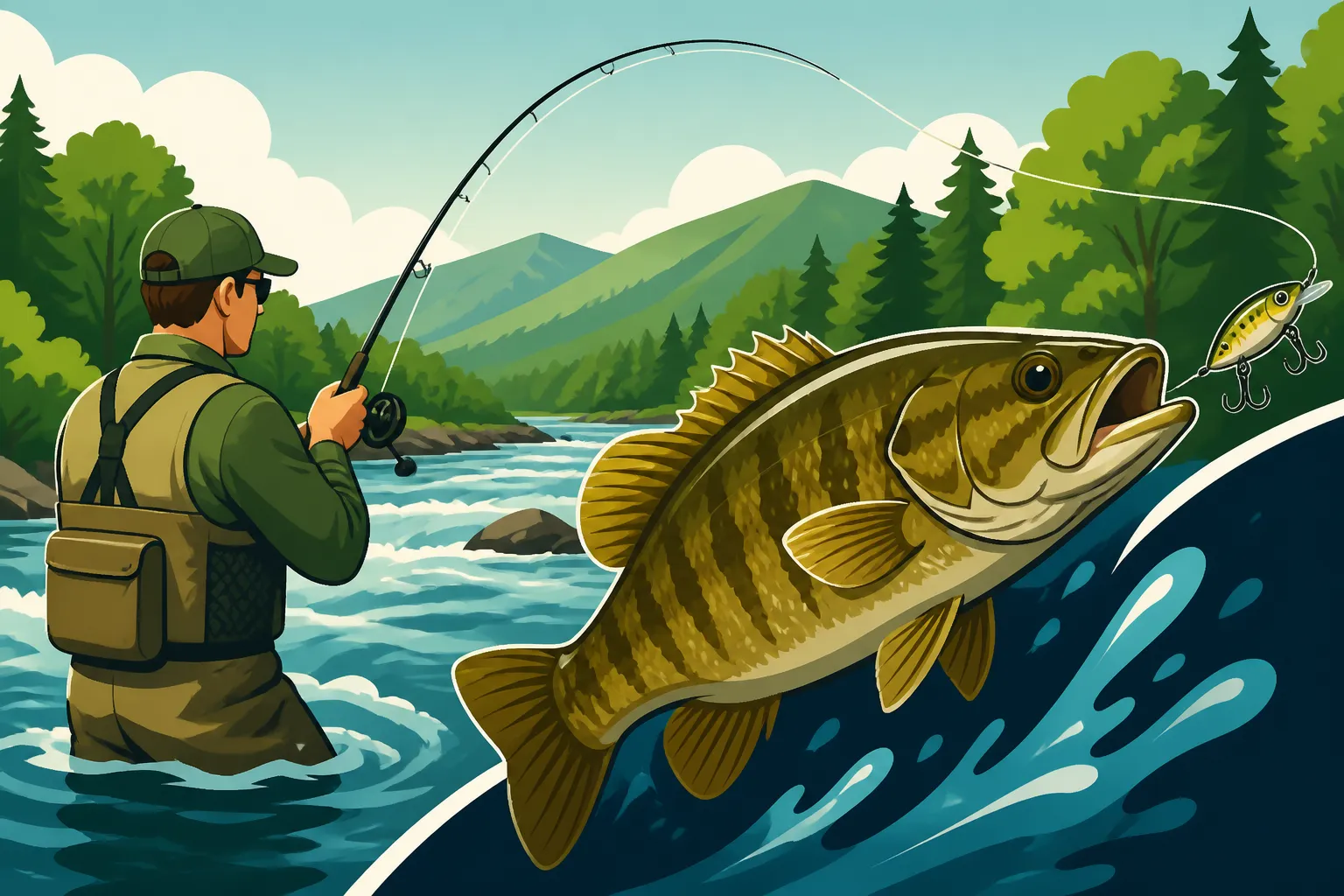
Stepping into the vibrant world of river smallmouth bass fishing can be incredibly rewarding, but let's be honest, it can also feel like deciphering a secret code. You might spend hours casting, hoping for that tell-tale tug, only to find yourself wondering if the fish are even there or if you're doing something fundamentally wrong. Those powerful bronze warriors in Vermont's rivers are masters of their domain, and successfully targeting them requires a thoughtful approach beyond just throwing a lure. This comprehensive guide is designed to peel back the layers, offering you detailed insights and actionable strategies to help you connect with more smallmouth bass in our beautiful flowing waters.
Understanding River Smallmouth Bass Behavior
River smallmouth bass are incredibly resilient and adaptable fish, but they operate on a different wavelength than their lake-dwelling cousins. To consistently find and catch them, you first need to understand their riverine psychology – what drives them, where they feel safe, and how they hunt for their next meal. It's about thinking like a smallmouth.
Seasonal Movements and Preferred Habitats
Just like us, smallmouth bass change their routines with the seasons. Their movements are largely dictated by water temperature, food availability, and spawning instincts.
In the spring, as ice recedes and water temperatures begin to climb, smallmouth move out of deeper wintering holes and start staging in shallower, sun-warmed areas. You'll often find them congregating near current breaks, rocky points, and submerged timber, all places that offer a bit of shelter from the strong flow and easy access to newly emerging insects and baitfish. This pre-spawn period is a fantastic time for aggressive feeding, as they're building up energy for the arduous spawning process. As temperatures creep into the mid-50s to low 60s Fahrenheit, they'll seek out shallower, calmer gravel beds and hard-bottom areas to create their nests. Post-spawn, they might be a bit lethargic for a short period before resuming aggressive feeding to recover.
During the summer, when river temperatures are consistently warm, smallmouth will spread out across the river system, but they rarely stray far from structure and current. They become opportunistic predators, ambushing prey from behind rocks, logs, and undercut banks. Look for them in areas with a good mix of cover and current – think riffles leading into deeper pools, the seams where fast water meets slow water, or around boulders that break the flow. Deeper holes near current are also prime spots, especially during the brighter parts of the day when they seek cooler water and shade. If you're fishing a wider river like the Winooski River, pay close attention to the deeper channels and eddy lines formed by larger rock formations.
As fall approaches and water temperatures begin to drop, smallmouth will once again start to consolidate, moving into deeper pools and channels. Their metabolism slows, but they're still actively feeding, trying to pack on calories before the lean winter months. This can be an excellent time to target them with larger baits that mimic forage fish, as they're less likely to chase smaller, scattered meals. You'll often find them tucked into the deepest parts of pools, especially those with rock piles or ledges that provide thermal refuge and ambush points.
Reading the Water for Smallmouth Indicators
One of the biggest frustrations for new river anglers is feeling like they're just casting blind. But the river is constantly whispering clues about where smallmouth might be holding, if you know how to listen. Learning to "read the water" is perhaps the most critical skill you can develop.
Start by identifying current breaks. These are areas where the main flow of the river is interrupted, creating calmer water behind an obstruction. Think large rocks, fallen trees, bridge pilings, or even subtle changes in bottom contour. Smallmouth love to sit in these slower pockets, conserving energy while waiting for food to be swept past them in the faster current. Cast your lure into the faster current upstream of the break and let it drift naturally into the calmer water, mimicking a stunned baitfish.
Look for areas of visible cover. Submerged logs, rock gardens, overhanging branches, and undercut banks are all prime real estate for smallmouth. These spots offer both shelter from predators and a place to ambush prey. Don't be afraid to cast right up against these features, even if it means risking a snag. Sometimes, the best fish are in the tightest spots. In places like Otter Creek, with its diverse bottom structure, identifying these subtle changes can make all the difference.
Pay attention to depth changes and seams. A riffle (shallow, fast-moving water) often leads into a deeper pool. The transition zone where the fast water of the riffle meets the slower, deeper water of the pool is a classic smallmouth ambush point. Similarly, look for "seams" – lines where two different currents meet, often indicated by a subtle ripple or foam line on the surface. These current seams concentrate food and create perfect lies for smallmouth. If you're able to observe any insect hatches or baitfish schools, smallmouth will likely be nearby, keying in on that easy meal. Keep an eye out for surface disturbances or even the tell-tale splash of a smallmouth aggressively feeding.
Essential Gear for River Smallmouth Angling
Having the right tools for the job can make a world of difference when you're battling a hard-fighting river smallmouth in current. It's not about having the most expensive gear, but rather the most appropriate gear for the conditions and the fish you're targeting.
Rod, Reel, and Line Selection
For most river smallmouth fishing in Vermont, a versatile rod and reel combo is your best friend. I generally recommend a spinning rod for its ease of use and versatility with a wide range of lures. Look for a rod in the 6'6" to 7'3" range, with a medium-light to medium power and a fast action tip. This setup provides enough backbone to fight powerful fish in current, while the sensitive tip allows for excellent feel and accurate casting with lighter lures. A good quality spinning rod and reel combo can be found on Amazon, often providing a great balance of performance and value.
Pair your rod with a reliable spinning reel in the 2500 to 3000 size range. This size offers sufficient line capacity and a smooth drag system, which is crucial when a feisty smallmouth decides to make a run for it. Look for reels with a decent retrieve rate to help you keep up with fish moving towards you in the current.
When it comes to line, a good starting point is 8-10 pound braided line as your main line. Braid offers incredible sensitivity, thin diameter for its strength, and excellent casting distance. However, because braid is highly visible and has no stretch, it's almost always a good idea to tie on a fluorocarbon leader. A 6-8 pound fluorocarbon leader, about 2-4 feet long, provides invisibility, some abrasion resistance against rocks, and a bit of shock absorption. This stealthy presentation can be key in clear river waters. For more advanced anglers, a baitcasting setup with 10-12 pound fluorocarbon or a braid-to-fluoro combo can be excellent for throwing heavier reaction baits and handling bigger fish. If you're interested in refining your choices, you might find our guide on the Best Spinning Rods for Smallmouth Bass helpful.
Lure and Bait Recommendations for Rivers
River smallmouth bass are aggressive predators, and a wide variety of lures can entice them. The key is to match your lure to the conditions and the primary forage present in the river.
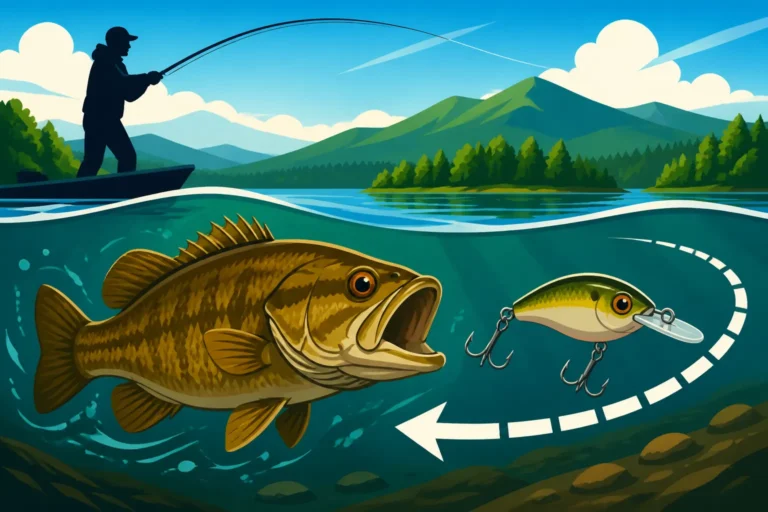
- Crankbaits: Shallow-diving crankbaits (with a dive depth of 2-5 feet) are fantastic for covering water and deflecting off rocks without getting constantly snagged. Colors mimicking local baitfish like shiners, crayfish, or perch patterns are often effective. Chartreuse, orange, and firetiger can also be deadly in stained water or on overcast days. Cast them upstream or across current and retrieve them quickly enough to get them wiggling and bumping bottom. Our guide on the Best Crankbaits for Vermont Smallmouth Bass offers more specific recommendations.
- Spinnerbaits & Buzzbaits: These are excellent for covering larger areas, especially around submerged logs and weed edges. Spinnerbaits, with their flashing blades, are great in stained water or when fish are aggressive. Buzzbaits, designed to gurgle and splash on the surface, are phenomenal for early morning or late evening topwater action.
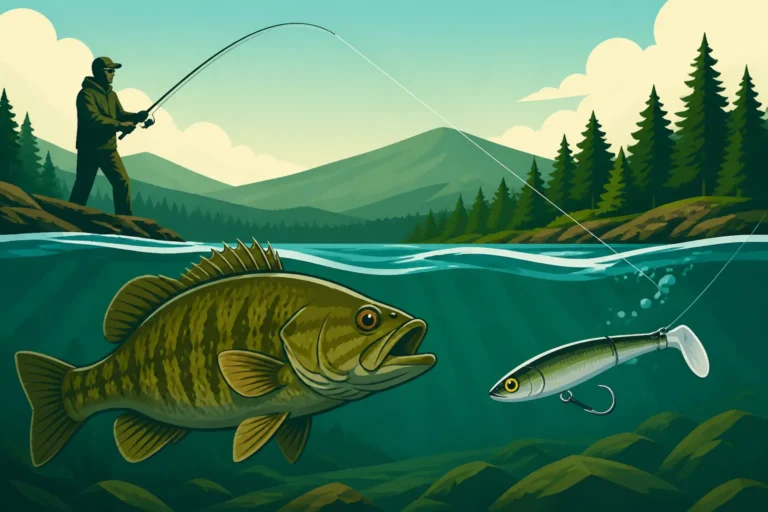
- Soft Plastics: These are incredibly versatile. Tube jigs (1/8 to 1/4 ounce), creature baits, and small swimbaits rigged on a jig head are go-to choices. Crayfish-imitating colors like green pumpkin, brown, and watermelon are often irresistible to river smallmouth, as crayfish are a major food source. Fish tubes by dragging them along the bottom, mimicking a crayfish scurrying away, or by hopping them over structure.
- Topwater Lures: When conditions are right (calm water, low light, warm temperatures), nothing beats the explosive strike on a topwater lure. Poppers, walk-the-dog baits, and prop baits can be incredibly effective and exhilarating. Cast them into eddies, along submerged structure, or under overhanging cover. Check out our detailed article on Topwater Fishing for Smallmouth Bass in Vermont for more insights on these thrilling techniques.
- Jigs: Small bucktail jigs or hair jigs (1/8 to 3/8 ounce) are often overlooked but incredibly productive, especially when fished slowly near the bottom in current. They mimic baitfish or crayfish and can be deadly in clear water. Consider varying your retrieves – short hops, steady drags, or even just letting them drift with the current.
Don't forget the effectiveness of natural baits if lures aren't producing. Live shiners, crayfish, or nightcrawlers can be incredibly enticing, especially when fished on a simple bottom rig or under a bobber in slower pools. Remember to check local regulations regarding live bait use. When stocking up, you'll find a wide array of these lures and baits, from various reputable brands, readily available on Amazon.
Mastering River Fishing Techniques for Smallmouth
Fishing a river effectively for smallmouth isn't just about having the right gear; it's about employing the right techniques to present your lure in a way that triggers a strike. The dynamic nature of rivers means you need a different approach than still-water fishing.
Casting and Retrieval Strategies
In river fishing, presentation is paramount. Smallmouth are often positioned to ambush prey that is swept by the current or swims past their hiding spots. Your goal is to make your lure appear as natural and appealing as possible.
- Casting Upstream and Across: One of the most effective strategies is to cast your lure upstream and slightly across the current. This allows your lure to sink and drift naturally downstream, mimicking a baitfish or insect caught in the flow. As it drifts, slowly retrieve your line, taking up slack and maintaining contact with your lure. This "swing" allows the lure to cover a good stretch of water and naturally present itself to fish holding in current breaks or behind structure. This technique is particularly effective with jigs, soft plastics, and lighter crankbaits.
- Fishing Current Seams and Eddies: Smallmouth love to sit on the edges of currents – where fast water meets slow water, or in eddies where the water swirls back upstream. These areas are conveyor belts for food. Cast your lure so it lands just beyond these seams and drifts through the strike zone. Pay close attention as your lure transitions from fast to slow water, as this is often when a strike will occur. For example, if you're targeting smallmouth in the Lamoille River, look for the visible lines of foam and debris on the surface that indicate a strong current seam.
- Targeting Structure Directly: When you spot a visible piece of structure like a fallen tree, a large boulder, or an undercut bank, make precise casts that land your lure as close as possible without getting snagged. Smallmouth will often be tucked right up against this cover. For jigs and soft plastics, let them sink near the structure and work them slowly, mimicking a foraging crayfish. For crankbaits, aim to bounce them off the structure itself – the deflection can often trigger a reaction strike. Be prepared for an immediate strike the moment your lure hits the water or deflects off cover.
Vary your retrieve speed and action. Sometimes a steady retrieve is best, other times a stop-and-go or twitching retrieve will generate more strikes. Let the fish tell you what they prefer on any given day. If you're fishing a faster current, you might need a quicker retrieve to keep your lure moving naturally and avoid getting swept away too quickly.
Wading and Boating Approaches
How you access and move through a river system can significantly impact your success. Stealth and efficiency are key.
- Wading Techniques: Wading allows for incredible access to otherwise unreachable spots and offers a quiet, stealthy approach. When wading, move slowly and deliberately. Shuffle your feet to avoid disturbing the bottom too much, which can stir up sediment and spook fish downstream. Wear appropriate wading boots with good grip, especially in Vermont's often rocky rivers. A wading staff is invaluable for maintaining balance, probing depth, and testing current strength, making your outing safer and more comfortable. When moving upstream, cast ahead of yourself to avoid walking over fish you intend to catch. When moving downstream, be mindful of the noise you're making and try to stay out of the direct line of sight of potential fish. Always prioritize safety: never wade into water that's too deep or has current that's too strong for you to handle.
- Boating Techniques: For larger, wider rivers or when covering significant distances, a boat or kayak can be a game-changer. Small jon boats, rafts, or specially designed river kayaks are excellent choices. Using a kayak allows you to access many stretches of river that are difficult to reach by foot and provides a stable platform for casting and fighting fish. If you're considering this, our guide to the Best Kayak for River Fishing in Vermont offers some excellent starting points. When fishing from a boat, you can often drift downstream, casting to prime spots as you go. Use an anchor or a drag chain to control your drift speed, allowing you to thoroughly work an area. Position your boat strategically to cast into current breaks, eddies, and along cover. Remember that Vermont law requires all children under 12 to wear a life jacket while on a vessel, and it’s always a good idea for everyone to wear one, regardless of age, when on moving water. Vermont Boating Laws for Anglers will provide more details on necessary safety equipment and regulations.
Whether wading or boating, observe your surroundings constantly. Look for changes in water color, depth, and current. Notice where other anglers are finding success (without encroaching on their space, of course!). The more you interact with the river, the more intuitive your approach will become.
Navigating Common Challenges and Advanced Tactics
Even with the best gear and basic techniques, river fishing throws curveballs. Changing conditions, stubborn fish, and tricky terrain are all part of the game. Learning to adapt and employ more advanced tactics will set you apart.
Dealing with Current, Structure, and Snags
One of the biggest differences between lake and river fishing is the relentless current. It can be your ally, helping present your lure, or your adversary, making it difficult to maintain control.
- Using Current to Your Advantage: Instead of fighting the current, learn to work with it. When using jigs or soft plastics, cast upstream and allow the current to carry your lure naturally downstream, imparting a realistic drift. This is often called a "swing" or "drift fishing." The current will create subtle movements in your lure that mimic live prey. Maintain just enough tension on your line to feel a strike, but not so much that you pull the lure unnaturally against the flow. For reaction baits like crankbaits, casting across or slightly upstream and reeling them through the current breaks can make them appear as struggling baitfish.
- Fishing Dense Structure: Rivers are often littered with structure: fallen trees, rock piles, bridge pilings, and submerged boulders. These are prime smallmouth holding areas, but they're also notorious for snags. To minimize snags while still targeting these productive areas, try using weedless setups for soft plastics, such as Texas-rigged worms or jig heads with brush guards. For crankbaits, choose models with good deflection properties that bounce off obstacles rather than getting hung up. When you feel your lure touch a snag, pause your retrieve and give your rod tip a gentle twitch – sometimes this will free it. If you do get snagged, try pointing your rod tip directly at the snag and pulling straight back, or even walking around to a different angle if possible. Using stronger braided main line with a fluorocarbon leader can sometimes help you retrieve snagged lures by straightening out hooks.
- Understanding Eddy Lines and Backcurrents: Beyond just current breaks, pay close attention to eddy lines and backcurrents. Eddies are areas where the current swirls back upstream, often behind large obstacles or along steep banks. Smallmouth often patrol these areas because food gets trapped in the swirling water. Cast into the main current and let your lure sweep into the eddy, or cast directly into the eddy and work your lure against the backcurrent. This can be an incredibly productive tactic, especially for topwater lures or jigs.
Adapting to Water Levels and Clarity
River conditions are rarely static. Heavy rains can swell rivers and muddy the water, while prolonged dry spells can lead to low, clear conditions. Successful anglers adapt their tactics accordingly.
- High and Muddy Water: When rivers are high and murky, smallmouth will often move closer to the banks, seeking refuge from the strong currents and lower visibility. They'll also become more reliant on sound and vibration to locate food. This is an excellent time to use larger, louder lures that displace a lot of water and create strong vibrations. Spinnerbaits with large thumping blades, lipless crankbaits, or dark-colored jigs with rattles are good choices. Target slack water areas, flooded timber, and shallow eddies. Fluorescent colors like chartreuse or bright orange can also be more visible in stained water. The frustration of high, muddy water can be real, but with the right approach, it can yield some of the biggest fish of the season.
- Low and Clear Water: Conversely, when rivers are low and clear, smallmouth become much more wary and easily spooked. Stealth is paramount. Use lighter line (e.g., a 4-6 pound fluorocarbon leader), smaller lures, and more natural colors. Subtle presentations like finesse jigs, small tube baits, or micro-crankbaits are often more effective. Make longer casts to avoid spooking fish, and avoid making sudden movements or casting shadows over the water. Fish during low-light conditions (dawn, dusk, or overcast days) when smallmouth are more likely to be active. Deeper pools and shaded areas will hold fish in these conditions. This is where your ability to make delicate, accurate casts really shines. Our guide on How to Fish a River for Smallmouth Bass will delve deeper into specific lure choices for these conditions.
| Lure Type | Best River Conditions | Ideal Retrieve Action | Pros | Cons |
|---|---|---|---|---|
| Shallow Crankbait | Moderate to strong current, rocky bottoms | Steady retrieve, occasional twitch | Covers water quickly, deflects off structure | Prone to snags in heavy cover |
| Spinnerbait | Stained water, moderate current, cover | Steady retrieve, slow roll | High vibration & flash, weedless design | Less effective in ultra-clear water or very deep holes |
| Tube Jig | Clear to slightly stained water, structure | Dragging, hopping, drifting with current | Mimics crayfish, versatile, subtle | Can be slow to cover water, snag-prone on bottom |
| Topwater Lure | Calm water, low light, warm temps, eddies | Popping, walking, twitching | Exciting strikes, good for calling fish up | Only effective under specific conditions |
| Bucktail Jig | Clear to stained water, current seams | Drifting, subtle hops, steady retrieve | Natural presentation, effective in current | Requires good feel, can be snag-prone |
Prime Vermont Rivers for Smallmouth Bass
Vermont might be best known for its trout streams, but it boasts some truly fantastic rivers for smallmouth bass. These bronze beauties thrive in the diverse environments offered by our state's waterways, providing exciting opportunities for anglers willing to explore.
Key Rivers to Explore and Their Unique Features
Several rivers across Vermont offer excellent smallmouth bass fishing, each with its own character and charm.
- Winooski River: Running through central Vermont and emptying into Lake Champlain, the Winooski River is a smallmouth powerhouse. Its varied stretches offer something for everyone, from faster, rockier sections upstream near Montpelier to wider, deeper, and slower stretches closer to its mouth. You'll find abundant structure here, including large boulders, gravel bars, and fallen trees. The lower stretches are easily accessible and can be waded in many areas during lower flows, or navigated by kayak or small boat. Smallmouth here often feed on crayfish and baitfish, so crankbaits, tubes, and spinnerbaits are excellent choices. Our specific guide on Winooski River Fishing Spots can provide more localized details.
- Otter Creek: As Vermont's longest river, Otter Creek meanders through a gentler landscape before joining Lake Champlain. While some sections are slow and deep, perfect for a peaceful paddle, others have distinct current breaks and rocky areas that hold excellent smallmouth. The creek is known for its abundant aquatic vegetation in some areas, which can provide excellent cover for bass. Look for areas where the creek narrows or where rock formations create current seams and eddies. This river is fantastic for both wading and kayak fishing, offering a more serene experience. Explore its unique offerings with our Otter Creek Fishing Spots guide.
- Lamoille River: Flowing from the Northeast Kingdom west to Lake Champlain, the Lamoille River is another top contender. It features a mix of pools, riffles, and runs, with plenty of rocky substrate and woody debris. The stretches closer to Lake Champlain often hold larger smallmouth, benefiting from the lake's rich forage base. Further upstream, you'll find a more intimate river experience with plenty of opportunities for wading anglers. This river can be challenging due to its varied flows and structure, but the rewards are often big, aggressive smallmouth. For more detailed information on specific access points and techniques, consult our Lamoille River Fishing Guide.
- Missisquoi River: Located in the northern part of the state, the Missisquoi River is a beautiful and often overlooked smallmouth fishery. It offers a mix of tranquil, meandering stretches and more dynamic, rocky sections. Access can be a bit more spread out, making it an ideal choice for anglers seeking a bit more solitude. Its confluence with Lake Champlain ensures a healthy population of smallmouth, and its diverse habitat supports a variety of forage. The Missisquoi River Fishing Guide offers deeper insights into this northern gem.
When exploring any of these rivers, always consult a local map, such as those provided by the Vermont Fish & Wildlife Department, to identify public access points, boat launches, and any special regulations that might apply. Remember that water levels can change quickly, so always check conditions before heading out.
Seasonal Hotspots and Access Points
Knowing where to go is one thing, but knowing when and how to access it effectively is another. Vermont's rivers are teeming with opportunity if you hit them at the right time.
- Spring Hotspots: In early spring, focus on the shallower, rockier sections of rivers that warm up quickly. These might be sunny stretches with dark rock bottoms or shallow flats adjacent to deeper pools. The mouths of smaller tributaries that feed into the main river can also be excellent, as they often draw smallmouth looking for warmer water and easy prey. Public access areas with gradual banks are ideal for wading into these spots. Many towns along the Winooski River, for instance, have riverside parks or designated fishing access areas that fit this bill.
- Summer Hotspots: During the warmer summer months, smallmouth will spread out, but their preference for current and cover remains. Target the faster moving sections with prominent rock gardens, areas with lots of submerged woody debris (like log jams or fallen trees), and the shaded sides of the river, especially during midday. Access points near bridge abutments or larger bends in the river often concentrate fish due to the deeper water and varied current. Kayak launches on Otter Creek or the Lamoille River can put you right into prime summer smallmouth territory. For specific locations and tactics, consider exploring resources on Best Fishing Rivers in Vermont. Remember that the Vermont Bass Catch-and-Release Season, Explained and Vermont Bass Minimum Length Limits are important regulations to be aware of, especially during this active fishing period.
- Fall Hotspots: As fall progresses, look for smallmouth to congregate in deeper pools, particularly those with complex bottom structure like rock ledges or large boulders. The lower sections of rivers, closer to their confluence with larger lakes like Lake Champlain, can also be particularly productive as smallmouth make their way towards wintering grounds. Access points with deeper water access, whether by boat ramp or a steep bank, are key here. During this time, the fish are often less spread out, making them easier to locate once you find a holding pattern.
Always respect private property when accessing rivers, and make use of the numerous public fishing access areas provided by the Vermont Fish & Wildlife Department. These spots are designed to give anglers a safe and legal way to enjoy the state's incredible fishing opportunities. A little pre-trip research using online maps or local fishing forums can save you a lot of time and frustration on the water.
Disclaimer
The information provided in this guide is for general informational purposes only. Fishing regulations, conditions, and fish behavior can change. Always consult the latest Vermont Fish & Wildlife Department regulations before fishing and prioritize your safety while on the water.