Best fishing spots in Elmore State Park
It's such a common dilemma: you arrive at a beautiful spot like Elmore State Park, boat in tow or ready for some peaceful shore fishing, only to wonder, "Where do I even start?" Vermont's state parks offer incredible natural beauty, but finding those honey holes and understanding the unique characteristics of each body of water can be a challenge. This guide is designed to cut through that uncertainty, giving you the inside scoop on the best fishing spots and tactics for a rewarding day on Lake Elmore.
Discovering Lake Elmore's Fishing Potential
Lake Elmore, nestled within the picturesque Elmore State Park, is a true gem of the Northeast Kingdom. It’s not a massive lake, which actually works to an angler's advantage, making it easier to explore and understand its nuances. The calm waters and stunning backdrop of Elmore Mountain create a serene fishing experience, whether you're a seasoned pro or introducing a youngster to the joys of angling.
Understanding Lake Elmore's Unique Habitat
Lake Elmore is a relatively shallow, warm-water lake, spanning about 219 acres with an average depth of around 15 feet and a maximum depth reaching about 30 feet. This kind of environment means you'll find an abundance of species that thrive in shallower, more vegetated areas. The lake bottom consists mainly of soft mud and some rocky stretches, with plenty of submerged structure like fallen timber and extensive weed beds, especially in the shallower coves and along the shorelines. These features provide excellent cover and foraging grounds for a variety of fish, making it a truly productive fishery. You're most likely to encounter plentiful yellow perch, various sunfish species, chain pickerel, brown bullhead, and a robust population of both largemouth and smallmouth bass. While it's not primarily known for trout, the Vermont Fish and Wildlife Department does occasionally stock rainbow trout, adding another layer of excitement for anglers hoping for a diverse catch.
The water clarity in Lake Elmore can vary, but generally, it's clear enough to make sight fishing a possibility in some areas, especially around rocky points or submerged logs. The extensive weed beds, while sometimes a challenge to fish, are absolutely crucial for the ecosystem. They provide vital nurseries for juvenile fish, ambush points for predators like bass and pickerel, and a rich feeding ground for panfish. Understanding these underwater "neighborhoods" is key to unlocking the lake's potential. Anglers who take the time to observe where the weed lines drop off into deeper water or locate distinct submerged structures will consistently have more success.
Prime Shoreline Access Points
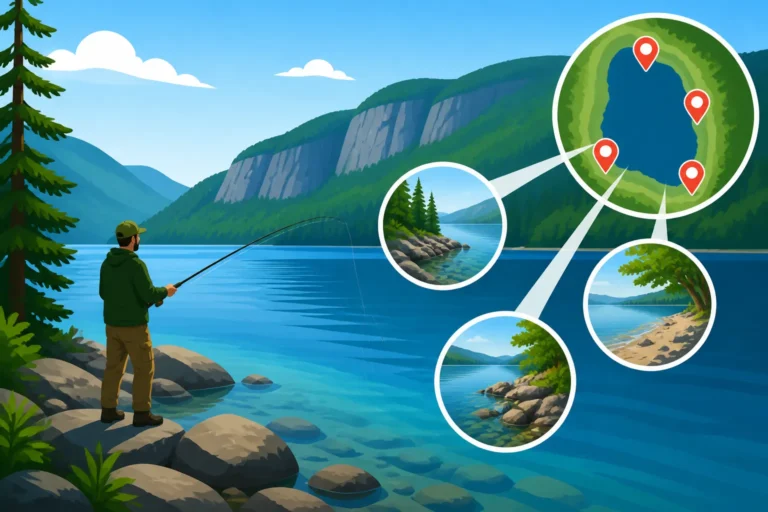
For those who prefer to keep their feet on solid ground or who are bringing younger anglers along, Elmore State Park offers several excellent shoreline fishing opportunities that are easily accessible. The main beach area, while popular with swimmers during summer, often has accessible sections along its edges early in the morning or later in the evening where you can cast a line. Here, the waters are typically shallower, making it a great spot for targeting panfish with a simple worm and bobber setup, or casting smaller lures for cruising bass and pickerel that might be hunting the baitfish congregating near the shoreline.
Beyond the main beach, explore the areas around the park's picnic grounds and campsites. Many of these spots offer natural clearings or small docks where you can cast directly into promising water. Look for points of land that jut out into the lake or areas where you can see submerged timber. These are natural fish magnets. For instance, the northern end of the lake, away from the main swimming beach, often provides more secluded spots with less recreational traffic, allowing for a more focused fishing experience. Just be mindful of other park users and always pack out whatever you pack in, keeping this beautiful state park pristine for everyone. Remember to check the park map for specific trail access points that might lead to quieter shore fishing locations, which can be particularly rewarding for those seeking solitude.
Boating on Lake Elmore: Expanding Your Reach
While shore fishing at Elmore State Park can be rewarding, getting out on the water in a boat truly opens up the entire lake to exploration. It allows you to reach those hidden coves, troll the deeper channels, and target structures that are simply unreachable from the bank. The lake is generally calm, making it a fantastic place for smaller boats, kayaks, and canoes.
Public Boat Launch and Rental Options
Elmore State Park provides a convenient public boat launch located within the park, making it easy to get your vessel into the water. The launch is suitable for most small to medium-sized boats, including bass boats, jon boats, and pontoon boats. While there aren't strict horsepower limits, the lake's size and relatively calm nature lend themselves well to electric trolling motors or smaller outboards, promoting a peaceful environment for all users. It's always a good idea to check the specific Vermont boating laws for any updates or restrictions before you head out. For those who don't own a boat, the park typically offers canoe and kayak rentals, which is a fantastic option for exploring Lake Elmore’s many nooks and crannies. A kayak can be particularly effective for sneaking into shallow, weedy areas where larger boats might struggle, allowing you to get right on top of those bass and pickerel.
When using the boat launch, be sure to follow all park rules and practice good etiquette, especially during peak season. This includes being mindful of others launching or retrieving their boats and ensuring your boat is properly cleaned to prevent the spread of invasive species, a crucial practice for maintaining Vermont's beautiful waterways. If you're new to the area and unsure about the best way to navigate or approach the lake's unique features, local knowledge can be invaluable. Sometimes, booking a half-day trip with a local guide, perhaps found through platforms like FishingBooker, can be an excellent way to fast-track your understanding of the lake's hot spots and seasonal patterns.
Productive Zones for Trolling and Casting
Once you're out on Lake Elmore, the possibilities for finding fish multiply. One of the most productive techniques is to slowly troll the deeper sections of the lake, especially down the central channel, using small crankbaits or spoons. This method can be particularly effective for any stocked rainbow trout that might be present, as well as cruising chain pickerel. Pay close attention to your fish finder if you have one; identifying sudden depth changes, submerged humps, or scattered rock piles can indicate prime feeding areas where fish will congregate.
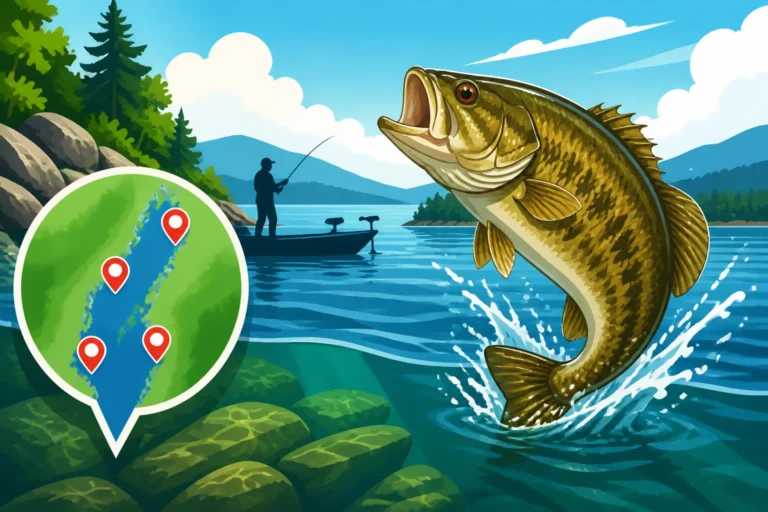
For casting, focus your efforts on the lake's numerous coves and along the extensive weed lines. The south and eastern shores of Lake Elmore are known for their shallower, weedy bays, which are absolutely teeming with largemouth bass. Pitching jigs, Texas-rigged worms, or topwater frogs into these dense covers can yield explosive strikes. Smallmouth bass, while less abundant than largemouths, can often be found around rocky points or areas with harder bottom structure, particularly on the western side of the lake where the bottom transitions. Look for drop-offs near these rocky areas and try casting tube jigs or finesse worms to tempt them. Knowing the right retrieves and presentations for these diverse habitats is key, and if you're struggling, remember that resources on how to catch smallmouth bass in Vermont lakes can provide targeted advice.
Targeting Elmore's Prized Catches
Lake Elmore is a fantastic multi-species fishery, offering opportunities for anglers of all skill levels to catch a variety of fish. Understanding the habits and preferred presentations for each species will greatly increase your success.
Strategies for Largemouth and Smallmouth Bass
Targeting bass on Lake Elmore means focusing on structure and cover. Largemouth bass are typically found in the shallower, heavily vegetated areas. During spring and early summer, they'll be cruising the shallow flats and around submerged timber, often preparing for or recovering from their spawn. Texas-rigged soft plastics, spinnerbaits, and shallow-diving crankbaits are excellent choices here. As summer progresses and water temperatures rise, they'll often retreat slightly deeper into the weed edges or seek shade under docks and overhanging trees. Topwater lures like poppers and frogs become incredibly effective during low-light conditions or over dense weed mats, providing thrilling strikes. For those looking to refine their approach, articles like Best Techniques for Largemouth Bass in Vermont Ponds offer deeper dives into specific tactics.
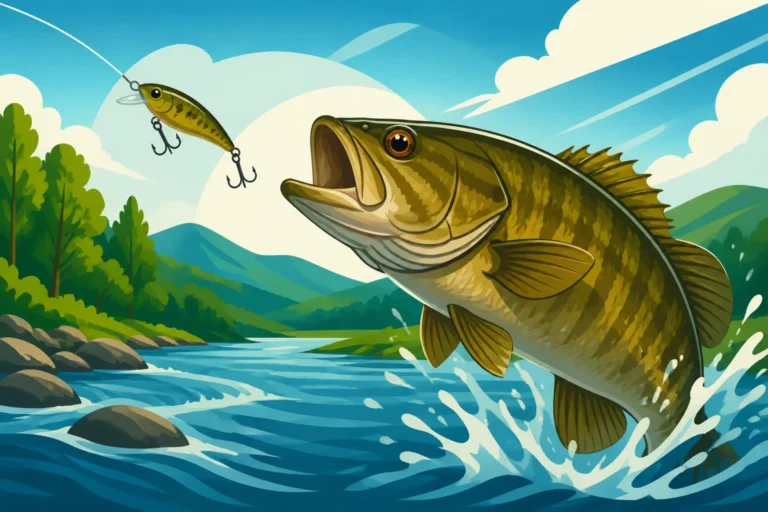
Smallmouth bass, though fewer in number, offer a fantastic fight. They prefer clearer water and harder bottom structure, often congregating around rocky points, drop-offs, and submerged humps. Early in the season, when the water is cooler, jerkbaits and suspending crankbaits worked slowly can be deadly. As summer peaks, look for them holding slightly deeper, and consider using tube jigs, Ned rigs, or drop shots presented vertically over structure. Don't be afraid to experiment with different depths and retrieve speeds, as their preferences can change rapidly. For a deeper understanding of what triggers these feisty fish, exploring resources on Best Tackle for Vermont Smallmouth Bass can significantly improve your catch rates.
Finding Panfish, Pickerel, and Other Species
Lake Elmore is a panfish paradise, making it an ideal destination for families or anglers just looking for consistent action. Yellow perch, sunfish, and black crappie are abundant and can be found almost anywhere in the lake, though they tend to congregate in schools. Simple tactics are often the most effective for panfish: a small hook tipped with a piece of worm, corn, or a tiny jig under a bobber is usually all it takes. Focus on areas near the shoreline, around docks, or the edges of weed beds. These species are particularly active in the mornings and evenings and can provide nonstop fun for anglers of all ages.
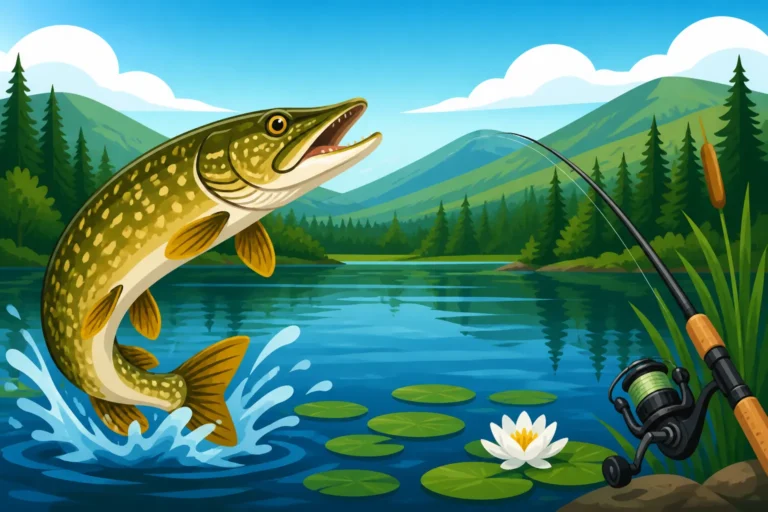
Chain pickerel are another exciting species in Lake Elmore, known for their aggressive strikes and sharp teeth. They are ambush predators and will lurk in the dense weed beds, waiting to dart out at unsuspecting baitfish. To catch pickerel, cast shiny spoons, spinnerbaits, or inline spinners parallel to weed lines or into pockets within the vegetation. They're not shy, so don't be afraid to use a relatively fast retrieve. Just remember to use a wire leader or heavy fluorocarbon to prevent bite-offs from their razor-sharp teeth! Brown bullhead are often overlooked but can provide great action, especially in the evenings. They are bottom feeders and are easily caught with worms or cut bait fished directly on the bottom, particularly in muddier areas of the lake. If you're keen to learn more about pickerel, articles covering Best Techniques for Chain Pickerel can offer valuable insights.
| Species | Primary Location | Recommended Lures/Baits | Best Season | Tips |
|---|---|---|---|---|
| Largemouth Bass | Shallow coves, dense weed beds, submerged timber | Texas-rigged worms, spinnerbaits, topwater frogs, jigs | Spring, Summer, Fall | Focus on cover. Fish early morning/late evening with topwater. |
| Smallmouth Bass | Rocky points, drop-offs, hard bottom areas | Tube jigs, Ned rigs, drop shots, suspending jerkbaits | Spring, Summer, Fall | Look for deeper structure. Work lures slowly along contours. |
| Yellow Perch | Weed edges, near docks, open water schools | Small jigs, worms, small minnows under a bobber | Year-round | Great for kids. Fish in schools. Move around until you find them. |
| Chain Pickerel | Dense weed beds, lily pad fields | Spoons, spinnerbaits, inline spinners | Year-round | Use a wire leader. Aggressive strikes. Fast retrieve. |
| Brown Bullhead | Muddy bottoms, deeper holes | Worms, cut bait (on bottom) | Summer, Fall | Night fishing can be productive. Patiently wait for bites. |
| Rainbow Trout | Open water, cooler depths (if stocked) | Small spoons, powerbait, worms | Spring, Fall | Often stocked, they may be found more easily shortly after stocking events. Troll or still fish. |
Essential Tips for a Successful Trip to Elmore State Park
A successful fishing trip to Elmore State Park involves more than just knowing where the fish are; it also requires understanding the rules, being prepared for the conditions, and respecting the natural environment.
Understanding Regulations and Park Amenities
Before casting your first line, it's absolutely crucial to ensure you have a valid Vermont fishing license. Whether you're a resident or a nonresident, there are specific requirements and costs involved, so check out resources like the Vermont Fishing License Guide for 2026 or How Much Does a Vermont Fishing License Cost for the most up-to-date information. Understanding the statewide Vermont Fishing Regulations Explained is also vital, as these cover everything from bag and possession limits to specific tackle restrictions. For instance, knowing the Vermont Bass Minimum Length Limits will ensure you're compliant when you land that big lunker. It’s also wise to know about Printing or Carrying a Digital Fishing License in Vermont in case you lose your physical copy or prefer digital.
Beyond fishing-specific rules, remember you're in a state park. This means adhering to park hours, respecting quiet times if you're camping, and always practicing Leave No Trace principles. Elmore State Park offers fantastic amenities including picnic areas, restrooms, and campsites, making it a wonderful destination for a longer stay. Make use of these facilities to enhance your trip, but always remember to keep the area clean for future visitors.
Seasonal Considerations and Gear Recommendations
Lake Elmore offers fishing opportunities throughout the open water season, but the best times can vary depending on your target species. Spring, particularly after ice-out and into early summer, is excellent for active bass and panfish as they move into shallower waters for spawning and feeding. Fall can also be fantastic, as fish aggressively feed to build reserves for winter. While not an ice fishing destination due to specific regulations, during the open water months, the lake provides consistent action. If you're planning a trip for late fall or winter (if conditions allow for other species outside specific ice fishing rules), it's always smart to double-check local conditions.
For gear, if you're primarily shore fishing for panfish or smaller bass, a light to medium-light spinning rod and reel combo with 4-8 lb test line will serve you well. For boat anglers targeting larger bass or pickerel, a medium-heavy rod with 10-17 lb monofilament or braided line is more appropriate. Always pack essential safety gear, especially if you're on the water; a properly fitting life jacket, a first-aid kit, and plenty of water are non-negotiable. Don't forget polarized sunglasses to spot fish and structure, and insect repellent during the warmer months. If you're venturing out on a boat, consider the benefits of a guided trip from a knowledgeable local, which you can easily arrange through services like FishingBooker, to make the most of your time on this beautiful Vermont lake.
Disclaimer
The information provided in this guide is for general informational purposes only and should not be considered legal advice. Fishing regulations and park rules can change, so always consult the official Vermont Fish and Wildlife Department website and Elmore State Park's official resources before your trip to ensure compliance with all current laws and guidelines. Adherence to all safety practices is the sole responsibility of the individual angler.