Otter Creek smallmouth bass access
Figuring out where to drop a line for smallmouth bass on a winding, often dense river system like Otter Creek can feel like trying to solve a puzzle without all the pieces. You might drive for miles, peering through trees, only to find private land or impassable banks, leaving you frustrated and fishless. This comprehensive guide is here to cut through that confusion, showing you exactly where and how to access Otter Creek for some fantastic smallmouth bass action.
Unpacking Otter Creek's Smallmouth Bass Haven
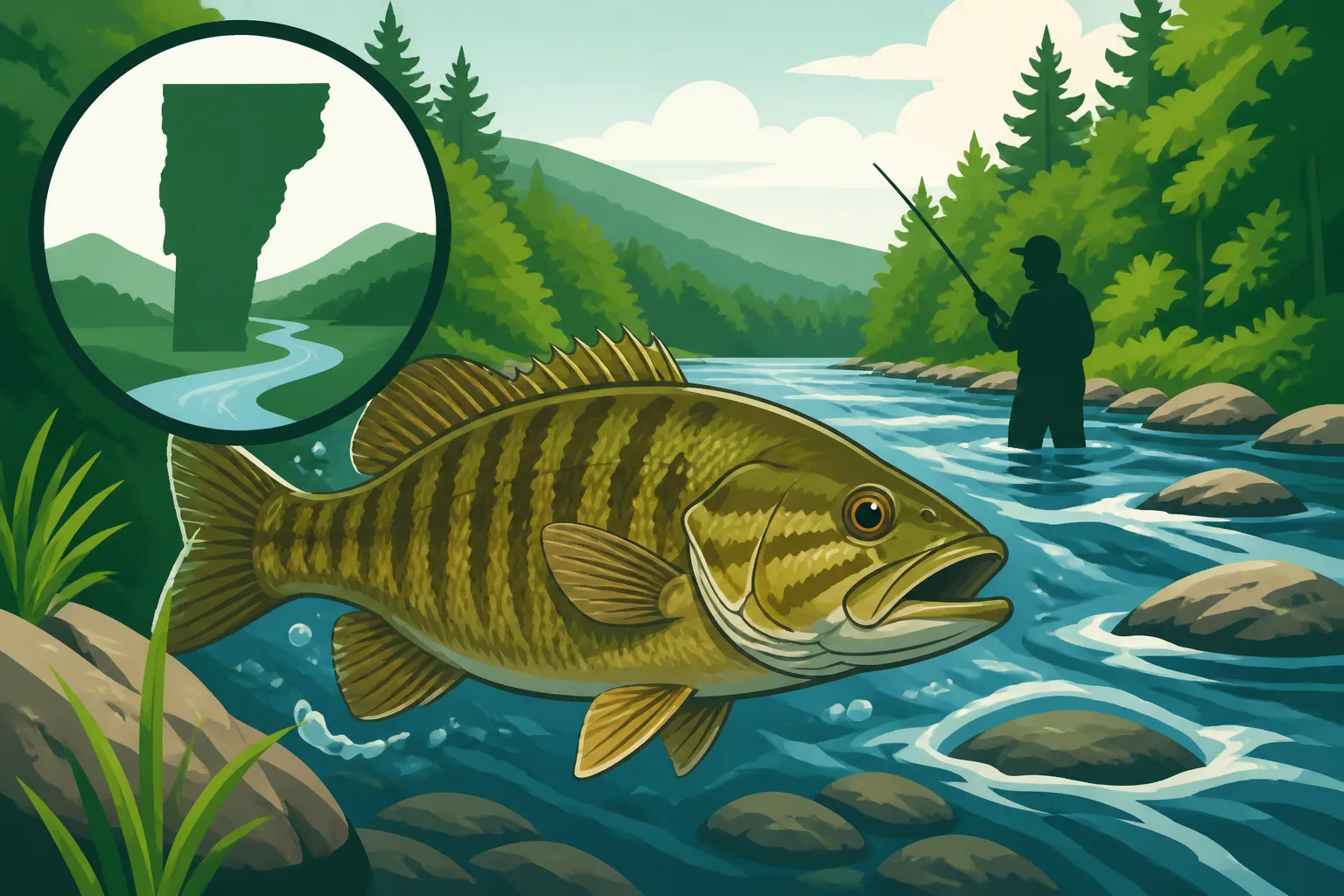
Otter Creek, Vermont's longest river, is a true gem for anglers, and it holds a special place in the hearts of smallmouth bass enthusiasts. Flowing over 112 miles from its headwaters in Dorset to its mouth on Lake Champlain, it carves a diverse path through agricultural lands, forests, and charming towns. This variety in its journey creates an incredibly rich and varied habitat that smallmouth bass absolutely adore.
River Dynamics and Ideal Smallmouth Habitat
Smallmouth bass are opportunistic predators that thrive in environments offering a mix of current, structure, and ample forage. Otter Creek delivers on all fronts. In its upper and middle sections, you'll find faster-flowing water with rocky bottoms, gravel beds, and plenty of current seams – perfect ambush points for these bronze bombers. As the river broadens and slows in its lower reaches, particularly closer to Lake Champlain, you encounter deeper pools, submerged timber, weed lines, and rocky points, all classic smallmouth haunts. The geology of the area has blessed Otter Creek with abundant limestone and shale, which often translates into excellent natural rock structure. These rocky outcroppings, ledges, and scattered boulders provide crucial cover, shade, and current breaks that smallmouth utilize year-round. They'll hold tight to these features, waiting for an unsuspecting baitfish or crayfish to drift by.
Forage and Ecosystem Health
A healthy smallmouth fishery is always supported by a robust food chain, and Otter Creek is no exception. The river teems with various baitfish like shiners and dace, as well as a healthy population of crayfish, which are absolute smallmouth magnets. Insect hatches, frogs, and other aquatic invertebrates further supplement their diet, ensuring a strong and growing population of bass. The river's generally good water quality and diverse aquatic vegetation also contribute to a thriving ecosystem. This rich forage base is why the smallmouth here grow to impressive sizes, often exceeding the average for river systems. Understanding what these bass are eating, which often depends on the season and specific section of the river, can be a game-changer for your lure selection.
Prime Public Access Points for Otter Creek Smallmouth
One of the biggest challenges for river anglers is finding legal, safe, and productive access. Otter Creek, despite its length, has several excellent public access points managed by the Vermont Fish and Wildlife Department, local towns, or through conserved lands. These spots offer a range of opportunities, from bank fishing to launching kayaks and canoes.
Middlebury and Weybridge Area
Around the bustling town of Middlebury, Otter Creek offers both convenient town access and more secluded options. The river here presents a mix of faster runs and deeper pools.
- Middlebury Falls Park: While primarily a scenic spot, there are often access points both upstream and downstream from the falls (though fishing immediately above or below the falls can be challenging due to swift current and specific regulations; always check the Vermont Fishing Regulations Explained). Just a short walk from downtown, you can find quieter stretches where the current slows a bit, and rocky pockets hold smallmouth. This area is more suited for bank fishing or a very short, careful wade.
- Weybridge State Fishing Access Area: Located a few miles northwest of Middlebury, this access point provides excellent opportunities. It features a boat launch suitable for canoes, kayaks, and small johnboats, making it an ideal spot to float a section of the river. The banks here also offer decent shore fishing, with a mix of riffles, deeper bends, and submerged structure. Many anglers use this spot as a starting point for a leisurely float downriver, targeting smallmouth along the banks, undercutting, and around logjams. Remember that proper Vermont Boating Laws for Anglers apply, especially regarding life jackets.
- Cornwall Swamp Wildlife Management Area: While known more for its birdwatching, certain areas along the WMA that border Otter Creek can offer walk-in access for shore fishing. This can be a bit more rugged and less defined, requiring some bushwhacking, but it often leads to less pressured fish in more natural settings.
Vergennes and Ferrisburgh Area
As Otter Creek nears Lake Champlain, it widens and slows, becoming more characteristic of a lowland river. This section is often deeper and can hold larger smallmouth, especially during migratory periods when fish move up from the lake.
- Vergennes Falls Park: Similar to Middlebury, the falls in Vergennes are a prominent feature. Upstream and downstream from the falls offer various fishing opportunities. The section below the falls, often called the "Vergennes pool," can be extremely productive, especially in spring and fall, as smallmouth and other species congregate. Public parks in Vergennes offer good bank access, and you can often find areas to launch smaller craft by hand.
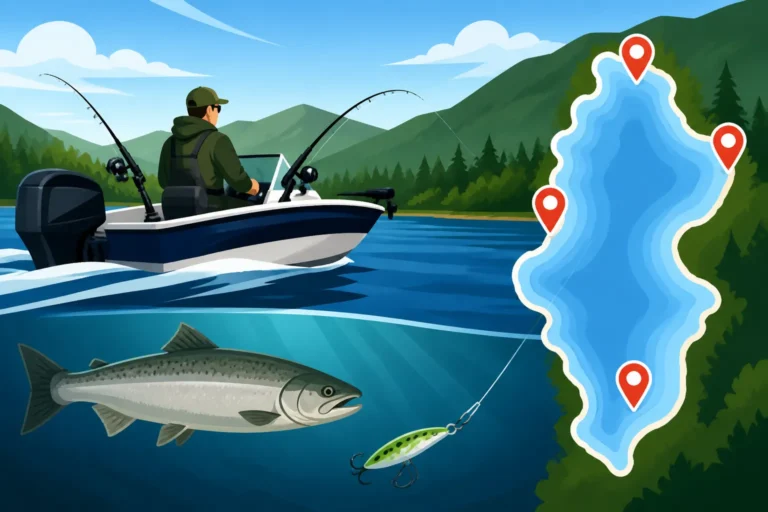
- Mouth of Otter Creek State Fishing Access Area (Ferrisburgh): This is perhaps one of the most popular access points for smallmouth on Otter Creek, particularly because it's so close to Lake Champlain. It boasts a substantial boat launch capable of handling larger vessels, making it perfect for launching a bass boat or a substantial pontoon to explore the lower river and even transition into the lake. The lower river here is characterized by extensive weed beds, submerged timber, and deep channels. Trolling or casting crankbaits along the river channel edges can be highly effective. The connection to the lake means you might encounter some truly trophy-sized smallmouth that migrate in and out. For those looking for a guided experience on this productive stretch, booking a local expert through a service like FishingBooker can provide invaluable insights into the best spots and techniques.
Southern Sections: Rutland County
Further upstream, as the river begins its journey, it offers different challenges and rewards, often with smaller, more numerous fish.
- Rutland City Parks: While Otter Creek doesn't flow directly through downtown Rutland, it passes close by. Various small town parks or roadside pull-offs in communities like Proctor or Pittsford often offer informal bank access. These spots are usually less crowded and can be great for a quiet afternoon of fishing, especially if you're targeting smallmouth with lighter tackle. These sections are often narrower and wader-friendly when water levels permit. Always be mindful of private property when exploring these less-defined access points.
Table: Otter Creek Smallmouth Bass Access Overview
| Access Point | Location | Primary Access Type | Typical Water Flow | Key Features for Bass | Best For |
|---|---|---|---|---|---|
| Weybridge State Fishing Access | Weybridge | Boat (canoe/kayak/john) | Moderate to Fast | Rocky runs, current seams, logjams | Float fishing, wading, bank fishing |
| Middlebury Falls Park | Middlebury | Bank, limited wade | Fast (near falls) | Rocky pockets, eddies, bridge pilings | Light tackle, exploring town sections |
| Vergennes Falls Park | Vergennes | Bank, hand launch | Moderate to Slow | Deep pools, varied structure below falls | Bank fishing, hand launch kayaks/canoes |
| Mouth of Otter Creek Access | Ferrisburgh | Full Boat Launch | Slow to Moderate | Weed lines, submerged timber, lake access, deep channels | Boat fishing, larger craft, trophy bass |
| Proctor/Pittsford Informal | Rutland County (various) | Bank, wade | Moderate to Fast | Rocky bottoms, smaller pools, tight bends | Wading, fly fishing, exploring quieter spots |
Essential Gear and Techniques for Otter Creek Smallmouth
Having the right gear and knowing how to present it effectively can make all the difference when targeting Otter Creek's smallmouth bass. This isn't a one-size-fits-all fishery; the river's varied character demands versatility.
Rods, Reels, and Line
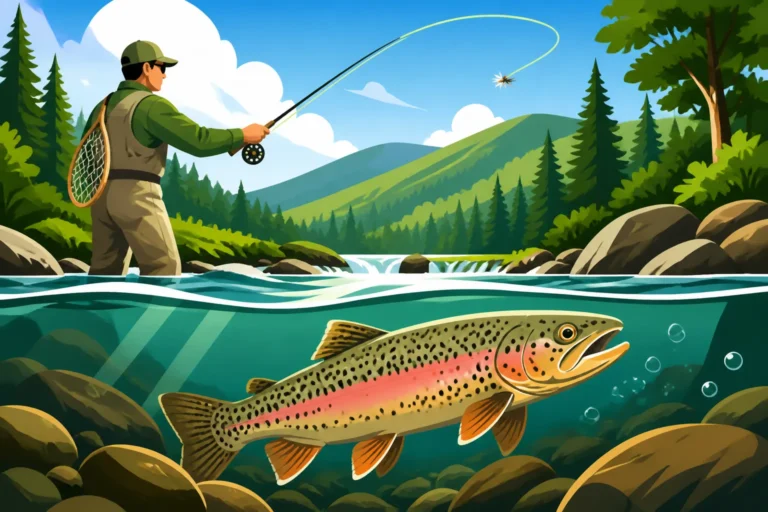
For most Otter Creek smallmouth fishing, a medium-light to medium power spinning rod, around 6'6" to 7' long, is a fantastic all-around choice. This setup offers enough backbone to handle feisty bass in current but is sensitive enough to detect subtle bites. Pair it with a 2500- or 3000-series spinning reel spooled with 8-10 lb braided line, especially if you plan on fishing around submerged timber or rocky areas. The braid's sensitivity and strength are a huge advantage. Attach a 6-8 lb fluorocarbon leader, about 2-3 feet long, for stealth in the clearer sections of the river. If you're focusing on the heavier cover in the lower river, you might bump up to a medium-heavy rod and 12-15 lb braid. For those who enjoy fly fishing, a 6 or 7-weight fly rod with a weight-forward floating line and a 9-foot tapered leader is ideal for presenting streamers and poppers. Learning How to Fish a River for Smallmouth Bass is a good way to improve your overall technique.
Top Lures and Baits
Smallmouth bass in Otter Creek respond to a wide array of presentations, but some stand out as consistent producers.
- Soft Plastics: These are arguably the most versatile. Tubes, grubs, and crawfish imitations rigged on a jig head are deadly. Color choices like green pumpkin, watermelon, and various browns mimic the crayfish and baitfish they feed on. Work them along the bottom, hopping and dragging, especially around rocky areas and drop-offs.
- Crankbaits and Jerkbaits: For covering water, especially in the wider, deeper sections, crankbaits and jerkbaits are excellent. Shallow-diving crankbaits in crawfish or baitfish patterns work wonders in faster, shallower runs. Medium-diving crankbaits are great for probing river bends and deeper pools. Jerkbaits are particularly effective in cooler water temperatures, especially in spring and fall, as they can be suspended and twitched to entice lethargic bass.
- Spinnerbaits and Buzzbaits: When the bass are active, especially in stained water or during low light conditions, spinnerbaits with tandem willow or Colorado blades can be very effective. Buzzbaits create a commotion on the surface, drawing aggressive strikes, particularly in the morning and evening hours.
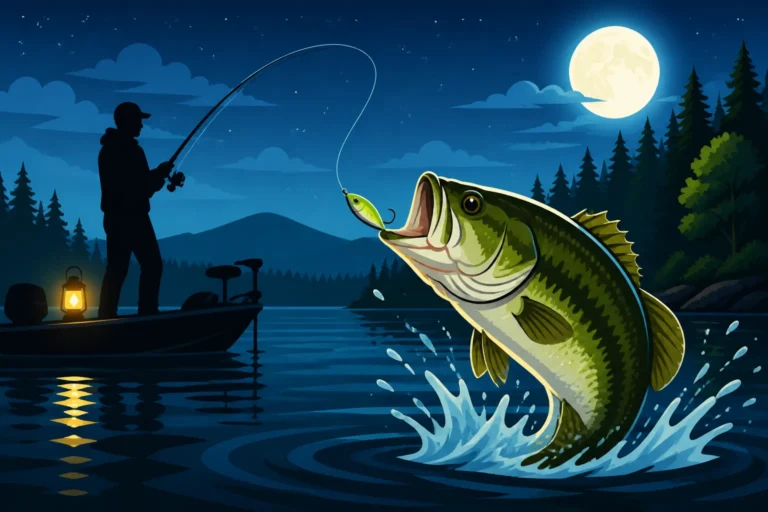
- Topwater Lures: There's nothing quite like a smallmouth blowing up on a topwater lure. Poppers, walk-the-dog style baits, and prop baits can be incredibly exciting in calmer sections of the river or around submerged vegetation. Early mornings and late evenings are prime times for topwater action. For more ideas on baits, check out Best Baits for Smallmouth Bass on Lake Champlain as many techniques translate to river fishing.
- Live Bait: If you're looking for a more traditional approach, live shiners or crayfish are almost impossible for a hungry smallmouth to resist. Rig them on a simple hook with a split shot, allowing them to drift naturally through likely holding spots.
Wading and Float Fishing Strategies
Otter Creek is a fantastic river for both wading and float fishing, each offering unique advantages.
- Wading: Many sections of Otter Creek, particularly in the upper and middle reaches, are accessible by wading when water levels are moderate. Wearing good Best Waders for Vermont Trout Streams and sturdy wading boots is essential, as the bottom can be rocky and slippery. Focus on working upstream, casting into current seams, behind boulders, and along undercut banks. Pay attention to changes in depth and current speed, as these are often prime spots. Always be aware of your footing and never wade if the current feels too strong or the water is too high.
- Float Fishing (Kayak/Canoe): Launching a kayak or canoe allows you to cover significantly more water and reach sections of the river inaccessible from the bank. This is where the true beauty of Otter Creek smallmouth fishing often reveals itself. You can slowly drift downstream, casting to prime structure, fishing both banks, and exploring hidden pockets. Eddy lines, logjams, bridge pilings, and any visible cover should be thoroughly fished. Many anglers use a small anchor or drift sock to control their speed and thoroughly pick apart productive stretches. When planning a float trip, consider using a mapping app to scout potential take-out points in advance. Services like FishingBooker sometimes list local guides who offer float trips, providing an excellent way to learn the river's nuances. Knowing the Best Kayaks for Vermont Fishing can help you choose the right craft for this kind of adventure.
Navigating Regulations and Responsible Angling
Before you even make your first cast on Otter Creek, it’s critical to understand and adhere to Vermont's fishing regulations. These rules are in place to ensure the health of the fishery for generations to come.
Key Smallmouth Bass Regulations
Vermont has specific rules regarding bass season, minimum length limits, and daily creel limits. Generally, there's a catch-and-release only season for bass in the spring before the regular season opens. This allows the fish to spawn undisturbed, protecting future populations. For detailed information, always consult the official Vermont Fishing Regulations Explained guide. During the regular season, there will be a minimum length limit and a daily bag limit for smallmouth bass. For example, understanding Vermont Bass Minimum Length Limits is crucial, as keeping an undersized fish can result in a fine. Always measure your fish carefully and release those that don't meet the legal requirements.
Practicing Catch and Release
While it's legal to keep a certain number of smallmouth bass during the open season, many anglers choose to practice catch-and-release, especially for larger, trophy-sized fish. Smallmouth are incredible fighters, and releasing them ensures that other anglers can enjoy the thrill, and these fish can continue to reproduce.
When practicing catch-and-release:
- Use Barbless Hooks: These make unhooking much easier and less damaging to the fish. If your hooks have barbs, you can easily crimp them down with a pair of pliers.
- Minimize Handling Time: Keep the fish in the water as much as possible. If you must remove it for a quick photo, do so gently and quickly.
- Wet Your Hands: Always wet your hands before touching the fish to protect its protective slime coat.
- Proper Release: Support the fish horizontally, allowing it to recover in the water. Gently hold it upright until it swims away under its own power. Avoid dropping or throwing fish back into the water.
- Consider a Net: A rubberized landing net is ideal for quickly and safely landing fish, especially from a boat or kayak, without harming their scales or fins.
Remember, fishing is a privilege, and respecting the resource is paramount. When in doubt about regulations or the best practices for handling fish, don't hesitate to consult local resources or even consider hiring a licensed fishing guide through platforms like FishingBooker. They are often intimately familiar with local rules and conservation efforts. Before heading out, it's also a good idea to check Vermont Fishing Season Dates and Closures to ensure you're fishing legally and responsibly.
Disclaimer
Please be aware that fishing regulations, access points, and conditions can change. Always consult the latest Vermont Fish and Wildlife Department regulations before heading out. Exercise caution when on or near the water, wear appropriate safety gear, and be respectful of private property. Fishing involves inherent risks, and it is your responsibility to ensure your safety.