Lake Champlain Fishing Guide
It's no secret that Lake Champlain is a majestic body of water, offering some of the most diverse and challenging fishing experiences in the entire Northeast. However, its sheer size, spanning over 120 miles and bordering two states and a province, can feel incredibly overwhelming for any angler, making it hard to even know where to begin your fishing adventure. This comprehensive guide is designed to cut through that confusion, giving you the insider knowledge you need to confidently explore Lake Champlain's vast waters and find incredible success.
Understanding the Majesty and Challenges of Lake Champlain
Lake Champlain isn't just a lake; it's practically an inland sea, a truly incredible natural wonder that provides a fishing experience unlike almost anywhere else in Vermont. When you stand on its shores, looking out at the seemingly endless expanse of water, it's easy to feel both awe and a touch of intimidation. This massive freshwater body is a vital ecosystem, home to over 80 species of fish, making it a dream destination for anglers of all stripes. But its size, combined with varied depths, complex underwater structures, and ever-changing weather patterns, means that successful fishing here requires more than just a rod and reel – it demands understanding and respect for this unique environment.
The Lake Champlain Ecosystem and Its Richness
What makes Lake Champlain so special for fishing is its incredible biodiversity. This isn't just a trout lake or a bass lake; it's truly a multi-species wonderland. From the deep, cold waters that harbor ancient lake trout and landlocked salmon, to the shallower, weedy bays teeming with largemouth bass and northern pike, there's a niche for nearly every popular game fish. The lake's varied bottom contours, which include rocky reefs, sand flats, vast weed beds, and dramatic drop-offs, create a mosaic of habitats. This ecological richness supports a robust forage base, from abundant alewives and rainbow smelt to various panfish, which in turn fuels the growth of trophy-sized predators.
Think about the sheer variety you can encounter in a single day. You might start your morning casting for smallmouth bass on a rocky point, then transition to trolling deep for a lake trout or walleye in the afternoon. Later, as the sun dips, you could be pitching jigs into lily pads for largemouth. This diversity is a blessing, but it also means that you need to adapt your approach constantly, paying close attention to the specific conditions and the behavior of your target species. It's this dynamic challenge that truly captivates anglers and keeps them coming back season after season.
Navigating the Jurisdictional Waters
One of the unique complexities of fishing Lake Champlain is that its waters fall under the jurisdiction of two U.S. states, Vermont and New York, and also share a border with Quebec, Canada. While this guide primarily focuses on the Vermont side, understanding the implications of these borders is crucial. Specifically, the main body of Lake Champlain is subject to a reciprocal agreement between Vermont and New York, meaning that if you possess a valid fishing license from either state, you are generally covered for fishing in the main lake. However, this reciprocity often does not extend to tributaries or inland waters, so always double-check the specifics.
For instance, if you're planning to fish a river that flows into Lake Champlain, like the Winooski River on the Vermont side, you'll definitely need a Vermont Fishing License Guide for 2026 specifically for Vermont. The same goes for any smaller ponds or lakes connected to the system. It's a common mistake for anglers to assume one license covers everything once they're near the big lake, leading to potential fines or issues. Always consult the latest regulations from both the Vermont Fish and Wildlife Department and the New York State Department of Environmental Conservation if you plan to venture near state lines or into connecting waterways. Ignoring these details can quickly turn a fantastic fishing trip into a frustrating encounter with law enforcement.
Top Fish Species to Target on Lake Champlain
Lake Champlain is an angler's paradise, boasting an impressive variety of game fish that thrive in its diverse habitats. Knowing which species you want to target can really help narrow down your strategy, from choosing the right gear to picking the perfect location. Whether you're after powerful predators or delicious panfish, Champlain has something for everyone.
Walleye: The Elusive Golden Ghosts
Walleye are one of Lake Champlain's most prized catches, known for their delectable taste and challenging nature. These elusive fish prefer deeper, cooler waters during the day, often relating to submerged structures, humps, and channel edges. Their large, light-sensitive eyes make them most active during low-light conditions, such as dawn, dusk, and even into the night. Anglers often find success targeting walleye in the central and southern parts of the lake, particularly around areas with good current or deeper rocky transitions.
To consistently catch walleye on Lake Champlain, you'll need a good understanding of their habits and a willingness to adapt. Trolling with crankbaits or spinner-harness rigs is a highly effective method, especially when covering large areas to locate schools. Pay close attention to your fish finder to identify baitfish schools and underwater structure; walleye are rarely far from their food source. Jigging with lipless crankbaits or soft plastics can also be incredibly productive, particularly when you've pinpointed a specific piece of structure holding fish. Remember, patience is key with walleye; they can be finicky eaters, but the reward of landing one of these beauties is well worth the effort. Make sure you're aware of the Vermont walleye limit on Lake Champlain before you head out.
Smallmouth Bass: The Fighting Bronzebacks
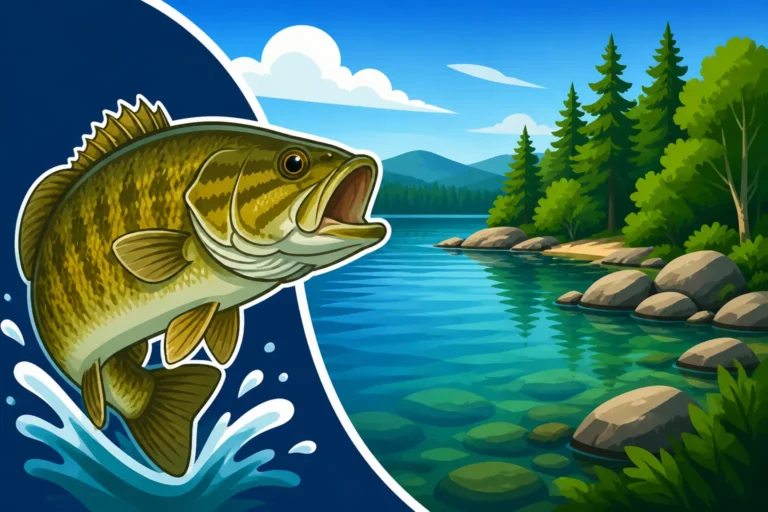
Smallmouth bass are perhaps the most popular game fish on Lake Champlain, renowned for their incredible fighting spirit and acrobatic leaps. These "bronzebacks" thrive in the lake's abundant rocky areas, gravel beds, and ledges. You'll find them congregating around points, shoals, islands, and rocky shorelines throughout the lake, from the northern narrows to the broad southern lake. They are aggressive feeders, making them a fantastic target for both seasoned anglers and those just starting out.
For smallmouth, variety in presentation is your best friend. Topwater lures like poppers and walk-the-dog baits are incredibly exciting to use, especially during calm mornings and evenings when the smallmouth are actively feeding on the surface. Crankbaits, jerkbaits, and spinnerbaits are excellent for covering water and triggering reaction strikes, particularly around rocky structures. For a more finessed approach, tube jigs, drop shots, and Ned rigs can be deadly when the fish are deeper or less active. The key is to match your presentation to the available forage and the current mood of the fish. These powerful fish offer a thrilling fight, pulling hard and making multiple jumps, ensuring every catch is a memorable one. If you want to dive deeper, check out our guide on How to Catch Smallmouth Bass in Vermont Lakes.
Lake Trout: Deep-Water Dynamos
Lake trout are the true giants of Lake Champlain's cold, deep waters. These magnificent fish are a relic of the glacial age, preferring the cooler temperatures found at significant depths, especially during the warmer months. While they can be found throughout the main lake basin, the deeper sections of the central and northern lake are particularly productive for these impressive predators. Catching a lake trout often involves specialized techniques and a bit more gear, but the sheer size and power of these fish make the effort incredibly rewarding.
Trolling is the most common and effective method for targeting lake trout on Lake Champlain. This typically involves using downriggers or leadcore line to get large spoons, stickbaits, or even live bait (like smelt) down to the depths where these fish reside. Look for them along deep breaks, around submerged islands, and over deep rock piles. A good fish finder is absolutely essential for locating schools of baitfish and identifying the thermocline where lake trout often suspend. While they don't jump like smallmouth, their powerful runs and relentless head shakes will test your tackle and your stamina. Be sure to understand the Vermont Lake Champlain lake trout regulations before you begin your adventure.
Other Notable Species
Beyond the big three, Lake Champlain offers a plethora of other exciting fishing opportunities:
- Largemouth Bass: While smallmouth prefer rocks, largemouth bass dominate the weedy, shallower bays and coves. Look for them in areas with lily pads, submerged grass, and fallen timber. Spinnerbaits, Texas-rigged worms, and topwater frogs are excellent choices for these ambush predators.
- Northern Pike: These toothy predators are often found lurking in the same weedy habitats as largemouth, especially in the northern bays and river mouths. Large spoons, spinnerbaits, and swimbaits are effective, but be sure to use a wire leader to prevent bite-offs.
- Landlocked Salmon: Though less common than lake trout, landlocked salmon are another cold-water gem in Lake Champlain. They often inhabit similar deep, open water areas and can be caught using similar trolling techniques, though they tend to feed higher in the water column at times. Read up on Vermont Landlocked Salmon Regulations to stay within the rules.
- Panfish (Perch, Crappie, Bluegill): For a more relaxed day on the water, Lake Champlain's abundant yellow perch, black crappie, and bluegill offer continuous action, especially for families or beginners. They are often found in bays, marinas, and around docks, eager to strike on small jigs, worms, or minnows. For specific species limits, check the Vermont yellow perch limit.
Lake Champlain's Premier Fishing Spots and Access
With a lake as vast as Champlain, knowing where to launch your boat or wet your line can be the biggest hurdle. Fortunately, Vermont offers numerous fantastic access points and specific areas that are renowned for their productivity for various species.
Top Boat Launches and Marinas
For boaters, having reliable access is paramount. Lake Champlain offers a variety of public and private launches, catering to different boat sizes and angler preferences. The Vermont Fish and Wildlife Department maintains several excellent public access areas with concrete ramps, ample parking, and often restroom facilities.
- Malletts Bay, Colchester: This is one of the most popular and well-equipped areas on the lake. Malletts Bay offers multiple launches, including the Sand Bar State Park ramp, and provides easy access to excellent smallmouth bass fishing around the rocky points and islands, as well as decent largemouth opportunities in the shallower sections. It's also a great starting point for venturing into the broader central lake for walleye and lake trout.
- Shelburne Bay, Shelburne: Another excellent central lake access point, Shelburne Bay offers ramps that lead directly into productive waters. The bay itself has good largemouth bass fishing, while the adjacent main lake offers superb smallmouth structure and access to deeper waters for trolling.
- St. Albans Bay, St. Albans: Located in the northern part of the lake, St. Albans Bay is a fantastic hub for targeting northern pike and largemouth bass in its weedy confines. It also provides good access to the "Narrows" area of the lake, which is known for its diverse fishery.
- Port Henry (New York Side, but easily accessible): While on the New York side, the Port Henry launch is worth mentioning for anglers fishing the southern lake. It puts you directly in the heart of some of the best walleye fishing on Lake Champlain, particularly around the deepest parts of the southern basin. Remember, your Vermont license generally covers you here due to reciprocity.
Choosing your launch often depends on your target species and your specific fishing plan for the day. If you're looking for a guided experience, many charter captains operate out of these marinas, and you can often find a suitable Lake Champlain fishing guide on platforms like FishingBooker, which makes planning your trip a breeze.
Productive Bays and Shoreline Hotspots
Even without a boat, Lake Champlain provides fantastic opportunities for shore anglers, kayakers, and those with smaller craft willing to explore the countless bays and coves.
- Malletts Bay: Beyond its boat launches, Malletts Bay offers numerous shoreline access points, particularly around the causeway and various parks. This area is great for yellow perch, sunfish, and even some smallmouth bass fishing from shore or a kayak. The numerous docks and weed lines provide ample cover for smaller fish.
- Missisquoi Bay, Swanton: Up in the far northern reaches, Missisquoi Bay is a haven for largemouth bass and northern pike. Its vast, shallow, and weedy flats are ideal for paddling a kayak or fishing from smaller boats. The abundant vegetation provides perfect ambush points for these aggressive predators.
- South Bay, Whitehall (New York Side): This shallow, marshy bay at the very southern tip of the lake is another prime largemouth and pike factory. While largely on the New York side, its character is typical of the fertile, weedy habitats that hold big bass.
- Burlington Waterfront and Waterfront Park: For urban anglers or those looking for convenient access, the Burlington waterfront offers several piers and shoreline areas. While not necessarily a "trophy" spot, it's excellent for panfish, an occasional smallmouth, and provides a beautiful setting for a casual fishing outing. It's a great place to introduce kids to fishing.
When exploring these areas, always be mindful of private property. Stick to designated public access points, parks, and state land. A quick check of local maps or asking at a bait shop can often reveal hidden gems for shore fishing or kayak launching.
Deep Water Structure and Trolling Lanes
For those chasing walleye, lake trout, and landlocked salmon, understanding the lake's deep-water structure is paramount. These fish often relate to specific contours, depths, and thermal layers.
- The "Gut" between Charlotte and Essex, NY: This deep trench in the central part of the lake is a prime trolling lane for lake trout and walleye. Anglers often work the edges of this channel, looking for baitfish schools suspended at various depths. The deep, cold water here provides ideal habitat for these species throughout the summer.
- Champlain Bridge Area (Chimney Point, Addison): The waters around the Champlain Bridge, especially the old ferry crossing areas and surrounding deep rock piles, are legendary for walleye. The current that flows through here creates ideal feeding opportunities. This area is also excellent for deep-water smallmouth.
- Protracted Points and Reefs: Throughout the main lake, look for long points that extend far into deeper water or isolated reefs and humps. These often act as highways and feeding grounds for various predatory fish. Using detailed bathymetric maps on your fish finder or GPS is crucial for identifying these subtle but important structures. Garmin and Lowrance units with Lake Champlain mapping are invaluable tools for exploring these underwater landscapes.
Remember, fishing these deeper areas requires specific equipment like downriggers, lead core line, or heavy weights to present your lures effectively at the desired depths. It’s a completely different game than casting in the shallows, but it often yields the biggest fish.
Seasonal Fishing Strategies for Lake Champlain
Lake Champlain's fishing opportunities change dramatically with the seasons. Understanding these shifts is key to consistent success, allowing you to adapt your techniques and target specific species as water temperatures and fish behavior evolve throughout the year.
Spring: Post-Ice Out and Pre-Spawn Frenzy
Spring on Lake Champlain, right after the ice melts, is a period of intense activity as fish shake off their winter lethargy and begin to feed aggressively in preparation for spawning. This is often heralded by the Vermont Trout Opening Day Traditions in early April, though the lake's specific bite might vary.
- Early Spring (Ice-out to early May): As the water temperatures are still cold, fish will often move into shallower bays and northern sections that warm up first. This is an excellent time for northern pike and largemouth bass as they stage for spawning. Spinnerbaits, jerkbaits, and even large shiners under a float can be incredibly effective in these warming flats. Walleye will also be staging for their spawn in rivers and rocky shoals, making them accessible to vertical jigging or slow trolling with stickbaits. Lake trout will still be relatively shallow and active near shore, offering a great window for casting spoons or stickbaits before they retreat to deeper water.
- Late Spring (Mid-May to June): This period sees the smallmouth bass moving onto their spawning beds in rocky areas and gravel flats. While it's crucial to practice catch and release during this sensitive time, sight fishing with tube jigs or drop shots can be incredibly productive. Walleye will have completed their spawn and are often found relating to river mouths or transitional areas as they recover and begin to feed heavily. This is also a fantastic time for landlocked salmon, which become very active near the surface as they chase smelt. Trolling small spoons or stickbaits in the upper water column can yield some spectacular strikes.
Summer: Deep Water and Early Morning Bites
Summer brings warmer water temperatures, pushing many species into deeper, cooler havens, while others remain active in the shallows during low-light periods.
- Early Summer (July): Smallmouth bass move off their beds and begin to actively feed on rocky points and humps. Topwater action can be phenomenal in the mornings and evenings, while crankbaits and drop shots excel during the day. Largemouth bass will be well entrenched in their weed beds, and topwater frogs, Texas-rigged plastics, and punching techniques become highly effective. Walleye start their migration to deeper water, often suspending over structure. Trolling with downriggers or lead core becomes more critical for these deeper fish.
- Mid to Late Summer (August-September): This is prime time for lake trout and deep-water walleye. These species will be found in their deepest summer haunts, requiring precision trolling with temperature and depth in mind. The main lake basin, particularly the deepest channels and drop-offs, is where you'll focus your efforts. Look for the thermocline where baitfish congregate. Smallmouth bass can still be caught on deep humps and rocky ledges using drop shots and Carolina rigs, but the bite can be tougher during the brightest parts of the day. Early mornings and late evenings offer the best chance for shallow water species.
Fall: Feeding Frenzy and Trophy Opportunities
Fall is arguably one of the best times to fish Lake Champlain. As water temperatures cool, fish become incredibly active, feeding aggressively to build up reserves for the coming winter.
- Early Fall (Late September-October): The cooling water triggers a massive feeding frenzy across all species. Smallmouth bass move shallower, often schooling up on rocky points and flats. Crankbaits, jerkbaits, and swimbaits become incredibly effective as they chase baitfish. Largemouth bass also become more aggressive in the weed beds. Walleye return to shallower points and humps, becoming much more accessible to casting and shallower trolling. This is often considered the best time for trophy walleye on the lake.
- Late Fall (November-December, pre-ice): As water temperatures continue to drop, fish will start to migrate towards their wintering grounds. Lake trout and landlocked salmon will move shallower again, becoming highly active and providing some incredible last-minute trolling opportunities before ice forms. Northern pike are also very active at this time, attacking large baits with gusto. This late fall period can offer some of the largest fish of the year for many species, as they are at their peak weight and very aggressive. It's a fantastic, but often cold, time to be on the water.
| Season | Primary Target Species | Key Techniques | Best Locations |
|---|---|---|---|
| Spring | Pike, Largemouth, Walleye, Lake Trout, Smallmouth | Jerkbaits, Spinnerbaits, Trolling, Jigging, Drop Shot | Warming bays, river mouths, shallow rocky points, deeper structure |
| Summer | Lake Trout, Walleye, Smallmouth Bass (deep) | Deep Trolling (downriggers), Drop Shot, Carolina Rig, Topwater (AM/PM) | Main lake basin (deep channels), offshore humps, rocky points |
| **Fall ** | Walleye, Smallmouth Bass, Lake Trout, Pike | Trolling, Crankbaits, Jerkbaits, Spinnerbaits, Jigging | Transitional areas, shallow points, main lake basin, weed edges |
| Winter | Perch, Pike, Lake Trout (Ice Fishing) | Jigging, Tip-ups | Shallow bays, deep humps, main lake basin (safe ice) |
Winter: Ice Fishing Opportunities
When Lake Champlain freezes over, a whole new world of fishing opens up for ice anglers. While the entire lake doesn't always freeze solid, numerous bays and shallower areas provide safe ice for thrilling winter adventures. If you're looking for more specific information on this, check out our guide on Vermont Ice Fishing Season Dates.
- Target Species: Yellow perch are the most common and popular target, offering fast action for panfish enthusiasts. Northern pike are also a big draw, often caught on tip-ups with large shiners. In deeper, colder bays, lake trout can be targeted through the ice using heavy jigs or spoons. Occasionally, walleye can be found, though they tend to be more elusive.
- Techniques: Jigging with small spoons or soft plastics is effective for perch and crappie. Tip-ups are essential for pike and can also be used for lake trout with larger baits. Ice shanties and portable shelters are commonly used to stay warm and comfortable.
- Safety First: Ice fishing always demands extreme caution. Always check local ice conditions, fish with a buddy, and carry safety gear like ice picks and a spud bar. Never assume ice is safe just because others are on it.
Essential Gear for Lake Champlain Fishing
Successfully navigating the diverse fishing opportunities on Lake Champlain requires more than just a basic setup. The right gear, tailored to your target species and preferred techniques, can make all the difference between a frustrating day and a memorable one.
Rods, Reels, and Line for Various Species
Having a versatile selection of rods and reels will greatly enhance your Lake Champlain experience.
- Smallmouth and Largemouth Bass:
- Rods: Medium-heavy to heavy power spinning or baitcasting rods, typically 6'6" to 7'6" in length, are ideal. A medium-action rod is great for topwater and crankbaits, while a fast-action tip helps with sensitivity for jigs and plastics.
- Reels: A 2500-3000 size spinning reel or a low-profile baitcasting reel with a fast retrieve ratio (7.1:1 or higher) will cover most bass applications.
- Line: 10-15 lb braided line with a 8-12 lb fluorocarbon leader is a popular and effective choice for sensitivity and strength in clear water. For heavier cover, you might go up to 30-50 lb braid for punching or frogging. Check out our guide on Best Fishing Rods for Vermont Lakes for more details.
- Walleye:
- Rods: Medium to medium-heavy rods, around 7 feet, with a sensitive tip are perfect for jigging or detecting subtle bites while trolling. Fiberglass or composite rods are often preferred for trolling due to their forgiving action.
- Reels: A good quality baitcasting reel for trolling or a 3000-4000 size spinning reel for jigging.
- Line: 10-14 lb fluorocarbon or monofilament line for trolling, or 15-20 lb braid with a fluorocarbon leader for jigging.
- Lake Trout and Landlocked Salmon:
- Rods: Medium-heavy to heavy trolling rods, 7-9 feet, with a moderate action to handle the shock of a big fish strike and the drag of heavy lures or downriggers.
- Reels: Large capacity baitcasting reels, often with a line counter, are essential for trolling deep.
- Line: 20-30 lb monofilament or fluorocarbon main line, or specific downrigger cable for maximum depth control. When using leadcore, match the color segments to your target depth.
- Northern Pike:
- Rods: Heavy power, fast action casting rods, 7-8 feet, to handle large lures and subdue powerful, thrashing fish.
- Reels: Robust baitcasting reels.
- Line: 30-50 lb braided line with a heavy wire or fluorocarbon leader (60-80 lb) to prevent bite-offs from their razor-sharp teeth.
- Panfish:
- Rods: Ultralight to light power spinning rods, 5-6 feet, with a fast action for maximum fun and sensitivity.
- Reels: Small 1000-2000 size spinning reels.
- Line: 4-6 lb monofilament or fluorocarbon.
Lures, Baits, and Tackle Box Essentials
Your tackle box for Lake Champlain should be as diverse as the fish it holds.
- Bass Lures: A good selection of crankbaits (shallow to deep divers), jerkbaits, spinnerbaits, chatterbaits, topwater poppers and walk-the-dog baits, plastic worms (Texas rig, wacky rig), tube jigs, and drop shot weights/hooks. For targeting large smallmouth, our guide on Best Smallmouth Bass Lures for Lake Champlain in Summer offers excellent recommendations.
- Walleye Lures: Deep-diving crankbaits (e.g., Rapala Deep Husky Jerks, Reef Runners), worm harness rigs, blade baits, and jigs with soft plastic trailers.
- Lake Trout/Salmon Lures: Large spoons (e.g., Suttons, Mooselook Wobblers), large stickbaits, and Flasher/Dodger combinations with flies or small spoons. Live or cut bait (smelt) is also highly effective.
- Pike Lures: Large spoons, inline spinners, swimbaits, and heavy-duty jerkbaits.
- Panfish Baits: Small jigs, soft plastics, live worms, and minnows.
- General Essentials: Always carry extra hooks, sinkers, swivels, line clippers, needle-nose pliers, a first-aid kit, and a good quality net (rubberized mesh is best for catch and release). Don't forget polarized sunglasses for cutting glare and spotting fish or structure in clear water.
Boats, Kayaks, and Watercraft Considerations
The type of watercraft you use will significantly impact your Lake Champlain fishing experience.
- Larger Fishing Boats: For serious multi-species angling and covering vast distances, a robust fishing boat (like a bass boat, walleye boat, or deep-V multi-species boat) is ideal. These boats offer powerful engines, ample storage, livewells, and the ability to handle choppy conditions that can arise quickly on such a large lake. They are essential for deep-water trolling and reaching distant hotspots. When considering a vessel, our guide on Best Boats for Vermont Lakes and Rivers can offer excellent insights.
- Kayaks and Canoes: For exploring the shallower bays, river mouths, and shoreline access points, kayaks and canoes are fantastic. They offer stealth, access to skinny water, and a great workout. A stable sit-on-top fishing kayak is often preferred for comfort and ease of fishing. Always ensure you have the proper safety gear, including a PFD, and check weather forecasts rigorously before heading out. For more specific recommendations, our guide on Best Kayaks for Vermont Fishing can help you choose the right one.
- Pontoon Boats: While not traditionally considered "fishing boats," modern pontoons can be outfitted for comfortable and family-friendly fishing, particularly in calm bays or for panfish and bass. They offer stable platforms and plenty of space.
Regardless of your chosen vessel, always ensure it is properly registered, equipped with all required safety gear, and that you understand Vermont Boating Laws for Anglers. Lake Champlain can get rough quickly, so never underestimate its power.
Navigating Regulations, Safety, and Conservation
Fishing on Lake Champlain is a privilege that comes with responsibilities. Understanding the regulations, prioritizing safety, and practicing conservation are crucial for ensuring enjoyable trips and preserving this incredible resource for future generations.
Understanding Vermont Fishing Regulations
The Vermont Fish and Wildlife Department is the governing body for fishing regulations on the Vermont side of Lake Champlain. It's imperative to familiarize yourself with their rules and obtain the correct license before casting a line.
- Licenses: Anyone 15 years or older needs a valid Vermont fishing license. These can be purchased online, from authorized agents, or at town clerk offices. There are various options, including resident, non-resident, annual, and short-term licenses. Check out our detailed guide on How to Buy a Fishing License Online in Vermont for a streamlined process. Remember, while a Vermont license generally covers you for the main lake even on the New York side, it does not cover you in New York tributaries.
- Seasons and Limits: Each species has specific open seasons, daily bag limits, and minimum length limits. These are designed to protect fish populations and ensure sustainable harvesting. For example, walleye and lake trout have specific slot limits or minimum sizes. Bass also have particular seasons, including a catch-and-release only period, like the Vermont Bass Catch-and-Release Season, Explained. Always consult the current Vermont Fishing Guide, available online or at license vendors, for the most up-to-date information. Fines for violating these regulations can be significant, so "I didn't know" is never a valid excuse.
- Special Regulations: Certain areas, like specific bays or tributaries, might have additional special regulations that supersede the general lake rules. Always be aware of any posted signs or notes in the fishing guide regarding these localized rules.
Prioritizing Safety on Large Waters
Lake Champlain is a large, powerful body of water that demands respect. Safety should always be your number one priority, especially when fishing from a boat.
- Weather Awareness: The weather on Lake Champlain can change dramatically and rapidly. Calm mornings can turn into dangerously choppy conditions within an hour. Always check the marine forecast before heading out, and be prepared to head for shelter if conditions deteriorate. NOAA weather radio, marine apps, and local forecasts are your best friends here.
- Life Jackets: This is non-negotiable. Every person on a boat must have an approved personal flotation device (PFD) readily accessible. Children under 12 are required to wear a PFD at all times on boats in Vermont. It's smart practice for everyone to wear one, especially when moving or in rough water. Our guide on Life Jacket Requirements for Vermont Boaters can help you understand the specifics.
- Navigation and Charting: Invest in a good GPS and electronic charts for your boat. Lake Champlain has numerous shoals, rocky reefs, and hazards that can be dangerous, especially in unfamiliar waters or low light. Always know your position and be aware of your surroundings.
- Emergency Gear: Carry a fully charged cell phone (in a waterproof bag), a VHF marine radio, flares, a first-aid kit, an anchor, and sufficient rope. Let someone know your float plan – where you're going and when you expect to return.
Practicing Conservation and Ethical Angling
As stewards of Lake Champlain, anglers have a vital role in preserving its health and incredible fishery.
- Catch and Release: Many anglers practice catch and release, especially for trophy fish or species that are currently stressed. If you plan to release a fish, handle it gently, minimize its time out of water, and use a net that protects its slime coat. Consider using barbless hooks to make unhooking easier.
- Respect Habitat: Avoid disturbing fish spawning areas or sensitive weed beds. Be mindful of your boat wake, especially near shorelines or smaller boats.
- Prevent Invasive Species: Lake Champlain is susceptible to invasive species like zebra mussels and Eurasian watermilfoil. Always "Clean, Drain, Dry" your boat, trailer, and gear before moving between different bodies of water. This simple step can prevent the spread of devastating non-native species.
- Leave No Trace: Pack out everything you pack in. Dispose of all trash, including fishing line, properly. Leave the shoreline and waters cleaner than you found them. These simple acts of respect go a long way in maintaining the beauty and health of Lake Champlain.
Planning Your Lake Champlain Fishing Trip
A successful fishing trip to Lake Champlain starts long before you even launch your boat. Thoughtful planning, from choosing your accommodations to considering a professional guide, can significantly enhance your experience and maximize your chances of a memorable catch.
Choosing Accommodations and Local Resources
Lake Champlain offers a wide range of options for places to stay, catering to different budgets and preferences. Your choice often depends on which part of the lake you plan to focus on.
- Burlington Area: For those who enjoy a vibrant city atmosphere alongside their fishing, Burlington is an excellent base. It offers a plethora of hotels, restaurants, and cultural attractions, along with several public access points and marinas. You'll find everything from luxury hotels to more budget-friendly motels. It's a great spot for urban exploration after a day on the water.
- Southern Lake Region (e.g., Addison, Shoreham): If you're keen on targeting walleye or the southern lake's excellent bass fishing, consider staying closer to towns like Addison or Shoreham. These areas often have charming bed and breakfasts, rustic cabins, or vacation rentals closer to nature and specific fishing hotspots. This allows for quicker access to early morning or late evening bites.
- Northern Lake Region (e.g., Swanton, St. Albans): For anglers focused on northern pike and largemouth bass in the weedier bays, towns like Swanton or St. Albans offer convenient access. Here, you'll find more laid-back accommodations, often with direct lake access or proximity to smaller, less crowded ramps.
- Camping: Vermont State Parks around Lake Champlain, such as Grand Isle State Park or Button Bay State Park, offer excellent camping facilities. These are perfect for budget-conscious travelers or those who prefer to be fully immersed in nature. Many campsites have direct lake access or are just a short drive from public launches.
Don't forget to visit local bait and tackle shops as soon as you arrive. They are invaluable resources for up-to-the-minute fishing reports, bait availability, and local hot tips. Shops like Malletts Bay Boat & Tackle or The Tackle Box in Burlington can provide insights that no online guide can match.
Hiring a Professional Fishing Guide
For many anglers, especially first-timers or those unfamiliar with Lake Champlain's vastness, hiring a professional fishing guide is an investment that pays dividends. A good guide offers expertise, safety, and a much higher chance of success.
- Local Knowledge: Lake Champlain guides spend hundreds of days on the water each year. They know the current patterns, the latest hotspots, and the most effective techniques for different species. They can quickly put you on fish, saving you countless hours of searching and trial-and-error. If you're looking for a top-notch guide, platforms like FishingBooker are an excellent resource for finding experienced, licensed captains who specialize in Lake Champlain's diverse fishery, often with reviews and clear pricing.
- Specialized Equipment: Guides come equipped with high-end boats, advanced electronics, and all the necessary rods, reels, and tackle tailored to Lake Champlain fishing. This means you don't need to invest in expensive gear for a single trip, and you get to learn how to use specialized equipment firsthand.
- Learning Opportunity: Beyond catching fish, a guided trip is a fantastic learning experience. You can observe a professional angler's techniques, learn how to read your fish finder, understand fish behavior, and gain confidence in navigating large waters. Many guides are passionate educators who love sharing their knowledge.
- Safety and Convenience: Guides are licensed, insured, and prioritize your safety. They handle the navigation, boat maintenance, and ensure compliance with all regulations, allowing you to relax and focus on fishing.
Whether you're after a trophy smallmouth, an elusive walleye, or a deep-water lake trout, finding a guide specializing in your target species can dramatically improve your outing. You can even filter by species when browsing options on FishingBooker, making it easy to find the perfect match for your angling goals.
Maximizing Your Fishing Experience
To truly make the most of your Lake Champlain fishing adventure, keep a few additional tips in mind:
- Flexibility is Key: The best laid plans can be thwarted by weather or changing fish patterns. Be willing to adapt your target species, location, or technique based on conditions and local reports.
- Study Maps and Charts: Before you even leave home, spend time studying detailed bathymetric maps of Lake Champlain. Identify promising structures, depth changes, and access points. This preparation will give you a significant advantage.
- Embrace the Journey: Fishing is as much about the experience as it is about the catch. Enjoy the stunning scenery of the Green Mountains and Adirondacks, the fresh air, and the tranquility (or excitement!) of being on one of North America's most beautiful lakes.
- Document Your Trip: Take photos, keep a fishing log, and share your experiences. These memories are what truly last long after the fish are caught and released (or eaten!).
By combining thorough preparation with a healthy dose of patience and an open mind, your Lake Champlain fishing trip is sure to be an unforgettable adventure.
Disclaimer
Please remember that fishing regulations, conditions, and best practices can change. Always consult the most current Vermont Fish and Wildlife Department regulations and local advisories before engaging in any fishing activities. This guide is for informational purposes only and should not replace official sources. Always prioritize personal safety and environmental conservation.