Vermont largemouth bass minimum length limit
It’s incredibly frustrating when you’re out on the water, you hook into a beautiful largemouth bass, and then you have to quickly remember if it’s big enough to keep. Vermont’s fishing regulations can feel like a maze sometimes, especially when you’re just trying to enjoy a peaceful day. This guide is here to untangle the specific rules around the Vermont largemouth bass minimum length limit, helping you understand what you need to know to fish legally and responsibly.
Understanding Vermont's Largemouth Bass Length Limits
When you're reeling in a largemouth in Vermont, whether it's from the lily pads of Lake Bomoseen or a quiet pond in the Northeast Kingdom, knowing its length is critical. These regulations aren't arbitrary; they're carefully set by the Vermont Fish and Wildlife Department to ensure healthy fish populations for generations to come. The minimum length limit for largemouth bass is designed to protect younger fish, allowing them to grow and reproduce at least once before they become part of the harvest.
The Standard Largemouth Bass Length Rule
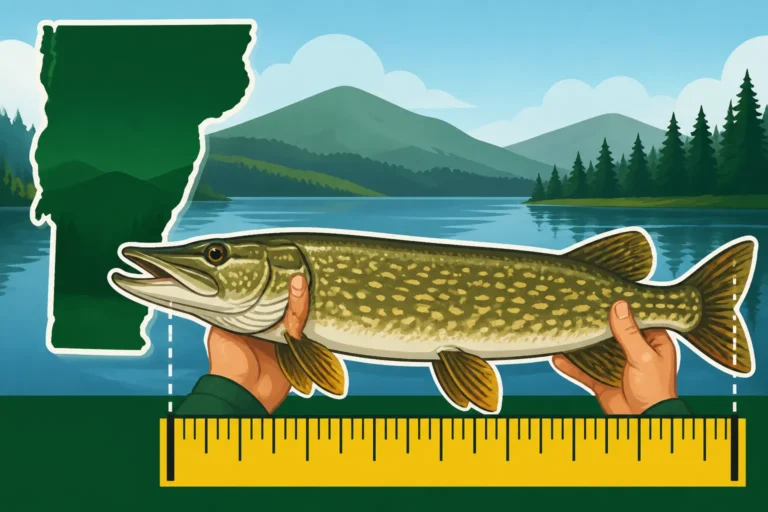
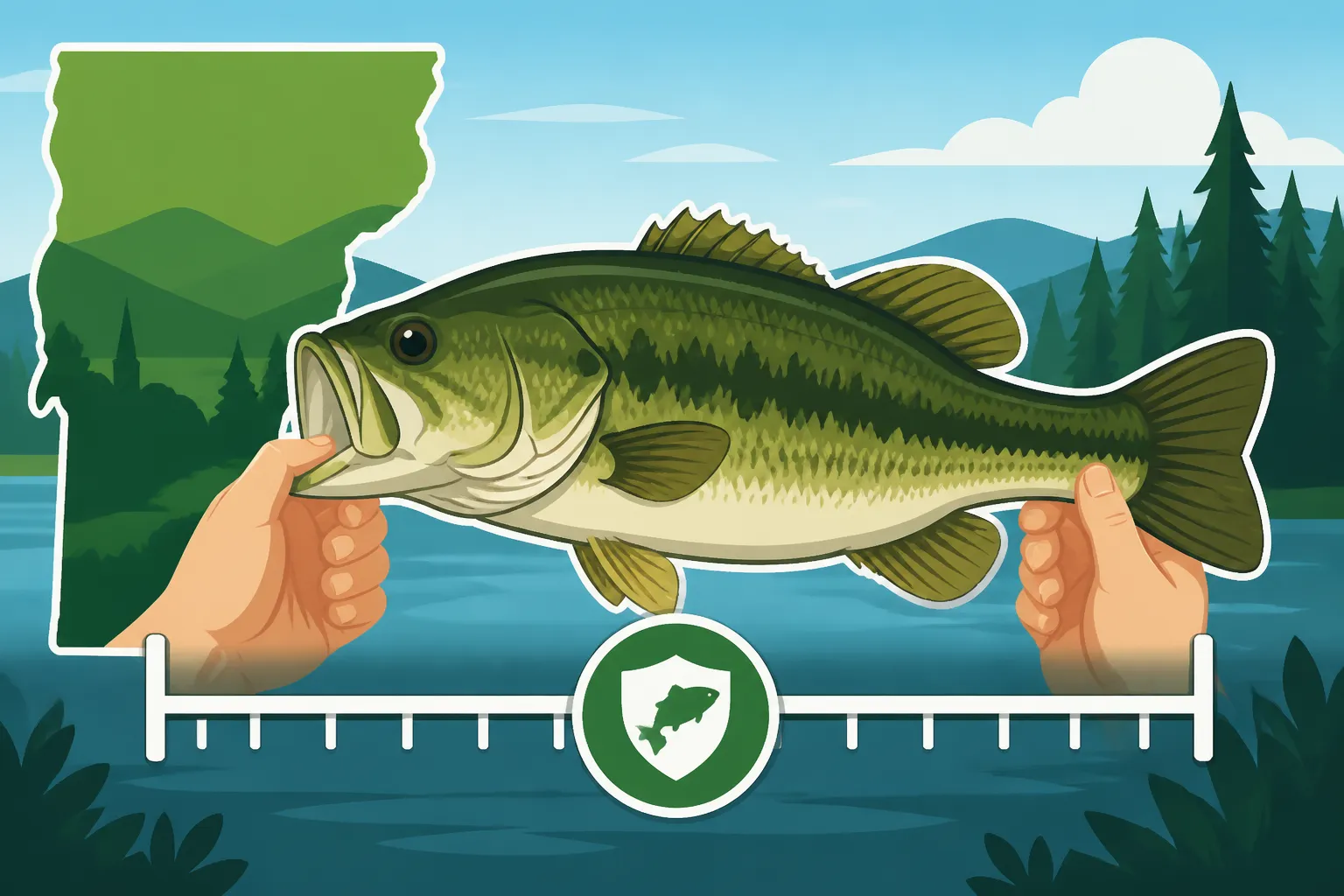
Across most of Vermont's waters, the standard minimum length limit for largemouth bass is 10 inches. This means if you catch a largemouth bass that measures less than 10 inches from the tip of its snout to the end of its tail, you must immediately release it. It's not just a suggestion; it's a legal requirement. Imagine you're out with your kids, and they've just caught their first bass. It’s a thrill, but you need to have that measuring tape ready. If it’s even a hair under, back it goes. This rule applies to countless ponds, lakes, and rivers throughout the state, making it the most common regulation you'll encounter. Always carry a reliable measuring device, easily found on platforms like Amazon, to avoid any guesswork.
Special Regulation Waters for Largemouth Bass
While 10 inches is the general rule, Vermont has a number of "special regulation waters" where the limits might differ. These are usually specific lakes or sections of rivers where the fishery biologists have identified unique conditions or management goals. For instance, a lake might have a more restrictive 12-inch or even 14-inch minimum length limit to encourage the growth of larger, trophy-sized bass, or to manage specific population dynamics. Conversely, a particular pond might have no length limit at all if the bass population is over-abundant and needs to be thinned out.
It's absolutely vital to consult the official Vermont Fishing Regulations Explained guide every single time you plan to fish a new body of water or even one you haven't visited in a while. Think of it like a roadmap for anglers – you wouldn't drive to a new place without checking the directions, right? The same goes for fishing. Ignoring these special regulations could lead to accidentally breaking the law, and nobody wants that. These rules are usually clearly listed by water body, so a quick check beforehand can save you a lot of headaches and potential fines. For example, while Lake Champlain generally adheres to the standard 10-inch limit, there might be specific bays or tributaries with different rules you need to be aware of.
Why Length Limits Matter for Bass Populations
Length limits are a cornerstone of modern fisheries management, not just in Vermont but across the country. They serve a critical role in maintaining healthy, sustainable populations of game fish like largemouth bass. Without them, it would be far too easy for anglers to inadvertently deplete fish stocks, especially the younger, more vulnerable fish that haven't had a chance to reproduce.
Protecting Spawning Stocks
One of the primary reasons for minimum length limits is to protect bass until they have had at least one opportunity to spawn. Largemouth bass typically reach sexual maturity when they are around 10-12 inches long, though this can vary slightly depending on factors like water temperature, food availability, and genetics. By setting a 10-inch minimum length limit, Vermont ensures that a significant portion of the bass population gets to reproduce, contributing to the next generation of fish.
Consider a scenario where there were no length limits. Anglers might disproportionately harvest smaller, easier-to-catch bass. This could lead to a phenomenon known as "recruitment overfishing," where too many young fish are removed before they can mature and replace themselves. Over time, this would cause the overall population to decline, leading to fewer fish for everyone. The 10-inch rule acts as a biological safety net, allowing these important reproductive fish to contribute to the population before they can be legally kept. It’s a long-term investment in the health of Vermont's bass fisheries.
Promoting Growth and Quality Fisheries
Minimum length limits also play a significant role in fostering quality fisheries with larger, more desirable fish. When smaller bass are released, they have the chance to grow into bigger fish, which are often more challenging and rewarding to catch. This isn't just about "trophy" fish, though that's certainly a perk. It's about creating a balanced ecosystem where bass can reach their full growth potential.
For instance, on a lake like Lake Dunmore, where largemouth bass thrive, if all bass under 10 inches are released, those fish then have another year or two to bulk up. This creates a more robust size structure in the population. Over time, this leads to a fishery where anglers are more likely to encounter larger fish, improving the overall fishing experience. It’s a bit like managing a garden – you let certain plants mature before harvesting, ensuring a continuous bounty. These larger fish also serve as important predators, helping to keep other fish populations, like panfish, in check, contributing to a healthier aquatic ecosystem.
Identifying Largemouth Bass and Related Regulations
Accurate identification is crucial when you're trying to adhere to length limits, especially when you consider that Vermont also has smallmouth bass, which have different regulations. Misidentifying a bass could lead to inadvertently violating a regulation, which is something every responsible angler wants to avoid. Knowing the subtle differences between species, and understanding the complete regulatory picture, is key to a successful and legal fishing trip.
Largemouth vs. Smallmouth Bass: A Quick Guide
The most common mix-up in Vermont is distinguishing between a largemouth bass and a smallmouth bass. While both are members of the sunfish family and are often found in similar habitats, they have distinct features that make identification relatively straightforward:
- Mouth Size: This is the easiest indicator. For a largemouth bass, when its mouth is closed, the corner of its jaw (maxillary) extends beyond the rear edge of its eye. For a smallmouth bass, the corner of its jaw typically does not extend beyond the rear edge of the eye. Imagine drawing a vertical line down from the back of the eye – if the jaw goes past it, it’s likely a largemouth.
- Body Coloration: Largemouth bass often have a distinct dark, horizontal stripe or blotches running along their sides, which can sometimes appear as a broken lateral line. Smallmouth bass, on the other hand, usually have vertical bars or blotches, giving them a more mottled appearance, and are often shades of brown, bronze, or olive green.
- Dorsal Fin: Largemouth bass have a deep notch in their dorsal fin, almost appearing like two separate fins. Smallmouth bass have a more continuous dorsal fin with a less pronounced notch.
| Feature | Largemouth Bass | Smallmouth Bass |
|---|---|---|
| Mouth Size | Jaw extends past the eye | Jaw does not extend past the eye |
| Body Markings | Dark, horizontal stripe/blotches | Vertical bars/blotches, more mottled |
| Dorsal Fin | Deep notch, almost two separate fins | Shallower notch, more continuous fin |
| Typical Habitat | Weedy, warmer, shallower waters | Rocky, cooler, deeper waters |
| Length Limit | 10 inches (standard, check special regs) | 12 inches (standard, check special regs) |
| Bag Limit | 5 fish (standard, check special regs) | 5 fish (standard, check special regs) |
Remember, the Vermont smallmouth bass minimum length limit is typically 12 inches in most waters, making the correct identification even more critical for compliance. If you're unsure, it's always best to err on the side of caution and release the fish.
Beyond Length: Other Key Bass Regulations
Understanding the minimum length limit is just one piece of the puzzle. Vermont has other regulations for bass fishing that anglers need to be aware of, including daily bag limits and specific season dates.
First, let's talk about the Vermont bass daily bag limit. For both largemouth and smallmouth bass, the statewide daily limit is five fish in combination. This means you can keep up to five bass total per day, as long as they meet their respective length limits and you haven't exceeded any species-specific quotas on special regulation waters. So, you could keep three legal largemouth and two legal smallmouth, for example. It's not five of each; it's five in total.
Secondly, you absolutely need to know about the Vermont Bass Catch-and-Release Season, Explained and the regular season. Vermont typically has a catch-and-release only season for bass in the spring, which usually runs from the second Saturday in April up until the second Saturday in June. During this period, you can fish for bass, but all bass caught must be immediately released unharmed, regardless of their size. This critical period protects bass during their spawning season when they are most vulnerable. After the catch-and-release season concludes, the regular bass season opens, and that's when the length and bag limits described above come into play. Missing these dates can lead to significant penalties, so make sure to double-check the current year's fishing guide.
Essential Gear for Responsible Bass Angling
To successfully navigate these regulations and practice responsible angling, having the right gear is invaluable. Beyond your rod, reel, and favorite lures (you can find a fantastic selection of best tackle for Vermont smallmouth bass on Amazon), a few specific items are truly non-negotiable:
- Measuring Device: A foldable ruler, a bump board, or even a flexible measuring tape is essential. Keep it easily accessible in your boat or tackle bag. Accuracy here is key – a slightly bent fish or an estimation just won't cut it.
- Pliers/Forceps: These are vital for quickly and safely removing hooks, especially from feisty bass. The faster and cleaner you can unhook a fish, the better its chances of survival upon release.
- Net: A rubberized, knotless landing net is highly recommended. It protects the fish's slime coat and fins, which are crucial for their health, especially if you're planning to release them. It also makes handling a larger bass much easier and safer for both you and the fish.
- Clippers/Scissors: For quickly cutting line, especially if a fish swallows a hook or gets tangled.
Being prepared with this simple gear shows respect for the fish and the regulations, ensuring you're a responsible participant in Vermont's vibrant fishing community.
Where to Find Official Vermont Fishing Information
Navigating the nuances of fishing regulations can feel overwhelming, but thankfully, the Vermont Fish and Wildlife Department provides comprehensive resources to keep anglers informed. It's your responsibility as an angler to stay current with these rules, as they can sometimes change from year to year or even be updated mid-season if circumstances warrant.
Consulting the Official Fishing Guide
Your absolute best friend when it comes to Vermont fishing regulations is the official annual fishing guide published by the Vermont Fish and Wildlife Department. This guide is a treasure trove of information, covering everything from specific length and bag limits for various species to season dates, special regulations for individual water bodies, and even information on how to obtain your Vermont Fishing License Guide for 2026.
You can typically pick up a printed copy of the guide at most license vendors, sporting goods stores, or Fish and Wildlife offices across the state. In today's digital age, it's also readily available as a PDF download on the Vermont Fish and Wildlife Department's website. I can't stress this enough: always have the current year's guide. Don't rely on last year's knowledge or what a buddy told you. Regulations are dynamic, and staying current is paramount. For a deeper dive into making sense of this invaluable resource, check out our guide on Reading the Vermont Fishing Regulations Guide.
Online Resources and Updates
Beyond the annual guide, the Vermont Fish and Wildlife Department maintains a robust online presence that offers real-time updates and additional resources. Their website is typically the first place to look for any emergency rule changes, new advisories, or answers to frequently asked questions.
For instance, if there's an unusual weather event or an environmental concern that leads to temporary closures or changes in limits on a specific body of water, this information will often be posted prominently on their website. They also provide interactive maps and tools that can help you locate specific water bodies and view their associated regulations. Don't underestimate the power of a quick search on their site before heading out, especially if you're venturing to a new spot. This proactive approach ensures you're always fishing within the legal framework and contributing to the conservation efforts that keep Vermont's waters teeming with life.
Disclaimer
The information provided in this guide is intended for general informational purposes only and does not constitute legal advice. While we strive to offer accurate and up-to-date content, fishing regulations can change. It is always the angler's responsibility to consult the current official Vermont Fish and Wildlife Department regulations before engaging in any fishing activity.