Vermont bass season opening date for 2026
One of the most exciting times for anglers in Vermont is anticipating the opening of bass season. It can be a bit confusing trying to pin down the exact date, especially with the state's unique catch-and-release regulations that precede the full harvest season. This comprehensive guide will clear up all that confusion, giving you the confirmed bass season opening date for 2026 and detailing everything you need to know to hit the water prepared.
Understanding Vermont's Bass Season Structure
Vermont's approach to bass fishing seasons is designed to protect these popular game fish during their critical spawning period while still offering opportunities for eager anglers. It’s not just one blanket opening date; rather, it’s a two-tiered system that often catches newcomers off guard. There’s a dedicated catch-and-release season followed by the traditional open season when you can keep your catch within the legal limits. Understanding this distinction is key to staying within the law and enjoying a productive fishing experience.
The Pre-Season Catch-and-Release Period
Before the main bass season kicks off, Vermont typically has an extended catch-and-release only period for both largemouth and smallmouth bass. This season usually begins on the second Saturday in April and runs until the eve of the regular opening day. This crucial time allows anglers to target bass without putting pressure on the population during their spawning activity, ensuring healthy future generations. Imagine the excitement of feeling that strong tug on your line in late spring, knowing you're one of the first to target bass after the long winter, even if you have to release them immediately. It's a fantastic way to sharpen your skills and scout new spots.
During this period, all bass caught must be immediately released unharmed. This means no keeping fish for dinner, no stringers, and being extra careful with handling. Using single, barbless hooks can greatly increase a fish's survival rate, which is a common practice among responsible anglers. This catch-and-release window is a favorite for many, offering a chance to get out on the water when the fish are often aggressive and active as they prepare for or recover from spawning. It’s a great opportunity to explore waters like Lake Champlain for some early season action, even if you can't bring any home just yet. For more details on this important period, check out our guide on the Vermont Bass Catch-and-Release Season, Explained.
The Traditional Open Season for Harvest
The date everyone really marks on their calendar is the official opening of the traditional bass season, when you can legally harvest bass within the established limits. This season typically begins on the second Saturday in June each year and extends all the way through November 30th. This full harvest season opens up the opportunity to bring home some delicious bass for a fish fry, provided you adhere to the specific size and bag limits set by the Vermont Fish and Wildlife Department.
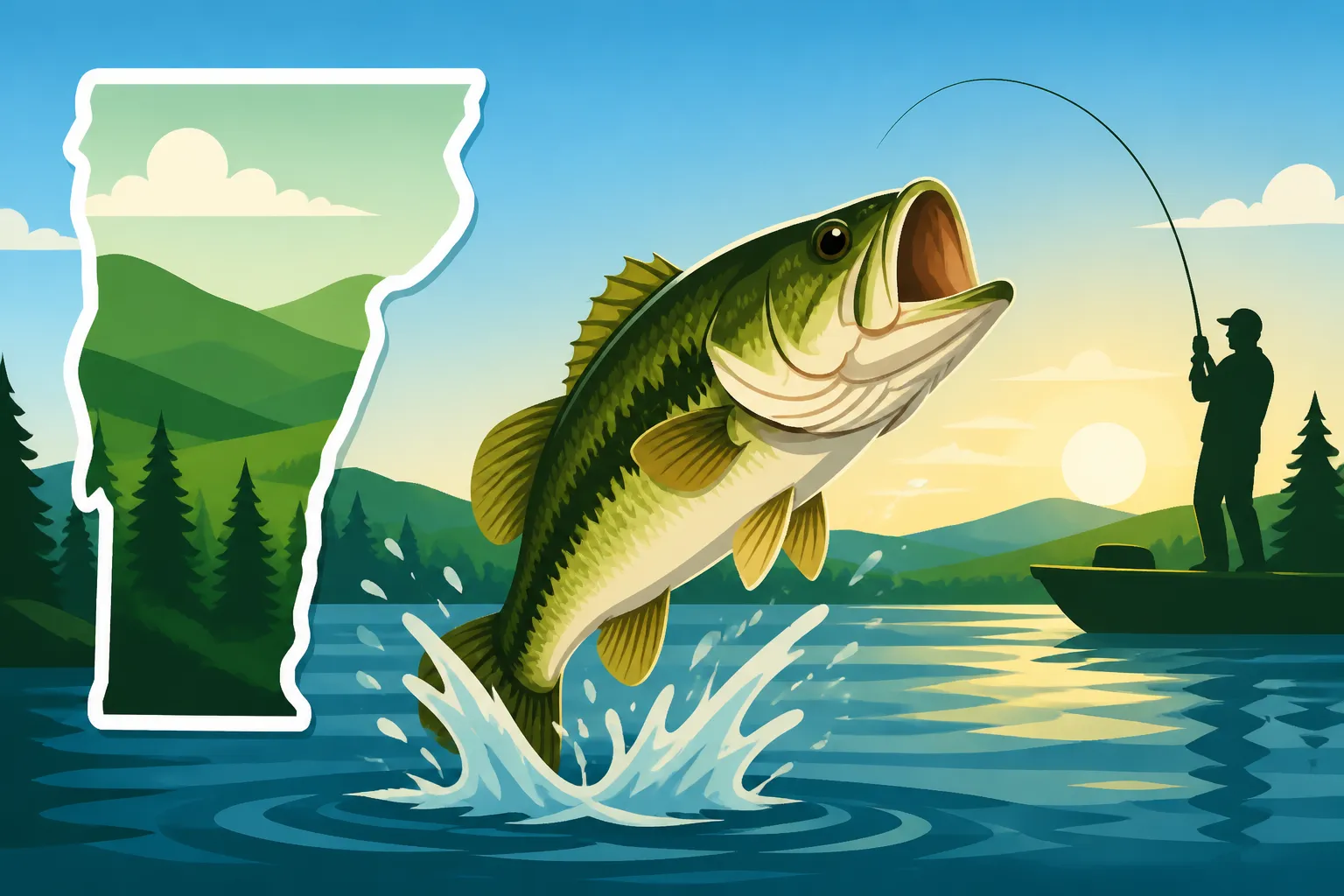
For 2026, based on Vermont's consistent annual regulations, the bass season opening date will be Saturday, June 13, 2026. This is the day when the lakes and rivers of Vermont truly come alive with bass anglers, from early morning topwater enthusiasts to those patiently working structure with jigs and worms. It's a festive atmosphere on many popular bass lakes, with boats dotting the water and shore anglers lining accessible points. This date signals the start of prime fishing conditions, as bass are usually post-spawn and actively feeding, making them excellent targets.
Key Dates and Species for 2026 Bass Fishing
Knowing the exact opening date is just the first step. To make the most of your 2026 bass season in Vermont, you need to understand the nuances of the regulations, especially concerning the two primary bass species you'll encounter: largemouth bass and smallmouth bass. Each has its preferred habitat and, sometimes, slightly different nuances in regulations, though the overall season dates are generally unified for both.
Largemouth Bass: A Green Mountain Favorite
Largemouth bass are the classic bucketmouths, known for their aggressive strikes and powerful fights, often found lurking in weedy coves and around submerged timber. They thrive in warmer, shallower waters with plenty of cover, making many of Vermont's smaller lakes and ponds prime largemouth territory. During the catch-and-release season (April 11 – June 12, 2026), you can target them, but remember, they all go back.
Once the official open season begins on June 13, 2026, you can keep largemouth bass, but be mindful of the rules. There are usually minimum length limits to ensure that younger fish have a chance to grow and reproduce before being harvested. For instance, Vermont typically has a minimum length limit of 10 inches for largemouth bass, and sometimes special slot limits are in effect on certain waters. Always double-check the latest Vermont largemouth bass minimum length limit regulations from the Vermont Fish & Wildlife Department. You'll find these fish often hitting topwater lures in the mornings and evenings, or readily taking jigs and plastic worms pitched into their dense cover during the day.
Smallmouth Bass: The Fighter of the North
Smallmouth bass, often called "bronzebacks," are renowned for their acrobatic jumps and powerful runs, especially in the clear, cooler waters of Vermont's larger lakes and rivers. They prefer rocky bottoms, ledges, and drop-offs, making them a common target on expansive bodies of water like Lake Champlain or Lake Memphremagog. Like their largemouth cousins, they are subject to the same season dates. The catch-and-release period for smallmouth bass will also run from April 11 to June 12, 2026, leading up to the full harvest season.
When June 13, 2026, arrives, you can start keeping smallmouth bass. Similar to largemouths, smallmouths also have minimum length limits, often set at 10 inches or 12 inches depending on the specific water body. It's crucial to consult the official guide for the most up-to-date Vermont smallmouth bass minimum length limit. These hard-fighting fish are fantastic on light tackle, offering an exhilarating experience whether you're casting tube jigs, crankbaits, or even fly fishing streamers in their rocky haunts. They are often found in deeper waters during the heat of summer, but can be caught shallower during spring and fall.
Important 2026 Bass Season Dates Overview
To help you keep track, here's a quick rundown of the essential dates for Vermont bass fishing in 2026:
| Season Phase | Start Date | End Date (inclusive) | Harvest Allowed |
|---|---|---|---|
| Catch-and-Release | Saturday, April 11, 2026 | Friday, June 12, 2026 | No (Release Only) |
| Regular Open Season | Saturday, June 13, 2026 | Saturday, November 30, 2026 | Yes (Within limits) |
Note: These dates are based on the consistent historical pattern of Vermont's fishing regulations. Always confirm with the Vermont Fish and Wildlife Department's official regulations for the most current information as dates can sometimes shift slightly due to unforeseen circumstances.
Navigating Bass Regulations and Best Practices
Once you know when you can fish, the next step is to understand how to fish legally and responsibly. Vermont has specific regulations designed to protect its fisheries and ensure sustainable angling for generations to come. This means paying attention to bag limits, length limits, and general fishing ethics.
Daily Bag and Possession Limits
Even during the regular open season, you can't just keep every bass you catch. Vermont imposes daily bag limits, which dictate how many fish of a specific species you can keep in a 24-hour period, and possession limits, which refers to the total number of fish you can have on hand at any given time, including those at your camp or home. For bass, the general statewide daily bag limit is five fish. However, these limits can vary on certain waters, so always refer to the specific regulations for the body of water you plan to fish. Checking the Vermont bass daily bag limit is crucial before your trip to avoid any penalties. For example, some lakes might have a smaller bag limit or a specific slot limit that requires releasing fish within a certain size range.
It's also essential to understand that once you've reached your daily limit, you must stop fishing for that species or switch to a different species entirely. "Culling," or replacing smaller fish with larger ones after you've reached your limit, is generally not allowed. The fish you keep count towards your limit, so make your choices carefully.
Essential Gear for Vermont Bass Fishing
Having the right gear makes all the difference, whether you're trying to land a trophy smallmouth from Lake Champlain or a feisty largemouth from a quiet pond. During the bass season, you'll want a versatile spinning or baitcasting rod and reel combo. Medium-heavy action rods are popular for their ability to cast a variety of lures and handle strong bass. For lines, a 10-15 lb fluorocarbon or braided line with a fluorocarbon leader is a common setup, offering sensitivity and strength. You can find excellent options for rods, reels, and line on platforms like Amazon, ensuring you’re well-equipped for the season.
Lure selection is key. For smallmouth, consider crankbaits, tube jigs, spinnerbaits, and topwater poppers. Largemouth often respond well to plastic worms, jigs, chatterbaits, and frogs fished over weed mats. Don't forget a good pair of pliers for unhooking fish safely and a sturdy landing net to minimize stress on fish you plan to release. Preparing your tackle box with a variety of options means you’ll be ready for whatever the bass are biting on. Many anglers, myself included, often browse Amazon for new and innovative bass lures to add to their arsenal each season. If you're looking for guidance, our article on Best Tackle for Vermont Smallmouth Bass can offer some great suggestions.
Staying Informed and Responsible
The most critical piece of advice for any angler in Vermont is to always carry and consult the current year's Vermont Hunting, Fishing & Trapping Guide. This guide, published annually by the Vermont Fish and Wildlife Department, is your ultimate authority on all regulations, including season dates, bag limits, length limits, and any special regulations for specific waters. While this article provides general information, regulations can change. You can usually pick up a physical copy at license vendors, or download a digital version directly from the Vermont Fish and Wildlife website. Knowing the rules is your responsibility as an angler, and ignorance is no excuse for violations.
Beyond regulations, practicing responsible angling is vital. This includes proper catch-and-release techniques during the pre-season, minimizing fish handling, and always disposing of litter properly. Consider checking out our detailed guide on Vermont Fishing Regulations Explained for a broader overview of the state's rules. By respecting the fish and the environment, we ensure that Vermont's fantastic bass fishing opportunities remain vibrant for years to come.
Planning Your 2026 Vermont Bass Fishing Adventure
With the bass season opening date for 2026 confirmed as Saturday, June 13th, it's time to start thinking about where you'll cast your line. Vermont boasts an incredible array of waters, each offering unique challenges and rewards for bass anglers. From the vast expanse of Lake Champlain to countless smaller, serene ponds, there's a bass fishing experience for everyone.
Top Bass Fishing Destinations in Vermont
If you're serious about bass fishing, some locations stand out. Lake Champlain is, without a doubt, a premier destination, often ranking among the top bass fishing lakes in the country. Its sheer size and diverse habitat support incredible populations of both largemouth and smallmouth bass. Anglers regularly report fantastic catches from its many bays, rocky points, and weed lines. Our guide to Best Bass Fishing Lakes in Vermont highlights some other fantastic spots.
Beyond Champlain, smaller lakes like Lake Bomoseen, Lake Dunmore, and the southern portions of Lake Memphremagog offer excellent opportunities. These waters often feature clearer water, productive weed beds, and structure that hold trophy-sized bass. River systems like the Connecticut River also provide fantastic smallmouth bass fishing, especially for those who enjoy wading or kayak fishing. Each body of water has its own character, so a little research into your chosen destination can pay huge dividends.
Preparing for the Opener
The excitement leading up to June 13, 2026, is palpable for many bass anglers. Use the preceding weeks to ensure your gear is ready. Sharpen hooks, spool fresh line, and organize your tackle. If you're planning on using live bait, check local bait shop availability. Many anglers take advantage of online retailers like Amazon to stock up on their favorite lures and tackle well in advance of the opener. Consider reviewing different techniques for the time of year, as post-spawn bass can have specific patterns. Our articles on How to Catch Smallmouth Bass in Vermont Lakes and How to Catch Largemouth Bass in Vermont offer valuable insights.
Whether you're hitting the water with friends, family, or solo, remember that part of the joy of fishing is the planning and anticipation. The bass opener is a time-honored tradition for many, a chance to reconnect with nature and pursue one of Vermont's most spirited game fish.
Disclaimer
The information provided in this guide is based on general historical patterns of Vermont fishing regulations. While every effort has been made to ensure accuracy for the 2026 bass season opening date, fishing regulations are subject to change. Always consult the official Vermont Fish and Wildlife Department's current year Fishing Guide before engaging in any fishing activities to ensure compliance with all state laws and avoid potential penalties.