Best strike indicator for nymph fishing
One of the most frustrating things about nymph fishing in Vermont is trying to figure out if that subtle pause in your line was just current drag or a hungry trout taking your fly. It's a universal struggle, especially with our clear, often fast-moving streams and the wary fish that call them home. This guide is all about demystifying strike indicators, helping you choose the right one for our beautiful Vermont waters, and showing you how to use it so you can turn those imperceptible nudges into landed fish.
Why a Good Strike Indicator Matters for Vermont Nymph Fishing
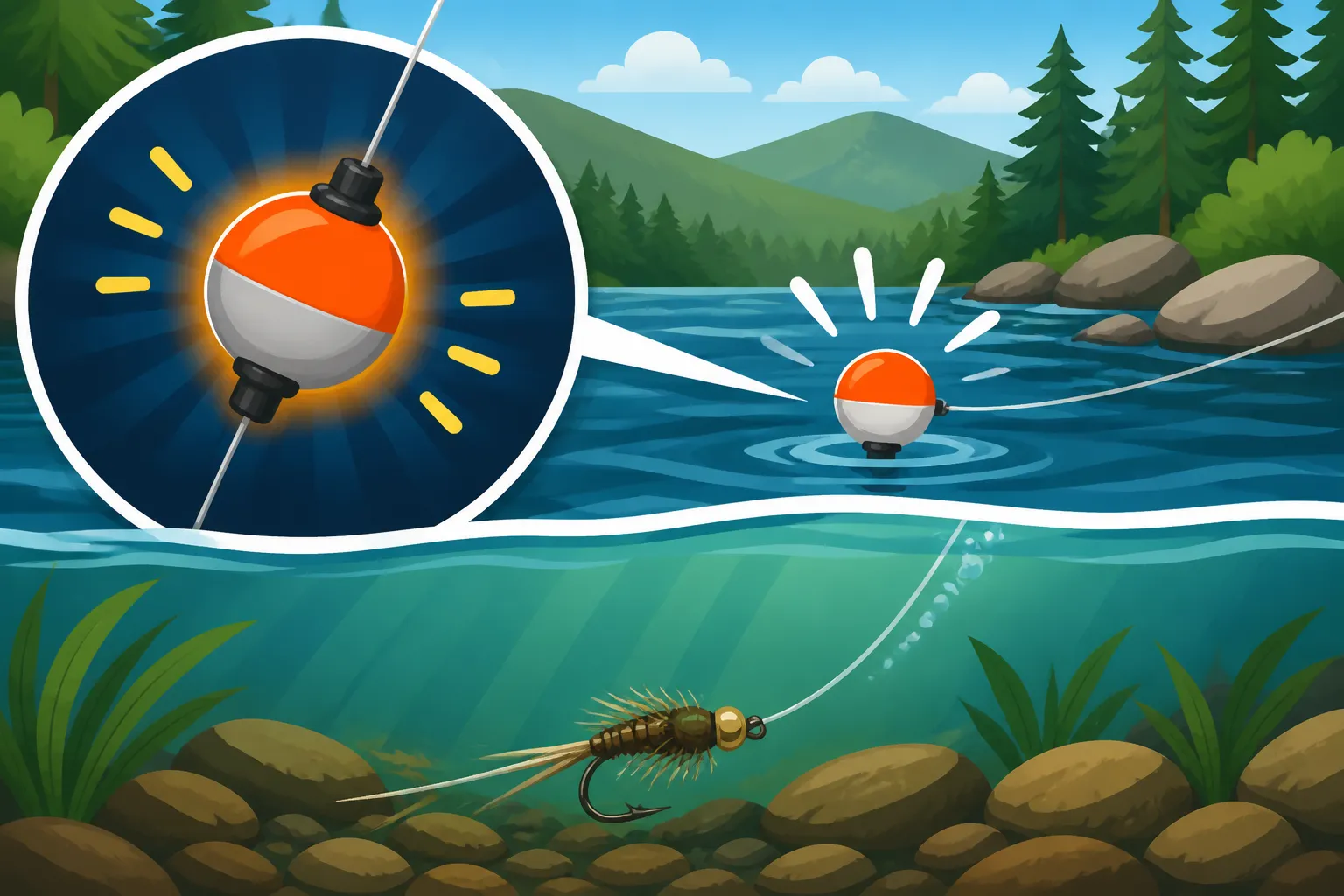
Let's be real, you could be the most skilled fly caster in the world, but if you can't tell when a fish bites your nymph, you're just practicing your casting. Nymph fishing isn't about seeing the fish eat; it's about seeing the indication that they've eaten. In Vermont, where our trout often feed subtly, especially in colder water or in clear, low-light conditions, that's where a strike indicator becomes your absolute best friend. It's not just a bobber; it's a vital piece of sensory equipment.
The Subtle Dance of Trout and Current
Vermont's rivers and streams, from the freestone flows of the White River to the precise currents of the Battenkill, present a unique challenge. Trout here are often not slamming flies like they might in other regions. They might simply open their mouths, let the current push the nymph in, and then close them again, barely moving. If your line is slack or you're not paying attention to the minutest deviation, you'll miss that fish every single time. A good indicator acts as a visual amplifier, translating those tiny subsurface movements into something you can see on the surface. Without it, you're fishing blind for a significant portion of the day, especially when the fish are holding in deeper pockets or softer seams. It’s the difference between guessing and knowing, and in fishing, knowing usually means catching.
Overcoming Vermont's Tricky Conditions
Think about our bright, sunny summer days with incredibly clear water. You might be able to spot a fish, but watching a tiny nymph at the bottom of a 4-foot pool is nearly impossible. Or consider a blustery fall day on the Lamoille River, where the wind ripples the surface and makes line control a nightmare. A well-chosen strike indicator can cut through that glare and turbulence. It gives you a constant point of reference, allowing you to track your drift, mend your line effectively, and, most importantly, react instantly when that indicator so much as shimmies. It helps you maintain a drag-free drift, which is paramount when Fly Fishing for Trout in Vermont, as even a hint of unnatural movement can send wary fish scurrying. It’s about more than just visibility; it’s about confidence in your presentation, knowing that you're in the zone.
Types of Strike Indicators: Pros and Cons for Vermont Conditions
The world of strike indicators is surprisingly diverse, and each type has its sweet spot. There's no single "best" indicator for every situation, especially when you consider the variety of water types we have across Vermont, from the tumbling mountain brooks to larger, slower sections of rivers. Choosing the right one is about understanding its strengths and weaknesses.
Yarn and Wool Indicators
These are often my go-to for many Vermont situations, especially on smaller to medium-sized trout streams. They're typically made from specially treated wool or synthetic yarn, often with a little floatant applied.
- Pros: Yarn indicators are incredibly sensitive. Because they're lightweight, they land softly on the water, making them ideal for spooky fish in clear Vermont waters. They register the lightest takes, often just a subtle dip or pause. They're also relatively easy to adjust up and down your leader, especially if you use a small rubber band or slip knot to hold them in place. This adjustability is key when you're fishing different depths throughout the day, perhaps moving from a shallow riffle to a deeper run. Plus, they don't tangle as easily as some other types during casting, which is a blessing when you're trying to hit tight pockets under overhanging branches. You can find these pre-treated or get the materials to make your own from places like Bass Pro Shops.
- Cons: They can become waterlogged over time, even with floatant, requiring re-application or drying. This is particularly true on long days or in rainy weather common during Vermont's spring trout season. In really heavy, turbulent water, they might not offer enough buoyancy to suspend heavier nymph rigs, especially if you're using multiple flies or split shot. They also don't cast quite as far or with as much precision as some heavier indicators, which can be a consideration on wider rivers where you need to reach across a broad current.
Foam Indicators (Adhesive and Pegged)
Foam indicators are perhaps the most common type you'll see. They come in two main varieties: adhesive-backed ones that stick to your leader and pegged ones that use a small plastic peg to secure the foam to your line.
- Adhesive Foam (e.g., New Zealand Strike Indicator System):
- Pros: These are brilliant for sheer sensitivity and minimal impact. They're very lightweight, easy to apply, and can be adjusted quickly. The New Zealand system, for example, allows you to create just the right size and shape of indicator for your needs, which is fantastic for matching the conditions. They're less prone to tangles than some other designs and shed water well. For those tricky, clear Vermont streams where even a ripple can spook fish, these are a top choice.
- Cons: They can leave a sticky residue on your leader if not applied carefully or if left on for too long. If you're constantly adjusting depth, you might go through them quickly. Also, in really windy conditions, they can be harder to see due to their low profile.
- Pegged Foam (e.g., Thingamabobber, Air-Lock):
- Pros: These are highly visible and extremely buoyant, making them perfect for suspending heavier nymph rigs or fishing in swift, broken water like you'd find on a larger river. They're also very durable and reusable, and relatively easy to adjust by sliding the peg. If you're fishing deeper runs with multiple nymphs and a good bit of weight, these indicators will hold everything up reliably. They also cast quite well, providing good weight for longer presentations.
- Cons: Their buoyancy and larger size can make them less sensitive to subtle takes, especially if the fish just sips the fly. They create a bit more splash when they land, which can be an issue in super clear, low-water conditions where fish are easily spooked. The peg can sometimes crimp or weaken your leader if not used carefully, so always check your leader section after removing or adjusting.
Stealth Indicators (Sighter Material)
While not traditional "indicators," sighter materials, especially bi-color or tri-color monofilament or fluorocarbon, act as an extension of your visual detection system for Euro Nymphing Vermont Trout Streams.
- Pros: Unparalleled sensitivity. With a sighter, you are directly connected to your fly, feeling and seeing every bump, pause, or subtle movement. This is fantastic for detecting the absolute lightest takes that a traditional bobber-style indicator would never show you. They are also incredibly stealthy, adding virtually no weight or splash to your presentation. This is paramount when dealing with extremely wary trout in gin-clear waters, making them a favorite for targeting wild brook trout in secluded mountain streams.
- Cons: Requires a more advanced fishing technique and constant attention to line tension. There's a steep learning curve compared to simply watching a floating indicator. They are also very difficult to see in low light, choppy water, or at longer distances. If you're new to nymphing, or just want a more relaxed approach, this might not be your first choice.
Built-in Indicators (Leader Rings or Treated Leader)
Some specialized leaders come with a brightly colored section of monofilament designed to act as a sighter, similar to a Euro nymphing sighter but often integrated into a standard tapered leader.
- Pros: Simplicity and direct connection. You don't need to add another component to your leader, reducing potential hinge points and tangles. The sensitivity is generally good, better than a large foam indicator, and they cast very smoothly.
- Cons: Lack of adjustability. Once you buy a leader with a specific sighter length, that's what you're stuck with. If you need to adjust your nymphing depth significantly, you'll be limited. Visibility can also be an issue in certain light conditions or if the water is very turbulent.
Here's a quick comparison of the main types for Vermont anglers:
| Indicator Type | Key Benefit (Vermont Context) | Drawbacks (Vermont Context) | Best for (Vermont Scenario) |
|---|---|---|---|
| Yarn/Wool | Super sensitive for subtle takes; soft landing on clear water. | Can get waterlogged; less buoyant for heavy rigs in fast water. | Clear, medium-flow streams (e.g., smaller sections of White River); wary trout. |
| Adhesive Foam | Extremely sensitive; low profile; no leader damage. | Can leave residue; less visible in chop; single-use. | Gin-clear streams (e.g., Battenkill); highly selective trout; specific depth adjustments. |
| Pegged Foam | High buoyancy for heavy rigs; very visible; durable. | Less sensitive; creates splash; peg can crimp leader. | Larger rivers with strong currents (e.g., Winooski River); deep pools; multiple nymphs/shot. |
| Sighter Material | Max sensitivity and stealth; direct feel to fly. | Steep learning curve; hard to see at distance/low light. | Technical nymphing; very wary trout; small, clear mountain streams; Euro Nymphing Vermont Trout Streams. |
Choosing the Right Indicator for Different Vermont Scenarios
Making the right choice for your strike indicator isn't a "one and done" decision, especially when you're exploring the diverse fishing opportunities Vermont offers. What works wonders on a small, brushy brook in the Northeast Kingdom might be completely inadequate for the wider, deeper stretches of the Connecticut River.
Matching the Indicator to Water Speed and Depth
This is perhaps the most critical factor. In Vermont, we have everything from trickling feeder streams to powerful mainstem rivers.
- Fast, Deep Runs: When you're tackling those classic, churning runs on bigger rivers like the Missisquoi or the Lamoille, especially after a spring rain, you need something with significant buoyancy. This is where a larger pegged foam indicator really shines. It will hold your heavy nymph rig (think a couple of tungsten nymphs and split shot) high enough on the surface to keep your flies drifting naturally at depth without getting dragged under. If you tried a small yarn indicator here, it would vanish instantly, and you'd have no idea what your flies were doing.
- Medium-Speed, Moderate Depth: This is the sweet spot for most general nymphing on average Vermont trout streams. Here, a well-treated yarn indicator or a moderately sized adhesive foam indicator is often perfect. They offer a great balance of sensitivity and buoyancy. They're visible enough to track, but subtle enough not to spook fish. Think about those classic riffle-to-pool transitions you find on the Otter Creek or the White River; these indicators will allow you to adjust for the varied currents without being overkill.
- Slow, Shallow Pools: On those glassy, slow-moving pools, or in the very clear, low-water conditions that often occur in late summer on smaller streams, stealth is paramount. A tiny adhesive foam indicator or even just a brightly colored section of leader as a sighter is ideal. Any splash or disturbance from a larger indicator will send fish scurrying. The extreme sensitivity of these lighter options also helps detect the most delicate takes from wary fish that might just mouth the fly.
Considering Visibility and Light Conditions
Vermont weather is famously variable, and so are the light conditions you'll face on the water.
- Bright Sun and Glare: On a sunny day with a ripple on the water, you'll appreciate a high-contrast, brightly colored indicator. Fluorescent orange, chartreuse, or even a two-tone indicator can stand out against the glare. This is particularly helpful on larger bodies of water, like when you're fishing a tributary flowing into Lake Champlain Fishing Guide, where you might be casting longer distances and dealing with more open water reflection.
- Overcast or Low Light: In low light, a very bright, almost glowing color can make a huge difference. Sometimes, a white or yellow indicator can be more visible against a dark, overcast sky than an orange one. However, some anglers find that in very dim light, a darker, contrasting color might actually pop more against the lighter surface of the water. Experimentation is key here; bring a few different colors in your Best Tackle Box Setup for Vermont Anglers.
- Turbulent Water: In white water or turbulent areas, a larger, more buoyant, and highly visible indicator (like a pegged foam one) is necessary. The water itself is creating so much visual noise that a small, subtle indicator will simply disappear.
Fly Size and Rig Weight
The size and weight of your nymph rig directly influence your indicator choice.
- Heavy Nymph Rigs: If you're throwing a couple of heavy tungsten nymphs, perhaps a size 10 Stonefly and a size 14 Perdigon, along with some split shot to get down fast in a deep pocket, you need an indicator that can support that weight without being dragged under. A larger pegged foam indicator is almost always the answer here. Trying to float this setup with a tiny yarn indicator would be an exercise in futility.
- Light Nymph Rigs: For delicate presentations with smaller flies, like size 18 Baetis nymphs or a tiny midge pattern, especially on still or very slow-moving water, you want an indicator that barely registers. Adhesive foam or a small tuft of yarn is perfect. You're looking for ultimate sensitivity and minimal disturbance. This is common when fishing for selective trout in some of Vermont's renowned catch-and-release waters.
Remember, a good approach is to carry a few different types and sizes of indicators in your vest. You might start the day with a small yarn indicator on a clear, calm section of river, then switch to a larger pegged foam indicator when you move to a deep, fast pool, and finally, try a sighter if you're working a super technical piece of water. Being adaptable is what makes a successful Vermont angler. You can stock up on a variety of options easily online via Amazon, or at any well-stocked fly shop.
Rigging and Using Your Strike Indicator Effectively
Once you've chosen your strike indicator, the next crucial step is learning how to rig it correctly and interpret its signals. A poorly rigged indicator is just dead weight, and not understanding what it's telling you means missed fish.
Proper Placement on Your Leader
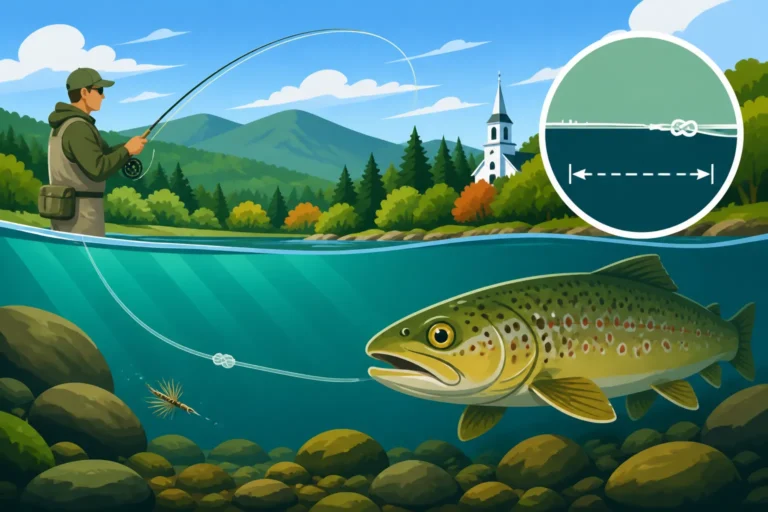
The primary rule of strike indicator placement is depth control. You want your nymph or nymphs to drift at the depth where the fish are feeding. A good rule of thumb for starting is to place your indicator 1.5 to 2 times the depth of the water you are fishing above your top fly. So, if you're fishing a 3-foot deep run, your indicator should be 4.5 to 6 feet up your leader from your nymphs.
- Adjusting for Different Depths: In Vermont, river depths can change rapidly. As you move from a shallow riffle to a deep pool, you'll need to adjust your indicator's position. This is why easily adjustable indicators are so valuable. For example, if you're targeting trout holding near the bottom in a 6-foot deep pool on the Winooski River, you'll want your indicator much further up your leader than if you're fishing a 2-foot deep pocket in a smaller tributary. Don't be afraid to experiment; if you're not hitting bottom occasionally (and snagging up!), your flies might not be deep enough. Conversely, if you're constantly snagging, move your indicator closer to your flies.
- Leader Connections: Ensure your indicator is secured firmly but doesn't damage your leader. With pegged indicators, slide the peg through the leader loop, not directly onto the main leader, to prevent crimping. With yarn indicators, a simple surgeon's knot or a small piece of rubber band can hold them in place without weakening your line. It's often helpful to have a slightly stronger butt section on your leader, especially if you're frequently adjusting or using heavier indicators. For general trout fishing, you'll want to use a reliable leader and Best Tippet Size for Stocked Trout that matches your fly size.
Interpreting the Subtle Signals
This is where the art of nymph fishing truly comes in. It's rarely a violent jerk that pulls your indicator under. More often, it's a subtle, almost imperceptible change.
- The Subtly Stop or Slow Down: The most common take you'll see is your indicator simply stopping its downstream drift or slowing down unexpectedly. Even if it doesn't go under, if it pauses while the current around it keeps moving, set the hook! This often means a fish has sucked in your nymph and is holding it stationary in the current. This happens frequently with wary trout in clear water.
- The Slight Dip or Drag: Sometimes, your indicator might just dip a fraction of an inch, or appear to drag sideways against the current. This can be a fish moving with your fly for a moment before taking it, or even the fish turning its head with the nymph in its mouth. Any unnatural movement that isn't consistent with the current should trigger a hook set.
- The Full Submersion: Of course, the classic "bobber down!" happens too, especially with more aggressive fish or in faster water. If your indicator plunges decisively, there's no question – set that hook! But don't wait for this; if you only set on full submersion, you're missing a lot of fish.
- False Alarms vs. Real Takes: You'll get plenty of false alarms from your indicator bumping bottom, catching on underwater weeds, or just turbulent currents. The key is to learn to differentiate. If it's a consistent "bump-bump" rhythm, it's likely bottom. If it's a sudden, singular stop or dip, it's worth a quick, decisive hook set. A good rule is: "When in doubt, set the hook!" You'll waste less time than constantly wondering if it was a fish. This proactive approach is particularly beneficial when you're working diverse habitats, from the runs to the Best Kayak Fishing Spots in Vermont.
Casting and Drifting with Indicators
Casting with a strike indicator, especially a larger one, requires a slight adjustment to your casting stroke. You can't just throw tight loops like you would with a dry fly.
- Open Loops: Aim for a more open, elliptical casting loop. This helps prevent the indicator and your nymph rig from crashing into each other mid-air and creating tangles. A slight "lob" cast, or a modified roll cast, is often more effective, especially in tight quarters or when you have brush behind you.
- Mending for a Drag-Free Drift: Your indicator is also your best tool for managing your drift. As your fly line gets pulled by different current speeds, your indicator will begin to drag unnaturally. This is your cue to mend your line – lifting it off the water and repositioning it upstream – to allow your indicator and nymphs to drift freely at the same speed as the current. A truly drag-free drift is critical for convincing wary Vermont trout to bite, as anything that looks unnatural will be ignored. Practicing your mends, whether upstream, downstream, or stack mends, is an essential skill for any nymph angler. Mastering these techniques will greatly improve your success when fishing in Vermont's diverse and often challenging currents.
By understanding the nuances of strike indicators, you'll be well on your way to more successful and enjoyable nymph fishing experiences across the Green Mountain State.
Disclaimer
This article is for general informational purposes only and does not constitute professional advice. Laws, prices and regulations vary by location and change over time. Consult a qualified professional for guidance on your specific situation.