Best reel line capacity for deep lake trolling
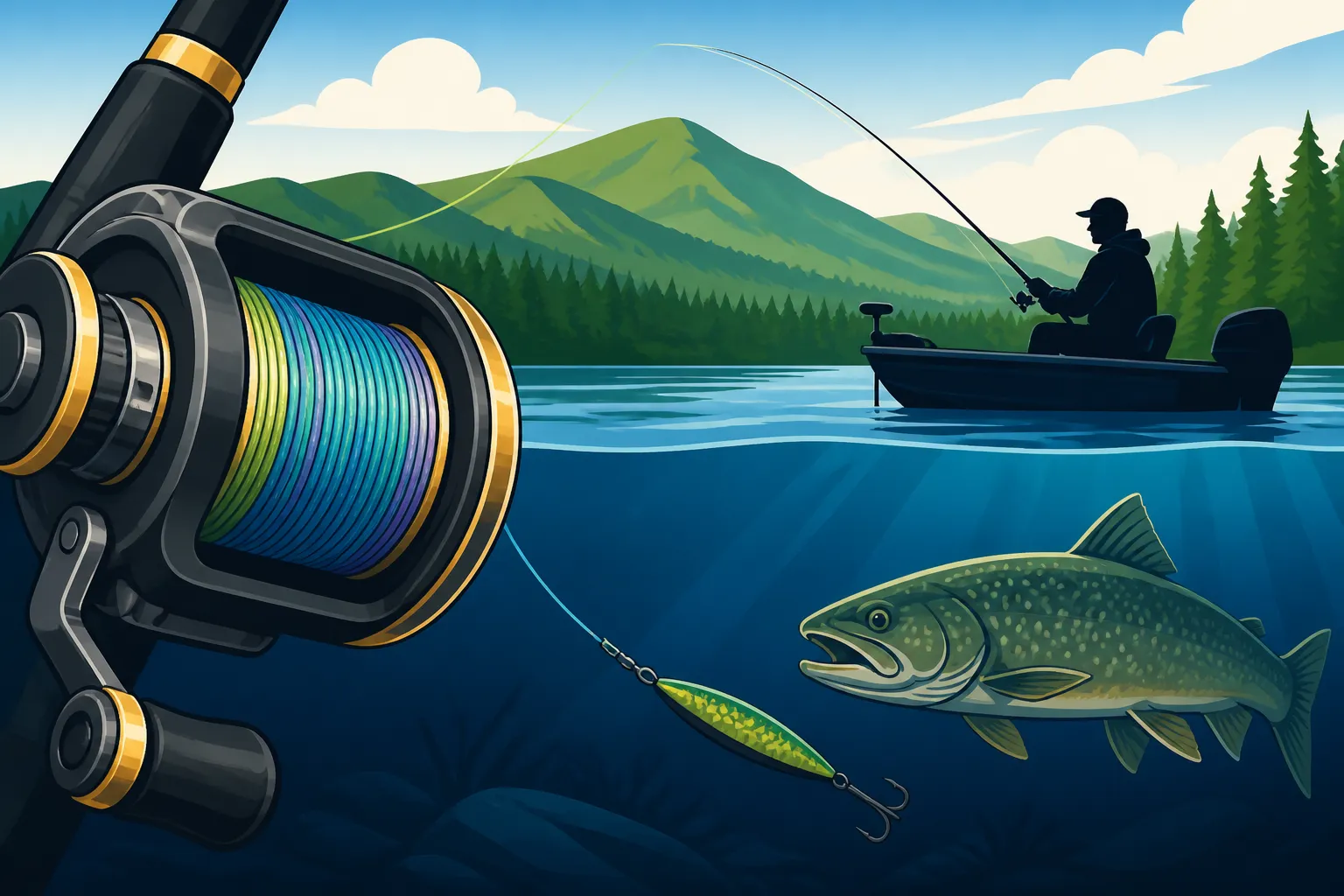
One of the most frustrating things an angler can experience when deep lake trolling in Vermont is hooking into a true lunker – a massive lake trout, a surging landlocked salmon, or a powerful walleye – only to have your reel run out of line before you can turn its head. It's a disheartening situation that often stems from underestimating the power of these deep-water fighters and the sheer amount of line needed to reach them and sustain a long battle. This guide will walk you through everything you need to know about choosing the best reel line capacity for deep lake trolling in Vermont, ensuring your next big catch doesn't end with an empty spool.
Understanding Deep Lake Trolling in Vermont
Deep lake trolling isn't just about dropping a lure and hoping for the best; it's a calculated strategy to target fish that inhabit the cooler, darker depths of Vermont's larger lakes. Understanding these environments and the fish within them is the first step to selecting the right gear, especially your reel's line capacity.
What "Deep" Really Means in Vermont Waters
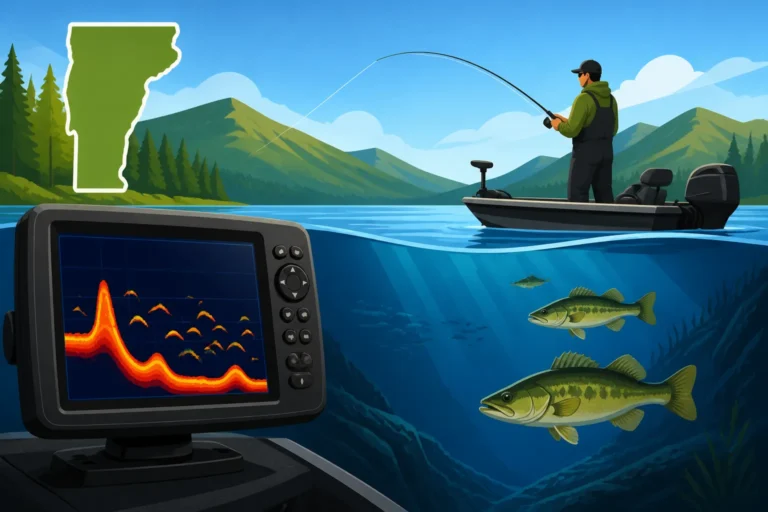
When we talk about "deep" in Vermont, we're often referring to waters that plunge well beyond 50 feet, sometimes reaching hundreds of feet in places like Lake Champlain, Lake Willoughby, or even parts of Lake Memphremagog. These are the domains of some of our most sought-after cold-water species: majestic lake trout, acrobatic landlocked salmon, and robust walleye. Lake Champlain, for example, has areas that drop over 400 feet, and while you won't typically troll that deep, you might find yourself targeting lake trout at 60, 80, or even over 100 feet down, particularly in the warmer summer months. Lake Champlain Lake Trout Fishing for example, often involves getting down to these significant depths.
Reaching these depths requires significant line deployment. If you're using leadcore line, you'll be letting out colored sections to hit your target. If you're using downriggers, you'll still be letting out main line behind your boat before attaching it to the downrigger release clip, and then dropping the ball down. Even with heavy weights or specialized divers, the angle of your line and the boat's speed mean that to get a lure 80 feet deep, you might need to have 150 to 200 feet or more of line behind the boat before it even begins its descent. This initial deployment already consumes a considerable amount of your reel's capacity, and that's before a fish even strikes.
Why Line Capacity Matters More Than You Think
Imagine you're trolling over a deep drop-off on Lake Willoughby, hoping for a landlocked salmon. Your sonar lights up, your rod bends hard, and the drag starts screaming. This isn't just a fish; it's a freight train. A large lake trout or landlocked salmon, particularly in cold water, can make incredibly long, powerful runs. They often peel off 100, 200, or even 300 feet of line in their initial burst of panic and struggle. If your reel can only hold, say, 200 yards of line, and you've already got 150 feet out to reach your target depth, that doesn't leave much in reserve for a powerful fish.
Running out of line means reaching the end of your spool, which almost invariably leads to a snapped line, a broken rod, or worse, losing a truly memorable fish that deserved to be fought. It's not just about losing the fish; it's about losing expensive lures, specialized terminal tackle, and the invaluable time and effort you put into getting that strike. Sufficient line capacity gives you the buffer you need. It allows the fish to run without fear of spooling you, lets you manage long fights, and reduces the risk of break-offs when the fish makes a sudden, unexpected move far from the boat. It's truly a game-changer for deep-water confidence.
Key Factors Influencing Your Reel Line Capacity Needs
Choosing the perfect reel line capacity isn't a one-size-fits-all situation. Several critical factors come into play, each dictating how much line you'll realistically need on your spool to tackle Vermont's deep lakes effectively. Ignoring any of these can lead to those frustrating "almost got 'em" stories.
Target Species and Their Fighting Power
The species you're chasing is arguably the most significant factor in determining your line capacity needs. There's a world of difference between tangling with a 5-pound walleye and a 30-pound lake trout.
- Lake Trout: These ancient giants of the deep are notoriously powerful. They don't typically make blistering surface runs like salmon, but their sheer weight and dogged, deep-water fighting style can put immense strain on your line and reel. They pull hard and resist, often making long, deep-diving runs punctuated by heavy head shakes. A big lake trout, especially from a deep lake like Lake Champlain Fishing Guide or Lake Willoughby Fishing Guide, can easily peel off hundreds of feet of line, even with heavy drag settings. You need serious capacity to give them room to tire.
- Landlocked Salmon: While generally smaller than lake trout, landlocked salmon are pure dynamite. They are known for blistering, drag-screaming runs, often leaping clear of the water and making acrobatic displays. These fish can strip line off your reel at an alarming rate, covering vast distances in a short amount of time. If you're targeting trophy-sized salmon, say 10 pounds or more, on a body of water like Seymour Lake, you'll need ample line to handle their initial explosive burst and subsequent strong runs.
- Walleye: Often targeted on Lake Champlain, walleye are more subtle fighters than salmon or lake trout, but they can still surprise you, especially larger individuals. They are excellent table fare, and even a 6- to 8-pound walleye can put a respectable bend in your rod and make a good run when hooked in deep, cold water. While they may not empty your spool, a modest capacity is still prudent, especially if you're also hoping to accidentally hook into a larger, more powerful species. Walleye Fishing on Lake Champlain often involves trolling deeper structure, where big fish can lurk.
Trolling Methods: Downriggers, Leadcore, and Dipsy Divers
The specific method you employ to get your lure down to the fish will significantly impact how much effective line capacity you need on your reel. Each method uses line differently, demanding different considerations for your spool.
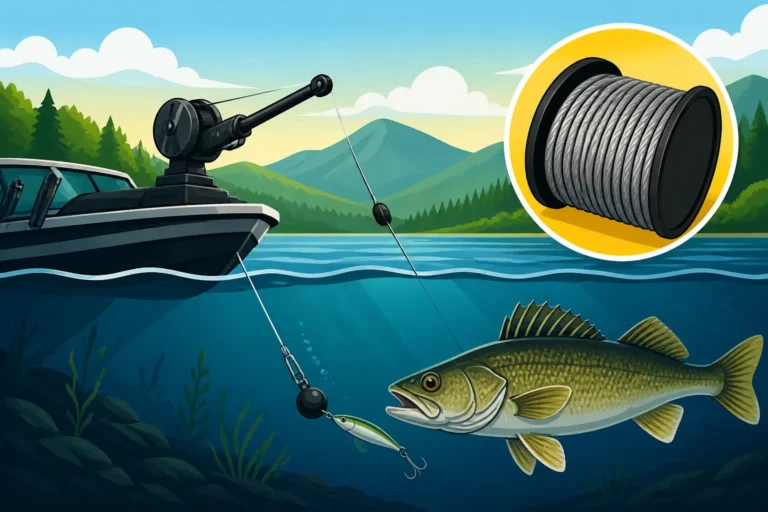
- Downriggers: This is a popular method for precision deep-water trolling. With a downrigger, you let out a relatively short amount of main line (often 50-100 feet) behind the boat, attach it to a release clip on a heavy cannonball weight, and then lower the cannonball to your desired depth. When a fish strikes, the line releases from the clip, and you fight the fish directly. The key here is that while you're only deploying a relatively short amount of main line behind the boat initially, you still need enough capacity to handle the long, powerful runs of a deep-water fish after it hits. For downrigger fishing, you want a reel that can hold enough line for those extended fights, especially with lake trout.
- Leadcore Line: This specialized line is designed to sink without additional weights. It's typically braided Dacron with a lead core, colored every 10 yards to help you track depth. To get a lure down to 30 feet, you might need to deploy 3-4 colors (90-120 feet) of leadcore. For greater depths, say 60-70 feet, you could be letting out 7-8 colors (210-240 feet) or more, depending on your lure and trolling speed. Trolling Techniques for Vermont Lake Trout often utilize leadcore for shallower to mid-depth ranges. Because you're deploying so much of this bulky line, your reel needs a much larger capacity to accommodate both the leadcore itself and sufficient backing to prevent being spooled. Leadcore is thick, so it takes up a lot more spool space than traditional mono or braid.
- Dipsy Divers (or Planer Boards with Weights): Dipsy divers are another effective way to get lures away from the boat and down to depth. They dive and plane away from the boat, and their dive depth depends on size, line length, and speed. You'll let out a substantial amount of line to get the diver to depth and distance. For example, to get a lure 50 feet down and 50 feet to the side, you might need to deploy 150-200 feet of line. Again, this means a significant portion of your reel's capacity is already off the spool before a fish bites. Similar to downriggers, the reel needs enough reserve line to handle the ensuing battle.
Line Type and Diameter
The type of fishing line you choose has a direct and profound impact on how much line your reel can hold. This isn't just about strength; it's about the physical thickness of the line.
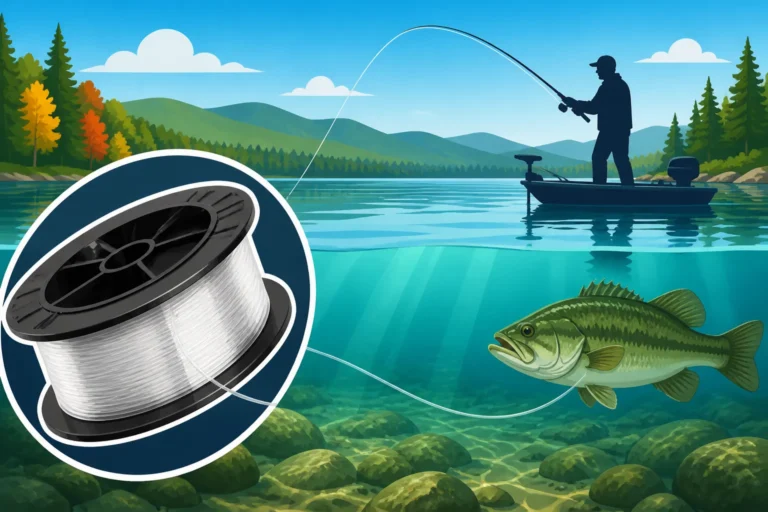
- Monofilament (Mono): This is your traditional, all-around fishing line. It's relatively thick compared to braid of the same breaking strength, offers good stretch (which can be a pro or con), and is generally inexpensive. If you're using mono for deep trolling, especially heavier test (e.g., 20-30 lb test for lake trout), you'll need a reel with a substantial capacity because the line's diameter takes up more space. Its stretch can also mean longer runs for fish before you turn them.
- Braided Line (Braid): Modern braided lines are incredibly strong for their diameter. A 30 lb braided line is often much thinner than a 10 lb monofilament line. This is a huge advantage for deep trolling, as it allows you to fit significantly more line of a higher breaking strength onto your reel. Braid also has virtually no stretch, providing incredible sensitivity to strikes and allowing for a more direct fight. Many deep-water anglers will spool their reels with braided line, then attach a monofilament or fluorocarbon leader for stealth and abrasion resistance. When considering braid, you can often go with a lower capacity reel, but still, err on the side of generous capacity for truly deep or powerful fish.
- Fluorocarbon Line: While often used as a leader material due to its near invisibility underwater and excellent abrasion resistance, some anglers will spool their entire reel with fluorocarbon. Fluorocarbon sinks faster than mono and has less stretch, but it's generally stiffer and has a similar or slightly greater diameter than monofilament for the same breaking strength. This means less capacity than braid, but potentially more than a comparable mono. It's also typically more expensive, so a full spool can be a significant investment. You might find specialty fluorocarbon lines for sale at places like Bass Pro Shops.
Here's a quick comparison of line diameter impact:
| Line Type | Approx. Diameter (for 20lb Test) | Spool Capacity Impact | Notes |
|---|---|---|---|
| Monofilament | 0.016 – 0.018 inches | Takes up the most space | Good stretch, budget-friendly, visible |
| Fluorocarbon | 0.015 – 0.017 inches | Similar to mono, maybe slightly less | Low stretch, near invisible, stiffer, higher cost |
| Braided (PE) | 0.009 – 0.011 inches | Takes up the least space | No stretch, incredibly strong, highly visible, higher cost |
This table clearly illustrates why braid is a favorite for maximizing line capacity on a given reel size. It allows you to run a higher breaking strength line while still having plenty of yards in reserve.
Choosing the Right Reel Line Capacity for Vermont's Deep Lakes
Now that we understand the factors, let's get down to the brass tacks: what actual line capacity should you be looking for in your trolling reels for Vermont's deep waters? It's about finding that sweet spot between too little and excessive.
Recommended Line Capacity by Species and Method
When gearing up for Vermont's deep lakes, it’s always better to overcompensate slightly with line capacity rather than underdo it. Losing a trophy because your spool ran dry is a scenario we all want to avoid.
For general deep lake trolling, whether it’s for lake trout, salmon, or walleye, a good starting point for your reel should be a capacity that can hold at least 250-300 yards of 20 lb monofilament. Why 20 lb mono as a benchmark? Because it's a common, robust line choice, and if a reel can comfortably hold that, it can hold even more of thinner, stronger braided line.
Let's break it down by species and common trolling methods:
- For Lake Trout (especially large ones): These are the kings of deep-water power. If you're specifically targeting trophy lake trout at depths of 80-120 feet, you'll need significant capacity.
- Downriggers: Aim for a reel that can hold 300-400 yards of 30 lb braided line. This gives you plenty of strength and huge reserves for long, powerful runs. If using 20 lb mono, shoot for at least 250-300 yards. The added strength of the 30 lb braid helps when you're fighting a really big fish that might put pressure on your knot or leader.
- Leadcore: This method requires the most generous capacity. You'll want a reel that can accommodate a full 7-10 colors (210-300 yards) of 27 lb or 36 lb leadcore line, plus an additional 100-150 yards of heavy monofilament or braided backing. Leadcore is thick, so this often means stepping up to larger conventional reels designed for great capacity. Many anglers choose specific leadcore outfits to handle the bulk.
- For Landlocked Salmon (and larger Walleye): While they don't typically dive as deep as the biggest lake trout, their explosive runs demand ample line.
- Downriggers/Dipsy Divers: A reel capable of holding 250-300 yards of 20-25 lb braided line (with a fluorocarbon leader) or 200-250 yards of 15-20 lb monofilament is usually sufficient. This gives you the speed and agility for those fast runs.
- Leadcore: Similar to lake trout, plan for 5-7 colors (150-210 yards) of 18 lb or 27 lb leadcore, plus 100 yards of backing.
You'll often find reels listed with their capacity in terms of monofilament. For example, a reel might state "20 lb / 250 yds." If you plan to use braided line, you can expect to spool significantly more yards of braid of the same breaking strength due to its thinner diameter. For example, a reel rated for 20 lb mono might hold 300-400 yards of 30 lb braid. This is an important distinction to remember. Sites like Amazon or Bass Pro Shops will often list multiple line capacities for different line types.
The "More is Better" Philosophy (with a caveat)
When it comes to deep lake trolling in Vermont, embracing a "more is better" philosophy for line capacity is generally a wise move. You'll rarely regret having too much line, but you'll certainly curse having too little when that fish of a lifetime peels off the last inch. Opting for a reel that offers slightly more capacity than you think you'll need provides a comfortable safety margin. This extra line isn't just for epic runs; it also means you have more line to spare if you need to cut off a few feet due to nicks or abrasion over time, extending the life of your main spool before needing a full re-spool. Plus, if you're exploring Best Fishing Lakes in Vermont and happen upon an unexpected monster, you'll be prepared.
However, there is a caveat to this. Excessively large reels can become cumbersome, heavy, and unbalanced on your rod. A reel that's significantly oversized for your application might lead to arm fatigue, especially during long days of trolling or when fighting a smaller fish. It can also increase the overall cost of setting up your gear. Furthermore, if you're filling an enormous spool with expensive fluorocarbon or high-end braid, the cost of filling it completely can be substantial. For this reason, many anglers will use a less expensive monofilament or braided backing to fill a significant portion of the spool before tying on their primary, more expensive fishing line. This "backing" strategy gives you the desired capacity without breaking the bank on premium line you might never see. It's about finding that practical balance for your specific needs.
Practical Tips for Maximizing Your Reel's Performance
Beyond just choosing the right reel, there are several practical steps you can take to ensure your setup performs flawlessly on Vermont's deep lakes. These tips are crucial for avoiding frustrating failures and getting the most out of your line capacity.
Backing Your Line Correctly
Spooling your reel correctly is just as important as choosing the right capacity. Many anglers, especially those using expensive braided line, employ a "backing" strategy. This involves first filling a portion of the reel spool with a less expensive line before adding their main fishing line.
Here's why and how it's done:
- Cost-Effectiveness: High-quality braided line and fluorocarbon can be pricey. Filling an entire large spool with 300+ yards of premium line can be a significant expense. By using an inexpensive monofilament or a cheaper bulk braid as backing, you get the necessary spool fill without spending a fortune on line that rarely, if ever, leaves the reel.
- Preventing Slippage (for Braid): Braided line is very slick. If you spool it directly onto an aluminum reel arbor, it can sometimes slip under heavy drag pressure. A few yards of monofilament backing, tied to the arbor with an arbor knot and then to your braid with a strong knot like an Albright or blood knot, creates friction and prevents this slippage. Alternatively, some reels now have a rubberized arbor designed to grip braid, but backing is still a safe bet.
- Achieving Proper Spool Fill: Reels perform best when filled to about 1/8th inch from the lip of the spool. Too little line can affect casting distance (if you ever cast) and create line memory issues, while too much risks tangles and birds' nests. Backing allows you to achieve this optimal fill with your chosen main line. For deep trolling reels, an optimal fill ensures smooth line payout and retrieval, which is essential when constantly letting out and bringing in lines.
When backing, load the backing first, then tie on your primary line, and spool the rest. A good rule of thumb for deep trolling setups using braid as a main line is to have at least 50-100 yards of monofilament backing (often 20 lb test) before tying on your 200-300 yards of braided main line. This creates a solid foundation for your setup.
Regular Line Maintenance and Replacement
Even the best reel with the perfect line capacity is only as good as the line on it. Deep lake trolling puts immense strain on fishing line, and neglecting maintenance is a recipe for disaster.
- Check for Nicks and Abrasions: After every fishing trip, especially if you've been grinding against rocky bottoms or fighting fish near structure, carefully inspect the first 10-20 feet of your main line and your leader for any nicks, frays, or abrasions. Even a tiny imperfection can compromise the line's strength under the pressure of a big fish. If you find any damage, cut off the affected section and re-tie your leader or lure.
- Line Twist: Trolling, especially with certain lures or if your lure isn't running true, can introduce line twist. This weakens the line and can lead to tangles and knots. Periodically, let out a good amount of line (without a lure) behind the boat while moving slowly to allow the line to untwist. Swivels are your friend in minimizing twist when trolling.
- UV Degradation: Monofilament line, in particular, degrades over time from exposure to ultraviolet (UV) light. This weakens the line, reduces its breaking strength, and makes it brittle. While braid is more resistant to UV, it can still degrade.
- When to Replace: As a general rule, for heavy-duty deep lake trolling applications, plan to replace your main line at least once a season, and potentially more often if you fish frequently or land many large fish. Leaders should be replaced after every few fish or any significant abrasion. Fresh line performs better, is stronger, and gives you the confidence you need to tackle those Vermont giants. You can find bulk spools of line for regular replacement at most sporting goods stores or online retailers like Amazon. Don't forget to check out Best Tackle for Vermont Smallmouth Bass or Best Gear for Vermont Trout Fishing for other gear considerations that are important.
By carefully considering your target species, trolling methods, line type, and performing regular maintenance, you'll be well-equipped to make the most of your reel's line capacity and increase your chances of landing that trophy fish on Vermont's stunning deep lakes. Good luck out there!
Disclaimer
This article is for general informational purposes only and does not constitute professional advice. Laws, prices and regulations vary by location and change over time. Consult a qualified professional for guidance on your specific situation.