Best jig for winter pickerel through the ice
Winter in Vermont brings a unique set of challenges and opportunities for anglers, and one of the most exciting fish to target through the ice is the feisty chain pickerel. Many anglers get frustrated trying to coax a bite when the water is frigid, wondering if they're using the right bait or presentation. This comprehensive guide will dive deep into selecting the absolute best jigs specifically designed to entice those toothy predators lurking beneath Vermont's frozen lakes and ponds, ensuring your ice fishing adventures are far more successful.
Understanding Winter Pickerel Behavior Under the Ice
When Vermont's waters transform into a solid sheet of ice, the world beneath changes dramatically, but chain pickerel remain active predators. Unlike some species that become incredibly sluggish, pickerel are opportunistic and will readily strike at a well-presented lure. Their predatory instincts don't hibernate. They're still looking for an easy meal, often holding tight to submerged vegetation, weed lines, and structural elements like fallen timber or brush piles, especially near drop-offs where they can ambush prey.
Preferred Habitats and Feeding Zones
Even under a thick blanket of ice, pickerel are drawn to areas that provide cover and ambush points. Think about what a pickerel needs: a place to hide, and access to forage fish like minnows, shiners, or even smaller panfish. These zones are usually shallower than where you might find lake trout or walleye, often in depths ranging from 5 to 15 feet, though they can certainly be found deeper.
If you're out on a lake like Lake Bomoseen or even some of the smaller, shallower ponds in the Northeast Kingdom, scouting for remaining green weeds is paramount. These weed beds provide oxygen, food, and crucial cover. You'll often find pickerel lying perfectly still, blending into their surroundings, ready to explode on anything that swims by. They're not going to chase a lure across the entire lake; they prefer to wait for prey to come to them. Your job is to bring that "prey" – your jig – right into their strike zone. Knowing these key locations is half the battle when you're ice fishing in Vermont.
Why Pickerel Are Still Aggressive in Cold Water
It's a common misconception that all fish become lethargic once the ice forms. While some species do slow down significantly, pickerel are built for cold water. Their long, slender bodies and powerful tails allow for explosive bursts of speed, making them incredibly effective ambush predators year-round. They have a high metabolism for a cold-water species, meaning they need to eat regularly. This aggressiveness, even in winter, is what makes them such a fun and rewarding target for ice anglers. They're not just nipping at baits; they're often inhaling them with surprising force. Their willingness to strike aggressively means that a jig that mimics a struggling baitfish or offers a tantalizing flash can trigger a powerful reaction strike, turning a slow day into an exciting one.
Key Characteristics of an Effective Pickerel Ice Jig
Choosing the right jig for winter pickerel isn't just about grabbing the brightest lure. You need to consider several factors that cater specifically to their aggressive nature and their habitat under the ice. These characteristics include weight, flash, vibration, size, and most importantly, the durability to withstand those razor-sharp teeth.
Weight and Drop Speed for Ambush Predators
The weight of your jig is crucial. Pickerel are ambush predators, meaning they want an easy target. A jig that drops too fast might zip past them before they can react, especially if they're holding tight in cover. Conversely, a jig that takes forever to get down can be frustrating for the angler and might not reach the fish quickly enough, particularly if you're marking fish on your flasher.
Generally, a 1/4 ounce to 1/2 ounce jig is a great starting point for most Vermont ice fishing scenarios. This weight offers a good balance: it's heavy enough to get down quickly in deeper water or through current, but light enough to have a slower, more enticing fall. This slower fall, often described as a "wobble" or "glide," mimics an injured baitfish, which pickerel find irresistible. For shallower water (under 10 feet), you might even drop down to 1/8 ounce, especially if the fish are finicky. The ideal jig weight allows for control and a natural presentation, getting into the strike zone effectively without overshooting it.
Flash and Vibration to Attract Attention
Under the ice, light penetration is reduced, and visibility can be limited, especially in stained water or deeper areas. This is where flash and vibration become your best friends. Pickerel rely heavily on their lateral line to detect vibrations in the water and their keen eyesight to spot shimmering movements. A jig that emits both can be incredibly effective.
Metal jigs, especially those with reflective finishes like chrome, gold, or silver, create powerful flashes as they dart and flutter. Blades, reflective tape, or even metallic paint on the jig can make a huge difference. Similarly, jigs designed to wobble, rattle, or displace a good amount of water send out crucial vibrations that draw pickerel in from a distance. Think of it as a beacon in the murky underwater world. Some jigs even incorporate small glass or metal beads that clatter, creating an audible "rattle" that can be heard by curious fish. A loud and proud jig can often trigger a strike from a pickerel that might otherwise ignore a more subtle presentation.
Color and Size Considerations for Pickerel
When it comes to color, don't overthink it, but do have a few options. Natural baitfish colors like silver, gold, or white are almost always a good bet. Chartreuse, orange, and even bright pinks can be excellent attractors, especially in stained water or on overcast days when you need something highly visible. It's often a good strategy to start with a natural color, and if you're not getting bites, switch to something brighter and more aggressive. Sometimes, a high-contrast color like black and white can also stand out against a muted background.
Size is equally important. Pickerel, especially the larger ones, aren't afraid to hit a sizable meal. Jigs ranging from 2 to 4 inches are typically ideal. This size range mimics the minnows and shiners that make up a significant portion of their winter diet. If you're targeting truly trophy-sized pickerel, don't be afraid to go a bit larger, up to 5 inches. A jig that's too small might not be noticed, while one that's too large could intimidate smaller fish. The key is to present a meal that looks substantial enough to be worth the energy expenditure for a cold-water predator.
Hook Strength and Leader Necessity
Here's the often-overlooked but absolutely critical characteristic: hook strength and the need for a leader. Pickerel have mouths full of sharp, needle-like teeth, and they use them effectively. A flimsy hook will straighten out or break, and standard monofilament or fluorocarbon fishing line will be shredded in an instant.
Look for jigs with strong, sharp, high-carbon steel hooks. Many jigs designed for pike or musky will fit the bill perfectly. Even better, consider adding a wire or heavy fluorocarbon leader. A good quality, 15-20 pound test fluorocarbon leader (at least 12-18 inches long) is often sufficient to prevent bite-offs while remaining relatively invisible to the fish. If you're consistently getting bitten off, don't hesitate to switch to a thin, flexible steel leader. Brands like Berkley or American Fishing Wire offer excellent options. You can often find a good selection of these on Amazon, ready to ship right to your door before your next trip. Remember, losing a prize pickerel because of a bitten-off line is one of the most frustrating experiences in ice fishing, so don't skimp here. This is especially true when fishing some of the trophy waters in Vermont for pickerel.
Top Jig Styles and Materials for Vermont Pickerel
Now that we understand the essential characteristics, let's explore some specific jig styles and materials that consistently prove effective for winter pickerel through the ice in Vermont. Each has its own unique action and appeal, so having a few different types in your tackle box is a smart move.
Flashy Spoon Jigs: Wobble and Glimmer
Spoon jigs are arguably one of the most classic and effective lures for ice fishing, and they are absolutely deadly for pickerel. Their design allows for a fantastic fluttering, wobbling action on the fall, mimicking an injured baitfish. When jigged, they flash brilliantly, sending out those crucial visual signals.
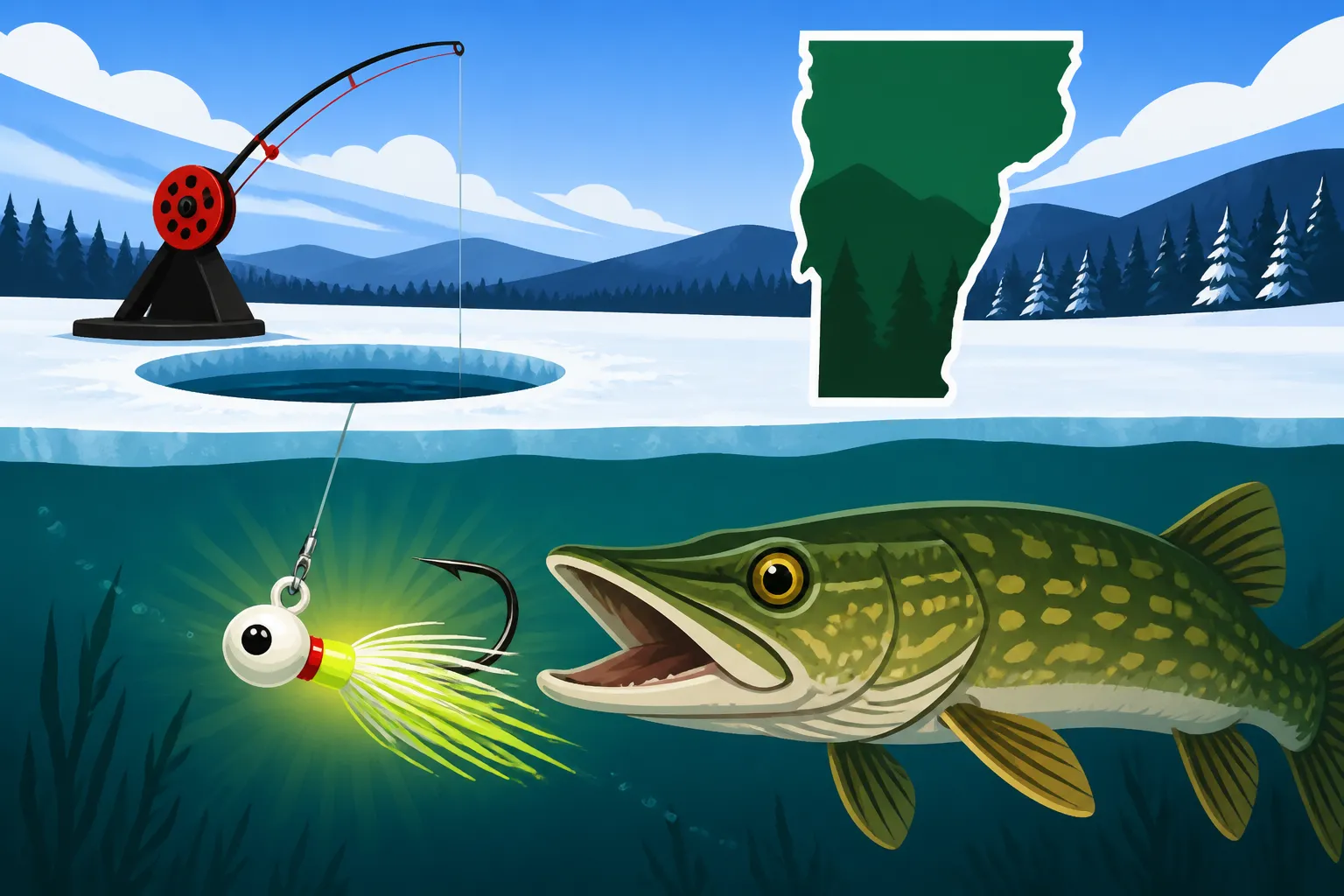
Think about the classic "Swedish Pimple" or the "Do-Jigger" style spoons. These often come in silver, gold, or copper, sometimes with an added strip of reflective tape or a painted eye. The key is their erratic fall and shimmer. When you lift your rod tip and then let the spoon fall, it doesn't just drop straight down. It tumbles, flashes, and wobbles, presenting an irresistible target. For pickerel, spoons with a little more weight are often preferred, allowing for aggressive jigging motions that create more flash and vibration. You can tip them with a small piece of minnow or a scented soft plastic for added appeal. Many anglers find these indispensable for getting those reaction strikes.
Marabou Jigs: Subtle Pulsation
While spoons are all about flash and aggressive action, marabou jigs offer a more subtle, lifelike presentation that can be incredibly effective, especially on days when pickerel are a bit more finicky. The soft, flowing feathers of a marabou jig expand and contract with even the slightest movement of the rod tip, creating a pulsating action that perfectly imitates a small baitfish or insect.
These jigs are typically lighter than spoons, often in the 1/8 to 1/4 ounce range, and their slower fall can be a huge advantage when pickerel are holding tight to cover and aren't willing to chase. The key is the natural breathing action of the marabou in the water. Colors like white, black, olive, or even a mixed natural pattern can be very effective. Try tipping a marabou jig with a small piece of minnow or a wax worm to add scent and a little extra bulk. While they might not have the flash of a spoon, their lifelike movement can be the key to triggering strikes from wary pickerel.
Soft Plastic Jigs: Versatility and Scent
Soft plastic jigs offer incredible versatility and can be incredibly effective for pickerel when paired with the right jig head. From small paddle-tail swimbaits to slender fluke-style baits or even curly-tail grubs, the options are endless. The beauty of soft plastics is their ability to accurately imitate various baitfish, and many are now infused with scent, which can be a game-changer in cold, low-visibility water.
When selecting soft plastics for pickerel, look for durable options that can withstand a few bites before needing replacement. Shapes that mimic slender baitfish, around 3-4 inches long, are often best. Paddle-tails provide a thumping vibration, while fluke-styles offer a subtle glide. Pair these with a weighted jig head (1/8 to 1/2 ounce) that has a strong, sharp hook. Colors can range from natural shiner imitations to bright chartreuse or pink. The ability to switch plastic styles and colors quickly, combined with the added advantage of scent, makes soft plastic jigs a staple for many successful ice anglers targeting pickerel. Don't be afraid to experiment with different brands; you can often find bulk packs of soft plastics on Amazon, which is great for stocking up.
Table: Popular Jig Types for Winter Pickerel
| Jig Type | Key Characteristics | Ideal Weight Range (oz) | Primary Action | Best Conditions | Pros | Cons |
|---|---|---|---|---|---|---|
| Spoon Jigs | Flash, wobble, reflective finishes | 1/4 – 1/2 | Fluttering, erratic fall | Aggressive fish, good visibility, deeper water | Strong flash, good vibration, draws fish from distance | Can be too fast for finicky fish, less natural presentation |
| Marabou Jigs | Soft feathers, subtle pulsation | 1/8 – 1/4 | Breathing, lifelike flow | Finicky fish, clear water, shallow cover | Very natural action, subtle, less intimidating | Less flash, may not attract from far away, can be less durable |
| Soft Plastic Jigs | Variety of shapes, scent infusion | 1/8 – 1/2 | Tail-kicking, gliding, darting | Versatile, clear to stained water, varying depths | Highly customizable, scent appeal, realistic imitation | Less durable than metal, requires jig head, can be expensive |
| Lipless Crankbaits | Rattle, vibration, fast retrieve | 1/4 – 1/2 | Tight wiggle, strong vibration | Active fish, searching large areas, deeper water | Strong vibration and rattle, covers water quickly, good for reaction strikes | Can be too aggressive for sluggish fish, heavier setup needed |
Lipless Crankbaits: The Power Fishing Option
While often associated with open water, smaller lipless crankbaits can be surprisingly effective for vertical jigging through the ice, especially when pickerel are particularly active. These lures are designed to produce a strong, tight wiggle and a lot of vibration, often accompanied by internal rattles, making them excellent "search baits" for covering water quickly.
For ice fishing, look for lipless crankbaits in the 1/4 to 1/2 ounce range, around 2-3 inches long. The key is to lift them sharply and let them fall on a semi-slack line. The loud rattle and aggressive action can trigger powerful reaction strikes from pickerel that might ignore more subtle offerings. They're particularly effective for locating active fish quickly, especially in areas with moderate depth or sparse cover. Just be sure the hooks are strong enough to handle a pickerel's teeth, and always use a leader to prevent bite-offs. This is a more aggressive approach but can really pay off when fish are on the hunt.
Rigging and Presentation Tips for Ice Pickerel
Having the best jig is only part of the equation; knowing how to rig and present it effectively under the ice is equally important. From your line choice to your jigging cadence, every detail can make a difference in enticing those winter pickerel.
Line Choice and Leader Setup
As mentioned earlier, pickerel teeth are no joke. Your main line should be a good quality monofilament or fluorocarbon, or even braid. Many anglers prefer 8-10 lb test monofilament for its stretch and knot strength, or 10-15 lb test braided line for its sensitivity. If using braid, tie a fluorocarbon leader of at least 15-20 lb test, about 18-24 inches long. Fluorocarbon is less visible underwater and offers excellent abrasion resistance.
Alternatively, you can use a thin, clear wire leader. Some anglers even prefer a heavy-duty snap swivel that allows for quick lure changes while adding a layer of protection. The goal is to create a connection that is strong enough to handle the fish, but subtle enough not to spook it. You can find excellent spools of fluorocarbon leader material and pre-made wire leaders on Amazon. Ensure your knots are strong; a Palomar knot or a uni knot are reliable choices for tying your leader to your main line and your jig. The integrity of your entire setup is vital when battling a powerful, toothy fish like a pickerel.
Jigging Cadence and Retrieval Techniques
The way you move your jig is crucial for triggering strikes. Pickerel are ambush predators, but they respond well to erratic, injured-baitfish movements.
- Start with Aggression: When you first drop your jig down, especially if you're not marking fish, start with a more aggressive jigging motion. Lift your rod tip sharply 1-2 feet, then let the jig fall on a semi-slack line. Allow it to flutter and settle. Repeat this 3-5 times. This aggressive "rip and fall" creates a lot of flash and vibration, drawing fish in.
- Pause and Observe: After a few aggressive jigs, pause for 5-10 seconds. This is often when a pickerel, drawn in by the commotion, will investigate and strike. Watch your line closely for any subtle twitch or movement, or keep an eye on your flasher for a tell-tale mark.
- Subtle Wiggles: If the aggressive approach isn't working, switch to more subtle movements. Try lifting the jig just a few inches, then letting it fall slowly, repeating this several times. You can also just twitch your rod tip, making the marabou pulsate or the spoon gently shimmy.
- Height Variation: Don't just fish at one depth. Work your jig from the bottom up. Start near the bottom, jig for a minute or two, then raise your jig 1-2 feet and repeat. Continue working up the water column, especially if you're seeing fish marks on your electronics. Pickerel will often suspend just above cover, or cruise through the middle of the water column.
- Tip-Up Integration: While jigging is active, don't underestimate the power of a nearby tip-up rigged with a live minnow. Sometimes, the pickerel will be drawn in by your jigging action but prefer the real thing on the tip-up. This combined approach can be incredibly effective when ice fishing for pickerel in Vermont. You can learn more about this in our guide on Best Techniques for Winter Pickerel.
The Importance of Tipping Your Jig
Adding a little something extra to your jig can make a world of difference. Tipping your jig with natural bait adds scent and a more realistic texture, often encouraging a pickerel to hold on longer, giving you more time to set the hook.
Small pieces of minnow, shiners, or even a small smelt are classic choices. Simply hook the bait through the head or just behind the dorsal fin, allowing it to move naturally. Another excellent option is a wax worm or a piece of a nightcrawler, especially on smaller jigs. Gulp! Alive! minnows or other scented soft plastic baits can also be incredibly effective, providing both visual appeal and a powerful scent trail. The added scent can often draw in fish from further away or convince a hesitant pickerel to commit to the strike. Experiment with different options to see what the pickerel in your specific Vermont pond or lake are keying in on that day.
Best Jig for Winter Pickerel through the Ice
Ultimately, the "best" jig for winter pickerel through the ice isn't a single item, but rather a combination of characteristics and a willingness to adapt. What works wonders on one particular day or lake might be completely ignored on another. However, if I had to recommend a starting point, a 1/4 to 3/8 ounce spoon jig with a reflective finish (silver or gold), tipped with a small minnow or a scented soft plastic, and fished on a fluorocarbon leader, is a consistently excellent choice. This combination offers the flash, vibration, natural appeal, and durability needed to entice and land these exciting winter predators. Don't be afraid to experiment, pay attention to what the fish are telling you, and most importantly, have fun out there on the ice! For more detailed insights into what pickerel prefer, check out our article on what chain pickerel eat in Vermont ponds.
Additional Tips for Success on the Ice
Beyond the specific jigs and techniques, a few other considerations can significantly improve your chances of success when targeting pickerel through the ice in Vermont. Being prepared for the conditions and understanding the overall fishing environment can make a good day even better.
Utilizing Electronics: Flashers and Sonar
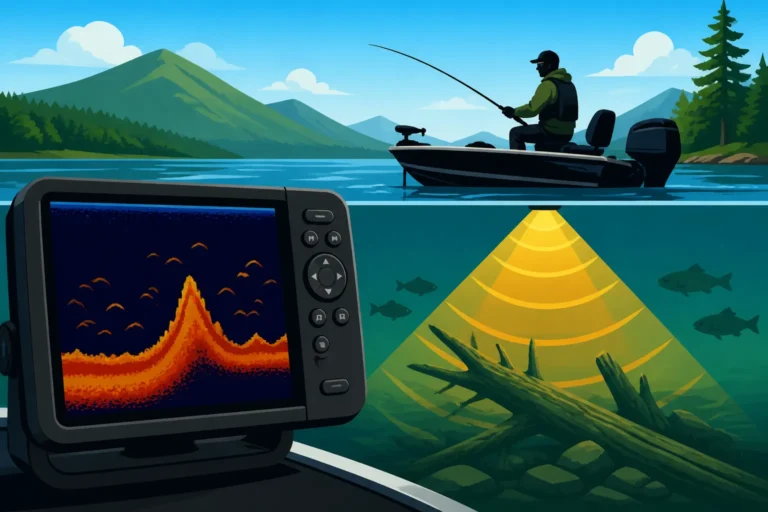
In the world of ice fishing, electronics are no longer a luxury; they're almost a necessity, especially when you're trying to locate active fish and present your jig effectively. A good flasher or sonar unit can show you real-time what's happening beneath your hole.
When targeting pickerel, your flasher will reveal not just the bottom, but also any structure or weed growth that pickerel might be holding in. More importantly, it will show you when fish are moving into your strike zone. You'll see their marks appear, giving you an immediate cue to adjust your jigging cadence, depth, or even your jig choice. If a fish mark appears but doesn't commit, you can try raising or lowering your jig, or changing its action, until you elicit a strike. This real-time feedback is invaluable for understanding how fish are reacting to your presentation and making quick, informed adjustments. Knowing how to read those signals can truly elevate your success. For more information on useful gear, consider reading about the Best Fish Finders for Vermont Lakes.
Staying Warm and Comfortable
Ice fishing can be an incredibly rewarding experience, but it can also be brutally cold if you're not properly prepared. Staying warm and comfortable isn't just about personal enjoyment; it directly impacts your ability to focus and fish effectively. Cold hands struggle with tying knots, and a shivering body makes it hard to detect subtle bites.
Dress in layers, focusing on moisture-wicking base layers, insulating mid-layers, and a waterproof/windproof outer shell. Invest in quality insulated boots, gloves, and a warm hat. Portable heaters, either propane or catalytic, can make a huge difference, especially inside an ice shanty. Speaking of shanties, whether you prefer a portable flip-over or a hub-style, a good ice shanty provides shelter from the wind and elements, allowing you to fish longer and more comfortably. You might find our guide on the Best Ice Shanty for Vermont Lakes helpful in making a choice. Remember, if you're uncomfortable, your focus will wane, and so will your catch rate.
Ice Safety First
This cannot be stressed enough: ice safety is paramount. No fish is worth risking your life. Always check ice thickness before venturing out, and continue to do so as you move around. A minimum of 4 inches of clear, solid ice is generally recommended for walking, but more is always better. For snowmobiles or ATVs, you'll need significantly more.
Be aware of changing conditions, such as warm spells, heavy snow (which can insulate the ice and slow its growth), or areas with current (like inlets, outlets, or narrows) where ice can be thinner. Carry safety gear like ice picks, a throw rope, and a whistle. It's always best to fish with a buddy and inform someone of your plans. Early and late season ice can be particularly unpredictable. Before you head out for your adventure, make sure you understand how thick ice needs to be for Vermont anglers to walk on it and other crucial safety tips covered in our general guide to Ice Fishing in Vermont. Enjoy the incredible winter fishing Vermont has to offer, but always prioritize your safety.
Disclaimer
Please note that fishing regulations in Vermont can change. Always consult the most current Vermont Fish & Wildlife Department regulations guide before heading out on the water. This article is intended for informational purposes only and does not constitute legal advice regarding fishing regulations.