Kayak Fishing Techniques for Vermont Lakes
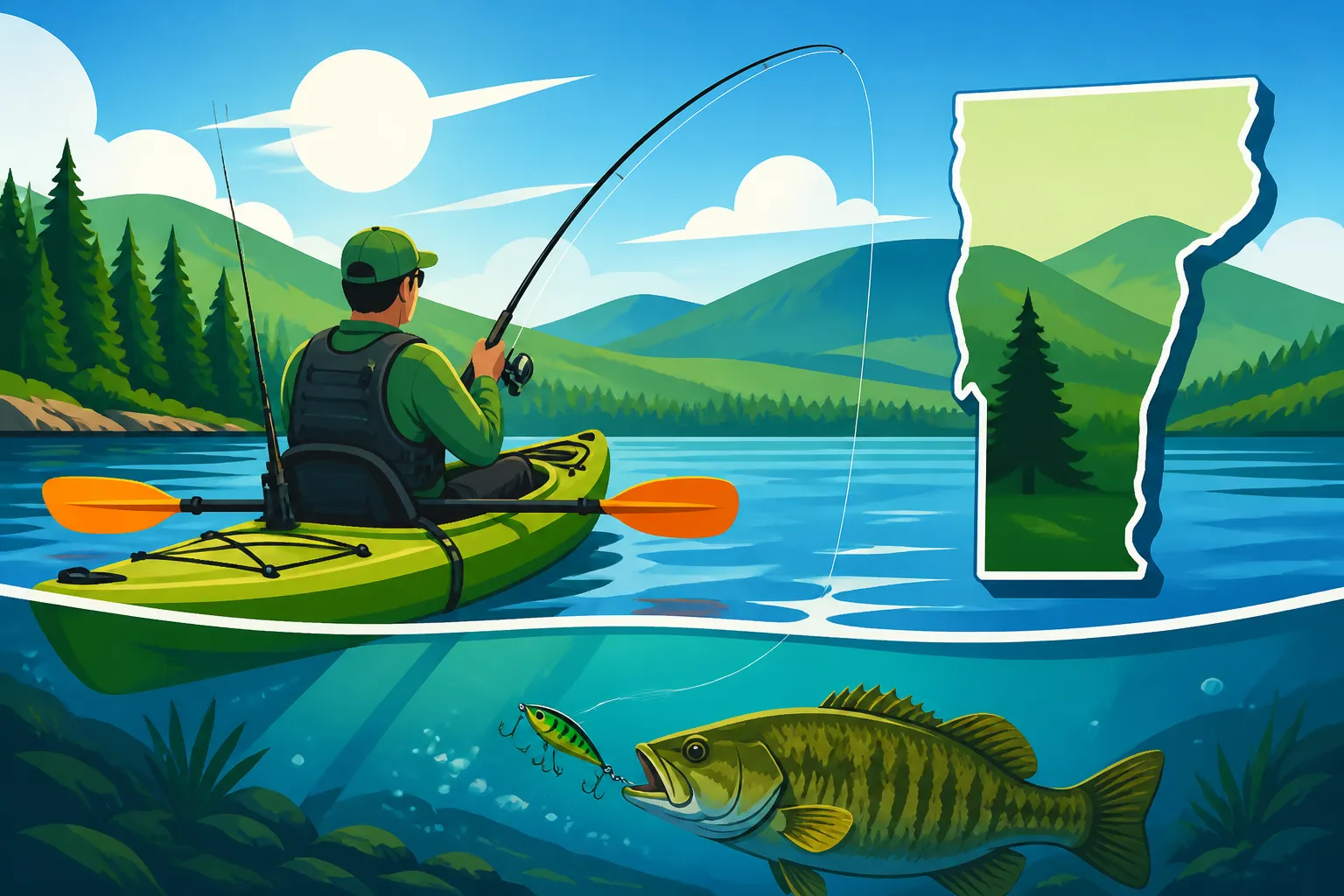
There's nothing quite like the feeling of being out on a serene Vermont lake, the water gently lapping against your hull, and the promise of a big catch just beneath the surface. But let's be real, traditional boats can be a hassle—the trailer, the launch, the gas, the noise. For many of us, that's where the beauty of kayak fishing truly shines, offering unparalleled access and a truly intimate connection with Vermont's incredible waters. This guide is all about diving deep into the techniques and gear you'll need to make your kayak fishing adventures in the Green Mountain State as successful and enjoyable as possible.
Why Kayak Fishing in Vermont Just Makes Sense
For anglers in Vermont, the sheer thought of lugging a big bass boat or even a modest jon boat to some of our more secluded lakes can be enough to make you pack a picnic basket instead of a tackle box. That’s a real shame, because some of the best fishing spots are precisely those that are hardest to reach. Kayak fishing isn't just a trend; it's a practical, often necessary, solution for unlocking a world of angling opportunities that larger vessels simply can't touch.
The Allure of Quiet Waters and Hidden Coves
Imagine slipping onto a glassy lake at dawn, the mist still clinging to the surface, and paddling silently toward a shoreline choked with lily pads or a rocky outcrop that screams "smallmouth!" With a kayak, you're not just fishing from the water; you're becoming part of it. The stealth factor is huge. You can approach wary fish in shallow coves or tight marshy areas without the jarring noise of a gas engine or the splash of an electric trolling motor constantly pushing you. This quiet approach means less spooked fish and more natural presentations, often translating into more bites.
Think about places like Waterbury Reservoir or even smaller, unnamed ponds nestled deep in the Green Mountains. These spots often have strict horsepower limits, or simply no decent ramp for anything but a canoe or kayak. Your paddle craft allows you to explore every nook and cranny, every submerged log, and every overhanging branch that would be inaccessible from a larger boat. It’s an almost meditative experience, just you, your paddle, and the promise of what lies around the next bend. The tranquility is often as rewarding as the fish themselves, providing a true escape from the hustle and bustle.
Overcoming Access Challenges for Shore Anglers
Anyone who has tried their hand at shore fishing in Vermont knows the struggle. Public access points can be few and far between, and often heavily pressured. You might find a promising stretch of water only to be met by "No Trespassing" signs or thick, impenetrable brush. It's frustrating to know there are fish just out of casting range, but no way to get to them.
Kayak fishing breaks down these barriers. With a lightweight kayak, you can launch from virtually anywhere there's a patch of public land, even if it's just a small roadside pull-off or a designated car-top launch. This freedom dramatically expands your fishing horizons. Suddenly, those distant weed lines, rocky humps, and isolated points that were once frustratingly out of reach are now prime targets. For instance, exploring the extensive shoreline of Lake Carmi or Lake Fairlee becomes a breeze when you can put in at a small access point and paddle to untouched water. This enhanced mobility isn't just about catching more fish; it's about discovering new, often overlooked honey holes and enjoying the solitude that comes with them.
Essential Gear for Your Vermont Kayak Fishing Adventures
Alright, so you’re convinced! Kayak fishing is the way to go. But before you just grab any old kayak and paddle, let's talk about the gear. Having the right setup can make all the difference between a frustrating day battling the elements and a comfortable, productive outing. Vermont's waters, from the vast expanse of Lake Champlain to the intimate mountain ponds, demand a thoughtful approach to gear selection.
Choosing the Right Kayak for Vermont's Diverse Waters
When it comes to kayak fishing, one size definitely does not fit all. Vermont offers everything from calm, sheltered ponds to the sometimes-choppy, massive Lake Champlain. Your choice of kayak should reflect the type of water you plan to tackle most often.
- Sit-on-Top vs. Sit-in: For most fishing, a sit-on-top (SOT) kayak is the preferred choice. They are incredibly stable, making it easier to cast, fight fish, and even stand up in some models. They're also self-bailing, meaning water drains right out. This is a huge plus if you accidentally take a wave over the bow or splash water while landing a fish. Sit-in kayaks, while often faster and better for colder conditions (as they keep you drier), can feel more restrictive for casting and landing fish, and they require a skirt to keep water out. However, if you plan to do a lot of river paddling or fish in colder months, a sit-in might be more appealing.
- Length and Stability: Longer kayaks generally track straighter and are faster, which is great for covering long distances on larger lakes like Lake Memphremagog or Lake Champlain. Shorter kayaks are more maneuverable, perfect for navigating tight streams or intricate pond shorelines. Stability is paramount. Look for wider kayaks, especially those designed for fishing, which often have wider hulls or pontoon-style designs to prevent tipping.
- Pedal vs. Paddle: This is a big one. Pedal-driven kayaks, like those from Hobie or Old Town, are a game-changer for kayak anglers. They free up your hands for casting, reeling, and managing your gear, while still allowing you to move and position yourself with ease. This hands-free propulsion is invaluable for trolling or holding a position in a breeze. While they are a larger investment, many anglers find the efficiency and convenience worth every penny. Paddle kayaks are more traditional, often lighter, and less expensive, making them a great entry point. You can find excellent options on platforms like Amazon, whether you're looking for a basic paddle kayak or a more advanced pedal drive system. For a deeper dive into choices, you can check out our guide on the best kayaks for Vermont fishing.
Must-Have Accessories for Safety and Comfort
Once you've got your kayak, it's time to accessorize for safety, convenience, and comfort. These aren't just "nice-to-haves"; many are essential, especially on Vermont's sometimes unpredictable waters.
- Personal Flotation Device (PFD): This is non-negotiable. Vermont law requires that all boats, including kayaks, have at least one wearable PFD for each person on board. Children under 12 must wear a PFD at all times while underway. There are PFDs specifically designed for kayak fishing with extra pockets and features for comfort. Always wear it, even if you're a strong swimmer. You never know when an unexpected capsize might occur. For more details on what's required, you can consult our detailed article on life jacket requirements for Vermont boaters.
- Paddle Leash: If you're using a paddle kayak, a leash keeps your paddle attached to your boat. Losing your paddle miles from shore on Lake Champlain is a situation no one wants to be in.
- Anchor System: Essential for holding your position, whether you're fishing a specific structure or drifting through a flat. A small grapple anchor (1.5-3 lbs) with about 50 feet of anchor line is usually sufficient for most Vermont lakes. An anchor trolley system allows you to deploy your anchor from the bow or stern, helping you pivot and orient your kayak in the wind or current. This is critical for staying on a productive spot without drifting. You might find insights on specific setups in our guide on the best anchor for fishing moving river current, which can be adapted for lake use.
- Dry Bags: Keep your phone, wallet, keys, and extra layers safe and dry. Even on a calm day, splashes happen.
- Rod Holders: Many fishing kayaks come with flush-mount rod holders, but adjustable, aftermarket holders are fantastic for trolling or holding a rod while you manage other tasks.
- Cooler/Storage: A small cooler for drinks, snacks, and your catch is a must. Many anglers use a soft-sided cooler or a crate system in the stern for tackle storage and as a platform for their cooler.
- Safety Whistle/Horn: Another legal requirement in many places, and a good idea for signaling in an emergency.
- First-Aid Kit: Small, waterproof, and easily accessible.
Rods, Reels, and Tackle for Kayak Anglers
While you can certainly use your favorite bass or trout setup from a kayak, there are some considerations that can make your experience much smoother.
- Shorter Rods: Long rods (7'6" or more) can be cumbersome in the confined space of a kayak. A rod in the 6'6" to 7' range offers a good balance of casting distance and maneuverability. This is especially true when fighting a fish boatside or trying to net it.
- Tackle Management: Space is at a premium in a kayak. You can't bring your entire tackle box. Opt for a small tackle bag or a compact, waterproof tackle box that fits neatly in your hull or a stern crate. Bring only what you realistically think you'll need for the target species and conditions. Think about modular systems or soft-sided tackle binders that can hold a lot in a small footprint.
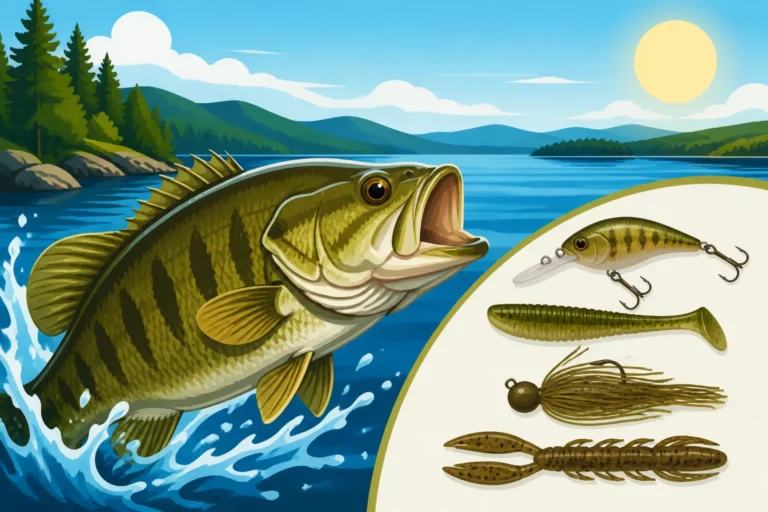
- Lure Selection: Focus on versatile lures. For bass, jigs, soft plastics, and smaller crankbaits are great. For trout and salmon, spoons, small stickbaits, and trolling flies work well. Ensure your hooks are sharp, and consider barbless hooks for easier release and less harm to the fish, especially if you're practicing catch and release.
Mastering Basic Kayak Fishing Techniques for Vermont Lakes
Getting on the water with a kayak is one thing; effectively fishing from it is another. It takes a bit of practice to integrate paddling, positioning, and casting into a smooth, efficient routine. But once you get the hang of it, you’ll unlock a new level of angling precision.
Efficient Paddling and Positioning
One of the biggest advantages of kayak fishing is stealth, but that only works if you're paddling efficiently and quietly. A jerky, splashing paddle stroke will spook fish before you even get a cast off.
- Silent Approach: Learn to feather your paddle so it enters and exits the water cleanly, minimizing noise. Use gentle, controlled strokes to propel yourself. When you approach a promising area, try to anticipate your drift and glide in, making your last few strokes well outside the target zone. This quiet approach is particularly effective in clear, shallow waters where fish are more easily alarmed, such as when targeting largemouth bass lurking in the lily pads of Lake Bomoseen.
- Holding Position Against Wind/Current: Vermont lakes can be surprisingly breezy, and even gentle currents can make holding your position a challenge. This is where a good anchor system (and potentially a pedal drive) becomes invaluable. If using a paddle kayak, use short, corrective strokes to keep your bow pointed into the wind or current, allowing you to cast effectively. When drifting, try to control your speed by occasionally dragging your paddle in the water or using a small drag chain anchor. Understanding how the wind will push you against a shoreline or structure is key to planning your approach and maximizing your fishing time on the target.
- Anticipating Drifts: Before you even cast, take a moment to observe the wind direction and strength. How will it move your kayak? Can you use the wind to your advantage for a controlled drift over a promising flat or along a weed line? This minimizes paddling and maximizes casting time. On a larger body of water like Lake Champlain, understanding how subtle currents and wind interact is critical for staying on those productive humps and breaks.
Anchoring and Drifting Strategies
Successfully fishing from a kayak often involves either staying put precisely or moving at a controlled pace. Both anchoring and controlled drifting are fundamental techniques.
- Anchoring for Precision: For pinpoint fishing around submerged timber, docks, or small rock piles, anchoring is essential. As mentioned, a grapple anchor is versatile. When deploying, let out enough line (a 3:1 or even 5:1 scope is ideal) to ensure the anchor sets firmly. An anchor trolley allows you to move the anchor attachment point along the side of your kayak from bow to stern. This is a game-changer because it lets you adjust your kayak's orientation relative to the wind or current, keeping you perfectly positioned to cast to your target. For example, if you're trying to pick apart a specific submerged brush pile, the trolley lets you swing your kayak around, casting from multiple angles without re-anchoring.
- Controlled Drifts for Covering Water: Drifting is fantastic for covering larger areas like flats or along extended drop-offs, especially when searching for active fish. Instead of a full anchor, you can use a drift sock (sea anchor) to slow your drift, giving you more time to work an area thoroughly. This is particularly useful for targeting schools of walleye or smallmouth bass on large bodies like Lake Champlain. Pay attention to how the wind and current move your kayak, and adjust your cast and retrieve accordingly. Some anglers even use a small, lightweight drag chain that only partially digs in, creating a slower, more controlled drift over varying bottom types.
Reading the Water from a Low Profile
One might think that being so close to the water makes it harder to "read" it, but in many ways, it enhances your perspective. Your low profile gives you a unique vantage point.
- Identifying Structure: Look for visual cues: changes in water color (darker often means deeper or weedier), points of land extending into the water, fallen trees (laydowns), and rock outcroppings. Even subtle ripples can indicate changes in depth or current. Use polarized sunglasses to cut through glare and spot submerged rocks, logs, and weed lines. From a kayak, you can often see fish or baitfish much closer than you would from a taller boat.
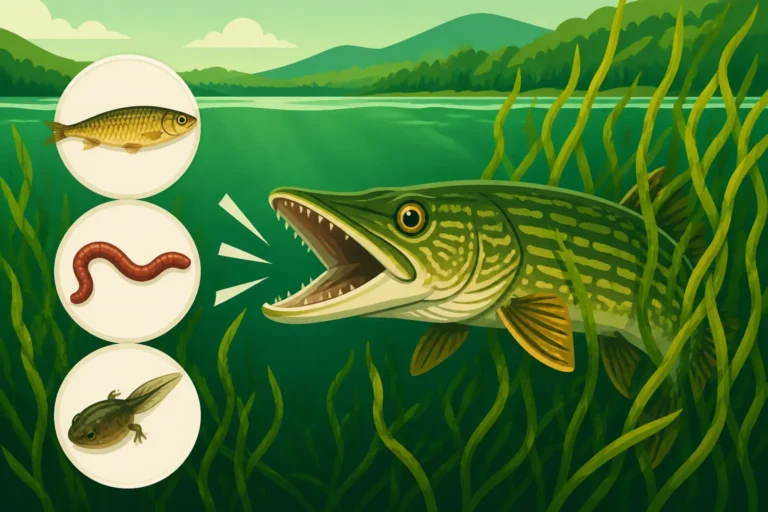
- Weed Lines and Drop-offs: These are classic fish-holding areas. Paddle along the edges of weed beds, casting into the pockets and along the transitions where weeds meet open water. For drop-offs, paddle parallel to the depth change, casting both shallow and deep. On larger lakes, these transitions might hold perch or crappie, which in turn attract bigger predators like pike or bass.
- Integrating a Fish Finder: While you might not have the elaborate electronics of a bass boat, a portable fish finder is an invaluable tool for kayak fishing. Devices like the Garmin Striker series or the Lowrance Hook series can be easily mounted and powered by a small battery. They help you pinpoint baitfish schools, identify submerged structure, and track depth changes. Knowing you're paddling over a 20-foot drop-off with a school of baitfish suspended at 10 feet instantly tells you where to focus your efforts. For those looking to upgrade their electronic game, our guide on the best fish finders for Vermont lakes offers some great options. Many portable units are readily available on Amazon and can dramatically improve your success rate.
Targeting Vermont's Prized Species from a Kayak
Vermont boasts an incredible diversity of fish species, and kayak anglers are uniquely positioned to target many of them. Whether you're chasing trophy smallmouth on Lake Champlain or stealthily stalking brook trout in a mountain pond, the kayak opens up specific and effective techniques.
Kayak Fishing for Lake Champlain Smallmouth and Walleye
Lake Champlain is a beast, offering incredible opportunities for hard-fighting smallmouth bass and delicious walleye. Kayaks, particularly pedal drives, are fantastic for these species.
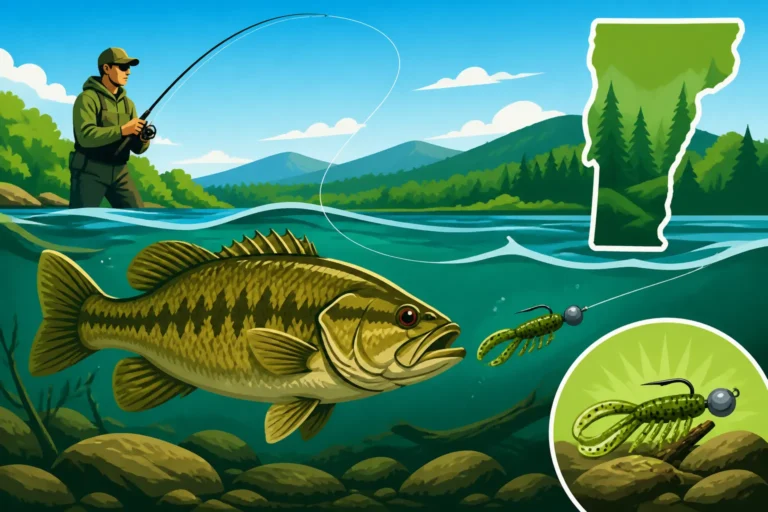
- Smallmouth Bass Strategies: Smallmouth on Champlain love rocky points, humps, and shoals. From a kayak, you can meticulously pick apart these structures. Cast crankbaits, jerkbaits, and tube jigs to the edges and over the tops of these features. If you're using a pedal kayak, you can easily maintain your position against the wind while casting, or slowly troll a crankbait along a contour line. For shorelines with rip-rap or scattered boulders, try pitching jigs or soft plastics right into the cover. Topwater lures are explosive in early morning or late evening. For a comprehensive look at how to tackle these bronze beauties, check out our guide on how to catch smallmouth bass in Vermont lakes.
- Walleye Trolling and Jigging: Walleye are often found in deeper water, especially during the day. Trolling from a kayak can be incredibly effective. With a pedal drive, you can maintain a consistent speed (around 1.5-2.5 mph) while dragging small crankbaits or crawler harnesses. Use a rod holder to keep your rod secure. When you mark fish on your portable fish finder, you can stop and vertical jig with spoons or blade baits. Night fishing for walleye is also popular, using glow-in-the-dark jigs. Remember to have proper lighting on your kayak if you're out after dark. Our article on how to catch walleye on Lake Champlain provides excellent insights that translate well to kayak tactics.
Pursuing Landlocked Salmon and Lake Trout in Deep Lakes
Vermont's deep, clear lakes like Willoughby, Memphremagog, and some sections of Champlain hold magnificent landlocked salmon and lake trout. These cold-water species require specific techniques, which can be adapted for kayak fishing.
- Deep Trolling with Mini-Downriggers: While full-sized downriggers are impractical, small, manual downriggers or simple lead core line setups can be used from a kayak. These allow you to present spoons or stickbaits at precise depths where salmon and lake trout might be suspended, often near the thermocline in summer. Pedal kayaks excel here, allowing you to maintain a consistent speed and direction. Slowly paddling can also work, especially if you're covering smaller sections.
- Vertical Jigging and Electronics: When you mark lake trout or salmon on your fish finder, vertical jigging is a prime tactic. Use heavy spoons or tube jigs, dropping them directly to the depth where fish are holding. This requires a keen eye on your electronics and good boat control to stay over the fish. On Lake Willoughby, for instance, targeting deep landlocked salmon can be incredibly productive with this method. To learn more about these fascinating fish, explore our guides on landlocked salmon fishing in Vermont and lake trout fishing in Vermont.
Exploring Ponds for Largemouth Bass and Panfish
Vermont’s countless smaller ponds and warm-water impoundments are perfect for kayak fishing, offering excellent opportunities for largemouth bass, perch, crappie, and bluegill.
- Largemouth Bass Stealth: Largemouth bass love dense cover like lily pads, submerged logs, and thick weeds. A kayak's stealth allows you to sneak right into these areas. Pitch or flip jigs, soft plastics, or weedless worms directly into the tightest cover. Topwater frogs and poppers are incredibly exciting when worked over matted vegetation. Your low profile allows for precise casts under overhanging branches that would be impossible from a higher boat. Our guide on largemouth bass fishing in Vermont offers more tailored advice.
- Panfish Perfection: For a relaxing and highly productive day, target panfish. Crappie, perch, and bluegill congregate around docks, brush piles, and weed edges. Use ultralight gear with small jigs, spinnerbaits, or live bait (worms, minnows) under a bobber. Kayaks let you quietly explore every dock and brush pile without disturbing the fish. This is a fantastic way to introduce kids to fishing, as the action can be steady. You can find more specific advice on our panfish fishing in Vermont article.
Advanced Kayak Fishing Tactics and Considerations
Once you've got the basics down, there's a whole world of advanced tactics and practical considerations to really elevate your kayak fishing game in Vermont. It's about refining your approach and optimizing your setup for efficiency and success.
Integrating Electronics: Fish Finders and GPS
We touched on portable fish finders, but let's expand on how truly vital they are for serious kayak anglers, especially on larger, more complex bodies of water.
- Portable Units and Power: Brands like Lowrance, Humminbird, and Garmin offer excellent portable fish finders. Look for models with CHIRP sonar, Down Imaging, or Side Imaging for the best underwater view. Powering these units usually involves a small 12V sealed lead-acid (SLA) or lithium-ion battery, which can typically last an entire day on the water. Make sure your battery is stored in a waterproof box. These units can often be purchased with transducer mounting kits designed specifically for kayaks, making installation a breeze.
- Mapping and GPS Integration: Many modern fish finders come with GPS and base mapping built-in, or allow for detailed lake maps to be uploaded. This is invaluable. Not only can you mark productive spots (waypoints) like a specific rock pile or a submerged tree, but you can also track your trolling paths or drift lines. This helps you return to hot spots and systematically work an area. Imagine marking a school of walleye at a specific depth on Lake Champlain; with GPS, you can easily circle back and re-target them. Having a good map with depth contours also allows you to identify potential fishing areas before you even get on the water, like identifying a promising hump or a sharp drop-off. For those serious about their electronics, exploring the best fish finders for Vermont lakes will offer specific model recommendations.
- Using Electronics Effectively: Don't just stare at the screen! Use your fish finder to confirm what you're seeing on the surface. If you see a subtle point extending out, confirm with your sonar that there's a depth change or structure. Look for baitfish schools, as predators are rarely far behind. Pay attention to how fish are orienting themselves on structure. Are they on top, or hugging the deeper side? Your kayak's maneuverability allows you to make quick adjustments based on this real-time information.
Kayak Storage, Transport, and Maintenance
Owning a fishing kayak isn't just about fishing; it's also about managing the craft itself. Proper storage, transport, and maintenance will prolong its life and ensure hassle-free trips.
- Transport Solutions: Most fishing kayaks, especially SOTs, are too heavy to simply lift onto a standard car roof rack by yourself. Consider a kayak trailer or a specialized roof rack system with rollers or load-assist features. Kayak carts (often found on Amazon) are essential for getting your kayak from your vehicle to the launch point, especially if there's a bit of a hike or a rocky path. Look for carts with robust wheels that can handle rough terrain.
- Storage Best Practices: When not in use, store your kayak out of direct sunlight to prevent UV damage, which can weaken the plastic over time. Store it on its side or suspended on wide straps to prevent flat spots or warping of the hull. If storing outdoors, use a cockpit cover or full kayak cover to keep out debris and critters.
- Maintenance for Longevity: After each outing, especially in saltwater (though Vermont is primarily freshwater, it's good practice) or murky water, give your kayak a quick rinse with fresh water. Check your scupper plugs, rod holders, and any moving parts (like pedal drive components) for debris or damage. Periodically inspect your paddle, PFD, and other accessories. A little bit of preventative maintenance goes a long way in ensuring your gear is always ready for your next Vermont adventure.
Navigating Vermont's Boating Laws and Safety
While kayaks are smaller vessels, they are still subject to Vermont's boating regulations. Being informed and prepared is crucial for a safe and legal outing.
- Registration Requirements: In Vermont, any vessel (including kayaks, canoes, and stand-up paddleboards) primarily used on Vermont waters and propelled by machinery (even electric motors) must be registered. If your kayak is purely paddle-powered, you generally do not need to register it. However, if you add an electric trolling motor, even a small one, registration becomes mandatory. It's always best to check the latest regulations from the Vermont Department of Fish & Wildlife or consult our detailed guide on Vermont boat registration requirements to be absolutely sure.
- Proper Lighting: If you plan to be on the water between sunset and sunrise, or during periods of restricted visibility (like fog), you are required to display navigation lights. For kayaks, this typically means a 360-degree white light, visible from all directions, which can be easily mounted to a pole. Reflective tape on your kayak and paddle can also increase your visibility to other boaters.
- Rules of the Road: Understand basic boating rules. Larger vessels generally have the right of way over smaller ones, and you should always yield to commercial traffic. Stay alert and aware of your surroundings, especially on busy lakes like Champlain. Always maintain a safe distance from other boats, swimmers, and shorelines. Being educated on Vermont boating laws for anglers is not just about avoiding fines; it's about ensuring your safety and the safety of others on the water.
Seasonal Strategies for Kayak Anglers in Vermont
Vermont's fishing seasons are as distinct as its four seasons, and adapting your kayak fishing techniques to the time of year can dramatically increase your success. The behavior of fish changes with water temperature, and so should your approach. For an overarching view of how the year breaks down, our guide on the best time of year to fish in Vermont is an excellent resource.
Spring: Cold Water and Pre-Spawn Patterns
Spring in Vermont, especially after ice-out, is a time of transition. Water temperatures are still quite cold, and fish are often lethargic but beginning to move towards shallower waters for spawning.
- Slow and Low: In early spring, fish are often hugging the bottom or suspended just above it. Slow-moving baits are key. Jigs, soft plastics, and blade baits worked slowly along drop-offs and channel edges can be very effective for walleye, lake trout, and even early-season smallmouth. Don't be afraid to let your bait sit for extended periods.
- Sun-Warmed Shallows: As the sun gets higher, focus on shallow, dark-bottomed coves or rock flats that warm up faster. These areas will attract baitfish and, subsequently, predators looking for an easy meal. Largemouth bass will often be found here, soaking up the sun's warmth. Slowly work crankbaits or stickbaits through these areas.
- River Mouths and Tributaries: Look for river mouths or tributary inflows on larger lakes like Lake Memphremagog or Lake Dunmore. These areas can bring warmer water and nutrients, attracting various species as they prepare for spawning. Salmon and trout may be staging here as well.
Summer: Deep Water and Early Morning Bites
Summer in Vermont brings warm water, lush weed growth, and often a migration of fish to deeper, cooler waters, though early mornings and evenings can still offer shallow-water action.
- Thermocline Fishing: On deeper lakes, a thermocline forms – a distinct layer of cooler water below the warmer surface. Species like lake trout, salmon, and even walleye will often suspend in or just above this layer. Use your fish finder to locate the thermocline and target those depths with trolling spoons, deep-diving crankbaits, or heavy jigs.
- Dawn and Dusk Shallow Water: Don't neglect the shallow bite, especially for bass. Early morning and late evening, when water temperatures are cooler and light levels are low, are prime times for topwater lures. Focus on shaded areas, docks, and thick weed beds. As the sun rises, switch to fishing the deeper edges of these structures.
- Night Fishing: For species like walleye on Lake Champlain, night fishing can be incredibly productive. They move shallower under the cover of darkness to feed. Use dark-colored jigs or crankbaits, and always prioritize safety with proper lighting and PFDs.
Fall: Feeding Frenzy Before Winter
Fall is often considered by many anglers to be the absolute best time for trophy fish in Vermont. Fish are aggressively feeding, bulking up for the lean winter months.
- Baitfish Migration: As water temperatures drop, baitfish like smelt and alewives often migrate from deep water to shallower areas, drawing predators with them. Follow the bait! Look for birds diving or active surface feeding. Troll larger crankbaits or cast swimbaits that imitate these baitfish.
- Aggressive Presentations: Fish in the fall are often less wary and more willing to chase. Don't be afraid to use faster retrieves and more aggressive lure presentations. Large spinnerbaits, chatterbaits, and bigger jigs can entice those pre-winter giants.
- Cold Front Adjustments: Fall can bring sudden cold fronts. After a front passes, fish might become more lethargic. Slow down your retrieves and focus on deeper structure or areas with current. Give fish time to recover before they become active again.
Kayak Comparison for Vermont Anglers
| Feature | Sit-on-Top (SOT) Fishing Kayak | Sit-in Kayak (Recreational/Touring) | Pedal Drive Kayak (SOT) |
|---|---|---|---|
| Stability | Excellent (wide, designed for standing/casting) | Moderate (can feel tipsy for casting/moving) | Excellent (wide, often designed for stability) |
| Comfort | High (open cockpit, adjustable seating, legroom) | Moderate (enclosed, may feel cramped for some) | High (open cockpit, ergonomic pedal systems) |
| Speed | Moderate to Fast (depending on length) | Fast (sleek hull design, cuts water well) | Moderate to Fast (efficient hands-free propulsion) |
| Maneuverability | Good (especially shorter models) | Excellent (nimble, responsive) | Good (steering with rudder, hands-free) |
| Storage | Ample (hatch access, deck space, tankwell) | Limited (smaller hatches, less open deck space) | Ample (similar to SOT, may have pedal drive well) |
| Weather Protection | Low (exposed to elements) | High (enclosed cockpit, keeps angler drier/warmer) | Low (exposed to elements) |
| Best for Vermont | Lakes, ponds, slower rivers (versatile, warmer months) | Fast rivers, colder weather, long-distance paddling | Large lakes, trolling, hands-free fishing, all seasons |
| Pros | Stable, self-bailing, easy re-entry, easy to rig | Fast, warm, protects from elements, good for rivers | Hands-free fishing, trolling, easy positioning |
| Cons | Exposed to elements, can get wet | Restrictive, harder to re-enter, less fishing-specific features | Higher cost, heavier, more complex maintenance |
Disclaimer
Please remember that fishing regulations in Vermont can change. Always consult the latest Vermont Fish & Wildlife Department regulations guide before heading out on the water to ensure you are compliant with all rules and licensing requirements. This guide is for informational purposes only and should not replace official sources. Practice safe boating and always prioritize your well-being on the water.