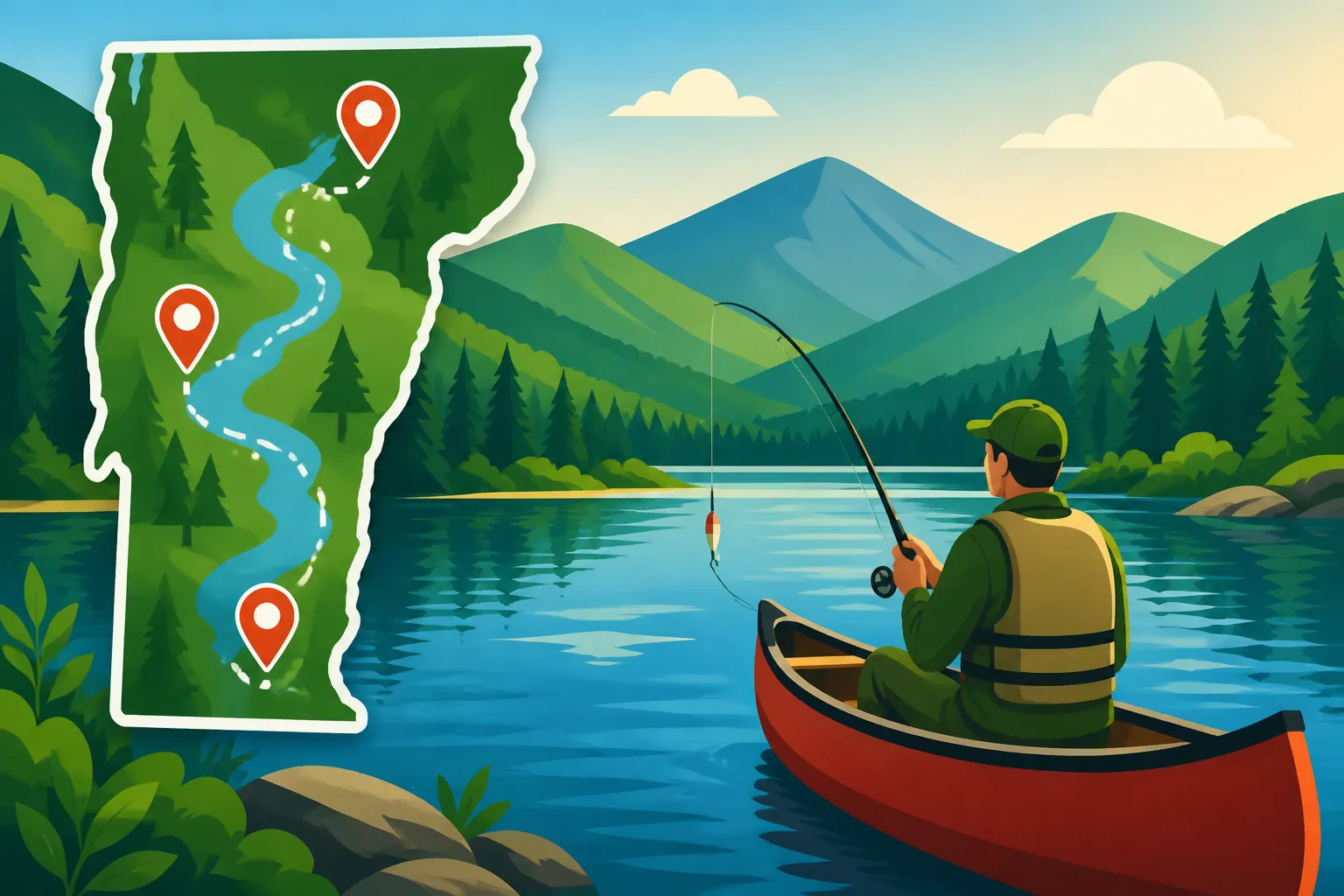
Best canoe fishing routes in Vermont
There's nothing quite like the feeling of wanting to get out on the water, only to be greeted by the roar of powerful motorboats or the crowded shores of popular lakes. It can really take the shine off a peaceful fishing trip, can't it? If you're yearning for tranquility, the rhythmic dip of a paddle, and the chance to cast a line in truly serene settings, then canoe fishing in Vermont is your answer. This guide will walk you through some of the best canoe routes the Green Mountain State has to offer, helping you escape the noise and find those quiet waters teeming with fish.
Why Canoe Fishing in Vermont is an Unforgettable Experience
Vermont's landscape is a mosaic of rolling hills, dense forests, and an incredible network of rivers and lakes that are simply perfect for a canoe. Unlike powerboats, canoes allow for unparalleled stealth on the water, letting you glide silently into hidden coves or upstream eddies where fish often feel safe from pressure. It’s not just about the fishing; it’s about immersing yourself in the natural world, hearing the rustle of leaves, the call of a loon, and feeling the gentle current against your paddle.
The Allure of Quiet Waters and Unpressured Fish
Imagine a crisp morning, the mist still rising off the water, and your canoe cutting a silent path towards a promising looking bend in the river. That's the magic of canoe fishing. You're able to reach those out-of-the-way spots that bigger boats can't access, often leading to less pressured fish that are more willing to strike. Whether you're targeting wily trout in a mountain stream or feisty smallmouth bass in a slow-moving river, the stealth a canoe provides gives you a significant edge. Plus, the reduced noise and fumes mean a healthier, more enjoyable environment for both you and the fish.
Connecting with Vermont's Natural Beauty
Canoe fishing isn't just a sport; it's a way to experience Vermont's breathtaking scenery up close and personal. As you drift along, you'll witness wildlife in their natural habitats – perhaps a deer drinking at the river's edge, an osprey diving for a fish, or a great blue heron patiently stalking its prey. The slow pace encourages observation and appreciation for the intricate ecosystems you’re passing through. It's a chance to truly unplug, breathe in the fresh air, and let the beauty of the Green Mountains wash over you, one paddle stroke at a time. It’s a completely different experience than fishing from a crowded pier or a high-speed bass boat.
Navigating the Waters: Choosing Your Ideal Vermont Canoe Route
Picking the perfect canoe fishing route in Vermont really depends on what you're looking for. Are you after a challenging multi-day adventure with portages, or a relaxing half-day float with easy access? Do you dream of catching a native brook trout, or are you hoping for a trophy smallmouth bass? Considering these factors will help you narrow down the best options for your next outing.
Factors to Consider Before You Launch
Before you even think about loading up the canoe, take a moment to consider a few key things. First, your experience level. Some rivers have sections with swift currents or small rapids that require good paddling skills. Beginners might prefer calmer lakes or slow, meandering rivers. Second, think about your target species. Trout often prefer colder, faster-moving water, while bass and pike thrive in warmer, slower sections or larger lakes. Third, consider the logistics: How long do you want to be out? Is this a day trip, or are you looking for a multi-day paddle fishing experience with camping? Accessibility is also huge – can you easily put in and take out your canoe, or will you need to arrange a shuttle? Checking the local conditions and consulting resources like a comprehensive Vermont Fishing Regulations Explained guide is always a good idea.
Understanding River Flow and Access Points
Vermont's rivers can change dramatically with rainfall and season. A river that’s a gentle float in late summer might be a raging torrent during spring runoff. Always check current water levels and flow rates before heading out. Websites like the USGS often provide real-time data for many major rivers. Identifying clear and safe access points for launching and retrieving your canoe is also crucial. Some popular routes might have designated boat launches, while others might require a bit of bushwhacking. If you're ever unsure about a particular stretch of water, or need advice on navigating tricky sections, consider booking a trip with a local guide through platforms like FishingBooker. They know these waters intimately and can provide invaluable insights and safety tips.
| Route Name | Primary Species | Difficulty | Typical Trip Length | Key Features |
|---|---|---|---|---|
| Lamoille River | Trout, Smallmouth | Easy to Moderate | Half-day to Full-day | Scenic, diverse sections, good for wading |
| Otter Creek | Bass, Pike, Panfish | Easy | Half-day | Slow, warm water, abundant wildlife |
| Missisquoi River (Upper) | Trout, Salmon | Moderate | Full-day | Remote feel, some rapids, beautiful scenery |
| Groton State Forest Ponds | Brook Trout | Easy | Half-day | Serene, wilderness ponds, remote access |
| Connecticut River | Walleye, Bass, Pike | Easy to Moderate | Full-day to Multi-day | Wide river, varied structure, bigger fish potential |
Paddle and Cast: Top Canoe Fishing Routes Across Vermont
Vermont truly shines when it comes to offering diverse canoe fishing opportunities. From placid ponds ideal for native brook trout to wider rivers holding impressive bass and walleye, there’s a route for every angler. Let's explore some of the best canoe fishing routes in Vermont, each offering a unique adventure.
The Lamoille River's Gentle Flow
The Lamoille River is a fantastic option for canoe anglers, especially those looking for a mix of trout and smallmouth bass. Flowing through picturesque farmland and wooded areas, the river offers numerous sections suitable for a leisurely paddle and cast. You can put in at various public access points, such as those found near Fairfax or Cambridge, and enjoy a peaceful float downstream. The river's character changes along its length; some parts are riffle-and-pool trout havens, while slower, deeper stretches hold excellent smallmouth bass. For more detailed information on specific access points and fish populations, you'll want to check out our Lamoille River Fishing Guide. It’s an ideal river for fly fishing from a canoe, letting you drift silently into prime casting positions.
Otter Creek's Meandering Path
If you're looking for a relaxed canoe trip with plenty of action, Otter Creek is an absolute gem. Known as Vermont's longest river, it flows slowly and meanders through diverse habitats, from marshy wetlands to fertile farmlands. This slower, warmer water is prime territory for largemouth bass, smallmouth bass, northern pike, and a variety of panfish like yellow perch and crappie. Access points are plentiful, particularly around the Middlebury and Vergennes areas. It’s a perfect river for families or beginners, as the current is generally mild, making paddling easy. You can spend hours exploring its oxbows and backwaters, casting into lily pads and submerged timber. Our guide to Otter Creek Fishing Spots will give you a leg up on where to find the best action.
Wild Waters of the Missisquoi River
For those seeking a more remote and wild canoe fishing experience, the upper sections of the Missisquoi River are calling. Especially as it flows through the beautiful Northeast Kingdom, the Missisquoi offers a rugged, scenic paddle. Here, you'll find excellent opportunities for wild trout and even landlocked salmon in certain stretches. The river's character varies, with some sections offering gentle currents and others featuring mild rapids that add a touch of adventure. This isn't a route for a casual float with a cooler; it's a genuine wilderness experience that requires a bit more planning and self-sufficiency. You can often find put-in spots near towns like Richford or East Berkshire. Be sure to consult a local map and check river conditions before venturing out, as the wilder sections can be unforgiving. For specific regulations on different species you might encounter, our Vermont Trout Season and Stocking Rules offers valuable insights.
Paddling the Serene Ponds of Groton State Forest
Sometimes, the best canoe fishing isn't on a river at all, but on one of Vermont's many serene ponds. Groton State Forest, located in the east-central part of the state, is a fantastic destination for this. It boasts several beautiful, quiet ponds that are often stocked with brook trout or offer populations of native brookies. Kettle Pond, Peacham Pond, and Lake Groton are just a few examples. These smaller bodies of water are perfect for a half-day paddle, allowing you to quietly explore shorelines, cast into submerged structure, or simply enjoy the solitude. Motorized boats are often restricted or limited, ensuring a peaceful experience. For more on these hidden gems, check out our piece on the Best fishing spots in Groton State Forest. It's a truly quintessential Vermont experience.
Exploring a Section of the Connecticut River
While much wider and more substantial than the other rivers mentioned, the Connecticut River, forming Vermont's eastern border, offers incredible canoe fishing opportunities, especially in its calmer sections. This isn't a small, intimate river, but its vastness provides diverse habitats for an impressive array of fish, including smallmouth bass, northern pike, walleye, and various panfish. You can launch from numerous public access points up and down the river, such as those near Brattleboro, Putney, or Bellows Falls. The key is to pick a section and focus on structure – eddies, submerged logs, and rocky points are prime spots. Because of its size, the Connecticut River can also host guided trips. If you're looking to target specific species like walleye, which can be found here, considering a local guide found on FishingBooker who specializes in the Connecticut River can significantly increase your chances of success. They often know the deep spots and baitfish patterns that are crucial for successful walleye fishing. Our Connecticut River Fishing Access in Vermont article details many of these spots.
Essential Gear and Safety for Your Canoe Fishing Adventure
Getting out on the water in a canoe is incredibly rewarding, but it requires a bit more planning and attention to safety than bank fishing. Having the right gear and knowing how to use it can make all the difference between an enjoyable day and a potentially dangerous situation.
Must-Have Gear for the Water
Beyond your fishing rod and tackle, there are a few essential items for any canoe fishing trip. First and foremost, Personal Flotation Devices (PFDs) are non-negotiable. Vermont law requires all children under 12 to wear a PFD while on a boat, but honestly, everyone should wear one in a canoe. It's just smart. A good, lightweight fishing PFD can even have pockets for tackle and essentials. Next, you'll need reliable paddles – and maybe even a spare! An anchor is also incredibly useful for holding your position in a current or over a promising fishing spot. A small dry bag for your phone, keys, and wallet is a lifesaver, literally. Don't forget bug spray, sunscreen, a first-aid kit, and plenty of water and snacks. For a comprehensive overview of safety gear, check out our guide on Life Jacket Requirements for Vermont Boaters. And for tackle, if you're targeting bass, having a Best Tackle for Vermont Smallmouth Bass setup can make all the difference.
Staying Safe on Vermont's Rivers and Lakes
Vermont weather can be unpredictable, so always check the forecast before you head out. Water temperatures, especially in spring and fall, can be dangerously cold. Even a quick capsize can lead to hypothermia. Be aware of swift currents, especially after heavy rains, and know your limits. If a section of river looks too rough, it’s always better to portage around it than to risk a flip. Always tell someone your float plan – where you're going, when you expect to be back, and who's with you. And if you're ever in doubt about navigating specific rapids or understanding local nuances of a fishing spot, don't hesitate to seek advice from local experts or even consider hiring a guide through FishingBooker. They can provide invaluable local knowledge and ensure a safe, productive trip. Being prepared and respectful of the water is key to a successful and safe canoe fishing adventure.
Disclaimer
The information provided in this guide is for general informational purposes only and does not constitute professional advice. Always consult official Vermont Fish & Wildlife Department resources for the most up-to-date regulations, licensing requirements, and safety guidelines before engaging in any fishing or boating activities. Weather and water conditions can change rapidly, and personal safety should always be your top priority.