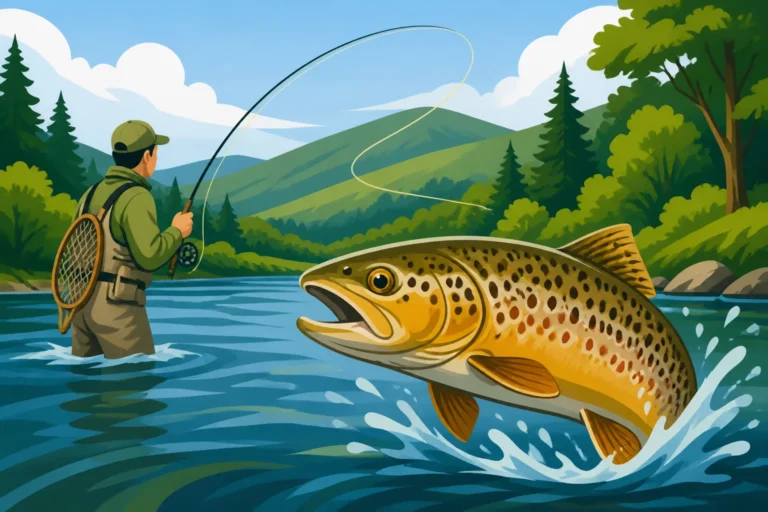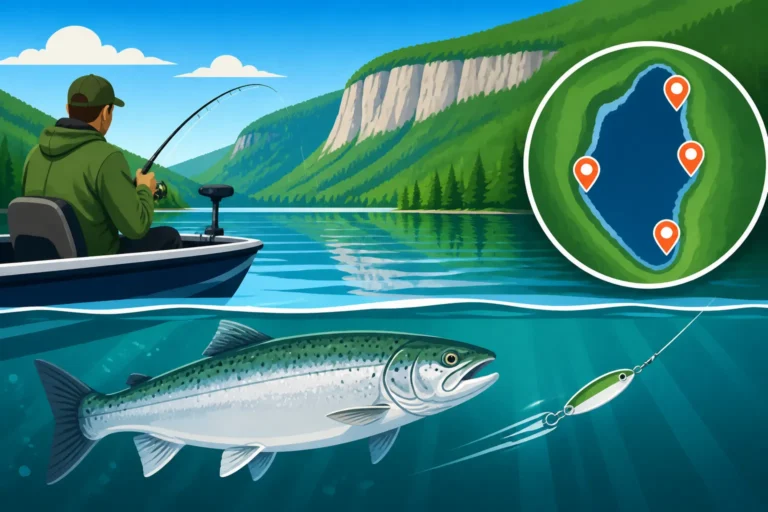
Where to wade the Battenkill for trout
Trying to figure out the best places to wade for trout on Vermont's legendary Battenkill River can feel like you're trying to solve a cryptic puzzle, especially when you're dealing with a river famous for its wild brown trout and challenging reputation. Many anglers arrive eager to experience its storied waters, only to feel lost about where to legally and effectively access the river for wading. This guide aims to clear up that confusion, providing detailed insights into where you can find prime wading opportunities along the Vermont stretch of the Battenkill, offering practical advice to make your experience both successful and enjoyable.
Understanding the Battenkill's Unique Character for Wading
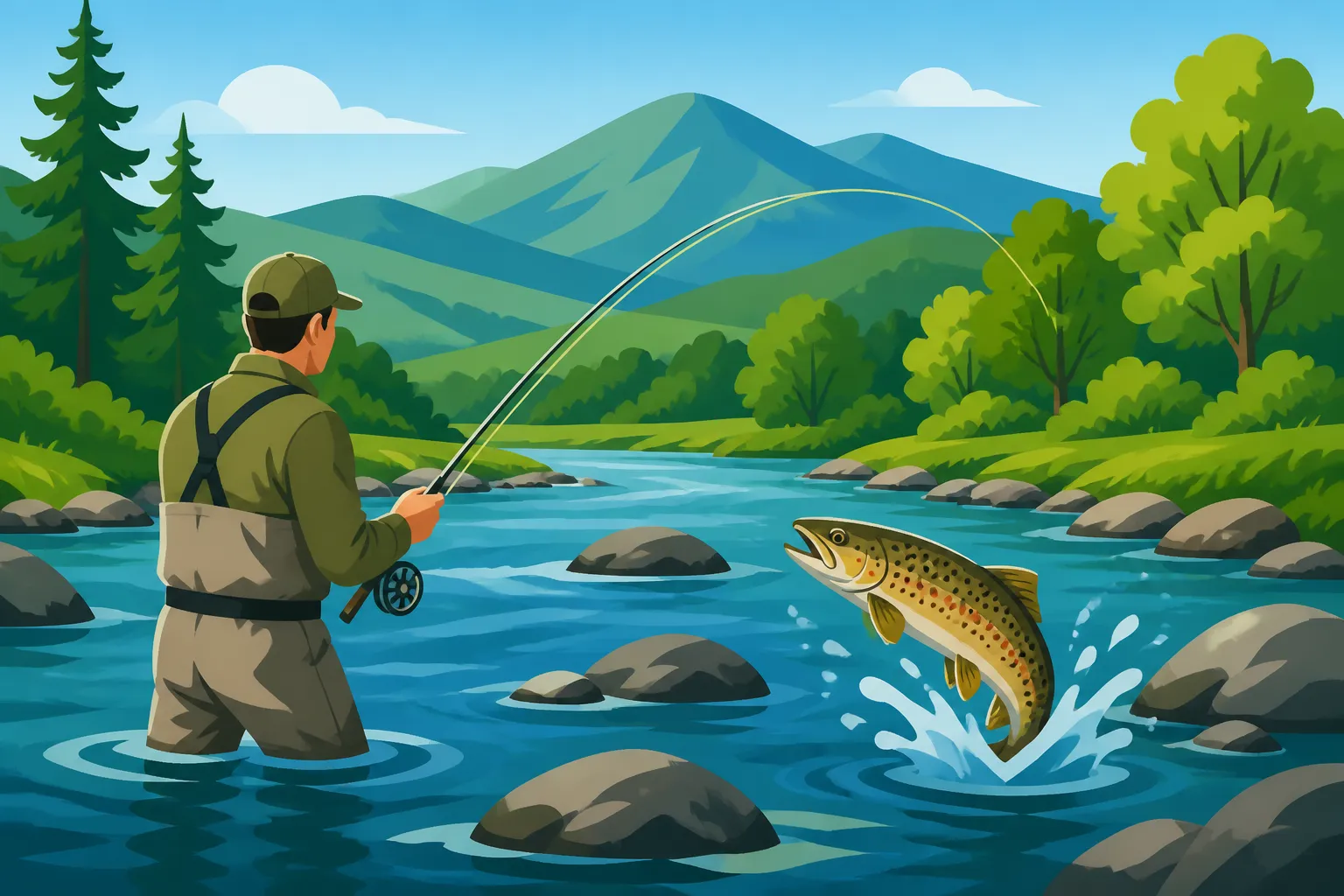
The Battenkill isn't just any trout stream; it's a living legend. Known primarily for its challenging wild brown trout fishing, it demands respect and a certain level of understanding before you even think about stepping into its currents. Unlike many rivers that are heavily stocked, the Battenkill thrives on its self-sustaining population of wary, intelligent trout, making every catch a hard-earned victory. This unique character directly influences how and where you can effectively wade and fish.
The Wild Trout Focus and Its Implications for Access
When a river is managed for wild trout, it often means that the habitat is pristine, and the fish are incredibly sensitive to pressure. The Vermont Fish & Wildlife Department has long focused on preserving the Battenkill's wild trout legacy, which means certain areas are managed with special regulations, sometimes even designated as "catch-and-release fly fishing only waters." This focus impacts access in a few ways. Firstly, you won't find easy, manicured access points every mile, as the goal is often to protect the natural environment. Secondly, the fish are incredibly wary, meaning stealth and careful wading are paramount. You're not just looking for a spot to get wet; you're looking for a strategic entry point that allows you to approach these clever fish without spooking them. Understanding the nuances of these wild fish is key to unlocking the river's potential. It also means you absolutely need to be familiar with the Vermont Trout Season and Stocking Rules, even though the Battenkill relies mostly on natural reproduction, because state-wide regulations still apply.
Navigating Private vs. Public Access Points
One of the biggest headaches for visiting anglers, and even some locals, is distinguishing between private and public lands along the Battenkill. Much of the riverfront property is privately owned, and trespassing is a serious concern. While Vermont law allows for public use of navigable waters, accessing those waters from private land without permission is generally not allowed. This makes finding legitimate public access points crucial. You can't just pull over on the side of the road and walk down to the water everywhere. Look for clearly marked public fishing access areas, state lands, or designated easements. These are your safest bets for hassle-free wading. A great resource is always the official Vermont Fishing Regulations Explained guide, which often has maps or descriptions of public access points, though sometimes you have to read between the lines or do a little legwork yourself. Remember, being a good steward of the land, respecting property lines, and leaving no trace are non-negotiable on a river as cherished as the Battenkill. If you're unsure, it's always better to err on the side of caution and find a clearly marked public access area. For those looking for a guided experience and not wanting to worry about access, using a service like FishingBooker can connect you with local guides who know exactly where to go and have established relationships for access.
Key Public Access Wading Spots on the Vermont Battenkill
Thankfully, despite its challenges, the Vermont Battenkill does offer several excellent public wading opportunities that have been enjoyed by generations of anglers. These spots provide a mix of varied water, from faster riffles to deeper pools, all holding the river's elusive trout.
The Historic Battenkill River Valley Access
The segment of the Battenkill River Trout Fishing as it flows through the picturesque Battenkill Valley offers some of the most accessible and celebrated public wading spots. One prime example is the area around Route 7A between Manchester and Arlington. There are several turn-offs and small parking areas that lead to the river, often marked with Vermont Fish & Wildlife signs.
- West Arlington Covered Bridge: Just downstream from the famous West Arlington Covered Bridge (also known as the Arlington Green Covered Bridge), there's public access that allows for good wading. The water here is often a mix of gravel and small rocks, offering good footing. The bridge itself is a landmark, making it easy to find. Upstream and downstream of the bridge, you'll find classic runs and riffles where brown trout often hold. This area provides ample space to spread out, though it can get busy during peak season. You might even find some smaller tributary mouths here, which can be hotspots during certain times of the year.
- Arlington Recreation Park: Further downstream, within the town of Arlington, the Recreation Park offers excellent and well-maintained public access. There's plenty of parking, and designated paths lead directly to the river. The water here can be a bit wider and shallower in spots, making for easier wading, especially for those new to river fishing. It also has a mix of pools and faster water, providing diverse fishing opportunities. This spot is particularly good for casting practice and covering a lot of water. It's also a family-friendly spot, if you're introducing someone to the joys of fishing.
- Route 313: Heading west towards the New York border on Route 313, you'll find a few small, informal pull-offs and designated state fishing access points. These spots are often less crowded than those closer to Arlington and can offer a more secluded experience. The river here continues its gentle flow, winding through scenic agricultural lands. Always look for clear signage indicating public access, as private property is prevalent. The river here can feature beautiful meandering bends with undercut banks, classic holding water for the Battenkill's trophy fish.
Wading Opportunities Near Arlington and Shushan
Moving further downstream from the more developed areas, the river begins to show more of its wilder side as it approaches the New York state line. The areas closer to Shushan, NY, though still technically in Vermont for some stretches, offer a slightly different character of wading and fishing.
- Near the Vermont-New York Border Crossing: As you approach the actual border on Route 313, there are some state easements where you can park and wade. The river here can become wider and have more significant pools and gravel bars. These spots are often less trafficked, offering a sense of solitude. Be extra vigilant about checking signs, as the border can be a bit tricky to discern without a map. These areas can be fantastic for targeting larger, more elusive fish that have had plenty of room to grow. It’s also a great spot to practice your Wading Techniques for Vermont Trout Streams, given the varying depths and currents you might encounter.
- Covered Bridge Road/Eaton Road: While much of this area can be private, there are often small, unmarked pull-offs where locals have found informal access points over the years. However, these are often risky. Your best bet is to check a local map provided by the Vermont Fish & Wildlife Department or consult with a local fly shop in Manchester or Arlington. They often have the most up-to-date information on legally accessible, smaller, less known spots that aren't heavily advertised. Using a service like FishingBooker can also be incredibly helpful here, as local guides have an intimate knowledge of these less obvious, but highly productive, spots. They can ensure you're fishing legally and safely.
Exploring Further Upstream: The Vermont-New York Border
While much of the talk about the Battenkill focuses on its lower and middle sections, the uppermost reaches of the Vermont Battenkill, near its source, offer different but equally rewarding wading experiences. These areas tend to be smaller, more intimate streams that eventually feed into the main stem.
- Tributary Streams: Many of the smaller feeder streams that flow into the Battenkill are also public and can offer excellent wading for smaller brook trout, and sometimes even wild browns. These streams are often characterized by tighter quarters, dense overhead canopy, and more challenging wading due to thicker brush and smaller pools. While not the "main Battenkill" experience, they offer a wilder, more remote feel. Always check regulations for these smaller streams, as they can sometimes have different rules regarding open seasons or gear restrictions. These areas often require careful negotiation and a good understanding of the local watershed.
- Battenkill River trophy trout section: This specific designation often refers to areas with special regulations designed to grow and protect larger wild trout. These sections are typically found within the main stem of the river and require strict adherence to catch-and-release practices, and often fly fishing only. Wading in these areas is generally permitted, but the focus is on minimal disturbance and careful handling of fish. The exact boundaries of these "trophy" sections are usually clearly marked in the Vermont Fishing Regulations Guide or on signs at access points. They demand the utmost stealth and refined angling skills, but the reward of hooking into a truly large, wild Battenkill brown is unparalleled.
| Wading Spot (General Area) | Key Features for Wading | Typical Water Conditions | Fish Species Targeted |
|---|---|---|---|
| West Arlington Covered Bridge | Public access, well-known, varied runs/riffles. | Mix of gravel, small rocks, moderate current. | Wild Brown Trout |
| Arlington Recreation Park | Ample parking, easy access, wider, shallower sections. | Mostly gravel, gentle to moderate current. | Wild Brown Trout |
| Route 313 (towards NY border) | Less crowded, informal pull-offs, scenic bends. | Varied depths, undercut banks, moderate current. | Wild Brown Trout |
| Upper Battenkill Tributaries | Smaller, intimate, dense canopy, more challenging access. | Rocky bottoms, tighter quarters, varying flow. | Brook Trout, Wild Browns |
| Trophy Trout Sections | Designated areas for larger fish, C&R fly fishing only. | Diverse structure, deep pools, fast riffles. | Large Wild Brown Trout |
Essential Wading Gear and Safety Tips for the Battenkill
Before you step into the Battenkill, having the right gear and understanding key safety protocols is paramount. The river can be beautiful, but it can also be unforgiving if you're unprepared.
Recommended Gear for Comfort and Success
Your gear choices can significantly impact your comfort, safety, and success on the Battenkill. Investing in quality wading equipment is not just a luxury; it's a necessity.
- Waders and Boots: You'll want good quality chest waders, especially for spring and fall fishing, or if you plan to explore deeper sections. Neoprene waders are great for colder weather, while breathable waders are perfect for warmer months. For boots, consider felt soles for superior grip on slick, algae-covered rocks, or rubber soles with studs for excellent traction on various riverbeds. The choice between felt and rubber often comes down to personal preference and the specific conditions you expect to encounter. The Battenkill's rocky, sometimes mossy bottom demands reliable footwear. Check out guides on the Best Waders for Vermont Trout Streams and Best Wading Boots for Rocky Streams to make an informed choice.
- Wading Staff: This is non-negotiable for safety. A sturdy wading staff provides an extra point of contact, helping you maintain balance in strong currents or on uneven, slippery terrain. It's like having a third leg, and it can literally save you from a nasty fall. Rivers like the Battenkill have unexpected holes and slick rocks, and a staff helps you probe the depth and stability of the bottom before you commit.
- Layered Clothing: Vermont weather can be notoriously fickle. Dressing in layers allows you to adapt to changing temperatures throughout the day. Moisture-wicking base layers, insulating mid-layers, and a waterproof outer shell are ideal. Even on a warm summer day, a sudden shower can bring a chill.
- Polarized Sunglasses: These are crucial for cutting glare off the water's surface, allowing you to see submerged rocks, structure, and, most importantly, fish. Spotting a dark shape against the riverbed can make all the difference in presenting your fly accurately. They also protect your eyes from stray hooks and UV rays.
- First Aid Kit and Safety Whistle: A small, waterproof first aid kit should always be in your pack. For safety, a whistle can be used to signal for help if you run into trouble. While you might feel silly carrying these, they're invaluable in an emergency.
- Fishing License: Don't forget your Vermont Fishing License Guide for 2026. Without it, you're not just risking a hefty fine; you're also disrespecting the resources that make this incredible fishery possible. You can find out more about where and How to Buy a Vermont Fishing License.
Safety First: Navigating Currents and Uneven Terrain
Wading a river like the Battenkill isn't just about finding fish; it's about being aware of your surroundings and prioritizing your safety. Even seemingly calm stretches can hold hidden dangers.
- Assess Conditions: Before you even step in, take a moment to observe the river. What's the current speed? Are there any visible hazards like downed trees or significant drops? Is the water clarity good enough to see the bottom, or will you be wading blind? High water levels, especially after heavy rain, can make wading extremely dangerous, even in familiar spots. Remember, safety always comes before the fish.
- Test the Bottom: Use your Best Wading Staff for Fast Current to test the riverbed in front of you with every step. Feel for soft spots, deep holes, or unstable rocks. Shuffling your feet rather than lifting them high can also help prevent trips and ensure better contact with the bottom. Never take a step without knowing what's underneath.
- Wade Smart, Not Hard: Don't try to cross sections that look too deep or too swift. It's often better to walk around a difficult section on the bank than to risk a fall. If you're wading across, try to angle slightly downstream, using the current to your advantage while maintaining your balance. Keep your weight distributed and your core strong.
- Know Your Limits: Be realistic about your physical abilities. If you're not a strong wader, stick to shallower, slower sections. Don't push yourself into situations where you feel uncomfortable or unsafe. It’s also wise to let someone know your float plan or where you intend to fish, especially if you're venturing into more remote areas.
- Respect Private Property: Again, this isn't just about legality, it's about safety and maintaining good relations with landowners. Disregarding posted signs can lead to confrontations and even legal trouble. Stick to designated public access points. Anglers who abuse access often lead to closures, hurting everyone.
The Battenkill offers a truly special angling experience, a chance to connect with wild trout in a stunning natural setting. By understanding its unique character, seeking out the established public access points, and always prioritizing safety, you can unlock incredible moments on this iconic Vermont river. It's a river that teaches patience, rewards skill, and instills a deep appreciation for the wild places we're lucky enough to share. Enjoy the challenge, embrace the beauty, and may your fly lines be tight!
Disclaimer
Please be aware that fishing regulations, access points, and river conditions can change. Always consult the most current Vermont Fish & Wildlife Department regulations and maps before planning your trip. This guide is for informational purposes only and does not guarantee specific fishing success or legal access. Anglers are responsible for understanding and adhering to all applicable laws and regulations.