Best Bass Fishing Lakes in Vermont
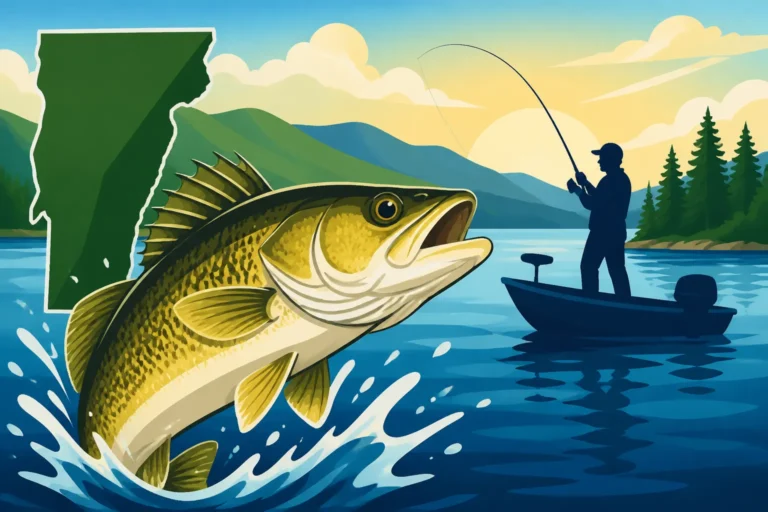
Finding truly phenomenal bass fishing in a state often celebrated for its pristine trout streams can feel like a bit of a challenge for many anglers. It's easy to overlook the incredible opportunities that lie within Vermont's lakes and ponds for both feisty smallmouth and powerful largemouth bass. This comprehensive guide will peel back the curtain, revealing the best bass fishing lakes across the Green Mountain State and equipping you with the knowledge to make your next bass adventure a resounding success.
Unraveling Vermont's Bass Fishing Potential
When people picture Vermont fishing, often the first image that comes to mind is a fly rod bending over a crystal-clear brook trout stream or the vast, deep waters of Lake Champlain holding its famous lake trout. But make no mistake, Vermont is home to some truly outstanding bass fisheries that often fly under the radar. Anglers who venture beyond the typical trout waters are consistently rewarded with thrilling battles and impressive catches, proving that this northern state has more than just cold-water species to offer.
The Allure of Vermont Bass Fishing
What makes bass fishing in Vermont so special? For starters, many of these lakes offer stunning scenic beauty, allowing you to enjoy the tranquility of Vermont's natural landscape while pursuing your passion. Beyond the aesthetics, Vermont's bass populations are robust, well-managed, and provide diverse angling experiences. You'll find everything from shallow, weedy ponds brimming with largemouth to vast, rocky lakes that are prime smallmouth territory. The seasons offer distinct opportunities, whether you're chasing aggressive pre-spawn fish in spring or targeting deep-water smallmouth in the dog days of summer. It's a rich and varied experience that keeps anglers coming back year after year.
A Tale of Two Bass Species
In Vermont, you'll primarily be targeting two distinct species: the smallmouth bass (Micropterus dolomieu) and the largemouth bass (Micropterus salmoides). While both are exciting to catch, they have different preferences and behaviors.
- Smallmouth Bass: Often called "bronze-backs," smallmouth are known for their incredible fighting spirit, acrobatic jumps, and preference for cooler, clearer water with rocky bottoms and plenty of structure. They thrive in large lakes and rivers with good current. Think Lake Champlain or the Connecticut River. Their diet often consists of crayfish, baitfish like smelt and perch, and even insects. Targeting them usually involves techniques that mimic these forage items, such as tubes, crankbaits, jerkbaits, and topwater lures over rocky points and drop-offs.
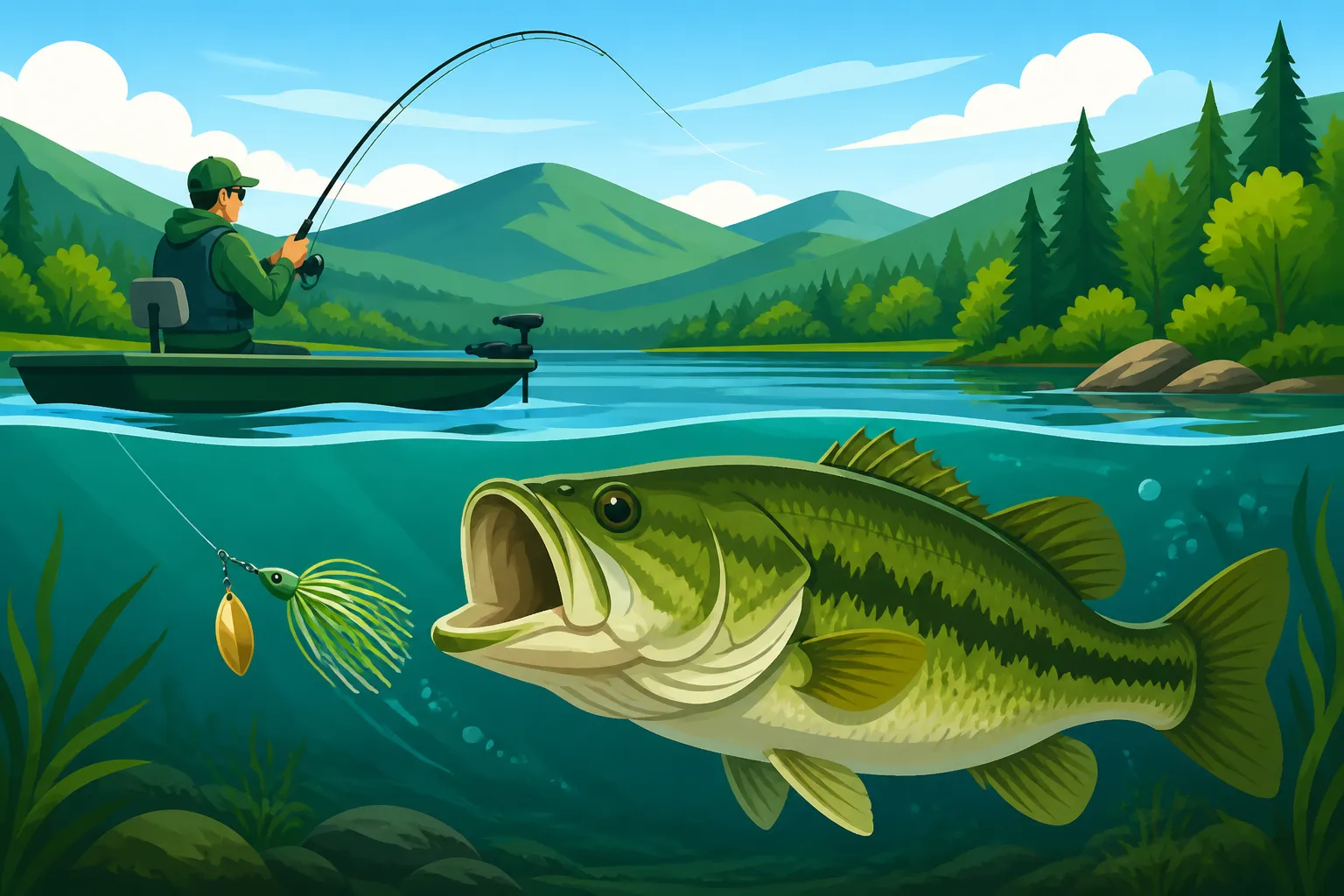
- Largemouth Bass: The quintessential bucketmouth, largemouth prefer warmer, shallower, and often weedier waters. They are ambush predators, typically found lurking in thick cover like lily pads, submerged timber, weed lines, and around docks. Their powerful strikes and tendency to dive into cover make for exhilarating fights. Common baits include plastic worms, jigs, spinnerbaits, and frogs or poppers fished over matted vegetation. Understanding the subtle differences in their preferred habitats and feeding habits is crucial for consistently landing either of these exciting game fish in Vermont.
Lake Champlain: Vermont's Premier Bass Factory
There's simply no getting around it: if you're serious about bass fishing in Vermont, Lake Champlain has to be at the very top of your list. This massive body of water, shared with New York and Quebec, is consistently ranked among the top bass fisheries in the entire country. It's a sprawling ecosystem offering an incredible diversity of habitats for both smallmouth and largemouth bass, making it a true angler's paradise.
The Vast Playground of Smallmouth Bass
Lake Champlain's sheer size and varied bottom structure create an ideal environment for smallmouth bass to thrive. Picture miles upon miles of rocky points, ledges, humps, and shoals – perfect ambush points for these bronze bombers. The lake's clear, cool waters, especially in its deeper sections, are exactly what smallmouth prefer. Anglers often find success by targeting structure where current flows, or where baitfish are congregating.
Many of the lake's islands, like the Grand Isle region, offer fantastic smallmouth opportunities, with their rocky shorelines and submerged reefs. Areas near Burlington, such as Mallets Bay, also hold substantial smallmouth populations, particularly around the many small islands and rocky outcrops. Understanding the Best Smallmouth Bass Spots on Lake Champlain can make a huge difference in your success, especially when water temperatures fluctuate throughout the season. Early season, they'll often be shallower, transitioning to deeper rock piles and offshore humps as summer progresses. Later in the year, they might push into shallower water again, following schools of bait.
Largemouth Bass in the Weedy Bays
While smallmouth get a lot of the attention, Lake Champlain is also an exceptional largemouth bass fishery, particularly within its countless shallow, weedy bays and protected coves. These areas, often rich in vegetation and submerged timber, provide the perfect ambush habitat for largemouth. Think about places like Missisquoi Bay in the north, the protected waters of South Bay on the New York side, or countless smaller inlets and marshy areas along the Vermont shoreline.
Fishing these areas often means flipping jigs into dense cover, working spinnerbaits along weed edges, or throwing topwater frogs over matted vegetation in search of explosive strikes. The diversity of cover means you can fish new water every day for a week and still not cover it all. If you're looking to book a guided trip to explore these vast waters, many local guides can be found through platforms like FishingBooker, offering invaluable insights into current patterns and hot spots. They often know the subtle nuances that make certain bays exceptional producers for big bucketmouths.
Southern Vermont's Prime Bass Havens
While Lake Champlain often steals the spotlight, the southern reaches of Vermont boast several fantastic bass lakes that deserve serious attention. These lakes tend to be smaller, more intimate, and often less pressured than their northern counterpart, offering a different but equally rewarding bass fishing experience.
Lake Bomoseen: A Largemouth Powerhouse
Nestled in Castleton, Lake Bomoseen is Vermont's largest lake entirely within state borders and a renowned largemouth bass fishery. This lake is a haven for vegetation, featuring extensive weed beds, lily pads, and submerged timber, all classic largemouth habitat. The lake's irregular shoreline with many coves and points further increases its appeal.
Anglers targeting largemouth here will find success with a variety of techniques. Flipping jigs and Texas-rigged plastics into the dense cover, particularly around the northern end of the lake and near its many docks, is often a winning strategy. Topwater frogs and buzzbaits can be incredibly effective during low-light conditions or when bass are actively feeding near the surface in and around the lily pads. While largemouth dominate, Bomoseen also offers a healthy population of smallmouth bass, particularly around rocky areas and deeper points. It truly is one of the Best Bass Fishing Lakes in Vermont when you consider consistency and size potential.
Lake Dunmore: A Picturesque Dual Threat
A truly stunning body of water near Salisbury, Lake Dunmore offers excellent fishing for both largemouth and smallmouth bass. The lake features a mix of rocky shorelines, sandy flats, and areas with submerged vegetation, providing diverse habitats for both species. Its clear waters make it a popular spot, but the bass fishing remains strong.
For smallmouth, focus on the deeper, rocky points and ledges, particularly towards the southern end of the lake. Drop shots, tubes, and small crankbaits can entice strikes from these bronze beauties. For largemouth, the shallower coves and the areas with thicker weed growth, especially around the north end and along the western shore, are prime targets. Spinnerbaits, plastic worms, and shallow-diving crankbaits work well here. The lake's beauty alone makes it a worthwhile destination, and the strong bass population is a delightful bonus. Many state parks surrounding such lakes offer convenient access, often with boat launches and picnic areas, making them ideal for a family fishing day.
Lake St. Catherine: Consistent Action and Diverse Structure
Located in Poultney, Lake St. Catherine is another gem in Southern Vermont's bass fishing crown. This lake is known for its consistent bass action and a good mix of habitat types. It’s slightly smaller than Bomoseen but still offers plenty of room to explore and diverse structure.
Largemouth bass are abundant here, particularly in the extensive weed beds, alongside the many docks, and around any fallen timber. Spinnerbaits, chatterbaits, and soft plastics are very effective when worked through this cover. For smallmouth, look for rocky transitions and deeper breaks, especially around the larger islands and points. A careful study of a contour map can reveal hidden gems for smallmouth anglers, allowing them to pinpoint offshore structures that hold fish. Like many Vermont lakes, it's also a great spot for panfish, so don't be surprised if you hook into a sizable perch or crappie while bass fishing.
Central Vermont's Underrated Bass Fisheries
While the big names like Champlain dominate discussions, Central Vermont quietly hosts a collection of productive bass lakes that are well worth exploring. These often provide a more secluded fishing experience, away from the hustle and bustle, while still offering excellent opportunities to land quality bass.
Waterbury Reservoir: Mountain-Lined Smallmouth Action
Tucked within the stunning landscape near Waterbury, the Waterbury Reservoir is an anomaly for central Vermont, offering exceptional smallmouth bass fishing in a truly wild setting. This large, man-made reservoir has clear, deep waters and abundant rocky structure, making it prime smallmouth habitat. While often associated with cold-water species, its smallmouth population is strong and aggressive.
Anglers here will find success targeting steep rocky banks, submerged humps, and areas around the dam. Vertical jigging, drop-shotting, and casting crankbaits or tubes are effective methods. The reservoir can be subject to significant water level fluctuations, so understanding the current conditions is key. Access is primarily through boat launches at Waterbury Center State Park and Little River State Park, providing good opportunities for kayaking and small boat fishing. Due to its rugged nature, consider bringing reliable electronics to help locate submerged structure that holds fish. For those considering a trip, checking current conditions and potential guided options through services like FishingBooker can provide a crucial edge.
Lake Fairlee: Balanced Largemouth and Smallmouth Opportunities
Situated on the border of Orange and Caledonia counties, Lake Fairlee is a beautiful lake that provides a balanced fishery for both largemouth and smallmouth bass. Its varied shoreline, with a mix of residential areas, natural banks, and some weed growth, creates a diverse environment.
For largemouth, target the shallower, weedier coves, especially around the southern end and any dock structures. Texas-rigged worms, Senkos, and spinnerbaits are effective here. Smallmouth can be found around the deeper points, rocky areas, and transitions where sand meets rock. Drop shot rigs and small crankbaits are excellent choices for probing these areas. Lake Fairlee offers a tranquil setting for a day of fishing, making it a favorite among local anglers looking for a peaceful yet productive outing. It's a great example of a medium-sized lake that often gets overlooked but consistently produces solid bass catches.
Northeast Kingdom's Unexpected Bass Surprises
The Northeast Kingdom (NEK) of Vermont is famous for its wild beauty, pristine wilderness, and incredible trout and salmon fisheries. However, it also holds a few surprising bass fishing opportunities, particularly for smallmouth bass in its larger, colder lakes. While not as dominant as Champlain, these lakes offer a unique experience amidst stunning scenery.
Lake Memphremagog: International Smallmouth Appeal
Shared with Quebec, Lake Memphremagog is a vast, deep, and often cold lake that primarily supports smallmouth bass, alongside its renowned muskellunge and landlocked salmon populations. The lake's sheer size and rocky structure, particularly in its southern, Vermont-controlled sections, provide excellent habitat for smallmouth.
Targeting rocky points, deep humps, and the numerous islands is a good strategy for smallmouth here. Trolling deep-diving crankbaits or casting tubes and grubs can be effective, especially when probing deeper water. The water can be quite clear, so adjusting your line and lure choices to match conditions is important. If you’re considering fishing the deeper sections, understanding how to use a Best Fish Finder for Deep Lake Fishing can be incredibly helpful for locating structure and schools of baitfish that attract smallmouth. The international nature of the lake means special attention should be paid to regulations, as they can differ between the Vermont and Quebec sides; always consult the Vermont Fishing Regulations Explained for clarity.
Seymour Lake: A Remote Smallmouth Gem
Known for its incredible clarity and deep, cold waters, Seymour Lake in Morgan is primarily a trout and salmon lake, but it also supports a very healthy population of smallmouth bass. These smallmouth tend to be exceptionally hardy and strong fighters, accustomed to the lake's challenging conditions.
Fishing for smallmouth in Seymour Lake often means targeting rocky shelves, ledges, and drop-offs in depths ranging from 10 to 30 feet, depending on the season and time of day. Jigging tubes, drop shots, and blade baits are excellent choices for probing these deep-water structures. Shoreline access can be limited due to private property, so a boat or kayak is highly recommended for exploring this lake fully. The pristine nature of Seymour Lake makes for a truly rewarding fishing experience, where the fight of a strong smallmouth is matched only by the beauty of the surrounding wilderness.
Key Factors for Choosing Your Next Bass Lake
Selecting the perfect bass fishing lake in Vermont involves more than just picking a name off a map. Several crucial factors can influence your success and overall enjoyment. Considering these elements will help you tailor your trip to your preferences and increase your chances of finding those elusive bucketmouths or bronze-backs.
Habitat and Structure Diversity
The type of habitat a lake offers is paramount, as it directly dictates which bass species will thrive and where you'll find them. Largemouth bass, as we discussed, prefer areas with heavy cover – think dense weed beds, lily pads, fallen trees, and man-made structures like docks. Lakes with extensive shallow flats and nutrient-rich waters will often favor largemouth.
Smallmouth bass, on the other hand, are drawn to cooler, clearer waters with rocky bottoms, gravel shoals, and abrupt drop-offs. They use these structures for ambush points and cover, often relating to crayfish and baitfish concentrated there. A lake that features a good mix of both shallow, weedy bays and deep, rocky main lake areas, like Lake Champlain, can offer fantastic fishing for both species. Before heading out, spend some time studying maps (bathymetric charts are your friend!) to identify these key habitat types.
Fishing Pressure and Access Points
How much pressure a lake receives can significantly impact the behavior and catchability of its bass. Highly pressured lakes, especially those with easily accessible public launches, might require more finesse techniques or fishing during off-peak hours. Conversely, lakes with more limited access, perhaps requiring a short hike or a smaller launch for kayaks, often hold less pressured fish that are more willing to bite.
When planning your trip, consider the available access points. Does the lake have a public boat launch, or is it primarily shore-fishing friendly? Is there ample parking, especially during peak season? For some of the more remote lakes, a kayak or canoe might be your best option for reaching prime fishing spots away from the crowds. Reviewing options for Best Kayak Fishing Spots in Vermont might open up new opportunities. The convenience of access can sometimes be traded for the quality of the fishing experience, so weighing these factors is important for any angler.
Forage Base and Water Quality
The abundance and type of baitfish or other forage present in a lake directly influence the health, size, and even behavior of its bass population. Lakes with a rich and diverse forage base – such as smelt, alewives, yellow perch, and crayfish – tend to produce larger, healthier bass. Understanding what bass are eating in a particular lake can also help you choose the most effective lures and presentations. For instance, if smallmouth are keying in on emerald shiners, a silver jerkbait might outperform a green pumpkin jig.
Water quality is another critical factor. Clearer water, typical of many of Vermont's deeper lakes, often means bass are more wary and might require longer leaders or more subtle presentations. Stained or slightly turbid water, common in some shallower, warmer lakes, can make bass more aggressive and less sensitive to line visibility. Temperature also plays a huge role; bass are cold-blooded and their metabolism, and thus their feeding behavior, is heavily dictated by water temperature. Keeping an eye on these environmental factors will certainly improve your chances.
Essential Gear and Techniques for Vermont Bass
Having the right gear and understanding effective techniques are crucial for success when chasing bass in Vermont. From rods and reels to the specific lures you tie on, a thoughtful approach will make your time on the water more productive and enjoyable.
Rods, Reels, and Line Selection
For bass fishing in Vermont, you'll generally want a versatile setup that can handle both the power of a largemouth diving into cover and the fierce runs of a smallmouth in open water.
- Rods: A medium-heavy spinning rod (6'6" to 7') is an excellent all-around choice for most bass applications, from casting soft plastics to throwing crankbaits. For heavier cover or larger lures, a medium-heavy baitcasting rod (7' to 7'6") will give you the power and accuracy needed. The Best Fishing Rods for Vermont Lakes often lean towards these versatile options.
- Reels: Pair your spinning rod with a 2500-3000 series spinning reel, and your baitcasting rod with a good quality baitcaster with a smooth drag system.
- Line: For spinning setups, 8-12 lb monofilament or fluorocarbon is a good starting point, with braided line (15-30 lb) being an excellent choice for its sensitivity and strength, often tied to a fluorocarbon leader for stealth. For baitcasting, 15-20 lb fluorocarbon or 30-50 lb braid for heavy cover is typical. The choice of line, especially using a Best Fluorocarbon Line for Clear Lake Water, can be critical when fishing Vermont's clear lakes.
Lure Choices for Both Species
The world of bass lures is vast, but a few staples will cover most situations you'll encounter in Vermont.
- For Largemouth Bass:
- Jigs: Flipping jigs (1/4 oz to 1/2 oz) with soft plastic trailers are deadly for pitching into thick cover. Football jigs work well on rocky bottoms.
- Plastic Worms & Creature Baits: Texas-rigged or Carolina-rigged plastic worms (7-10 inches) and creature baits are incredibly effective, especially in and around vegetation. Senkos are a universally loved, simple, and highly effective plastic stickbait.
- Spinnerbaits & Chatterbaits: Great for covering water and fishing weed lines or around docks, particularly in stained water.
- Topwater Frogs & Poppers: Explosive strikes make these a favorite for fishing over matted vegetation or lily pads during warmer months.
- For Smallmouth Bass:
- Tubes: Smallmouth absolutely love tube jigs (2.75-4 inches) mimicing crayfish. They can be jigged, dragged, or cast and retrieved over rocky bottoms.
- Jerkbaits & Crankbaits: These are fantastic for covering open water, especially around rocky points and ledges. Suspending jerkbaits are killer in cooler water.
- Drop Shot Rigs: An incredibly effective finesse technique for presenting a small worm or creature bait to deep-water smallmouth.
- Topwater Plugs: Walk-the-dog style baits and poppers can elicit incredible blow-ups from aggressive smallmouth, especially during low light. For more in-depth advice on specific presentations, consider researching How to Catch Smallmouth Bass in Vermont Lakes or Best Bass Fishing Techniques for Lake Champlain.
Boating and Watercraft Considerations
Accessing the best bass fishing spots on Vermont's larger lakes often requires a boat. While a fully equipped bass boat is ideal for serious tournament anglers, many recreational anglers do just fine with smaller craft.
- Bass Boats/Deck Boats: Offer speed, space, and all the amenities for serious fishing, but require specific launches and deeper water.
- Jon Boats/Aluminum V-Hulls: More versatile for smaller lakes and rivers, easier to launch, and often more budget-friendly.
- Kayaks/Canoes: Excellent for accessing shallow, weedy coves where larger boats can't go. They offer a stealthy approach and are perfect for exploring smaller ponds. Many Vermont lakes have specific launches designed for these smaller craft. Make sure to check Vermont Boating Laws for Anglers before heading out, as safety equipment like life jackets and registration requirements vary by vessel type. Regardless of your vessel, always prioritize safety on the water, especially on large, unpredictable bodies like Lake Champlain.
Navigating Vermont's Bass Fishing Regulations and Conservation
Understanding and adhering to Vermont's fishing regulations is not just a legal requirement, but also a critical part of ensuring the sustainability and health of its incredible bass fisheries for future generations. These rules are put in place to manage fish populations, protect spawning areas, and maintain ecological balance.
Licenses and General Rules
Before you even cast a line, you'll need a valid Vermont fishing license. These are easily obtainable online through the Vermont Fish & Wildlife Department website, or in person at various vendors across the state. The cost can vary depending on whether you are a resident or non-resident, and whether you want an annual or short-term permit. You can find all the details on How Much Does a Vermont Fishing License Cost and even explore options for a Vermont 1-Day Nonresident Fishing License Cost if you're just visiting for a short trip. Always carry your license with you when fishing, either a printed copy or a digital version on your phone.
Beyond the license, general statewide rules apply:
- Fishing Methods: Only two lines (rods) are generally allowed per angler unless specified otherwise.
- Ice Fishing: Specific rules apply to ice fishing, including the number of lines and requirements for ice shanties.
- Protected Species: Be aware of any endangered or protected species in the waters you are fishing; accidentally catching one requires immediate and careful release.
- Aquatic Invasive Species: Vermont takes aquatic invasive species very seriously. Always clean, drain, and dry your boat, trailer, and gear thoroughly before moving from one body of water to another to prevent the spread of harmful plants and animals.
Bass-Specific Regulations: Seasons, Limits, and Lengths
Bass regulations in Vermont are designed to protect these fish, especially during their vulnerable spawning periods. It’s crucial to know the specifics before you head out.
- Open Season: Generally, the bass season for harvest opens on the second Saturday in June and runs through the last day of November. However, there is often an extended Vermont Bass Catch-and-Release Season, Explained that allows anglers to fish for bass outside of the harvest season, typically from January 1st until the Friday before the second Saturday in June. During this catch-and-release period, only artificial lures and flies are permitted, and all bass must be immediately released. This is a fantastic opportunity to enjoy bass fishing when other seasons are closed.
- Daily Bag Limit: The statewide Vermont Bass Daily Bag Limit is usually five bass per day, combining both largemouth and smallmouth. This limit is in place to ensure a sustainable harvest without overfishing the population.
- Minimum Length Limits: There are also minimum length limits in place. For both largemouth and smallmouth bass, the Vermont Largemouth Bass Minimum Length Limit and Vermont Smallmouth Bass Minimum Length Limit are typically 10 inches. This means any bass caught under this length must be immediately released. These length limits protect younger fish, allowing them to grow to maturity and contribute to the breeding population. Always be sure to measure your fish carefully if you intend to keep them for dinner.
| Lake Name | Primary Bass Species | Key Habitat Features | Access & Facilities | Unique Considerations |
|---|---|---|---|---|
| Lake Champlain | SMB & LMB | Vast rock structure, extensive weed beds, deeps | Numerous public launches, marinas, state parks | Large, diverse, world-class fishery; can be windy |
| Lake Bomoseen | LMB (some SMB) | Dense weed beds, lily pads, docks, submerged timber | Multiple public launches, state park, residential | Largest lake entirely within VT; strong largemouth |
| Lake Dunmore | LMB & SMB | Rocky shorelines, sandy flats, moderate vegetation | State park access, public beach, residential | Picturesque, clear water; good for both species |
| Waterbury Reservoir | SMB (some LMB) | Deep, clear, rocky structure, steep banks | State parks, kayak/canoe launches; some shore access limited | Mountain setting, can have fluctuating water levels |
| Lake Fairlee | LMB & SMB | Varied shoreline, residential areas, some weeds | Public launches, state park | Quiet, balanced fishery; good for family outings |
| Lake Memphremagog | SMB | Deep, clear, rocky, numerous islands | Public launches, international waters (check rules) | Known for Musky too; colder water |
| Seymour Lake | SMB | Extremely clear, deep, rocky shelves | Limited access, primarily by boat; pristine | Remote, strong fighting smallmouth; strict invasive species rules |
Conservation efforts extend beyond just regulations. Practicing responsible catch-and-release, especially for larger breeding fish, is encouraged. Using single, barbless hooks can minimize harm to fish you intend to release. Always handle fish gently, minimize their time out of water, and ensure they are revived before release. By being mindful anglers, we can all contribute to keeping Vermont’s bass fishing exceptional for generations to come.
Disclaimer
The information provided in this guide is for general informational purposes only and is subject to change. Fishing regulations, season dates, and license requirements in Vermont can be updated periodically by the Vermont Fish & Wildlife Department. Always consult the most current official Vermont Fish & Wildlife regulations guide before planning your fishing trip. We do not accept any liability for errors or omissions.