Vermont fishing license for Lake Champlain charter passengers
Planning a fishing charter on Vermont's magnificent Lake Champlain is an incredible experience, but it's easy to get tangled up in the red tape, especially when it comes to fishing licenses. Many anglers mistakenly believe that if they're fishing with a licensed charter captain, they don't need their own permit. This guide will clear up that common misunderstanding and walk you through everything you need to know to ensure your Lake Champlain charter trip is smooth, legal, and stress-free.
Understanding Fishing License Requirements for Charter Passengers
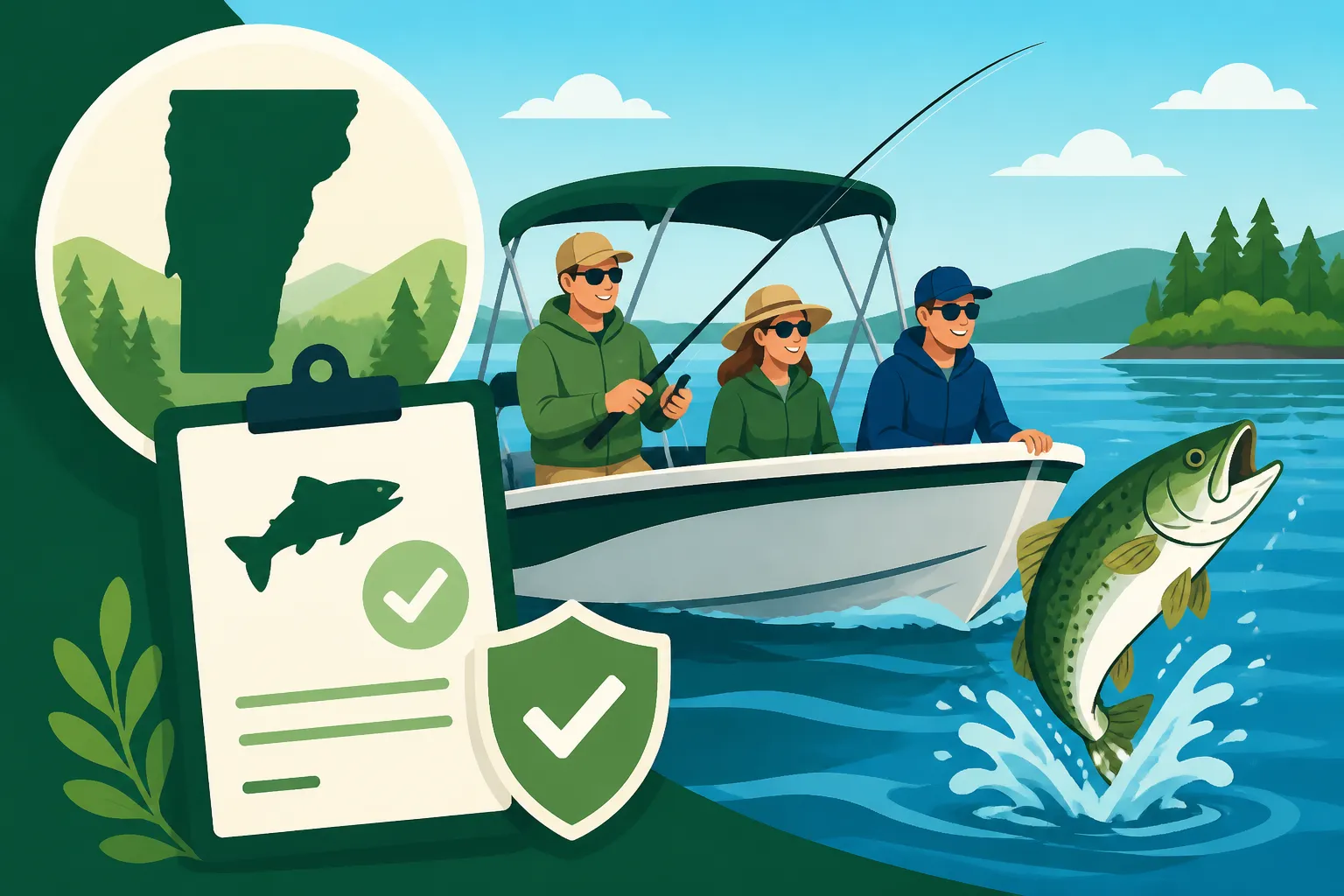
It's a really common misconception, and frankly, a frustrating one for many new or visiting anglers, to think that a charter boat's license covers everyone on board. After all, the captain is licensed, the boat is inspected, everything seems official, right? Unfortunately, when it comes to fishing, that's not how it works in Vermont, or in most places across the country. Every single person on that charter boat who plans to cast a line, regardless of age (unless they fall into a specific exempt category), needs to possess their own valid Vermont fishing license.
The charter captain’s license, often a U.S. Coast Guard Merchant Mariner Credential, allows them to operate a commercial vessel and carry passengers for hire. It ensures they meet safety standards, have undergone necessary training, and are legally able to conduct business on the water. However, this license does not grant the passengers the individual privilege to fish. That privilege comes from a state-issued fishing license, which is a separate requirement altogether. Think of it like a driver's license: your Uber driver has one, but it doesn't mean you can drive the car without your own. The Vermont Fish and Wildlife Department issues these licenses to individuals to manage fish populations, fund conservation efforts, and ensure everyone contributes to the health of our aquatic ecosystems. So, even if you're just enjoying a day out with Captain Smith from Burlington Charter Fishing, you still need your own permit.
Navigating Lake Champlain's Reciprocity with New York
Lake Champlain is a unique body of water, shared by Vermont and New York, which adds another layer of complexity to the licensing question. This often leads to confusion, especially for those who might be crossing state lines or whose charter boat might operate in both Vermont and New York waters. Thankfully, both states have a reciprocal agreement in place for Lake Champlain, which simplifies things considerably.
What this means for you, as a charter passenger, is that a valid fishing license from either Vermont or New York is honored by the other state when fishing anywhere on Lake Champlain. Yes, you read that right – if you have a current Vermont fishing license, you can fish the New York side of Lake Champlain without needing a separate New York license, and vice-versa. This reciprocity covers the main lake, including bays and tributaries up to the first dam or designated boundary. It's a huge relief for anglers who want to explore the entirety of this vast and productive lake without worrying about inadvertently violating regulations. It's always a good idea to double-check the specifics, but generally, this agreement makes fishing Lake Champlain much more accessible. You can learn more about Vermont fishing license reciprocity on Lake Champlain with New York to ensure you're fully informed.
What Reciprocity Means for Your Charter Trip
This reciprocity is fantastic news for charter passengers. It means your captain can chase the fish wherever they are on Lake Champlain, whether that's a prime walleye spot near the Vermont shore or a productive smallmouth bass shoal closer to New York, and you'll be covered as long as you have either a Vermont or New York license. You don't need to buy both, which saves you money and hassle.
However, a crucial point: this reciprocity only applies to Lake Champlain itself. If your charter were to take you off Lake Champlain into a river or lake within Vermont (like Otter Creek or Lake Bomoseen) or within New York, your reciprocal license would no longer be valid. For instance, if you bought a New York license to fish Lake Champlain and your captain decided to hit a Vermont inland lake after, you would then need a Vermont fishing license to legally fish those waters. But for the purposes of a dedicated Lake Champlain charter, one license (from either state) is all you need.
How to Secure Your Vermont Fishing License for a Charter
Getting your Vermont fishing license is a straightforward process, designed to be as convenient as possible so you can spend less time on paperwork and more time on the water. Don't wait until the morning of your charter to try and sort this out; it’s best to get it done ahead of time. The Vermont Fish and Wildlife Department offers several easy ways to purchase your license.
Purchasing Options for Residents and Non-Residents
Whether you're a long-time Vermont resident or visiting from out of state for your charter adventure, the options for purchasing a license are similar. The most popular and often easiest method is to buy your license online. The Vermont Fish and Wildlife Department's website has a user-friendly portal where you can select your license type, provide your information, and pay securely. This digital convenience allows you to purchase your license from the comfort of your home, even weeks or days before your trip. You can even learn more about how to buy a fishing license online in Vermont.
If you prefer a more traditional approach, or if you're already in Vermont and need a license quickly, you can visit one of the many authorized license agents located across the state. These agents include sporting goods stores, bait shops, and some general stores. They’re often very knowledgeable about local regulations and can be a great resource for last-minute tackle or advice. Additionally, you can purchase licenses directly from Vermont Fish and Wildlife offices during business hours. For non-residents, there are various options, including annual licenses, as well as shorter-term permits like the Vermont 1-Day Nonresident Fishing License Cost or even Vermont 3-Day and 7-Day Nonresident Fishing Permits, which might be perfect for a single charter trip or a short fishing vacation. Remember to consider the Vermont fishing license age requirements as well, as some age groups may be exempt or require a youth license.
What License Type Do You Need?
For a Lake Champlain charter, you'll need a standard fishing license. The type depends on your residency and how long you plan to fish.
| License Type | Eligibility | Duration | Common Use Case |
|---|---|---|---|
| Annual Resident Fishing | VT Resident | 1 year | Frequent VT angler, local charter passenger |
| Annual Non-Resident Fishing | Non-VT Resident | 1 year | Frequent visitor, multiple trips annually |
| 1-Day Non-Resident Fishing | Non-VT Resident | 1 consecutive day | Single charter trip, short visit |
| 3-Day Non-Resident Fishing | Non-VT Resident | 3 consecutive days | Weekend trip, longer charter experience |
| 7-Day Non-Resident Fishing | Non-VT Resident | 7 consecutive days | Week-long vacation, multiple fishing outings |
| Youth Fishing (Ages 15-17) | Resident or Non-Resident | 1 year | Anglers under 18 who are not exempt by age |
(Note: Anglers under 15 typically do not need a license in Vermont, but always check the most current regulations for Vermont fishing license age exemptions summary.)
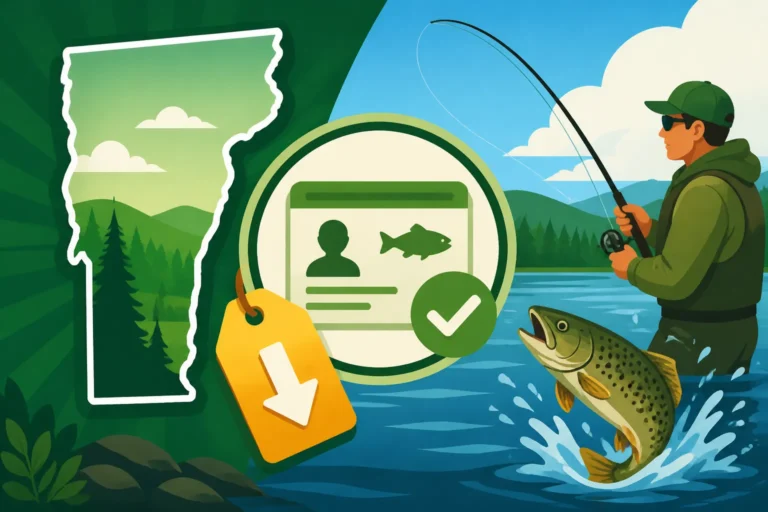
Once you've purchased your license, whether online or in person, make sure you have it on you when you're fishing. Vermont allows you the flexibility of printing or carrying a digital fishing license in Vermont on your phone, but it must be readily accessible if a game warden asks to see it. While you can't buy the actual fishing license on Amazon, you might consider picking up other essentials there, like a good quality waterproof phone case for your digital license or a new pair of polarized sunglasses for spotting fish in Lake Champlain's diverse waters.
What Happens if You Go Without a License?
It might seem like a small thing, especially if you're just a passenger on a boat with a licensed captain. However, fishing without a valid license in Vermont is no minor infraction, and it’s definitely not worth the risk. Game wardens actively patrol Vermont's waters, including Lake Champlain, and they are well-versed in checking for proper licensing among all anglers. They're out there to protect our natural resources, and adhering to the regulations is part of responsible angling.
The penalties for fishing without a license in Vermont can range from a significant fine to potentially having your fishing equipment confiscated. A first offense might result in a fine of several hundred dollars, plus court fees. Imagine having to explain that to your fishing buddies, or worse, having your favorite rod and reel taken away right in the middle of a fantastic Lake Champlain fishing trip! It’s a surefire way to turn an exciting day on the water into a very expensive and frustrating experience.
Beyond the immediate financial and legal repercussions, being caught without a license can also reflect poorly on the charter captain and the entire fishing community. Responsible anglers understand that license fees directly support the Vermont Fish and Wildlife Department's vital work, including fish stocking programs, habitat restoration, and enforcement efforts. Without these funds, the quality of fishing in Vermont, including the amazing opportunities on Lake Champlain, would decline. So, getting your license isn't just about avoiding a penalty; it's about being a good steward of the environment and contributing to the future of our fisheries. Make sure to consult the Vermont Fishing License Guide for 2026 or review specific Vermont Fishing Regulations Explained to stay fully informed.
It's truly a simple step to purchase your license beforehand. It costs a fraction of what a charter trip might, and it ensures peace of mind so you can focus entirely on the thrill of reeling in a trophy walleye or battling a feisty smallmouth bass. Don't let a forgotten license cast a shadow over your incredible Lake Champlain adventure.
Planning Beyond the License: Essential Prep for Your Lake Champlain Charter
While securing your fishing license is paramount, a successful Lake Champlain charter trip involves a bit more preparation to ensure you have the best possible experience. Thinking ahead about a few other key elements can make all the difference, transforming a good fishing day into an unforgettable one. From understanding the specific fish you'll target to considering the weather and packing smart, a little extra planning goes a long way.
Knowing Your Target Species and Regulations
Lake Champlain is a phenomenal fishery, home to a wide array of species including trophy walleye, hard-fighting smallmouth bass, lake trout, and even landlocked salmon. Before you even step foot on the charter boat, it can be really helpful to know what species your captain typically targets and to familiarize yourself with the Vermont Lake Champlain Fishing Rules for those particular fish. Are you hoping for a big smallmouth? Then brushing up on the Vermont Bass Minimum Length Limits is smart. Planning to troll for lake trout? Then understanding the Vermont Lake Champlain lake trout regulations will be beneficial.
Your captain will, of course, guide you on the boat, but having some prior knowledge enhances your experience. It helps you understand why they might be fishing a certain depth, using a particular lure, or moving to a specific area of the lake. This also helps you appreciate the conservation efforts in place, ensuring that these incredible fisheries remain healthy for years to come. Checking out resources like the Walleye Fishing on Lake Champlain or Smallmouth Bass Fishing in Vermont guides can give you a fantastic head start.
Packing for Comfort and Success
Even on a charter, a few personal items can significantly improve your comfort and readiness. Lake Champlain weather can change rapidly, so dressing in layers is always a wise choice. A waterproof jacket and pants are almost always a good idea, regardless of the forecast. Sun protection is critical: think sunscreen, a wide-brimmed hat, and those polarized sunglasses we mentioned earlier (maybe even some you picked up on Amazon!).
Consider bringing a small bag with snacks, drinks, and any personal medications you might need. While many charters provide some amenities, having your favorites ensures you're fueled and hydrated. Don't forget your camera to capture those memorable catches! Some anglers also like to bring their own favorite fishing gloves or a personal fishing towel. Your charter captain will typically provide all the necessary fishing gear, bait, and tackle, but if you have a lucky lure you'd like to try, always ask them if it's appropriate for the day's fishing.
Communication with Your Charter Captain
Before your trip, don't hesitate to reach out to your charter captain. They are a wealth of knowledge and can answer any last-minute questions you have, including specifics about what to bring, current fishing conditions, and what species are biting. A good captain wants you to have the best possible time, and clear communication ensures everyone is on the same page. Confirming departure times, meeting locations, and any specific preferences you have (like wanting to target a particular species) can make your day even more enjoyable. This upfront conversation can alleviate many anxieties and ensure your Lake Champlain fishing charter is everything you hoped for and more.
Disclaimer
The information provided in this guide is for general informational purposes only and is subject to change. While we strive to provide accurate and up-to-date content, fishing regulations, license costs, and reciprocity agreements can be updated by the Vermont Fish and Wildlife Department or other governing bodies. It is always the angler's responsibility to consult the official Vermont Fish and Wildlife Department website or contact them directly to confirm the most current rules and requirements before engaging in any fishing activities. Compliance with all state and local laws is essential.