Vermont landlocked salmon daily limit
Stepping out onto a chilly Vermont morning, the mist still clinging to the water, there’s nothing quite like the anticipation of a landlocked salmon hitting your line. But let's be real, the thrill can quickly turn to anxiety if you're not absolutely sure about the rules, especially when it comes to how many of those beautiful fish you can actually keep. It’s frustrating to think you might be breaking a regulation, even inadvertently, and nobody wants that kind of stress on a peaceful fishing trip. This guide is here to clear up all the confusion around the Vermont landlocked salmon daily limit, so you can focus on the tug on your line, not the worry in your mind.
Navigating the Vermont Landlocked Salmon Daily Limit
The Vermont Fish & Wildlife Department works tirelessly to manage our precious fisheries, and that includes setting clear limits for landlocked salmon to ensure these majestic fish thrive for generations to come. For most of Vermont's waters, the general daily limit for landlocked salmon is fairly straightforward, but it's crucial to understand the nuances, as some specific locations might have slight variations.
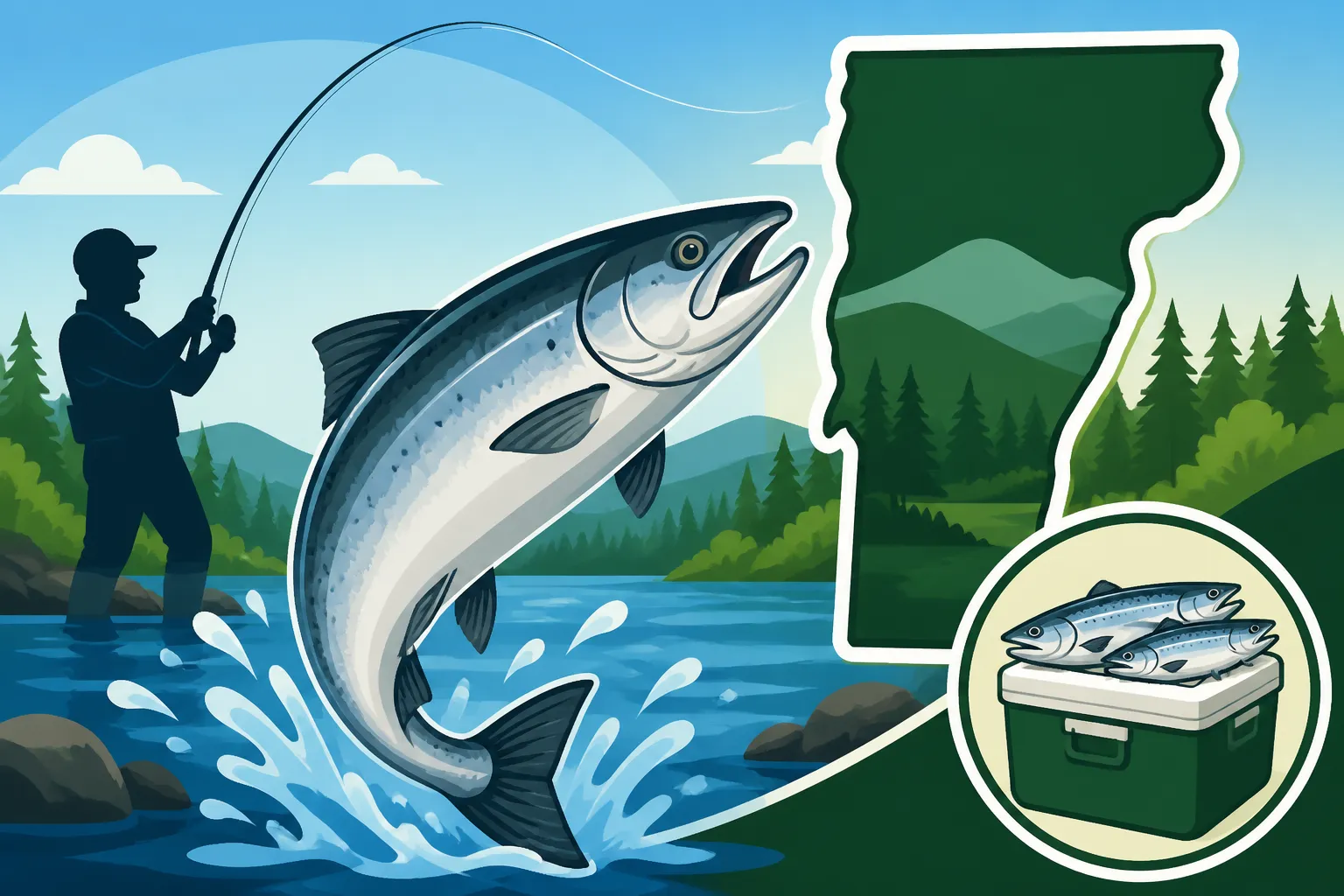
Generally speaking, you are permitted to keep a daily limit of two (2) landlocked salmon per angler. This applies to the majority of lakes and ponds where these fish are found, such as the expansive waters of Lake Champlain and the deep, clear depths of Lake Willoughby. Along with the daily limit, there’s usually a minimum length requirement, often around 15 inches, meaning any salmon you catch shorter than that must be immediately and carefully released. Always double-check the latest regulations in the official guide or on the Vermont Fish & Wildlife website, as these rules are subject to change annually. It's a small effort that saves a lot of potential headaches and helps preserve the fishery.
Understanding the "Daily" and "Possession" Limits
It's common for anglers to get a little mixed up between a "daily limit" and a "possession limit." While they often go hand-in-hand, they're not always the same, and knowing the difference is absolutely essential for staying within the law.
What "Daily Limit" Really Means
The daily limit refers to the number of fish you can legally catch and keep in a single calendar day. So, if the limit is two landlocked salmon, you can only harvest two between midnight and midnight. Let's say you're out on Lake Champlain for the day, and by lunchtime, you've landed and kept two beautiful landlocked salmon over the minimum length. That's it for the day; any other landlocked salmon you catch after that must be released, even if they're trophy-sized. You can't just toss your kept fish overboard and keep two more; the act of catching and retaining the fish counts towards your daily allowance. This ensures that the pressure on the fish population is spread out and that anglers aren't over-harvesting on any given day.
The Critical Distinction of "Possession Limit"
Now, the possession limit is where things can sometimes get a bit trickier, especially if you're on a multi-day trip or heading home after a fantastic weekend of fishing. The possession limit defines the total number of fish you can have in your possession at any given time, whether they're fresh from the water, in your cooler, or even cleaned and filleted at your camp.
For landlocked salmon in Vermont, the possession limit is typically the same as the daily limit, meaning you can only possess two landlocked salmon. This means if you caught two salmon on Friday and put them on ice, you cannot then catch and keep two more salmon on Saturday. The two from Friday still count towards your possession limit. So, if you're camping by Seymour Lake and you've got your two legal salmon from yesterday in your cooler, you would need to either consume them, give them away (legally, of course), or process them for transport before you can keep any more on a subsequent day. The idea here is to prevent anglers from accumulating a massive stash of fish over several days that far exceeds sustainable harvest levels.
Here's a quick reference table to clarify the standard rules:
| Category | Limit | Description |
|---|---|---|
| Daily Limit | 2 Landlocked Salmon | The maximum number of landlocked salmon an individual angler can catch and retain in a single calendar day (midnight to midnight). |
| Possession Limit | 2 Landlocked Salmon | The total number of landlocked salmon an individual can have in their actual possession at any time, regardless of when or where they were caught. |
| Minimum Length | 15 inches (typical) | Landlocked salmon shorter than this length must be immediately and carefully released. |
It’s always a good idea to consult the official Vermont Fishing Regulations Explained document or the Vermont Fish & Wildlife website for the most current and specific details, as regulations can change. You can often find a physical copy at local bait shops, general stores, or even order a laminated version online from retailers like Amazon for easy reference on the water.
Special Waters and Exceptions to the Rule
While the general rule of two landlocked salmon with a 15-inch minimum applies widely, Vermont fishing regulations do sometimes include special provisions for specific bodies of water. These exceptions are put in place for various reasons, often related to unique biological characteristics of the fishery, ongoing conservation efforts, or specific management goals.
Notable Landlocked Salmon Waters
Let's talk about some of the prime spots in Vermont where you might encounter landlocked salmon, and how their specific rules might factor in.
- Lake Champlain: As Vermont's largest lake, Lake Champlain is a renowned fishery for a variety of species, including landlocked salmon. While it’s also known for its incredible bass fishing, the salmon population here is strong. For Lake Champlain, the daily and possession limits for landlocked salmon generally align with the statewide two-fish limit, with a 15-inch minimum. However, given its size and shared waters with New York, it's always prudent to check the specific Vermont Lake Champlain Fishing Rules, especially concerning potential reciprocity or boundary water stipulations, which can sometimes have unique considerations.
- Lake Willoughby: This deep, glacially carved lake in Vermont's Northeast Kingdom is famous for its crystal-clear water and exceptional cold-water fishing, particularly for landlocked salmon and lake trout. The landlocked salmon here are often impressive in size, making it a bucket-list destination for many anglers. The standard two-fish daily and possession limit typically applies to Lake Willoughby, along with the 15-inch minimum length. You can find more specific details in a dedicated Lake Willoughby Fishing Guide.
- Seymour Lake: Another gem in the Northeast Kingdom, Seymour Lake also offers excellent landlocked salmon opportunities. Similar to Lake Willoughby, the general regulations usually apply here. Exploring a Seymour Lake Fishing Guide can provide insights into the best fishing techniques and additional regulations you might want to consider.
It's critical to remember that sometimes there might be specific "special regulation waters" that could have a different limit, a different minimum length, or even a different season length for landlocked salmon. These are typically listed very clearly in the official regulations guide. Always, and I mean always, review the latest printed or online version of the official Vermont Fishing Regulations Guide before you head out. It’s your responsibility as an angler to know and follow these rules. This due diligence is part of being a responsible steward of our fisheries and ensures you're enjoying your time on the water legally and ethically.
The Science Behind the Limits: Why Conservation Matters
You might wonder why these limits are set so strictly, especially when you're having an incredible day on the water and feel like you could easily catch a dozen more. But there's a good reason for it, rooted deeply in the science of fisheries management and the long-term health of our fish populations.
Protecting Future Generations
Landlocked salmon, like many game fish, have specific life cycles and reproductive rates. They don't just magically appear; they require healthy habitats, clean water, and sufficient time to grow and reproduce. The daily and possession limits are carefully determined by biologists at the Vermont Fish & Wildlife Department based on studies of the salmon population, their spawning success, growth rates, and overall health of the fishery. These limits are a primary tool for preventing overfishing, which could severely deplete stocks and make it much harder for future generations of anglers to enjoy the same fishing opportunities we have today. A deeper dive into the Landlocked Salmon Life Cycle in Vermont Lakes can really highlight why these creatures need our protection and careful management.
Sustainable Harvest and Ecosystem Balance
When limits are respected, they allow for a "sustainable harvest." This means anglers can enjoy catching and keeping some fish, while enough are left in the water to continue the breeding cycle and maintain a robust population. It’s a delicate balance. Without these limits, unchecked harvesting could lead to a decline in average fish size, fewer older, larger breeding fish, and eventually, a collapse of the fishery. This isn't just about salmon; it impacts the entire aquatic ecosystem, from the smaller baitfish they feed on to the birds and mammals that also rely on healthy fish populations.
The Vermont Fish & Wildlife Department is constantly monitoring these populations and adjusting regulations as needed. That's why keeping up-to-date with the Vermont Fishing Season Dates and Closures and all the specific Vermont Landlocked Salmon Regulations is so important. They are the guardians of our natural resources, and these regulations are a testament to their commitment to healthy fisheries. Every time you consciously adhere to the limits, you’re playing a direct role in that critical conservation effort.
Consequences of Exceeding the Limit
Nobody wants to face fines or penalties, especially when they're simply trying to enjoy a peaceful day on the water. But ignorance of the law is never an excuse, and exceeding the landlocked salmon daily or possession limit can lead to some unpleasant consequences.
Legal Ramifications
The Vermont Fish & Wildlife wardens are out there to protect our natural resources and ensure everyone is playing by the rules. If you're found to be over the legal limit for landlocked salmon, whether it's one fish or several, you could face significant fines. These fines aren't just slaps on the wrist; they can be substantial, and in some cases, repeat offenses or egregious violations could even lead to the suspension of your fishing license. For more general information on this, you can check out the details on Fishing Without a License in Vermont: Penalties, as these often cover other violations as well.
Imagine having a fantastic day, only to have it ruined by a hefty ticket that puts a serious dent in your wallet. It's a preventable situation, simply by knowing the rules and sticking to them. Always count your fish, measure them, and release anything that doesn't meet the legal requirements.
Ethical Angling and Reputation
Beyond the legal penalties, there's also the ethical aspect. Being caught exceeding limits, or even just developing a reputation for bending the rules, can cast a shadow on your image as an angler and on the angling community as a whole. Most anglers are deeply passionate about conservation and respectful of the regulations designed to protect our fisheries. Being a responsible angler means understanding that every fish you keep is one less fish in the water, and making conscious decisions to help sustain the resource.
This means carefully handling any fish you intend to release, minimizing their time out of water, and using proper catch-and-release techniques. It also means accurately identifying your catch. While landlocked salmon are fairly distinct, knowing the difference between a landlocked salmon and, say, a lake trout (which might have different limits) is important. A good way to stay informed and equipped for successful and legal fishing is to invest in up-to-date fishing guides and even a good digital scale or measuring tape, easily found on Amazon. These small investments enhance your enjoyment and keep you on the right side of the law.
Ultimately, the goal is to enjoy the incredible fishing Vermont has to offer, and by understanding and respecting the landlocked salmon daily limit and all other regulations, you're doing your part to ensure those opportunities exist for everyone, long into the future. It’s about balance, respect, and a love for the outdoors that runs deeper than just the catch.
Disclaimer
The information provided in this guide is intended for general informational purposes only and is subject to change. While we strive to offer accurate and up-to-date content, fishing regulations, season dates, and limits are determined by the Vermont Fish & Wildlife Department and can be modified at any time. It is the responsibility of every angler to consult the official Vermont Fish & Wildlife regulations guide for the most current and legally binding information before engaging in any fishing activity.