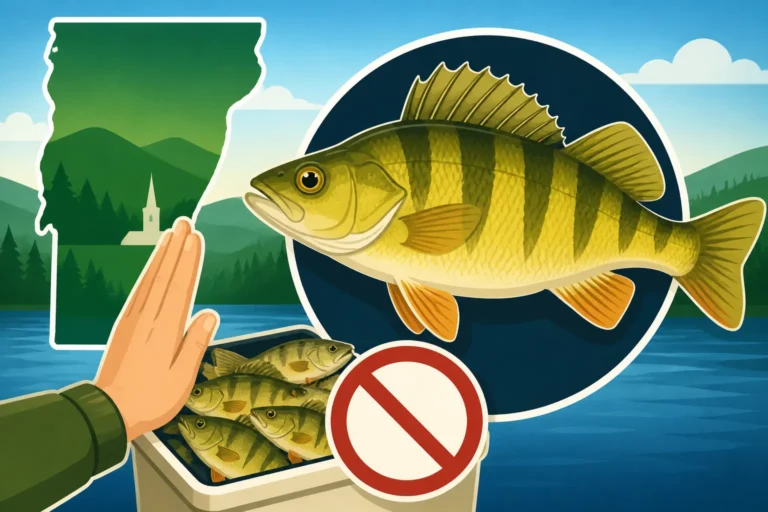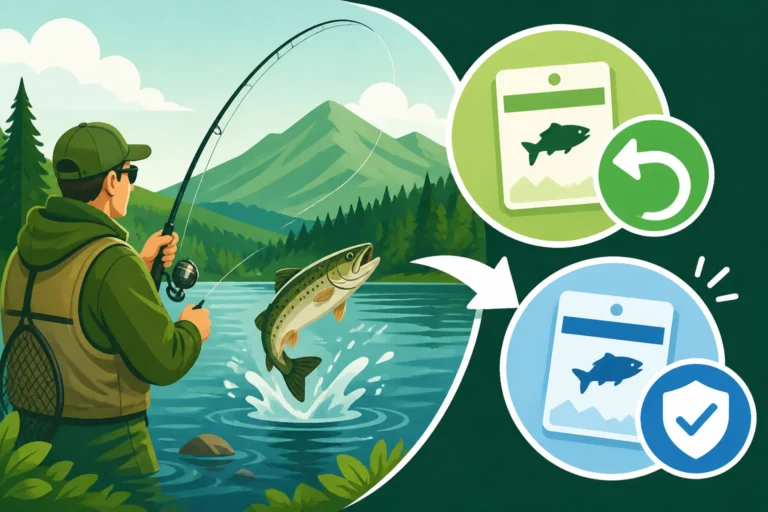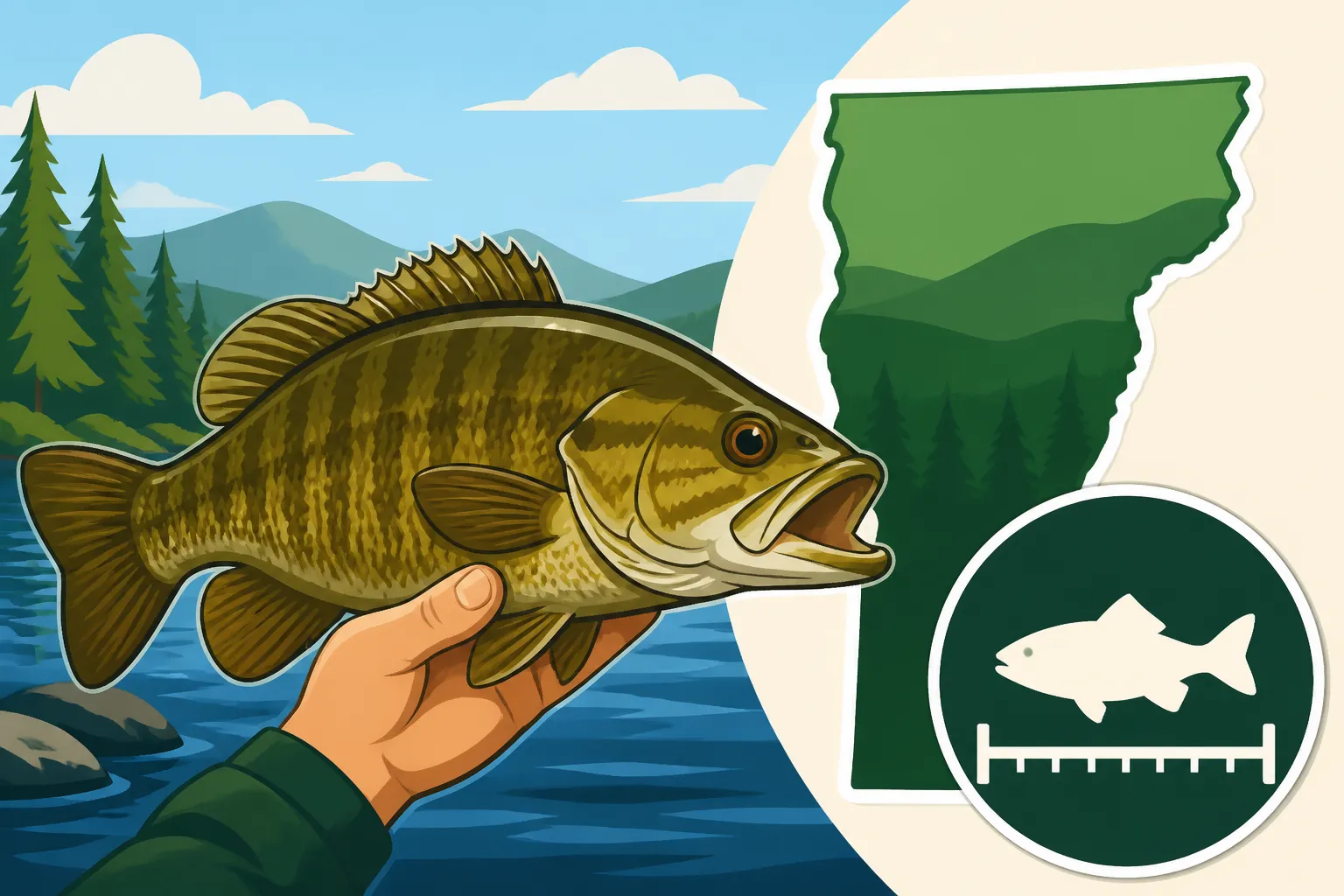
Vermont smallmouth bass minimum length limit
It's incredibly frustrating to spend a beautiful day on the water, reeling in what you think is a perfect smallmouth bass, only to realize you're unsure if it meets the legal length requirements in Vermont. Misinterpreting the rules or, worse, not knowing them at all can lead to stress, fines, and harm to the very fishery we love. This comprehensive guide is here to untangle the complexities of Vermont's smallmouth bass minimum length limit, ensuring you can fish with confidence and contribute positively to our vibrant bass populations.
Understanding Vermont's Smallmouth Bass Minimum Length Limit
Fishing in Vermont offers some truly spectacular opportunities for catching smallmouth bass, particularly on iconic waters like Lake Champlain. However, enjoying these opportunities responsibly means adhering to the regulations set forth by the Vermont Fish & Wildlife Department. The minimum length limit isn't just a random rule; it's a critical tool for managing fish populations and ensuring sustainable fishing for generations to come.
Why Length Limits Matter for Smallmouth Bass
Length limits are a cornerstone of modern fisheries management, and for good reason. For smallmouth bass, these regulations play a vital role in protecting younger fish and allowing them to reach maturity and spawn at least once, sometimes multiple times, before they can be legally harvested. Think of it like a savings account for the fish population – you want to let it grow interest before you start drawing from it.
Without these limits, there's a higher risk of anglers overharvesting smaller, immature fish. This can lead to a decline in the overall breeding stock, fewer fish reaching larger, trophy sizes, and ultimately, a less robust and enjoyable fishery for everyone. By implementing a minimum length, Vermont Fish & Wildlife helps ensure that smallmouth have the chance to contribute to the next generation, maintaining genetic diversity and a healthy age structure within the population. It's all about balancing angler enjoyment with the long-term health of the ecosystem.
The Current Vermont Regulation for Smallmouth Bass
As of the current regulations, the statewide minimum length limit for both largemouth and smallmouth bass in Vermont is 10 inches. This means any smallmouth bass you catch must measure at least 10 inches from the tip of its snout to the tip of its tail (with the tail compressed) to be legally kept. If your fish doesn't meet this minimum, it must be immediately released back into the water.
It's important to remember that while 10 inches is the standard, regulations can sometimes vary for specific bodies of water, or during certain seasons. For instance, Vermont has a dedicated "Vermont Bass Catch-and-Release Season, Explained" which runs from the second Saturday in April until the Friday before the second Saturday in June. During this period, all bass must be released, regardless of size, and only artificial lures and flies are permitted. Always consult the official Vermont Fishing Regulations Guide or the Vermont Fishing Seasons by Month for the most up-to-date information, especially before heading out to a new spot. This small act of checking can save you a lot of grief.
How to Accurately Measure Your Catch
Accurately measuring your catch is crucial. A mistake here, even an honest one, could mean keeping an illegal fish. The most common and accepted method for measuring fish in Vermont is from the tip of the snout (mouth closed) to the very end of the tail, with the tail fin compressed. This "total length" measurement is standard.
Here’s a quick guide to proper measurement:
- Prepare Your Measuring Device: Have a reliable measuring board or tape measure ready. Many anglers prefer a bump board, which has a solid end to butt the fish's snout against, providing a consistent starting point. You can find excellent, durable bump boards on Amazon, often marked with standard fish lengths.
- Handle with Care: Always prioritize the fish's health. Wet your hands thoroughly before touching the fish to protect its slime coat, which is vital for its immune system. Avoid squeezing the fish, especially around the gills or belly.
- Position the Fish: Lay the fish flat on the measuring device. Gently press its snout against the starting point (the "bump" on a bump board).
- Compress the Tail: Gently squeeze the lobes of the tail fin together so they meet at their maximum length. This gives you the longest possible measurement.
- Read the Measurement: Note where the compressed tail fin reaches on your measuring device. Ensure it clearly meets or exceeds the 10-inch mark.
- Quick Release: As soon as you have your measurement and a quick photo (if desired), return the fish to the water promptly and gently.
Practice makes perfect, and getting comfortable with measuring quickly and accurately is an essential skill for any responsible angler.
Navigating Common Scenarios and Potential Pitfalls
Even with the best intentions, fishing can present situations where the regulations might feel a bit hazy. Knowing how to handle these common scenarios can prevent stress and ensure you're always on the right side of the rules.
Catching an Undersized Smallmouth: What to Do
It's going to happen. You cast, feel that familiar tug, and reel in a feisty smallmouth, only to realize it's just shy of the 10-inch minimum. Your immediate action here is critical: release it immediately and gently. Releasing an undersized fish correctly is just as important as measuring it accurately.
Here’s how to ensure the best chance of survival for that little fighter:
- Minimize Air Exposure: Fish breathe water, not air. Keep the fish in the water as much as possible, especially during unhooking and measuring. If you must lift it out for a quick photo, do so for mere seconds.
- Use Proper Tools: A good pair of pliers or forceps (often available on Amazon) can help you quickly remove hooks, especially if the fish has swallowed the bait slightly. Barbless hooks can also make removal much easier and cause less damage.
- Support the Fish: When handling, support the fish horizontally, ideally with one hand under its belly and the other gently gripping the lower jaw (without crushing it). Never hold a bass vertically by the lip alone, as this can severely damage its jaw and internal organs.
- Avoid Rough Surfaces: Don't let the fish flop around on boat decks, rocks, or sandy banks. This can remove its protective slime coat and cause abrasions.
- Revive if Necessary: If the fish seems sluggish after release, gently hold it upright in the water, facing into a mild current, and move it back and forth slightly to push water over its gills. Release it only when it swims away under its own power.
Responsible catch-and-release practices ensure that "the one that got away" has a chance to grow bigger and be caught another day.
Dealing with Different Water Bodies and Special Regulations
While the 10-inch minimum is standard, always be aware that some specific bodies of water might have different rules. For instance, large bodies like Lake Champlain have specific regulations that might include slot limits or other nuances for different species or seasons. It's rare for smallmouth to have a different minimum length limit, but it's not unheard of for other species or in certain "special regulation waters."
The key takeaway is that you should never assume the rules are universal across all of Vermont's diverse fishing spots. Before heading to a new lake or river, make it a habit to check the Vermont Fish & Wildlife website or grab a copy of the physical regulation booklet. This is especially true if you’re venturing to places known for their unique ecological features or intense fishing pressure. For a general overview, consider reading up on "Vermont Fishing Regulations Explained" or specific guides like "Vermont Lake Champlain Fishing Rules" if that's where you're headed. A little research upfront can prevent a lot of headaches later.
The Importance of Knowing Your Local Rules
The onus is always on the angler to know and follow the rules. "I didn't know" is not an acceptable defense, and ignorance of the law can indeed lead to penalties. The Vermont Fish & Wildlife Department works hard to make regulations accessible, but it's up to us to seek out that information. Regulations can change annually, or even within a season, especially if fish populations are experiencing stress or a new management strategy is being implemented.
Imagine you're fishing a small, pristine pond known for its trophy potential. The state might implement specific rules there to protect those larger fish, such as a higher minimum length or a "catch-and-release only" policy, which would supersede the general statewide rule. If you're not aware, you could inadvertently break the law. Getting familiar with the "Reading the Vermont Fishing Regulations Guide" article can help you interpret the official booklet and understand common sections, ensuring you're always compliant. Remember, responsible fishing is about more than just catching fish; it's about being a good steward of our natural resources.
Beyond the Limit: Promoting Healthy Smallmouth Populations
Adhering to the minimum length limit is just one part of responsible smallmouth bass fishing. True conservation involves understanding the species, its habitat, and practicing ethical angling techniques that ensure its future.
Best Practices for Catch-and-Release Fishing
Even if you intend to keep a legal-sized smallmouth, practicing good catch-and-release techniques for all fish is essential. Many anglers choose to release most or all of their catch, especially with species like smallmouth bass known for their fighting spirit and sportfishing value. This dedication to conservation helps maintain robust populations.
Here are some best practices for minimizing stress and injury to fish:
- Use Appropriate Tackle: Don't "fight" a fish longer than necessary with overly light tackle, especially in warm water. Get the fish in quickly to reduce exhaustion.
- Barbless Hooks: Consider using barbless hooks, or crimping down the barbs on your existing hooks with pliers. This makes hook removal incredibly quick and easy, minimizing tissue damage.
- Single Hooks: For lures, replacing treble hooks with single hooks can also reduce the number of potential puncture wounds.
- Netting: Use a knotless, rubberized landing net to minimize damage to the fish's fins and slime coat. Scoop the fish rather than chasing it around the boat.
- Deep-Hooked Fish: If a fish is deeply hooked and the hook cannot be easily removed without causing further damage, it's often best to cut the line as close to the hook as possible and release the fish. The hook will usually rust out over time.
- Water Temperature: Be extra mindful of catch-and-release during periods of very warm water (e.g., mid-summer afternoons). Warmer water holds less oxygen, and fish are more susceptible to stress and mortality. During these times, consider focusing on different species or fishing cooler parts of the day.
These practices contribute directly to the health and abundance of the smallmouth bass you love to pursue.
Understanding Vermont's Bass Seasons
Vermont's fishing calendar isn't just about trout. Smallmouth bass have specific seasons that are designed to protect them during critical life stages, especially spawning. As mentioned, the general open season for bass typically runs from the second Saturday in June through November 30th. During this time, the 10-inch minimum length limit and the Vermont Bass Daily Bag Limit of 5 bass apply.
However, the period from the opening day of trout season (second Saturday in April) until the open bass season is designated as a special "catch-and-release only" season. During these weeks, you can fish for bass, but all fish must be immediately released, and you are restricted to using artificial lures and flies only. This allows anglers to target bass when they might be more active in cooler spring waters, without impacting the spawning population. Knowing when to target smallmouth bass, and with what methods, is key to success and compliance, and you can learn more about "How to Catch Smallmouth Bass in Vermont Lakes" in our dedicated guide.
The Role of Anglers in Conservation
Every angler holds a stake in the future of Vermont fishing. By understanding and respecting regulations like the smallmouth bass minimum length limit, we become active participants in conservation. It's not just about avoiding a ticket; it's about preserving a cherished outdoor activity and protecting the natural resources that make Vermont such a special place to live and fish.
Participating in surveys, reporting violations, practicing ethical catch-and-release, and staying informed through resources like the Vermont Fish & Wildlife Department are all ways we can contribute. You can even find great guides on Amazon for local fishing spots or advanced techniques for species like smallmouth bass, deepening your understanding and appreciation for the resource. Our collective actions, both big and small, ensure that Vermont's lakes and rivers continue to teem with healthy, thriving smallmouth bass for generations of anglers to enjoy.
Here's a quick summary of key smallmouth bass regulations in Vermont:
| Regulation Type | Detail |
|---|---|
| Minimum Length Limit | 10 inches (statewide standard for Smallmouth and Largemouth Bass) |
| Daily Bag Limit | 5 bass (aggregate for Smallmouth and Largemouth Bass) |
| Possession Limit | 10 bass (aggregate for Smallmouth and Largemouth Bass) |
| Open Season | Second Saturday in June through November 30 |
| Catch-and-Release Season | From the opening day of trout season (second Saturday in April) to the Friday before the second Saturday in June. During this season, only artificial lures and flies are permitted, and all bass caught must be immediately released, regardless of size. |
| Measuring Method | Tip of snout to tip of compressed tail |
Always double-check the official Vermont Fish & Wildlife regulations for any updates or specific water body rules, as these are general guidelines.
Disclaimer
Please remember that fishing regulations can change. While every effort has been made to provide accurate and up-to-date information, this guide is for informational purposes only. It is the angler's responsibility to consult the most current official Vermont Fish & Wildlife regulations before heading out on the water.