Best crawfish imitation lure for lake bass
There's nothing quite as frustrating as hitting your favorite Vermont bass fishing spot, knowing the fish are there, but they're just not hitting your usual go-to lures. Oftentimes, this finicky behavior stems from their primary forage: crawfish. When bass are keyed in on these crustaceans, a good imitation can be the difference between a frustrating day and a fantastic one. This guide will dive deep into the world of crawfish imitation lures, helping you understand why they work and how to choose the best ones to entice those stubborn Vermont lake bass.
Understanding the Vermont Bass Diet: Why Crawfish Matter
Bass, whether they're largemouth or smallmouth, are opportunistic predators. They'll eat minnows, frogs, insects, and anything else that looks like an easy meal. But crawfish? Crawfish are a protein-packed, readily available food source in many of Vermont's lakes and ponds, making them a consistent part of a bass's diet. When conditions are right, bass will actively hunt for crawfish, making a realistic imitation an absolute game-changer.
When Bass Key In on Crawfish
Crawfish are most active and therefore most vulnerable during certain times of the year and under specific conditions. Understanding these periods is crucial for knowing when to tie on a crawfish imitation.
In the spring, as water temperatures begin to rise in lakes like Lake Champlain or Lake Bomoseen, crawfish become more active after their winter dormancy. Bass, especially those recovering from the spawn or gearing up for it, are often found shallow, feasting on these re-emerging crustaceans. It's a prime time for big bites as bass are looking to pack on calories. The same holds true after the spawn in early summer, when hungry bass are patrolling rocky bottoms and weed edges where crawfish forage. Vermont Bass Catch-and-Release Season, Explained covers important dates related to bass activity.
As fall approaches and water temperatures start to drop, bass once again turn to crawfish as a critical food source. They're trying to fatten up before the long winter, and a slow, bottom-bouncing crawfish lure can be irresistible. Even during periods of high pressure or a cold front, when bass can become lethargic, a subtle crawfish presentation can often tempt strikes that other lures won't. Cold Front Fishing Tactics for Vermont Bass offers more insights into how weather impacts bass behavior.
Mimicking the Real Thing: Key Crawfish Characteristics
To effectively imitate a crawfish, you need to understand what makes them appealing to a bass. It's not just about a generic "crawfish look"; it's about replicating their specific movements, colors, and profile.
First, consider color. Vermont's natural crawfish tend to be dark, often mottled browns, greens, and olives, blending in with the rocky and silty bottoms of our lakes. However, when a crawfish molts its shell, it becomes softer and often takes on reddish or orange hues, making it particularly vulnerable and attractive to bass. This subtle color change is vital to remember when selecting your lure.
Second, movement is paramount. Crawfish typically scuttle along the bottom, using their claws and legs. When threatened, they often dart backward in quick bursts, kicking up sediment. A good imitation needs to replicate these actions. The subtle flick of a claw or the erratic dart of an escaping crawfish can be the trigger for an attack. A lure that simply swims straight through the water won't fool a bass that's expecting the natural, defensive movements of a crawfish.
Top Crawfish Imitation Lure Categories for Vermont Lakes
When it comes to crawfish imitations, anglers have a fantastic array of options, each designed for slightly different presentations and conditions. The best approach often involves having a few types ready to go, allowing you to adapt to what the bass are telling you they want.
Jigs with Craw Trailers: The Classic Approach
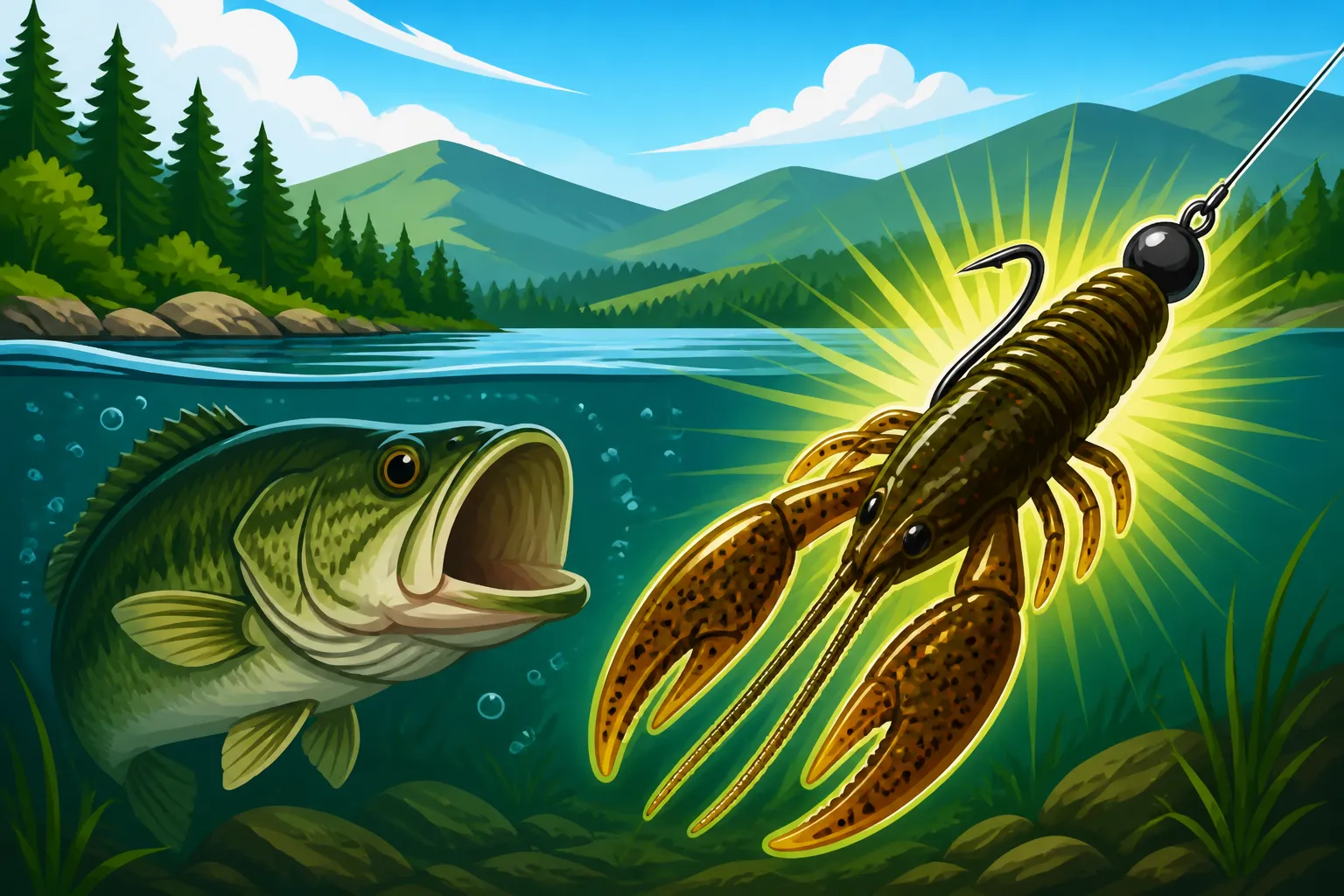
Jigs paired with a soft plastic craw trailer are arguably the most versatile and effective crawfish imitation out there. The jig head provides weight for bottom contact and varied fall rates, while the soft plastic trailer adds the crucial action and profile of a live crawfish.
- Football Jigs: These jigs have a wide, football-shaped head that's perfect for crawling over rocky bottoms and through gravel, which is prime crawfish habitat in many Vermont lakes. The wide head prevents them from getting wedged in cracks as easily as round heads. The jig's skirt adds pulsing action, and a soft plastic craw trailer, like those often found at Bass Pro Shops, completes the illusion with its waving claws and antennae. You can drag them slowly, hop them, or simply let them sit, allowing the skirt and trailer to subtly move in the water, mimicking a foraging or defensive crawfish.
- Swim Jigs: While often associated with imitating baitfish, swim jigs can be incredibly effective crawfish imitators, especially when bass are chasing. Paired with a compact craw trailer, they can be reeled steadily through cover or around docks, providing a fleeing crawfish action. The key is to match the jig color and trailer to a natural crawfish, and retrieve it with an erratic motion, occasionally bumping it off structure.
- Flipping and Pitching Jigs: These jigs typically have a more pointed or tapered head, designed to slip through heavy cover like thick weeds, lily pads, or submerged wood. They're excellent for targeting bass that are buried deep in cover, waiting to ambush a passing crawfish. A bulky craw trailer provides a larger profile, often preferred by bigger bass. These are ideal for close-quarters combat in Vermont's dense shoreline cover.
Soft Plastic Craws: Versatility for Various Rigs
Soft plastic crawfish imitations are incredibly lifelike and offer unmatched versatility. They can be rigged in numerous ways, allowing you to present them exactly how and where the bass are feeding. For sheer variety and convenience, online retailers like Amazon offer a huge array of soft plastic craws from various brands.
- Texas Rig: This is perhaps the most popular way to rig a soft plastic craw. The hook point is embedded into the plastic, making it weedless and ideal for fishing through heavy cover, rocks, or weeds without snagging. The Texas rig allows the craw to sink slowly and naturally, and it can be fished with a slow drag, hops, or short pitches into cover. It's a fantastic option for probing docks, fallen trees, and weed lines in lakes like Lake Dunmore.
- Carolina Rig: When you need to present a crawfish imitation further away from your boat, especially over open flats, humps, or points, the Carolina rig shines. A weight is placed a foot or two up the line from the hook (which is often Texas-rigged), allowing the craw to float or "swim" enticingly above the bottom, mimicking a crawfish scurrying along. This rig is excellent for covering water and finding bass on deeper structures.
- Shaky Head: For a finesse presentation, especially when bass are pressured or the bite is tough, a shaky head jig with a small soft plastic craw is highly effective. The jig head allows the craw to stand upright on the bottom, with its claws waving enticingly with even the slightest rod twitch. It's a subtle, natural presentation that can trigger strikes from wary bass, particularly in clear water or during slower periods.
- Ned Rig: This ultra-finesse technique is gaining immense popularity, and a small, buoyant craw imitation on a mushroom-style jig head is a killer combination. The Ned rig keeps the craw standing vertically off the bottom, presenting a very natural, non-threatening profile. It's fantastic for highly pressured fish or in cold water conditions where a slow, subtle approach is needed.
Crankbaits and Lipless Crankbaits: Aggressive Presentations
While jigs and soft plastics excel at bottom-contact, subtle presentations, crankbaits offer a more aggressive, fleeing crawfish imitation that can trigger reaction strikes.
- Deep-Diving Crankbaits: These lures are designed with a large lip that drives them down to specific depths. When retrieved, they have a wide, wobbling action. The key to using them as crawfish imitations is to select colors that mimic natural crawfish (browns, greens, oranges) and to retrieve them in a way that allows them to "dig" and deflect off the bottom. Bouncing a deep-diving crankbait off rocks, stumps, or hard bottom creates an erratic, fleeing action, stirring up sediment just like a panicked crawfish. This is a great way to cover water and find active bass. You can find a wide range of effective deep-diving crankbaits at Bass Pro Shops.
- Lipless Crankbaits: These lures don't have a diving lip but sink quickly and produce a tight wobble and often a loud rattling sound when retrieved. They are incredibly versatile and can be fished at various depths. For crawfish imitation, use lipless crankbaits in crawfish colors and either rip them off the bottom (a "yo-yo" retrieve) or make them tick the tops of submerged grass, mimicking a crawfish trying to escape or navigate cover. Their noisy rattle can call in bass from a distance, making them excellent search baits. Best Crankbaits for Vermont Smallmouth Bass provides more details on using these effectively.
Choosing the Right Crawfish Lure for Vermont Conditions
The perfect crawfish imitation isn't just one lure; it's selecting the right lure for the right conditions. Vermont's lakes and rivers offer diverse environments, and understanding how to adapt your choice can significantly improve your success.
Matching Color to Water Clarity and Bottom Type
Color selection is paramount when trying to imitate natural forage. It's not just about what looks pretty to you, but what looks natural and visible to a bass in its environment.
- Clear Water: In clear Vermont lakes like Lake Willoughby or even certain sections of Lake Champlain, bass have excellent visibility. Here, natural, subtle colors are key. Think muted greens, browns, and olives that closely mimic the live crawfish found on the bottom. If crawfish are molting, a subtle orange or reddish tint can be incredibly effective, but avoid overly bright or unnatural colors. Translucent options can also work well in very clear water.
- Stained Water: When the water has a slight tint – perhaps a tannic stain from surrounding forests or a bit of turbidity after a rain – you can get away with slightly bolder, yet still natural, colors. Darker browns, pumpkins, and junebugs often perform well. The slight stain reduces visibility, so a little more contrast helps the lure stand out.
- Muddy Water: In truly muddy or very turbid conditions, visibility is extremely low. Here, bright, high-contrast colors can be beneficial, not necessarily because crawfish are these colors, but because they help the bass find the lure. Darker blues (like junebug or black/blue) or even red can create a strong silhouette and visual presence. Often, vibration and scent become more important in these conditions, so pairing a noisy jig with a scented craw can be a good strategy.
Remember to also consider the bottom type. If you're fishing over dark, mucky bottom, a darker crawfish color might blend in. Over lighter sand or gravel, a medium brown or green might be more appropriate.
Sizing Up Your Imitation for Vermont Bass
Just like color, the size of your crawfish imitation matters. Bass feed on various sizes of crawfish throughout their life, and matching the average size of the local forage can be crucial.
Generally, you'll want to match the size of the predominant crawfish in the waterbody you're fishing. In many Vermont lakes, crawfish can range from small, inch-long juveniles to larger, mature specimens pushing three or four inches.
- Finesse Situations: When the bite is tough, bass are pressured, or you're targeting smaller fish, opting for a smaller crawfish imitation (2-3 inches) can be more effective. These can be rigged on a Ned rig or a shaky head.
- Aggressive Bites & Big Bass: When bass are actively feeding and looking for a substantial meal, or if you're specifically targeting trophy-sized bass, larger crawfish imitations (3.5-5 inches) will often be more appealing. These are typically used with Texas rigs, Carolina rigs, or as trailers on larger jigs.
It's always a good idea to start with a medium-sized imitation and adjust up or down based on the feedback you get from the fish. If they're nipping at the claws but not committing, it might be time to size down. If you're catching small fish but looking for bigger ones, try a larger profile. Best Fishing Lakes in Vermont offers insights into various lakes and the size of bass they hold.
Presentation is Key: Making it Look Alive
Even the most realistic crawfish lure won't catch fish if presented incorrectly. The way you work your lure through the water is just as important as its color and size.
Most crawfish presentations revolve around bottom contact. Whether you're dragging a jig, hopping a Texas rig, or bouncing a crankbait, the goal is to make it look like a crawfish interacting with the lakebed.
- Slow & Steady Drag: This is a fantastic technique for jigs and Texas-rigged soft plastics. Simply cast out, let your lure sink to the bottom, and slowly drag it along, occasionally pausing. The pauses are critical, allowing the lure's appendages to subtly move and entice a curious bass.
- Short Hops & Crawls: Instead of a continuous drag, short hops off the bottom can imitate a crawfish moving between rocks or trying to escape. Lift your rod tip slightly to make the lure hop, then let it fall back on a semi-slack line.
- Deflections: When using crankbaits or lipless crankbaits, actively seek out bottom structure like rocks, stumps, or ledges. When your lure collides with these, it creates an erratic, deflecting action that mimics a panicked crawfish. This often triggers an instinctual strike from bass.
- Subtle Twitches: For finesse techniques like the shaky head or Ned rig, very subtle twitches of the rod tip can make the craw's claws "wave" or "dance" on the spot. This minimal movement can be irresistible to wary bass.
Learning to feel the bottom with your rod and line is crucial for effective crawfish fishing. You want to feel every rock, stick, and change in substrate, as these are often where bass are waiting to ambush. Best Tackle for Vermont Smallmouth Bass discusses rod and reel setups that can enhance this sensitivity.
Here's a quick comparison of the main crawfish imitation lure types:
| Lure Type | Primary Action | Best for Depth | Typical Retrieve | Ideal Conditions |
|---|---|---|---|---|
| Jig with Craw Trailer | Bottom crawl, hop, subtle pulse | All depths, especially bottom | Slow drag, hop, lift-and-drop | Rocky bottoms, wood, weeds, varied cover |
| Soft Plastic Craw (Texas/Carolina Rig) | Natural fall, subtle movement | All depths, very versatile | Drag, hop, twitch, slow retrieve (Carolina rig) | Heavy cover, open water, finesse situations |
| Deep-Diving Crankbait | Wide wobble, deflections | Mid to deep (bottom contact) | Steady retrieve, bounce off structure | Covering water, active bass, rocky areas |
| Lipless Crankbait | Tight wiggle, rattle, rip | All depths, fast sink | Rip-and-fall, steady retrieve, ticking cover | Searching, active bass, various depths & cover |
No matter which lure you choose, practice makes perfect. Spend time on the water experimenting with different retrieves and paying attention to how the bass react. You'll quickly learn what works best in your favorite Vermont fishing spots. And remember, sometimes the smallest detail – a slight variation in color or a subtle pause in your retrieve – can make all the difference.
Disclaimer
This article is for general informational purposes only and does not constitute professional advice. Laws, prices and regulations vary by location and change over time. Consult a qualified professional for guidance on your specific situation.