Best tippet size for stocked trout
It's incredibly frustrating, isn't it? You've found a promising spot, maybe a bend in a classic Vermont stream, or a freshly stocked pond, and you’re sure the trout are there, just waiting. But time after time, you get refusals, or worse, a break-off on what felt like a solid hookset. Often, the culprit isn't your fly choice or your casting technique alone, but something far more subtle: your tippet. This guide is going to dive deep into the world of tippet selection, specifically for those feisty, often pressured, stocked trout found across our beautiful Green Mountain State.
The Unsung Hero: Understanding Your Tippet for Stocked Trout
When we talk about fly fishing, a lot of the focus goes to the rod, the reel, and of course, the fly itself. But tucked away at the very end of your leader, a thin, almost invisible strand of line known as tippet plays an absolutely crucial role, especially when you're targeting stocked trout. These fish, while perhaps not as wild or wary as their native cousins, are often highly pressured, meaning they've seen a lot of anglers and a lot of flies. They can become surprisingly selective and skittish.
What Exactly is Tippet?
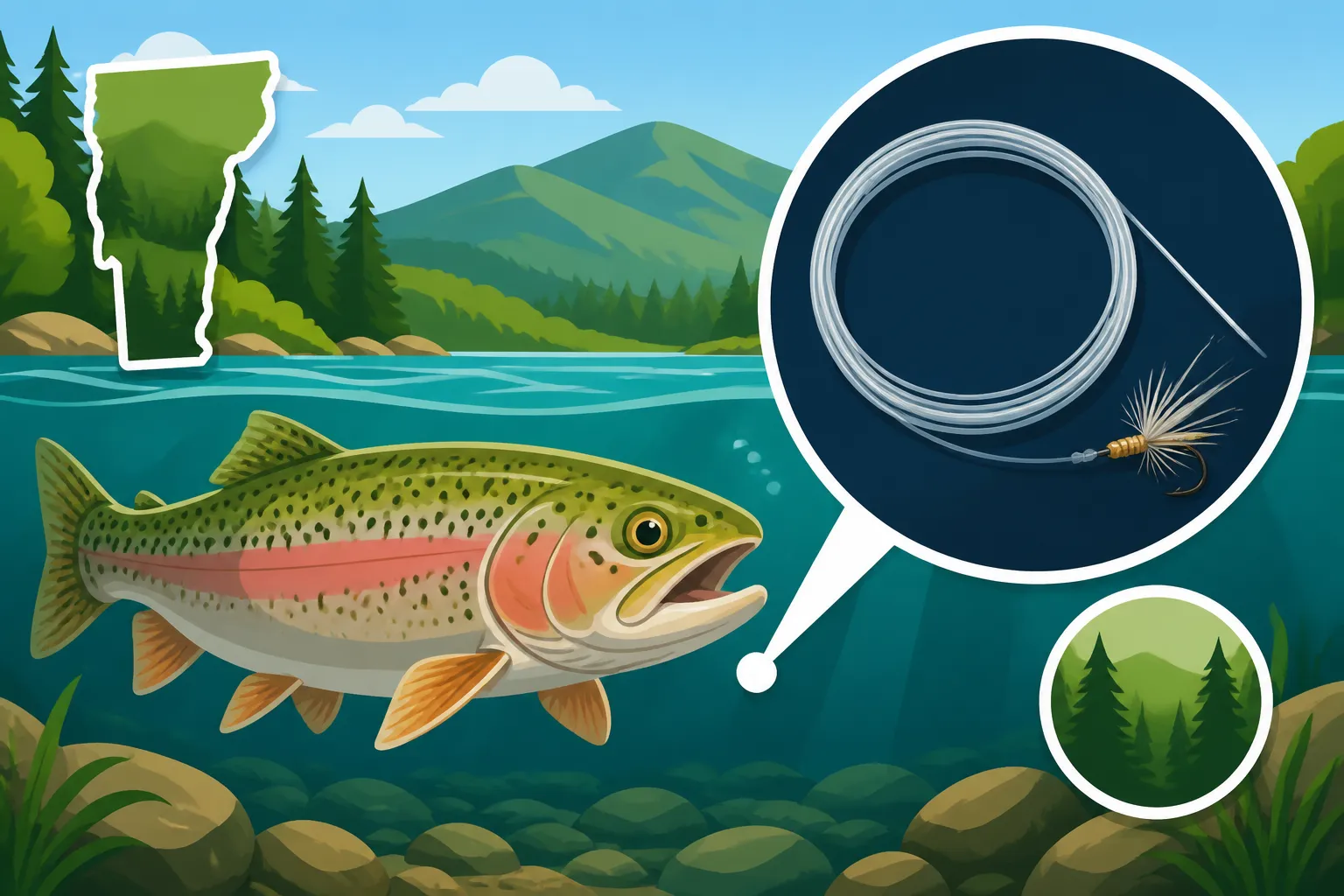
Think of tippet as the business end of your leader. Your fly line is thick and visible, connecting to a tapered leader that gradually gets thinner. The tippet is the final, un-tapered section tied to the very end of that leader, and it’s what you directly tie your fly to. Its primary job is to provide a near-invisible connection to your fly, allowing for natural drift and presentation without spooking the fish. When you change flies, you're usually cutting off a piece of your tippet, so it's designed to be replaceable, prolonging the life of your more expensive tapered leader.
Without the right tippet, even the most perfectly chosen fly can look unnatural or be presented poorly. A tippet that's too thick will create drag, making your dry fly skate across the surface or your nymph drift unnaturally fast. It can also be highly visible in clear Vermont waters, causing fish to shy away. Conversely, a tippet that's too thin might give you a better drift, but risks snapping on a solid strike, especially if you're dealing with a larger, more energetic stocked trout, or if your knots aren't perfectly tied. It's a constant balancing act.
Why Tippet Matters So Much for Stocked Trout
Stocked trout are a unique challenge. Unlike wild trout that have developed instincts for survival and often inhabit less pressured waters, stocked fish are frequently introduced into easily accessible ponds and streams that see heavy angling pressure. This isn't to say they're easy catches, far from it! They often become "educated" quickly, learning to avoid flies that look unnatural or are tethered to visible lines.
The clear, cold waters of many Vermont streams and ponds, especially those that are frequently stocked, mean that stealth is paramount. A thick tippet, even a fraction of a millimeter wider than ideal, can be enough to put off a wary trout that's already seen a dozen other anglers' offerings that day. A fine tippet helps your fly sink more naturally, especially with nymphs, or float more freely with dry flies, mimicking the real insects these fish are accustomed to seeing—or at least the ones they've learned to eat. For those just getting into fly fishing in the state, understanding this nuance is critical to a successful outing. You might find great success on How to Catch Trout Right After Stocking in Vermont by using the right tippet from the start.
Deciphering the X-Rating: What Do Those Numbers Mean?
If you've ever looked at a spool of tippet, you've probably seen numbers like 4X, 5X, or 6X. This "X-rating" system is the industry standard for classifying tippet and leaders by diameter and, consequently, approximate breaking strength. It's a system that can seem a little cryptic at first, but once you understand it, it makes selecting the right tippet much simpler.
The X-Rating System Explained
The X-rating directly corresponds to the diameter of the line. The higher the X number, the thinner the tippet. So, 7X tippet is much finer than 3X tippet. This system developed from a historical method used in silkworm gut leaders, and while the materials have changed drastically (from gut to nylon to fluorocarbon), the X-rating has stuck around.
Here's a general breakdown of what those numbers usually translate to:
| X-Rating | Diameter (inches) | Diameter (mm) | Approximate Breaking Strength (lbs) | Common Use for Stocked Trout |
|---|---|---|---|---|
| 0X | .011 | 0.28 | 11.5 – 15 | Heavy streamers, larger flies |
| 1X | .010 | 0.25 | 10 – 13 | Larger streamers, aggressive fish |
| 2X | .009 | 0.23 | 8 – 11 | Medium-large streamers, nymph rigs |
| 3X | .008 | 0.20 | 6 – 9 | Streamers, larger nymphs, indicator rigs |
| 4X | .007 | 0.18 | 5 – 7.5 | Standard nymphs, larger dry flies |
| 5X | .006 | 0.15 | 4 – 6 | Smaller nymphs, most dry flies |
| 6X | .005 | 0.13 | 3 – 5 | Small dry flies, tiny nymphs, highly pressured fish |
| 7X | .004 | 0.10 | 2 – 3 | Midge patterns, extremely wary fish |
Remember, these are approximate ranges, and different manufacturers may have slight variations in diameter and stated breaking strength for the same X-rating. Always check the spool for the exact specifications if you're particularly concerned. Both Bass Pro Shops and online retailers like Amazon carry a wide array of tippet from various brands, making it easy to compare.
Nylon vs. Fluorocarbon: Which is Best for Stocked Trout?
When choosing tippet, you'll primarily be looking at two materials: nylon monofilament and fluorocarbon. Each has its pros and cons, and understanding them will help you make a more informed choice for your Vermont trout adventures.
Nylon Monofilament Tippet:
Nylon is the traditional and generally more affordable option. It's supple, which makes it excellent for knot tying, and it has a bit of stretch, which can act as a shock absorber when a fish strikes aggressively. Its main advantage for dry fly fishing is that it floats, or at least stays on the surface tension, which helps keep your dry fly riding high and creates less drag. However, nylon is more visible underwater than fluorocarbon and can absorb water over time, which might slightly weaken it. For surface presentations in moving water, or when you need some stretch for powerful hooksets, nylon is a fantastic choice. For a deep dive into different presentations, check out Fly Fishing for Trout in Vermont.
Fluorocarbon Tippet:
Fluorocarbon is a newer material that has gained immense popularity, especially for subsurface fishing. Its key advantage is its refractive index, which is very close to that of water, making it nearly invisible once submerged. It's also much denser than nylon, causing it to sink faster, which is a huge plus when nymphing or fishing streamers. Fluorocarbon is also more abrasion-resistant, a benefit when fishing around rocky bottoms or submerged timber. The trade-off? It's generally more expensive, has less stretch, and can be a bit stiffer, sometimes making knot tying a little trickier. For nymphing the West River or fishing streamers in the Winooski, fluorocarbon can give you a distinct edge.
For stocked trout, a lot of anglers will carry both. Nylon for dry flies and general-purpose fishing, and fluorocarbon for when they need to get a fly down quickly and remain as stealthy as possible, like on a bright, sunny day in clear water.
Choosing the Right Tippet Size for Vermont's Stocked Trout
Now for the million-dollar question: what's the best tippet size for stocked trout? The truth is, there's no single "best" size, as it depends on several factors that can change even throughout a single day on the water. However, we can narrow it down to a few common ranges and explain when to use each.
General Recommendations: The Sweet Spot (4X-6X)
For most general-purpose stocked trout fishing in Vermont, you'll find yourself reaching for tippet in the 4X to 6X range. This spectrum offers a good balance between stealth and strength for the average stocked fish.
-
5X Tippet: If you were to pick one "all-around" tippet size for stocked trout, 5X would likely be it. It's fine enough to present most common nymph and dry fly patterns naturally, yet stout enough to handle a spirited 12-16 inch trout without undue worry of breakage, provided you have good knot work and a properly set drag. Many anglers start with 5X and adjust as needed. This is a great choice for fishing places like the Lamoille River or Otter Creek for freshly stocked fish.
-
4X Tippet: When you're using slightly larger flies, perhaps a bigger Woolly Bugger or a substantial stimulator dry fly, or if you're fishing in slightly off-color water (maybe after a light rain) where visibility isn't as critical, 4X tippet offers a bit more security. It's also a good choice if you're expecting larger than average stocked fish or if you tend to fish with a heavier hand. It's also quite useful if you're using an indicator rig with heavier nymphs. This size gives you more confidence around submerged structure or in strong currents.
-
6X Tippet: This is your stealthiest option in the common range. Reach for 6X when fish are extra finicky, the water is crystal clear and low, or you're tying on very small flies (like midge patterns or tiny emergers). Stocked trout, after a few days of pressure, can become incredibly discerning, and a fine 6X tippet can be the difference between a refusal and a hookup. Just be prepared to play the fish gently, as its breaking strength is considerably lower. This is particularly useful for fishing small, clear mountain streams that get stocked, where the trout are already used to dodging predators.
When to Go Thicker: Power and Larger Flies (0X-3X)
While finesse is often key for stocked trout, there are definitely times when a heavier tippet is not just acceptable, but preferable.
-
3X Tippet: If you're throwing larger streamers, like bigger sculpin patterns or even small articulated flies, 3X offers the strength needed to turn those flies over and handle the ensuing strike. It's also a good choice if you're targeting those "trophy" sized stocked trout often found in specific Vermont waters. When fishing deeper sections with heavier nymph rigs and multiple flies, 3X can also help manage the weight and prevent tangles. Just remember that its increased visibility might require faster, more aggressive fish or less clear water conditions.
-
0X-2X Tippet: These heavier sizes are generally reserved for very large streamers, such as those you might use when trying to tempt a trophy brown trout that's been stocked in a lake, or for specific situations where maximum abrasion resistance is required. For the typical "catchable" stocked trout in most Vermont waters, these sizes are usually overkill and will likely spook more fish than they hook. However, if you're combining fly fishing with spinning tackle and targeting larger stocked fish, a strong tippet could be considered.
When to Go Finer: Extreme Stealth (7X and Beyond)
On the other end of the spectrum, sometimes even 6X isn't enough.
- 7X Tippet: This ultra-fine tippet is for those truly technical situations. Think tiny midges on smooth, glassy water, or incredibly wary fish in very clear, shallow pools. If you're fishing during a sparse winter midge hatch or on a bluebird summer day when the water is low and clear, 7X might be your only chance at a hookup. The downside is obvious: minimal breaking strength. You'll need a very delicate touch, a soft rod, and an impeccable drag system to land anything substantial on 7X. It takes skill and patience, but it can be incredibly rewarding. You might find this necessary on some of the Vermont Catch and Release Fly Fishing Only Waters when the fish are particularly spooky.
Remember, the goal is always the lightest tippet you can get away with, while still having enough strength to land the fish safely and efficiently.
Practical Considerations for Tippet Selection in Vermont
Beyond the X-rating, several real-world factors influence your tippet choice. Thinking through these will make you a more versatile and successful angler on Vermont's stocked waters.
Matching Tippet to Fly Size
This is a golden rule in fly fishing. A tippet that's too heavy for your fly will inhibit its natural movement in the water, making it look artificial. A tippet that's too light for a large fly might break off during the cast itself, let alone during a fight.
A common guideline is to take the size of your fly hook and divide it by three to get a general idea of the X-rating. For example, a size 12 fly might pair well with 4X tippet (12 divided by 3 is 4). For a size 18 fly, 6X would be a good starting point. This isn't a hard and fast rule, but it provides a good mental shortcut. Always aim for the tippet to be proportionate to the fly, allowing it to move as freely as possible. For specific fly recommendations, consult a guide like Best Fly Patterns for Vermont Trout Streams.
Water Conditions: Clarity and Flow
Vermont's streams and ponds offer a wide range of water conditions, all of which impact tippet choice.
- Clear, Low Water: This is where you absolutely need to go thin. On bright, sunny days with low, clear flows, fish have ample time to inspect your offering. Opt for 5X or even 6X tippet. This is particularly true for many of our smaller, accessible streams after a dry spell.
- Stained or Turbid Water: After a rain shower or during runoff, water can become stained. In these conditions, visibility is reduced, and fish are less likely to spot a slightly thicker tippet. You can often get away with 4X or even 3X, which provides more breaking strength and peace of mind.
- Fast, Turbulent Water: In riffles and pocket water, the chaotic currents naturally hide your line. The fish have less time to inspect, and you might need the extra strength to control a fish in heavy current. Here, 4X or 3X can be a good choice, especially if you're fishing heavier nymphs or streamers that need to get down quickly.
- Slow, Glassy Pools: These are some of the most challenging conditions. The slightest ripple from a thick tippet can spook fish. Go as thin as you dare, usually 6X or 7X, and focus on delicate presentations.
Fish Size and Pressure
While stocked trout are generally not as large as some wild lake trout, they can still put up a respectable fight. Most stocked trout in Vermont average 10-15 inches, but some programs release larger "brood stock" fish that can be 18-20 inches or more.
- Average Stocked Fish: For the typical 10-14 inch stocked trout, 5X tippet is usually adequate.
- Larger Stocked Fish (Trophy Trout Programs): If you're fishing a pond known for Vermont Trophy Trout Program Waters, where larger fish are stocked, you might consider bumping up to 4X, especially if you're using larger flies. The added strength can prevent heartbreak.
- Highly Pressured Fish: As mentioned, stocked trout in popular areas can become incredibly wary. They've seen it all. In these scenarios, going down to 6X (or even 7X for very small flies) can significantly increase your hook-up rates, even for average-sized fish. It's about deceiving them.
Tippet Longevity and Maintenance
Tippet isn't something you just tie on and forget about. Like any part of your fishing gear, it benefits from a little care and attention. Ignoring your tippet can lead to lost fish, which is the ultimate frustration.
Checking and Changing Your Tippet
Before and during your fishing session, make it a habit to inspect your tippet.
- Nicks and Abrasions: Run your fingers gently along the length of your tippet. If you feel any rough spots, nicks, or kinks, it's time to replace that section. Rocks, fish teeth, and even contact with your own net can weaken the line.
- Knot Integrity: Even the best knots can slip or weaken over time, especially after catching a few fish. Give your knots a gentle tug to ensure they're secure. If you've changed flies multiple times in the same session, you might have shortened your tippet considerably, or the repeated knot tying has weakened the remaining section. It's often better to cut back to your leader and tie on a fresh piece of tippet rather than risking a break-off on a good fish.
- UV Exposure: Nylon, especially, can degrade over long periods of exposure to UV light. While this isn't usually a concern during a single fishing trip, it's a good reminder to store your tippet spools in a cool, dark place when not in use.
Keeping a few extra spools of tippet in your fishing vest or pack is always a smart move. When you're standing knee-deep in a Vermont stream and suddenly realize your tippet is frayed, you'll be glad you have a fresh spool on hand. Many anglers keep a small tippet holder with several different X-sizes readily accessible. You can find these essentials easily at stores like Bass Pro Shops or through online retailers such as Amazon, ensuring you're never caught unprepared.
The Importance of Good Knots
A perfect tippet choice can be undone by a poorly tied knot. For connecting your tippet to your leader, the blood knot or surgeon's knot are excellent choices, known for their strength and slim profile. For attaching your fly to the tippet, the improved clinch knot or the Davy knot are popular and reliable options.
Practicing your knots at home, perhaps while watching your favorite fishing show, will build muscle memory and ensure that when you're streamside with cold fingers, you can tie a strong, reliable knot quickly. There's nothing worse than losing a fish because of a knot failure that could have been prevented.
Choosing the right tippet size for stocked trout in Vermont is more than just a minor detail; it's a fundamental aspect of successful fly fishing. By understanding the X-rating system, knowing when to opt for nylon versus fluorocarbon, and adjusting your choice based on conditions and fish behavior, you'll significantly increase your chances of fooling those often-wary stocked trout. It's a small change that can make a huge difference in your enjoyment and success on the water. So next time you head out to chase those Vermont trout, give your tippet the attention it deserves!
Disclaimer
This article is for general informational purposes only and does not constitute professional advice. Laws, prices and regulations vary by location and change over time. Consult a qualified professional for guidance on your specific situation.