Best Trolling Motor for a Fishing Kayak
Kayak fishing has absolutely exploded in popularity here in Vermont, and for good reason! There's nothing quite like the stealth and intimacy of being on the water in your own small craft, gliding silently through lily pads or hugging a rocky shoreline. But let's be honest, paddling all day, especially on larger waters or against a strong current, can really wear you out. It limits how much water you can cover and how many prime fishing spots you can hit. That's where a good trolling motor comes into play, transforming your simple paddle craft into a truly versatile fishing machine. This guide will walk you through everything you need to know about choosing the best trolling motor for your fishing kayak, specifically for tackling Vermont's diverse lakes and rivers.
Why a Trolling Motor is a Game Changer for Vermont Kayak Fishing
If you've ever found yourself exhausted after a long day of paddling, wishing you could just hold position against the wind while trying to land a fish, you already understand the appeal of a trolling motor. For Vermont anglers, these silent powerhouses offer a level of convenience and capability that traditional paddling simply can't match.
Expanding Your Fishing Range and Efficiency
One of the biggest limitations of kayak fishing with a paddle alone is the sheer physical effort required to cover significant distances. Vermont boasts some truly expansive bodies of water, from the vast stretches of Lake Champlain to the deeper waters of Lake Memphremagog or even larger rivers like the Connecticut. Trying to paddle across these on a windy day, or fighting a strong current upstream, can be an exercise in frustration more than fishing.
A trolling motor frees you from this constant physical drain. Imagine being able to effortlessly zip to that promising point on the far side of a cove, or quickly relocate after a bite without feeling like your arms are going to fall off. This increased efficiency means more time actually casting and less time struggling with propulsion, allowing you to explore new fishing grounds that were previously out of reach or too arduous to attempt. It truly transforms how much of a lake or river you can effectively fish in a single outing.
Precise Boat Control and Hands-Free Operation
Trying to maintain a precise casting angle or hold your kayak steady over a submerged humps in a stiff breeze with just a paddle is a special kind of torture. You're constantly adjusting, taking a hand off your rod, and often getting blown off your target before you can even make a proper presentation. It takes away from the focus and enjoyment of the actual fishing.
This is where a trolling motor shines. With a foot pedal or remote control, you can effortlessly adjust your position, glide along a contour line, or hold steady against wind or current, all while keeping your hands on your rod. Many modern motors even offer GPS-enabled "spot-lock" features, which are like an electronic anchor, holding your kayak precisely in place over a specific piece of structure. This hands-free control is invaluable for techniques like jigging, drop-shotting, or even just soaking bait, ensuring you stay exactly where the fish are.
The Silent Advantage for Spooky Vermont Fish
One of the inherent benefits of kayak fishing is its stealth. Unlike noisy gas motors, electric trolling motors operate with remarkable quietness, barely disturbing the water around you. This silent approach is absolutely critical when targeting wary fish species in Vermont's often clear waters, especially in shallower areas.
Whether you're stalking elusive brook trout in a mountain pond, sight-fishing for largemouth bass tucked into weed beds, or trying to sneak up on schooling perch, a quiet approach makes all the difference. The ability to move slowly and silently allows you to get closer to your quarry without spooking them, often leading to more bites and a more successful day on the water. It maintains the natural, intimate feel of kayak fishing while adding a powerful tool to your arsenal.
Understanding Trolling Motor Specifications for Your Kayak
Choosing the right trolling motor isn't just about picking one off the shelf. You need to consider several key specifications to ensure it's a good match for your specific kayak, the types of water you'll be fishing in Vermont, and your personal fishing style. Get these right, and you'll be set for countless successful outings.
Thrust Ratings: How Much Power Do You Need?
Thrust, measured in pounds (lbs), is essentially the pushing power of your trolling motor. Too little thrust, and you'll struggle against wind or current; too much, and you might be carrying unnecessary weight and spending more than you need to. A common rule of thumb is to have at least 2 pounds of thrust for every 100 pounds of fully loaded kayak weight. This "fully loaded" weight includes your kayak, yourself, all your fishing gear, and your battery.
For example, if your kayak weighs 70 lbs, you weigh 200 lbs, and your gear/battery adds another 50 lbs, your total weight is 320 lbs. Following the rule, you'd want at least 6.4 lbs of thrust. However, this is a minimum. For Vermont's larger, wind-swept lakes like Lake Champlain or the swift currents of the Lamoille River, you'll generally want to err on the side of more power. Many kayak anglers find that motors in the 30-55 lb thrust range offer a good balance of power and efficiency for most situations. A higher thrust motor provides a greater margin of safety and control when conditions get choppy.
| Kayak Type / Conditions | Recommended Thrust Range (lbs) | Notes |
|---|---|---|
| Small Ponds / Calm Rivers | 20-30 | Good for lightweight kayaks and minimal wind/current. |
| Medium Lakes / Moderate Current | 30-45 | Versatile for many Vermont lakes and smaller rivers, decent wind resistance. |
| Large Lakes / Strong Currents | 45-55+ | Ideal for Lake Champlain, Lake Memphremagog, larger rivers, and choppy conditions. |
| Heavy Kayaks / Two Anglers | 50-70+ | Consider for tandem kayaks or heavily loaded fishing kayaks. |
Shaft Length: Getting the Right Depth in Vermont Waters
The shaft length of your trolling motor determines how deep the propeller sits in the water. This is a crucial consideration for kayak fishing, as kayaks sit very low to the water. If the shaft is too short, your propeller can come out of the water in choppy conditions, losing thrust and potentially damaging the motor if it hits something. If it's too long, it can be difficult to mount and control, or it might get hung up in shallow water.
For most fishing kayaks, a shaft length between 30 and 42 inches is generally sufficient. Measure from your mounting point (whether it's the transom or bow) down to a point where the propeller will be fully submerged, typically 6-12 inches below the waterline. Remember to account for waves and swells, especially on a large body like Lake Champlain. A slightly longer shaft provides more flexibility and ensures consistent propulsion, preventing the motor from cavitating when you hit a wake. Conversely, if you plan to fish very shallow areas frequently, consider a motor that allows for easy depth adjustment.
Battery Power: Lead-Acid vs. Lithium-Ion
Your trolling motor is only as good as the battery powering it. For kayak fishing, battery choice is often a trade-off between cost, weight, and run time.
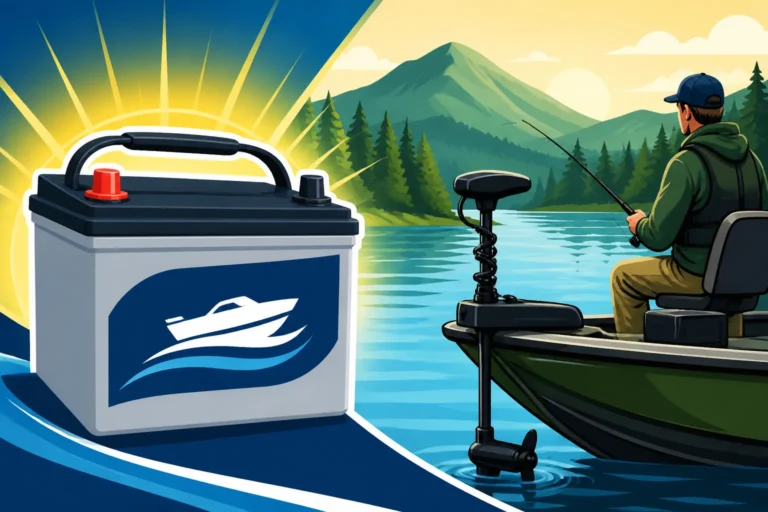
- Lead-Acid Batteries: These are the most common and budget-friendly option. Deep cycle marine batteries are designed for sustained discharge, perfect for trolling motors. However, they are heavy, typically weighing 50-70 pounds for a single 12V group 27 or 31 battery, which can significantly impact your kayak's stability and portability. They also have a more limited number of charge cycles. If you're on a tighter budget or only fish occasionally on smaller waters, they're a viable choice.
- Lithium-Ion (LiFePO4) Batteries: While a significant upfront investment, lithium batteries offer numerous advantages for kayak anglers. They are dramatically lighter (often half the weight of a comparable lead-acid battery), last much longer on a single charge, and have a far greater number of charge cycles, meaning they'll last for years. Their lighter weight also helps maintain your kayak's performance and makes transportation easier. For serious kayak anglers who spend long days on the water or frequently fish larger lakes like Best Kayak for Lake Champlain, the benefits often outweigh the higher cost. Investing in a good lithium battery is almost like having extra fuel for your adventure. You can find a wide range of battery options, from economical lead-acid to advanced lithium, at stores like Bass Pro Shops or online at Amazon. For more detailed insights, check out Best Trolling Motor Battery for a Fishing Kayak.
Mounting Your Trolling Motor: Options and Considerations for Kayaks
Once you've got a handle on the motor's specs, the next big question is how you're going to attach it to your kayak. Unlike traditional boats with built-in transoms, kayaks require a bit more thought and often some aftermarket solutions. The mounting location significantly impacts your control and the overall balance of your craft.
Transom Mounts: Simple and Adaptable
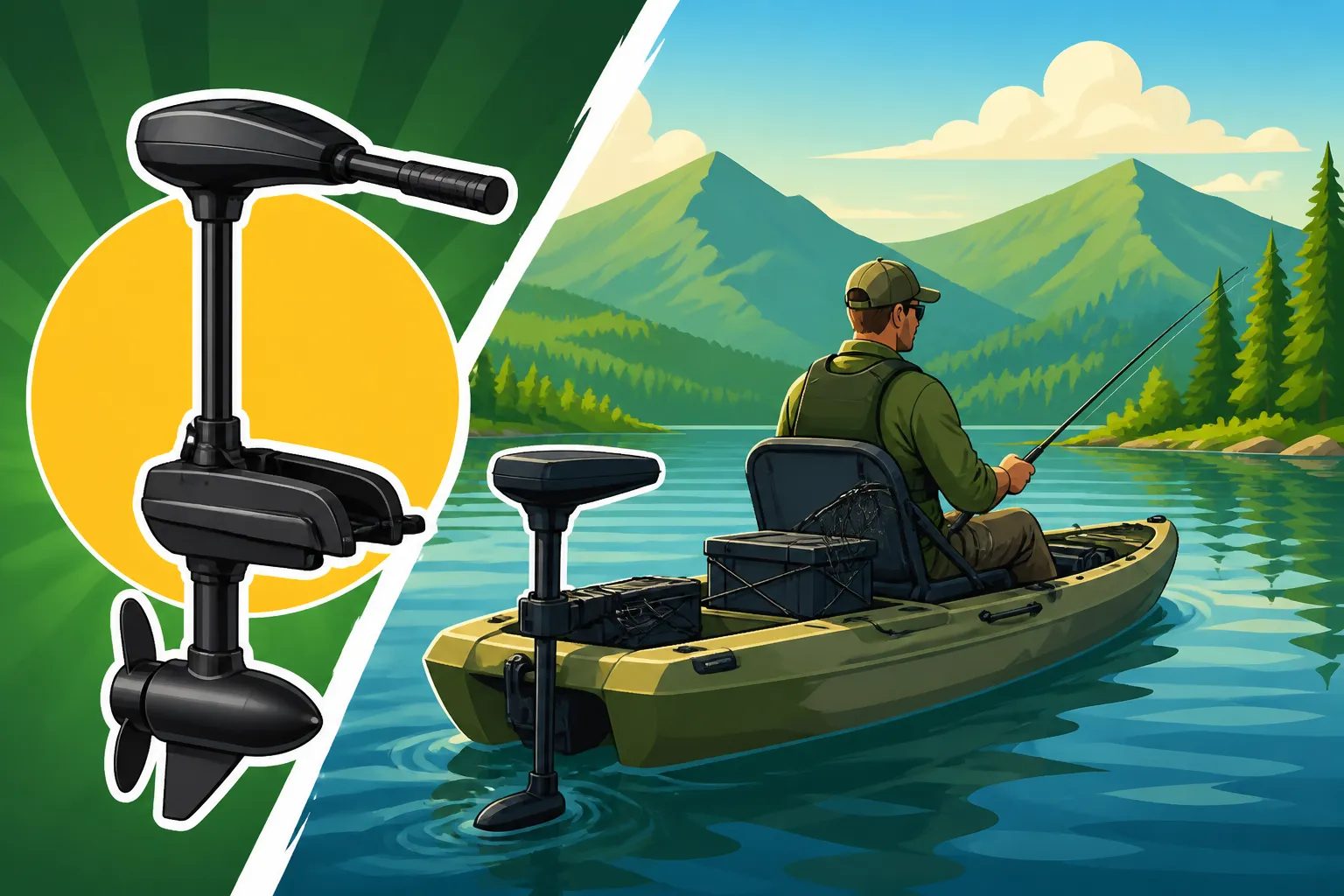
Transom mounts are arguably the most common and easiest way to attach a trolling motor to a kayak. These motors are designed to clamp directly onto the stern (rear) of a boat. For kayaks, this usually means adding a purpose-built or DIY transom plate or bracket to the stern. Many sit-on-top fishing kayaks come "motor-ready" with a flat area or molded recess specifically for this purpose.
The main advantage of a transom mount is its simplicity and affordability. The motor is easily installed and removed, and it offers decent propulsion. However, controlling a transom-mounted motor can be a bit awkward. You typically steer by reaching behind you to turn the motor head, or you can add a tiller extension for easier reach. In windy conditions or strong currents, steering from the rear isn't always as precise as a bow-mounted option, and it can interfere with your rudder system if you have one. Still, for many anglers, especially those on a budget or fishing smaller bodies of water in Vermont, a transom mount is a perfectly effective solution for Best Kayaks for Vermont Fishing.
Bow Mounts: Superior Control and Integration
Bow-mounted trolling motors offer the best control and maneuverability for kayaks, especially when dealing with wind or current. Pushing the kayak from the front provides much more intuitive steering, allowing you to "pull" the boat where you want it to go, rather than "pushing" it from the back. These motors often come with foot pedal controls or wireless remote controls, leaving your hands free for fishing.
The downside is that bow mounting a traditional trolling motor on a kayak can be more challenging. It typically requires a kayak specifically designed for a bow motor, or significant customization. These specialized kayaks often feature a flat bow deck, reinforced mounting points, and internal wiring channels. While more complex to set up initially, the superior control, especially with advanced GPS features like spot-lock, makes bow-mounted motors a top choice for serious anglers who prioritize precision. They are particularly effective for navigating intricate shorelines or holding steady over discrete structure on a lake.
Side Mounts and DIY Solutions
If your kayak isn't ideal for a transom or bow mount, or if you want a flexible option, a side mount might be worth considering. Side mounts involve attaching a bracket to the gunwale (side) of your kayak, allowing the trolling motor to sit off to one side. This can be a practical solution for kayaks with unique stern or bow designs.
While side mounts offer adaptability, they can sometimes create an imbalance in the kayak, and the motor may feel more "in the way" than other options. Steering can also be less intuitive. Many kayak anglers who choose side mounts end up fabricating their own custom brackets using PVC pipe, aluminum, or wood, designing them to be easily removable. This DIY approach allows for a tailored fit to your specific kayak and fishing style. When considering DIY, always prioritize safety and ensure the mount is robust enough to handle the motor's thrust and vibrations, especially if you're navigating rougher waters like those found on Best Kayak for River Fishing in Vermont.
Popular Trolling Motor Types and Brands for Kayak Anglers
The market for trolling motors has expanded considerably, with options catering specifically to the unique needs of kayak anglers. From tried-and-true workhorses to high-tech marvels, there's likely a motor out there that fits your budget and fishing aspirations for Vermont's waters.
Traditional Motors: Minn Kota and MotorGuide for Value
When most people think of trolling motors, they think of brands like Minn Kota and MotorGuide. These companies have been leaders in the industry for decades, and their traditional transom-mount motors are often the go-to for kayak anglers looking for a reliable, cost-effective solution.
- Minn Kota: Known for their robust construction and wide range of models, Minn Kota offers motors like the Endura C2 or Traxxis series that are popular among kayak users. They come in various thrust levels (e.g., 30-55 lbs) and often feature multiple speed settings and a durable composite shaft. While designed primarily for larger boats, their smaller transom-mount models are easily adapted to kayaks with a sturdy mounting bracket.
- MotorGuide: MotorGuide provides a strong alternative, with models like the R3 or R5 series offering similar features and reliability. They often boast ergonomic tiller handles and powerful performance. Both Minn Kota and MotorGuide motors are widely available at sporting goods stores and online. These motors provide excellent value and are perfect for getting started with motorized kayak fishing on Vermont's lakes and rivers. You can often find great deals and a wide selection of these models at Bass Pro Shops or through retailers like Amazon.
Integrated and Purpose-Built Kayak Systems
As kayak fishing has grown, manufacturers have responded with kayaks designed from the ground up to integrate trolling motors, or motors specifically engineered for kayaks. These systems offer a cleaner look, better performance, and often easier installation.
Brands like Old Town, for example, have developed entire lines of fishing kayaks (e.g., the Sportsman line) with dedicated motor wells and integrated wiring. These boats are designed to accept specialized motors that drop directly into a central well, providing exceptional balance and control. Hobie, famous for its pedal drive kayaks, also offers integrated electric motor options that can augment or replace the pedal system. These purpose-built solutions minimize rigging and provide a seamless, factory-installed feel. While they often come at a higher price point, the convenience and performance can be well worth the investment for anglers who prioritize a streamlined setup.
High-Performance Electric Outboards: Torqeedo and Bixpy
For those seeking cutting-edge technology, maximum efficiency, and premium performance, high-performance electric outboards like those from Torqeedo or Bixpy are leading the charge. These aren't your grandpa's trolling motors; they're essentially miniature electric outboards optimized for small craft.
- Torqeedo: Torqeedo's Ultralight series, for instance, is specifically designed for kayaks and canoes. These motors are incredibly lightweight, efficient, and often feature integrated lithium batteries and advanced GPS functionality (including spot-lock and range calculation). They offer impressive range and speed for their size, making them ideal for covering vast distances on Lake Champlain or other large Vermont waters.
- Bixpy: Bixpy is another innovator, known for its compact and powerful jet propulsion motors that can be adapted to almost any kayak via universal adapters or integrated into pedal drive systems. Their lightweight design and high thrust-to-weight ratio make them excellent for adding substantial power without bogging down your kayak. These premium options represent the pinnacle of kayak motorization, offering advanced features and robust performance for discerning anglers.
Essential Accessories and Safe Operation in Vermont
Getting the right trolling motor is just part of the equation. To ensure safe, reliable, and enjoyable motorized kayak fishing in Vermont, you'll need a few key accessories and a strong understanding of responsible operation. Neglecting these details can lead to frustration or, more importantly, safety hazards.
Powering Up: Batteries, Chargers, and Wiring
As we discussed, your battery is the heart of your trolling motor system. But it's not just about the battery itself. You'll need a suitable marine battery charger to keep it topped off. For deep cycle lead-acid batteries, a multi-stage marine charger is essential for optimal performance and longevity. For lithium batteries, you'll need a specific LiFePO4 compatible charger.
Beyond the battery, proper wiring and protection are critical. Always use marine-grade wiring that is appropriately gauged for your motor's amperage draw to prevent overheating and ensure efficient power delivery. An inline fuse or circuit breaker is an absolute must, placed as close to the battery as possible. This protects your motor and battery from surges and shorts, preventing costly damage and potential fire hazards. Consider a waterproof battery box to house your battery, keeping it dry and protected from the elements, which is especially important during unpredictable Vermont weather.
Mounting Hardware and Secure Attachment
Regardless of whether you choose a transom, bow, or side mount, having robust and secure mounting hardware is non-negotiable. For transom mounts, many anglers use aftermarket kayak motor mounts made from durable marine-grade plastic or aluminum. These typically clamp onto the kayak's stern. For bow mounts, specialized mounting plates are often required, sometimes involving drilling through the kayak deck (ensure you seal any drilled holes properly to prevent water intrusion!).
Even with universal brackets, it's wise to double-check all connections and hardware regularly. Vibrations from the motor, especially over rough water, can loosen bolts over time. Consider using locknuts or thread-locking compound for added security. If you're going the DIY route, ensure your materials are strong enough to withstand constant exposure to water and UV, and don't skimp on fasteners. A motor that detaches in the middle of a remote lake is a nightmare scenario. Reliable mounting kits and marine hardware are readily available on Amazon or at any Bass Pro Shops.
Navigational Aids and Vermont Boating Regulations
Motorizing your kayak, even with a small trolling motor, changes its classification in the eyes of the law in many places, including Vermont. You are no longer just a paddle craft; you are operating a motorized vessel. This means you need to be aware of and comply with relevant Vermont boating regulations.
Key safety requirements include:
- Personal Flotation Devices (PFDs): Always wear a properly fitted PFD when on the water. This is non-negotiable, especially when operating a motorized craft. For more details, refer to Life Jacket Requirements for Vermont Boaters.
- Visual Distress Signals: Depending on the size of the water body and the time of day, you may need visual distress signals.
- Navigation Lights: If you plan to be on the water between sunset and sunrise, you will need proper navigation lights (a white all-around light and potentially red/green sidelights, depending on kayak length).
- Visibility Flag: While not always legally required for kayaks, a tall, orange or brightly colored visibility flag is a smart addition, especially on busy lakes like Champlain, to make your low-profile craft more visible to other boaters.
- Sound-Producing Device: A whistle or horn is often required on motorized vessels.
Always review the current Vermont Boating Laws for Anglers from the Vermont Fish & Wildlife Department. Being informed ensures not only your safety but also a smooth, legal day on the water.
Maximizing Your Kayak Trolling Motor's Performance on Vermont Waters
Having the right trolling motor is a great start, but truly getting the most out of it involves more than just plugging it in and going. Mastering its use and maintaining it properly will ensure years of successful fishing adventures across Vermont.
Mastering Maneuvering and Power Management
Operating a motorized kayak isn't quite like paddling, nor is it like driving a larger boat. There's a learning curve involved in truly mastering the control. Start by practicing in calm, open water. Get a feel for how your kayak responds to different thrust settings and steering inputs. Practice holding a straight line, making tight turns, and reversing. Understand how wind and current affect your kayak when using the motor, and how to compensate for them.
Power management is also key to extending your battery life, especially on those long days fishing the expansive waters of Vermont. Resist the urge to run your motor at full throttle constantly. Most electric motors are far more efficient at lower speeds. Use bursts of higher power to get to your spot, then dial it back to a lower, sustained speed for trolling or holding position. This not only conserves battery but also provides a quieter, more stealthy approach to your fishing spots. Learning to feather the throttle and make subtle adjustments will make you a far more effective angler.
Maintenance Tips for Longevity in Vermont's Climate
Vermont's variable climate, from humid summers to freezing winters, means your trolling motor needs proper care to last. Regular maintenance will prevent issues and extend its lifespan.
- Rinse After Use: Always rinse your motor thoroughly with fresh water after each outing, especially if you've been in Lake Champlain, which has a higher mineral content. Pay special attention to the propeller and any moving parts.
- Check the Propeller: Regularly inspect the propeller for fishing line, weeds, or damage. Even a small nick can reduce efficiency and cause vibrations. Keep a spare prop on hand.
- Battery Care: Store your battery in a cool, dry place. For lead-acid batteries, keep them fully charged during storage, especially over the long Vermont winter, to prevent sulfation. For lithium batteries, follow the manufacturer's specific charging and storage recommendations.
- Motor Storage: When not in use, store your trolling motor in a dry location, preferably indoors, especially during the off-season. Disconnect it from the battery to prevent any phantom drain.
- Wiring Inspection: Periodically check all wiring connections for corrosion, fraying, or loose terminals. A dab of marine grease on terminals can help prevent corrosion.
Combining Paddle and Power for Ultimate Versatility
The beauty of adding a trolling motor to your kayak isn't about replacing your paddle; it's about complementing it. The most effective kayak anglers often use a combination of both for maximum versatility.
Think of your motor as a tool for covering distance, fighting current, or holding position precisely. Your paddle, however, is still invaluable for silent, stealthy approaches into shallow coves, maneuvering through dense cover, or making quick, quiet micro-adjustments when a fish is close. You might use the motor to travel across a large section of Best Fishing Lakes in Vermont, then switch to paddling as you enter a quiet bay where fish are easily spooked. Or, use the motor to fight a strong headwind, then paddle gently when drifting down current. This hybrid approach allows you to adapt to any situation on the water, giving you the best of both worlds and enhancing your Best Kayak Fishing Techniques for Vermont Lakes. It's about empowering yourself with options, not limiting them.
Incorporating a trolling motor into your kayak fishing setup will unlock new possibilities, allowing you to explore more, fish more efficiently, and stay out longer on Vermont's beautiful waters. By carefully considering the right motor, mounting options, and essential accessories, you'll be well on your way to a vastly enhanced angling experience.
Disclaimer
This article is for general informational purposes only and does not constitute professional advice. Laws, prices and regulations vary by location and change over time. Consult a qualified professional for guidance on your specific situation.