Best Jon Boats for Shallow Rivers
There's a unique thrill that comes with exploring Vermont's less-traveled waterways, those shallow rivers and creeks where traditional V-hull boats dare not venture. But getting to those untouched fishing holes can be a real headache, especially when you're constantly worrying about hitting rocks or getting stuck in barely-there depths. This guide is all about cutting through that frustration and showing you how jon boats are an absolute game-changer for navigating Vermont's skinny water, opening up a whole new world of angling possibilities.
The Undeniable Appeal of Jon Boats for Vermont River Anglers
For anyone who's spent time trying to fish Vermont's smaller, rock-strewn rivers, you know the struggle is real. Kayaks can be great, but sometimes you need more space for gear or a more stable platform for casting. Traditional bass boats or deep V-hulls are simply out of the question for many of our winding, often shallow waterways. That's where the humble, yet incredibly effective, jon boat steps in. It's a workhorse designed with utility in mind, perfectly suited for the challenges and unique opportunities that Vermont's diverse river systems present.
Flat-Bottom Design: The Key to Skinny Water Access
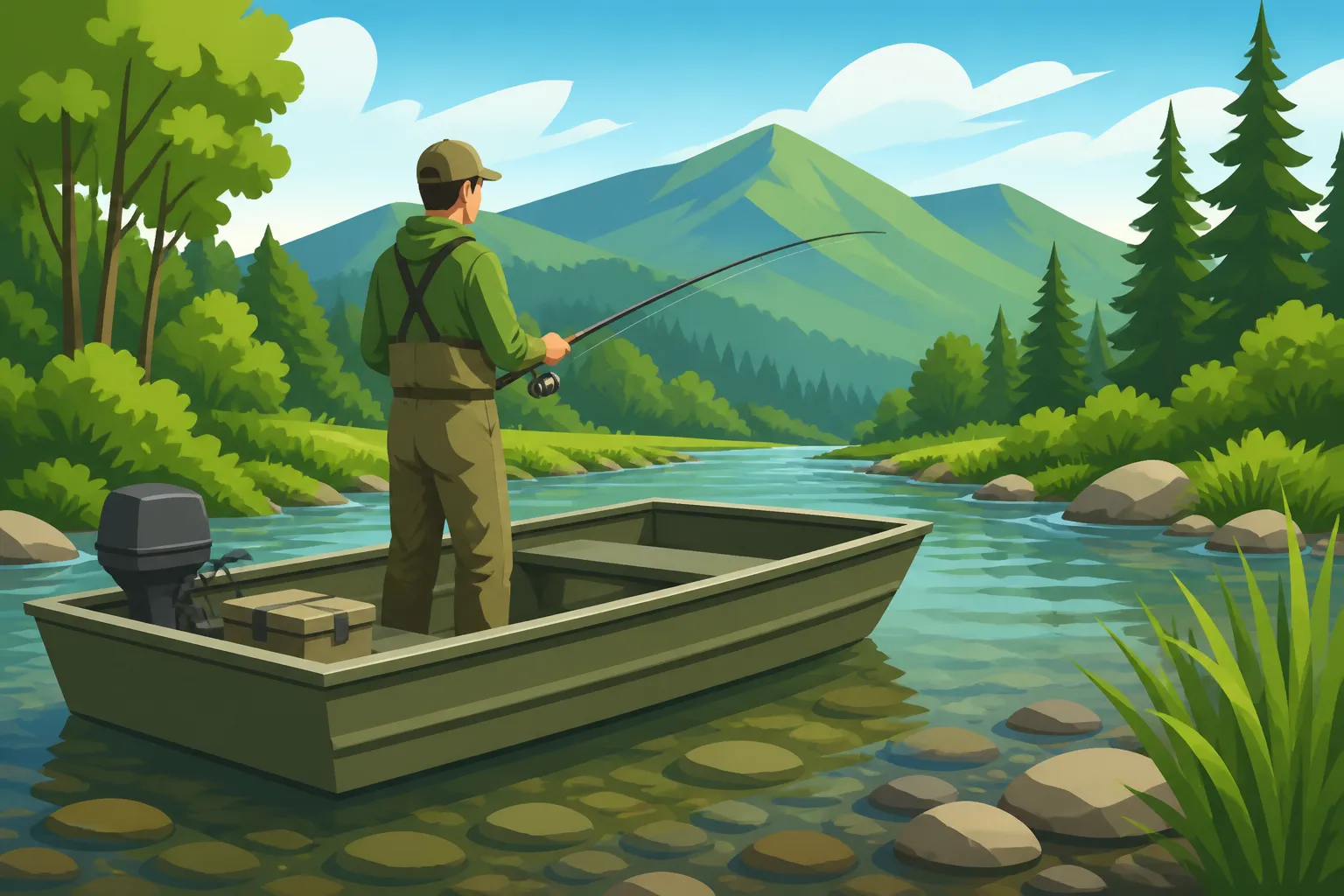
The most defining characteristic of a jon boat is its flat bottom, and this is precisely what makes it such a powerhouse for navigating shallow rivers. Unlike a V-hull, which needs deeper water to prevent grounding, a jon boat distributes its weight over a wider, flatter area. This design minimizes its draft, meaning it sits higher on the water, allowing you to glide over inches of water where other boats would simply grind to a halt. Imagine floating effortlessly over rocky shoals or sandbars that used to be impenetrable barriers, granting you access to those secluded bends and untouched pools brimming with fish.
This ability to run in extremely shallow water isn't just a convenience; it's a strategic advantage. It means you can follow river channels even when water levels drop after a dry spell, ensuring your favorite spots remain accessible. You're no longer confined to the deeper sections or limited to short stretches between obstacles. Instead, you can explore miles of river, casting into areas that rarely see a lure, maximizing your chances for a productive day on the water. This flat-bottomed magic is genuinely transformative for river anglers, allowing a freedom of movement that few other craft can offer.
Durability and Resilience Against Rocky Riverbeds
Vermont's rivers, as beautiful as they are, can be unforgiving. Beneath the surface often lie unseen rocks, logs, and other debris just waiting to put a ding in your day, and potentially your hull. This is another area where jon boats truly shine. Most jon boats, especially those built for rugged use, are constructed from robust aluminum. This material is not only lightweight, which is crucial for shallow water, but also incredibly durable and resistant to punctures and damage. It’s designed to take a beating and keep on floating.
While no boat is indestructible, a well-built aluminum jon boat can withstand occasional bumps and scrapes against rocks far better than fiberglass or other materials. These boats are often riveted or, for even greater strength, welded, creating a sturdy shell that can handle the inevitable encounters with river bottom hazards. This resilience translates to less worry while you're navigating, allowing you to focus on the fishing rather than constantly fretting about hull damage. It's an investment in peace of mind, knowing your vessel can handle the realities of Vermont's challenging river environments, making it a reliable companion for countless seasons.
Stable Platforms for Fishing and Hauling Gear
Beyond their ability to float in minimal water, jon boats offer another significant advantage for anglers: stability. The wide, flat bottom provides an exceptionally stable platform, whether you're standing to sight-fish for smallmouth bass, casting heavy lures, or simply moving around to adjust your gear. This stability is a huge confidence booster, especially when you're dealing with currents or less-than-perfect footing. You can focus on your presentation without feeling like you're constantly fighting to maintain your balance, which is particularly important if you're bringing along younger anglers or those new to boating.
Furthermore, their open, often uncluttered design provides ample space for all your fishing necessities. Rods, tackle boxes, coolers, anchor systems, extra layers of clothing, and even a fishing buddy or two can be easily accommodated. There’s usually plenty of room to move around, re-tie lines, or net a fish without tripping over gear. This capacity for hauling means you don't have to compromise on what you bring for a full day on the water. For anglers who like to be prepared for anything, or who simply appreciate having their equipment organized and at hand, the utilitarian layout of a jon boat is a major perk. You can truly set up a comfortable and efficient fishing station right on the river.
Essential Features and Specifications for River-Ready Jon Boats
When you're looking to purchase a jon boat specifically for Vermont's shallow rivers, you're not just buying any boat; you're investing in a tool designed for a particular job. Understanding the key features and specifications will help you discern which model will best serve your angling adventures and withstand the unique conditions of our local waterways. There are subtle but significant differences that can make a world of difference in performance and longevity.
Construction Materials: Welded vs. Riveted Aluminum
The vast majority of jon boats are made from aluminum, but there's a crucial distinction in how they're assembled: riveted or welded. Riveted jon boats are typically more affordable. They are built by fastening aluminum sheets together with rivets, much like an airplane. For many casual anglers or those on a tighter budget, a quality riveted boat from a reputable manufacturer can provide years of dependable service. They're often lighter, which can be a boon for solo launching or when you need to portage over very shallow sections. However, rivets can, over time and with repeated abuse from banging off rocks, loosen or leak, requiring occasional maintenance.
Welded jon boats, on the other hand, represent the pinnacle of durability and strength. In these boats, the aluminum sheets are fused together through a welding process, creating a continuous, seamless hull that is inherently stronger and less prone to leaks. This construction style is often preferred by serious river anglers who intend to put their boat through its paces in rough, rocky conditions. While welded boats tend to be heavier and more expensive, the enhanced robustness and reduced likelihood of leaks make them an excellent long-term investment for challenging Vermont rivers. If you plan on frequently navigating technical, rock-filled sections of rivers like the White River or the Lamoille, a welded hull offers superior peace of mind.
Ideal Length, Width, and Transom Height
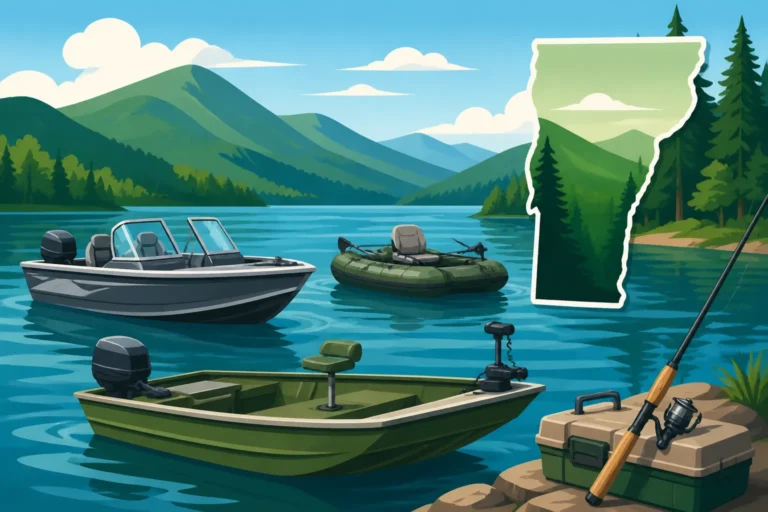
Choosing the right dimensions for your jon boat is critical for balancing maneuverability on tight rivers with stability and capacity. For most Vermont rivers, a boat in the 12 to 16-foot range hits a sweet spot. Shorter boats (10-12 feet) are incredibly nimble and easy to launch, making them perfect for smaller streams or if you primarily fish solo. They're also easier to transport and store. However, they offer less stability and space, and can feel cramped with more than one angler or a lot of gear.
Mid-range boats (14-16 feet) provide a good compromise, offering enough space for two anglers and gear, while still being manageable on many rivers. They tend to be more stable and can handle a bit more chop on wider river sections or lakes. Width (beam) also plays a role; a wider boat generally means more stability and interior space, but can make navigating very narrow channels trickier. The transom height is also important as it dictates the size of the outboard motor you can use. Most jon boats designed for shallow water will have a short shaft transom (around 15 inches) to accommodate smaller outboards, minimizing the propeller's depth and protecting it from underwater hazards.
Here's a quick guide to common jon boat sizes for Vermont rivers:
| Jon Boat Size Range | Ideal Vermont River Use Cases | Pros | Cons |
|---|---|---|---|
| 10-12 feet | Small, tight streams; solo fishing; accessing very shallow pockets. | Highly maneuverable, easy to transport/launch, minimal draft. | Limited capacity, less stable in choppier water, can feel cramped with gear. |
| 14-16 feet | Medium to large rivers; 1-2 anglers; good balance of space and maneuverability. | Versatile, more stable, good capacity for gear/friends, handles small rapids. | Can be harder to launch solo, may require a bit more motor power for upstream travel. |
| 18+ feet | Larger rivers like the Connecticut; multiple anglers; big gear hauls; stable fishing platform. | Maximum stability and space, can handle larger motors and heavier loads. | Less nimble in tight spots, requires larger truck/trailer, higher draft. |
Weight Capacity and Angler Comfort
Never underestimate the importance of weight capacity. It's not just about the weight of the anglers, but also all the gear, coolers, anchor, battery for a trolling motor, and the motor itself. Overloading a jon boat, even in shallow water, can severely impact its performance, stability, and safety. Always check the manufacturer's plate for the maximum weight and person capacity, and err on the side of caution. A boat that feels sluggish or sits too low in the water when fully loaded isn't just inefficient; it's dangerous.
Comfort, while often secondary to utility in a jon boat, can significantly enhance your long days on the water. While many jon boats come with simple bench seats, consider options that allow for pedestal seats or even custom decking. Adding padded seats can make a huge difference, especially if you plan to spend hours casting. Some anglers even build custom platforms that raise the fishing deck, providing a better vantage point for sight fishing. While these modifications add to the initial cost or effort, they can dramatically improve your experience, making your jon boat not just a tool, but a truly enjoyable platform for your Vermont fishing adventures. Think about how you’ll be spending your time on the boat and what ergonomic considerations might make your trip more pleasurable.
Powering and Protecting Your Jon Boat for Vermont's Waters
Once you’ve got your eye on a sturdy jon boat, the next critical step is thinking about how you’ll move it through the water and how you’ll safeguard it from the inevitable scrapes and bumps of river fishing. The right propulsion system and protective measures aren't just about convenience; they're about efficiency, safety, and extending the life of your investment, especially when navigating the challenging currents and shallow stretches of Vermont's rivers.
Choosing the Right Outboard Motor for Shallow Draft
For a jon boat on shallow rivers, your choice of outboard motor is paramount. You need power to fight upstream currents, but also a motor that can handle incredibly shallow depths without constantly hitting the bottom. The sweet spot for most river-specific jon boats is typically a smaller, lighter horsepower (HP) outboard, usually in the 9.9 HP to 25 HP range, often with a short shaft (15 inches). These smaller motors are lighter, making the boat easier to push through shallow water, and their lower profile helps keep the prop out of harm’s way. Look for motors that feature a "jet drive" option if you're truly committed to the shallowest, rockiest waters. A jet drive replaces the propeller with an impeller that sucks water in and expels it out the back, allowing you to run in mere inches of water without fear of propeller damage. While jet drives are less fuel-efficient and slightly slower than props of equivalent horsepower, their ability to navigate extremely shallow water is unmatched.
For those sticking with traditional prop outboards, consider models with a "power trim and tilt" feature. This allows you to quickly raise the motor partially out of the water as you encounter shallower sections, minimizing prop strikes. Also, a prop guard can be a wise investment, providing an extra layer of protection for your propeller against unseen obstacles. No matter your choice, always carry a spare shear pin or two, as even with careful navigation, river hazards can be unpredictable, and a quick repair can save your day.
Trolling Motors and Anchor Systems for River Control
While an outboard gets you from point A to point B, a quality trolling motor is your silent partner for precise boat control, especially when fishing specific structures or drifting. For river fishing, a bow-mounted electric trolling motor with adequate thrust (often 50-80 lbs for a 14-16 ft jon boat) is invaluable. The ability to silently hold your position against a current, move slowly along a weed line, or finesse your way through tight cover without spooking fish is a huge advantage. Many modern trolling motors, like those available from Bass Pro Shops or online at Amazon, come with GPS-enabled features like "spot-lock," which can automatically hold your boat in place regardless of wind or current, freeing you up to focus entirely on fishing. This can be particularly useful when you find a promising eddy or a productive stretch of river.
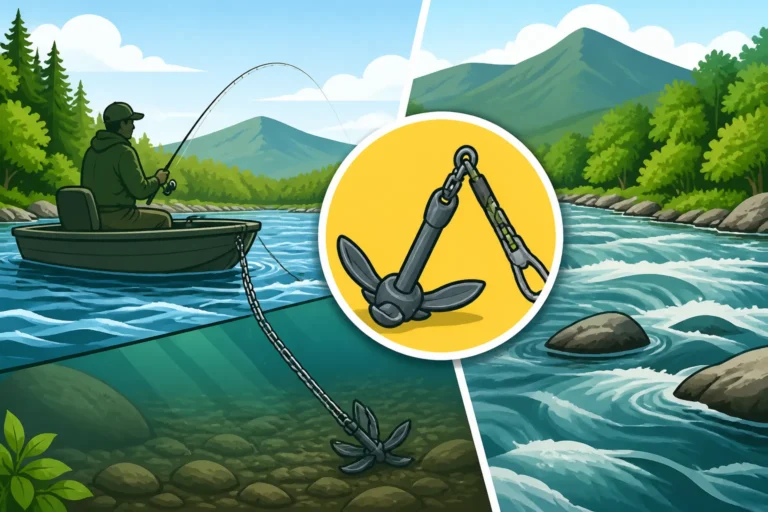
Equally important, and often overlooked, is a robust Best Anchor System for River Fishing. On a river, a simple mushroom anchor won't cut it. You need a heavy-duty river anchor (a drag anchor or box anchor works well) with plenty of rope to account for depth and current. A reliable anchor system is crucial for holding your boat steady while you fish a particular spot, perform maintenance, or simply take a break. Remember, river currents can be powerful, and being able to safely secure your boat is a fundamental safety measure.
Essential Accessories for Safety and Durability
Beyond propulsion and control, a few essential accessories can significantly enhance safety and prolong the life of your jon boat. First and foremost, safety gear is non-negotiable. Ensure you have enough Life Jacket Requirements for Vermont Boaters for everyone on board, a sound-producing device (like a whistle or air horn), navigation lights if you plan to be on the water near dawn or dusk, and a fire extinguisher. These items are often legally required under Vermont Boating Laws for Anglers and Vermont required boat safety equipment checklist, but more importantly, they are vital for your well-being.
For durability, consider adding keel guards to the bottom of your hull, especially if you frequent rocky sections. These sacrificial strips protect the vulnerable keel from constant abrasion. Also, invest in sturdy boat fenders to protect your hull when docking or rafting up with other boats. Interior accessories like rod holders, storage boxes that double as seats, and non-skid deck coatings can improve your fishing efficiency and comfort. Finally, a good bilge pump, even a small manual one, is essential for removing any water that might accumulate from rain or splashes, keeping your boat light and dry.
Tailoring Your Jon Boat Setup to Your Fishing Adventures
One of the greatest strengths of a jon boat is its versatility. It's a blank canvas, ready to be customized to perfectly match your specific fishing style, the number of people you typically fish with, and the types of water you frequent. A cookie-cutter approach simply won't do for the nuanced demands of Vermont fishing. By thoughtfully selecting and arranging your gear and making some smart modifications, you can transform a basic jon boat into a highly efficient and comfortable fishing machine tailored to your exact needs.
Customizing for Solo Expeditions vs. Group Outings
If you're primarily a solo angler exploring remote stretches of river, your setup will likely prioritize ease of launching, minimalist gear, and precise boat control. A smaller jon boat (10-12 feet) becomes incredibly appealing, as it’s light enough to be slid in and out of the water by one person at undeveloped access points. For a solo venture, a single pedestal seat positioned for optimal casting and motor control might be all you need, along with compact storage for your Best Tackle for Vermont Smallmouth Bass. A bow-mounted trolling motor with a remote control allows you to navigate and fish simultaneously, keeping your hands free for casting and reeling.
When you're bringing a buddy or family along, capacity and comfort become more critical. A 14 to 16-foot jon boat offers enough room for two or three people to comfortably fish without constantly bumping elbows. You might opt for a couple of swivel seats, perhaps even a small casting deck in the bow for one angler. Storage solutions will need to be expanded, possibly with marine-grade dry boxes that can also serve as extra seating. You'll want to ensure easy access to shared gear and safety equipment without cluttering the main fishing area. Remember, the goal is to create a functional space that allows everyone to enjoy the outing without feeling cramped or inconvenienced.
Gear Organization and Storage Solutions
The open layout of a jon boat, while great for space, can quickly become a disorganized mess without proper storage. Think about modular solutions that can be easily added or removed. Vertical rod holders, either mounted to the side of the boat or within custom-built benches, keep your rods secure and out of the way while running. Under-seat storage compartments or marine-grade dry bags and boxes are excellent for stashing tackle, rain gear, and personal items, keeping them dry and protected from spray or rain. Many anglers even install a small cooler that doubles as a seat, maximizing utility.
Consider the flow of your fishing. Where do you typically cast from? Where do you keep your net? Having your most frequently used items within easy reach reduces wasted time and movement. Some anglers build small, custom plywood decks over the bow or stern bench seats to create a flatter, more elevated casting platform, with storage underneath. Just ensure any additions don't impede stability or interfere with the boat's safe operation. The key is to keep the floor clear and create designated spots for everything, which not only makes fishing more efficient but also reduces the risk of tripping over loose items in a moving boat.
Practical Considerations for Launching and Trailering
For river fishing, launching and trailering a jon boat can be quite different from launching a larger boat at a developed ramp on a lake. Many prime river access points might be nothing more than a gravel pull-off or a grassy bank. This is where the relatively lighter weight of a jon boat really pays off. If you have a smaller boat, you might even be able to use a launch dolly or simply slide it off the back of your truck bed onto a bank. This independence from traditional ramps allows you to access truly remote Best Fishing Rivers in Vermont where competition is low.
For larger jon boats (14 feet and up), a good trailer is essential. Look for a galvanized bunk trailer designed for jon boats; these offer better support for the flat bottom than roller trailers. Make sure the trailer has good quality tires, working lights, and a winch that operates smoothly. Having a sturdy transom saver is also crucial to protect your motor when trailering over rough roads. Practicing your launch and retrieve in less stressful conditions will build confidence. Remember that some ramps might be shallow or have strong currents, so always scout your launch points beforehand and approach them with caution, especially if you're unfamiliar with the area. Knowing how to efficiently and safely get your boat in and out of the water is as important as knowing how to fish it.
Maintenance and Care for Your River Jon Boat
Your jon boat is a trusty companion for your Vermont fishing adventures, but like any good tool, it needs a little love and attention to stay in top shape. Neglecting proper maintenance, especially after navigating the challenging conditions of shallow, rocky rivers, can lead to premature wear and tear, costly repairs, and even safety issues. A consistent routine will ensure your boat remains reliable, durable, and ready for whatever the next fishing trip throws at it.
Post-Trip Cleaning and Inspection
After every outing on a Vermont river, a thorough cleaning and inspection are paramount. The first step is to completely drain any water from the boat, paying special attention to the bilge area where debris can accumulate. Next, rinse the entire boat, inside and out, with fresh water. This is crucial for removing mud, sand, river grime, and any aquatic invasive species that might have hitched a ride. Pay close attention to the hull, removing any visible plant matter or mud from the trailer and outboard as well. This small act helps protect Vermont's delicate aquatic ecosystems.
Once cleaned, take a moment for a visual inspection. Check the hull for any new dents, scrapes, or gouges that might have occurred during your trip. Pay particular attention to rivets (if your boat is riveted) to ensure none are loose or leaking. Inspect your propeller for dings or bends – even minor damage can significantly impact performance and fuel efficiency. Check all wiring, especially for your trolling motor and navigation lights, for any fraying or corrosion. This quick post-trip routine not only keeps your boat looking good but also allows you to catch minor issues before they escalate into major problems.
Winter Storage and Seasonal Prep
When the Vermont fishing season winds down and the cold sets in, proper winterization is key to protecting your jon boat during its off-season hibernation. If you have an outboard motor, follow the manufacturer’s instructions for winterization, which typically involves flushing the engine, stabilizing the fuel, fogging the cylinders, and changing the oil and gear lube. This prevents corrosion and ensures the motor starts smoothly next spring. Remove the battery from your trolling motor and store it in a cool, dry place, keeping it charged periodically throughout the winter.
For the boat itself, thoroughly clean and dry the interior to prevent mold and mildew. Remove any electronics, cushions, or other removable accessories and store them indoors. If storing outdoors, cover your boat with a well-fitting, breathable cover to protect it from snow and ice while still allowing air circulation. Ensure the cover is properly secured to prevent wind damage. Come spring, reverse the process: give the boat a good wash, reconnect the battery, check all fluid levels in the motor, test all electronics, and inspect your safety gear. This seasonal prep ensures your jon boat is ready for action when the first signs of spring beckon you back to the water.
Repairing Minor Dings and Scratches
It's almost inevitable that a jon boat used on shallow, rocky rivers will accumulate some dings and scratches. The good news is that aluminum is quite forgiving, and many minor damages are purely cosmetic. For small scratches or scuffs, often no repair is needed beyond ensuring the area is clean. If you have a deeper scratch that concerns you, a marine-grade epoxy or aluminum-specific patch compound can be used to seal it. Always clean the area thoroughly, rough it up slightly with sandpaper, and follow the product instructions for application.
For dents, if they don't compromise the structural integrity of the boat or cause a leak, many anglers simply leave them. Part of the charm of a well-used jon boat is the character it gains from its adventures! However, if a dent is significant or causes a leak, it’s best to consult with a professional aluminum boat repair shop. They have the specialized tools and expertise to properly pull out dents or weld patches without compromising the hull's strength. Learning to assess minor damage and address it yourself will save you money and keep your boat in fighting trim, ensuring it's always ready for your next excursion.
Navigating Vermont's Rivers: Safety, Regulations, and Etiquette
Owning a jon boat opens up incredible fishing opportunities on Vermont's rivers, but with that freedom comes a responsibility to operate safely, adhere to state regulations, and respect fellow river users and the environment. Knowing the rules and practicing good etiquette aren't just about avoiding fines; they're about ensuring a safe, enjoyable experience for everyone and preserving our precious waterways for future generations. Don't let the simplicity of a jon boat fool you; proper education is key to responsible operation.
Understanding Vermont's Boating Laws and Registration
Before you even launch your jon boat, you need to be familiar with Vermont's specific boating laws. All motorized vessels, regardless of size or horsepower, must be registered with the Vermont Department of Motor Vehicles. This includes jon boats with even the smallest outboard or electric trolling motor. You'll need to display your registration numbers prominently on the bow and carry your registration certificate onboard. Non-motorized boats like canoes or kayaks are generally exempt from registration, but once you add a motor, the rules change. You can find comprehensive details in the Vermont Boat Registration Requirements and the broader Vermont Boating Laws for Anglers documentation.
Beyond registration, there are specific regulations regarding speed limits, particularly in no-wake zones near shore, marinas, or congested areas. Operating under the influence of alcohol or drugs is strictly prohibited and carries severe penalties, just as it does for driving a car. Always be aware of designated fishing zones, special regulations on certain rivers, and any length or creel limits for the species you're targeting. Ignorance of the law is never an excuse, so take the time to read up on the rules and carry a copy of the regulations with you, perhaps even a printed copy you can grab quickly from Bass Pro Shops or an online version on your phone.
Safe Practices for River Currents and Obstacles
Vermont's rivers are dynamic environments, and navigating them safely requires constant vigilance. Currents can be deceptive, especially around bends, rapids, or obstructions. Always wear your life jacket, and ensure everyone else on board is wearing theirs, especially in fast-moving water or if you're a weaker swimmer. Reviewing Life Jacket Requirements for Vermont Boaters is a good idea for all boaters. When traveling upstream, hug the inside of bends where the current is typically slower. When heading downstream, stay in the main channel but be mindful of obstacles that the current might push you towards. Always approach unknown areas slowly and keep an eye out for submerged rocks, logs, or other hazards.
Know the capabilities of your boat and motor. Don't attempt to run rapids that are beyond your skill level or your boat's design. If a section looks too dangerous, portage around it if possible, or consider turning back. Keep a sharp eye on changing weather conditions; sudden storms can turn a calm river into a dangerous torrent. Always tell someone your float plan – where you're launching, where you expect to take out, and when you plan to return. Carrying a Vermont required boat safety equipment checklist in your boat ensures you have all the necessary tools for an emergency.
Minimizing Your Impact on the Environment and Other Users
As anglers, we are stewards of Vermont's natural resources. It's crucial to practice "Leave No Trace" principles while on the water. Pack out everything you pack in, and if you see litter, pick it up. Be mindful of fuel and oil spills; use caution when refueling your motor. Avoid disturbing wildlife, especially nesting birds or spawning fish. This includes knowing Wading Techniques for Vermont Trout Streams to ensure you're not disturbing sensitive areas if you decide to get out of your boat.
Respect other river users. This includes kayakers, canoeists, swimmers, shore anglers, and property owners. Give other boats and anglers ample space. If you're approaching someone fishing from the bank or another boat, slow down and pass wide to minimize wake. Excessive noise can also be disruptive, so be mindful of loud conversations or music. When launching or taking out, do so efficiently and don't block access for others. Always remember that many river banks are private property; ensure you have permission before stepping ashore. By being a responsible and considerate boater, you contribute to a positive experience for everyone and help maintain the health and beauty of Vermont's incredible river systems.
Disclaimer
This article is for general informational purposes only and does not constitute professional advice. Laws, prices and regulations vary by location and change over time. Consult a qualified professional for guidance on your specific situation.