Missisquoi River Fishing Guide
When you're dreaming of a quintessential Vermont fishing trip, it's easy to get lost in the sheer number of lakes and rivers. Many anglers feel overwhelmed by choices or worry about crowded spots, but there’s a quiet gem up north that offers incredible diversity and a real sense of wild adventure: the Missisquoi River. This guide will walk you through everything you need to know to make your next angling excursion on this fantastic waterway a memorable one, from understanding its unique character to knowing exactly what gear to pack.
Unveiling the Missisquoi River: Vermont's Northern Gem
The Missisquoi River isn't just another body of water; it's a living, breathing artery that flows through some of Vermont's most picturesque landscapes. For those seeking a blend of challenge and tranquility, this river offers an experience that truly sets it apart from more heavily trafficked destinations. It's a river that calls to you, promising diverse fishing opportunities and a chance to connect with the wild heart of the Green Mountain State.
A River of Diverse Habitats and Beauty
The Missisquoi River begins its journey high in the northern Green Mountains, carving its way westward across Franklin and Orleans counties before eventually emptying into Lake Champlain at Missisquoi Bay. Along its roughly 80-mile course within Vermont, it transforms from a narrow, fast-flowing mountain stream in its upper reaches to a broader, slower, and often meandering river in its lower sections. This transition creates an incredible array of habitats, from rocky riffles and deep pools to marshy backwaters and oxbow lakes, each holding its own unique fish populations.
In its upper stretches, particularly around towns like Lowell and Troy, the river runs swift and cold, tumbling over rocks and through dense forests. This is where you might find native brook trout, though they can be elusive. As it widens and slows down further west, near towns like Richford, Enosburg Falls, and Swanton, the character shifts dramatically. Here, you'll encounter extensive fertile flats, submerged timber, and deep, slow-moving channels that are prime territory for warm-water species. The scenery alone is worth the trip, with rolling farmlands, forested banks, and often a backdrop of distant mountains. It's a place where you can truly immerse yourself in the natural beauty of Vermont.
Why the Missisquoi Stands Out for Anglers
What makes the Missisquoi River truly special for anglers is its incredible diversity and the sense of discovery it offers. Unlike some of the larger, more famous lakes that can feel overwhelming or crowded, the Missisquoi allows for a more intimate and focused fishing experience. You can find sections perfectly suited for wade fishing, tranquil stretches ideal for kayak exploration, and wider areas where a small boat can navigate comfortably. This versatility means you can tailor your trip to your preferred style of fishing and the species you're targeting.
It’s also a river that rewards exploration. The fish populations can vary significantly from one bend to the next, encouraging you to learn its subtle nuances. Whether you're casting for feisty smallmouth bass in a rocky riffle, stealthily pursuing a northern pike in a weed-choked backwater, or perhaps even trying your luck for walleye in its deeper pools, the Missisquoi keeps you guessing and always offers a new challenge. Plus, with its generally lower angler pressure compared to some of the state's more renowned waters, you often feel like you have a whole stretch of river all to yourself, which is a rare and precious commodity these days.
Fish Species You'll Encounter on the Missisquoi
The Missisquoi River is a vibrant ecosystem supporting a rich diversity of fish species, each offering a unique angling experience. Knowing what swims where, and what they prefer to eat, is half the battle won. From hard-fighting game fish to plentiful panfish, there’s something for every type of angler.
Smallmouth Bass: The River's Feisty Fighters
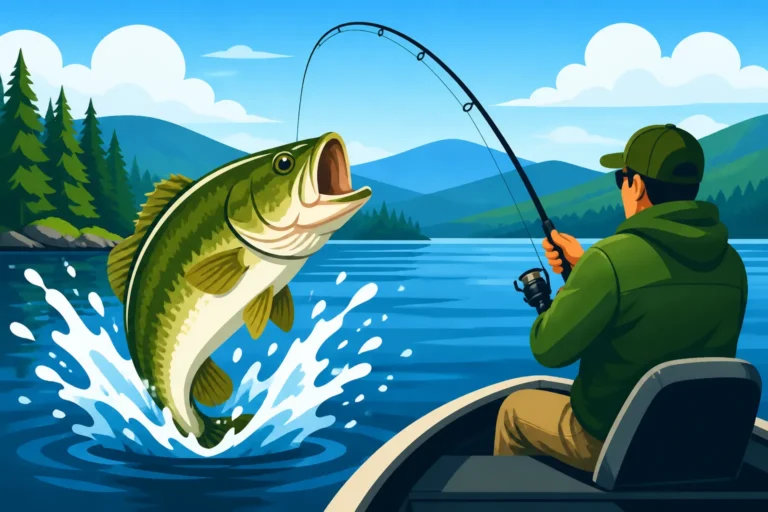
If there’s one fish that truly embodies the spirit of the Missisquoi River for many anglers, it’s the smallmouth bass. These bronze beauties are renowned for their aggressive strikes, acrobatic jumps, and unrelenting fights, making them an absolute blast to catch on light to medium tackle. They thrive in the river's middle and lower sections, particularly in areas with a good mix of current, rocky structure, gravel bottoms, and submerged timber. Look for them around bridge pilings, rocky points, current breaks, and log jams.
Smallmouth bass are opportunistic feeders, preying on crayfish, minnows, insects, and anything else that looks like an easy meal. During the warmer months, you can often find them actively chasing baitfish in faster water or hunkered down near structure, waiting to ambush. They are a truly rewarding catch, often forming schools, so if you catch one, there's a good chance there are more nearby. For a deep dive into catching these river rockets, check out our guide on how to Catch Smallmouth Bass in Vermont Lakes, keeping in mind that river techniques often differ slightly from lake strategies but the core understanding of the fish remains.
Northern Pike and Chain Pickerel: Apex Predators of the Slow Waters
While smallmouth bass dominate the faster, rockier sections, the slower, weedier backwaters and oxbows of the Missisquoi River are prime hunting grounds for northern pike and their smaller, equally toothy cousins, chain pickerel. These ambush predators are built for speed and aggression, lying in wait amongst vegetation before exploding on unsuspecting prey. Pike on the Missisquoi can grow to impressive sizes, offering a thrilling fight and a formidable challenge.
You'll typically find pike and pickerel in areas with dense aquatic vegetation, submerged logs, and deeper holes in the slower-moving parts of the river, especially as you get closer to Lake Champlain. They love to patrol the edges of weed lines or lurk in the shadows, ready to dart out. Both species have mouths full of sharp teeth, so stout leaders are a must to avoid bite-offs. If you're keen on targeting these powerful fish, our article on How to Catch Northern Pike in Vermont offers excellent tips that can be applied to the Missisquoi's slower stretches. Landing a big pike from a river current is an experience you won't soon forget!
Walleye: A Prized Catch in Certain Sections
While not as widespread as bass or pike, walleye are present in the Missisquoi River, particularly in its lower reaches nearer Lake Champlain, and especially during their spawning runs. These elusive fish are highly sought after for their delicious white meat and their challenging nature. Walleye tend to prefer deeper, slower pools with a gravel or rocky bottom, often favoring low light conditions like dawn, dusk, or even night.
Targeting walleye on the Missisquoi requires a bit more patience and specialized techniques, but the reward is certainly worth the effort. They often hold tight to structure or subtle changes in depth, making them a game of precision. If you’re serious about chasing these golden-eyed beauties, studying their habits on larger bodies like Lake Champlain can be incredibly insightful, so make sure to read up on Walleye Fishing on Lake Champlain for more specialized strategies. Just remember to adjust for the river current and smaller scale of the Missisquoi.
Panfish Galore: Fun for the Whole Family
For anglers looking for consistent action and a great way to introduce kids to fishing, the Missisquoi River's panfish populations are a fantastic option. Yellow perch, black crappie, and various sunfish species like bluegill are abundant throughout the river, especially in slower-moving sections, backwaters, and near docks or downed trees. These species are generally easy to catch, willing biters, and offer excellent table fare.
Panfishing on the Missisquoi is a relaxed and enjoyable experience. Light tackle, a bobber, and a simple bait like worms or small jigs are often all you need for a successful outing. They provide continuous entertainment, making them perfect for a family fishing day or when you just want to bend a rod. Many of these species can be found year-round, making them a reliable target no matter the season.
| Species | Preferred Habitat | Common Baits/Lures | Best Season (Missisquoi) | Average Size (Missisquoi) |
|---|---|---|---|---|
| Smallmouth Bass | Rocky riffles, current breaks, submerged timber, gravel | Jigs, crankbaits, spinnerbaits, worms, crayfish | Spring, Summer, Fall | 12-18 inches |
| Northern Pike | Weed beds, log jams, slow deep pools, marshy areas | Spinnerbaits, large spoons, soft plastics, live bait | Spring, Fall, Winter | 24-36 inches+ |
| Walleye | Deep pools, gravel/rocky bottoms, current seams | Jigs, crankbaits, soft plastics, nightcrawlers | Spring, Fall | 16-24 inches |
| Yellow Perch | Weed edges, drop-offs, slower pools, docks | Worms, small jigs, minnows, tiny spoons | Year-round | 6-10 inches |
| Chain Pickerel | Dense vegetation, shallow backwaters, fallen trees | Spoons, spinnerbaits, live minnows, frogs | Spring, Summer, Fall | 18-26 inches |
Seasonal Strategies for Missisquoi Success
Understanding the flow of the seasons is paramount when planning your Missisquoi River fishing trip. Each season brings unique challenges and opportunities, dictating not only what fish are active but also where you’ll find them and what they’re willing to strike. Vermont's weather can be a bit unpredictable, so always be ready for anything! For a broader view, our comprehensive guide to Vermont Fishing Seasons by Month can help you contextualize the Missisquoi's seasonal patterns.
Spring's Awakening: Post-Spawn Bass and Early Pike
As the ice finally melts and the spring rains begin to swell the Missisquoi, the river truly comes alive. This is a critical time for many species as they shake off winter's lethargy and begin their spawning rituals. For northern pike and chain pickerel, spring (often right after ice-out, even March or April) is prime time. They move into shallower, weedier backwaters and floodplains to spawn, making them more accessible and aggressive. Large spoons, spinnerbaits, and swimbaits cast into these areas can be incredibly effective.
Smallmouth bass, on the other hand, will typically spawn a bit later in the spring, once water temperatures consistently reach the high 50s to low 60s Fahrenheit. Pre-spawn smallmouth can be found feeding heavily in staging areas near their spawning grounds—think rocky points, gravel flats, and current seams. Post-spawn bass might be a bit lethargic immediately after spawning but will quickly resume feeding to regain energy. Crankbaits, jigs, and soft plastics worked slowly can entice strikes. This is also a fantastic time for walleye, especially during their spawning runs when they become more concentrated in certain river sections.
Summer's Bounty: Topwater Action and Steady Bites
Summer on the Missisquoi is vibrant and often provides the most consistent and exciting action, especially for smallmouth bass. As the water warms and insect activity peaks, smallmouth move into their summer patterns, holding around current breaks, rocky structure, and submerged wood. Early mornings and late evenings are prime for topwater action, with poppers, walking baits, and buzzbaits drawing explosive strikes from aggressive bass. During the brighter, hotter parts of the day, fish deeper holes or shady spots with jigs, Texas-rigged worms, or finesse presentations.
Panfish are also incredibly active throughout the summer, making it an ideal time for family outings. Crappie, perch, and bluegill will readily hit small jigs, worms, or tiny spinners, often congregating around weed edges, docks, and submerged cover. While pike and pickerel can be a bit slower in the heat, they will still ambush baits near dense vegetation. Remember to stay hydrated and protect yourself from the sun during those long summer days on the water.
Fall's Last Hurrah: Feeding Frenzy Before Winter
As the air cools and the leaves turn to brilliant reds and golds, the Missisquoi River enters its spectacular fall fishing season. This is a period of intense feeding for many species as they prepare for the long winter ahead, often making for some of the best fishing of the year. Smallmouth bass become incredibly aggressive, chasing baitfish with gusto. Crankbaits, jerkbaits, and spinnerbaits that imitate baitfish can be deadly effective as bass gorge themselves. Look for them concentrated in deeper holes, around rocky transitions, and in areas where baitfish are schooling.
Northern pike and walleye also become very active in the fall. Pike will be back in their weed-line haunts, feeding aggressively. Walleye will often move into shallower areas to feed before retreating to their deeper wintering grounds. Large jigs, spoons, and slowly trolled crankbaits are excellent choices for these species. While the days might be shorter and the air crisper, the reward of a hard-fighting fish against a backdrop of Vermont's stunning autumn foliage is simply unbeatable. For anglers looking for the absolute Best Time of Year to Fish in Vermont, autumn on the Missisquoi is often a top contender.
Navigating the Missisquoi: Access Points and Logistical Tips
Getting onto the Missisquoi River is half the adventure. While it offers abundant fishing opportunities, knowing the best access points, whether you plan to wade, kayak, or use a small boat, is crucial for a successful trip. Vermont has done a great job providing various ways for anglers to enjoy its waterways, but a little local knowledge goes a long way.
Public Access Areas and Boat Launches
The Vermont Fish & Wildlife Department maintains several public access areas and boat launches along the Missisquoi River, particularly in its middle and lower sections. These range from simple shore access points to concrete ramps suitable for trailer boats.
Some key access points include:
- Sheldon: A public access area near the town of Sheldon offers decent river access for small boats and kayaks, especially for those targeting the wider, slower sections.
- Swanton: Closer to Missisquoi Bay, Swanton has several access points, including public boat launches that are great for reaching the lower river and the bay itself. This area is fantastic for larger pike, bass, and especially walleye that might be staging near the bay.
- Richford: In the upper-middle river, Richford offers some canoe and kayak launch spots, allowing access to the more spirited, yet still navigable, sections of the river that hold excellent smallmouth bass.
Always check the Vermont Fish & Wildlife Department's website for the most up-to-date information on public access points, as conditions and facilities can change. Parking can sometimes be limited, especially at smaller sites, so plan to arrive early during peak season.
Wading and Kayak Fishing Opportunities
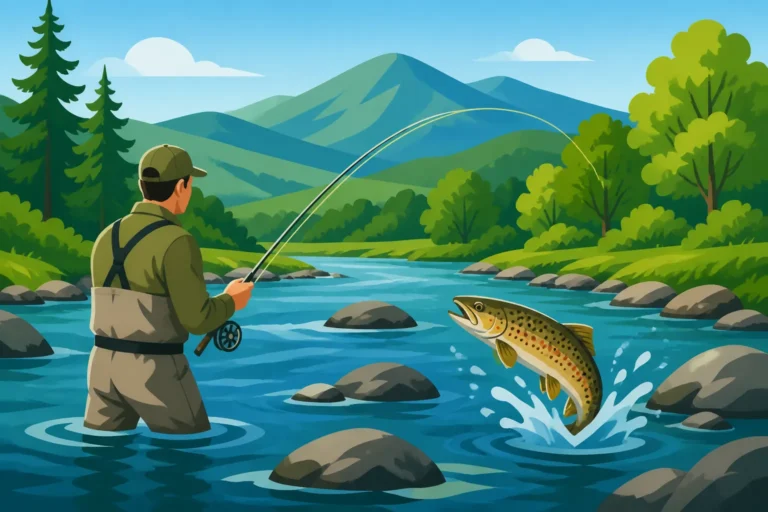
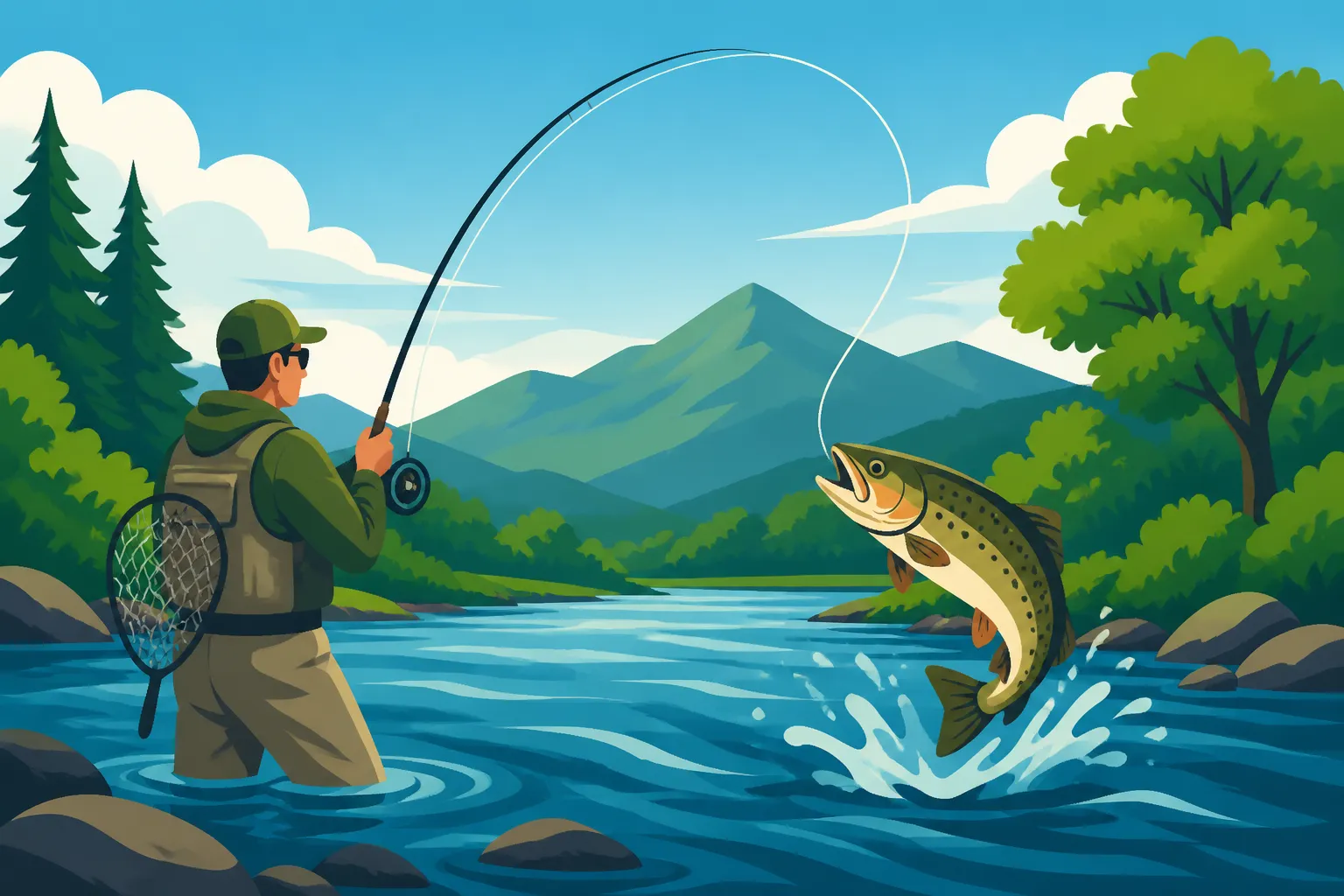
The Missisquoi is an absolute paradise for wade and kayak anglers. The upper and middle stretches, with their varied flow and numerous riffles and pools, lend themselves beautifully to wade fishing. You can slowly work your way upstream or downstream, casting to prime smallmouth bass holding spots. Always exercise caution when wading, especially after heavy rains when the current can be swift and the riverbed slippery. A sturdy wading staff and appropriate footwear are non-negotiable.
Kayak fishing, or even canoe fishing, is arguably one of the best ways to experience the Missisquoi. A kayak allows you to cover more water than wading, access quieter backwaters that bigger boats can't reach, and approach fish stealthily. The middle sections of the river, from Richford down to Sheldon, are particularly well-suited for float trips, offering miles of excellent bass and pike water. For anyone considering taking to the water in a paddle craft, our guide to the Best Kayaks for Vermont Fishing can help you choose the perfect vessel for this river. Remember your life jacket – safety first, always!
Hiring a Local Guide: Maximizing Your Experience
While exploring the Missisquoi on your own is incredibly rewarding, sometimes the best way to truly unlock its secrets and maximize your fishing success is to enlist the expertise of a local fishing guide. A guide can provide invaluable insights into current fish patterns, hot spots, and the most effective techniques for the specific conditions you'll encounter. They know the river like the back of their hand, saving you precious time searching and allowing you to focus purely on fishing.
Finding a reputable guide can sometimes feel like a challenge, but platforms like FishingBooker make it incredibly easy to connect with experienced local fishing charters and guides operating on the Missisquoi River and nearby Lake Champlain. You can browse profiles, read reviews, and book directly, ensuring you find a guide whose expertise matches your target species and fishing style. They can take you directly to where the fish are biting, provide all the necessary gear, and teach you the nuances that only years of experience on the river can impart. It's an investment in a memorable and productive day on the water, especially if you're visiting for the first time or targeting a challenging species like walleye.
Essential Gear and Techniques for the Missisquoi
Having the right gear and understanding effective techniques are crucial for success on any river, and the Missisquoi is no exception. While specific choices might vary based on your target species and the river section you're fishing, a good foundation will serve you well across the board.
Rods, Reels, and Line: Matching Your Target
For the feisty smallmouth bass that dominate much of the Missisquoi, a medium-light to medium power spinning rod, typically 6'6" to 7' in length, paired with a 2500 or 3000 series spinning reel, is a fantastic all-around choice. Spool this setup with 8-12 lb braided line, tied to a 6-10 lb fluorocarbon leader. This combination offers sensitivity for detecting subtle bites, enough backbone to handle strong runs, and the versatility to cast a variety of lures. For larger northern pike or if you're specifically targeting walleye, you might step up to a medium-heavy rod and a slightly heavier line, perhaps 15-20 lb braid with a 15-20 lb fluorocarbon or even wire leader for pike's sharp teeth.
When considering your overall setup, remember that portability can be key, especially if you're wading or kayak fishing. Two-piece rods are easier to transport. A spare spool of line with a different test strength or type (e.g., monofilament for topwater) can also be a smart addition to your kit, allowing for quick adjustments to changing conditions or targets.
Baits and Lures: River-Proven Favorites
The Missisquoi's diverse fish population means a wide array of baits and lures can be effective.
- Smallmouth Bass: You can't go wrong with classic river smallmouth lures. ¼ oz to ½ oz jigs with crawfish or grub trailers (colors like green pumpkin, brown, or black) are consistent producers when fished along the bottom. Small to medium-sized crankbaits in natural baitfish patterns (shad, perch, crawfish) that dive 4-8 feet are excellent for covering water. Spinnerbaits (3/8 oz to ½ oz) with willow or Colorado blades are great for probing weed edges and current breaks. And don't forget topwater lures like poppers and walking baits for exhilarating surface strikes during low light. For more detailed insights, our guide to the Best Tackle for Vermont Smallmouth Bass offers specific recommendations that translate well to the Missisquoi.
- Northern Pike & Chain Pickerel: Large spinnerbaits (¾ oz to 1 oz) with tandem blades, spoons (silver, gold, five of diamonds), and large soft plastic swimbaits (5-8 inches) are all excellent choices. Live bait, such as large shiners or suckers, fished under a bobber in weedy pockets, can also be incredibly effective. Remember a wire leader is crucial to prevent bite-offs from their razor-sharp teeth!
- Walleye: Jigs tipped with a minnow or nightcrawler are hard to beat when walleye are holding deep. Blade baits and lipless crankbaits can also trigger strikes. Trolling small crankbaits in deeper sections, particularly near dusk, can also produce results.
- Panfish: Simple is often best. Small hooks (size 8-12) tipped with worms, grubs, or small pieces of corn under a bobber will catch a variety of panfish. Tiny jigs (1/32 oz to 1/16 oz) with small plastic tails are also very effective.
River Fishing Techniques: Reading the Water
Success on the Missisquoi River comes down to understanding the water you're fishing. Rivers are dynamic environments, and fish position themselves strategically based on current, cover, and food availability.
- Current Breaks: These are prime locations. Any object that disrupts the current—rocks, logs, bridge pilings, submerged trees—creates a slack water area where fish can rest and ambush prey without expending too much energy. Cast upstream of these structures and allow your lure to drift naturally into the strike zone.
- Seams: The transition zone between fast and slow water is often a hot spot. Fish will sit in the slower water, waiting for food to be swept past in the faster current.
- Pools and Riffles: Deeper pools offer refuge and cooler water, especially during hot summer days, and can hold larger fish. Riffles, the shallower, faster-moving sections, oxygenate the water and often hold baitfish, attracting predatory species.
- Weed Beds and Submerged Structure: In the slower, wider sections, dense weed beds, lily pads, and fallen timber provide excellent cover for pike, pickerel, and even larger bass. Cast lures along the edges of these features or pitch them into any open pockets.
- Boat and Kayak Positioning: When fishing from a boat or kayak, try to use the current to your advantage. Position yourself to drift silently through productive stretches, making casts to likely holding areas. A shallow water anchor or a small anchor can be invaluable for holding position in a productive spot.
No matter your preferred technique, remember to observe the river. Watch for baitfish, insect hatches, and any signs of active feeding. The Missisquoi is a teaching river, and the more you learn to read its nuances, the more rewarding your fishing will become.
Understanding Missisquoi River Regulations
Fishing in any body of water in Vermont comes with regulations, and the Missisquoi River is no exception. Understanding these rules isn't just about avoiding penalties; it's about preserving the incredible fishery for future generations. Before you even think about casting a line, ensure you're up to date on all the necessary permits and specific rules for this waterway.
General Vermont Fishing Regulations to Know
First and foremost, anyone 15 years or older needs a valid Vermont fishing license. It's a fundamental requirement, and getting caught without one can lead to fines. You can purchase a license easily online, through the Vermont Fish & Wildlife Department's website, or at authorized vendors throughout the state. For comprehensive details on acquiring yours, our guide on the Vermont Fishing License Guide for 2026 is an essential read. This ensures you're legally prepared for your adventure.
Beyond the license, there are general statewide rules that apply to most waters. These include regulations on legal fishing methods (e.g., number of lines allowed, prohibition of certain gear), rules about bait use, and prohibitions against littering or polluting the waters. It's also important to be aware of the overall Vermont Fishing Regulations Explained, as this foundational knowledge protects both you and the environment. Always carry your license and be ready to present it if asked by a game warden.
Specific Rules for the Missisquoi
While many statewide regulations apply, certain rivers or sections may have special rules. For the Missisquoi River, pay particular attention to species-specific regulations. For instance, bass fishing often has specific seasons and length limits to protect spawning fish and ensure a healthy population. The Vermont Bass Minimum Length Limits vary by species (largemouth vs. smallmouth) and water body, so knowing the exact rules for the Missisquoi is key.
Similarly, if you're targeting walleye, especially in the lower river close to Lake Champlain, you'll want to be familiar with limits like the Vermont Walleye Limit on Lake Champlain. Even if you're not directly on the lake, the lower Missisquoi can share characteristics and regulations similar to the lake. Always consult the most current Vermont Fish & Wildlife Department fishing guide, available online or in print, before heading out. This guide will outline any special regulations for particular river sections, species, or seasons. These specific rules are put in place to manage the fishery sustainably, ensuring that the Missisquoi continues to be a fantastic fishing destination for years to come.
Disclaimer
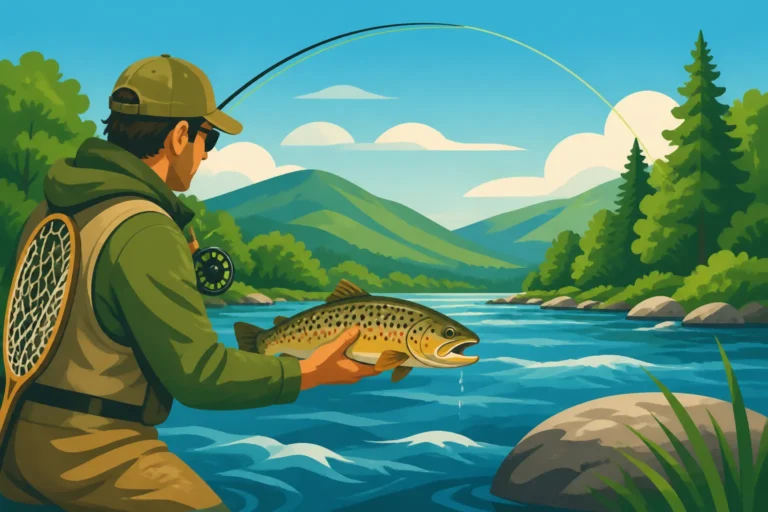
Please remember that fishing regulations, access points, and fish populations can change. Always consult the most current Vermont Fish & Wildlife Department regulations guide before planning your trip to the Missisquoi River. Practice safe boating and wading, and always prioritize catch and release for species you don't intend to keep for consumption, helping to preserve this wonderful resource.