White River Fishing Guide
There's nothing quite like the rush of casting a line into a crystal-clear Vermont river, especially when that river holds a reputation for excellent trout fishing. Many anglers, myself included, have faced the frustration of showing up to a new spot, unsure of the best access, what flies to tie on, or even what regulations apply. This comprehensive guide is here to unravel the secrets of the White River, giving you all the insider knowledge you need for a successful and enjoyable fishing trip.
Why the White River is a Vermont Gem for Anglers
Ah, the White River. Just saying its name conjures images of shimmering riffles, deep emerald pools, and the quiet whisper of the current. For us Vermonters, and anyone who's spent time fishing its waters, it's more than just a river; it's a vital part of the landscape and a true angler's paradise. What makes it so special, you ask? Well, it's a combination of its diverse character, its healthy fish populations, and its sheer accessibility, winding through some of the most picturesque parts of the state. It's a place where you can truly escape, whether you're looking for solitude or a chance to connect with fellow fishing enthusiasts.
The River's Character and Flow
The White River, a major tributary of the Connecticut River, carves its way through central Vermont, offering a remarkable variety of water types. From its headwaters in the Green Mountains, it starts as small, cold, high-gradient streams – perfect for those wild brook trout that are so feisty. As it gathers momentum and flows south and east, it transforms into a larger, more mature river with a mix of fast runs, gravelly riffles, and deep, slow-moving pools. This diverse topography means there's a section of the White River to suit every angler's preference and skill level.
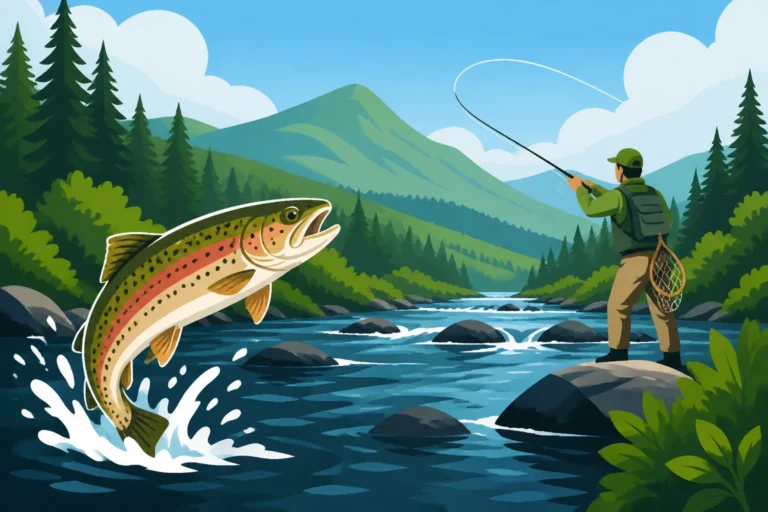
You'll find stretches where the river is easily waded, with classic pocket water holding hungry trout, especially upstream from towns like Rochester and Hancock. As you move downstream, through places like Bethel, Royalton, and Sharon, the river widens, offering more opportunities for drift boat fishing or targeting deeper holes from the bank. The varying substrates – from rocky bottoms in the upper reaches to more silty and gravelly sections further down – also contribute to its rich aquatic insect life, which, as any fly angler knows, is crucial for healthy trout populations.
Species You'll Find Here
The White River is primarily renowned for its trout fishing, and for good reason! It’s home to a healthy population of both wild and stocked trout, making it a fantastic destination throughout the open season. You’ll mostly encounter brown trout, rainbow trout, and our beloved native brook trout in its cooler headwater tributaries.
Brown trout are often the most abundant, known for their resilience and willingness to hit a variety of flies and lures. They can grow to impressive sizes in the White River's more fertile sections, offering a thrilling fight. Rainbow trout, with their vibrant colors and acrobatic leaps, are another common catch, especially in sections that receive regular stocking. And then there are the brook trout, the true jewels of Vermont's coldwater streams. While you might find them in the main stem during cooler months, they truly thrive in the smaller, colder tributaries where they can often be found in surprising numbers, albeit typically smaller in size. If you're looking to target these native beauties, remember that their habitat is often more fragile, so handle them with extra care. Beyond trout, you might also hook into smallmouth bass in the lower, warmer sections of the river, especially closer to its confluence with the Connecticut River, though trout remain the main draw.
Prime Fishing Seasons and Times on the White River
Timing is everything when it comes to fishing the White River. Just like the landscape changes with the seasons, so does the behavior of the fish and the conditions of the river. Understanding these seasonal shifts can drastically improve your chances of a memorable day on the water. It's not just about when the season opens, but also about knowing the subtle nuances that make certain times of year, or even times of day, more productive than others.
Spring's Rushing Waters
Spring on the White River is a time of incredible anticipation and often, challenging but rewarding fishing. Once the ice breaks up and the snowmelt begins, the river swells with cold, fast-moving water. This is when the trout, particularly the brown and rainbow trout, start to become more active after their winter lethargy. The official trout season generally kicks off in April, and it’s a time many of us eagerly await. You can learn more about the specific dates and rules in the official Vermont Trout Season and Stocking Rules guide.
During these high-water conditions, trout often hold close to the banks, behind obstructions, or in deeper, slower pools where they can escape the main current without expending too much energy. Spin anglers often find success with heavier spinners or spoons that can get down in the faster water, while fly anglers might lean on streamers that imitate baitfish or larger nymphs drifted deep under an indicator. The water can be chilly, so dressing in layers and having good waterproof gear, like reliable waders, is absolutely essential. The river can be quite powerful, so always prioritize safety when wading.
Summer's Clearer Flows
As spring transitions into summer, the White River’s flow usually settles, and the water clears up, especially if there hasn't been significant rain. This is when the river truly shines for many anglers, offering excellent dry fly fishing opportunities as insect hatches become more prolific. Caddis, stoneflies, and various mayflies provide a smorgasbord for hungry trout. The best time of day often shifts to early mornings or late evenings as the midday sun can make fish more cautious and water temperatures might rise.
During the warmer parts of the day, trout will retreat to deeper pools, shaded areas, or where cooler tributary streams enter the main river. Focusing on these thermal refuges can still yield good results. Fly anglers will have a field day matching the hatch, but nymphing remains a consistently productive method throughout the day. Spin casters can still find success with smaller, more subtle lures or by drift fishing with bait in deeper runs. This is also a fantastic time to explore the smaller feeder streams for brook trout, as their native habitats tend to stay cooler. Always check the river's temperature during hot spells; if it gets too warm (typically above 68°F), it's best to give the trout a break to avoid stressing them.
Fall's Vibrant Fishing
Autumn on the White River is arguably one of the most beautiful and productive times to fish. The vibrant foliage creates a stunning backdrop, and the cooler water temperatures re-energize the trout. Brown trout, in particular, become very active as they prepare for their spawning season, often becoming more aggressive in their feeding. This is when you might have your best chance at catching a truly large fish.
Fly fishing can be exceptional, with terrestrial patterns (like grasshoppers and ants) still producing, along with caddis and various emerger patterns. Streamer fishing can be incredibly effective as large brown trout will actively chase baitfish imitations in preparation for the spawn. Spin anglers can also do very well with larger spinners or minnow imitations. The fishing can be good all day long, though late mornings and afternoons often see the most activity. As the season progresses into late fall, the crowds thin out, offering a more peaceful angling experience before the river eventually freezes over for winter. Always be mindful of spawning fish; avoid disturbing redds (spawning beds) and handle any spawning-colored trout with extreme care.
Essential Gear and Techniques for White River Success
To truly unlock the potential of the White River, having the right gear and understanding the most effective techniques is paramount. It’s not just about what you have, but how you use it in this specific environment. The White River, with its varied sections, demands a versatile approach, and often, a bit of local knowledge to really dial things in.
Fly Fishing Specifics
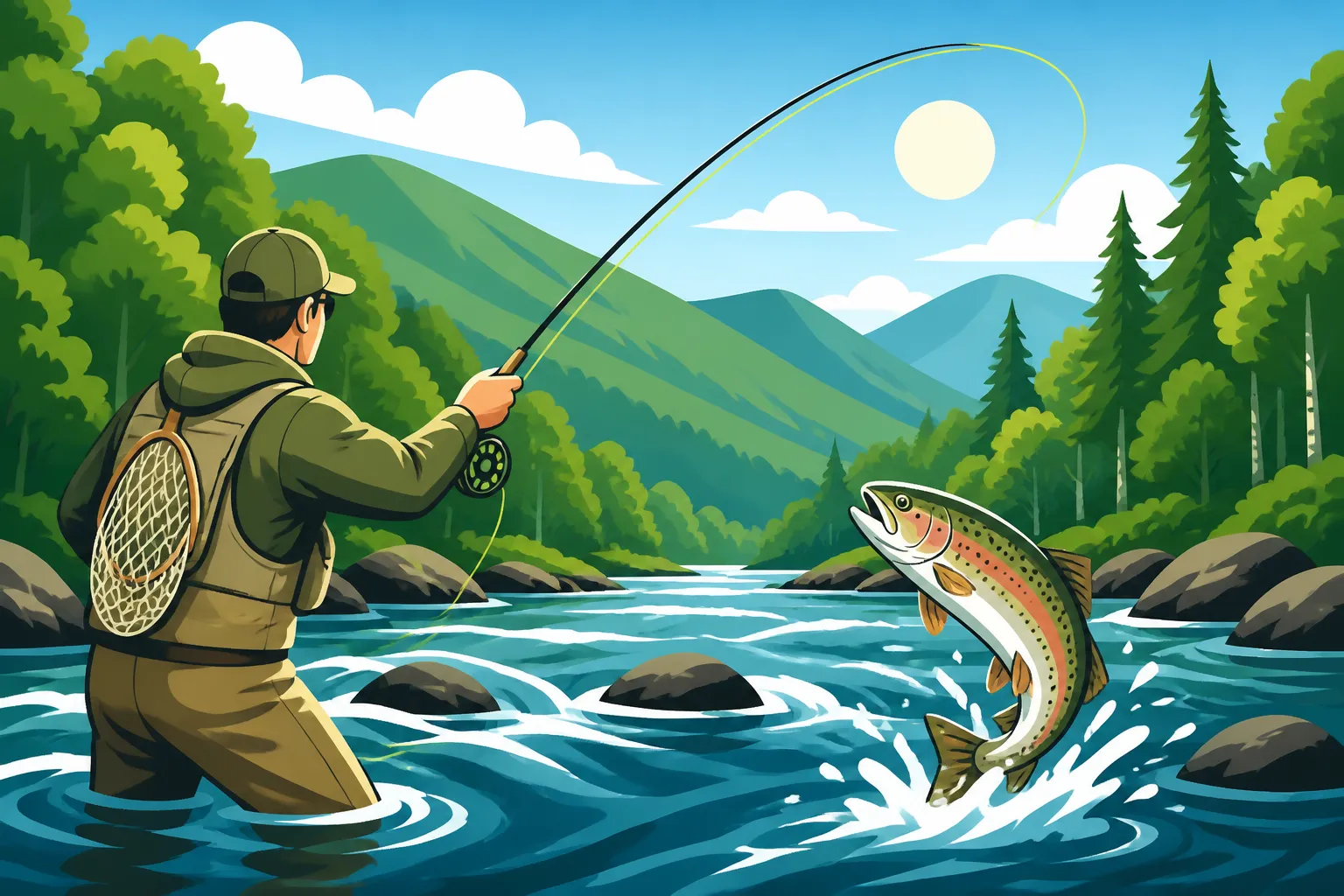
The White River is a fly angler’s dream, renowned across the state for its diverse fly fishing opportunities. If you're planning to go Fly Fishing for Trout in Vermont, the White River should be high on your list. For equipment, a 9-foot, 5-weight fly rod is a fantastic all-around choice for the main stem, offering enough backbone for larger trout while still being delicate enough for smaller presentations. In the smaller, tighter tributaries, a shorter, lighter rod, like a 7'6" 3-weight, can be a joy to use for brook trout.
When it comes to patterns, variety is key. In spring, focus on larger stonefly nymphs (like Pat's Rubber Legs or Hare's Ears) and attractor patterns, perhaps with some flashy components. Streamers, such as Woolly Buggers (in olive, black, or white) and articulated sculpins, are often deadly, especially when the water is high or slightly off-color. As summer progresses, you'll want a good selection of caddis (Elk Hair Caddis, LaFontaine's Emergent Sparkle Pupa), mayflies (Blue-winged Olives, Hendrickson, March Brown), and terrestrial imitations (hoppers, ants, beetles). For nymphing, don't forget your Pheasant Tails, Prince Nymphs, and Squirmy Wormies. In the fall, continue with streamers, add some egg patterns, and don't shy away from attractor dry flies, especially on warm days. The river also has specific sections that are designated as Vermont Catch and Release Fly Fishing Only Waters, so be sure to check the regulations for your chosen stretch.
Spin Fishing Strategies
While fly fishing often gets the spotlight on the White River, spin anglers can be incredibly successful here too, especially when the conditions call for it or if you prefer a more conventional approach. The key is to adapt your gear and techniques to the river's flow and the fish's mood.
For rods, a light to medium-light spinning rod, around 6 to 7 feet in length, paired with a 1000 or 2000 series reel spooled with 4-6 lb test monofilament or fluorocarbon line, is generally ideal. This setup provides enough sensitivity for subtle bites and enough power to handle a good-sized trout. When the water is high and swift in spring, heavier inline spinners (like Panther Martins or Mepps Aglias in sizes #2 to #4) are excellent for getting down to where the fish are holding. Spoons, such as Kastmasters or Little Cleos, can also be very effective, mimicking struggling baitfish. As the water clears and slows in summer, switch to smaller spinners (#0 to #2) or try drifting natural baits like worms, grubs, or small shiners under a float. Always be mindful of local regulations regarding bait use, as some sections might have restrictions. For deeper pools and slower runs, small crankbaits or even soft plastic grub imitations rigged on light jig heads can entice strikes. In fall, don't hesitate to size up your lures a bit, as brown trout become more aggressive and territorial.
Wading and Access Points
Gaining access to the White River is thankfully quite straightforward in many areas, thanks to a network of public fishing access points and roadside pull-offs. However, understanding how to safely and effectively wade the river is just as important as knowing where to get in.
For the most part, the White River offers excellent wading opportunities, especially in its middle and upper sections. You’ll want sturdy wading boots, preferably with felt or rubber soles that grip well on slick rocks, and a reliable wading staff for stability, especially when crossing currents or navigating unfamiliar stretches. Always enter the water carefully, testing the depth and current with your staff before committing. In faster, deeper sections, or when the water is high, it’s often safer to fish from the bank or consider a drift boat if you have access to one. Many sections flow alongside public roads like Route 100, Route 107, and Route 14, making roadside access common. Look for designated Vermont Fish and Wildlife Department access areas, which often include parking and clear paths to the river. Beyond these, numerous bridges offer informal access points, just be respectful of private property upstream or downstream. A helpful tip is to check out the Vermont Fish and Wildlife Department's online maps or even use satellite imagery on services like Google Maps to scout out potential access points and understand the river's character before you go.
Navigating Regulations and Conservation on the White River
Fishing on the White River, like anywhere in Vermont, requires a solid understanding of the state's fishing regulations. These rules aren't just bureaucratic hurdles; they're vital for protecting our precious fish populations and ensuring sustainable angling for generations to come. Trust me, the last thing you want is a fine or, worse, to inadvertently harm the fishery you love. It’s always best to be prepared and informed.
Understanding Catch Limits and Seasons
The White River generally falls under Vermont’s statewide fishing regulations for trout, but it's crucial to always verify the specifics before you cast a line. These regulations cover everything from the opening and closing dates of the season to the daily bag limits and minimum length requirements for different species. For instance, the general trout season for most rivers in Vermont typically runs from the second Saturday in April through the last day of October. You can dive deeper into these details by consulting the official Vermont Fishing Regulations Explained.
When it comes to daily limits, you’ll usually find a combined daily limit for trout (brook, brown, and rainbow) and landlocked salmon, with a specific number allowed per day and sometimes a maximum on how many of those can be of a certain species, like brook trout. There are also minimum length limits in place, meaning any fish caught below a certain size must be immediately and carefully released. This helps protect juvenile fish and allows them to grow into larger, spawning adults. Always carry a tape measure, know how to properly measure your catch from the tip of the nose to the end of the tail, and be prepared to release fish safely.
Special Regulation Sections
While much of the White River adheres to general statewide regulations, it's incredibly important to be aware that certain sections may have special regulations. These special rules are often implemented to protect wild trout populations, enhance angling quality, or manage specific stretches for different fishing experiences, like fly fishing-only or catch-and-release-only areas. Not knowing about these can quickly turn a peaceful day into a frustrating encounter with a game warden.
For example, some stretches might be designated "artificial lures or flies only," meaning bait is prohibited. Others might be "catch and release only," where all fish, regardless of size, must be returned to the water. A good example might be sections managed for trophy trout. It's not uncommon for a river as prominent as the White River to have such zones. The Vermont Fish and Wildlife Department's annual regulation guide is your best friend here. It will clearly delineate these special regulation waters by name or geographical markers. Always consult the most current version of the Vermont Fishing Regulations Guide before heading out. Overlooking these specific rules is a common mistake for both newcomers and seasoned anglers alike.
Practicing Responsible Angling
Beyond simply following the rules, responsible angling on the White River involves a mindset of conservation and respect for the resource. We all want to enjoy these waters for years to come, and that means doing our part to protect them.
One of the most critical aspects is practicing catch and release, especially for wild trout or fish caught in special regulation areas. Learn how to handle fish minimally, keeping them in the water as much as possible, using barbless hooks, and reviving them gently before release. Avoid dragging fish onto dry land, and if you plan to photograph your catch, do it quickly and with wet hands. Discarding monofilament line, plastic packaging, and other trash responsibly is also non-negotiable; pack it in, pack it out, or better yet, pack out more than you brought in. Being mindful of private property rights is also key. Even if you have public access to the river, remember that the banks are often privately owned, so always seek permission if you need to trespass, or stick strictly to marked public access points. Finally, consider reporting any unusual observations, like pollution or poaching, to the Vermont Fish and Wildlife Department to help them monitor and protect the White River fishery.
Hidden Gems and Local Insights for the White River
Every great fishing spot has its secrets, its local knowledge passed down through generations, or insights gained from countless hours on the water. The White River is no exception. While guidebooks and maps can point you to the general areas, tapping into these "hidden gems" and local insights can transform an average day into an extraordinary one.
Finding Solitude on Tributaries
While the main stem of the White River offers fantastic fishing, sometimes you just crave a bit more solitude, a chance to truly connect with nature without another angler in sight. This is where the numerous tributaries of the White River come into their own. These smaller feeder streams, often unnamed on larger maps, or simply less prominent, are where you'll typically find healthy populations of native brook trout. They’re usually smaller fish, but their vibrant colors and the wildness of their habitat make them incredibly rewarding to catch.
These streams are often characterized by tight quarters, dense canopy cover, and plenty of fallen timber and undercut banks – perfect hiding spots for brookies. You'll need to adapt your fishing style: think short, accurate casts with a lightweight fly rod or ultralight spinning gear, focusing on small dries, nymphs, or tiny spinners. Wading can be tricky due to brush, so stealth and careful navigation are crucial. Exploring these tributaries can be an adventure in itself, leading you to pristine pockets of wilderness. However, access can be challenging, often requiring some bushwhacking or finding small, unmarked pull-offs. Always be respectful of private land and be prepared for more rugged conditions.
Local Bait Shops and Guides
One of the best ways to gain instant local insight and truly understand the pulse of the White River is to chat with folks at a local bait shop or, better yet, hire a reputable fishing guide. These individuals live and breathe the river, and their knowledge is invaluable, especially if you're visiting for the first time or looking to explore new sections.
Local bait and tackle shops, like those you might find in towns like Bethel, Rochester, or South Royalton, are often hubs of information. Pop in, buy a few flies or lures, and don't be shy about asking about recent catches, water conditions, or what patterns are currently working. They can often tell you about water levels, recent stocking efforts, and even point you to less-pressured spots. For a truly immersive experience and accelerated learning curve, consider booking a trip with a local guide. A good guide knows the river intimately, can teach you specific techniques for its waters, and will put you on fish you might otherwise miss. Websites like FishingBooker can be an excellent resource for finding experienced guides in the White River area who specialize in trout fishing. They can provide all the gear and expertise, making your trip stress-free and productive. Plus, it's a fantastic way to support local businesses and the angling community.
Post-Fishing Relaxation
After a fulfilling day of casting lines and battling trout on the White River, there's nothing better than unwinding and soaking in the unique charm of central Vermont. This region is dotted with quaint towns, cozy eateries, and friendly establishments perfect for recapping your day's adventures.
Take a drive through the scenic routes, stopping in towns like Rochester, known for its small-town charm and art galleries, or Royalton, home to Vermont Law School and pleasant cafes. If you're staying nearby, many bed and breakfasts or country inns offer a perfect blend of comfort and local hospitality. Imagine enjoying a hearty meal at a local diner, swapping fishing stories, or simply savoring a craft beer from one of Vermont's renowned microbreweries. Consider checking out the local farmers' markets for fresh produce, or explore some of the hiking trails if you still have energy. Fishing is more than just catching fish; it's about the entire experience, and the White River valley certainly offers plenty of opportunities for relaxation and enjoyment once your rod is packed away.
White River Fishing Season at a Glance
To help you plan your angling adventures, here's a quick overview of what to expect on the White River throughout the primary fishing seasons. Remember, these are general guidelines, and conditions can change rapidly based on weather and water levels.
| Season | Typical Water Conditions | Primary Fish Activity | Recommended Techniques & Lures | Key Considerations |
|---|---|---|---|---|
| Spring | High, cold, often off-color | Active but holding deep | Streamers, large nymphs, heavy inline spinners, spoons | Safety first in high water, dress warm, check for runoff |
| Summer | Clear, moderate to low flow | Surface activity (early/late) | Dry flies (match hatch), nymphs, small spinners, bait | Midday can be slow, watch water temps, explore tributaries |
| Fall | Cooler, clear, moderate flow | Aggressive, pre-spawn | Streamers, egg patterns, large spinners, minnow imitations | Browns are active for spawning, handle fish carefully, beautiful foliage |
Frequently Asked Questions About Fishing the White River
Navigating a new river, even one as inviting as the White River, can bring up a lot of questions. We've compiled some of the most common queries to help you feel even more prepared for your Vermont fishing adventure.
Do I need a special license to fish the White River?
Yes, absolutely! Anyone aged 15 or older needs a valid Vermont fishing license to fish any public waters in the state, including the White River. You can easily purchase your license online through the Vermont Fish and Wildlife Department website before you go. Options are available for residents and non-residents, and for different durations like a single day, a few days, or an entire year. For more information, check out our comprehensive guide on How to Buy a Fishing License Online in Vermont or the detailed Vermont Fishing License Guide for 2026. Fishing without a license can lead to hefty fines, so it's not worth the risk!
What's the best time of day to fish the White River?
This really depends on the season! In spring and fall, especially on overcast days, you can often find good fishing throughout the day. However, during the warmer summer months, trout tend to be most active during the cooler parts of the day – that means early mornings (dawn until mid-morning) and late evenings (late afternoon until dusk). The midday sun can make the fish lethargic and send them seeking deeper, cooler water. If you're exploring the small, shaded tributaries for brook trout, you might have success even in midday during summer due to the cooler, covered conditions.
Are there any catch-and-release-only sections on the White River?
While the White River is largely managed under general regulations, special regulation waters are always a possibility on any major Vermont river. It is absolutely critical to check the most current Vermont Fishing Regulations Guide published by the Vermont Fish and Wildlife Department. This guide will clearly outline any specific sections of the White River that might be designated as "catch and release only," "artificial lures or flies only," or have different length or bag limits. These regulations are designed to protect fragile fish populations and enhance the angling experience, so make sure you're aware of them before you start fishing.
What kind of access is available for the White River?
Access to the White River is generally good, with many public access points and roadside pull-offs. The river runs parallel to several state routes, including Route 100, Route 107, and Route 14, making it quite accessible for bank fishing or wading in many areas. You'll find designated Vermont Fish and Wildlife Department access areas that usually include parking and clear paths to the river. Many bridges also offer informal access points. However, always be mindful of private property, and respect posted signs. For specific access points, consulting local maps or even satellite imagery online can be very helpful for scouting. If you're looking for specific types of access, consider exploring options from our Best Fishing Lakes in Vermont or Best Fishing Rivers in Vermont guides.
Can I hire a fishing guide for the White River?
Absolutely! Hiring a local fishing guide is an excellent way to get to know the White River quickly and increase your chances of success, especially if you're new to the area or want to refine your techniques. Guides know the best spots, current conditions, and what flies or lures are producing. Many experienced guides operate in the central Vermont region and specialize in trout fishing on rivers like the White. A great resource for finding and booking reputable local guides is FishingBooker, where you can read reviews and compare services to find the perfect fit for your White River adventure. They can often provide all the necessary gear, too!
Disclaimer
Please note that fishing regulations in Vermont can change. Always consult the most current Vermont Fish and Wildlife Department regulations prior to any fishing trip. This guide is for informational purposes only and should not replace official sources. Practice safe and responsible angling, and always respect private property.