Vermont sailboat passenger life jacket age rule
There's nothing quite like the feeling of catching the wind in your sails on one of Vermont's stunning lakes, whether it's the vastness of Lake Champlain or the serene beauty of Lake Willoughby. But before you cast off, navigating the rules and regulations around boating safety, especially for young passengers and life jackets, can feel a bit like trying to read a nautical chart in a fog. This guide is here to clear the air, diving deep into Vermont's specific requirements for life jackets for sailboat passengers, particularly concerning age, so you can enjoy your time on the water with confidence and compliance.
Understanding Vermont's Boating Safety Mandates
When you're out on the water in Vermont, be it on a sailboat, powerboat, or even a paddleboard, safety isn't just a good idea – it's often the law. The Green Mountain State takes its boating safety seriously, and for good reason. Conditions on Vermont's lakes and rivers can change rapidly, and even experienced mariners can find themselves in unexpected situations. That's why understanding the foundational rules around personal flotation devices (PFDs), more commonly known as life jackets, is absolutely paramount for everyone on board.
The General Importance of Life Jackets
Let's be honest, sometimes strapping on a life jacket can feel like a chore, especially on a beautiful, calm day. But the truth is, a life jacket is the single most important piece of safety equipment you can have on a boat. It's designed to keep you afloat, conserve body heat, and make you visible in the water, significantly increasing your chances of survival if an unforeseen incident occurs. Think about a sudden squall rolling in across Lake Champlain, turning a placid afternoon into a white-capped adventure in minutes. Or perhaps an accidental tumble overboard while leaning out to adjust a sail on Lake Memphremagog. In moments like these, there's no time to retrieve a stowed life jacket. Having it on can be the difference between a scary story and a tragic one. It's not just about obeying the law; it's about safeguarding lives, including your own and those you care about on your vessel.
Who Needs to Wear a Life Jacket on a Sailboat in Vermont
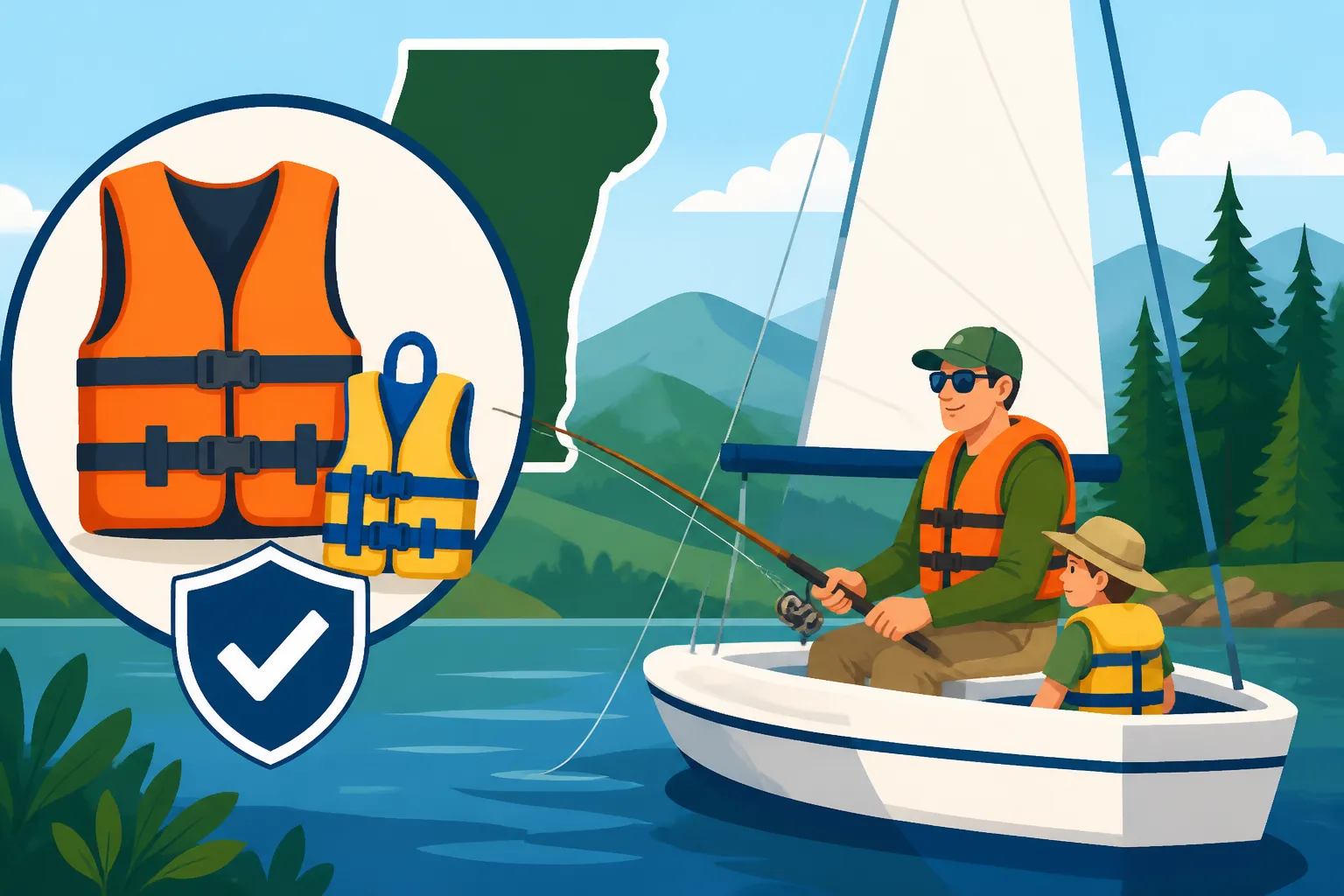
Vermont's boating laws are pretty clear about who needs to wear a life jacket, and sailboats are no exception. While adults generally aren't required to wear a life jacket at all times on a sailboat (though it's always highly recommended, especially for non-swimmers or during rough weather), they must have a U.S. Coast Guard-approved life jacket readily accessible for every person on board. This means it can't be buried under a pile of gear in a locker; it needs to be within arm's reach.
However, when it comes to younger passengers, the rules become much stricter, and rightfully so. Children, with their smaller bodies and often limited swimming abilities, are much more vulnerable to the dangers of the water. The law recognizes this inherent risk and mandates specific requirements to protect them. These mandates are a cornerstone of general Life Jacket Requirements for Vermont Boaters. It's crucial for any sailboat operator to know these specifics, whether you're navigating the currents of the Connecticut River or enjoying a leisurely cruise on Lake Dunmore.
The Specifics of Vermont's Sailboat Passenger Life Jacket Age Rule
This is where many boaters get a little fuzzy on the details, but it's arguably the most important rule when children are involved. Vermont, like many states, has a non-negotiable age mandate for life jacket wear, designed to protect its youngest and most vulnerable boating enthusiasts. Getting this right is not just about avoiding a fine, but about ensuring the well-being of the children in your care.
Unpacking the "Under 12" Rule for Children
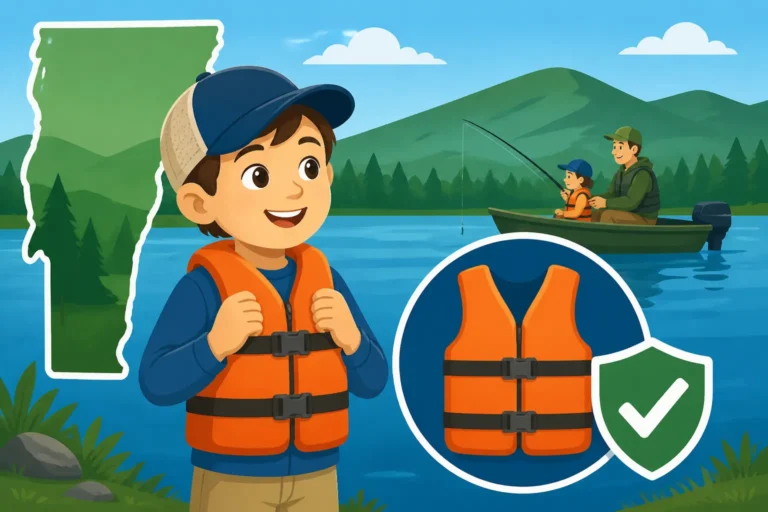
Here's the critical point for anyone operating a sailboat in Vermont: any child under 12 years of age must wear a U.S. Coast Guard-approved life jacket whenever the vessel is underway. Let's break down what "underway" actually means in this context. A sailboat is considered "underway" at any time it's not anchored, moored, or aground. This includes drifting, sailing, or even being propelled by a motor. So, if your sailboat is moving in any capacity, that child needs to be wearing their life jacket. There's no exception for calm waters, proximity to shore, or the child being a strong swimmer. The law is absolute.
Imagine you're taking your niece and nephew for a sail across Lake Bomoseen. As soon as you unmoor from the dock and begin to move, even just pulling out of the cove, both children (if they're under 12) must have their life jackets securely fastened. It's not optional. This rule is a direct response to countless incidents where children have fallen overboard quickly and silently, often with tragic results, even in seemingly safe conditions. The moment they hit the water, especially cold Vermont water, shock and disorientation can set in instantly, making it incredibly difficult to stay afloat without assistance.
The Role of the Vessel Operator and Passenger Responsibility
As the operator of the sailboat, the responsibility for adhering to this "under 12" rule ultimately rests on your shoulders. You are the captain, and ensuring compliance is part of your legal and moral duty. It's not up to the child's parents if they are also on board; it's up to you, the person in control of the vessel. The Vermont Fish & Wildlife Department and local marine patrols actively enforce these regulations, and non-compliance can lead to citations and fines. These penalties can be significant, but more importantly, failing to ensure a child wears a life jacket could lead to an irreversible tragedy.
Beyond simply complying with the age rule, it's also your responsibility to ensure that the life jackets on board are properly sized and in good working condition for everyone, even adult passengers. A life jacket that's too big can slip off, and one that's too small won't provide adequate flotation. Old, waterlogged, or torn life jackets are also ineffective and don't meet USCG approval. Make it a routine part of your pre-sail checklist to inspect all PFDs and confirm that every child under 12 has theirs on and properly fitted before leaving the dock. This is a crucial component of general Vermont Boating Laws for Anglers and pleasure boaters alike.
Choosing the Right Life Jacket and Ensuring Compliance
So, you understand the rule, but how do you make sure you're getting the right gear and going above and beyond to keep everyone safe? Choosing the correct life jacket, especially for children, isn't just about picking the brightest color or the cheapest option. It's about selecting a USCG-approved device that fits properly and is appropriate for the activity.
Selecting a USCG-Approved Life Jacket for Children
When we talk about "U.S. Coast Guard-approved," what does that actually mean? It refers to PFDs that have met rigorous testing standards set by the USCG for buoyancy, materials, and construction. These are typically categorized into Types I, II, III, IV, and V. For recreational sailing, especially with children, you'll most often encounter Type II (near-shore buoyant vests) and Type III (flotation aids). Type III PFDs are generally the most comfortable for active use, allowing for a good range of motion, which is great for kids moving around on a sailboat. They come in various styles, including vest-like designs that are easy to wear.
The absolute key for children's life jackets is fit. A life jacket is only effective if it fits snugly and doesn't ride up over their ears when you lift them by the shoulders of the jacket. Children's sizes are determined by weight range, not age. Always check the label to ensure it matches the child's current weight. For instance, a child weighing 40 pounds will need a different size than a child weighing 70 pounds, even if they are the same age. When you're looking for comfortable, properly fitted life jackets for your little ones, places like Amazon offer a wide selection of USCG-approved options from various reputable manufacturers. You can often find detailed sizing charts and customer reviews there to help make an informed choice. It’s important to remember that even if you find a fantastic deal, if it's not USCG-approved or doesn't fit correctly, it's not safe.
When you're outfitting your crew, especially the younger ones, consider brands known for their quality and comfort. Companies like O'Neill, Stearns, and Stohlquist often have excellent options for children, designed with features like crotch straps to prevent ride-up, durable materials, and bright colors for visibility. Many anglers find it convenient to purchase their safety equipment, like extra life jackets or a new throw cushion, from Amazon due to the wide selection and easy comparison of features and sizing. Just be sure to double-check the USCG approval and the weight range before you buy. Remember, the goal is not just to have a life jacket, but the right life jacket for each child.
Beyond the Mandate: Best Practices for Sailboat Safety
While Vermont's "under 12" rule is mandatory, true boating safety goes beyond simply meeting the minimum legal requirements. It’s about cultivating a culture of safety on your vessel. For example, even if an adult isn't legally required to wear a life jacket, it's a wise practice for non-swimmers, during colder weather when hypothermia is a risk, or when navigating particularly treacherous stretches of water. Strong currents in rivers like the Winooski or Lamoille, or the often unpredictable waves on Lake Champlain, can make even a strong swimmer vulnerable if they unexpectedly enter the water.
Make it a habit to regularly inspect all your life jackets. Check for tears, punctures, faded colors, or any signs of degradation that could compromise their buoyancy. Store them in a dry, accessible location, out of direct sunlight, to prolong their lifespan. Beyond PFDs, a comprehensive boat safety checklist should include other essential items like a sound-producing device (horn or whistle), visual distress signals (flares for night, flag for day), a fire extinguisher (if required for your vessel size), and proper navigation lights. Understanding the Vermont Required Boat Safety Equipment Checklist can help ensure you have everything you need. Even if you only plan for a short cruise, being prepared for emergencies is a hallmark of a responsible boater. For those who enjoy Kayak Fishing Techniques for Vermont Lakes or other small vessel activities, these considerations are equally vital.
| Passenger Age Group | Life Jacket Requirement (Sailboat Underway) | Type of Life Jacket | Operator Responsibility |
|---|---|---|---|
| Under 12 years old | MUST WEAR USCG-approved life jacket | Type I, II, III, or V | Ensure worn and properly fitted |
| 12 years and older | USCG-approved life jacket MUST BE READILY ACCESSIBLE for each person | Type I, II, III, or V | Ensure one available for each person on board |
| Anyone on a personal watercraft (PWC) | MUST WEAR USCG-approved life jacket | Type I, II, III, or V | Ensure worn and properly fitted |
| Anyone being towed (e.g., waterskiing) | MUST WEAR USCG-approved life jacket | Type I, II, III, or V | Ensure worn and properly fitted |
Remember, your best defense against an emergency on the water is proactive safety. By understanding and adhering to Vermont's life jacket rules, especially for our youngest passengers, and by going the extra mile with smart safety practices, you ensure that every sailing trip is not just enjoyable, but truly safe. This dedication to safety also extends to other regulations, like understanding Vermont Boat Registration Requirements and general navigation rules.
Disclaimer
The information provided in this guide is for general informational purposes only and does not constitute legal advice. While we strive to provide accurate and up-to-date information, boating laws and regulations can change. It is always the responsibility of the vessel operator to consult the most current Vermont Fish & Wildlife Department regulations and any other applicable state or federal laws before operating a vessel.