Lake Dunmore Fishing Guide
Navigating the myriad of fishing opportunities in Vermont can feel a bit overwhelming, especially when you're looking for that sweet spot that blends excellent angling with breathtaking scenery and a slightly less pressured environment than the giants like Lake Champlain. Many anglers find themselves yearning for a tranquil yet productive body of water, but struggle to find detailed, specific guidance for these smaller, more intimate lakes. This comprehensive guide is designed to cut through that uncertainty, providing you with all the essential knowledge to unlock the fantastic fishing potential of Lake Dunmore, ensuring your next trip is both successful and incredibly enjoyable.
Discovering Lake Dunmore's Unique Appeal
Nestled in the heart of Addison County, Lake Dunmore is one of Vermont's true gems, offering a diverse fishery wrapped in stunning natural beauty. It's a place where you can truly escape, cast a line, and feel the peace of the Green Mountain State. But don't let its serene surface fool you; beneath the clear waters lies a vibrant and robust ecosystem teeming with a variety of game fish.
Lake Characteristics and Geography
Lake Dunmore is a sizable freshwater lake, spanning approximately 1,070 acres with a maximum depth of around 60 feet. This combination of size and depth creates a rich habitat, catering to both warm-water and cool-water species. The lake's bottom composition is wonderfully varied, ranging from rocky shoals and ledges to sandy flats and substantial weed beds, particularly in the shallower northern and southern ends. These diverse structures are precisely what makes Dunmore so appealing to anglers, as different species will gravitate to different areas depending on the season and time of day.
Geographically, Lake Dunmore is situated just east of the town of Salisbury and south of Middlebury, making it relatively accessible. It’s surrounded by a mix of forested hillsides, some residential development, and, notably, is connected to the smaller, more shallow Silver Lake by a narrow channel. This connection adds another layer of complexity and opportunity, as fish can move between the two bodies of water. The mountainous backdrop, especially during peak foliage, makes for an incredibly picturesque fishing experience that rivals any postcard scene.
Primary Game Fish Species
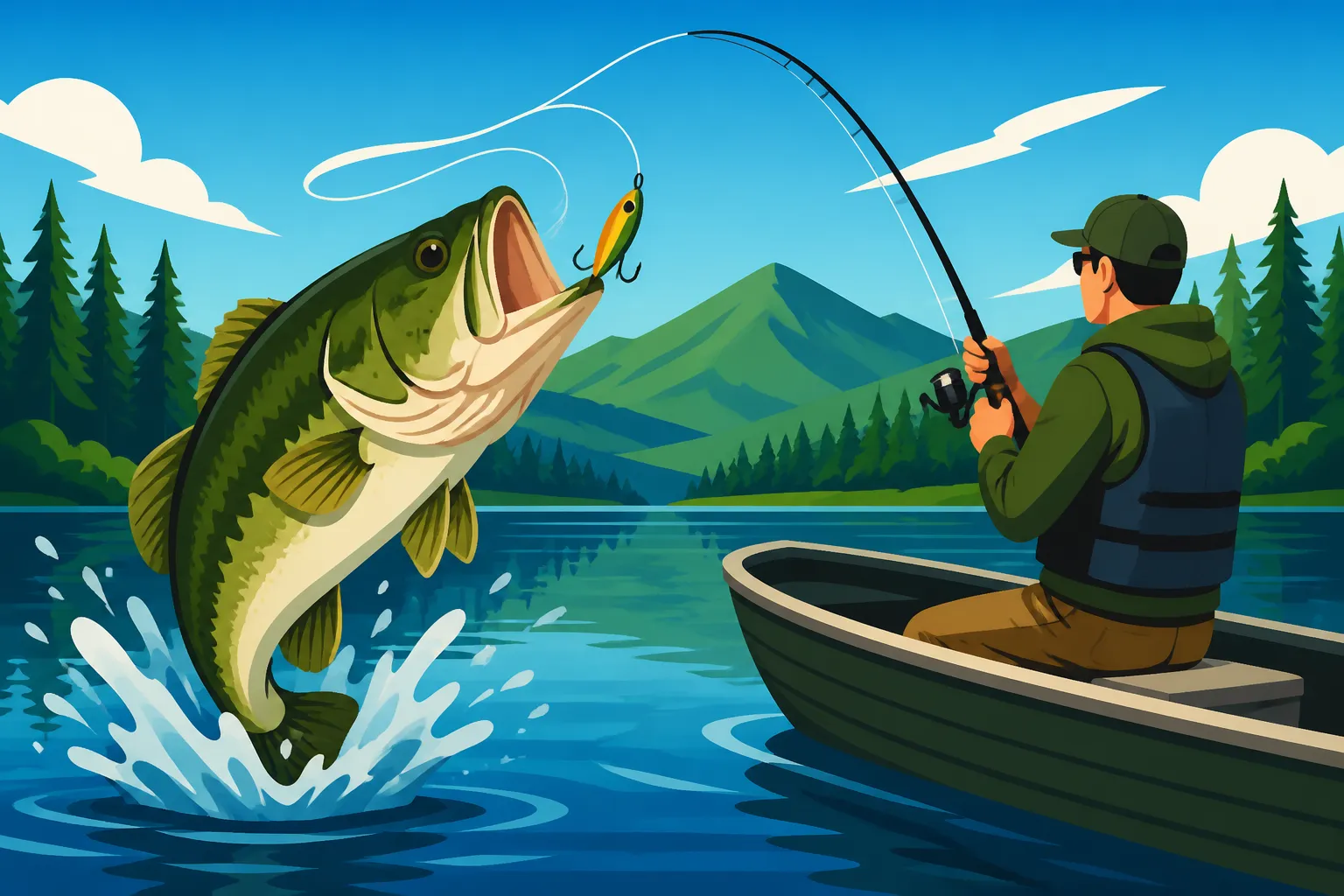
Lake Dunmore is renowned for its diverse fishery, boasting a healthy population of several highly sought-after species. For many anglers, the star attractions are the smallmouth and largemouth bass. Both species thrive here, offering exciting topwater action in the summer and spirited fights throughout the warmer months. You'll find smallmouth congregating around the rocky points and deeper structures, while largemouth prefer the dense weed cover and submerged timber.
Beyond bass, Lake Dunmore is home to some impressive northern pike and their equally toothy cousins, the chain pickerel. These aggressive predators lurk in the expansive weed beds, providing thrilling strikes and a formidable challenge. The lake also supports a respectable population of yellow perch, which are a fantastic target for panfish enthusiasts and often provide consistent action, especially through the ice. And for those who prefer colder water quarry, Lake Dunmore receives periodic stockings of brown trout and rainbow trout, which thrive in the deeper, cooler sections of the lake, particularly in the spring and fall. These trout provide a different kind of challenge, often requiring more specialized techniques.
Why Lake Dunmore Stands Out for Anglers
Compared to its larger, more famous counterparts, Lake Dunmore truly shines for several reasons. Firstly, it offers a remarkably less crowded experience than the bustling waters of Lake Champlain. This means more peace, more quiet, and more open water to explore without constantly competing for prime spots. This tranquility is a huge draw for those looking to truly relax and immerse themselves in nature.
Secondly, the sheer variety of species available ensures that there’s always something biting, regardless of your preferred angling style or the time of year. Whether you’re a dedicated bass angler, a pike enthusiast, a fly fisher chasing trout, or just looking to introduce a child to the joy of catching panfish, Dunmore delivers. This diversity makes it an ideal destination for mixed groups or families with varied interests.
Lastly, the lake's scenic beauty is unparalleled. Fishing against a backdrop of verdant hills, especially as the seasons change, is an experience in itself. It's a place where the journey and the surroundings are as rewarding as the catch. Add to this a generally family-friendly atmosphere, with various accommodations and recreational opportunities nearby, and you have a well-rounded destination that caters to more than just the hardcore angler. It’s a place where memories are made, both on and off the water.
Targeting Lake Dunmore's Diverse Fish Population
Fishing Lake Dunmore requires a bit of strategy, given the array of species and their varied preferences. Understanding where and how to target each fish will significantly boost your success rate and ensure a more rewarding outing.
Battling Bass: Smallmouth and Largemouth Strategies
Lake Dunmore is truly a bass angler's paradise, offering fantastic opportunities for both smallmouth and largemouth. The key to success lies in understanding their distinct habits and habitats.
For smallmouth bass, think rock and depth. These bronze-backed fighters prefer clear water and will often be found patrolling rocky points, submerged humps, and steep drop-offs, especially along the deeper main lake basin. In spring and early summer, they might push shallower during spawning, but generally, they prefer structure in 10-25 feet of water. Effective lures include tube jigs, which mimic crayfish that smallmouth love, drop shot rigs for presenting soft plastics vertically, and crankbaits that dive to their preferred depths. Topwater lures like poppers and walk-the-dog baits can be incredibly exciting during low-light conditions or when smallmouth are actively feeding on the surface. If you're looking for more detailed advice on these tenacious fish, our guide on How to Catch Smallmouth Bass in Vermont Lakes offers even deeper insights.
On the other hand, largemouth bass are creatures of cover and shallow water. Look for them hunkered down in dense weed beds, around fallen trees, under docks, and amidst lily pads, particularly in the northern and southern coves of the lake. These fish are ambush predators, so presentation is key. Texas-rigged soft plastics like Senkos or creature baits are deadly when pitched into heavy cover. Frog lures and hollow-bodied plastics worked over matted vegetation can trigger explosive topwater strikes. Spinnerbaits are excellent for covering water along weed lines. The transition zones where weeds meet open water are always prime targets. For more specific tactics to land these green giants, check out our in-depth article on Largemouth Bass Fishing in Vermont.
Pike and Pickerel: Aggressive Action
Lake Dunmore holds a robust population of northern pike and chain pickerel, offering anglers some truly aggressive strikes and strong fights. These fish are often found in similar habitats, lurking in areas that provide ample cover for ambushing prey.
Both pike and pickerel are masters of camouflage, blending seamlessly into heavy weed beds, submerged timber, and along the edges of dense aquatic vegetation. The shallower, weedy bays, especially in the northern end of the lake, are prime hunting grounds for these toothy predators. When targeting them, you need lures that can penetrate or ride over thick cover and entice a reaction strike. Large spinnerbaits with broad blades, flashy spoons that flutter on the fall, and aggressive jerkbaits are all excellent choices. For a more subtle approach, or when the bite is tough, live bait like large shiners fished under a bobber can be incredibly effective.
It's absolutely crucial to remember that these fish have very sharp teeth. Always use a steel leader or heavy fluorocarbon leader (at least 30-pound test) to prevent bite-offs. Keep a pair of long-nosed pliers or a jaw spreader handy for safe hook removal, protecting both yourself and the fish. For more on how to identify and pursue these aquatic carnivores, take a look at our article on Chain Pickerel Habits in Vermont Ponds.
Pursuing Trout and Panfish
While bass and pike might steal the show, Lake Dunmore also offers rewarding opportunities for trout and panfish, making it a truly diverse fishery.
The lake is regularly stocked with brown trout and rainbow trout by the Vermont Fish and Wildlife Department. These trout prefer cooler, deeper water, especially as the summer progresses. In spring and fall, when water temperatures are more uniform, they might be found shallower, cruising near rocky points or along the main lake basin. Trolling small spoons like Dardevles or Mooselooks, or slender stickbaits such as Rapalas and Thundersticks, is a popular and effective method. Downriggers or lead core line can help get your lures to the correct depth during summer when trout seek the cooler thermocline. Jigging with small spoons or blade baits in deeper water can also entice strikes. If you're planning your trip around trout, our Vermont Trout Season and Stocking Rules guide can give you critical dates and information.
Panfish, primarily yellow perch, are abundant in Lake Dunmore and are an excellent target, especially for beginners or those seeking consistent action. Perch can be found almost anywhere, but they tend to congregate around weed edges, docks, and areas with a softer bottom composition. They're not picky; a simple setup with a small hook, a piece of worm, or a tiny jig tipped with bait will often yield success. Ice fishing for perch is particularly popular and productive. Our Yellow Perch in Vermont Lakes article offers even more details on these fun-to-catch fish. Bluegill and pumpkinseed sunfish are also present in the shallower, weedy areas, providing plenty of bites on ultralight gear.
Prime Fishing Locations and Structures
Lake Dunmore’s diverse underwater topography and shoreline features create numerous hotspots for anglers. Knowing where to focus your efforts will drastically improve your chances of a successful outing.
Shoreline Access and Public Areas
For those who prefer to fish from shore or launch smaller, non-motorized craft, Lake Dunmore offers several convenient access points.
Branbury State Park on the eastern shore provides excellent public access, including a sandy beach area. While the beach itself might be busy during summer, the surrounding shoreline within the park offers opportunities for bank fishing, especially for panfish and smaller bass that patrol the shallower edges. You can also launch kayaks or canoes from the beach. Another notable spot is the connection to Silver Lake State Park, which lies directly east of Dunmore and is accessible via a short stream. While primarily focused on Silver Lake, the area around the channel can be a productive spot as fish move between the two lakes.
The primary Vermont Fish & Wildlife public boat launch, located off Route 53 on the western side of the lake, is ideal for accessing the main body of water. While primarily for launching boats, the immediate area around the launch can sometimes yield catches, particularly during less busy times. For anglers without a boat, targeting the points and coves accessible from these public lands can still be very rewarding. Consider using services like FishingBooker to find a local guide who can show you some lesser-known shore-fishing hotspots or take you out on their boat for a more comprehensive tour.
Identifying Key Underwater Structures
Understanding Lake Dunmore's underwater landscape is like having a secret map to where the fish hide. Successful anglers learn to "read" the water and identify these key structures.
Points and Humps are absolute magnets for smallmouth bass. Look for areas where a piece of land juts out into the lake, or where underwater rock piles rise from the bottom. These act as ambush points and feeding stations. Smallmouth will cruise these structures, especially on the deeper sides where they can quickly retreat. Using a good fish finder to locate these humps and points, then precisely presenting your lures, is a game-changer.
Weed Lines and Beds are the domain of largemouth bass, northern pike, and chain pickerel, as well as plenty of panfish. Lake Dunmore has extensive weed beds, particularly in the northern and southern sections. The key is to fish the "edges" – where the thick weeds meet open water, or where a slight break occurs within a large bed. These edges provide cover for predators and baitfish alike. Flipping jigs, working spinnerbaits along the edges, or throwing topwater frogs over matted weeds are highly effective tactics here.
Drop-offs and Ledges are critical for deeper-dwelling fish like trout and larger smallmouth bass. As the bottom quickly plunges from shallow to deep water, these ledges create thermal breaks and current differentials that attract fish. During warmer months, trout will often suspend along the thermocline (the layer where warm surface water meets cooler deep water) over these drop-offs. Trolling at specific depths or vertically jigging can be very effective here. Many of Lake Dunmore's prime trout areas are associated with these deep-water structures.
Seasonal Hotspots and Patterns
The fishing on Lake Dunmore changes dramatically with the seasons, and understanding these shifts is vital for consistent success. Our comprehensive Vermont Fishing Seasons by Month guide can offer broader insights into these patterns.
Spring, especially after ice-out, sees fish moving into shallower bays and coves as the water warms up. This is prime time for both largemouth and smallmouth bass, as they prepare for and engage in spawning. Pike and pickerel will also be very active in the shallower weedier areas. Look for coves that receive a lot of sun exposure to find the warmest water.
Summer brings warmer surface temperatures, pushing trout into the deeper, cooler parts of the main lake basin. Smallmouth bass might also move deeper, though early mornings and late evenings can still offer fantastic topwater action along rocky points. Largemouth will be in their dense weed cover, often requiring presentations directly into the thick stuff. Night fishing for bass can also be productive during hot summer months.
Fall is a fantastic time to fish Lake Dunmore. As water temperatures begin to cool, baitfish schools become more active, and predators like bass, pike, and pickerel go on a feeding frenzy to fatten up for winter. Fish will often move shallower again, similar to spring, before retreating to deeper haunts. Trolling for trout also becomes very effective as they move throughout the water column.
Winter transforms Lake Dunmore into an ice fishing haven. Yellow perch, northern pike, and chain pickerel are popular targets through the ice. Jigging small spoons or using tip-ups with live bait are common and effective methods. Always prioritize safety and check ice thickness before venturing out, as detailed in our guide on Vermont Ice Fishing Season Dates.
Navigating Lake Dunmore: Boating and Access
Getting onto Lake Dunmore is straightforward, but understanding the various access points and regulations will ensure a smooth and safe experience for all anglers.
Boat Launches and Access Points
The primary access point for trailerable boats is the Vermont Fish & Wildlife public boat launch, conveniently located on the western side of the lake, off Route 53. This launch provides ample parking for vehicles and trailers, making it easy to put in even larger fishing boats. It's a well-maintained facility, but during peak summer weekends, it can get busy, so plan accordingly for early morning starts or late afternoon launches to avoid congestion.
Beyond the public launch, there are a few private marinas and resorts around Lake Dunmore that may offer temporary launching services for a fee, or that provide boat rentals if you're visiting without your own craft. Many vacation rentals and cabins along the shoreline also have private docks, providing convenient access if you're staying directly on the lake. If you’re considering chartering a fishing trip on Dunmore, a quick search on FishingBooker can connect you with local guides who are intimately familiar with the lake and its best access points.
Boating Regulations and Safety
Like all Vermont waterways, Lake Dunmore has specific boating regulations designed to ensure the safety and enjoyment of everyone. It's crucial to be aware of these rules before heading out.
One significant consideration is the presence of no-wake zones, particularly near shore, around swimming areas, and within the channel connecting to Silver Lake. These zones require you to operate your vessel at minimum headway speed, creating no appreciable wake, which is vital for safety and to prevent shoreline erosion. The main body of the lake allows for higher speeds, but always operate defensively and be mindful of swimmers, paddle craft, and other boats. For a full rundown of all necessary navigation rules, consult our comprehensive guide on Vermont Boating Laws for Anglers.
Life jacket requirements are strictly enforced. All vessels must carry at least one U.S. Coast Guard-approved wearable life jacket for each person on board. Children under 12 years of age are required to wear a life jacket at all times when on a vessel, unless they are below deck in an enclosed cabin. This is a critical safety measure, especially for families fishing with young children. Our Life Jacket Requirements for Vermont Boaters article provides all the details you'll need. Furthermore, all motorized vessels are subject to Vermont boat registration requirements, even if registered in another state, for extended stays. Make sure your registration is current and visible.
Kayak and Canoe Fishing Opportunities
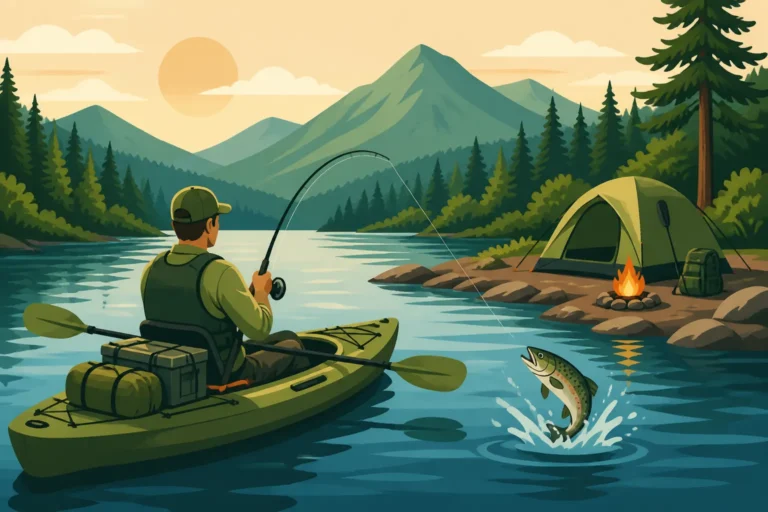
Lake Dunmore is an absolutely fantastic destination for kayak and canoe fishing. The lake's moderate size, varied shoreline, and numerous coves make it highly accessible and rewarding for paddle craft anglers. The advantages of fishing from a kayak or canoe on Dunmore are numerous.
Firstly, the stealth factor is huge. You can quietly paddle into shallow bays, along weed lines, and right up to docks without spooking wary fish. This is particularly effective when targeting largemouth bass in dense cover or when trying to get close to schooling panfish. Secondly, paddle craft allow you to access tighter spots and shallower areas that larger motorboats simply can't reach, opening up new fishing grounds that receive less pressure. Many of the lake's prime weed beds and lily pad fields are best approached by kayak.
While the main lake can get windy, the numerous protected coves offer sheltered paddling even on blustery days. Just be mindful of wind conditions, especially if you plan to venture across the wider sections of the lake. For those seeking a truly immersive experience, combining kayak fishing with an overnight stay at Branbury State Park can make for an unforgettable trip. If you're looking for the right paddle craft or more information on how to outfit it, our Best Kayak for Lake Champlain post (which, while specific to Champlain, offers universal tips for larger lakes) or our Best Kayak Fishing Spots in Vermont guide will have valuable advice.
Essential Regulations and Responsible Angling
Fishing Lake Dunmore, or any Vermont water, isn't just about catching fish; it's about doing so responsibly and sustainably. Adhering to regulations and practicing good stewardship ensures these pristine waters remain healthy for generations to come.
Understanding Vermont's Fishing License Requirements
Before you even think about wetting a line in Lake Dunmore, securing the correct Vermont fishing license is paramount. Almost everyone over the age of 15 needs one, whether you're a Vermont resident or visiting from out of state. There are specific age exemptions, primarily for very young anglers, but it's always best to check the current rules.
You have several convenient options for purchasing a license. The easiest for many is to buy your fishing license online in Vermont directly through the Vermont Fish and Wildlife Department's website. This allows you to print it at home or carry a digital copy on your phone. Alternatively, licenses can be purchased in person at various local vendors, including many sporting goods stores, bait shops, and some town clerks across Vermont. Different license types are available, from annual licenses to shorter-term options like 1-day, 3-day, or 7-day nonresident permits, catering to various trip lengths. To ensure you're fully compliant, our comprehensive Vermont Fishing License Guide for 2026 covers all the details, including specific Vermont Fishing License Age Requirements.
Lake Dunmore Specific Regulations
While the general Vermont fishing regulations apply, it's always critical to consult the official Vermont Fishing Regulations Explained guide for any specific rules pertaining to Lake Dunmore itself. These guides are updated annually and are your go-to resource.
Key regulations to pay attention to include daily limits and length limits for specific species. For instance, bass often have minimum length limits (e.g., Vermont Bass Minimum Length Limits) and daily possession limits to protect the population, especially during spawning periods. Trout also have specific daily limits and may have size restrictions depending on the waterbody. Northern pike and chain pickerel might have different rules than other species. Always double-check these before your trip to avoid any unintended violations. Practicing catch and release for certain species, especially larger, trophy-sized fish, is a fantastic way to contribute to the lake's health and ensure future generations can enjoy the same opportunities. Learn more about the specifics in our Vermont Bag and Possession Limits by Species article.
Protecting Lake Dunmore's Ecosystem
As responsible anglers, we all have a role to play in protecting Lake Dunmore's beautiful and delicate ecosystem. One of the most critical aspects is invasive species prevention. Before launching or leaving the lake, remember to "clean, drain, dry" your boat and all fishing gear. This means removing all visible mud, plants, and animals; draining all water from your boat, livewell, and bilge; and thoroughly drying everything. This simple practice helps prevent the spread of harmful invasives like zebra mussels or Eurasian watermilfoil, which can devastate native habitats.
Beyond invasives, simply being a good steward of the land and water is essential. Litter prevention is non-negotiable – pack out everything you pack in, and perhaps even a little extra. Lost fishing line, hooks, and plastics can harm wildlife and detract from the natural beauty of the area. Practicing ethical angling also means handling fish gently when releasing them, minimizing their time out of water, and using appropriate gear to prevent undue stress. Finally, always respect private property along the shoreline and only access the lake from designated public areas. By following these guidelines, we can all help preserve Lake Dunmore as a premier fishing destination for years to come.
Lake Dunmore Species and Seasonal Fishing Snapshot
Here's a quick overview to help you visualize what to expect when fishing Lake Dunmore throughout the year. Remember to always consult the current Vermont Fishing Regulations for the most up-to-date limits and seasons.
| Species | Best Season(s) | Common Lures/Baits | Prime Locations | Typical Size Range |
|---|---|---|---|---|
| Smallmouth Bass | Spring, Summer, Fall | Tube jigs, Drop Shots, Crankbaits, Topwater | Rocky points, Deep humps, Drop-offs | 12-18 inches |
| Largemouth Bass | Spring, Summer, Fall | Senkos, Frogs, Spinnerbaits, Jigs | Dense weed beds, Docks, Lily pads, Laydowns | 10-16 inches |
| Northern Pike | All Year (incl. Ice Fishing) | Large spoons, Jerkbaits, Live shiners | Heavy weed beds, Submerged timber | 20-30+ inches |
| Brown & Rainbow Trout | Spring, Fall (Summer deep) | Small spoons, Stickbaits, Worms, PowerBait | Deeper main lake basin, Thermocline, Inlets | 10-18 inches |
| Yellow Perch | All Year (incl. Ice Fishing) | Small jigs, Worms, Minnows | Weed edges, Docks, Soft bottom flats | 6-10 inches |
| Chain Pickerel | All Year (incl. Ice Fishing) | Spoons, Spinnerbaits, Live minnows | Weedy coves, Shallow flats, Submerged brush | 15-25 inches |
| Panfish (Bluegill, Pumpkinseed) | Spring, Summer, Fall | Worms, Small jigs, Tiny spinners | Shallow weed edges, Docks, Overhanging trees | 4-8 inches |
Disclaimer
The information provided in this guide is for general informational purposes only and is subject to change. Fishing regulations, season dates, and license requirements are set by the Vermont Fish and Wildlife Department and can be updated annually. Always consult the most current official Vermont Fishing Guide before engaging in any fishing activities. We are not responsible for any inaccuracies or outdated information. Fishing involves inherent risks; please exercise caution and good judgment.