Vermont Lake Bomoseen fishing regulations
Trying to figure out all the nuances of fishing regulations can feel like trying to untangle a bird's nest of fishing line – it's confusing, frustrating, and often leaves you wondering if you've missed something crucial. Especially when you're targeting a specific, beloved spot like Lake Bomoseen here in Vermont, you want to be absolutely sure you're playing by the rules. This guide is here to cut through that confusion, helping you understand the specific Vermont Lake Bomoseen fishing regulations so you can focus on what truly matters: catching fish and enjoying our beautiful waters.
Understanding Statewide Fishing Regulations in Vermont
Before we dive specifically into the waters of Lake Bomoseen, it’s really important to get a handle on the general fishing regulations that apply across most of Vermont. Think of these as the foundational rules; many of them will hold true for Bomoseen unless explicitly stated otherwise. Vermont's fishing rules are designed to protect our precious fish populations and ensure healthy fisheries for generations to come. Skipping over these general principles is a common mistake and can lead to unintentional violations.
The Annual Fishing License Requirement
First things first, nearly everyone over a certain age needs a valid Vermont fishing license. It's not just a piece of paper; it's your official permission slip to fish in our state's waters. Whether you're a long-time resident or just visiting our beautiful Green Mountain State for a fishing getaway, understanding who needs a license and how to get one is paramount. Children under 15 generally don't need a license, which is fantastic for introducing youngsters to the sport, but for anyone older, it's a must. There are different types of licenses too – annual, 3-day, 7-day, resident, non-resident, and even combination hunting and fishing licenses.
Getting your license is pretty straightforward these days. You can often purchase them online through the Vermont Fish & Wildlife Department website, or at local license agents like sporting goods stores, town clerk offices, or even some general stores. It's always a good idea to secure your license before you even pack your tackle box, so there are no last-minute scrambling issues. You wouldn't want to get all the way to the boat launch at Lake Bomoseen only to realize you forgot this essential step! For more details, check out our guide on how to buy a fishing license online in Vermont.
General Bag and Possession Limits
Beyond the license, Vermont has statewide rules concerning how many fish of a particular species you can keep in a day (the "daily limit") and how many you can have in your possession at any given time, including those already at home (the "possession limit"). These limits can vary significantly from one species to another, and they're put in place to prevent overfishing and maintain sustainable populations. For instance, panfish like yellow perch or bluegill often have very generous limits, while more prized game fish like trout or bass might have much stricter daily allowances.
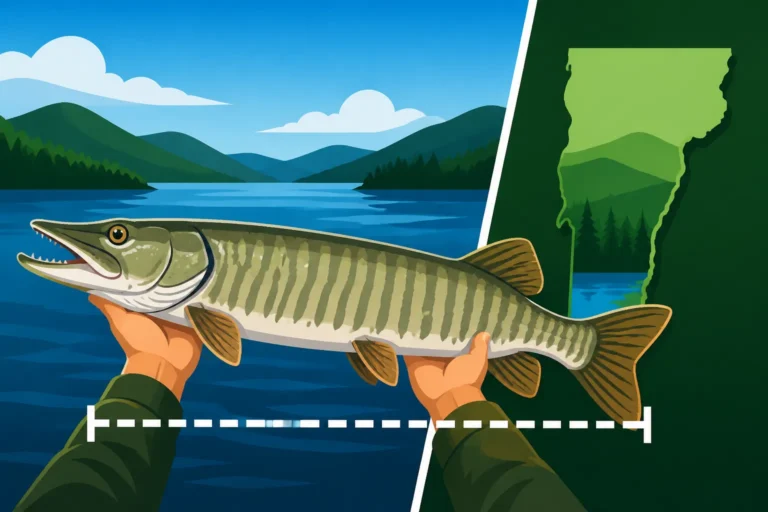
It's not just about the number of fish either; minimum length requirements are also a critical component of these regulations. Catching a fish that's too short, even if you intend to keep it within the bag limit, means you have to release it immediately. Knowing these lengths for the species you hope to catch is non-negotiable. Always consult the official Vermont Fishing Regulations guide, which you can often find in print at license vendors or download digitally from the state's Fish & Wildlife website. This is your go-to resource for specific numbers, and it's a good idea to have a copy with you, perhaps even a waterproof one you picked up on Amazon, when you're out on the water. You can find comprehensive details in our article, Vermont Bag and Possession Limits by Species.
Specific Fishing Regulations for Lake Bomoseen Species
Now, let's zero in on Lake Bomoseen. While many statewide regulations apply, some popular Vermont lakes have specific rules that supersede the general ones, designed to manage their unique fisheries. Lake Bomoseen is a fantastic, diverse fishery, offering opportunities for many different species. Knowing these particular nuances for this lake is key to a successful and legal fishing trip.
Bass Regulations on Lake Bomoseen
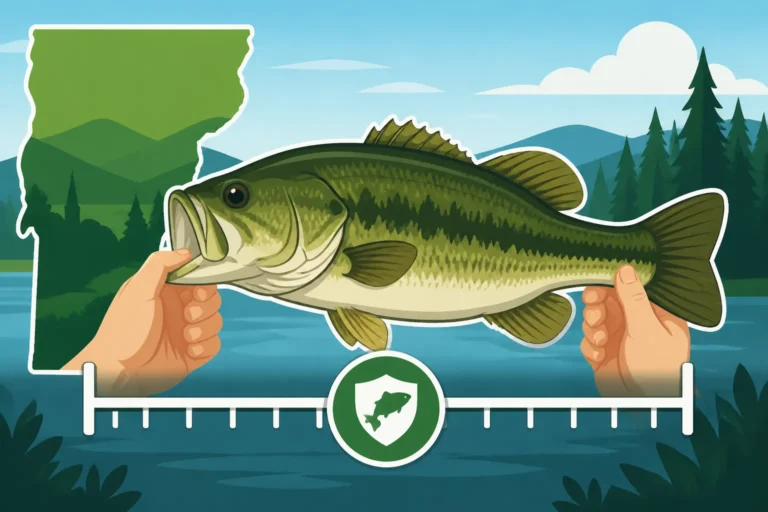
Lake Bomoseen is a renowned destination for bass anglers, boasting healthy populations of both largemouth and smallmouth bass. However, the bass season often has distinct phases that anglers need to be aware of. Generally, Vermont has a "catch and release" period for bass before the full harvest season opens. During this time, you can still target bass, but they must be returned to the water immediately. This period is crucial as it typically coincides with the bass spawning season, protecting these fish during their most vulnerable time.
Once the regular bass season opens, typically in early to mid-June, the standard statewide minimum length of 10 inches and a daily limit of 5 bass applies to Lake Bomoseen, unless there are specific amendments for this particular lake which are rare but should always be double-checked in the most current regulations digest. Keep an eye on our dedicated page for Vermont bass catch-and-release dates for 2026. Anglers often find success around the ample aquatic vegetation and rocky points that dot Bomoseen, and understanding these rules ensures you're helping preserve these excellent bass fishing opportunities.
Trout and Landlocked Salmon Rules
While Lake Bomoseen isn't primarily known as a trophy trout or landlocked salmon lake in the same way some deeper, colder Vermont lakes are, it does receive periodic stockings of rainbow and brown trout. These stocked fish provide exciting opportunities, especially in the cooler months or deeper waters. The statewide regulations for trout generally apply here: a minimum length of 8 inches and a daily limit of 3 fish for trout, which can include a mix of species like rainbows and browns.
It's rare to catch landlocked salmon in Lake Bomoseen, as they are usually found in larger, deeper, and colder waters like Lake Willoughby or Lake Champlain, where they have access to smelt as a primary food source. If, by some chance, you were to encounter one, standard statewide landlocked salmon regulations would apply, which are typically a 15-inch minimum length and a daily limit of 2 fish. For more detailed information on trout, including specific stocking schedules for waters across the state, you can often use the Vermont Fish Stocking Search Tool, Explained. This tool can sometimes help you see if Bomoseen is on the list for upcoming stockings.
Northern Pike and Other Panfish
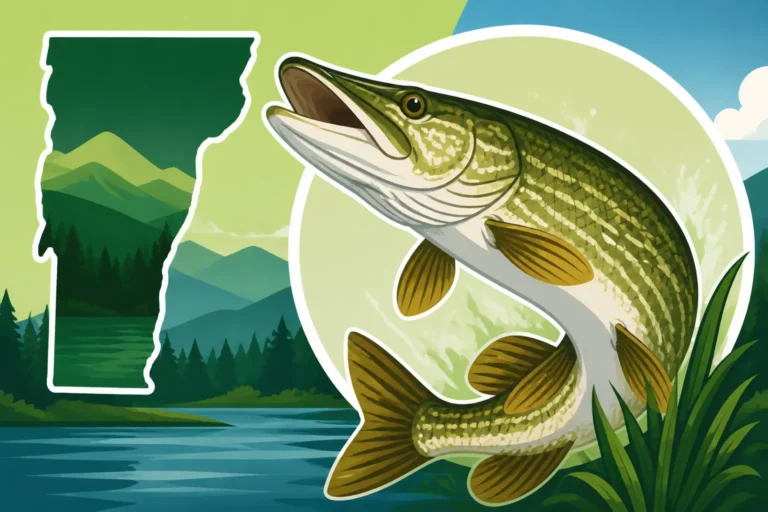
Lake Bomoseen is also a fantastic spot for northern pike. These toothy predators provide thrilling action, especially for those looking for a larger, more aggressive fight. For northern pike on Lake Bomoseen, the statewide regulation generally applies: a minimum length of 20 inches and a daily limit of 5 fish. Pike are ambush predators, so targeting them in weedy bays or along drop-offs with larger lures or dead bait can be very effective.
Beyond the game fish, Lake Bomoseen offers excellent panfishing opportunities. Species like yellow perch, bluegill, black crappie, and pumpkinseed sunfish are abundant and provide consistent action, making it a perfect spot for family fishing trips or for introducing new anglers to the sport. Panfish generally have very generous daily and possession limits (often 50 fish total for all panfish species combined), and typically no minimum length limit. However, check the current regulations for any updates, as these can occasionally be adjusted. Catching a mess of panfish for a shore lunch is one of the true joys of fishing in Vermont, and Bomoseen truly delivers on this front.
Essential Gear and Best Practices for Fishing Lake Bomoseen
Having the right gear and following responsible fishing practices is just as important as knowing the regulations. Lake Bomoseen is a diverse body of water, and being prepared means a more enjoyable and sustainable fishing experience.
Recommended Tackle for Diverse Species
Given Lake Bomoseen's diverse fishery, having a versatile tackle setup can be a real advantage. For bass, you'll want a medium-heavy spinning or baitcasting rod, spooled with 10-15 lb fluorocarbon or braided line. Lures like crankbaits, spinnerbaits, soft plastics (Texas-rigged or wacky-rigged worms), and jigs are all highly effective. Many anglers swear by the variety available on Amazon for building a robust bass tackle box. If you're focusing on trout, a lighter spinning rod (light to medium-light action) with 4-6 lb test line is ideal, using small spoons, spinners, or bait like worms and PowerBait. For pike, consider a slightly heavier setup than bass fishing, with a wire leader to prevent bite-offs from their sharp teeth. Larger spoons, swimbaits, and even large shiners or suckers under a bobber can entice these toothy critters.
For panfish, ultralight gear is king. A small spinning reel on an ultralight rod, spooled with 2-4 lb test line, makes even a modest bluegill feel like a monster. Tiny jigs, small spinners, and live bait like worms or minnows are irresistible to them. Remember, having a selection of tackle appropriate for the species you're targeting will not only increase your chances of success but also ensures you're using gear that can safely handle the fish, whether for release or for the dinner table. Our guide on Best Fishing Rods for Vermont Lakes offers some great suggestions.
Boating Safety and Courtesy on Lake Bomoseen
Lake Bomoseen is a popular spot for all kinds of boating, from fishing boats to recreational pontoons and personal watercraft. This means sharing the water is paramount. Always prioritize safety: ensure you have all required safety equipment, including properly fitting life jackets for everyone on board (children under 12 must wear them at all times while underway), a throwable device, and sound-producing devices. If you're operating a motorized vessel, understanding Vermont Boating Laws for Anglers is essential.
Beyond legal requirements, practicing good boating etiquette helps ensure everyone can enjoy the lake. Maintain safe distances from other boats and shorelines, especially when traveling at higher speeds. Be mindful of your wake, particularly near smaller boats, docks, or swimmers. For anglers, this means being courteous to other fishermen – don't motor right through an area where someone is quietly casting. If you're fishing from a kayak, ensure you have proper lighting if fishing at dawn or dusk, and consider using a brightly colored flag for visibility. Many of these essential boating items, from life jackets to boat lights, are readily available on Amazon.
Catch and Release Best Practices
Even if you're within the legal limits to keep fish, practicing catch and release, especially for larger game fish, is a fantastic way to contribute to the health of Lake Bomoseen's fishery. When you decide to release a fish, doing so correctly significantly increases its chances of survival. Always handle fish gently with wet hands to avoid removing their protective slime layer. Use de-barbed hooks when possible, as they make hook removal much easier and quicker. If a fish is deeply hooked, it's often better to cut the line as close to the hook as possible rather than trying to remove it, which can cause more damage.
Minimize the time the fish is out of the water, especially in warmer conditions. Support larger fish horizontally, never vertically by the jaw or gills, which can damage their internal organs. Use a knotless, rubberized landing net to minimize injury during netting. By adopting these simple practices, you're not just following the spirit of conservation, you're actively helping to ensure that Lake Bomoseen remains a vibrant and productive fishery for years to come.
Navigating and Staying Informed on Lake Bomoseen's Waters
The world of fishing regulations, much like the weather, can change. Staying informed and knowing where to find the most current information is crucial for any responsible angler visiting Lake Bomoseen.
Accessing Current Regulations
The single most authoritative source for Vermont fishing regulations is the Vermont Fish & Wildlife Department's annual digest. This comprehensive booklet is updated every year and details all statewide and specific water body regulations, including any special provisions for Lake Bomoseen. You can pick up a physical copy at any license vendor or download the PDF directly from the Vermont Fish & Wildlife website. Make it a habit to check the latest edition before your first trip of the season, as regulations can sometimes be adjusted. Think of it as your fishing bible for the state! Our guide, Reading the Vermont Fishing Regulations Guide, offers tips on how to effectively navigate this important document.
Many anglers find it helpful to download the PDF to their phone or tablet for easy reference while on the water. Just make sure your device is charged, or consider a rugged, waterproof case if you plan on using it frequently in a boat. If you prefer a physical copy, consider getting a waterproof regulations guide holder, often available on Amazon, to protect it from the elements.
When to Seek Further Clarification
Even with the digest in hand, sometimes specific situations or interpretations of regulations might be unclear. Don't hesitate to seek clarification. The Vermont Fish & Wildlife Department has regional offices and wardens who are dedicated to protecting our natural resources and helping anglers understand the rules. If you have a question that isn't clearly answered in the regulation book, reaching out to them directly is the best course of action. Their contact information is readily available on their website.
It's always better to ask a question than to inadvertently break a rule. A simple call or email can save you a lot of hassle and potential penalties. They are there to help, not just to enforce. Remember, ignorance of the law is generally not considered an excuse, so taking the initiative to be informed is always in your best interest.
| Fish Species (Lake Bomoseen) | Minimum Length (Inches) | Daily Limit (Fish) | Special Notes |
|---|---|---|---|
| Largemouth Bass | 10 | 5 | Statewide "catch and release" season typically applies before the regular opening in June. |
| Smallmouth Bass | 10 | 5 | Statewide "catch and release" season typically applies before the regular opening in June. |
| Rainbow Trout | 8 | 3 (combined trout) | Stocked periodically. |
| Brown Trout | 8 | 3 (combined trout) | Stocked periodically. |
| Northern Pike | 20 | 5 | None. |
| Yellow Perch | None | 50 (combined panfish) | Part of the general panfish category. |
| Black Crappie | None | 50 (combined panfish) | Part of the general panfish category. |
| Bluegill/Sunfish | None | 50 (combined panfish) | Part of the general panfish category. |
Note: This table summarizes typical regulations for Lake Bomoseen based on current Vermont statewide rules and specific lake information. Always consult the most recent Vermont Fish & Wildlife Department Fishing Regulations Digest for the definitive and most up-to-date information.
Respecting the Environment
Finally, beyond specific fishing and boating rules, responsible angling on Lake Bomoseen, and any other Vermont water, includes a deep respect for the environment. This means always practicing Leave No Trace principles: pack out everything you pack in, and perhaps even a little extra litter you find. Avoid littering, including discarding fishing line, which can be incredibly harmful to wildlife. Properly dispose of bait containers and any trash you generate.
Consider using lead-free tackle to prevent lead poisoning in waterfowl. Be mindful of invasive species by cleaning, draining, and drying your boat and gear every time you move between different bodies of water. This simple step, often referred to as "Clean, Drain, Dry," is vital to preventing the spread of harmful plants and animals that can devastate our native ecosystems. By being a thoughtful steward of our natural resources, you're helping to preserve the beauty and productivity of places like Lake Bomoseen for everyone to enjoy, now and in the future. Check out the Vermont Boating Laws for Anglers for more tips on preventing the spread of invasives.
Disclaimer
Please remember that fishing regulations can change. The information provided in this guide is intended for general informational purposes only and is based on typical Vermont fishing regulations. It is crucial to always consult the most current and official Vermont Fish & Wildlife Department Fishing Regulations Digest before heading out on the water. Neither the author nor this platform is responsible for any discrepancies or outdated information. Your compliance with all state and local laws is your sole responsibility.