Vermont life jacket rules for children under 12
Heading out on Vermont's beautiful lakes and rivers with your kids should be a joyous, memorable experience, not a stressful one filled with worries about regulations. However, navigating the specific rules, especially when it comes to something as vital as life jackets for young children, can feel confusing and overwhelming. This comprehensive guide is here to clear up all that uncertainty, ensuring you and your little anglers stay safe and fully compliant with Vermont's boating laws.
Understanding Vermont's Core Life Jacket Law for Young Boaters
One of the most fundamental safety rules on Vermont's waterways revolves around Personal Flotation Devices (PFDs), more commonly known as life jackets. It's a critical regulation designed to protect our most vulnerable passengers: children. While some states have differing rules for various types of vessels or ages, Vermont maintains a clear and consistent standard for its youngest adventurers.
Mandatory Wear for Children Under 12
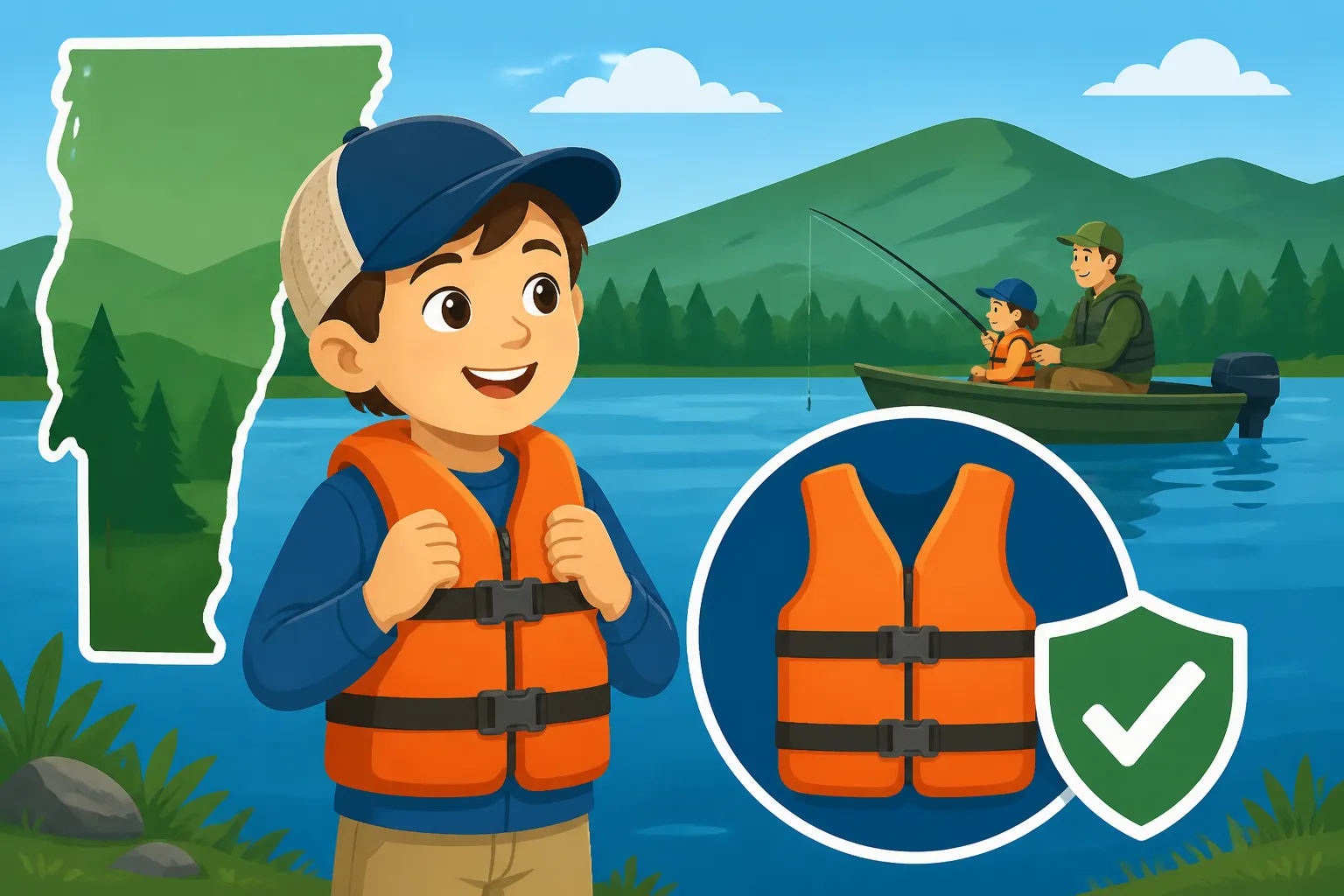
Let's get straight to the heart of the matter: Any child under the age of 12 operating or being carried on a vessel in Vermont must wear a U.S. Coast Guard-approved personal flotation device at all times while the vessel is underway. This isn't just a suggestion; it's a hard and fast rule. This applies universally to all vessels, whether it's a roaring motorboat, a tranquil canoe gliding across a pond, a fishing kayak, or even a stand-up paddleboard (SUP) being used by a parent with a child on board.
The spirit of this law is rooted deeply in safety. Children, especially those under 12, can find themselves in distress in the water very quickly, even if they are strong swimmers. An unexpected bump, a sudden wave, or even just losing balance while leaning over the side can lead to an overboard situation. Having a life jacket actively worn provides immediate flotation and can be the difference between a scary moment and a tragic one. It removes the need for someone to find and put on a life jacket during an emergency, a task that becomes incredibly difficult and time-consuming when every second counts.
"Underway" Means What You Think It Means
The term "underway" is often where some confusion creeps in. For the purposes of this regulation, "underway" generally means your vessel is not at anchor, moored, made fast to the shore, or aground. If you're drifting, paddling, motoring, or sailing, you are considered "underway." This means if you're out fishing in the middle of Lake Champlain, or even just paddling a short distance from the shore in a quiet cove on Lake Bomoseen, any child under 12 on board needs to have their life jacket on and properly fastened.
There are virtually no exceptions to this rule for children under 12 in Vermont. Unlike some states that might allow children in enclosed cabins to remove their PFDs, Vermont prioritizes constant protection for this age group. So, if your little one is accompanying you on a fishing trip, whether you're targeting smallmouth bass or patiently waiting for a trout to bite, their life jacket needs to be on. It's a simple, non-negotiable step to ensure everyone has a safe and enjoyable time on the water. For a broader understanding of general boating safety, you might want to review Vermont Boating Laws for Anglers.
Beyond the Basics: Proper Fit, Approval, and Types of PFDs
Knowing that a child under 12 needs to wear a life jacket is only part of the equation. Equally important is ensuring they're wearing the right kind of life jacket and that it fits them correctly. A poorly fitting or unapproved PFD can give a false sense of security, potentially putting a child at greater risk in an emergency.
U.S. Coast Guard Approval is Non-Negotiable
First and foremost, any life jacket used on Vermont waters must be U.S. Coast Guard (USCG) approved. This approval means the PFD has met rigorous safety standards for flotation, materials, and design. You'll typically find a USCG approval number or label printed directly on the inside of the life jacket. If you don't see this, or if the label is too worn to read, it's best to replace it.
There are different "Types" of USCG-approved PFDs, though for most recreational boating with children, you'll primarily encounter Type II and Type III.
- Type I (Off-Shore PFDs): Designed for rough or remote waters where rescue may be delayed. They turn unconscious wearers face-up in the water. They are bulky but offer the most buoyancy.
- Type II (Near-Shore Buoyancy Vests): Good for calm, inland waters or where rescue is likely to be prompt. They are less bulky than Type I but may not turn an unconscious person face-up in all situations.
- Type III (Flotation Aids): These are the most common type for recreational activities like fishing, waterskiing, and kayaking. They offer comfort and freedom of movement but generally do not turn an unconscious person face-up. For children under 12, a Type II or Type III that is specifically designed for children and fits properly is usually sufficient.
- Type V (Special Use Devices): These are PFDs approved for specific activities or conditions, like a work vest or a hybrid inflatable PFD. They are only approved when worn for their intended use. For children, stick to Types II or III unless a Type V is specifically designed for children and their activity.
When searching for a PFD, whether online through a retailer like Amazon or at a local sporting goods store, always confirm it has that critical USCG approval. It's not worth compromising on this aspect of safety.
The Crucial Importance of Proper Fit
Even a USCG-approved life jacket won't work effectively if it doesn't fit your child properly. A life jacket's effectiveness hinges on it being snug but comfortable. Here's what to look for:
- Check the Weight Range: Every child's life jacket will have a weight range printed on the label (e.g., "Infant," "Child," "Youth"). This is the absolute first thing to check. A life jacket designed for an infant won't provide enough flotation for a toddler, and vice versa.
- Test the Fit: Once on, fasten all buckles, zippers, and straps. Then, lift your child by the shoulders of the life jacket. If the jacket slides up past their ears or chin, it's too big. It needs to stay snugly in place, with their chin and ears remaining clear of the opening. There should be no excessive room around the armholes.
- Comfort and Movement: While snug, the life jacket shouldn't restrict their breathing or movement to the point of discomfort. A child who is uncomfortable is more likely to try and remove it. Let them try sitting, raising their arms, and bending over to ensure it doesn't chafe or dig in.
- In-Water Test (if possible): If you can safely do so in a controlled environment like a pool, have your child try out their new life jacket in the water. This helps them get used to the feeling and lets you confirm it keeps their head safely above water.
Remember, a child's weight and size change rapidly. What fit last summer might not fit this summer. Make it a routine to check the fit at the start of every boating season. For more general advice on PFDs, you can also explore a broader guide on Life Jacket Requirements for Vermont Boaters.
Practical Advice for Keeping Kids Safe and Happy in Their PFDs
We all know kids can be, shall we say, resistant to wearing things they find uncomfortable or "uncool." But when it comes to life jackets on the water, there's no room for negotiation. The good news is, with a little planning and the right approach, you can make life jacket wear a routine, even enjoyable, part of your Vermont fishing adventures.
Making Life Jackets Part of the Fun
Instead of presenting the life jacket as a chore or a punishment, integrate it as a vital piece of their "adventure gear."
- Lead by Example: The single most effective way to encourage your child to wear their life jacket is for you to wear yours. If adults on the boat are also wearing PFDs, it normalizes the behavior and reinforces its importance. Kids are great imitators, so show them safety is for everyone.
- Let Them Choose (Within Limits): When purchasing a life jacket, involve your child in the decision. Many children's PFDs come in bright colors, with fun patterns, or even themed designs featuring characters or animals. Letting them pick one they like (as long as it's USCG-approved and fits properly!) can make them more enthusiastic about wearing it. You can find a huge selection of options, often with customer reviews, on platforms like Amazon.
- Emphasize the "Why": Explain in simple, age-appropriate terms why they need to wear it. "This keeps you safe if you accidentally fall in the water," or "It's like a superhero suit that helps you float!" Avoid scary scenarios; focus on the positive outcome of safety.
- Comfort is Key: Invest in a good quality, comfortable life jacket. Cheaper models can chafe, feel stiff, and make kids miserable. Breathable materials and soft neoprene can make a big difference, especially on warm summer days. Test different styles—some kids prefer a vest-style, others might like a flotation suit for younger ages.
Maintenance and Regular Checks
A life jacket is a piece of safety equipment, and like all safety gear, it needs proper care and regular inspection to remain effective.
- Rinse After Use: After a day on the lake, especially if it's been in saltwater (though less common in Vermont, still good practice), rinse the life jacket with fresh water to remove any salt, chlorine, or lake grime.
- Air Dry Thoroughly: Always hang life jackets to air dry completely before storing them. Storing a damp PFD can lead to mildew, which not only smells terrible but can also degrade the fabric and flotation material over time.
- Inspect for Wear and Tear: Before each season, and periodically throughout, give your child's life jacket a thorough once-over. Check for:
- Tears or Rips: Any damage to the outer shell can compromise the flotation material.
- Fading or Sun Damage: Prolonged exposure to UV rays can weaken fabrics and stitching.
- Loose Straps or Broken Buckles: Ensure all straps are secure and buckles snap firmly into place.
- Compression: Over time, the flotation material can become compressed, reducing its buoyancy. If it feels noticeably flatter or less buoyant, it's time for a replacement.
- Proper Storage: Store life jackets in a dry, well-ventilated area, out of direct sunlight when not in use. Avoid storing them under heavy objects that could compress the flotation material.
Remember, a well-maintained life jacket is a reliable life jacket. Don't hesitate to replace one if it shows significant signs of wear or no longer fits properly.
Here's a quick summary table of key considerations for children's life jackets:
| Feature | Requirement/Recommendation | Why it Matters |
|---|---|---|
| Age | Under 12 years old | Mandatory wear on all vessels while underway in Vermont |
| Approval | U.S. Coast Guard (USCG) Approved | Ensures it meets critical safety and flotation standards |
| Fit | Snug, not loose; must stay below ears/chin when lifted | Prevents jacket from riding up, provides optimal flotation |
| Weight Range | Matches child's current weight | Correct buoyancy for the child's body mass |
| Condition | No tears, rips, faded spots; buckles/straps intact | Compromised material reduces effectiveness |
| Comfort | Allows freedom of movement, minimal chafing | Encourages child to wear it without complaint |
| Visibility | Bright colors (yellow, orange, neon green) recommended | Easier to spot child in water, especially in an emergency |
Potential Penalties and the Greater Cost of Non-Compliance
While the primary motivation for adhering to life jacket laws should always be the safety of your child, it's also important to be aware of the legal repercussions of non-compliance. Vermont law enforcement, including the Vermont Fish & Wildlife Wardens and local marine patrols, takes these regulations seriously.
Fines and Citations
If you are found operating a vessel on Vermont waters with a child under 12 who is not wearing a USCG-approved life jacket while underway, you can face a citation and associated fines. The specific amount can vary, but these penalties are designed to be a deterrent, emphasizing the importance of the rule. These fines are not insignificant and can quickly add up, turning what should have been a relaxing day of fishing into a costly mistake.
For example, a warden patrolling Lake Willoughby might pull you over if they observe your child without a PFD. Beyond the initial stop and the inconvenience, receiving a fine can also lead to other complications, particularly for future boating privileges. It's a reminder that safety regulations, even when they seem minor, carry real legal weight.
The True "Cost": Safety and Peace of Mind
Beyond any monetary fine, the real cost of neglecting life jacket rules is infinitely greater. The potential for a serious accident, injury, or even tragedy far outweighs any inconvenience of ensuring a child wears their PFD.
Imagine a scenario: You're enjoying a quiet afternoon fishing for panfish on Lake Carmi. Suddenly, an unexpected wake from a passing boat jostles your vessel, and your child, who wasn't wearing their life jacket, falls overboard. In those critical seconds, panic can set in for everyone. If that child is wearing a properly fitted life jacket, they immediately float, giving you precious time to react and retrieve them safely. Without it, even a child who knows how to swim can be overwhelmed by cold water, shock, or injury, making rescue significantly more challenging and dangerous.
Adhering to Vermont's life jacket rules for children isn't just about avoiding a ticket; it's about making a conscious decision to protect your loved ones. It's about providing the best possible safety net in an unpredictable environment. The peace of mind that comes from knowing your child is protected is truly priceless, allowing you to fully relax and enjoy all the wonderful fishing and boating opportunities that Vermont has to offer. This commitment to safety also extends to other regulations, like understanding Vermont Boating Laws for Anglers, which covers everything from registration to equipment.
By understanding these regulations, choosing the right gear (which you can easily find on Amazon), and making safety a priority, you can ensure your family's time on Vermont's waters is not only compliant but, most importantly, safe and full of happy memories.
Disclaimer
Please remember that while we strive to provide the most accurate and up-to-date information, fishing and boating regulations in Vermont can change. Always consult the official Vermont Fish & Wildlife Department's regulations guide or website for the most current rules and laws before heading out on the water. This article is intended for informational purposes only and should not be considered legal advice.