How to Buy a Fishing License Online in Vermont
There's nothing quite as frustrating as realizing you're itching to hit the water, the fish are biting, and you don't have your Vermont fishing license. Maybe it's a Sunday morning, the local bait shop isn't open for hours, or you're just not keen on navigating traffic for a quick errand. Thankfully, the Green Mountain State has made it incredibly easy to secure your fishing license online, letting you spend less time running errands and more time casting lines. This comprehensive guide will walk you through every step of purchasing your Vermont fishing license digitally, ensuring you're legal and ready for your next angling adventure.
Why Online is Your Best Bet for a Vermont Fishing License
Gone are the days when buying a fishing license meant a trip to a physical store, often during inconvenient hours. The Vermont Fish & Wildlife Department has really embraced technology to make the process smoother, faster, and much more accessible for everyone. If you’ve ever found yourself scrambling for a license last minute, you’ll truly appreciate the convenience of online purchasing.
Convenience at Your Fingertips
Imagine this: it's a beautiful Saturday morning, the sun is shining, and you decide spur-of-the-moment that a day on Lake Champlain chasing smallmouth bass or a quiet afternoon fly fishing a stream for brook trout is exactly what you need. But then it hits you – your license expired last month. Instead of driving to a designated vendor or waiting for a town clerk's office to open, you can simply pull out your phone, tablet, or laptop. In just a few minutes, you can have your new license in hand, or rather, on your screen. This instant access removes a significant barrier to spontaneous fishing trips, which, let's be honest, are often the best kind. Whether you're at home in Burlington, camping in a state park, or even still in bed dreaming of that trophy walleye, the online portal is always available.
Avoiding the Hassle of In-Person Purchases
Let's face it, life is busy. Between work, family, and everything else, finding time to run errands can feel like a monumental task. The traditional way of buying a fishing license involved a specific trip to a sporting goods store, a general store that doubles as a vendor, or a town clerk's office. This might mean dealing with traffic, long lines during peak seasons, or realizing you arrived just minutes after closing. For out-of-state visitors, finding an authorized vendor can be even more of a headache when you're unfamiliar with the area. Buying your license online bypasses all these potential frustrations. You don't need to worry about business hours or location; the internet is always open, allowing you to secure your Vermont Fishing License Guide for 2026 at your own pace, from anywhere with an internet connection.
Real-Time Access to Your License
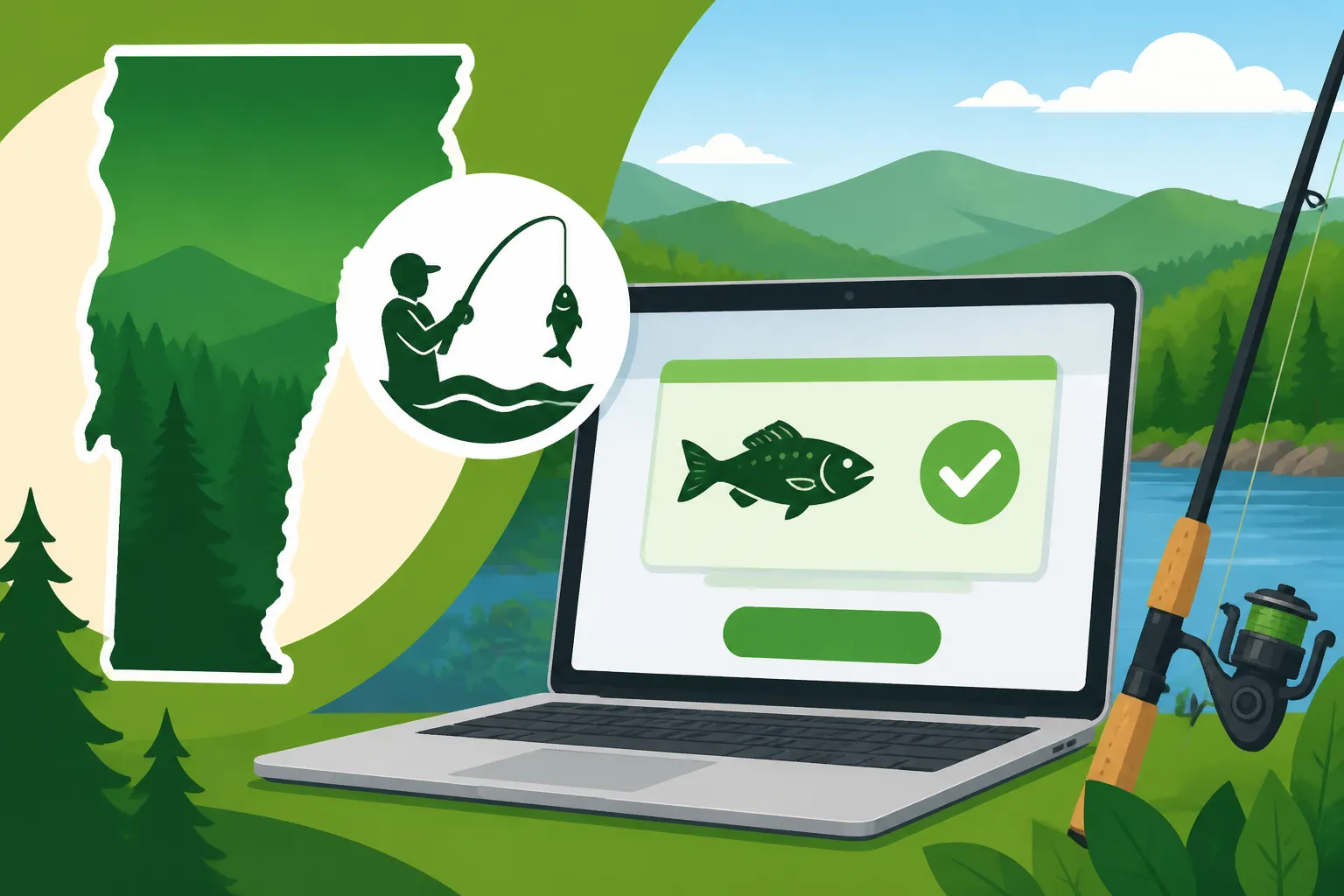
One of the greatest benefits of the online system is the immediate confirmation and access to your license. As soon as your purchase is complete, you'll receive a confirmation email, and often, a direct link to a printable PDF of your license. This means you don't have to wait for anything to be mailed, nor do you have to worry about losing a paper copy before you even get home. If you forget to print it, or accidentally leave it on your kitchen table, you can usually access a digital version directly on your smartphone. This real-time access is a game-changer, especially when you're already at the fishing access point and suddenly remember you need to renew. This flexibility ensures you're always compliant with Vermont Fishing Regulations Explained.
Step-by-Step Guide to Buying Your License Online
Navigating government websites can sometimes feel like a maze, but the Vermont Fish & Wildlife Department has done a commendable job of making their online licensing portal user-friendly. Don't worry, I'll walk you through it, click by click.
Navigating the Vermont Fish & Wildlife Website
Your first stop is the official Vermont Fish & Wildlife Department website. You'll want to look for a prominent link that says something like "Licenses" or "Buy a License." It's usually very easy to spot. Once you click on that, you'll be directed to the online licensing system. If you're a returning customer, you'll likely have an option to log in using your existing account (often tied to a customer ID number or your driver's license number). New users will need to register for an account first. This usually involves providing some basic personal information like your name, address, date of birth, and driver's license number. It’s important to fill this out accurately, as this information is used to verify your identity and residency. Take your time during this initial setup to ensure everything is correct; it'll make future purchases even smoother.
Choosing the Right License Type
This is where many anglers can get a little confused, especially with all the different options available. Vermont offers various license types depending on your residency, age, and how long you plan to fish. It's crucial to select the correct one to avoid any issues down the line. For instance, a Vermont resident will pay a different amount than a non-resident. You also have options for annual licenses, short-term non-resident licenses (like 1-day, 3-day, or 7-day permits), and combination licenses that include hunting privileges. Before you click "add to cart," take a moment to review the categories.
Here's a quick breakdown of common license types you might encounter:
| License Type | Eligibility | Duration | Typical Use Case |
|---|---|---|---|
| Annual Resident Fishing | VT Resident, age 18+ | 1 Year | Regular VT angler, year-round fishing |
| Annual Non-Resident Fishing | Non-VT Resident, age 18+ | 1 Year | Frequent visitor, vacation home owners |
| Non-Resident 1-Day Fishing | Non-VT Resident, age 18+ | 1 Day | Quick trip, trying out Vermont fishing |
| Non-Resident 3-Day Fishing | Non-VT Resident, age 18+ | 3 Consecutive Days | Weekend getaway, short fishing vacation |
| Non-Resident 7-Day Fishing | Non-VT Resident, age 18+ | 7 Consecutive Days | Week-long fishing trip, extended stay |
| Youth Fishing | Residents & Non-Residents, ages 15-17 | 1 Year | Young anglers (under 15 generally don't need one) |
| Senior Fishing | VT Resident, age 70+ | 1 Year | Older resident anglers (often discounted) |
| Combination Hunting & Fishing | VT Resident, age 18+ | 1 Year | Anglers who also hunt in Vermont |
Note: Specific costs and eligibility can change, so always check the official Vermont Fish & Wildlife site for the most current information. For detailed costs, check out How Much Does a Vermont Fishing License Cost.
Pay close attention to options like the Vermont Youth Fishing License Rules by Age or if you qualify for a Vermont Senior Fishing License Discount. The system will guide you through these choices. For non-residents, deciding between a 1-day, 3-day, or 7-day permit will depend entirely on the length of your stay. If you’re unsure about which category you fall into, refer to the residency requirements discussed below or consult the official rules on the Fish & Wildlife site.
Completing the Purchase and Payment
Once you've selected your license type(s), you'll proceed to a secure checkout page. Here, you'll review your order and enter your payment information. Most online systems accept major credit cards (Visa, Mastercard, Discover, American Express). Some might also offer PayPal or other digital payment options. The Vermont Fish & Wildlife system is designed with security in mind, so you can generally feel confident entering your card details. It's similar to making any other online purchase from a reputable retailer, like buying gear from Amazon. Double-check all the details before you hit "submit." A small typo in your credit card number can hold up the whole process. After successful payment, you'll get that crucial confirmation screen and email. This email is your official proof of purchase and usually contains a link to view or print your license immediately. Don't delete it!
What You Need Before You Start the Online Process
Even though buying a license online is convenient, it's not entirely spontaneous. You'll need to have a few pieces of information ready to go before you even click that "Buy License" button. Gathering these beforehand will save you time and frustration.
Essential Personal Information
The online licensing system needs to confirm who you are and if you meet the eligibility for certain license types, especially for residency. Before you sit down to purchase, make sure you have the following readily available:
- Full Legal Name: As it appears on your driver's license or identification.
- Date of Birth: Crucial for age verification, particularly for youth or senior discounts.
- Physical Address: Your primary residence. This is vital for determining if you qualify for a resident license.
- Driver's License Number: Or other state-issued ID number. This often serves as your primary identifier in the system.
- Social Security Number (SSN): In some cases, the system may ask for the last four digits of your SSN for identity verification. This is a standard practice for many state licensing systems to prevent fraud and ensure compliance with federal mandates, such as those related to child support enforcement. Don't be alarmed if it's requested; it's part of securing your identity.
- Email Address: This is where your confirmation and digital license will be sent. Make sure it's an active email you check regularly.
- Phone Number: For contact purposes if there's an issue with your order.
Having these details on hand prevents you from having to search for them mid-process, which can lead to your session timing out or frustration.
Understanding Residency Requirements
Residency is a big deal when it comes to fishing licenses, primarily because it determines the cost you'll pay. Resident vs Nonresident Fishing License Costs in Vermont can be significantly different. Generally, to qualify as a Vermont resident for licensing purposes, you must have resided continuously in the state for at least six months immediately prior to applying for a license. This means your primary home, where you receive mail and spend most of your time, is in Vermont.
Here are some common scenarios and things to keep in mind:
- Full-Time Residents: If you live and work in Vermont, have a Vermont driver's license, and pay Vermont taxes, you're almost certainly a resident.
- Part-Time Residents/Seasonal Visitors: If you own property in Vermont but primarily reside in another state, you are considered a non-resident. This applies even if you spend significant portions of the year here.
- Students: Generally, out-of-state college students attending a Vermont institution on a full-time basis may be eligible for resident rates, but this often requires specific documentation or an extended period of continuous residence. Always check the official regulations or contact the Vermont Fish & Wildlife Department if you're a student unsure of your status.
- Active Military: Members of the U.S. armed forces who are permanently stationed in Vermont, and their immediate families, may qualify for resident rates regardless of their home state of record.
Misrepresenting your residency can lead to fines and penalties, so it's always best to be honest and, if in doubt, choose the non-resident option or contact the Fish & Wildlife Department for clarification. The cost savings aren't worth the potential legal trouble.
Payment Methods and Security
As mentioned, most major credit cards are accepted. The payment gateway used by the Vermont Fish & Wildlife Department is secure, employing encryption to protect your financial information. This is standard practice for any legitimate online transaction, akin to the security measures you'd find when purchasing from large online retailers. When entering your payment details, always make sure you're on the official Vermont Fish & Wildlife site (check the URL for "vtfishandwildlife.com" or similar official government domain) and that the connection is secure (look for "https://" in the address bar and a padlock icon). While instances of fraud are rare on official government sites, being vigilant is always a good practice. Prepare your credit card information, including the card number, expiration date, and the three or four-digit security code (CVV) on the back (or front for Amex).
After Your Purchase: Printing, Digital Copies, and What to Do Next
Congratulations, you've successfully purchased your Vermont fishing license online! But the journey isn't quite over. You still need to ensure you can legally present it to a game warden if asked.
Carrying Your License: Digital vs. Physical
This is a really important point for many anglers. Once you've purchased your license online, you'll receive a confirmation email with a link to a printable PDF. While having a physical printout is always a safe bet, Vermont law does allow for carrying a digital copy on your smartphone or other mobile device. This flexibility is fantastic, especially if you're prone to forgetting paper documents.
However, there are a few caveats to relying solely on a digital copy:
- Battery Life: What happens if your phone dies while you're out on the water? A dead battery means you can't display your license, which could lead to an unfortunate interaction with a game warden. Always make sure your phone is charged, or consider carrying a portable power bank.
- Screen Visibility: In bright sunlight, it can sometimes be difficult for an officer to clearly read your license details on a phone screen. Ensure your screen is clean and brightness is adequate.
- Damage/Loss: Phones can be dropped in the water, lost, or damaged. A physical backup in your tackle box or wallet can be a lifesaver.
Many seasoned anglers opt for a hybrid approach: they print a physical copy and keep it laminated (a great project for the kids to help with!) or in a waterproof holder, and also save a digital version on their phone. This way, you're covered for almost any scenario. For more on this, check out Printing or Carrying a Digital Fishing License in Vermont. You can always print additional copies if needed from your account on the Vermont Fish & Wildlife site.
Troubleshooting Common Online Issues
While the online system is generally smooth, occasionally you might run into a snag. Don't panic! Most issues are easily resolved.
- Payment Failure: Double-check your credit card number, expiration date, and CVV code. Ensure you have sufficient funds or credit. Sometimes, a bank's fraud protection might flag an unfamiliar online purchase; a quick call to your bank can resolve this.
- No Confirmation Email: First, check your spam or junk folder. Emails sometimes end up there. If it's not there, log back into your Vermont Fish & Wildlife account. Your license details and a link to the PDF should be accessible from your purchase history. If not, contact the Vermont Fish & Wildlife Department's customer service directly. Have your transaction ID (if you received one on screen) and the date of purchase ready.
- Website Glitches: Occasionally, websites have maintenance or temporary outages. If you experience errors or slow loading, try clearing your browser's cache and cookies, or try a different browser or device. If the problem persists, wait a bit and try again later.
- Printing Problems: If your printed license is unreadable, ensure your printer has enough ink and paper. Sometimes the PDF is formatted in a specific way that can cause issues with older printers. You might even consider purchasing a small, inexpensive laminator or waterproof pouch from Amazon to protect your paper license once printed.
Understanding Your License's Validity and Expiration
Most annual Vermont fishing licenses are valid for a specific calendar year, usually from January 1st to December 31st. However, some licenses, particularly combination hunting and fishing licenses, might have slightly different validity periods tied to fiscal years or specific hunting seasons. Always check the exact "valid from" and "valid until" dates printed on your license. Short-term non-resident licenses (1-day, 3-day, 7-day) are valid for consecutive days starting from the date you specify during purchase. It's crucial to know these dates to avoid accidentally fishing with an expired license. A game warden isn't going to be lenient if you "forgot" your license expired last week! If you're a year-round angler, make a note in your calendar to renew your license around late December or early January. This small proactive step can save you a lot of grief.
Special Considerations for Online Purchases
The online system isn't just for standard annual licenses. It also caters to various special circumstances and offers, making it a truly versatile tool for almost every angler.
Youth, Senior, and Disabled Angler Options
Vermont offers specific license types and exemptions for certain demographics, and the online system makes it easy to apply for these.
- Youth Anglers: In Vermont, residents and non-residents under the age of 15 generally do not need a fishing license. However, those aged 15-17 do need a youth license, which is available at a reduced rate. The online portal will automatically present this option when you enter the correct date of birth. It's a great way to introduce young people to the sport without a huge financial commitment. Understanding Vermont Fishing License Age Requirements is key.
- Senior Anglers: Vermont residents aged 70 and over are eligible for a discounted fishing license. Again, the online system will recognize your eligibility based on your date of birth. This is a wonderful perk for our elder angling community.
- Disabled Anglers: Vermont also provides special license options for disabled residents. This might include free or reduced-cost licenses for those with specific disabilities, including disabled veterans. While some of these might require submitting additional documentation (which can often be uploaded through the online portal or mailed in), the initial application and selection of the appropriate license type can usually be done online. Always consult the Vermont Fish & Wildlife website for the most current details on eligibility and application requirements for disabled residents.
These options demonstrate Vermont's commitment to making fishing accessible to everyone, and the online system simplifies the process for those who qualify.
Combination Licenses and Add-ons
For those who enjoy more than just fishing, Vermont offers combination licenses that bundle fishing with hunting privileges. These are particularly popular with residents who participate in both activities throughout the year. The online system allows you to easily select these combo options, often at a cost-saving compared to buying two separate licenses. For example, you might opt for a Vermont Combination Hunting and Fishing License Options to cover all your bases.
Beyond the basic fishing license, you might also have the opportunity to purchase add-on stamps or permits, such as a trout and salmon stamp, which is typically required if you plan to fish for these species in specific waters. The online system will usually prompt you to add these during the checkout process if they are relevant to your chosen license type or if it detects you might need them based on common fishing practices. Always make sure you understand if any specific stamps are required for the type of fish you're targeting or the waters you plan to visit.
Group Purchases and Mentored Fishing Weekends
While the online system is primarily designed for individual purchases, it can also play a role in planning group outings, especially for special events like Vermont Free Fishing Weekend Dates or Vermont's Labor Day Mentored Fishing Weekend. During these designated weekends, residents and non-residents can fish without a license. This is a fantastic opportunity, especially for introducing new anglers to the sport. However, for regular trips outside these free weekends, or if you're taking advantage of the mentored fishing provisions (where an unlicensed angler can fish with a licensed mentor), you'll want to ensure everyone who needs a license has one.
The online system allows individuals to easily obtain their own licenses, and for parents, it's a simple way to purchase youth licenses for their children. If you're organizing a larger group, while you can't typically buy multiple adult licenses under one account unless they are family members, each individual can quickly and efficiently purchase their own from the comfort of their home. This streamlined approach makes coordinating fishing trips much less of a logistical headache. So, whether you're heading out solo or planning a big family adventure, the online system has you covered.
Disclaimer
Please note that fishing regulations, license requirements, and fees can change. While this guide provides comprehensive information, it is always recommended to check the official Vermont Fish & Wildlife Department website or contact them directly for the most current and accurate details before planning your fishing trip. Compliance with all state and federal regulations is the responsibility of the angler.