Vermont’s Labor Day Mentored Fishing Weekend
Trying to introduce someone to the joys of fishing, especially if they're new to the sport or haven't gotten their license yet, can feel like navigating a maze of regulations. It's tough to plan that perfect first outing when you're not sure about who needs a license or how to stay compliant. This guide is here to shed light on Vermont's Labor Day Mentored Fishing Weekend, an incredible opportunity designed to make sharing the passion for fishing easier and more accessible for everyone.
Understanding the Labor Day Mentored Fishing Weekend
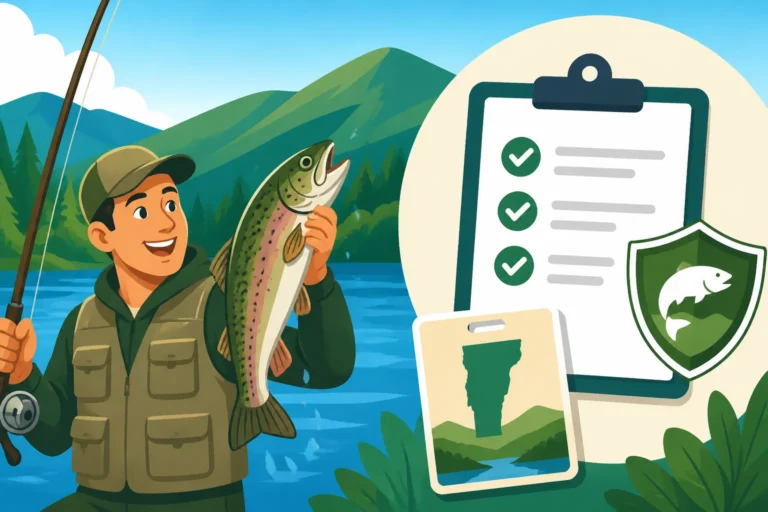
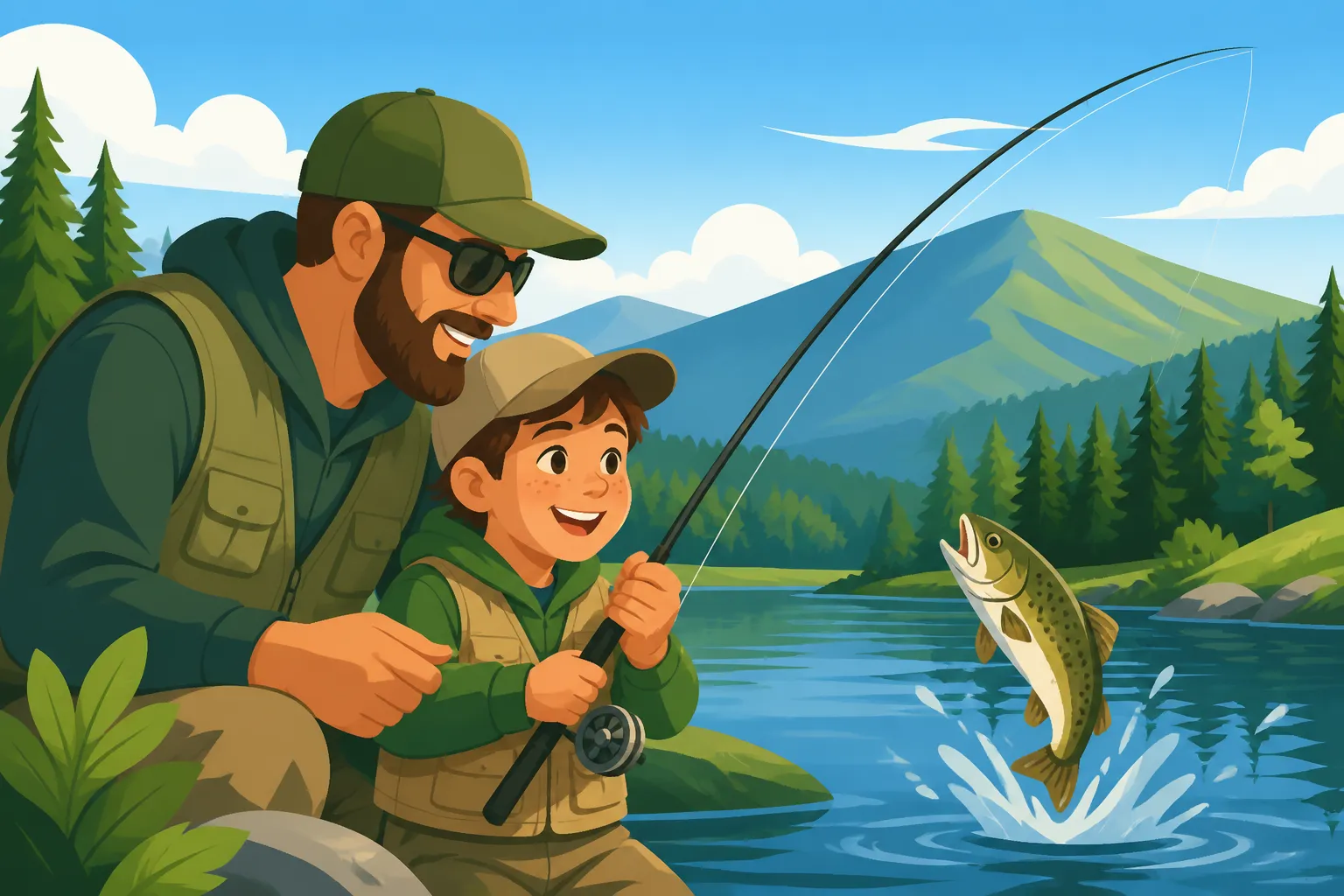
The Labor Day Mentored Fishing Weekend isn't just another date on the calendar; it's a fantastic initiative by the Vermont Fish and Wildlife Department to encourage new anglers and foster intergenerational connections through fishing. Many of us remember being taken fishing by a parent, grandparent, or a family friend, and this program aims to recreate that invaluable experience without the initial hurdle of needing a fishing license for the new participant. It's about opening the door to the quiet anticipation of a bobber dipping, the thrill of a first catch, and the peaceful beauty of Vermont's waters.
What Makes This Weekend Special
What truly sets this weekend apart is the intentional focus on mentorship. While Vermont does have a Free Fishing Day earlier in the year, the Labor Day event adds a specific, brilliant twist: an un-licensed person can fish under the direct supervision of a licensed adult angler. This isn't just about waiving a fee; it's about formalizing and encouraging the act of teaching. Imagine bringing a child, a spouse, or a friend who's always been curious about fishing but never taken the plunge. This weekend gives you the perfect, low-pressure excuse to share your knowledge, your favorite spots, and the sheer joy of the sport. It's a structured way to pass on the traditions and ethics of angling, ensuring that new participants get a proper introduction to responsible outdoor recreation.
The Core Idea Behind Mentored Fishing
At its heart, mentored fishing is about fostering a love for the outdoors, one cast at a time. The Vermont Fish and Wildlife Department understands that fishing isn't just a solitary pursuit; it's often a shared experience that builds bonds and creates lasting memories. For many, the initial cost and process of obtaining a fishing license can be a barrier. By allowing an unlicensed individual to fish alongside a licensed mentor, the program removes that hurdle, inviting newcomers to experience fishing firsthand. This hands-on approach is far more effective than just reading about it or watching videos. The core idea is to provide a risk-free, engaging entry point into fishing, guided by someone with experience, which is crucial for learning the ropes of casting, baiting, knot tying, and understanding the local regulations.
Why Labor Day Weekend?
The choice of Labor Day Weekend is quite strategic. It's often seen as the unofficial end of summer, a time when many families are looking for one last outdoor adventure before school starts and the cooler weather sets in. The weather in early September in Vermont is typically beautiful, with warm days and crisp evenings, making for comfortable fishing conditions. The waters are still warm enough for a wide variety of species to be active, from feisty smallmouth bass to panfish, which are excellent for beginners. Furthermore, with many people already planning weekend getaways or local outings, the Labor Day timeframe naturally encourages participation. It’s a fantastic way to cap off the summer, create some cherished memories, and perhaps spark a new lifelong hobby for someone. It gives families and friends a built-in reason to connect with nature and each other during a time when many are seeking outdoor recreation.
Eligibility and Participation Rules
Navigating the rules for any special fishing opportunity can sometimes feel a bit convoluted, but the Vermont Labor Day Mentored Fishing Weekend is actually quite straightforward once you understand the basic framework. The intent is to be inclusive, but there are clear guidelines to ensure the spirit of mentorship and responsible angling is upheld. It's all about making sure the experience is positive, educational, and safe for everyone involved, while still respecting the need for proper regulation that protects our precious fish populations.
Who Qualifies as a Mentor
To be a mentor during this special weekend, you simply need to hold a valid Vermont fishing license. This is crucial because your license signifies that you are already familiar with the state's fishing regulations, including catch limits, legal fishing methods, and ethical angling practices. As a mentor, you're not just supervising; you're actively teaching and guiding the unlicensed angler. This means you're responsible for ensuring that the person you're mentoring understands and abides by all applicable rules, even though they don't have their own license. Think of it as a master-apprentice relationship for the day. You'll be the one explaining why we practice catch and release for certain species, how to handle a fish gently, and the importance of leaving no trace. Your experience and licensure are the foundation for the beginner's learning.
Who Can Be an Unlicensed Angler
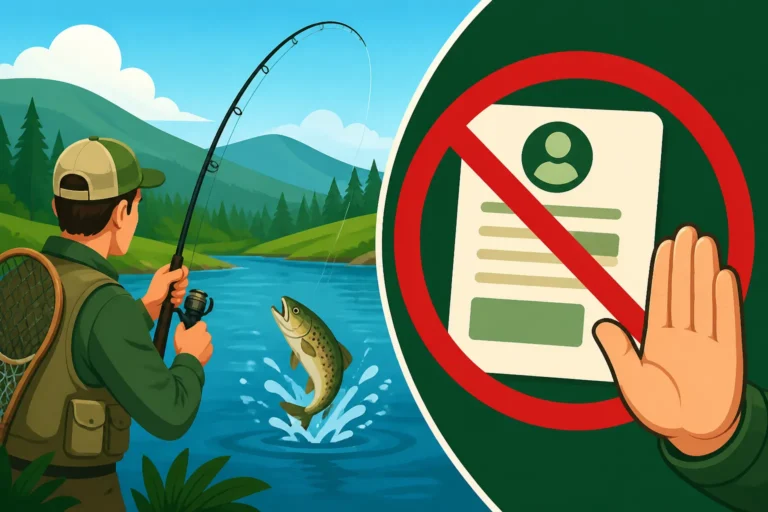
The beauty of the Mentored Fishing Weekend is its broad accessibility. Any person who does not possess a valid Vermont fishing license can participate as an unlicensed angler. This includes adults who have never fished before, lapsed anglers who haven't renewed their license, or even out-of-state visitors who might not want to purchase a Vermont 1-Day Nonresident Fishing License Cost or a longer-term permit for just one weekend. Children under the age of 15 don't typically need a license in Vermont anyway, so this program is primarily geared towards individuals aged 15 and older who would otherwise require one. It’s a wonderful chance for older kids, teenagers, and adults to try fishing without the financial commitment of a license upfront. The only requirement is that they must be under the direct supervision of a licensed angler, meaning you need to be close enough to actively monitor and assist them throughout their fishing session.
Key Restrictions and Guidelines
While the weekend offers a lot of freedom, there are a few important restrictions and guidelines to keep in mind. First and foremost, the mentorship aspect is non-negotiable. The unlicensed angler must always be in the immediate presence and under the direct supervision of a validly licensed angler. This isn't a "drop them off at the lake" kind of deal; it's an interactive, teaching experience. Secondly, all other Vermont fishing regulations remain in effect. This means that bag limits, minimum length limits for certain species like Vermont Largemouth Bass Minimum Length Limit or Vermont Smallmouth Bass Minimum Length Limit, and season dates for species like trout or bass still apply. You can't just keep every fish you catch. The mentor is responsible for ensuring these rules are followed, so it’s a good idea to refresh yourself on the Vermont Fishing Regulations Explained before heading out. Failure to adhere to these rules could result in penalties for both the mentor and the mentee, so diligence is key. The idea is to experience fishing responsibly, not to bypass established conservation efforts.
Planning Your Mentored Fishing Outing
A successful fishing trip, especially with a new angler, starts long before you even cast a line. Thoughtful planning can make the difference between a frustrating day and an unforgettable experience. This is your chance to show off your knowledge, share your passion, and create a positive, lasting memory for your mentee. It’s not just about catching fish; it’s about the entire adventure, from packing the right gear to choosing the perfect tranquil spot.
Essential Gear for a Successful Day
When you're bringing a newcomer, simplicity and effectiveness are your best friends. You don't need a boatload of specialized equipment. A basic spinning rod and reel combo, something versatile enough for panfish and smaller bass, is ideal. You can find some fantastic, affordable Best Rod and Reel Combo for Beginners on places like Amazon that are perfect for this type of outing. Focus on easy-to-use baits like worms, corn, or small artificial jigs under a bobber. These provide instant visual feedback (the bobber dipping!) and are often successful, which is a huge confidence booster for beginners. Don't forget essentials like a small tackle box with extra hooks, sinkers, and bobbers. A pair of pliers for hook removal, a small cooler with snacks and drinks, and a first-aid kit are also wise additions. A bucket or livewell for any fish you plan to keep, or just for observing, can also add to the fun.
Choosing the Right Fishing Spot
Location, location, location! For a mentored trip, you'll want to pick a spot that's beginner-friendly, safe, and offers a good chance of success. Think about accessibility; a level shore, a public pier, or a calm pond where casting is easy and there's no strong current is perfect. Places like designated fishing access areas on smaller lakes or ponds often fit the bill. You might want to check out the Vermont Fish Stocking Search Tool, Explained to find waters that have recently been stocked with trout, as these typically offer higher chances of action. Smaller waters generally provide more consistent action with panfish like sunfish and perch, which are excellent targets for a first-timer because they bite readily. For instance, many of Vermont's State Park Fishing Guide locations offer calm waters and easy access. Avoid overly crowded spots or areas with complex casting requirements (like heavy overhead cover) that might frustrate a new angler. The goal is enjoyment, not competition.
Safety First: Preparing for the Outdoors
Safety should always be paramount, especially when introducing someone new to the outdoors. Before you even leave the house, check the weather forecast and dress accordingly. Layers are always a good idea in Vermont, as conditions can change quickly. Sunscreen, hats, and bug repellent are non-negotiable. If you're near water, especially if children are involved or if your mentee isn't a strong swimmer, consider bringing life jackets. Even if you're just fishing from shore, a slip can happen. Clearly communicate safety rules, such as being mindful of your backcast, watching out for sharp hooks, and how to properly handle any fish caught. Discuss what to do in case of an emergency, and make sure someone knows where you're going and when you expect to return. Being prepared ensures that everyone can relax and fully enjoy the experience.
Benefits Beyond the Catch
While the thrill of a fish on the line is undeniable, the true value of the Labor Day Mentored Fishing Weekend extends far beyond what you might reel in. This program is a clever way to cultivate skills, build relationships, and instil a deep appreciation for Vermont’s natural resources, ensuring that the legacy of responsible angling continues for generations. It’s an investment in both personal growth and environmental stewardship.
Fostering a Lifelong Love for Fishing
A successful first fishing trip can ignite a lifelong passion. For many, that initial spark comes from the guidance of an experienced angler. When someone learns how to properly cast, identifies their first fish, or understands the subtle tug of a bite, it creates a powerful connection to the sport. The Mentored Fishing Weekend provides this crucial first step in a supportive, low-pressure environment. It moves fishing from an abstract concept to a tangible, enjoyable activity. By removing the barrier of the license, it encourages experimentation and allows individuals to truly see if fishing resonates with them. This early positive experience can lead to a sustained interest, motivating them to get their own Vermont Fishing License Guide for 2026 and explore other aspects of the sport, from fly fishing on the Battenkill to ice fishing on Lake Champlain.
Passing Down Knowledge and Ethics
Fishing isn't just about catching fish; it's about understanding ecosystems, respecting wildlife, and practicing ethical behavior. The mentor-mentee model is perfect for passing down this crucial knowledge. You're not just showing someone how to fish, but why we fish certain ways, how to identify different species, and the importance of conservation. Topics like catch and release techniques, proper fish handling, understanding local Vermont Trout Season and Stocking Rules, and the concept of "leave no trace" can be taught organically while on the water. This firsthand education is invaluable. It helps new anglers develop a strong ethical foundation, ensuring they become responsible stewards of Vermont's waters rather than just casual users. It’s about cultivating an appreciation for the delicate balance of nature and our role in preserving it.
Strengthening Community and Family Bonds
There's something uniquely bonding about spending time outdoors, sharing a quiet moment, and working towards a common goal. Fishing with a mentor, whether it's a family member or a friend, strengthens these relationships. It provides an opportunity for genuine conversation, shared laughter, and mutual learning away from the distractions of daily life. Parents can reconnect with their children, grandparents can share their wisdom, and friends can deepen their friendships. These shared experiences create lasting memories that often become cherished stories years down the line. It's a fantastic way to foster communication, patience, and teamwork, all while enjoying the serene beauty of Vermont’s lakes and rivers.
Finding Mentors and Resources
If you're an unlicensed angler eager to participate but don't immediately have a licensed friend or family member who can take you out, don't despair! The Vermont fishing community is a welcoming one, and there are resources available to help you connect with a mentor or find programs designed to get you on the water. Similarly, if you're a seasoned angler looking to give back, knowing where to offer your mentorship can make a real difference.
Connecting with Local Fishing Clubs and Organizations
Local fishing clubs are often fantastic hubs for finding mentors or offering your services. Organizations like Trout Unlimited chapters, local bass clubs, or even smaller, informal groups that gather around a particular lake or river often have members passionate about sharing their knowledge. Many of these clubs host events, workshops, or outreach programs where new anglers can meet experienced ones. A quick online search for "Vermont fishing clubs" or "fishing organizations near [your town]" can yield promising results. They're often on social media or have local community boards where you can post your interest in participating in the Mentored Fishing Weekend. Don't be shy; most anglers are eager to share their passion and help someone get started!
Leveraging Online Communities and Resources
The internet is a powerful tool for connecting with like-minded individuals. Facebook groups dedicated to Vermont fishing or specific species like "Lake Champlain Bass Fishing" are excellent places to find mentors or announce your willingness to mentor. Forums and online communities focused on outdoor recreation in Vermont can also be valuable. When reaching out online, always prioritize safety and meet in a public place for the first time. Websites like the Vermont Fish and Wildlife Department's official page often have sections on upcoming events, educational programs, or even lists of groups that promote angling. You might also find local guides or charter captains who are willing to offer special introductory trips during the Mentored Fishing Weekend, making it easier to learn the ropes from a professional. For those looking to gear up, resources like Amazon can be invaluable for finding tackle and outdoor clothing.
Vermont Fish and Wildlife Department Support
The Vermont Fish and Wildlife Department (VTF&W) is the primary driver behind the Labor Day Mentored Fishing Weekend, and they are an invaluable resource for information and support. Their website is typically the first place to look for official dates, detailed regulations, and FAQs about the program. They often provide resources for beginners, including tips on where to fish, what species to target, and basic fishing techniques. While they might not directly "match" mentors with mentees, they empower the community to do so by facilitating the license-free opportunity. You can often find contact information for local fisheries biologists or outreach coordinators who might be able to point you towards local events or volunteer programs during the weekend. Staying informed directly through the VTF&W ensures you have the most accurate and up-to-date information for your outing.
Comparison to Free Fishing Day
It's easy to confuse the Labor Day Mentored Fishing Weekend with Vermont's annual Free Fishing Day, but while both offer license-free fishing, they serve slightly different purposes and operate under distinct guidelines. Understanding these differences can help you make the most of both incredible opportunities.
| Feature | Labor Day Mentored Fishing Weekend | Vermont Free Fishing Day |
|---|---|---|
| License Requirement | Unlicensed person must be with a licensed mentor | No license required for anyone |
| Purpose | Foster mentorship and introduce new anglers | Broad access, encourage participation |
| Primary Target Audience | Individuals (15+) mentored by licensed anglers | Everyone, including experienced anglers |
| Supervision Required | Direct supervision by a licensed adult | None (beyond standard minor supervision) |
| Number of Participants | One unlicensed angler per licensed mentor | Unlimited |
| Timing | Annually on Labor Day Weekend | Typically in early June |
Distinguishing Features of Both Events
The most significant distinction lies in the license requirements for participants. On the Vermont Free Fishing Weekend Dates, everyone can fish without a license, regardless of age or experience. It’s a completely open invitation for anyone to wet a line. The Labor Day Mentored Fishing Weekend, however, is specifically designed for an unlicensed individual to fish under the direct supervision of a currently licensed Vermont angler. This means the licensed angler needs to be present and actively guiding the experience. The Mentored Weekend is not a free-for-all; it’s a structured learning opportunity. The intent is to encourage experienced anglers to teach new ones, rather than just allow everyone to fish unsupervised. This distinction is critical and affects how you should plan your trip.
Advantages of a Mentored Experience
While Free Fishing Day is great for getting everyone out, the Mentored Fishing Weekend offers unique advantages, particularly for true beginners. The enforced mentorship means that newcomers aren't just thrown into the deep end; they have an experienced guide by their side. This direct instruction is invaluable for learning the nuances of fishing, understanding local Vermont Fishing Regulations Explained, and developing proper techniques. A mentor can teach knot tying, bait presentation, fish identification, and ethical angling practices that might be overlooked on a completely unsupervised outing. This hands-on guidance reduces frustration for beginners, increases their chances of success, and instills a deeper appreciation for the sport and its conservation aspects. It transforms a casual outing into a meaningful educational experience.
Maximizing Your Opportunities to Fish License-Free
Knowing the differences between these two events allows you to strategically plan your fishing year. If you're a licensed angler looking to introduce multiple people to fishing, or if you simply want a day to fish with friends who don't have licenses without the strict 1:1 mentorship rule, then the traditional Vermont Free Fishing Weekend Dates in June might be your best bet. However, if your goal is to provide a focused, educational, and deeply personal introduction to fishing for a single individual, especially someone you want to truly engage and teach, then the Labor Day Mentored Fishing Weekend is precisely what you're looking for. By leveraging both opportunities, you can maximize the chances for new anglers to experience the thrill and tranquility of fishing in Vermont without the initial barrier of purchasing a license, fostering a new generation of passionate and responsible anglers.
Disclaimer
Please be aware that fishing regulations, season dates, and license requirements can change. Always consult the official Vermont Fish and Wildlife Department website or their most current fishing regulations guide before heading out on the water to ensure you are compliant with all state laws.